
Seizure and its classification
International League Against Epilepsy
2017
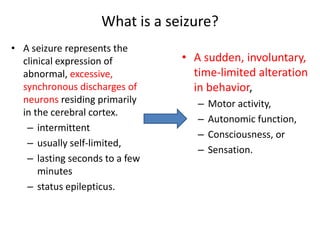
What is a seizure?
• A seizure represents the
clinical expression of
abnormal, excessive,
synchronous discharges of
neurons residing primarily
in the cerebral cortex.
– intermittent
– usually self-limited,
– lasting seconds to a few
minutes
– status epilepticus.
• A sudden, involuntary,
time-limited alteration
in behavior,
– Motor activity,
– Autonomic function,
– Consciousness, or
– Sensation.
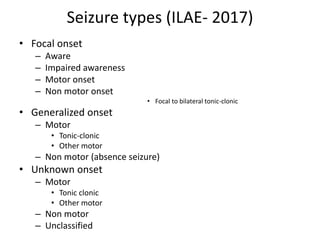
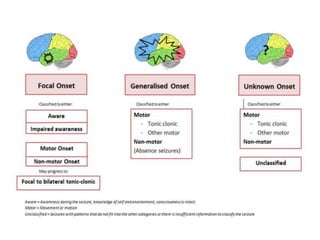
Seizure types (ILAE- 2017)
• Focal onset
– Aware
– Impaired awareness
– Motor onset
– Non motor onset
• Focal to bilateral tonic-clonic
• Generalized onset
– Motor
• Tonic-clonic
• Other motor
– Non motor (absence seizure)
• Unknown onset
– Motor
• Tonic clonic
• Other motor
– Non motor
– Unclassified
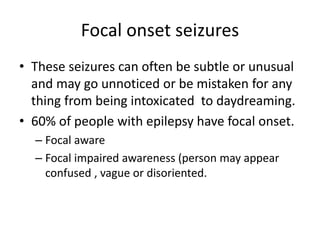
Focal onset seizures
• These seizures can often be subtle or unusual
and may go unnoticed or be mistaken for any
thing from being intoxicated to daydreaming.
• 60% of people with epilepsy have focal onset.
– Focal aware
– Focal impaired awareness (person may appear
confused , vague or disoriented.
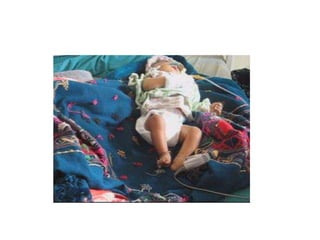
Classify this seizure: History
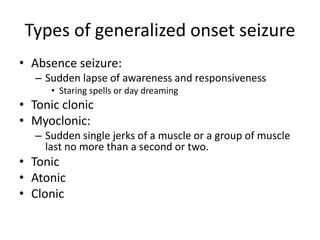
Types of generalized onset seizure
• Absence seizure:
– Sudden lapse of awareness and responsiveness
• Staring spells or day dreaming
• Tonic clonic
• Myoclonic:
– Sudden single jerks of a muscle or a group of muscle
last no more than a second or two.
• Tonic
• Atonic
• Clonic
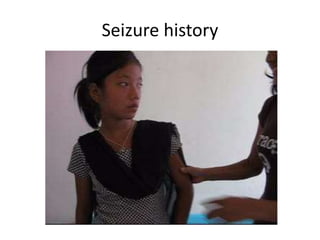
Seizure history
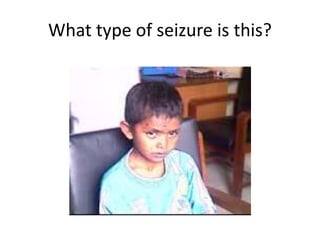
What type of seizure is this?
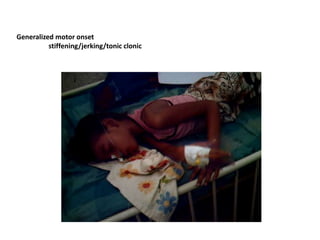
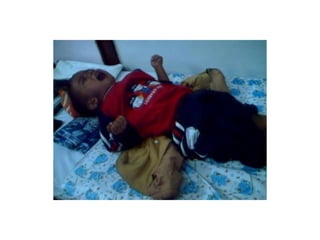
Generalized motor onset
stiffening/jerking/tonic clonic
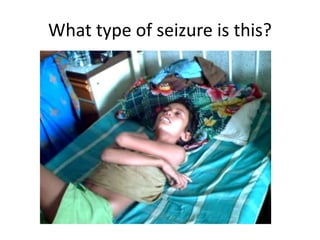
What type of seizure is this?
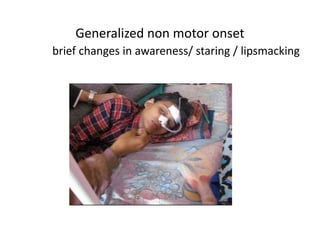
Generalized non motor onset
brief changes in awareness/ staring / lipsmacking
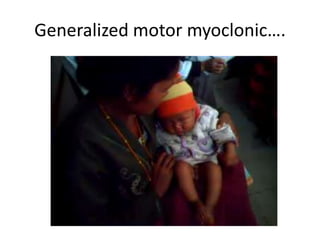
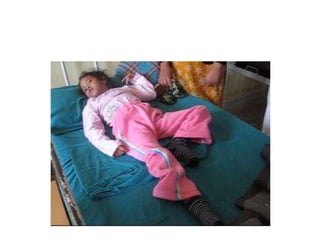
What type of seizure is this?
Generalized motor myoclonic….
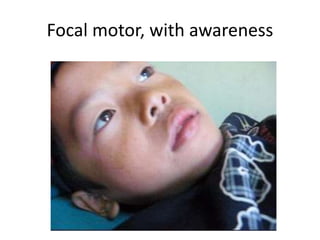
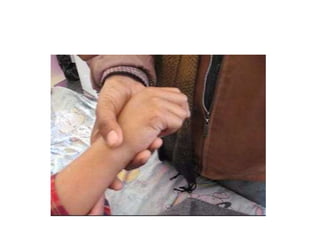
Focal motor, with awareness
Focal motor with awareness….
Generalized non-motor
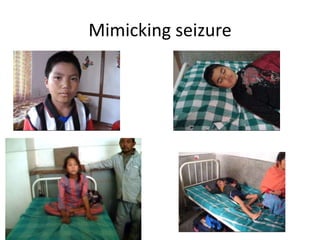
Mimicking seizure
Seizure types

Seizure types

  • 1.
    Seizure and itsclassification International League Against Epilepsy 2017
  • 2.
    What is aseizure? • A seizure represents the clinical expression of abnormal, excessive, synchronous discharges of neurons residing primarily in the cerebral cortex. – intermittent – usually self-limited, – lasting seconds to a few minutes – status epilepticus. • A sudden, involuntary, time-limited alteration in behavior, – Motor activity, – Autonomic function, – Consciousness, or – Sensation.
  • 3.
    Seizure types (ILAE-2017) • Focal onset – Aware – Impaired awareness – Motor onset – Non motor onset • Focal to bilateral tonic-clonic • Generalized onset – Motor • Tonic-clonic • Other motor – Non motor (absence seizure) • Unknown onset – Motor • Tonic clonic • Other motor – Non motor – Unclassified
  • 4.
    Focal onset seizures •These seizures can often be subtle or unusual and may go unnoticed or be mistaken for any thing from being intoxicated to daydreaming. • 60% of people with epilepsy have focal onset. – Focal aware – Focal impaired awareness (person may appear confused , vague or disoriented.
  • 5.
  • 7.
    Types of generalizedonset seizure • Absence seizure: – Sudden lapse of awareness and responsiveness • Staring spells or day dreaming • Tonic clonic • Myoclonic: – Sudden single jerks of a muscle or a group of muscle last no more than a second or two. • Tonic • Atonic • Clonic
  • 8.
  • 9.
    What type ofseizure is this?
  • 10.
  • 11.
    What type ofseizure is this?
  • 12.
    Generalized non motoronset brief changes in awareness/ staring / lipsmacking
  • 13.
    What type ofseizure is this?
  • 14.
  • 15.
  • 16.
    Focal motor withawareness….
  • 21.
  • 22.