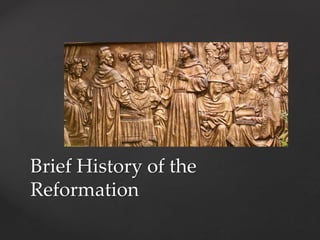
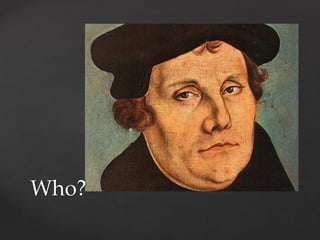
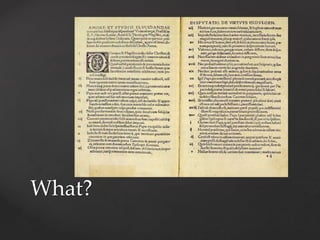
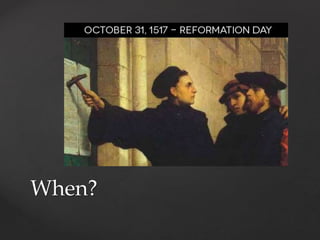
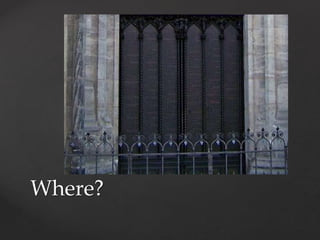
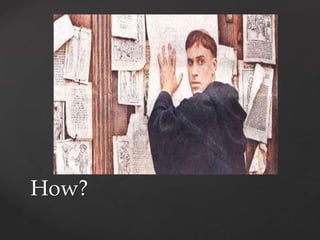


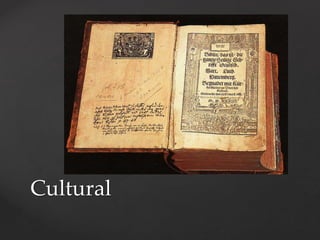


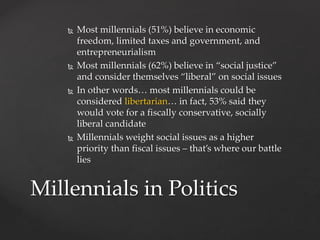
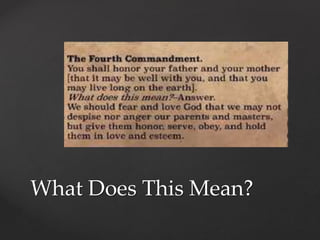

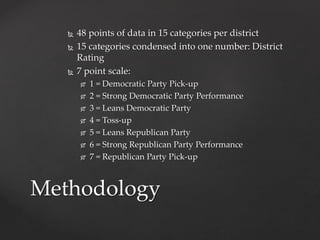
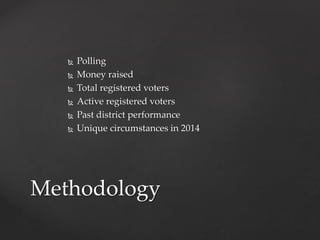
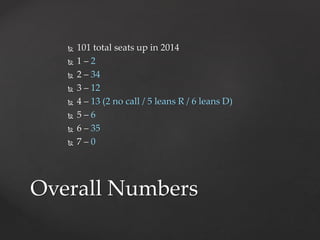
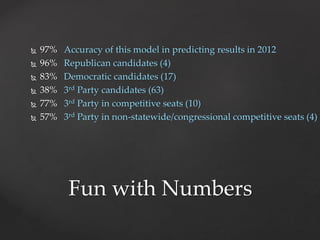


The document discusses the impact of the Protestant Reformation led by Martin Luther in the 16th century and draws parallels to modern political issues and millennials. It summarizes Luther's objections to Catholic Church teachings and the widespread effects of the Reformation, including increased literacy, education, and challenges to religious and political authorities. It then analyzes millennial attitudes, finding they prioritize social issues and are more liberal. The document argues we may be seeing a "new political Reformation" and offers strategies for messaging to millennials on social issues and politics.


