Recombinant Protein Expression in Mammalian cells
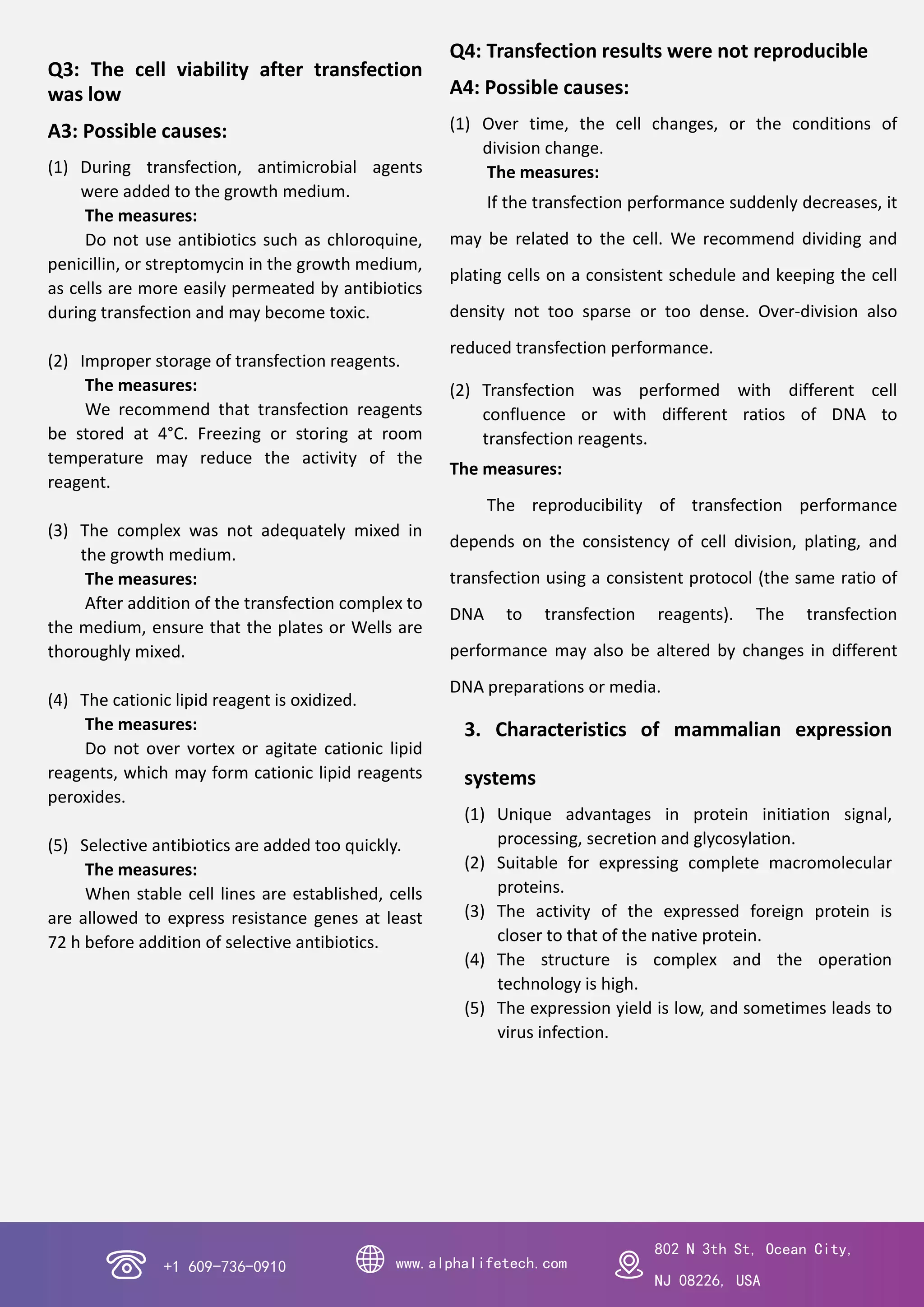
Fig 1 Recombinant Protein Expression in Prokaryotic Cells
Q1: When are mammalian expression systems
chosen?
A1: Proteins produced in mammalian cells have the
advantage of containing all post-translational
modifications (e.g., proper folding, glycosylation,
phosphorylation, etc.) of the expressed protein.
However, mammalian expression levels tend to be lower
and therefore more costly to achieve large amounts of
protein expression (> 10mg) is more difficult.
Mammalian cells require an transfection
reagent, such as lipofectamine 2000, lipofectamine
3000, etc., for protein expression. Mammalian cell
expression system, as Eukaryotic expression system,
which is selected by most researchers due to its
expressed protein has correct high-level structure.
The basic flow of recombinant protein expression in
mammalian cells is shown in Figure 1.
1. Introduction
2. Q&As for Recombinant Protein Expression
Q2: Low transfection efficiency
A2: Possible causes:
(1) Plasmid DNA, siRNA, or transfection reagents,
diluted in medium containing serum, or formed
complexes in the presence of serum.
The measures:
Serum-free medium was used to dilute plasmid
DNA, siRNA, and transfection reagents.
(2) The dilution time or compound culture period is
too short.
The measures:
We recommend that DNA and transfection
reagents be diluted and incubated for 5 minutes.
Diluted reagents were added together and incubated
for 20 min for optimum performance.
(3) The transfected plasmid DNA or siRNA was
degraded or of poor quality.
The measures:
Ensure that the plasmid DNA or siRNA used for
transfection is of high quality.
(4) Inhibitors are present in the culture medium.
The measures:
Do not use antibiotics, EDTA, citrate, phosphate,
RPMI, chondroitin sulfate, hyaluronic acid, glucan
sulfate, or other sulfated proteoglycans in growth
media or in media used to prepare DNA: transfection
reagent complexes.
(5) Cells do not recognize promoters/enhancers on the
vector.
The measures:
Verify that the promoter/enhancer on the vector
construct is compatible with the target cell type.
+1 609-736-0910 www.alphalifetech.com
802 N 3th St, Ocean City,
NJ 08226, USA
+1 609-736-0910 www.alphalifetech.com
802 N 3th St, Ocean City,
NJ 08226, USA
Q3: The cell viability after transfection
was low
A3: Possible causes:
(1) During transfection, antimicrobial agents
were added to the growth medium.
The measures:
Do not use antibiotics such as chloroquine,
penicillin, or streptomycin in the growth medium,
as cells are more easily permeated by antibiotics
during transfection and may become toxic.
(2) Improper storage of transfection reagents.
The measures:
We recommend that transfection reagents
be stored at 4°C. Freezing or storing at room
temperature may reduce the activity of the
reagent.
(3) The complex was not adequately mixed in
the growth medium.
The measures:
After addition of the transfection complex to
the medium, ensure that the plates or Wells are
thoroughly mixed.
(4) The cationic lipid reagent is oxidized.
The measures:
Do not over vortex or agitate cationic lipid
reagents, which may form cationic lipid reagents
peroxides.
(5) Selective antibiotics are added too quickly.
The measures:
When stable cell lines are established, cells
are allowed to express resistance genes at least
72 h before addition of selective antibiotics.
3. Characteristics of mammalian expression
systems
(1) Unique advantages in protein initiation signal,
processing, secretion and glycosylation.
(2) Suitable for expressing complete macromolecular
proteins.
(3) The activity of the expressed foreign protein is
closer to that of the native protein.
(4) The structure is complex and the operation
technology is high.
(5) The expression yield is low, and sometimes leads to
virus infection.
Q4: Transfection results were not reproducible
A4: Possible causes:
(1) Over time, the cell changes, or the conditions of
division change.
The measures:
If the transfection performance suddenly decreases, it
may be related to the cell. We recommend dividing and
plating cells on a consistent schedule and keeping the cell
density not too sparse or too dense. Over-division also
reduced transfection performance.
(2) Transfection was performed with different cell
confluence or with different ratios of DNA to
transfection reagents.
The measures:
The reproducibility of transfection performance
depends on the consistency of cell division, plating, and
transfection using a consistent protocol (the same ratio of
DNA to transfection reagents). The transfection
performance may also be altered by changes in different
DNA preparations or media.

Recombinant Protein Expression in Mammalian cells.pdf

  • 1.
    Recombinant Protein Expressionin Mammalian cells Fig 1 Recombinant Protein Expression in Prokaryotic Cells Q1: When are mammalian expression systems chosen? A1: Proteins produced in mammalian cells have the advantage of containing all post-translational modifications (e.g., proper folding, glycosylation, phosphorylation, etc.) of the expressed protein. However, mammalian expression levels tend to be lower and therefore more costly to achieve large amounts of protein expression (> 10mg) is more difficult. Mammalian cells require an transfection reagent, such as lipofectamine 2000, lipofectamine 3000, etc., for protein expression. Mammalian cell expression system, as Eukaryotic expression system, which is selected by most researchers due to its expressed protein has correct high-level structure. The basic flow of recombinant protein expression in mammalian cells is shown in Figure 1. 1. Introduction 2. Q&As for Recombinant Protein Expression Q2: Low transfection efficiency A2: Possible causes: (1) Plasmid DNA, siRNA, or transfection reagents, diluted in medium containing serum, or formed complexes in the presence of serum. The measures: Serum-free medium was used to dilute plasmid DNA, siRNA, and transfection reagents. (2) The dilution time or compound culture period is too short. The measures: We recommend that DNA and transfection reagents be diluted and incubated for 5 minutes. Diluted reagents were added together and incubated for 20 min for optimum performance. (3) The transfected plasmid DNA or siRNA was degraded or of poor quality. The measures: Ensure that the plasmid DNA or siRNA used for transfection is of high quality. (4) Inhibitors are present in the culture medium. The measures: Do not use antibiotics, EDTA, citrate, phosphate, RPMI, chondroitin sulfate, hyaluronic acid, glucan sulfate, or other sulfated proteoglycans in growth media or in media used to prepare DNA: transfection reagent complexes. (5) Cells do not recognize promoters/enhancers on the vector. The measures: Verify that the promoter/enhancer on the vector construct is compatible with the target cell type. +1 609-736-0910 www.alphalifetech.com 802 N 3th St, Ocean City, NJ 08226, USA
  • 2.
    +1 609-736-0910 www.alphalifetech.com 802N 3th St, Ocean City, NJ 08226, USA Q3: The cell viability after transfection was low A3: Possible causes: (1) During transfection, antimicrobial agents were added to the growth medium. The measures: Do not use antibiotics such as chloroquine, penicillin, or streptomycin in the growth medium, as cells are more easily permeated by antibiotics during transfection and may become toxic. (2) Improper storage of transfection reagents. The measures: We recommend that transfection reagents be stored at 4°C. Freezing or storing at room temperature may reduce the activity of the reagent. (3) The complex was not adequately mixed in the growth medium. The measures: After addition of the transfection complex to the medium, ensure that the plates or Wells are thoroughly mixed. (4) The cationic lipid reagent is oxidized. The measures: Do not over vortex or agitate cationic lipid reagents, which may form cationic lipid reagents peroxides. (5) Selective antibiotics are added too quickly. The measures: When stable cell lines are established, cells are allowed to express resistance genes at least 72 h before addition of selective antibiotics. 3. Characteristics of mammalian expression systems (1) Unique advantages in protein initiation signal, processing, secretion and glycosylation. (2) Suitable for expressing complete macromolecular proteins. (3) The activity of the expressed foreign protein is closer to that of the native protein. (4) The structure is complex and the operation technology is high. (5) The expression yield is low, and sometimes leads to virus infection. Q4: Transfection results were not reproducible A4: Possible causes: (1) Over time, the cell changes, or the conditions of division change. The measures: If the transfection performance suddenly decreases, it may be related to the cell. We recommend dividing and plating cells on a consistent schedule and keeping the cell density not too sparse or too dense. Over-division also reduced transfection performance. (2) Transfection was performed with different cell confluence or with different ratios of DNA to transfection reagents. The measures: The reproducibility of transfection performance depends on the consistency of cell division, plating, and transfection using a consistent protocol (the same ratio of DNA to transfection reagents). The transfection performance may also be altered by changes in different DNA preparations or media.