When a person is sick, the first stage of infection
is INCUBATION. It is the period starting from the
entry of the pathogen until the appearance of the
first sign.
For example, chickenpox, takes two (2) to three
(3) weeks of incubation; common colds takes one
(1) to two (2) days; , while influenza holds one (1)
to three (3) days; and mumps holds twelve (12) to
twenty-five (25) days.
The second stage is called the
prodromal stage which starts
from the onset of non-specific
signs and symptoms such as
fever, headache, and fatigue
The illness stage begins when more
specific signs and symptoms appear.
For example, the common cold is
characterized by sore throat, sinus
congestion, and rhinitis, mumps
manifested by earache, high fever, and
salivary gland swelling.
The last stage of infection is an interval
when acute symptoms of infection
disappear. The length of recovery
depends on the severity of the infection
and the sick person’s general state of
health. Recovery may take several days
to months and is called the
convalescence stage.
Communicable diseases result from the
interaction of an infectious agent called
pathogens, host, and environment.
are disease causing organisms which can be
viruses, bacteria, fungi, among others.
Transmission occurs when the pathogen leaves
its reservoir or host through a portal of exit,
which is delivered by some mode of
transmission, and enters through an appropriate
portal of entry to infect a susceptible host.
Reservoirs can be a place such as
bodies of water, animals, and
humans. Examples of mode of
transmission include direct contact,
air borne, and vector borne.
Examples of portal of exit and entry
include the nose, mouth, skin, and
genitals to name a few.
By understanding the chain of infection, the sick person
must intervene to prevent the infection from
developing any further. When a sick person acquires an
infection, he/she must observe signs and symptoms of
infection and take appropriate actions to prevent the
spread like staying away from other people, and taking
the doctor’s advice seriously. Infection follows a
progressive course as explained above. The severity of
the sick person’s illness depends on the extent of the
infection, the pathogenicity of the microorganism, and
the susceptibility of the host.
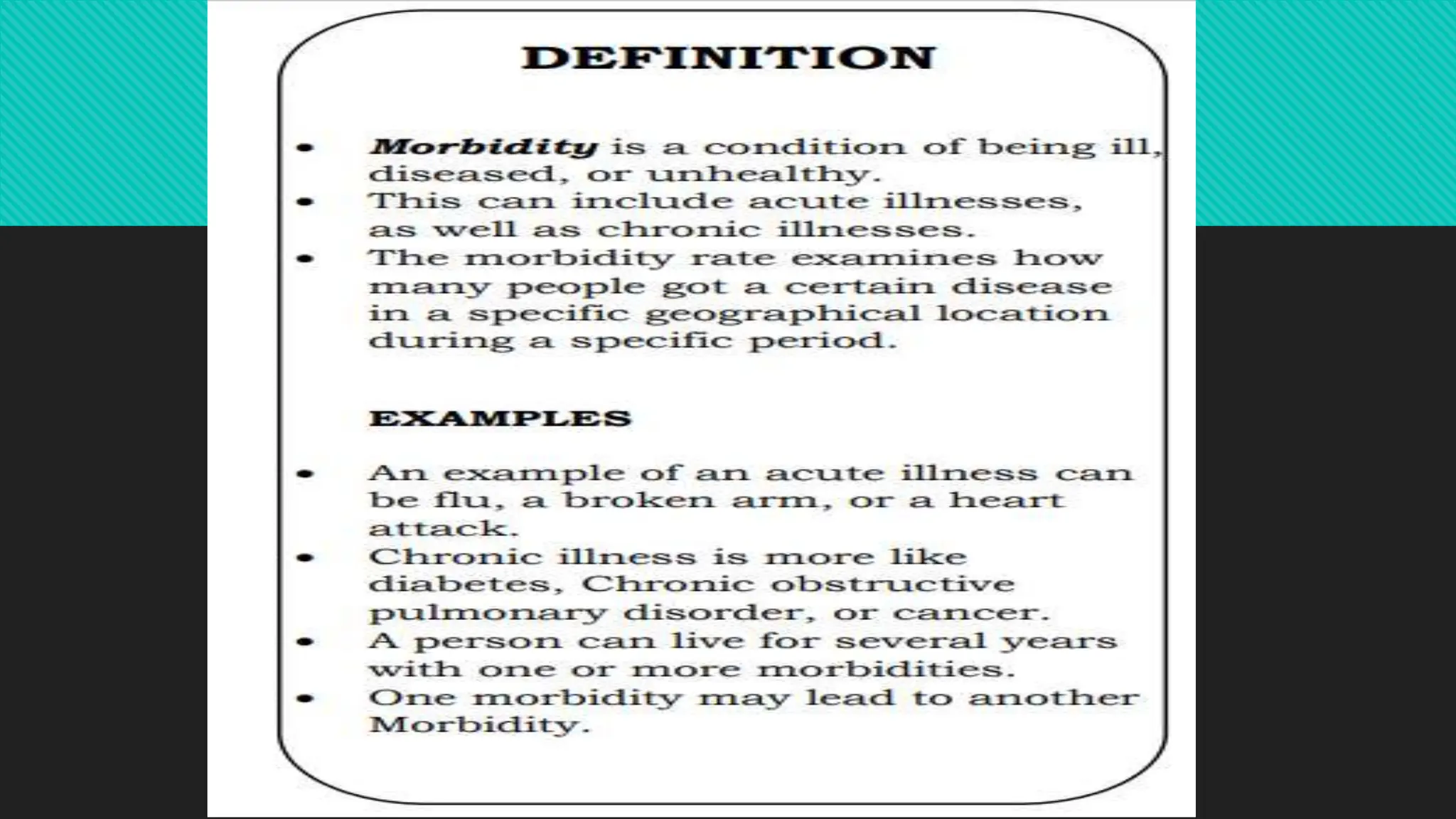
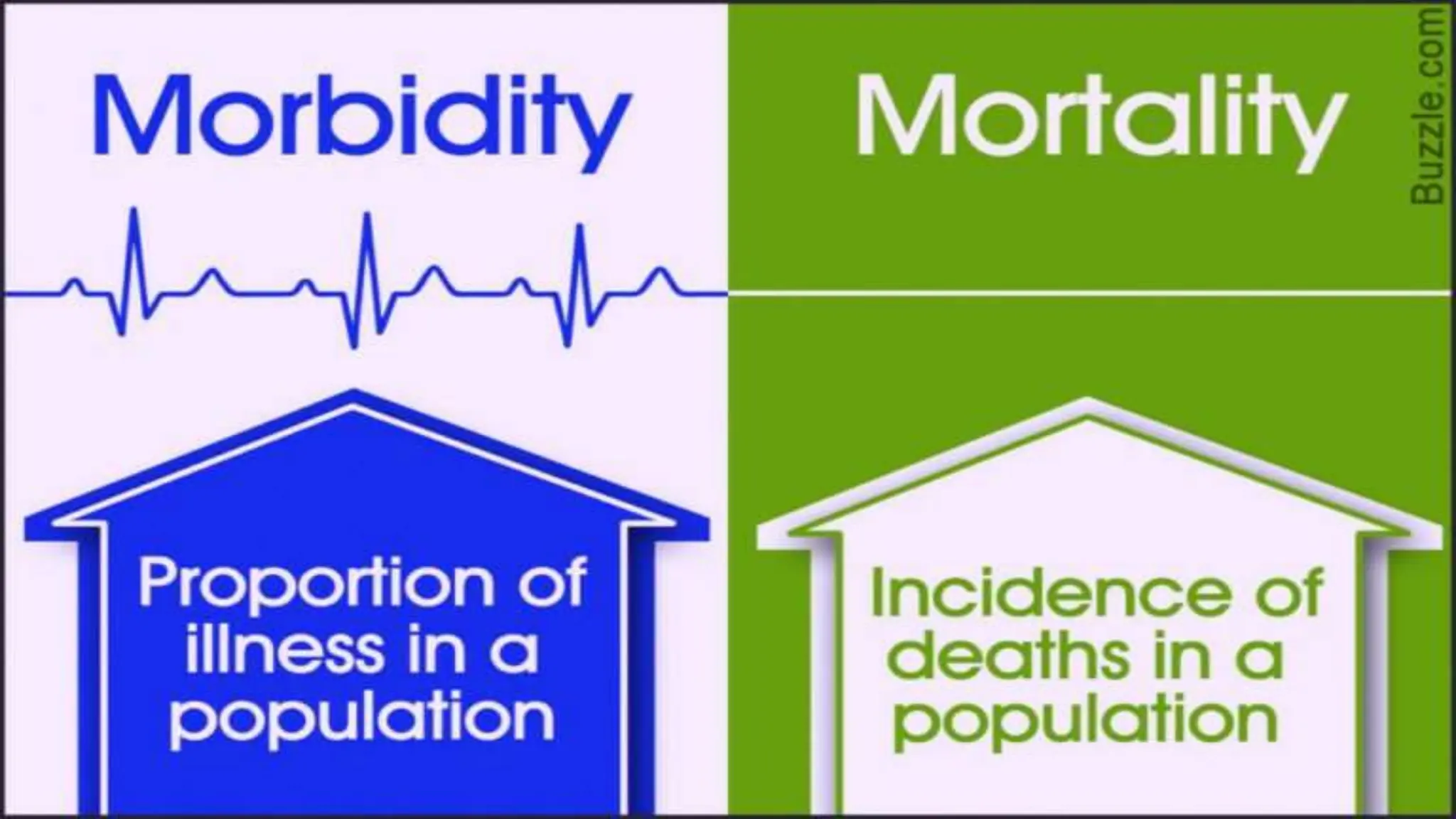
Morbidity rate - Estimates the
frequency of a diseases in a defined
population during a specified time.
Mortality rate - Estimates the
frequency of occurrence of death in a
defined population during a
specified time.
The following are the top 10 leading
causes of morbidity in the Philippines
as of 2018, according to Department
of Health (DOH)
The following are the top 10
leading causes of mortality in
the Philippines as of 2018,
according to Department of
Health (DOH).
The leading cause of both
mortality and morbidity is a
NON-COMMUNICABLE
DISEASE.

QUARTER 3 HEALTH 8 Stages of Infection (1).pptx

  • 3.
    When a personis sick, the first stage of infection is INCUBATION. It is the period starting from the entry of the pathogen until the appearance of the first sign. For example, chickenpox, takes two (2) to three (3) weeks of incubation; common colds takes one (1) to two (2) days; , while influenza holds one (1) to three (3) days; and mumps holds twelve (12) to twenty-five (25) days.
  • 4.
    The second stageis called the prodromal stage which starts from the onset of non-specific signs and symptoms such as fever, headache, and fatigue
  • 5.
    The illness stagebegins when more specific signs and symptoms appear. For example, the common cold is characterized by sore throat, sinus congestion, and rhinitis, mumps manifested by earache, high fever, and salivary gland swelling.
  • 6.
    The last stageof infection is an interval when acute symptoms of infection disappear. The length of recovery depends on the severity of the infection and the sick person’s general state of health. Recovery may take several days to months and is called the convalescence stage.
  • 9.
    Communicable diseases resultfrom the interaction of an infectious agent called pathogens, host, and environment. are disease causing organisms which can be viruses, bacteria, fungi, among others. Transmission occurs when the pathogen leaves its reservoir or host through a portal of exit, which is delivered by some mode of transmission, and enters through an appropriate portal of entry to infect a susceptible host.
  • 10.
    Reservoirs can bea place such as bodies of water, animals, and humans. Examples of mode of transmission include direct contact, air borne, and vector borne. Examples of portal of exit and entry include the nose, mouth, skin, and genitals to name a few.
  • 11.
    By understanding thechain of infection, the sick person must intervene to prevent the infection from developing any further. When a sick person acquires an infection, he/she must observe signs and symptoms of infection and take appropriate actions to prevent the spread like staying away from other people, and taking the doctor’s advice seriously. Infection follows a progressive course as explained above. The severity of the sick person’s illness depends on the extent of the infection, the pathogenicity of the microorganism, and the susceptibility of the host.
  • 17.
    Morbidity rate -Estimates the frequency of a diseases in a defined population during a specified time. Mortality rate - Estimates the frequency of occurrence of death in a defined population during a specified time.
  • 18.
    The following arethe top 10 leading causes of morbidity in the Philippines as of 2018, according to Department of Health (DOH)
  • 20.
    The following arethe top 10 leading causes of mortality in the Philippines as of 2018, according to Department of Health (DOH).
  • 22.
    The leading causeof both mortality and morbidity is a NON-COMMUNICABLE DISEASE.