Have you experiencedthat
your speech utterance is
misconstrued by your
listeners or your message is
interpreted in different
contexts?
5.
Well, these arethe
common reasons why our
message loses its meaning.
6.
So let’s understandthe
complexities of conversations
and how form and context
changes it.
7.
There is anadage commonly
thrown around that says,
“meanings are in
people”.
8.
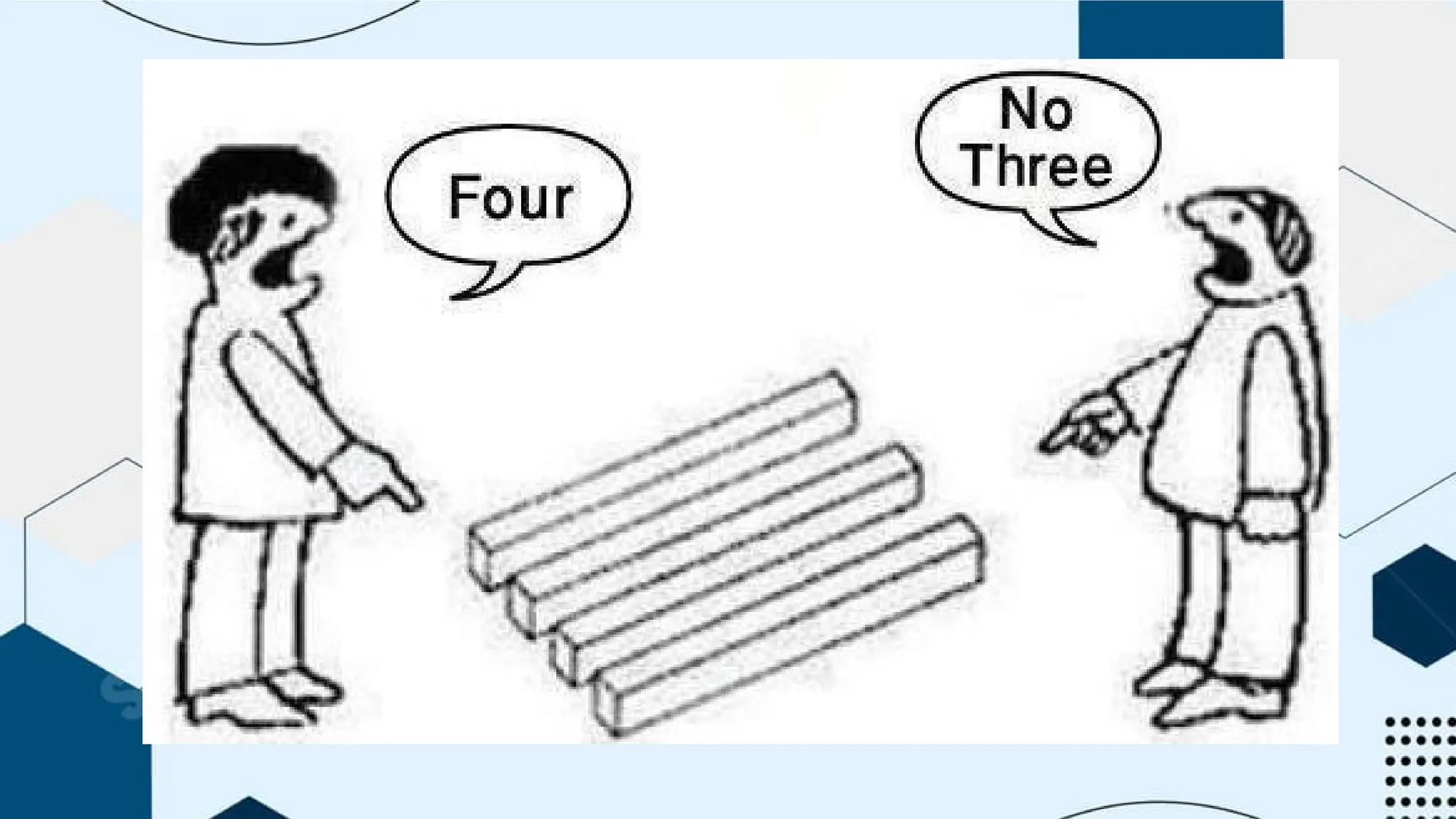
This denotes thata word or
statement does not have an
inherent or fixed
meaning.
9.
Rather, the meaningdepends
on the interpretation of the
person who
hears such a word or
statement.
10.
Or the interpretationdepends
on the listener’s
beliefs, previous experiences,
or background because no
two persons can have
similar beliefs or
experiences.
13.
When we areasked to do
public speaking, the most
common questions are:
What is the occasion?
Who are my audience?
What is the purpose of my
speech?
14.
Knowing yourtopic is the
initial step to communicate
your point of view.
15.
Knowing youraudience
allows you to emphasize
certain details or ideas
within your topic that is
relevant to your audience.
16.
Knowing theintent of your
speech gives you the
motivation to really connect
to your audience
17.
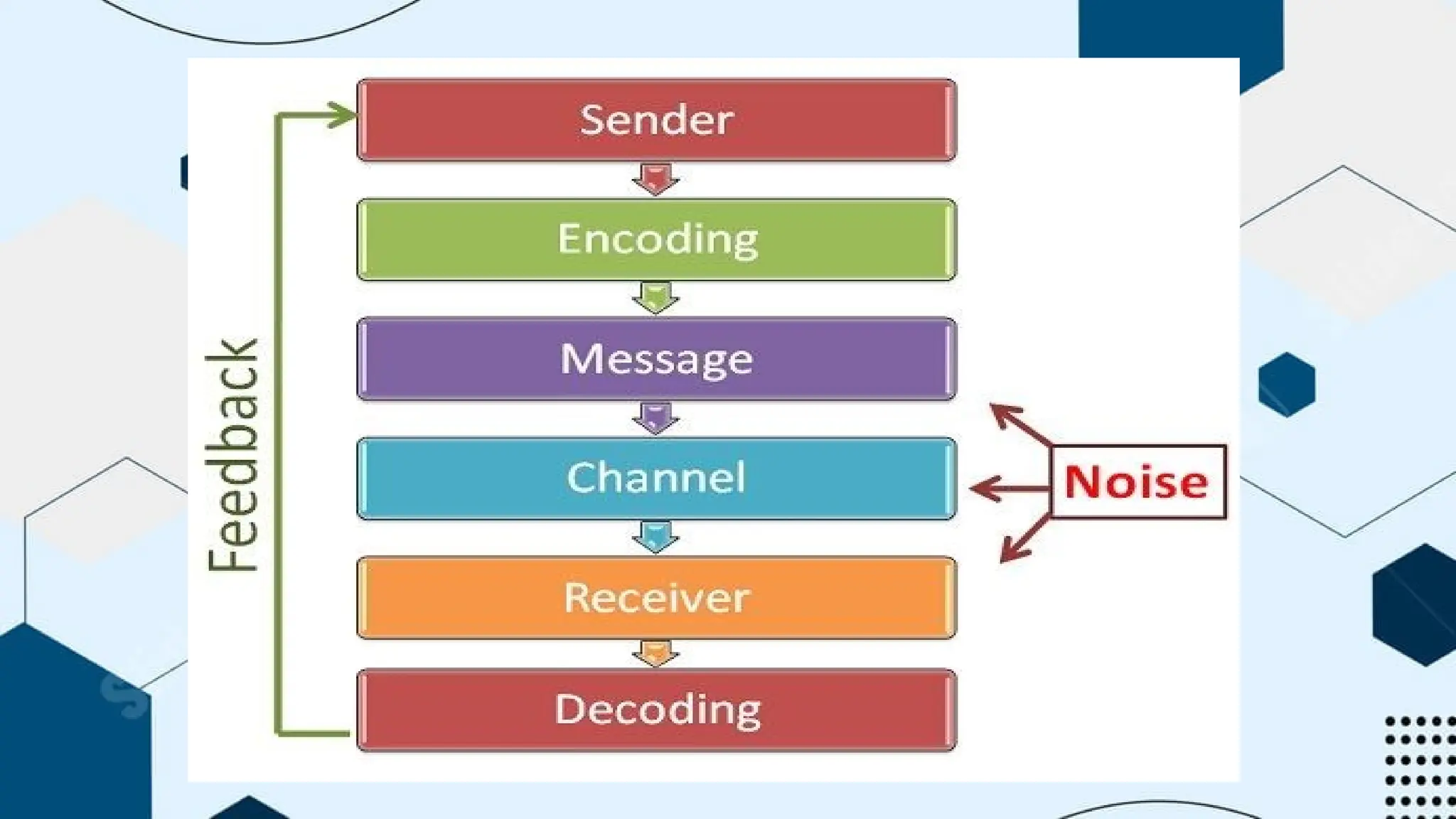
As we havelearned,
COMMUNICATION,
involves:
SENDER
RECEIVER
The receiver whoreceives it
will also have the goal of
interpreting the content the
way the sender delivers the
message.
21.
The concept ofunderstanding
the message imposes the role
of the sender in being
mindful of his words and
fitting the context of his
message to the type of
audience he has.
22.
As to thereceiver, he must
also consider what form of
language the speaker intends
to communicate.
23.
Whether the speaker:
intend to impose a command?
want to show his authority?
Whatever the intentions are, it
will only show that the
message implies a purpose.
1. LANGUAGE FORM
Thekind of language used by a
speaker is important in
establishing a connection with
his/her audience.
26.
The greater thefamiliarity of the
audience to the language or
words used, the better the
connection.
27.
Bygates (2010) explainsthat
limitations in understanding of
the text or message can be a
reason for conflict and
misunderstanding.
28.
He emphasized thatoften, we
think that we sent a message in a
complete and self-sufficient way,
so we assume we are perfectly
understood by our intended
listeners only to realize later that
we are not.
29.
As a result,we could come
across as arrogant, mean, and
obscure because our message
lacks explicitness.
30.
THREE KINDS OF
SENTENCEMEANINGS TO
HELP LISTENERS
UNDERSTAND THE FORMS
AND STRUCTURE
(BYGATE - 2010)
31.
Communicative Function
Which dealswith the ability of
the host to use the punctuations
properly such as how
interrogatives are formed, how
to complain, ask or apologize.
Social Context
Refers tothe manner of
conversing whether it be
making connections or
exchanging ideas.
34.
2. DURATION OFINTERACTION
Duration or time factor is crucial
in sustaining the interaction
between the speaker and the
listener.
35.
If the listeneris a supporter of
the speaker, then the former has
high chances of staying until the
latter finishes the message’s
delivery.
36.
But if thelistener is a critic,
he/she may not have the
patience to stay until the end.
37.
Important Reminder:
When youdo the public
speaking, keep your message
simple, brief, precise and
determine only the important
points and give examples for
each point.
38.
3. RELATIONSHIP OFSPEAKER
The nature of the relationship
between the speaker and the
listener determines the kind of
interaction would transpire.
42.
4. ROLE OFTHE SPEAKER
The speaker’s purpose in an
interaction allows the listener to
assess whether the exchange of
information is worthwhile.
43.
The speaker mustdetermine his
purpose and role in
administering the speech.
44.
He needs tounderstand his
topic, its essence, and its impact
on the audience.
45.
5. Delivery
The mannerby which the
message is delivered affects the
formation of meaning.
46.
“The medium isthe message,”
(McLuhan in (Carr, 2010)
McLuhan alludes to the
importance of message delivery.
The medium can be as powerful,
if not more powerful, than the
content.
47.
6. Message
brought tolife by how the
speaker delivers it. A topic or
the content in itself may be
compelling, but it needs human
emotion to draw out a reaction
from its audience.
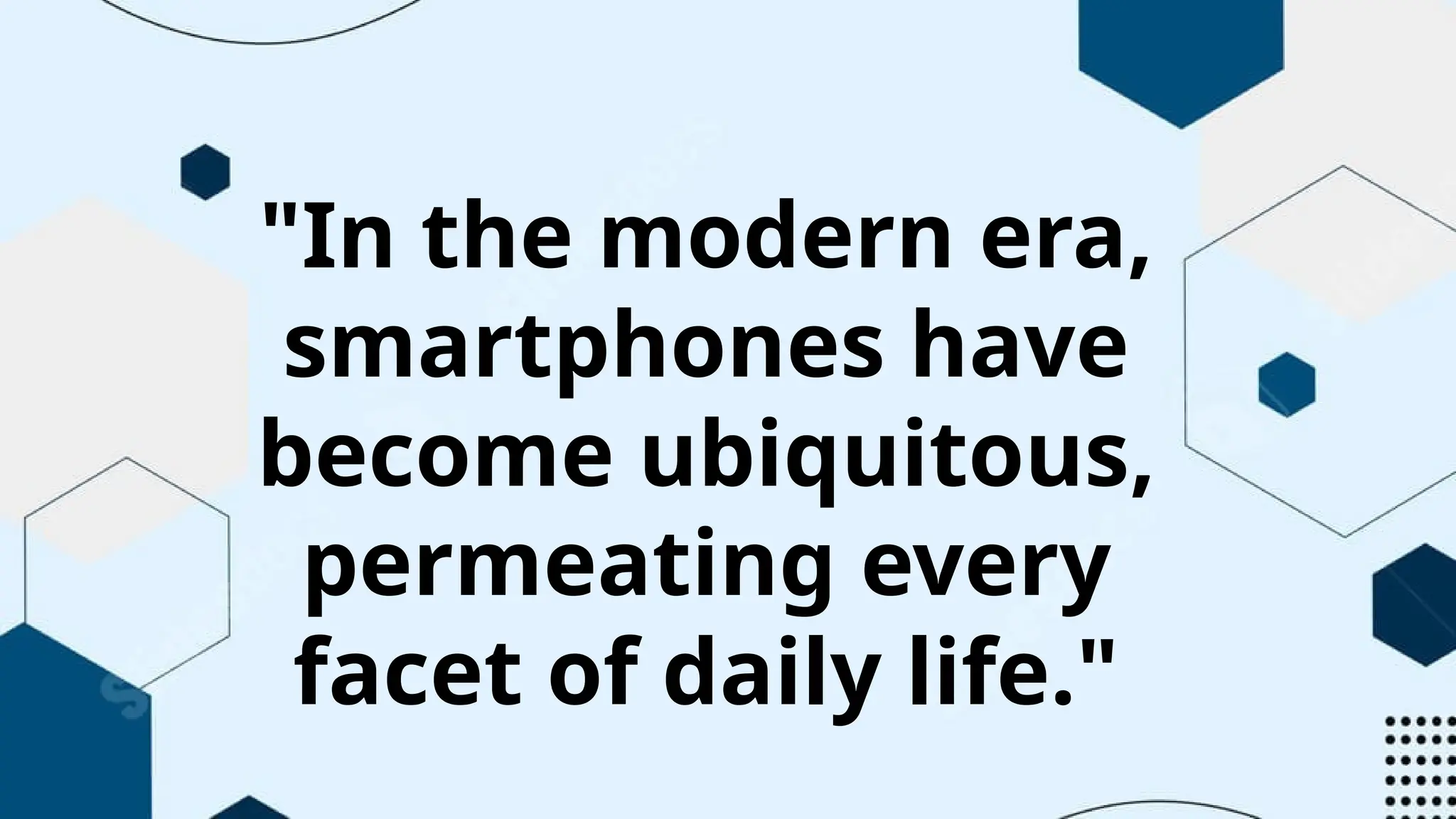
48.
"In the modernera,
smartphones have
become ubiquitous,
permeating every
facet of daily life."
#11 We have learned from the previous lessons the different speech styles, speech context and communicative strategies in which we are able to mirrored ourselves when it comes to doing public speaking. Somehow, we’re able to categorized the type of speeches that we are going to deliver to our audience.
#12 We have learned from the previous lessons the different speech styles, speech context and communicative strategies in which we are able to mirrored ourselves when it comes to doing public speaking. Somehow, we’re able to categorized the type of speeches that we are going to deliver to our audience.
#13 To determine the kind of speech that you need to prepare. We must understand that…
#16 Thus, a smooth transition of knowledge can be achieved.
#20 But, sometimes, it never happens this way. Sometimes, the message that you would like to convey is put into a different context, maybe your message would come across to some as arrogant and inconsiderate even though you did not intend it that way. Just like in politics, there are two types of audience: supporters and critics (Interpret the message as half-full and half-empty)
#21 Even the delivery of the message and his role as a speaker must also be considered.
#26 Hence, the higher chances that the audience will think or act according to the speaker’s desire.
#29 We must leave our listeners with something to work on or to interpret the message based on the context it entails the listener to process.
#36 As such, the duration of interaction can then affect the formation of meaning. Critic leaves midway of the interaction then the meaning can be distorted.
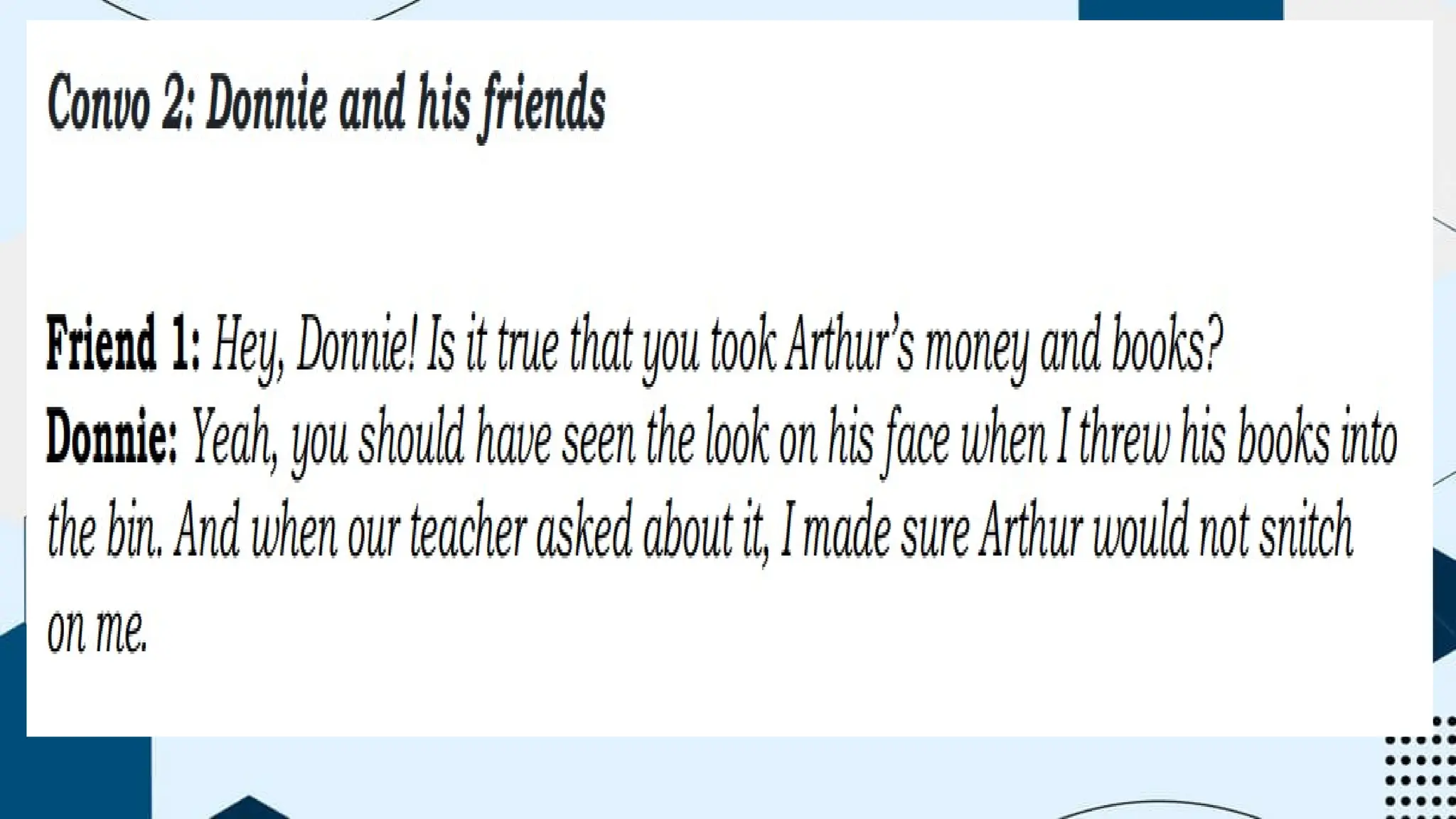
#38 The closer the relationship, the better is the exchange of information.
#41 The examples emphasize that there is a need to build a deeper relationship between the (speaker) teachers and (receiver) students, so that students can be more trusting of their teachers. For effective communication to happen, trust is vital. Once the audience trusts that a speaker is reliable or an expert on the said topic or is someone they know to be trustworthy, the flow of communication becomes smoother.
#44 For this allows the speaker to determine beforehand the necessary changes or improvements he needs to undertake.
#47 Most of the time, the audience’s reaction mirrors the emotion and reaction of the speaker. So when President Duterte said, “My God, I hate drugs”, his raw emotion and disgust over drugs are mirrored by those that share his opinion. In conclusion, formation and meaning is not solely depends on how the receiver interpret the message but it goes with the kind of vocabulary being used by the speaker. For instance…
#48 Ubiquitous – seeming to be seen everywhere
Permeating – penetrate
Facet – in every aspects in our lives
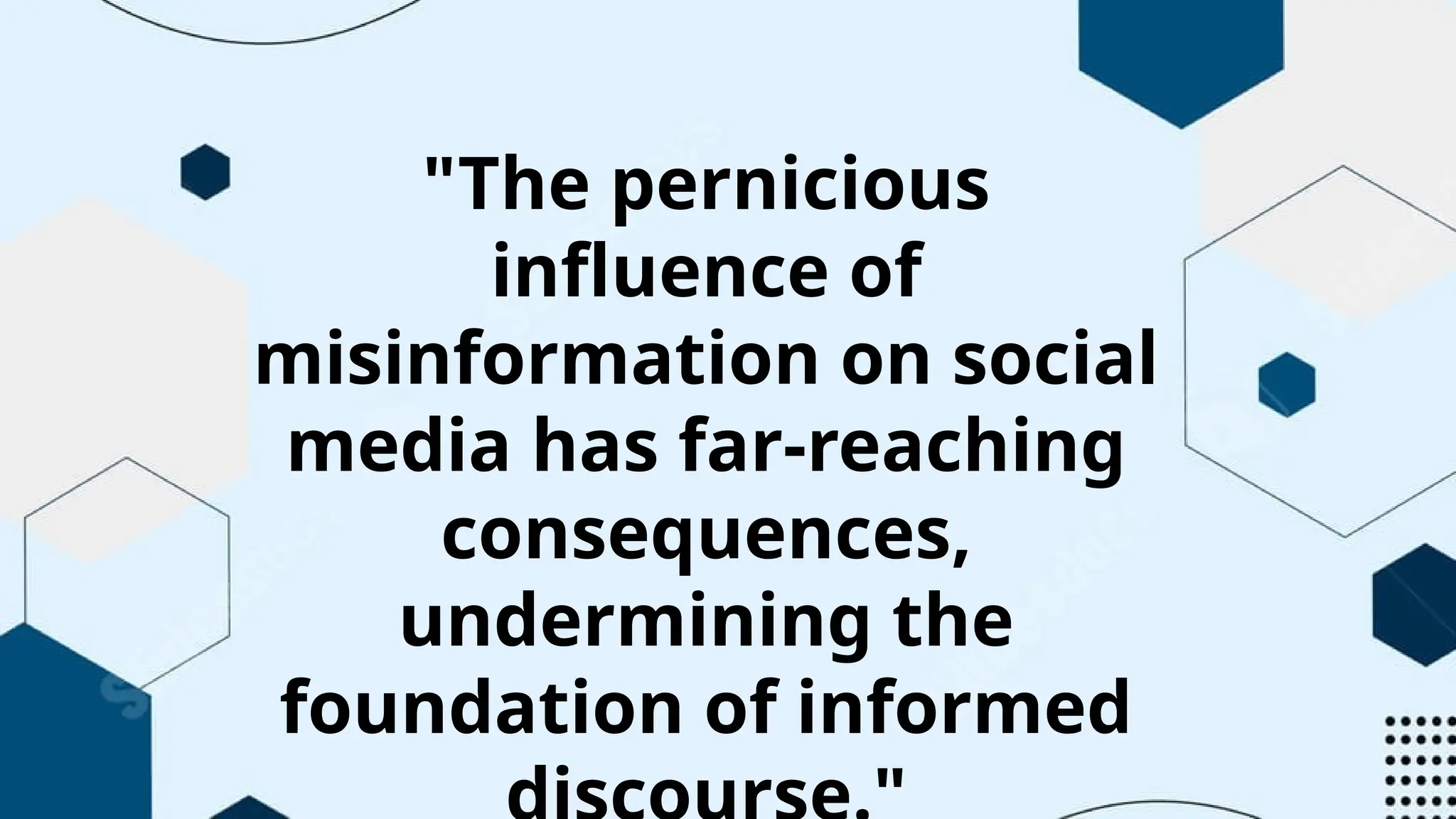
#49 Pernicious – causing great harm or damage often in a way that is not easily seen or noticed.
#50 In conclusion, formation and meaning is not solely depends on how the receiver interpret the message but it goes with the kind of vocabulary being used by the speaker.