
![Pr[agree]
=
1/2
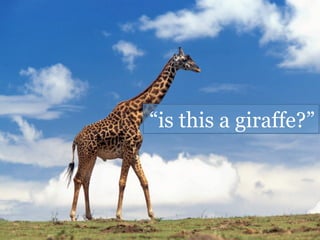
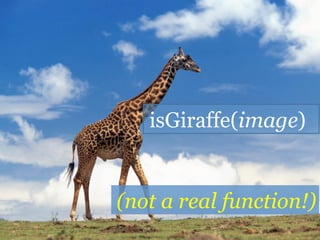
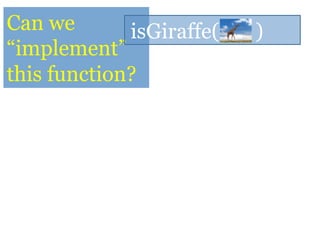
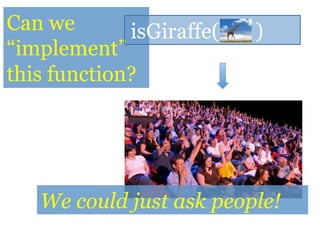
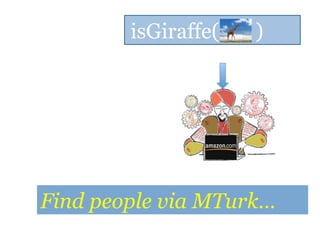
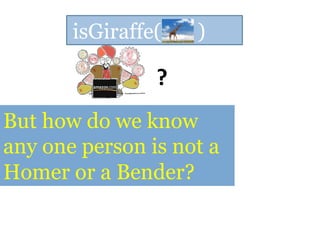
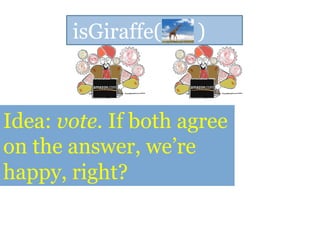
isGiraffe( )
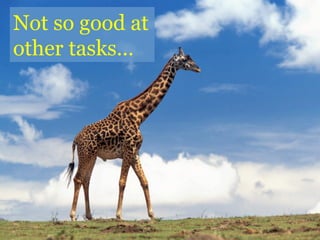
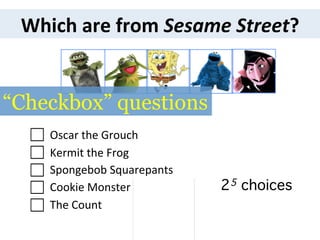
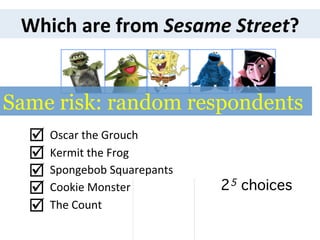
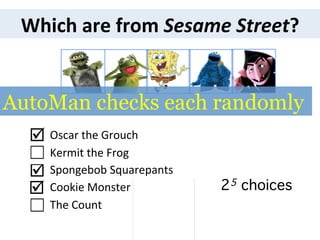
Not so much. Random =
50% chance of agreement.](https://image.slidesharecdn.com/automan-glossed-130615213504-phpapp02/85/Programming-with-People-32-320.jpg)
![Pr[agree]
=
1/32
<
5%
BUT: can dramatically
reduce likelihood by
increasing # of workers.](https://image.slidesharecdn.com/automan-glossed-130615213504-phpapp02/85/Programming-with-People-33-320.jpg)
![Pr[agree]
=
k(1/k)n
(unanimous
agreement)
k = # choices, n = # workers.
(see paper for more details)](https://image.slidesharecdn.com/automan-glossed-130615213504-phpapp02/85/Programming-with-People-34-320.jpg)
![é choices
ê Pr[agree]
More choices = fewer people](https://image.slidesharecdn.com/automan-glossed-130615213504-phpapp02/85/Programming-with-People-35-320.jpg)
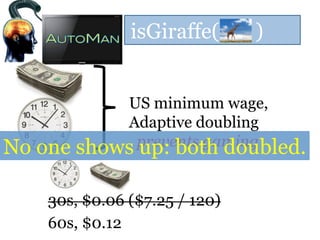
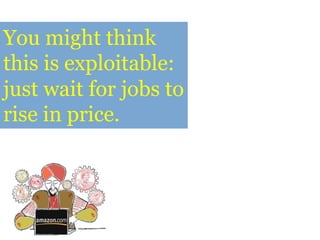
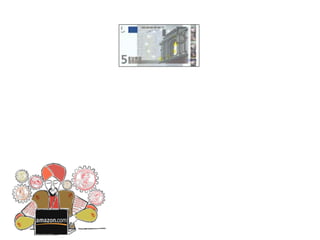
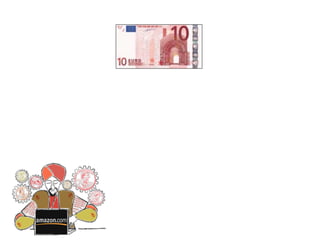
![=
base
(Pavail)round
*
mul=plierround
E[gain]
Math: workers
should never wait.
Expected
earnings
after some #
of rounds…](https://image.slidesharecdn.com/automan-glossed-130615213504-phpapp02/85/Programming-with-People-48-320.jpg)
![=
base
(½)round
*
mul=plierround
E[gain]
Even odds
somebody
will take the
money…](https://image.slidesharecdn.com/automan-glossed-130615213504-phpapp02/85/Programming-with-People-49-320.jpg)
![E[gain]
=
base
(½)round
*
2round
Doubling
increases
wage after
each round…](https://image.slidesharecdn.com/automan-glossed-130615213504-phpapp02/85/Programming-with-People-50-320.jpg)
![=
base
E[gain]
Terms
dependent on
rounds
cancel out.](https://image.slidesharecdn.com/automan-glossed-130615213504-phpapp02/85/Programming-with-People-51-320.jpg)
![no incentive to wait
=
base
E[gain]](https://image.slidesharecdn.com/automan-glossed-130615213504-phpapp02/85/Programming-with-People-52-320.jpg)
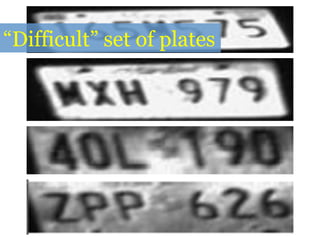
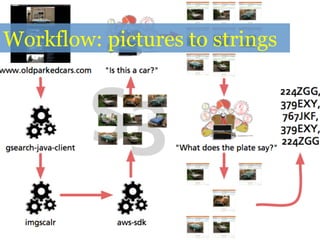
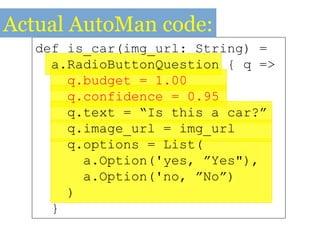
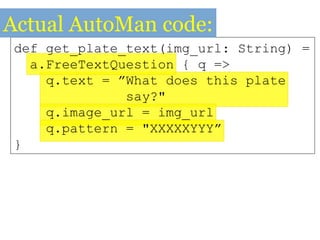
![What
does
this
license
plate
say?
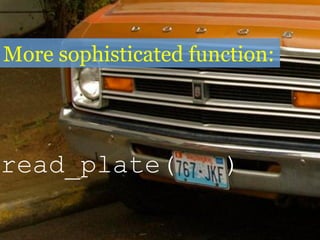
36d choices!
XXXXXX
366 choices = !2176782336[A-Z0-9]{6}!
Last question category:
constrained free-text](https://image.slidesharecdn.com/automan-glossed-130615213504-phpapp02/85/Programming-with-People-61-320.jpg)
![Which
one
of
these
doesn’t
belong?
[95%
conf.]
AUTOMAN:
spawns
3
tasks
@
$0.06;
30s
work
t1
t2
t3
Example real execution](https://image.slidesharecdn.com/automan-glossed-130615213504-phpapp02/85/Programming-with-People-62-320.jpg)
![Which
one
of
these
doesn’t
belong?
[95%
conf.]
AUTOMAN:
spawns
3
tasks
@
$0.06;
30s
work
t1
t2
t3
1m
50s](https://image.slidesharecdn.com/automan-glossed-130615213504-phpapp02/85/Programming-with-People-63-320.jpg)
![Which
one
of
these
doesn’t
belong?
[95%
conf.]
AUTOMAN:
spawns
3
tasks
@
$0.06;
30s
work
t1
t2
t3
1m
50s
2m
30s](https://image.slidesharecdn.com/automan-glossed-130615213504-phpapp02/85/Programming-with-People-64-320.jpg)
![Which
one
of
these
doesn’t
belong?
[95%
conf.]
AUTOMAN:
spawns
3
tasks
@
$0.06;
30s
work
t1
t2
t3
1m
50s
2m
30s
2m
50s](https://image.slidesharecdn.com/automan-glossed-130615213504-phpapp02/85/Programming-with-People-65-320.jpg)
![Which
one
of
these
doesn’t
belong?
[95%
conf.]
AUTOMAN:
spawns
3
tasks
@
$0.06;
30s
work
t1
t2
t3
1m
50s
2m
30s
2m
50s
Inconclusive!](https://image.slidesharecdn.com/automan-glossed-130615213504-phpapp02/85/Programming-with-People-66-320.jpg)
![Which
one
of
these
doesn’t
belong?
[95%
conf.]
AUTOMAN:
spawns
3
more
tasks
t1
t2
t3
t4
t5
t6](https://image.slidesharecdn.com/automan-glossed-130615213504-phpapp02/85/Programming-with-People-67-320.jpg)
![Which
one
of
these
doesn’t
belong?
[95%
conf.]
AUTOMAN:
spawns
3
more
tasks
t1
t2
t3
t4
t5
t6
7m](https://image.slidesharecdn.com/automan-glossed-130615213504-phpapp02/85/Programming-with-People-68-320.jpg)
![Which
one
of
these
doesn’t
belong?
[95%
conf.]
AUTOMAN:
spawns
3
more
tasks
t1
t2
t3
t4
t5
t6
18m
50s
7m](https://image.slidesharecdn.com/automan-glossed-130615213504-phpapp02/85/Programming-with-People-69-320.jpg)
![Which
one
of
these
doesn’t
belong?
[95%
conf.]
AUTOMAN:
spawns
3
more
tasks
t1
t2
t3
t4
t5
t6
7m
18m
50s
51m
Timeout: double pay and time](https://image.slidesharecdn.com/automan-glossed-130615213504-phpapp02/85/Programming-with-People-70-320.jpg)
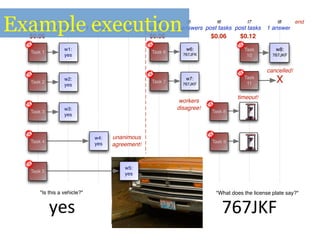
![Which
one
of
these
doesn’t
belong?
[95%
conf.]
AUTOMAN:
spawn
1
more
task
@
$0.12,
60s
work
t1
t2
t3
t4
t5
t6
t7](https://image.slidesharecdn.com/automan-glossed-130615213504-phpapp02/85/Programming-with-People-71-320.jpg)
![Which
one
of
these
doesn’t
belong?
[95%
conf.]
AUTOMAN:
spawn
1
more
task
@
$0.12,
60s
work
t1
t2
t3
t4
t5
t6
t7
1h
9m
50s;
cost
=
$0.36
AUTOMAN:
5
out
of
6
⇒
95%
confidence;
return](https://image.slidesharecdn.com/automan-glossed-130615213504-phpapp02/85/Programming-with-People-72-320.jpg)
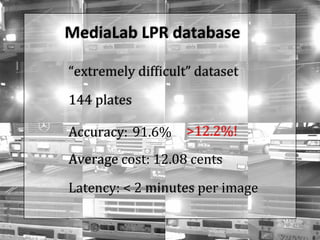
![12.2%
[Maryland
State
Highway
Administra=on]
Success rate of real system!](https://image.slidesharecdn.com/automan-glossed-130615213504-phpapp02/85/Programming-with-People-74-320.jpg)


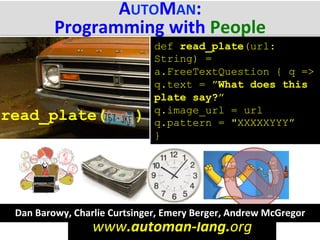

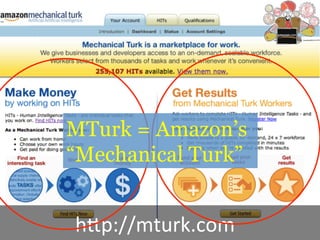
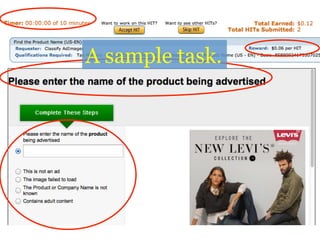
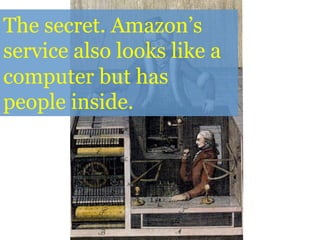
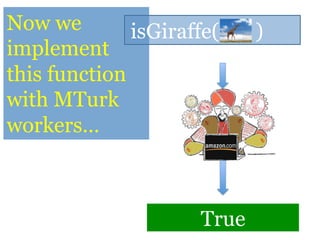
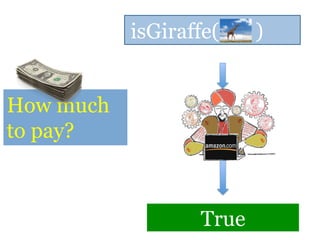
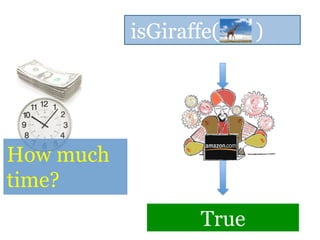
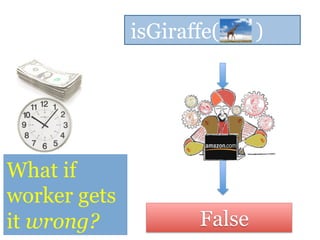
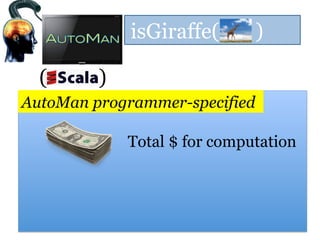
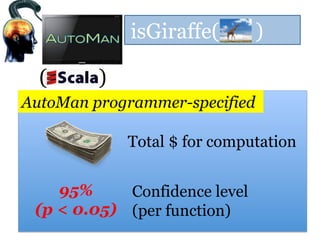
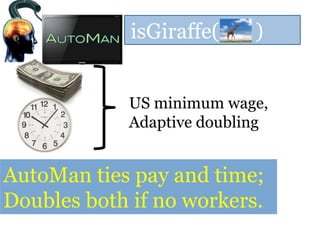
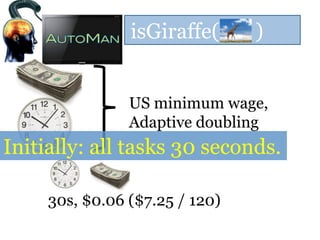
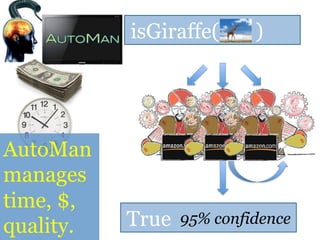
The document describes a system called AutoMan that integrates human computation via Amazon Mechanical Turk (MTurk) into programming. AutoMan allows programmers to write functions that are implemented by having MTurk workers complete small tasks. It addresses challenges like ensuring quality work from workers and preventing gaming of the system. AutoMan manages pricing, timing of tasks, and number of workers to balance cost, speed and accuracy of results for user-defined functions.


