1
So where in ISO is Process?
 Clause 0.2
 This International Standard promotes the adoption
of a process approach when developing,
implementing and improving the effectiveness of a
quality management system…. [ISO 9001:2000
page v]
2
Why are internal audits conducted?
 Obtain factual input for management decisions?
---or---
 Produce data needed to receive certification?
 Improve documentation?
 Enforce conformity?
3
The Old-Fashioned Way of Auditing
 Quality audits focused on procedures and not on
quality
 Auditors did not examine costs
 “Quality” was how well an outcome met the needs
of those for whom it was provided
 Good quality = satisfied the needs
 Bad quality = failed to meet the needs
4
The Old-Fashioned Way of Auditing
 Companies ignored outcomes and customer
satisfaction when auditing
 Auditors were looking to “check the box” leaving
performance ignored and unchallenged
 Conformity auditing looking to establish if specific
requirement had been met
 Requirement may have focused on a task, not
performance result or output
5
Document Review and Approval
 Auditor looked to see if documents had been
reviewed and approved by authorized person
 Did Auditor look for:
 Competency of approver?
 Why change was made?
 Did change improve performance?
6
More Effective Methodology Needed
 Focuses on performance, not just conformity
 Management needs to know:
 Does performance meet targets?
 Are there opportunities for improving performance?
 Are there processes that do not support the workers?
7
As an Auditor…
 If I invent your process then I am auditing my
version of your company… and that version
may NOT exist.
 Conflict of Interest!!!
8
Process Approach to
Internal Auditing
9
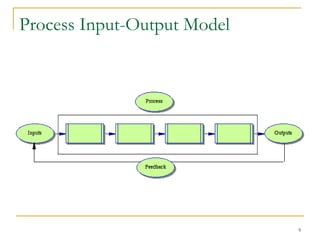
Process Input-Output Model
10
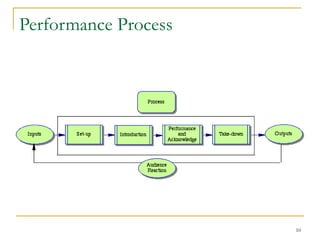
Performance Process
11
Performance Process Audit Plan
12
What does you Quality Manual look
like?
 1. Introduction
 2. Scope and Exclusions
 3. Definitions and Acronyms
 4. Quality Management System Requirements
 5. Management Responsibility
 6. Human Resources
 7. Product Realization
 8. Measurement, Analysis and Improvement
 Appendix -- process maps or outlines
13
Process Approach to Audit Plans
 Based on processes that achieve organization’s
objectives
 Requires auditor to know what the processes are
prior to conducting audit
 ISO/IEC 17021 (Stage 1 and Stage 2)
 Code of Practice for Registrars
14
Process Approach to Audit Plans
 Common processes, for example:
 Business management
 Marketing and sales
 Resource management
 Purchasing
 Product / service realization processes are different
for each organization
 Plan shows audit trail through business processes
and across department boundaries
15
Process Approach to Checklists
 Does not require detailed checklist
 Auditor can be guided by their understanding of
the Standard
16
17
18
Process Approach to Audit
 Start with top management and business
management processes
 Continue with resource management processes,
establishing linkages
 Effective resource management processes will provide
competent employees and capable equipment to other
processes
 Continue with other processes from marketing to
delivery
19
Value of the Process Approach
 Focuses on results, not procedures
 Determines effectiveness of the management system
 Evaluates the results the system delivers
 Tests linkages between departments and processes
 Follows flow of work throughout organization
 Determines if operations are under control and controls are
effective
 Allows judgment on significance of findings
 Helps determine depth of problems across organization
 Focuses on benefits of correcting nonconformities related
to improving organizational effectiveness
20
The Process Approach requires a
change in attitude across the
organization!
21
What the Process Auditing Approach
Provides
 Process Auditing provides:
 Data for managerial decisions on growth, technology,
staff development, products / processes based on
current performance, not just current conformity
 Information on whether performance meets targets
 Information on opportunities for improving
performance through better control of processes
 Information on making processes more effective and
more efficient
22
Five Basic Questions
 Basic questions can apply even though the “specific
questions” will be different:
 What are you trying to do?
 How do you make it happen?
 How do you know you are doing it right?
 How do you know it’s the best way of doing it?
 How do you know it’s the right thing to do?
23
Five Basic Questions at Three Levels
 Business Level – Audit results should make the
auditor confident that the organization:
 Knows what it is trying to do
 Knows how to make it happen
 Knows that it is doing the right things
 Knows that it is doing it in the best possible way
 Is managing performance
24
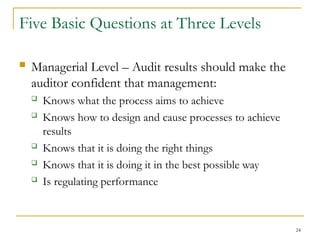
Five Basic Questions at Three Levels
 Managerial Level – Audit results should make the
auditor confident that management:
 Knows what the process aims to achieve
 Knows how to design and cause processes to achieve
results
 Knows that it is doing the right things
 Knows that it is doing it in the best possible way
 Is regulating performance
25
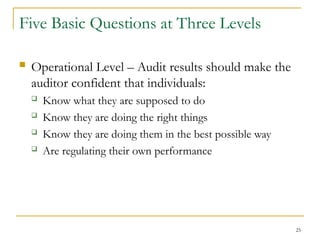
Five Basic Questions at Three Levels
 Operational Level – Audit results should make the
auditor confident that individuals:
 Know what they are supposed to do
 Know they are doing the right things
 Know they are doing them in the best possible way
 Are regulating their own performance
26
Summary
 Internal auditing using process approach
 Can take internal audit team from mission statement to
employee contributions
 Identifies clear linkages between interconnected
processes
 Ensures requirements of the Standard fit with processes
 Eliminates weaknesses of other approaches
 Enables internal audit team to establish that the
organization is managing processes effectively

Process Approach to Internal Auditing.ppt

  • 1.
    1 So where inISO is Process?  Clause 0.2  This International Standard promotes the adoption of a process approach when developing, implementing and improving the effectiveness of a quality management system…. [ISO 9001:2000 page v]
  • 2.
    2 Why are internalaudits conducted?  Obtain factual input for management decisions? ---or---  Produce data needed to receive certification?  Improve documentation?  Enforce conformity?
  • 3.
    3 The Old-Fashioned Wayof Auditing  Quality audits focused on procedures and not on quality  Auditors did not examine costs  “Quality” was how well an outcome met the needs of those for whom it was provided  Good quality = satisfied the needs  Bad quality = failed to meet the needs
  • 4.
    4 The Old-Fashioned Wayof Auditing  Companies ignored outcomes and customer satisfaction when auditing  Auditors were looking to “check the box” leaving performance ignored and unchallenged  Conformity auditing looking to establish if specific requirement had been met  Requirement may have focused on a task, not performance result or output
  • 5.
    5 Document Review andApproval  Auditor looked to see if documents had been reviewed and approved by authorized person  Did Auditor look for:  Competency of approver?  Why change was made?  Did change improve performance?
  • 6.
    6 More Effective MethodologyNeeded  Focuses on performance, not just conformity  Management needs to know:  Does performance meet targets?  Are there opportunities for improving performance?  Are there processes that do not support the workers?
  • 7.
    7 As an Auditor… If I invent your process then I am auditing my version of your company… and that version may NOT exist.  Conflict of Interest!!!
  • 8.
  • 9.
  • 10.
  • 11.
  • 12.
    12 What does youQuality Manual look like?  1. Introduction  2. Scope and Exclusions  3. Definitions and Acronyms  4. Quality Management System Requirements  5. Management Responsibility  6. Human Resources  7. Product Realization  8. Measurement, Analysis and Improvement  Appendix -- process maps or outlines
  • 13.
    13 Process Approach toAudit Plans  Based on processes that achieve organization’s objectives  Requires auditor to know what the processes are prior to conducting audit  ISO/IEC 17021 (Stage 1 and Stage 2)  Code of Practice for Registrars
  • 14.
    14 Process Approach toAudit Plans  Common processes, for example:  Business management  Marketing and sales  Resource management  Purchasing  Product / service realization processes are different for each organization  Plan shows audit trail through business processes and across department boundaries
  • 15.
    15 Process Approach toChecklists  Does not require detailed checklist  Auditor can be guided by their understanding of the Standard
  • 16.
  • 17.
  • 18.
    18 Process Approach toAudit  Start with top management and business management processes  Continue with resource management processes, establishing linkages  Effective resource management processes will provide competent employees and capable equipment to other processes  Continue with other processes from marketing to delivery
  • 19.
    19 Value of theProcess Approach  Focuses on results, not procedures  Determines effectiveness of the management system  Evaluates the results the system delivers  Tests linkages between departments and processes  Follows flow of work throughout organization  Determines if operations are under control and controls are effective  Allows judgment on significance of findings  Helps determine depth of problems across organization  Focuses on benefits of correcting nonconformities related to improving organizational effectiveness
  • 20.
    20 The Process Approachrequires a change in attitude across the organization!
  • 21.
    21 What the ProcessAuditing Approach Provides  Process Auditing provides:  Data for managerial decisions on growth, technology, staff development, products / processes based on current performance, not just current conformity  Information on whether performance meets targets  Information on opportunities for improving performance through better control of processes  Information on making processes more effective and more efficient
  • 22.
    22 Five Basic Questions Basic questions can apply even though the “specific questions” will be different:  What are you trying to do?  How do you make it happen?  How do you know you are doing it right?  How do you know it’s the best way of doing it?  How do you know it’s the right thing to do?
  • 23.
    23 Five Basic Questionsat Three Levels  Business Level – Audit results should make the auditor confident that the organization:  Knows what it is trying to do  Knows how to make it happen  Knows that it is doing the right things  Knows that it is doing it in the best possible way  Is managing performance
  • 24.
    24 Five Basic Questionsat Three Levels  Managerial Level – Audit results should make the auditor confident that management:  Knows what the process aims to achieve  Knows how to design and cause processes to achieve results  Knows that it is doing the right things  Knows that it is doing it in the best possible way  Is regulating performance
  • 25.
    25 Five Basic Questionsat Three Levels  Operational Level – Audit results should make the auditor confident that individuals:  Know what they are supposed to do  Know they are doing the right things  Know they are doing them in the best possible way  Are regulating their own performance
  • 26.
    26 Summary  Internal auditingusing process approach  Can take internal audit team from mission statement to employee contributions  Identifies clear linkages between interconnected processes  Ensures requirements of the Standard fit with processes  Eliminates weaknesses of other approaches  Enables internal audit team to establish that the organization is managing processes effectively