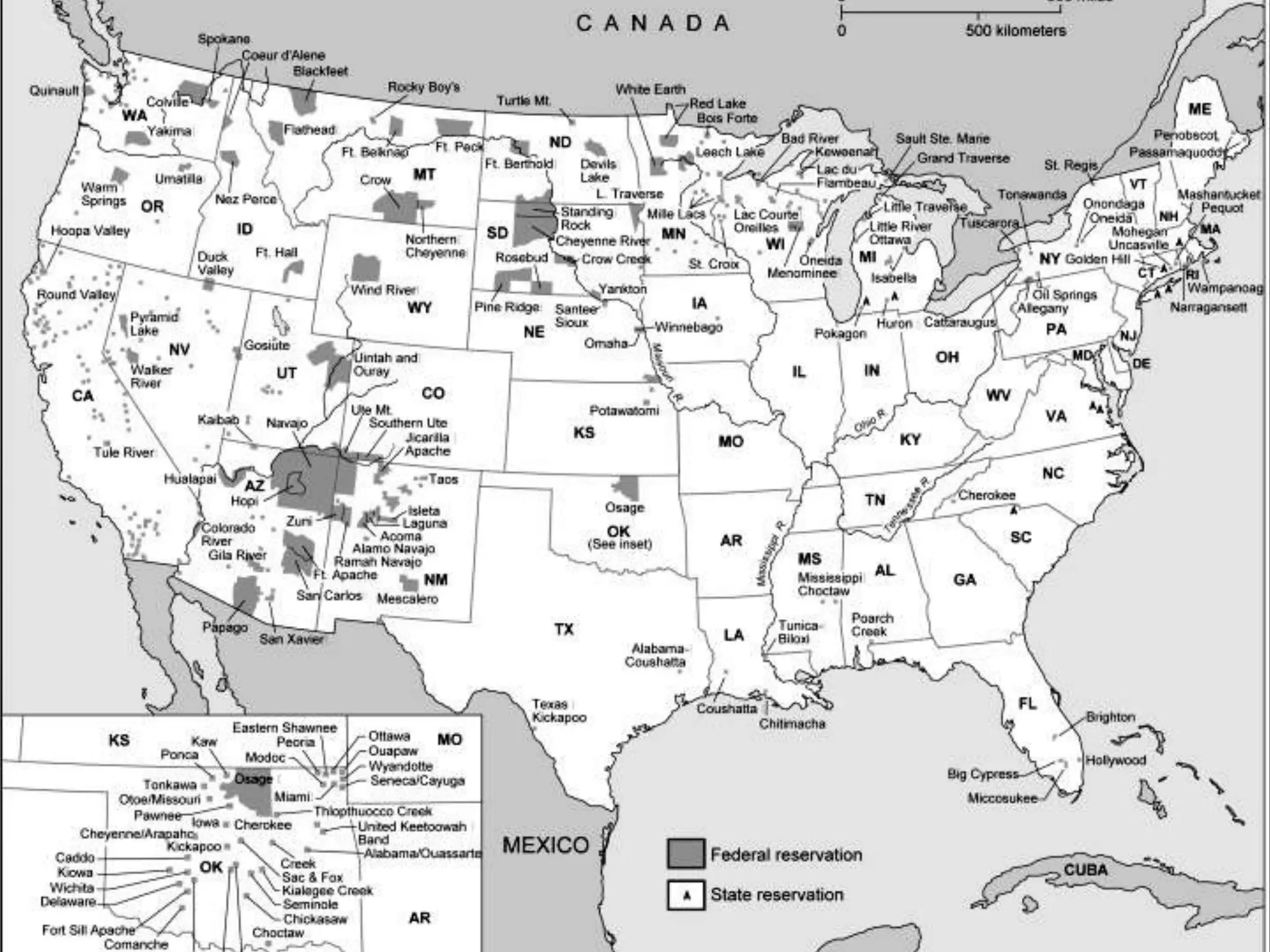
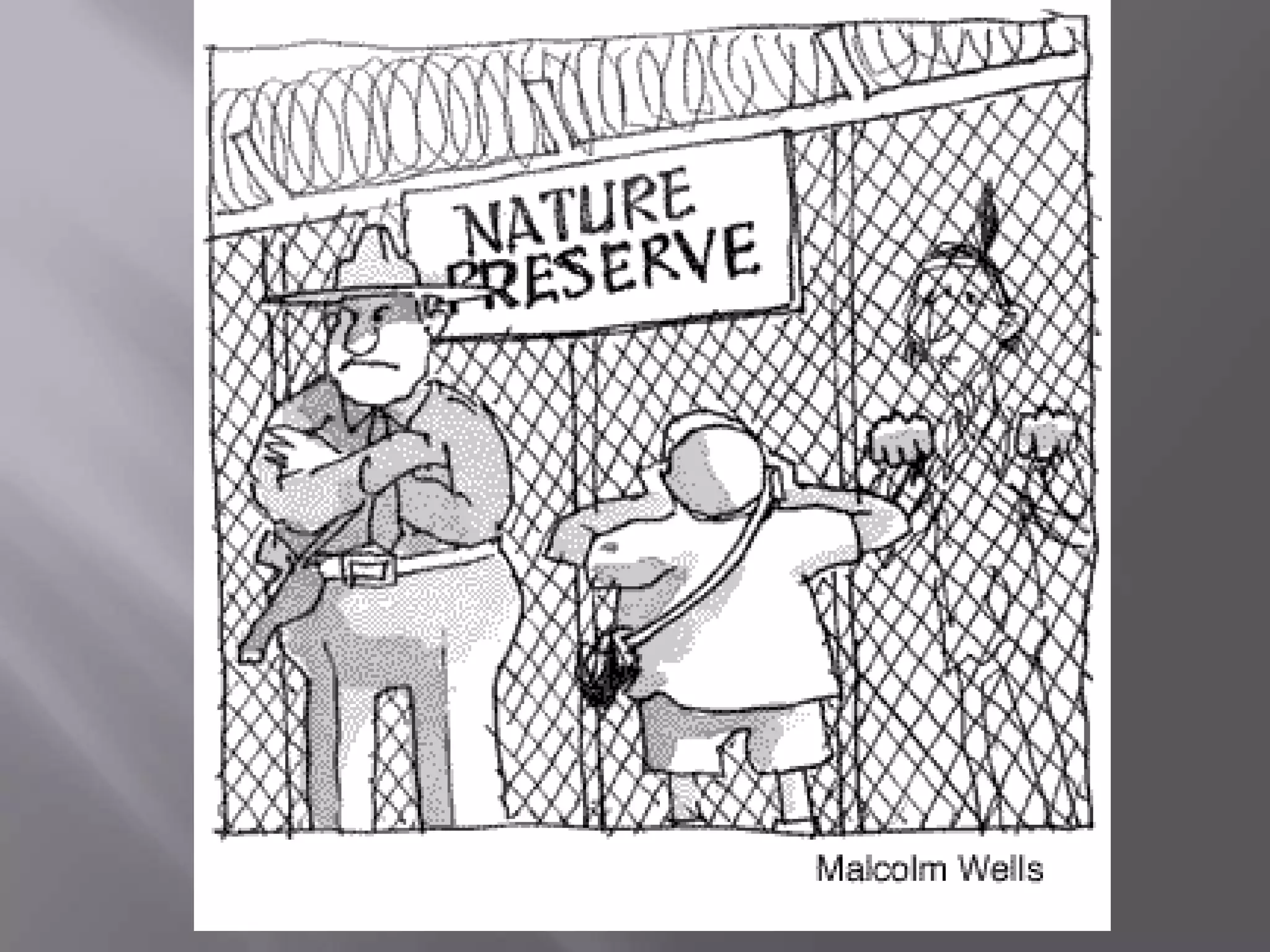
Native American Reservations Today
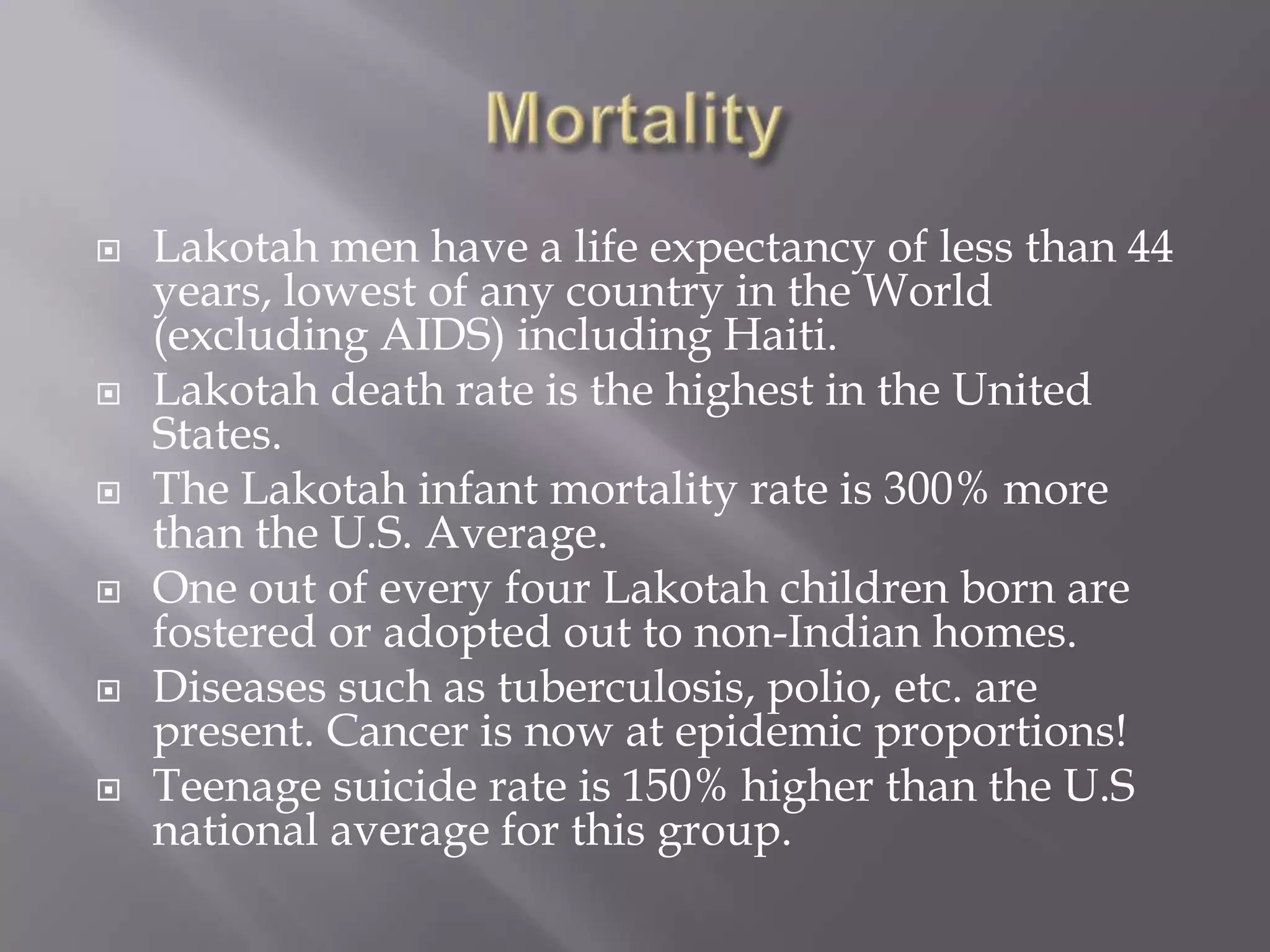
MortalityLakotah men have a life expectancy of less than 44 years, lowest of any country in the World (excluding AIDS) including Haiti.Lakotah death rate is the highest in the United States.The Lakotah infant mortality rate is 300% more than the U.S. Average.One out of every four Lakotah children born are fostered or adopted out to non-Indian homes.Diseases such as tuberculosis, polio, etc. are present. Cancer is now at epidemic proportions!Teenage suicide rate is 150% higher than the U.S national average for this group.
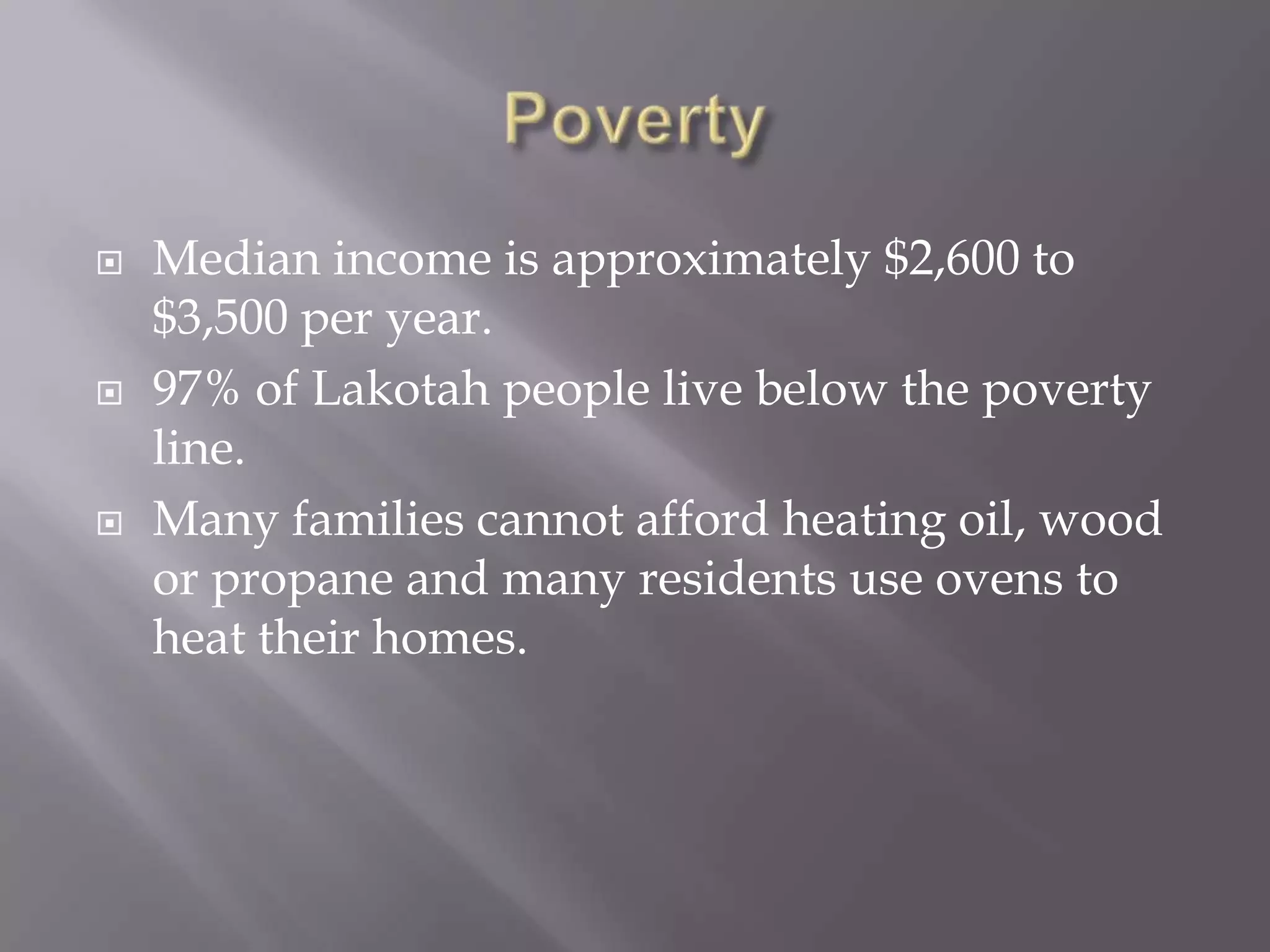
PovertyMedian income is approximately $2,600 to $3,500 per year.97% of Lakotah people live below the poverty line.Many families cannot afford heating oil, wood or propane and many residents use ovens to heat their homes.
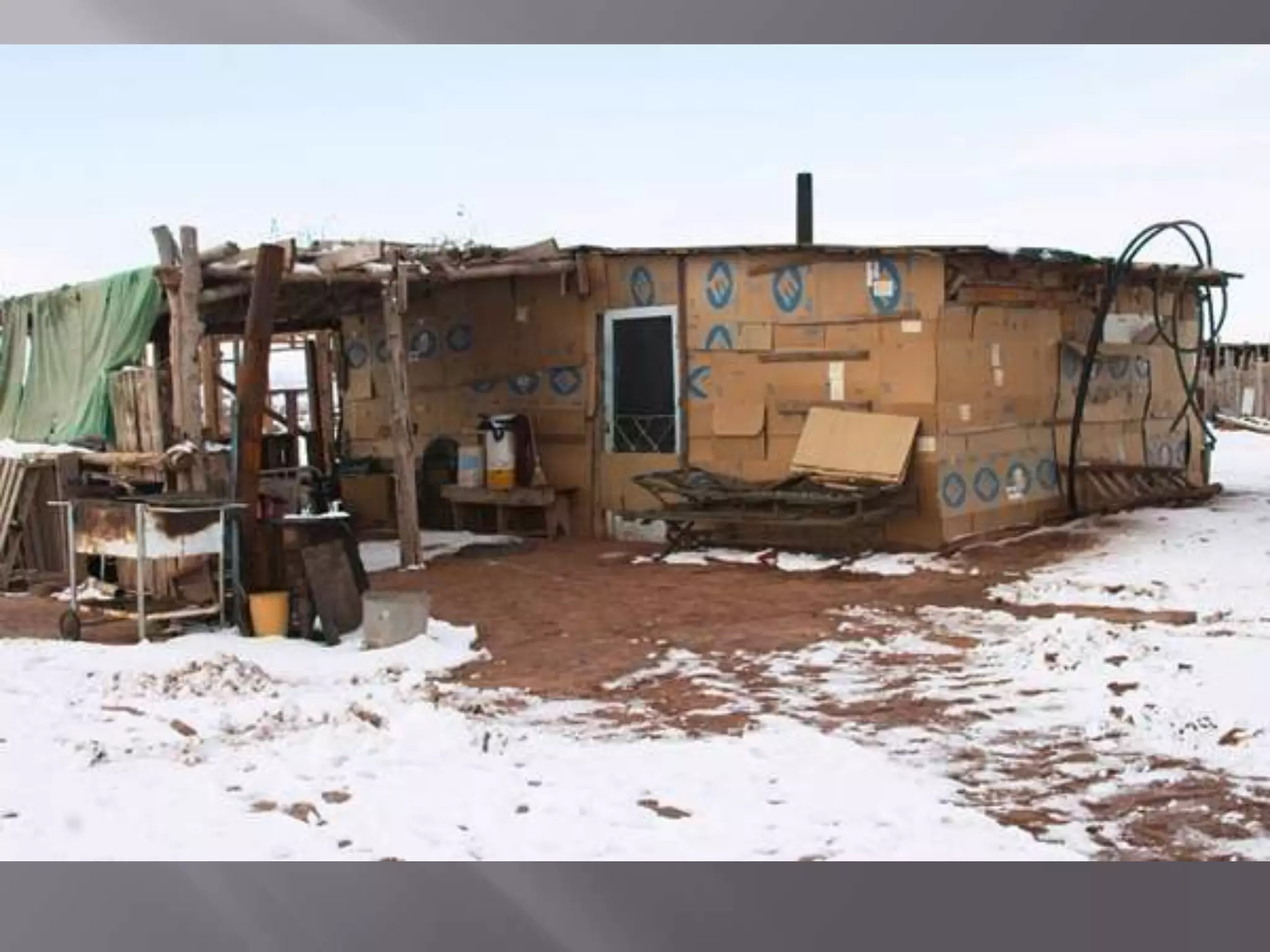
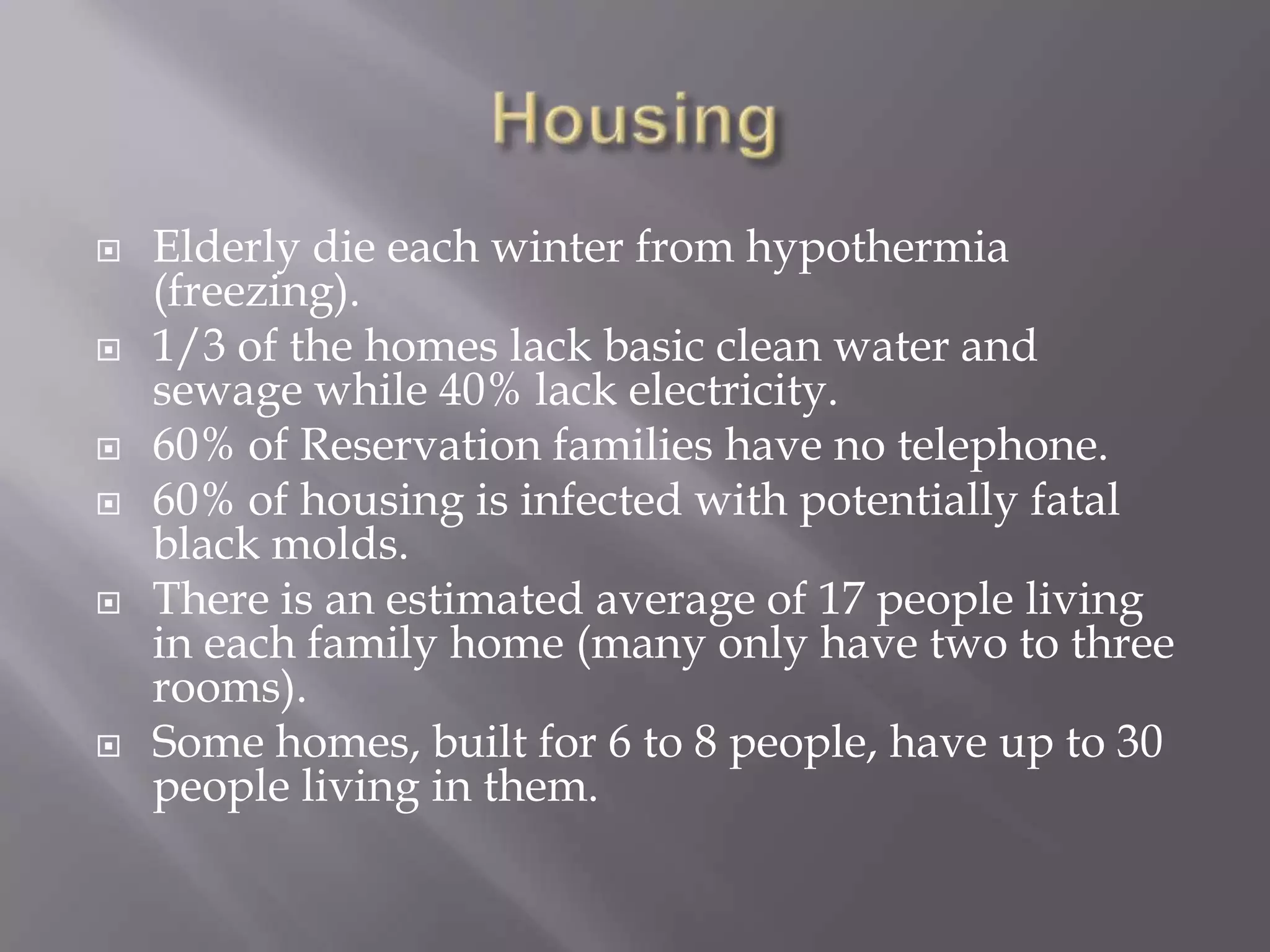
HousingElderly die each winter from hypothermia (freezing).1/3 of the homes lack basic clean water and sewage while 40% lack electricity.60% of Reservation families have no telephone.60% of housing is infected with potentially fatal black molds.There is an estimated average of 17 people living in each family home (many only have two to three rooms). Some homes, built for 6 to 8 people, have up to 30 people living in them.
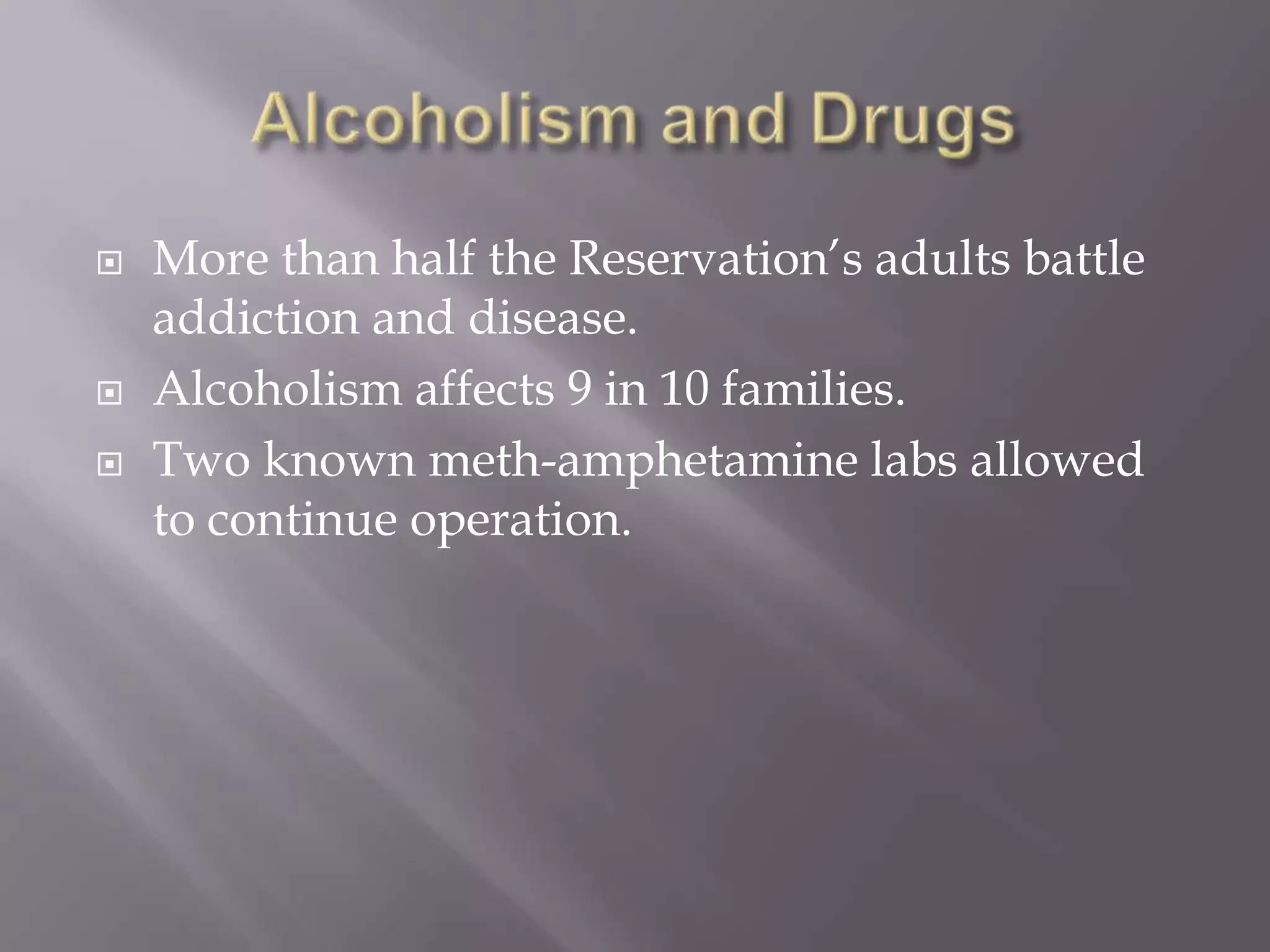
Alcoholism and DrugsMore than half the Reservation’s adults battle addiction and disease.Alcoholism affects 9 in 10 families.Two known meth-amphetamine labs allowed to continue operation.
Threatened CultureOnly 14% of the Lakotah population can speak the Lakotah language.The language is not being shared inter-generationally. Today, the average age of a fluent Lakotah speaker is 65 years.Our Lakotah language is an Endangered Language, on the verge of extinction.The Lakotah language is not allowed to be taught in the U.S. Government schools.

Problems On Reservations

  • 1.
  • 5.
    MortalityLakotah men havea life expectancy of less than 44 years, lowest of any country in the World (excluding AIDS) including Haiti.Lakotah death rate is the highest in the United States.The Lakotah infant mortality rate is 300% more than the U.S. Average.One out of every four Lakotah children born are fostered or adopted out to non-Indian homes.Diseases such as tuberculosis, polio, etc. are present. Cancer is now at epidemic proportions!Teenage suicide rate is 150% higher than the U.S national average for this group.
  • 6.
    PovertyMedian income isapproximately $2,600 to $3,500 per year.97% of Lakotah people live below the poverty line.Many families cannot afford heating oil, wood or propane and many residents use ovens to heat their homes.
  • 7.
    HousingElderly die eachwinter from hypothermia (freezing).1/3 of the homes lack basic clean water and sewage while 40% lack electricity.60% of Reservation families have no telephone.60% of housing is infected with potentially fatal black molds.There is an estimated average of 17 people living in each family home (many only have two to three rooms). Some homes, built for 6 to 8 people, have up to 30 people living in them.
  • 8.
    Alcoholism and DrugsMorethan half the Reservation’s adults battle addiction and disease.Alcoholism affects 9 in 10 families.Two known meth-amphetamine labs allowed to continue operation.
  • 9.
    Threatened CultureOnly 14%of the Lakotah population can speak the Lakotah language.The language is not being shared inter-generationally. Today, the average age of a fluent Lakotah speaker is 65 years.Our Lakotah language is an Endangered Language, on the verge of extinction.The Lakotah language is not allowed to be taught in the U.S. Government schools.