VINAY SAINI
MASTERS IN HOTEL
MANAGEMENT
What problem handling is
• Problem handling, or service
recovery, is the process of working
through the details of a problem or
complaint to reach a solution
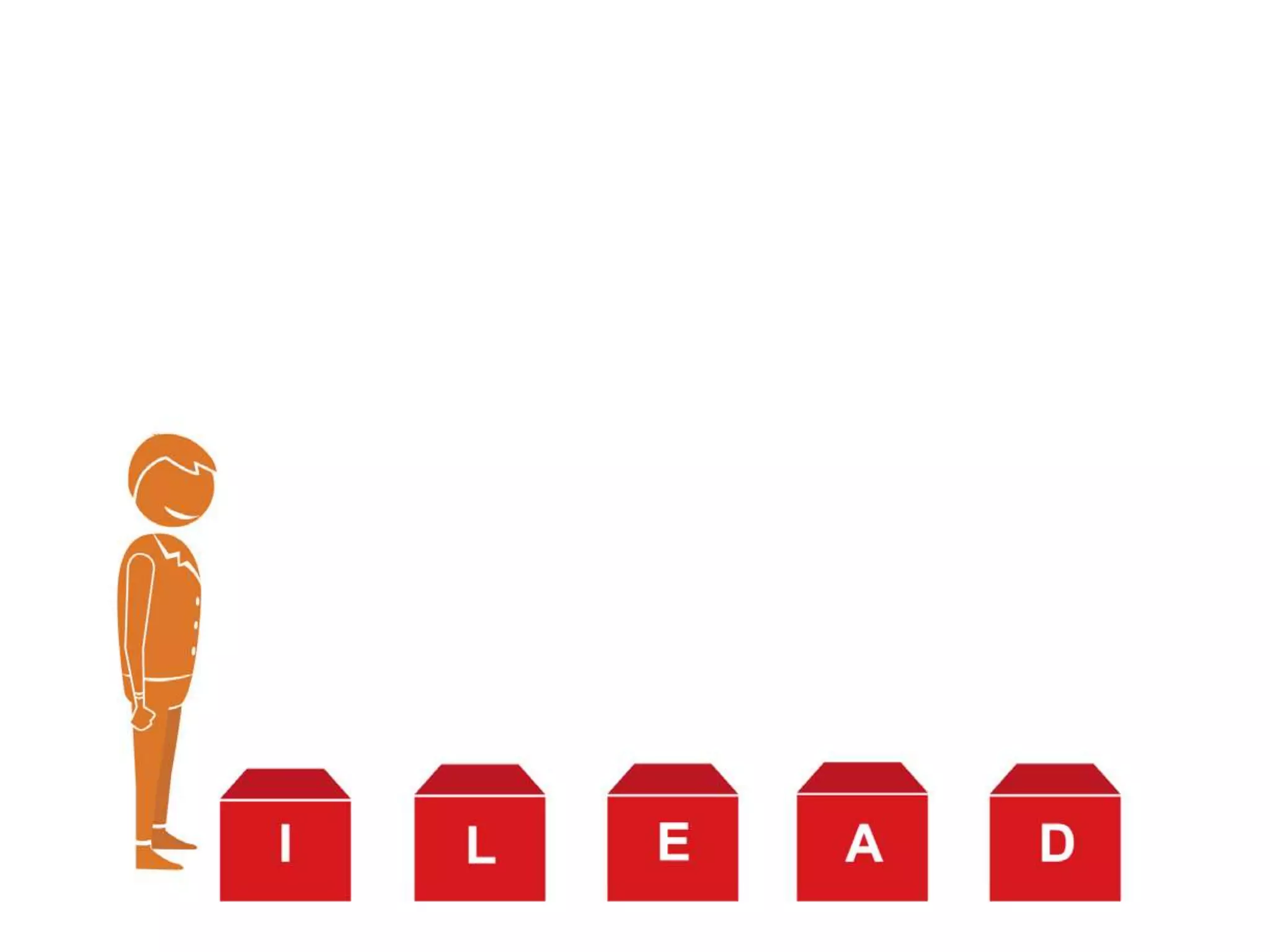
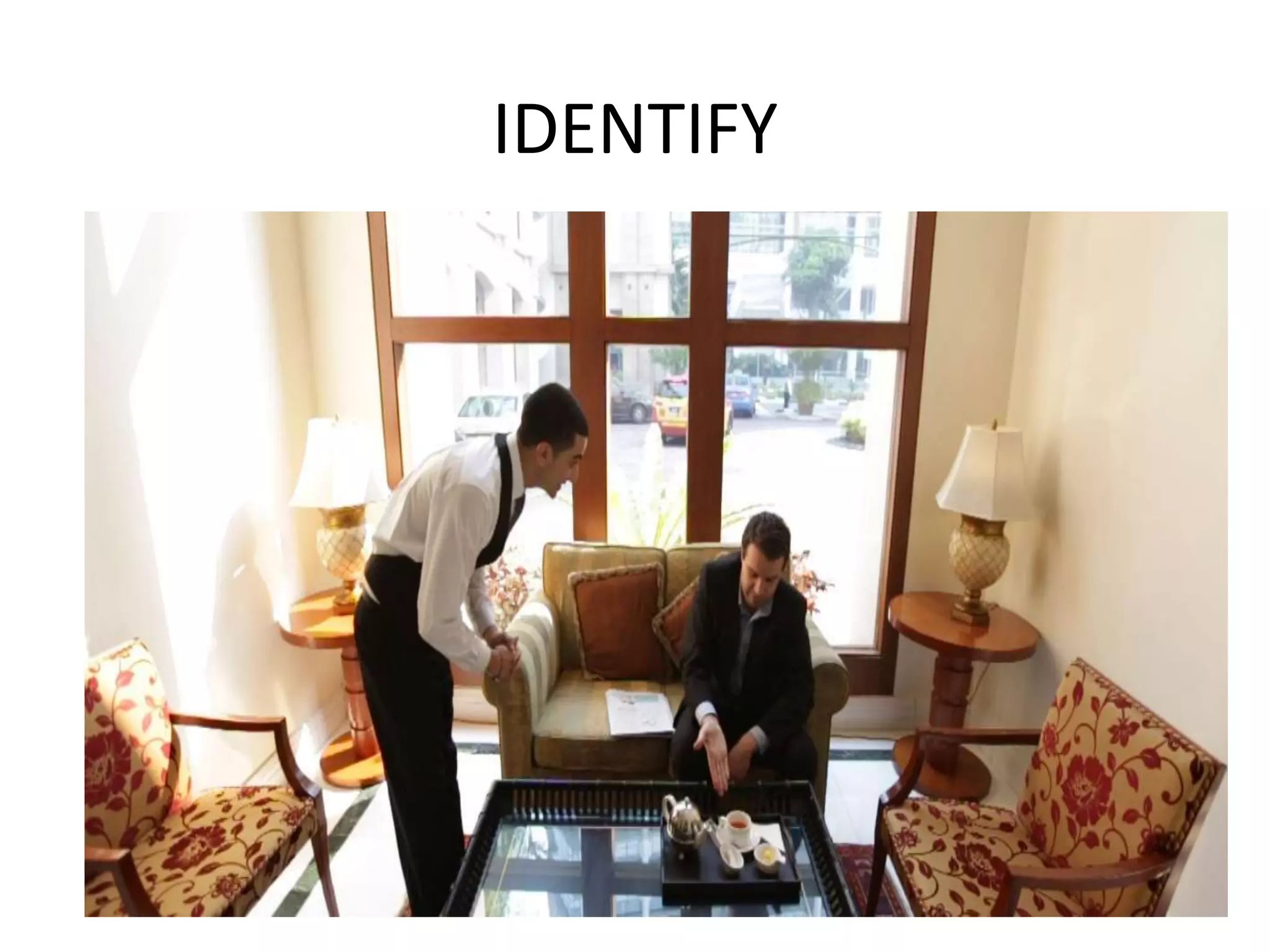
• In practice, this means identifying a
problem,
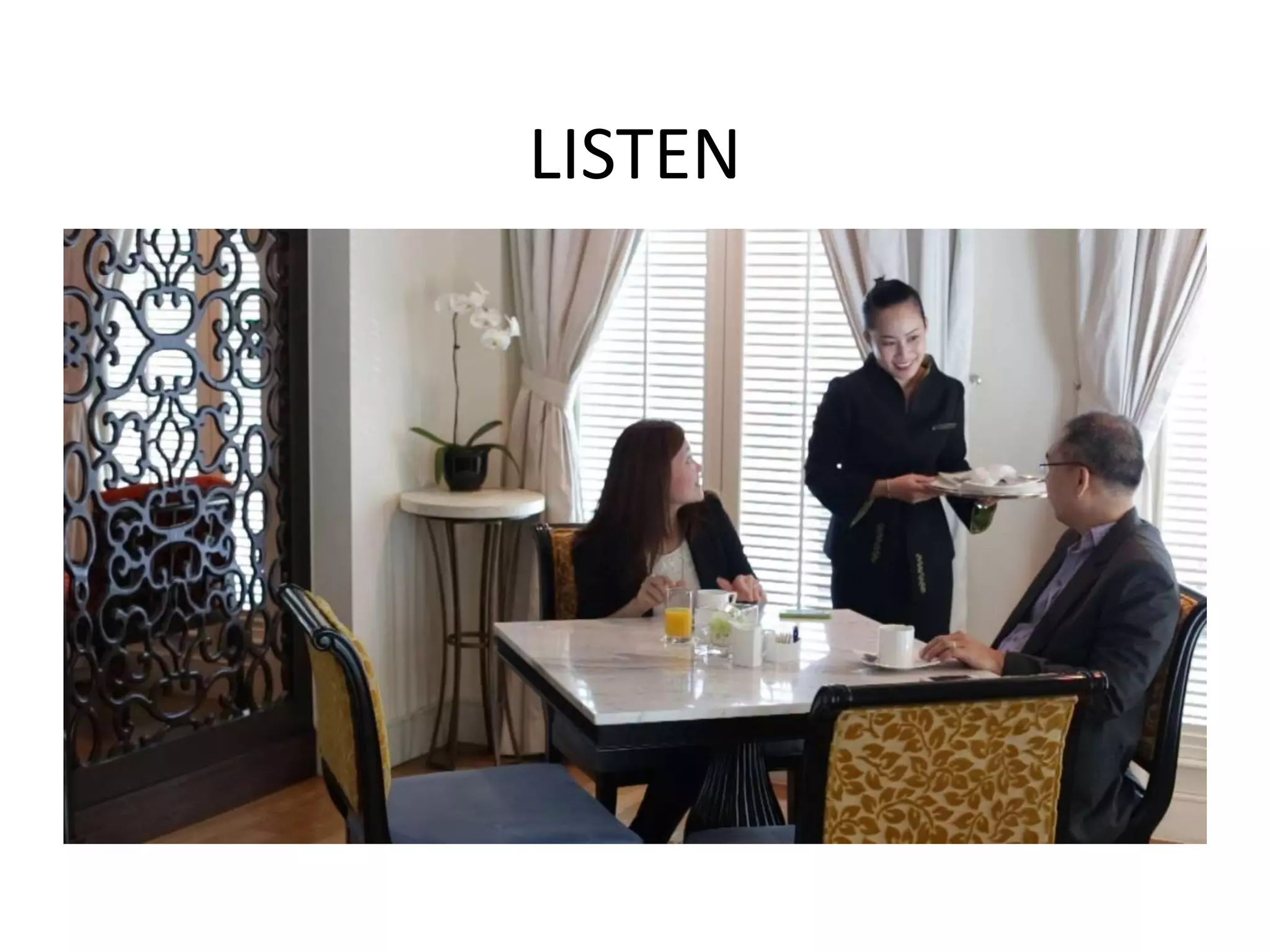
• listening to all of the details,
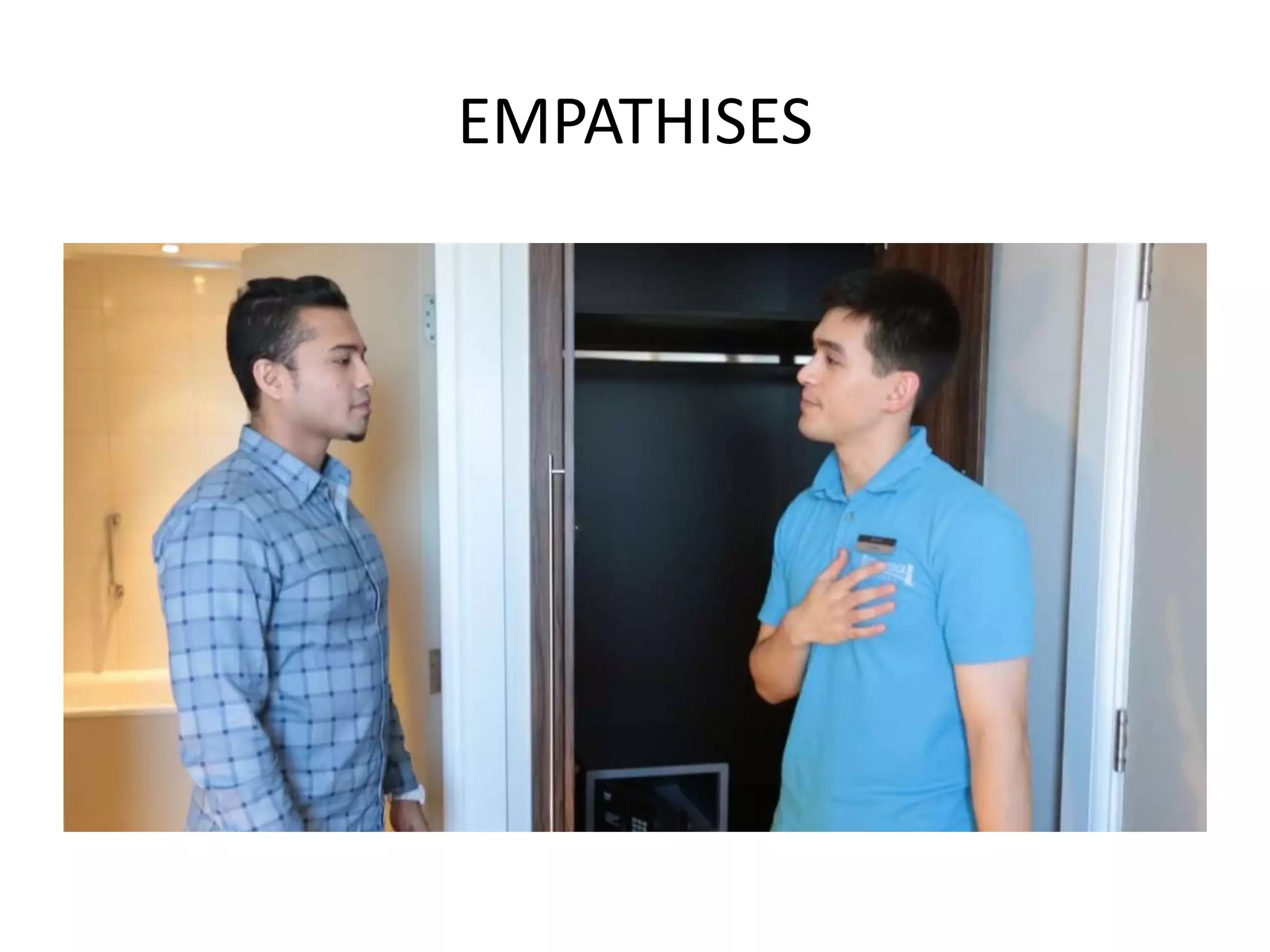
empathising, apologising, and finding
a suitable solution or alternative
• Remember!
• When things go wrong, it’s how you
handle the situation that matters
most to your Guests.
• The importance of handling
problems to the Guest’s satisfaction.
• Problem handling is an important
driver of Guest satisfaction, as
measured by HeartBeat Overall
Experience
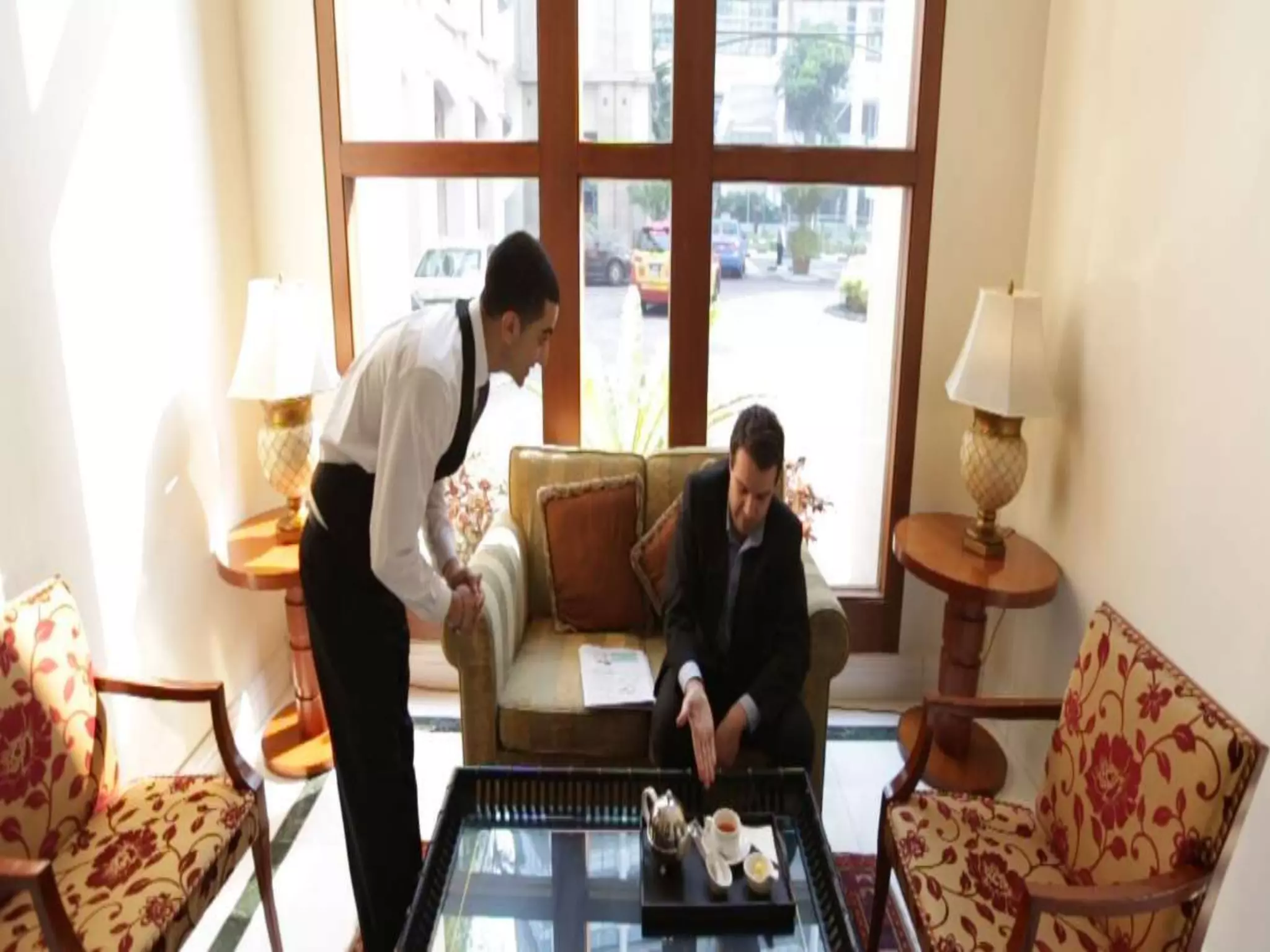
• Why Guests complain.
• Guests complain when they feel their expectations
have not been met. Here are a few possible
scenarios:
• a. The Guest didn’t receive what was advertised.
• b. The Guest received poor service.
• c. The condition of the property was poor.
• d. The property wasn’t clean.
• e. The Guest was disappointed by the food and
beverage quality.
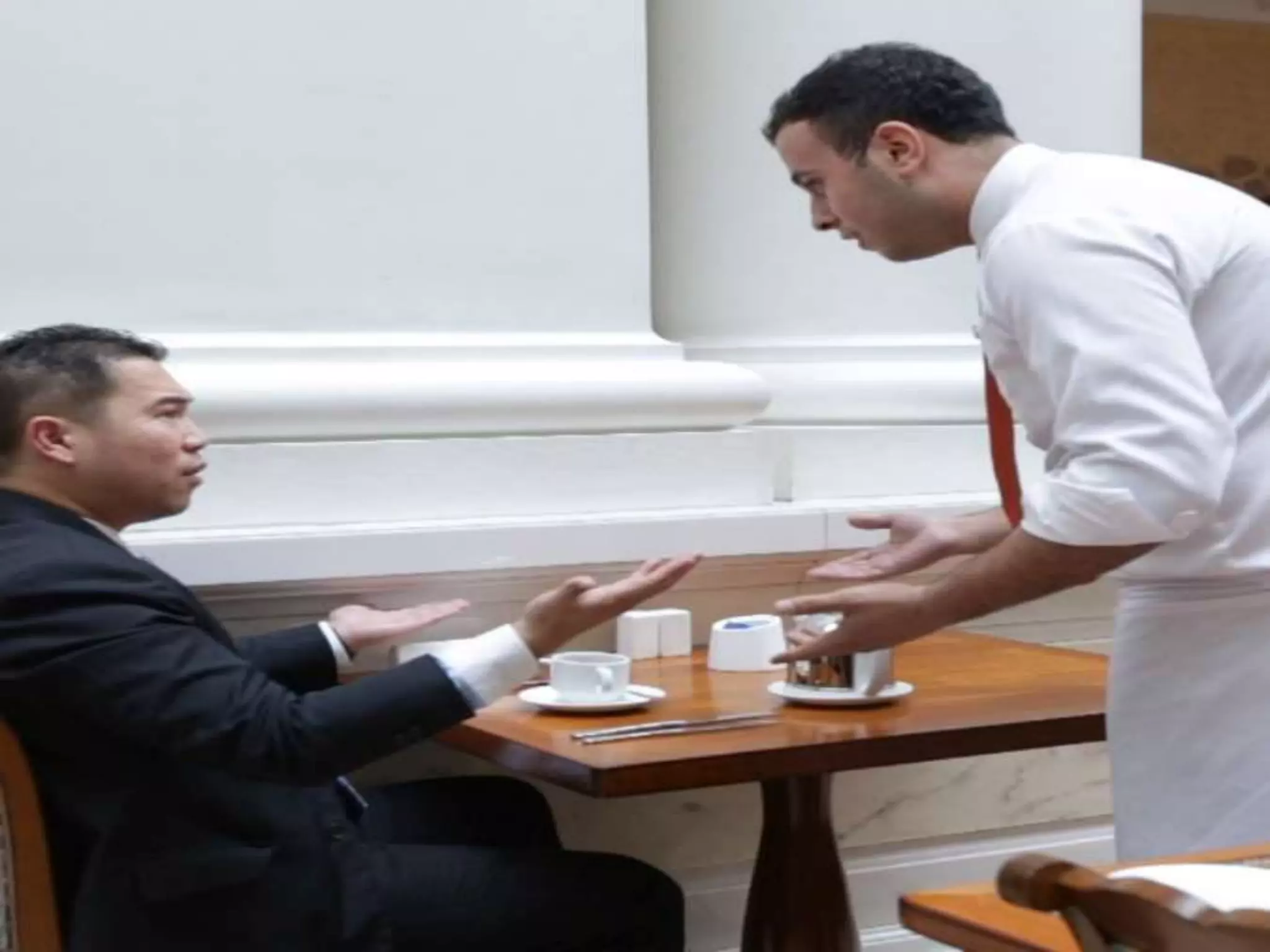
• Case study : Mrs Stone
• A Guest has just told you about a problem
with her meal – her soup is cold! You could
say:
• ‘I’m very sorry. I can see how cold soup
would be frustrating, Mrs Stone. Please
• allow me to fix it for you right away.’
• Remember!
• Remain professional and courteous.
• Never joke about the complaint.
• Do not become sarcastic or offhand.
• Do not become too familiar.
• Do not take the Guest’s criticism
personally
• Non-verbal clues that show a Guest is experiencing
problems:
• a. Sighing or rolling their eyes.
• b. Avoiding eye contact or looking down
• c. Speaking quietly.
• d. Speaking in short, clipped sentences.
• e. Looking around for help.
• f. Shaking their head.
• g. Passive behaviour, such as leaving food untouched.
• h. Aggressive behaviour, such as throwing objects down.
• 3. Identifying indirect comments or concerns.
• a. Sarcasm.
• b. Confusion.
• c. Surprise.
• d. Hesitation.
• 1. The importance of identifying problems.
• Not all Guests will tell us when they have a
problem.
• On average 24 out of 100 Guests have a problem.
Only 17 of them tell us about their problem
which means 7 leave without reporting it. Some
of these Guests will report their complaints on
social media, such as Facebook or TripAdvisor,
after they have already checked out. This gives us
no chance to rectify the situation.
IDENTIFY
LISTEN
EMPATHISES
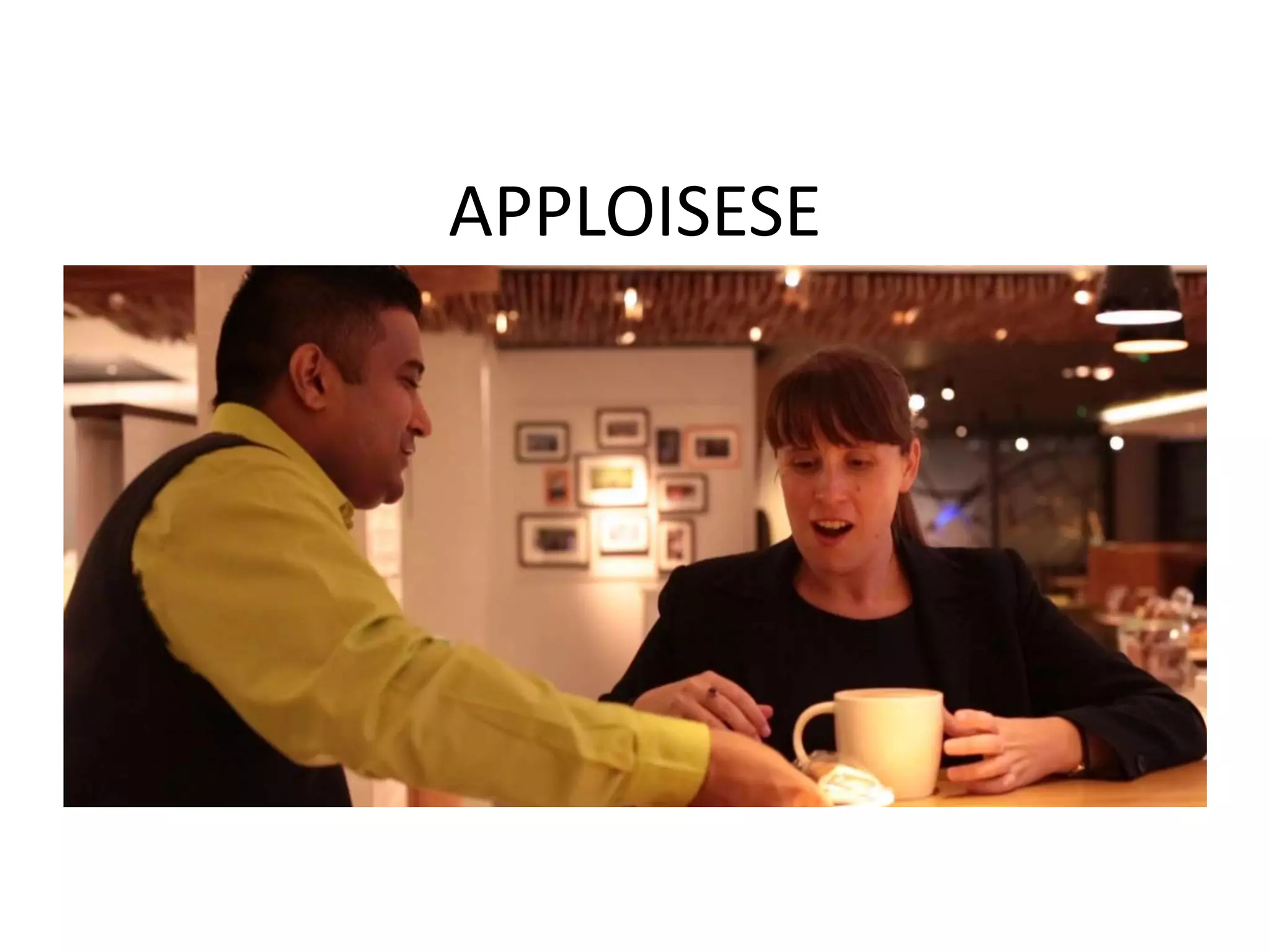
APPLOISESE
Deliver a solution
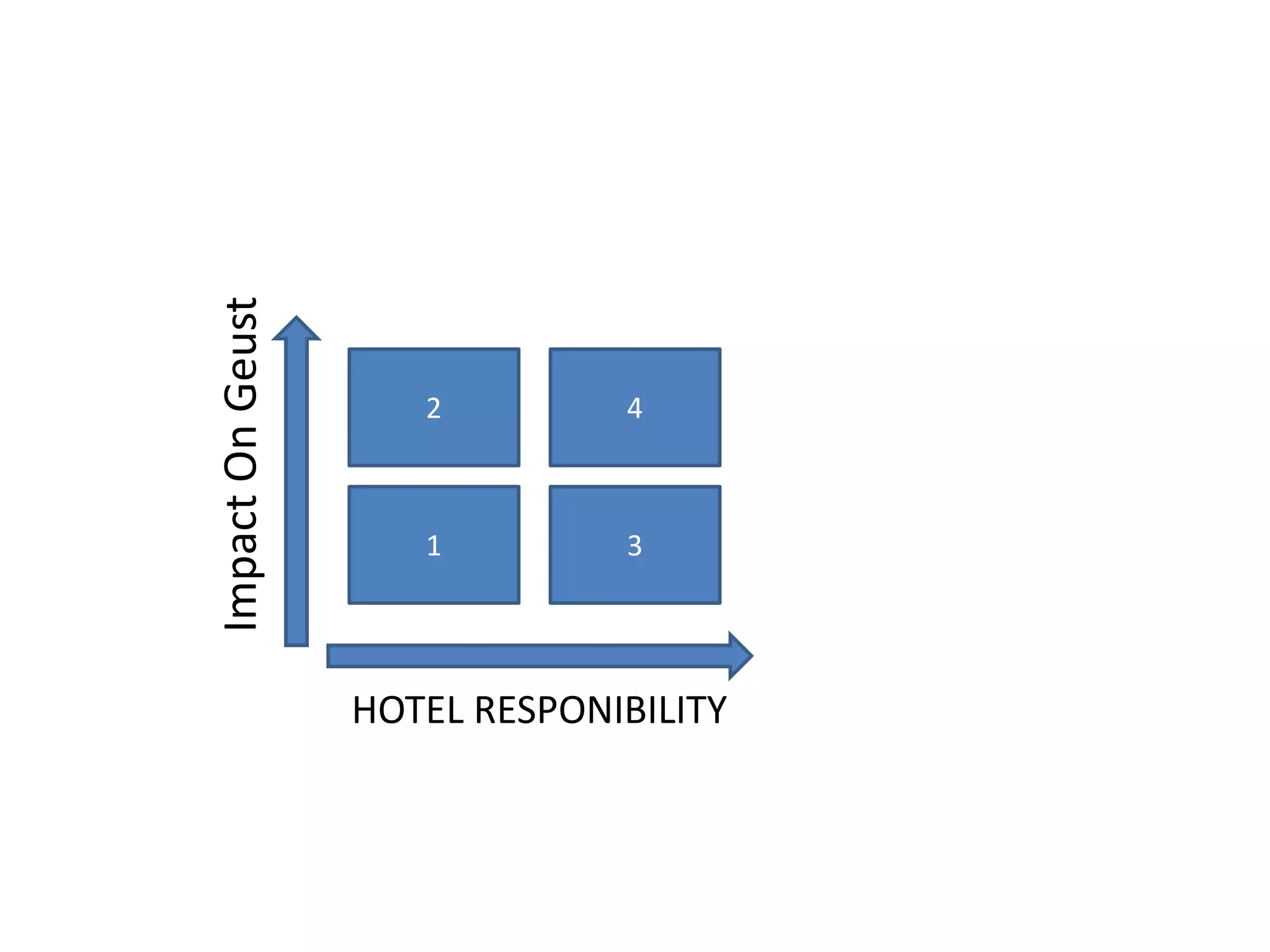
2 4
1 3
HOTEL RESPONIBILITY
ImpactOnGeust
NEED HELP?
TRANING REPORT
PPT
INTERVIEW PREPRATION
F&B KNOWLEDGE
WHATS APP:9518849955
THANKYOU

Problem handling in hotels

  • 1.
    VINAY SAINI MASTERS INHOTEL MANAGEMENT
  • 2.
    What problem handlingis • Problem handling, or service recovery, is the process of working through the details of a problem or complaint to reach a solution
  • 3.
    • In practice,this means identifying a problem, • listening to all of the details, empathising, apologising, and finding a suitable solution or alternative
  • 4.
    • Remember! • Whenthings go wrong, it’s how you handle the situation that matters most to your Guests.
  • 5.
    • The importanceof handling problems to the Guest’s satisfaction. • Problem handling is an important driver of Guest satisfaction, as measured by HeartBeat Overall Experience
  • 6.
    • Why Guestscomplain. • Guests complain when they feel their expectations have not been met. Here are a few possible scenarios: • a. The Guest didn’t receive what was advertised. • b. The Guest received poor service. • c. The condition of the property was poor. • d. The property wasn’t clean. • e. The Guest was disappointed by the food and beverage quality.
  • 8.
    • Case study: Mrs Stone • A Guest has just told you about a problem with her meal – her soup is cold! You could say: • ‘I’m very sorry. I can see how cold soup would be frustrating, Mrs Stone. Please • allow me to fix it for you right away.’
  • 10.
    • Remember! • Remainprofessional and courteous. • Never joke about the complaint. • Do not become sarcastic or offhand. • Do not become too familiar. • Do not take the Guest’s criticism personally
  • 11.
    • Non-verbal cluesthat show a Guest is experiencing problems: • a. Sighing or rolling their eyes. • b. Avoiding eye contact or looking down • c. Speaking quietly. • d. Speaking in short, clipped sentences. • e. Looking around for help. • f. Shaking their head. • g. Passive behaviour, such as leaving food untouched. • h. Aggressive behaviour, such as throwing objects down.
  • 12.
    • 3. Identifyingindirect comments or concerns. • a. Sarcasm. • b. Confusion. • c. Surprise. • d. Hesitation.
  • 13.
    • 1. Theimportance of identifying problems. • Not all Guests will tell us when they have a problem. • On average 24 out of 100 Guests have a problem. Only 17 of them tell us about their problem which means 7 leave without reporting it. Some of these Guests will report their complaints on social media, such as Facebook or TripAdvisor, after they have already checked out. This gives us no chance to rectify the situation.
  • 15.
  • 16.
  • 17.
  • 18.
  • 19.
  • 20.
    2 4 1 3 HOTELRESPONIBILITY ImpactOnGeust
  • 21.
    NEED HELP? TRANING REPORT PPT INTERVIEWPREPRATION F&B KNOWLEDGE WHATS APP:9518849955
  • 22.