Pro Bono OR:
Making a difference
for dogs
Ian J Seath
Trustee Exchange
29 July 2020
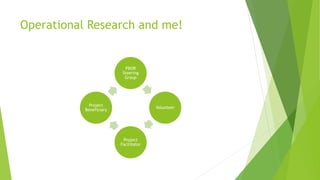
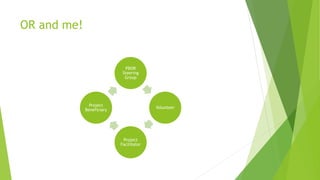
Operational Research and me!
PBOR
Steering
Group
Volunteer
Project
Facilitator
Project
Beneficiary
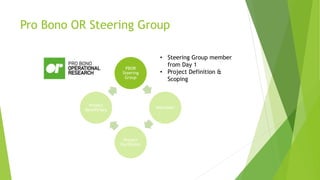
Pro Bono OR Steering Group
PBOR
Steering
Group
Volunteer
Project
Facilitator
Project
Beneficiary
• Steering Group member
from Day 1
• Project Definition &
Scoping
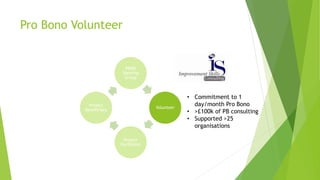
Pro Bono Volunteer
PBOR
Steering
Group
Volunteer
Project
Facilitator
Project
Beneficiary
• Commitment to 1
day/month Pro Bono
• >£100k of PB consulting
• Supported >25
organisations
Pro Bono Project Facilitator
PBOR
Steering
Group
Volunteer
Project
Facilitator
Project
Beneficiary
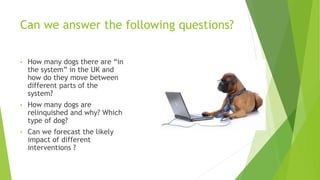
Can we answer the following questions?
• How many dogs there are “in
the system” in the UK and
how do they move between
different parts of the
system?
• How many dogs are
relinquished and why? Which
type of dog?
• Can we forecast the likely
impact of different
interventions ?
Stray dogs
Dogs in welfare
Owned dogs
Owned births
Owned
deaths
Stray births
Stray deaths
Welfare
births
Welfare deaths
Owned dogs to welfare
Welfare dogs to owned
Owned dogs to stray
Stray dogs to owned
Stray dogs to welfare
Imported owned dogs
Dogs imported to
welfare
Owned dog
exports
Number of dogs
microchipped
Owner education
level re dogs
Welfare life expectancy
Owned dog life
expectancy
Stray dog life
expectancy
Space available in
welfare
Euthanasia policy
Emmigration
Number of dog
breeders
Number of puppy
farms
Funding for welfare
Welfare capacity
Demand for
dogs in UK
Number of
owned dogs
having puppies
Demand for dogs -
non-UK
Disposable income
Insurance rates
Number of
dogs lost
Number of
dogs
abandoned
Number of dogs
neutered
9.4m (23)
2009 LB: 12,340
2010 LB:10,630
est 1,250 (300
to 2130)
111,000 per
year (13)
Strays back to owner -
53,280 per year (13)
Rehomed - 9,990
per year (13)
Put to sleep/die 8,880
per year (13)
Working dogs
27,750 per year (13)
Entering welfare:
129,743 per year (1)
0.5% of welfare in
flows (27, scaled)
11.4% of outflow died (27)
LB 7142 euthanised (1)
Assume 0
Welfare dogs reunited with
owner - 12.5% of those
entering = 16,218 (1). 7.7%
of those entering (27)
Rehomed - 80.9%
of outflows (27)
69.5% of welfare
inflows (27, scaled)
30% of welfare inflows (27,
scaled) - this includes LA and
public straying dogs
11.4% of dogs per
year? (36)
25% of dogs per
year? (est from
24, 41)
12 years (34)
4% of microchipped are from Ireland,
3% from other EU, 2% from outside
EU - needs scaling up by 2% (24)
50,000 dogs imported
from Ireland per year (31)
Working dogs
to owned
greyhounds - 3,910
per year (33)
Working
dog births
Working
dog deaths
Working dog life
expectancy
Requirements for
working dogs
Working dogs to
welfareAt least 2500
police dogs
(45)
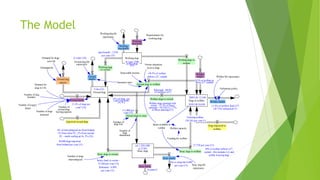
The Model
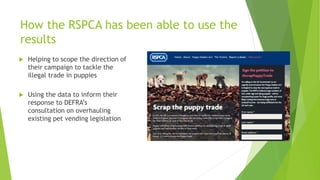
How the RSPCA has been able to use the
results
 Helping to scope the direction of
their campaign to tackle the
illegal trade in puppies
 Using the data to inform their
response to DEFRA’s
consultation on overhauling
existing pet vending legislation
Pro Bono Beneficiary
PBOR
Steering
Group
Volunteer
Project
Facilitator
Project
Beneficiary
• Trustee
• Data-rich
• “Wicked” problems
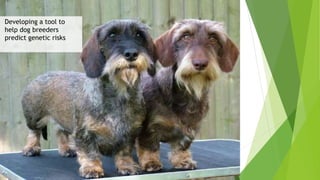
Developing a tool to
help dog breeders
predict genetic risks
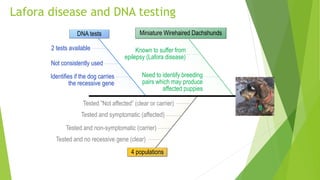
DNA tests Miniature Wirehaired Dachshunds
4 populations
2 tests available
Not consistently used
Tested and no recessive gene (clear)
Tested and non-symptomatic (carrier)
Known to suffer from
epilepsy (Lafora disease)
Need to identify breeding
pairs which may produce
affected puppies
Tested and symptomatic (affected)
Tested ”Not affected” (clear or carrier)
Identifies if the dog carries
the recessive gene
Lafora disease and DNA testing
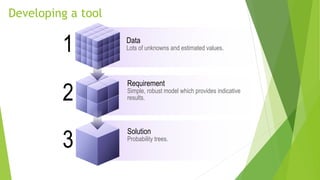
Data
Lots of unknowns and estimated values.
Requirement
Simple, robust model which provides indicative
results.
Solution
Probability trees.
1
2
3
Developing a tool
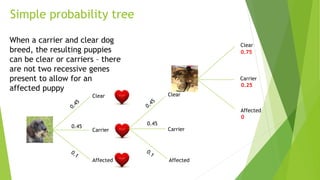
Clear
Affected
Carrier
0.45
Clear
Carrier
0.45
Affected
Clear
Carrier
Affected
0.75
0.25
0
When a carrier and clear dog
breed, the resulting puppies
can be clear or carriers – there
are not two recessive genes
present to allow for an
affected puppy
Simple probability tree
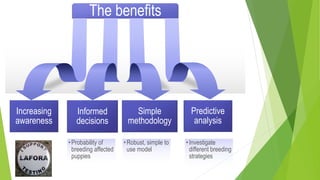
The benefits
Increasing
awareness
• Probability of
breeding affected
puppies
Informed
decisions
• Robust, simple to
use model
Simple
methodology
• Investigate
different breeding
strategies
Predictive
analysis
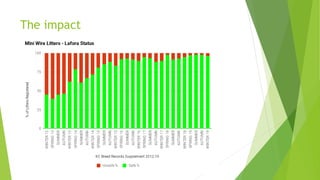
The impact
OR and me!
PBOR
Steering
Group
Volunteer
Project
Facilitator
Project
Beneficiary
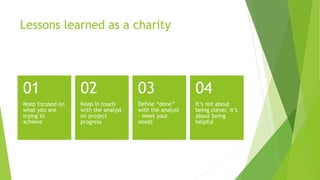
Lessons learned as a charity
Keep focused on
what you are
trying to
achieve
01
Keep in touch
with the analyst
on project
progress
02
Define “done”
with the analyst
– meet your
needs
03
It’s not about
being clever, it’s
about being
helpful
04
Ian J Seath
ian.seath@improvement-
skills.co.uk
07850 728506
www.dachshundhealth.org.uk
Q & A

Pro Bono OR: Making a difference for dogs

  • 1.
    Pro Bono OR: Makinga difference for dogs Ian J Seath Trustee Exchange 29 July 2020
  • 2.
    Operational Research andme! PBOR Steering Group Volunteer Project Facilitator Project Beneficiary
  • 3.
    Pro Bono ORSteering Group PBOR Steering Group Volunteer Project Facilitator Project Beneficiary • Steering Group member from Day 1 • Project Definition & Scoping
  • 4.
    Pro Bono Volunteer PBOR Steering Group Volunteer Project Facilitator Project Beneficiary •Commitment to 1 day/month Pro Bono • >£100k of PB consulting • Supported >25 organisations
  • 5.
    Pro Bono ProjectFacilitator PBOR Steering Group Volunteer Project Facilitator Project Beneficiary
  • 6.
    Can we answerthe following questions? • How many dogs there are “in the system” in the UK and how do they move between different parts of the system? • How many dogs are relinquished and why? Which type of dog? • Can we forecast the likely impact of different interventions ?
  • 7.
    Stray dogs Dogs inwelfare Owned dogs Owned births Owned deaths Stray births Stray deaths Welfare births Welfare deaths Owned dogs to welfare Welfare dogs to owned Owned dogs to stray Stray dogs to owned Stray dogs to welfare Imported owned dogs Dogs imported to welfare Owned dog exports Number of dogs microchipped Owner education level re dogs Welfare life expectancy Owned dog life expectancy Stray dog life expectancy Space available in welfare Euthanasia policy Emmigration Number of dog breeders Number of puppy farms Funding for welfare Welfare capacity Demand for dogs in UK Number of owned dogs having puppies Demand for dogs - non-UK Disposable income Insurance rates Number of dogs lost Number of dogs abandoned Number of dogs neutered 9.4m (23) 2009 LB: 12,340 2010 LB:10,630 est 1,250 (300 to 2130) 111,000 per year (13) Strays back to owner - 53,280 per year (13) Rehomed - 9,990 per year (13) Put to sleep/die 8,880 per year (13) Working dogs 27,750 per year (13) Entering welfare: 129,743 per year (1) 0.5% of welfare in flows (27, scaled) 11.4% of outflow died (27) LB 7142 euthanised (1) Assume 0 Welfare dogs reunited with owner - 12.5% of those entering = 16,218 (1). 7.7% of those entering (27) Rehomed - 80.9% of outflows (27) 69.5% of welfare inflows (27, scaled) 30% of welfare inflows (27, scaled) - this includes LA and public straying dogs 11.4% of dogs per year? (36) 25% of dogs per year? (est from 24, 41) 12 years (34) 4% of microchipped are from Ireland, 3% from other EU, 2% from outside EU - needs scaling up by 2% (24) 50,000 dogs imported from Ireland per year (31) Working dogs to owned greyhounds - 3,910 per year (33) Working dog births Working dog deaths Working dog life expectancy Requirements for working dogs Working dogs to welfareAt least 2500 police dogs (45) The Model
  • 8.
    How the RSPCAhas been able to use the results  Helping to scope the direction of their campaign to tackle the illegal trade in puppies  Using the data to inform their response to DEFRA’s consultation on overhauling existing pet vending legislation
  • 9.
  • 10.
    Developing a toolto help dog breeders predict genetic risks
  • 12.
    DNA tests MiniatureWirehaired Dachshunds 4 populations 2 tests available Not consistently used Tested and no recessive gene (clear) Tested and non-symptomatic (carrier) Known to suffer from epilepsy (Lafora disease) Need to identify breeding pairs which may produce affected puppies Tested and symptomatic (affected) Tested ”Not affected” (clear or carrier) Identifies if the dog carries the recessive gene Lafora disease and DNA testing
  • 13.
    Data Lots of unknownsand estimated values. Requirement Simple, robust model which provides indicative results. Solution Probability trees. 1 2 3 Developing a tool
  • 14.
    Clear Affected Carrier 0.45 Clear Carrier 0.45 Affected Clear Carrier Affected 0.75 0.25 0 When a carrierand clear dog breed, the resulting puppies can be clear or carriers – there are not two recessive genes present to allow for an affected puppy Simple probability tree
  • 15.
    The benefits Increasing awareness • Probabilityof breeding affected puppies Informed decisions • Robust, simple to use model Simple methodology • Investigate different breeding strategies Predictive analysis
  • 16.
  • 17.
  • 18.
    Lessons learned asa charity Keep focused on what you are trying to achieve 01 Keep in touch with the analyst on project progress 02 Define “done” with the analyst – meet your needs 03 It’s not about being clever, it’s about being helpful 04
  • 19.
  • 20.