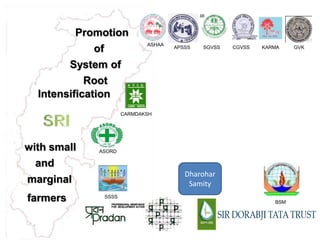
Promotion
of
System of
Root
Intensification
with small
and
marginal
farmers
Dharohar
Samity
ASHAA
APSSS GVKCGVSSSGVSS KARMA
BSM
SSSS
ASORD
CARMDAKSH
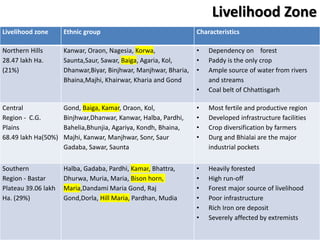
Livelihood zone Ethnic group Characteristics
Northern Hills
28.47 lakh Ha.
(21%)
Kanwar, Oraon, Nagesia, Korwa,
Saunta,Saur, Sawar, Baiga, Agaria, Kol,
Dhanwar,Biyar, Binjhwar, Manjhwar, Bharia,
Bhaina,Majhi, Khairwar, Kharia and Gond
• Dependency on forest
• Paddy is the only crop
• Ample source of water from rivers
and streams
• Coal belt of Chhattisgarh
Central
Region - C.G.
Plains
68.49 lakh Ha(50%)
Gond, Baiga, Kamar, Oraon, Kol,
Binjhwar,Dhanwar, Kanwar, Halba, Pardhi,
Bahelia,Bhunjia, Agariya, Kondh, Bhaina,
Majhi, Kanwar, Manjhwar, Sonr, Saur
Gadaba, Sawar, Saunta
• Most fertile and productive region
• Developed infrastructure facilities
• Crop diversification by farmers
• Durg and Bhialai are the major
industrial pockets
Southern
Region - Bastar
Plateau 39.06 lakh
Ha. (29%)
Halba, Gadaba, Pardhi, Kamar, Bhattra,
Dhurwa, Muria, Maria, Bison horn,
Maria,Dandami Maria Gond, Raj
Gond,Dorla, Hill Maria, Pardhan, Mudia
• Heavily forested
• High run-off
• Forest major source of livelihood
• Poor infrastructure
• Rich Iron ore deposit
• Severely affected by extremists
Livelihood Zone
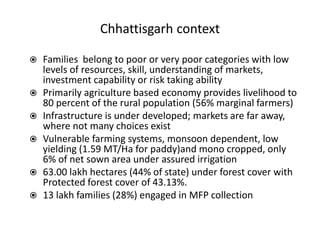
Chhattisgarh context
 Families belong to poor or very poor categories with low
levels of resources, skill, understanding of markets,
investment capability or risk taking ability
 Primarily agriculture based economy provides livelihood to
80 percent of the rural population (56% marginal farmers)
 Infrastructure is under developed; markets are far away,
where not many choices exist
 Vulnerable farming systems, monsoon dependent, low
yielding (1.59 MT/Ha for paddy)and mono cropped, only
6% of net sown area under assured irrigation
 63.00 lakh hectares (44% of state) under forest cover with
Protected forest cover of 43.13%.
 13 lakh families (28%) engaged in MFP collection
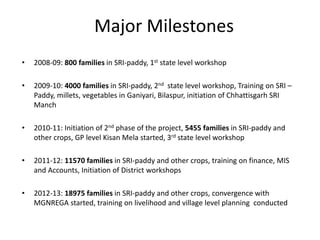
Major Milestones
• 2008-09: 800 families in SRI-paddy, 1st state level workshop
• 2009-10: 4000 families in SRI-paddy, 2nd state level workshop, Training on SRI –
Paddy, millets, vegetables in Ganiyari, Bilaspur, initiation of Chhattisgarh SRI
Manch
• 2010-11: Initiation of 2nd phase of the project, 5455 families in SRI-paddy and
other crops, GP level Kisan Mela started, 3rd state level workshop
• 2011-12: 11570 families in SRI-paddy and other crops, training on finance, MIS
and Accounts, Initiation of District workshops
• 2012-13: 18975 families in SRI-paddy and other crops, convergence with
MGNREGA started, training on livelihood and village level planning conducted
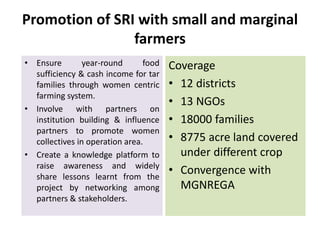
Promotion of SRI with small and marginal
farmers
• Ensure year-round food
sufficiency & cash income for tar
families through women centric
farming system.
• Involve with partners on
institution building & influence
partners to promote women
collectives in operation area.
• Create a knowledge platform to
raise awareness and widely
share lessons learnt from the
project by networking among
partners & stakeholders.
Coverage
• 12 districts
• 13 NGOs
• 18000 families
• 8775 acre land covered
under different crop
• Convergence with
MGNREGA
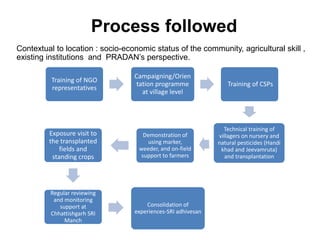
Process followed
Training of NGO
representatives
Campaigning/Orien
tation programme
at village level
Training of CSPs
Technical training of
villagers on nursery and
natural pesticides (Handi
khad and Jeevamruta)
and transplantation
Demonstration of
using marker,
weeder, and on-field
support to farmers
Exposure visit to
the transplanted
fields and
standing crops
Regular reviewing
and monitoring
support at
Chhattishgarh SRI
Manch
Consolidation of
experiences-SRI adhivesan
Contextual to location : socio-economic status of the community, agricultural skill ,
existing institutions and PRADAN’s perspective.
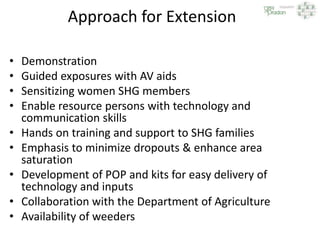
Approach for Extension
• Demonstration
• Guided exposures with AV aids
• Sensitizing women SHG members
• Enable resource persons with technology and
communication skills
• Hands on training and support to SHG families
• Emphasis to minimize dropouts & enhance area
saturation
• Development of POP and kits for easy delivery of
technology and inputs
• Collaboration with the Department of Agriculture
• Availability of weeders
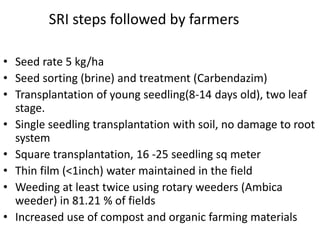
SRI steps followed by farmers
• Seed rate 5 kg/ha
• Seed sorting (brine) and treatment (Carbendazim)
• Transplantation of young seedling(8-14 days old), two leaf
stage.
• Single seedling transplantation with soil, no damage to root
system
• Square transplantation, 16 -25 seedling sq meter
• Thin film (<1inch) water maintained in the field
• Weeding at least twice using rotary weeders (Ambica
weeder) in 81.21 % of fields
• Increased use of compost and organic farming materials
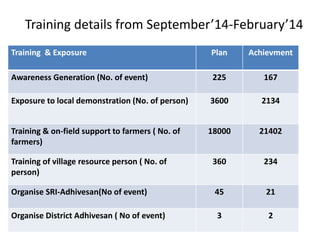
Training details from September’14-February’14
Training & Exposure Plan Achievment
Awareness Generation (No. of event) 225 167
Exposure to local demonstration (No. of person) 3600 2134
Training & on-field support to farmers ( No. of
farmers)
18000 21402
Training of village resource person ( No. of
person)
360 234
Organise SRI-Adhivesan(No of event) 45 21
Organise District Adhivesan ( No of event) 3 2
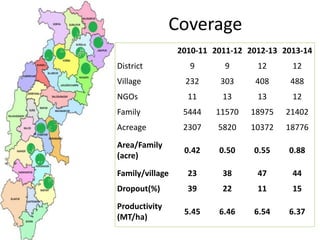
Coverage
2010-11 2011-12 2012-13 2013-14
District 9 9 12 12
Village 232 303 408 488
NGOs 11 13 13 12
Family 5444 11570 18975 21402
Acreage 2307 5820 10372 18776
Area/Family
(acre)
0.42 0.50 0.55 0.88
Family/village 23 38 47 44
Dropout(%) 39 22 11 15
Productivity
(MT/ha)
5.45 6.46 6.54 6.37
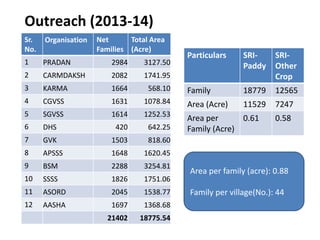
Outreach (2013-14)
Area per family (acre): 0.88
Family per village(No.): 44
Particulars SRI-
Paddy
SRI-
Other
Crop
Family 18779 12565
Area (Acre) 11529 7247
Area per
Family (Acre)
0.61 0.58
Sr.
No.
Organisation Net
Families
Total Area
(Acre)
1 PRADAN 2984 3127.50
2 CARMDAKSH 2082 1741.95
3 KARMA 1664 568.10
4 CGVSS 1631 1078.84
5 SGVSS 1614 1252.53
6 DHS 420 642.25
7 GVK 1503 818.60
8 APSSS 1648 1620.45
9 BSM 2288 3254.81
10 SSSS 1826 1751.06
11 ASORD 2045 1538.77
12 AASHA 1697 1368.68
21402 18775.54
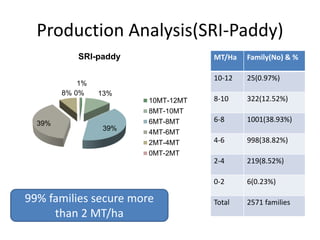
Production Analysis(SRI-Paddy)
1%
13%
39%
39%
8% 0%
SRI-paddy
10MT-12MT
8MT-10MT
6MT-8MT
4MT-6MT
2MT-4MT
0MT-2MT
MT/Ha Family(No) & %
10-12 25(0.97%)
8-10 322(12.52%)
6-8 1001(38.93%)
4-6 998(38.82%)
2-4 219(8.52%)
0-2 6(0.23%)
Total 2571 families99% families secure more
than 2 MT/ha
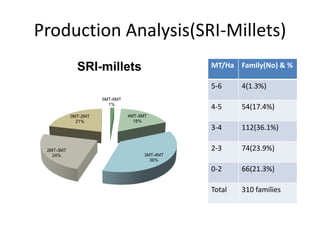
Production Analysis(SRI-Millets)
5MT-6MT
1%
4MT-5MT
18%
3MT-4MT
36%
2MT-3MT
24%
0MT-2MT
21%
SRI-millets MT/Ha Family(No) & %
5-6 4(1.3%)
4-5 54(17.4%)
3-4 112(36.1%)
2-3 74(23.9%)
0-2 66(21.3%)
Total 310 families
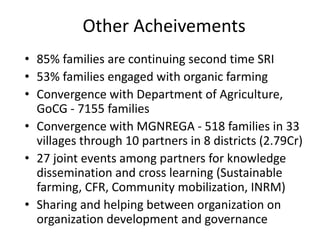
Other Acheivements
• 85% families are continuing second time SRI
• 53% families engaged with organic farming
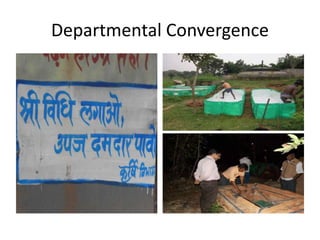
• Convergence with Department of Agriculture,
GoCG - 7155 families
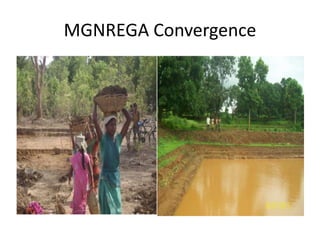
• Convergence with MGNREGA - 518 families in 33
villages through 10 partners in 8 districts (2.79Cr)
• 27 joint events among partners for knowledge
dissemination and cross learning (Sustainable
farming, CFR, Community mobilization, INRM)
• Sharing and helping between organization on
organization development and governance
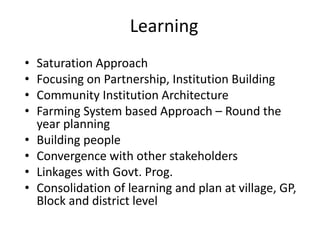
Learning
• Saturation Approach
• Focusing on Partnership, Institution Building
• Community Institution Architecture
• Farming System based Approach – Round the
year planning
• Building people
• Convergence with other stakeholders
• Linkages with Govt. Prog.
• Consolidation of learning and plan at village, GP,
Block and district level
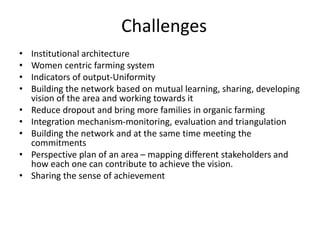
Challenges
• Institutional architecture
• Women centric farming system
• Indicators of output-Uniformity
• Building the network based on mutual learning, sharing, developing
vision of the area and working towards it
• Reduce dropout and bring more families in organic farming
• Integration mechanism-monitoring, evaluation and triangulation
• Building the network and at the same time meeting the
commitments
• Perspective plan of an area – mapping different stakeholders and
how each one can contribute to achieve the vision.
• Sharing the sense of achievement
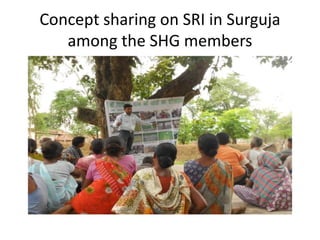
Concept sharing on SRI in Surguja
among the SHG members
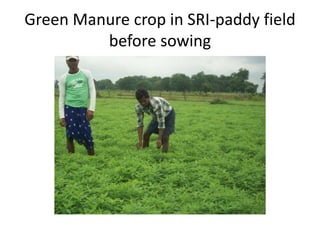
Green Manure crop in SRI-paddy field
before sowing
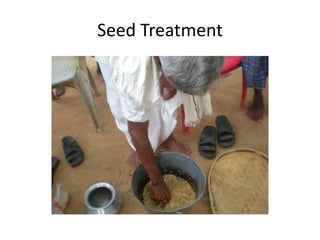
Seed Treatment
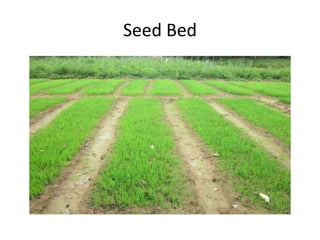
Seed Bed
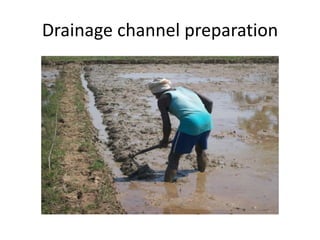
Drainage channel preparation
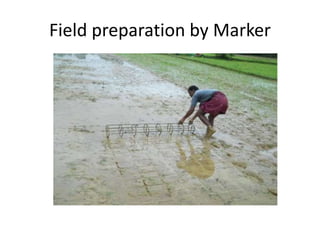
Field preparation by Marker
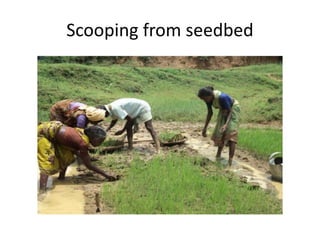
Scooping from seedbed
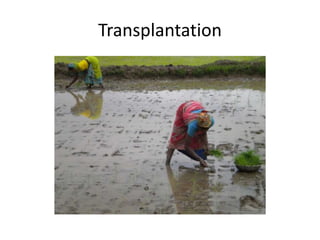
Transplantation
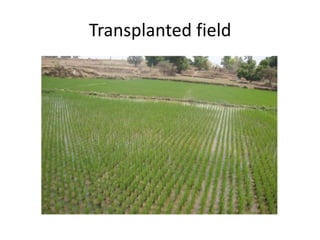
Transplanted field
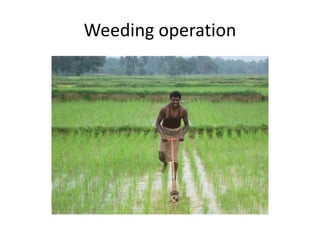
Weeding operation
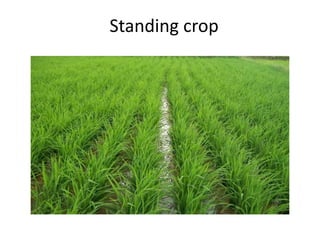
Standing crop
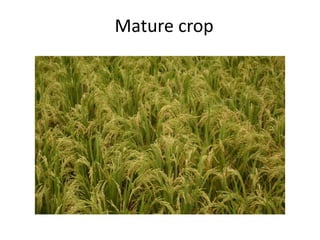
Mature crop
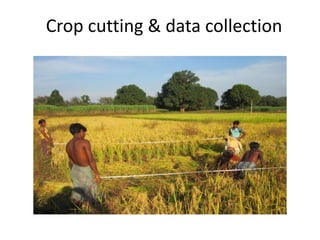
Crop cutting & data collection
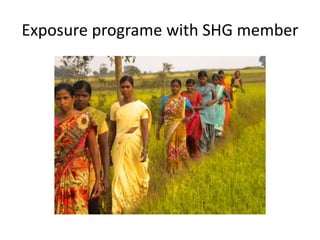
Exposure programe with SHG member
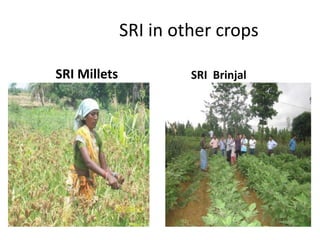
SRI in other crops
SRI Millets SRI Brinjal
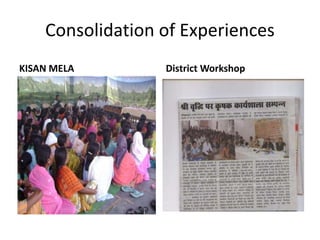
Consolidation of Experiences
KISAN MELA District Workshop
Departmental Convergence
MGNREGA Convergence
THANKS

Pradan chhattisgarh

  • 1.
  • 2.
    Livelihood zone Ethnicgroup Characteristics Northern Hills 28.47 lakh Ha. (21%) Kanwar, Oraon, Nagesia, Korwa, Saunta,Saur, Sawar, Baiga, Agaria, Kol, Dhanwar,Biyar, Binjhwar, Manjhwar, Bharia, Bhaina,Majhi, Khairwar, Kharia and Gond • Dependency on forest • Paddy is the only crop • Ample source of water from rivers and streams • Coal belt of Chhattisgarh Central Region - C.G. Plains 68.49 lakh Ha(50%) Gond, Baiga, Kamar, Oraon, Kol, Binjhwar,Dhanwar, Kanwar, Halba, Pardhi, Bahelia,Bhunjia, Agariya, Kondh, Bhaina, Majhi, Kanwar, Manjhwar, Sonr, Saur Gadaba, Sawar, Saunta • Most fertile and productive region • Developed infrastructure facilities • Crop diversification by farmers • Durg and Bhialai are the major industrial pockets Southern Region - Bastar Plateau 39.06 lakh Ha. (29%) Halba, Gadaba, Pardhi, Kamar, Bhattra, Dhurwa, Muria, Maria, Bison horn, Maria,Dandami Maria Gond, Raj Gond,Dorla, Hill Maria, Pardhan, Mudia • Heavily forested • High run-off • Forest major source of livelihood • Poor infrastructure • Rich Iron ore deposit • Severely affected by extremists Livelihood Zone
  • 3.
    Chhattisgarh context  Familiesbelong to poor or very poor categories with low levels of resources, skill, understanding of markets, investment capability or risk taking ability  Primarily agriculture based economy provides livelihood to 80 percent of the rural population (56% marginal farmers)  Infrastructure is under developed; markets are far away, where not many choices exist  Vulnerable farming systems, monsoon dependent, low yielding (1.59 MT/Ha for paddy)and mono cropped, only 6% of net sown area under assured irrigation  63.00 lakh hectares (44% of state) under forest cover with Protected forest cover of 43.13%.  13 lakh families (28%) engaged in MFP collection
  • 4.
    Major Milestones • 2008-09:800 families in SRI-paddy, 1st state level workshop • 2009-10: 4000 families in SRI-paddy, 2nd state level workshop, Training on SRI – Paddy, millets, vegetables in Ganiyari, Bilaspur, initiation of Chhattisgarh SRI Manch • 2010-11: Initiation of 2nd phase of the project, 5455 families in SRI-paddy and other crops, GP level Kisan Mela started, 3rd state level workshop • 2011-12: 11570 families in SRI-paddy and other crops, training on finance, MIS and Accounts, Initiation of District workshops • 2012-13: 18975 families in SRI-paddy and other crops, convergence with MGNREGA started, training on livelihood and village level planning conducted
  • 5.
    Promotion of SRIwith small and marginal farmers • Ensure year-round food sufficiency & cash income for tar families through women centric farming system. • Involve with partners on institution building & influence partners to promote women collectives in operation area. • Create a knowledge platform to raise awareness and widely share lessons learnt from the project by networking among partners & stakeholders. Coverage • 12 districts • 13 NGOs • 18000 families • 8775 acre land covered under different crop • Convergence with MGNREGA
  • 6.
    Process followed Training ofNGO representatives Campaigning/Orien tation programme at village level Training of CSPs Technical training of villagers on nursery and natural pesticides (Handi khad and Jeevamruta) and transplantation Demonstration of using marker, weeder, and on-field support to farmers Exposure visit to the transplanted fields and standing crops Regular reviewing and monitoring support at Chhattishgarh SRI Manch Consolidation of experiences-SRI adhivesan Contextual to location : socio-economic status of the community, agricultural skill , existing institutions and PRADAN’s perspective.
  • 7.
    Approach for Extension •Demonstration • Guided exposures with AV aids • Sensitizing women SHG members • Enable resource persons with technology and communication skills • Hands on training and support to SHG families • Emphasis to minimize dropouts & enhance area saturation • Development of POP and kits for easy delivery of technology and inputs • Collaboration with the Department of Agriculture • Availability of weeders
  • 8.
    SRI steps followedby farmers • Seed rate 5 kg/ha • Seed sorting (brine) and treatment (Carbendazim) • Transplantation of young seedling(8-14 days old), two leaf stage. • Single seedling transplantation with soil, no damage to root system • Square transplantation, 16 -25 seedling sq meter • Thin film (<1inch) water maintained in the field • Weeding at least twice using rotary weeders (Ambica weeder) in 81.21 % of fields • Increased use of compost and organic farming materials
  • 9.
    Training details fromSeptember’14-February’14 Training & Exposure Plan Achievment Awareness Generation (No. of event) 225 167 Exposure to local demonstration (No. of person) 3600 2134 Training & on-field support to farmers ( No. of farmers) 18000 21402 Training of village resource person ( No. of person) 360 234 Organise SRI-Adhivesan(No of event) 45 21 Organise District Adhivesan ( No of event) 3 2
  • 10.
    Coverage 2010-11 2011-12 2012-132013-14 District 9 9 12 12 Village 232 303 408 488 NGOs 11 13 13 12 Family 5444 11570 18975 21402 Acreage 2307 5820 10372 18776 Area/Family (acre) 0.42 0.50 0.55 0.88 Family/village 23 38 47 44 Dropout(%) 39 22 11 15 Productivity (MT/ha) 5.45 6.46 6.54 6.37
  • 11.
    Outreach (2013-14) Area perfamily (acre): 0.88 Family per village(No.): 44 Particulars SRI- Paddy SRI- Other Crop Family 18779 12565 Area (Acre) 11529 7247 Area per Family (Acre) 0.61 0.58 Sr. No. Organisation Net Families Total Area (Acre) 1 PRADAN 2984 3127.50 2 CARMDAKSH 2082 1741.95 3 KARMA 1664 568.10 4 CGVSS 1631 1078.84 5 SGVSS 1614 1252.53 6 DHS 420 642.25 7 GVK 1503 818.60 8 APSSS 1648 1620.45 9 BSM 2288 3254.81 10 SSSS 1826 1751.06 11 ASORD 2045 1538.77 12 AASHA 1697 1368.68 21402 18775.54
  • 12.
    Production Analysis(SRI-Paddy) 1% 13% 39% 39% 8% 0% SRI-paddy 10MT-12MT 8MT-10MT 6MT-8MT 4MT-6MT 2MT-4MT 0MT-2MT MT/HaFamily(No) & % 10-12 25(0.97%) 8-10 322(12.52%) 6-8 1001(38.93%) 4-6 998(38.82%) 2-4 219(8.52%) 0-2 6(0.23%) Total 2571 families99% families secure more than 2 MT/ha
  • 13.
    Production Analysis(SRI-Millets) 5MT-6MT 1% 4MT-5MT 18% 3MT-4MT 36% 2MT-3MT 24% 0MT-2MT 21% SRI-millets MT/HaFamily(No) & % 5-6 4(1.3%) 4-5 54(17.4%) 3-4 112(36.1%) 2-3 74(23.9%) 0-2 66(21.3%) Total 310 families
  • 14.
    Other Acheivements • 85%families are continuing second time SRI • 53% families engaged with organic farming • Convergence with Department of Agriculture, GoCG - 7155 families • Convergence with MGNREGA - 518 families in 33 villages through 10 partners in 8 districts (2.79Cr) • 27 joint events among partners for knowledge dissemination and cross learning (Sustainable farming, CFR, Community mobilization, INRM) • Sharing and helping between organization on organization development and governance
  • 15.
    Learning • Saturation Approach •Focusing on Partnership, Institution Building • Community Institution Architecture • Farming System based Approach – Round the year planning • Building people • Convergence with other stakeholders • Linkages with Govt. Prog. • Consolidation of learning and plan at village, GP, Block and district level
  • 16.
    Challenges • Institutional architecture •Women centric farming system • Indicators of output-Uniformity • Building the network based on mutual learning, sharing, developing vision of the area and working towards it • Reduce dropout and bring more families in organic farming • Integration mechanism-monitoring, evaluation and triangulation • Building the network and at the same time meeting the commitments • Perspective plan of an area – mapping different stakeholders and how each one can contribute to achieve the vision. • Sharing the sense of achievement
  • 17.
    Concept sharing onSRI in Surguja among the SHG members
  • 18.
    Green Manure cropin SRI-paddy field before sowing
  • 19.
  • 20.
  • 21.
  • 22.
  • 23.
  • 24.
  • 25.
  • 26.
  • 27.
  • 28.
  • 29.
    Crop cutting &data collection
  • 30.
  • 31.
    SRI in othercrops SRI Millets SRI Brinjal
  • 32.
    Consolidation of Experiences KISANMELA District Workshop
  • 33.
  • 34.
  • 35.