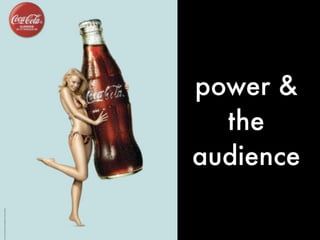
power &
the
audience
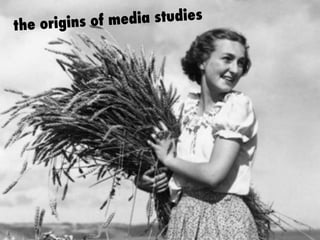
the origins of media studies
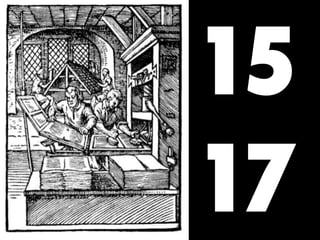
15
17
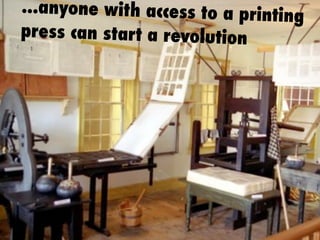
...anyone with access to a printing
press can start a revolution
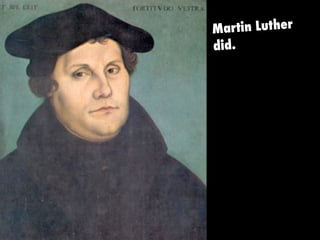
Martin Luther
did.
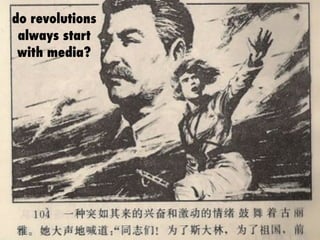
do revolutions
always start
with media?
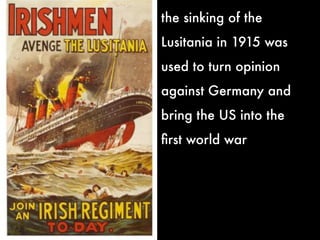
the sinking of the
Lusitania in 1915 was
used to turn opinion
against Germany and
bring the US into the
first world war
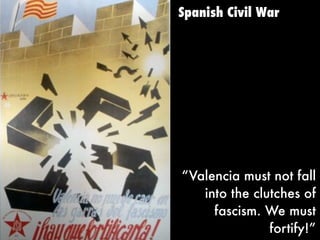
“Valencia must not fall
into the clutches of
fascism. We must
fortify!”
Spanish Civil War
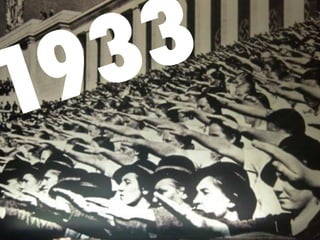
1933
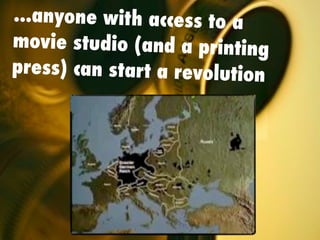
...anyone with access to a
movie studio (and a printing
press) can start a revolution
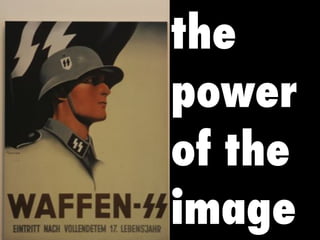
the
power
of the
image
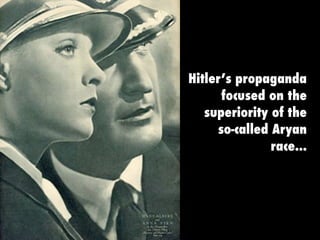
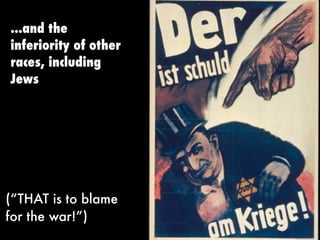
Hitler’s propaganda
focused on the
superiority of the
so-called Aryan
race...
...and the
inferiority of other
races, including
Jews
(“THAT is to blame
for the war!”)
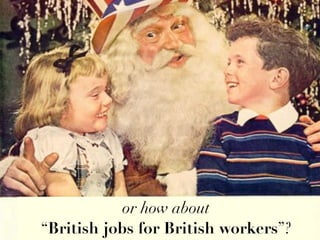
or how about
“British jobs for British workers”?
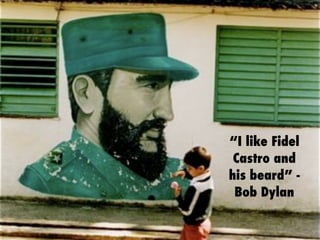
“I like Fidel
Castro and
his beard” -
Bob Dylan
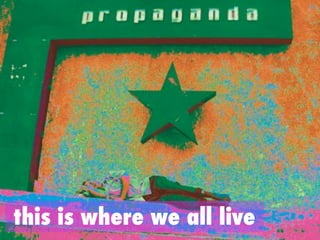
this is where we all live
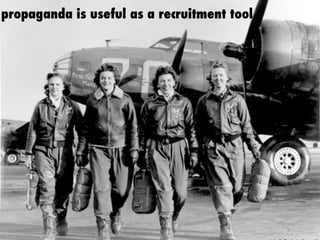
propaganda is useful as a recruitment tool
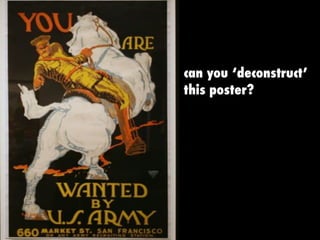
can you ‘deconstruct’
this poster?
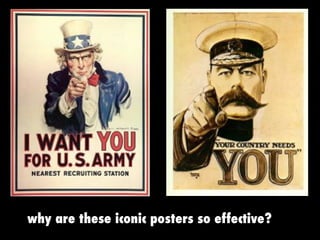
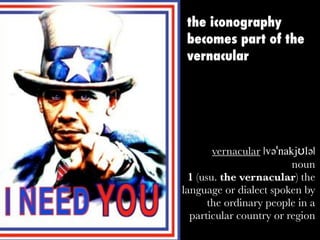
why are these iconic posters so effective?
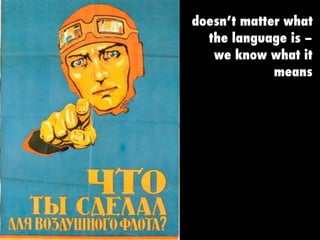
doesn’t matter what
the language is –
we know what it
means
the iconography
becomes part of the
vernacular
vernacular |vəˈnakjʊlə|
noun
1 (usu. the vernacular) the
language or dialect spoken by
the ordinary people in a
particular country or region
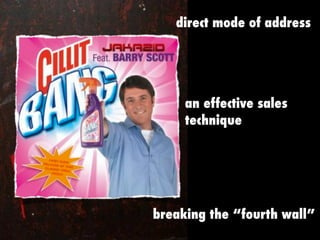
direct mode of address
breaking the “fourth wall”
an effective sales
technique
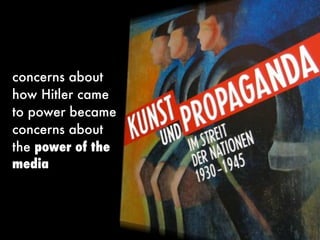
concerns about
how Hitler came
to power became
concerns about
the power of the
media
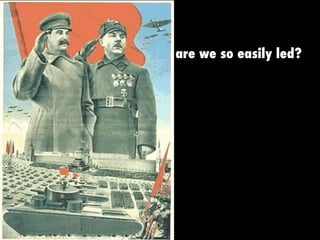
are we so easily led?
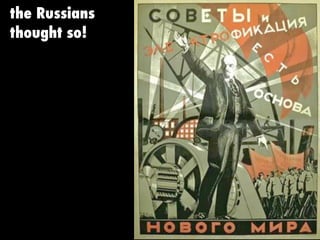
the Russians
thought so!
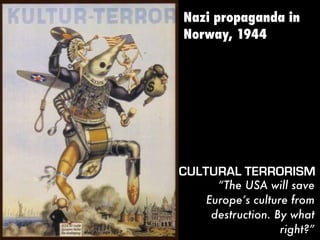
Nazi propaganda in
Norway, 1944
“The USA will save
Europe’s culture from
destruction. By what
right?”
CULTURAL TERRORISM
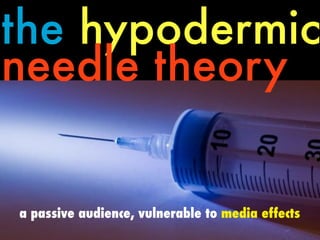
the hypodermic
needle theory
a passive audience, vulnerable to media effects
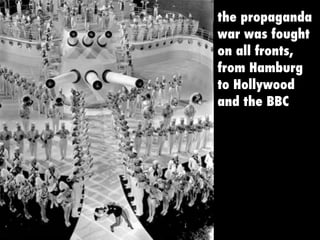
the propaganda
war was fought
on all fronts,
from Hamburg
to Hollywood
and the BBC
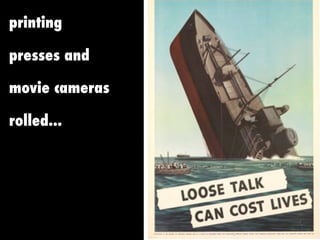
printing
presses and
movie cameras
rolled...
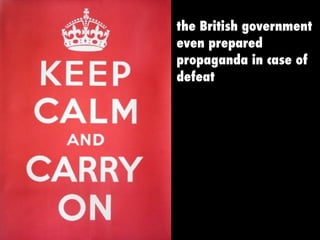
the British government
even prepared
propaganda in case of
defeat
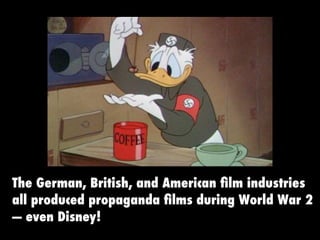
The German, British, and American film industries
all produced propaganda films during World War 2
— even Disney!
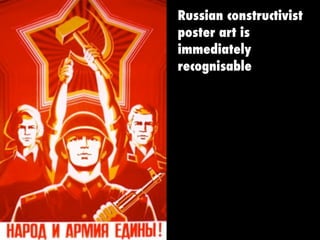
Russian constructivist
poster art is
immediately
recognisable
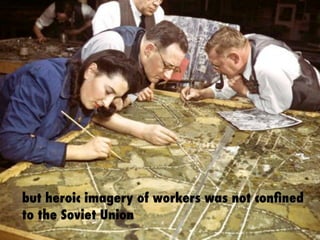
but heroic imagery of workers was not confined
to the Soviet Union
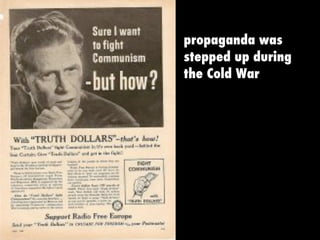
propaganda was
stepped up during
the Cold War
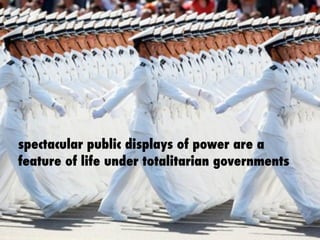
spectacular public displays of power are a
feature of life under totalitarian governments
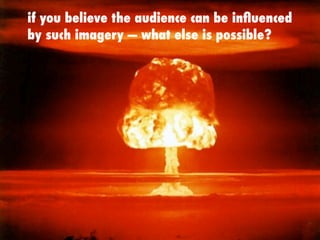
if you believe the audience can be influenced
by such imagery — what else is possible?
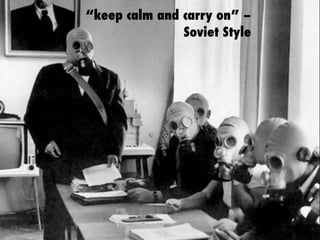
“keep calm and carry on” –
Soviet Style
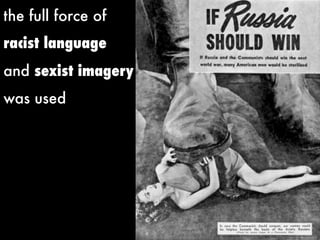
the full force of
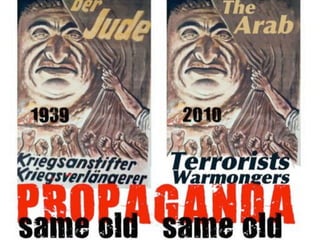
racist language
and sexist imagery
was used
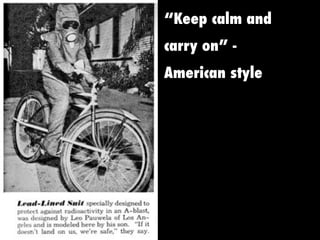
“Keep calm and
carry on” -
American style
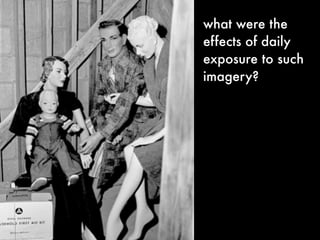
what were the
effects of daily
exposure to such
imagery?
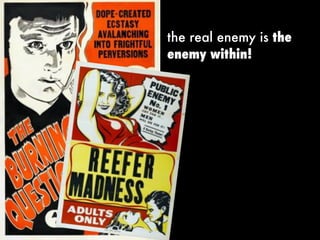
the real enemy is the
enemy within!
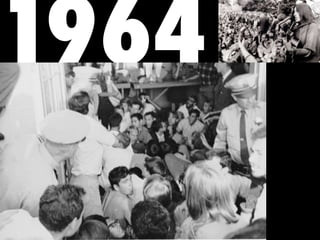
1964
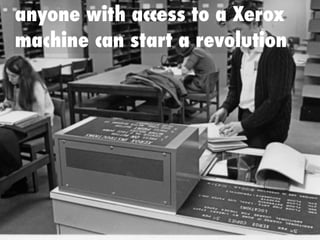
anyone with access to a Xerox
machine can start a revolution
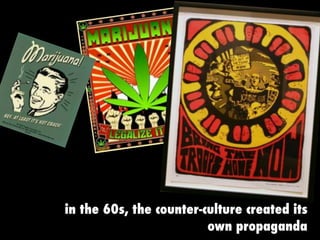
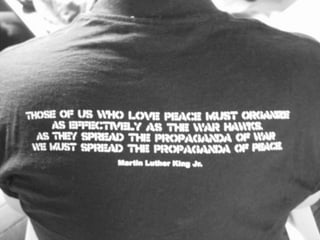
in the 60s, the counter-culture created its
own propaganda
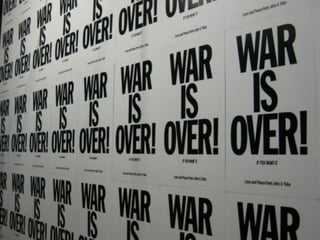
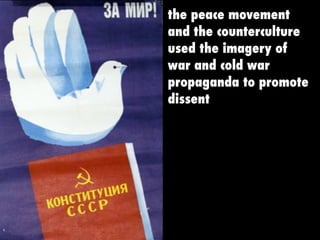
the peace movement
and the counterculture
used the imagery of
war and cold war
propaganda to promote
dissent
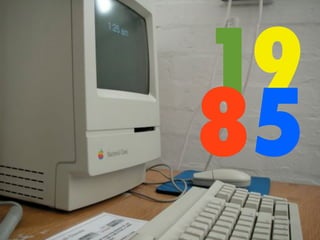
19
85
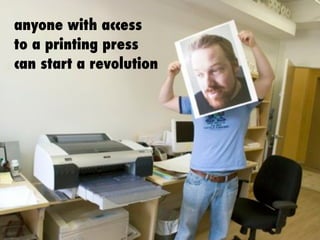
anyone with access
to a printing press
can start a revolution
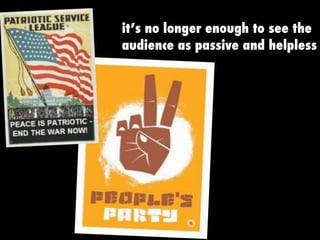
it’s no longer enough to see the
audience as passive and helpless
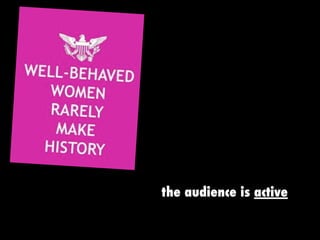
the audience is active
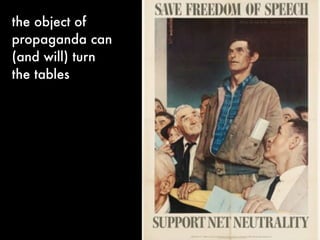
the object of
propaganda can
(and will) turn
the tables
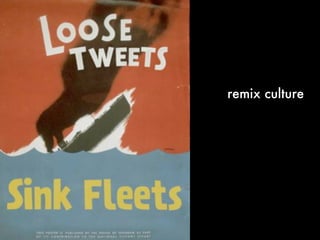
remix culture
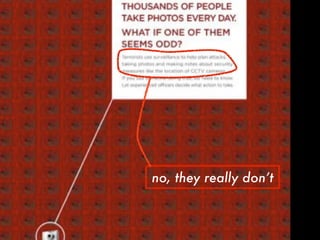
no, they really don’t
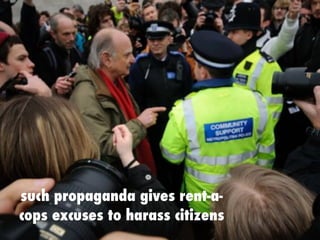
such propaganda gives rent-a-
cops excuses to harass citizens
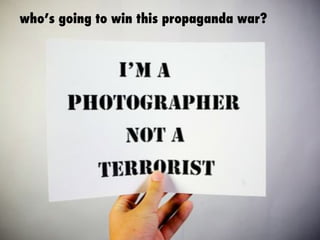
who’s going to win this propaganda war?
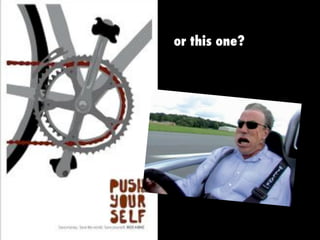
or this one?
20
“anyonewithaccessto...?”
Power and the audience

Power and the audience