Prediction of the Mechanical Properties in Welded Joints 
Using Comsol Multiphysics 
R. Alécio1*, N. Bouchonneau1, J. Gama2, T. Antonino3, E. Rocha1; J. Sousa1, P. Guimarães3, J. Barbosa1, Y. 
Yadava1, R. Ferreira1. 
1Universidade Federal de Pernambuco, 2Instituto Federal de Alagoas, 3Instituto Federal de Pernambuco. 
*UFPE/CTG/UFPE. Av. Prof. Moraes Rego, 1235 - Cidade Universitária, CEP: 50670-901 Recife – PE. 
Introduction: This paper develops a 
theoretical-experimental methodology that 
enables the reproduction of the conditions 
of thermodynamic points of a HAZ, 
generating homogeneous microstructure in 
a specimen with dimensions normalized to 
carry out tests to determine the mechanical 
properties of discretized form of different 
points of a heat affected zone ( HAZ ). 
Computational Methods: The COMSOL 
Multiphysics was used to simulate the flow 
temperature from the melting of the metal 
on the plate with cooling at room 
temperature and get the resistance in 
various parts of HAZ. 
A model of a three-dimensional metal plate 
to simulate the heat input through the weld 
puddle and cooling at room temperature 
with convection and conduction was 
generated by simulating the thermical 
contribution to analyze the resistance of 
several points compared to reported 
values through experimental tests. 
Symmetry 
Convective 
Heat Source 
Results: To compare the results 
produced by the simulator, a real 
welding procedure was performed by 
MAG process in the studied material, 
where the type of transfer will be 
mainly influenced by the current 
intensity. So the microstructures of the 
HAZ of the weld were compared with 
the microstructures of the material 
produced in the simulator. 
Temp. (°C) Grain size (mm) Stress 
1100 0,048 443,1 
1000 0,028 473,0 
900 0,024 518,2 
CR 0,016 543,9 
Conclusions: The observed results 
demonstrate the feasibility of using the 
simulator for the discretization of the 
points of the HAZ of a welded joint 
allowing the mechanical properties to be 
determined in a conventional tensile test. 
The calculated values, confirm the 
definition of the recent literature on API 
5L X80 steel on the mechanical 
properties. 
References: 
1. Ginzburg, V. B., Basic Principles of 
Modeling in Metallurgical Design of 
Fat-Rolled Steel Products. AISE 
Annual Convention. Proceedings. 
Pittsburgh, (2003) 
2. Silva Jr, at all, Simulação das 
transformações de fase em pontos da 
ZTA de juntas soldadas do aço API 
5L X70, VI Congresso Nacional de 
Engenharia Mecânica (2010) 
Figure 2. 3D model used 
Table 1. Results of samples produced 
in thermomechanical simulator 
Excerpt from the Proceedings of the 2014 COMSOL Conference in Curitiba 
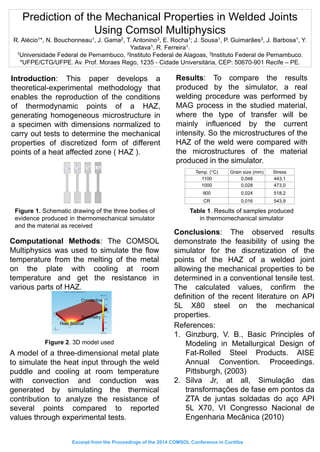
Figure 1. Schematic drawing of the three bodies of 
evidence produced in thermomechanical simulator 
and the material as received

Prediction of the Mechanical Properties in Welded Joints Using Comsol Multiphysics

  • 1.
    Prediction of theMechanical Properties in Welded Joints Using Comsol Multiphysics R. Alécio1*, N. Bouchonneau1, J. Gama2, T. Antonino3, E. Rocha1; J. Sousa1, P. Guimarães3, J. Barbosa1, Y. Yadava1, R. Ferreira1. 1Universidade Federal de Pernambuco, 2Instituto Federal de Alagoas, 3Instituto Federal de Pernambuco. *UFPE/CTG/UFPE. Av. Prof. Moraes Rego, 1235 - Cidade Universitária, CEP: 50670-901 Recife – PE. Introduction: This paper develops a theoretical-experimental methodology that enables the reproduction of the conditions of thermodynamic points of a HAZ, generating homogeneous microstructure in a specimen with dimensions normalized to carry out tests to determine the mechanical properties of discretized form of different points of a heat affected zone ( HAZ ). Computational Methods: The COMSOL Multiphysics was used to simulate the flow temperature from the melting of the metal on the plate with cooling at room temperature and get the resistance in various parts of HAZ. A model of a three-dimensional metal plate to simulate the heat input through the weld puddle and cooling at room temperature with convection and conduction was generated by simulating the thermical contribution to analyze the resistance of several points compared to reported values through experimental tests. Symmetry Convective Heat Source Results: To compare the results produced by the simulator, a real welding procedure was performed by MAG process in the studied material, where the type of transfer will be mainly influenced by the current intensity. So the microstructures of the HAZ of the weld were compared with the microstructures of the material produced in the simulator. Temp. (°C) Grain size (mm) Stress 1100 0,048 443,1 1000 0,028 473,0 900 0,024 518,2 CR 0,016 543,9 Conclusions: The observed results demonstrate the feasibility of using the simulator for the discretization of the points of the HAZ of a welded joint allowing the mechanical properties to be determined in a conventional tensile test. The calculated values, confirm the definition of the recent literature on API 5L X80 steel on the mechanical properties. References: 1. Ginzburg, V. B., Basic Principles of Modeling in Metallurgical Design of Fat-Rolled Steel Products. AISE Annual Convention. Proceedings. Pittsburgh, (2003) 2. Silva Jr, at all, Simulação das transformações de fase em pontos da ZTA de juntas soldadas do aço API 5L X70, VI Congresso Nacional de Engenharia Mecânica (2010) Figure 2. 3D model used Table 1. Results of samples produced in thermomechanical simulator Excerpt from the Proceedings of the 2014 COMSOL Conference in Curitiba Figure 1. Schematic drawing of the three bodies of evidence produced in thermomechanical simulator and the material as received