‘Plight’
  Pronunciation:/plʌɪt/nouna dangerous, difficult, or otherwise
                     unfortunate situation:

‘ we must direct our efforts towards relieving the plight of children
Unlike the journalist…
…the illustrator stands outside un-noticed, the illustrator empathises
     and sits next to you holding your hand without you realising… the
illustrator whispers softly doesn’t scream but makes a more penetrating
   noise. The illustrator speaks more clearly, using voices which can be
   understood, the illustrator has a stance, but can move in and around
    that stand point, gaining perspective, understanding. The illustrator
          lends an eye to the unseen, or the blind or blotted out…
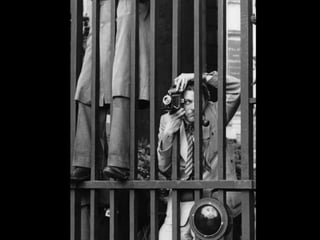
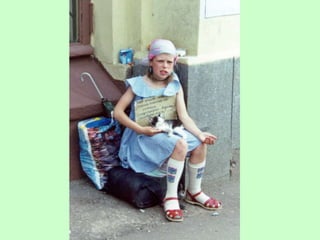
unlike photography…
Which one can misunderstand or become numb to, which one
    encounters constantly and thus can easily ignore…
The illustrator can take another approach…
You might say it’s no country for old men.
Russia, that is. Since the breakup of the
Soviet Union, Russians have been
increasingly ravaged by disease and
death. And one of the main reasons is the
nation’s favorite drink. There’s so much
vodka going down the throats of so many
Russians, life expectancy for men has
fallen to just 60 years old – about the same
as in Myanmar and Haiti.
(http://www.theworld.org/2010/02/alcoholism-a-national-disaster-in-russia/)
The illustrator can tell a story…
In contrast to statistics we go inside have a cup of
              tea and ask questions…
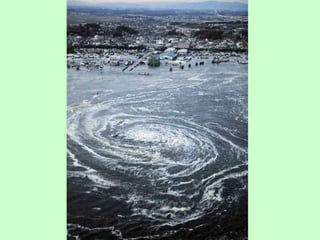
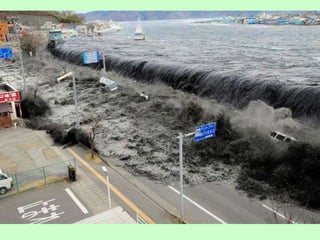
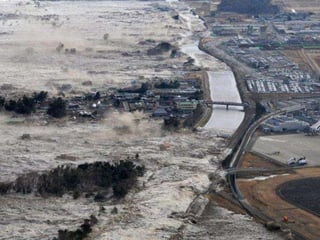
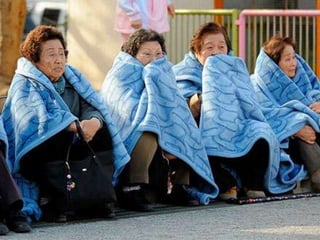
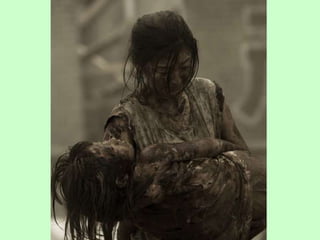
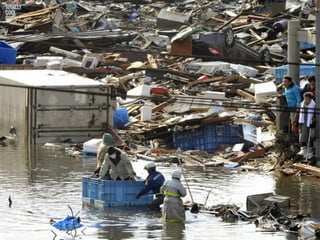
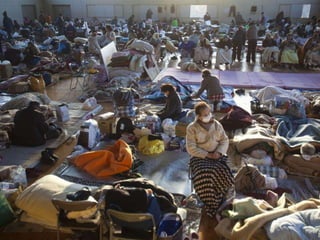
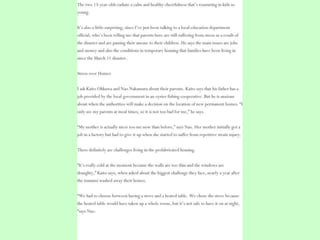
Tsunami
So the story we are telling helps more people
understand and possibly wish to help or a least
              become informed…
Africa Conference
Politics
Metaphor
Allegory
* The plight, or sense of plight that the illustrator
  can convey, as storyteller and image maker is
      powerful, it can have a moral stance, or
 empathetic, or both; most importantly the need is
to connect in a human way to the needs or stories
     of others and in that be able to recognise
                      ourselves.
In your last module, Narrative and Drawing methodologies, your
     focus was visual storytelling, storytelling for imaginative
       purposes. In ‘Influence’ you are asked to explore the
  notions of storytelling, the boundaries and the possibilities of
        it, to discover ways in which illustration can convey
   information that is often difficult, unpleasant, dull, dreary, or
     ordinarily journalistic, i.e. written about or photographed.
 The aim is to carve new niches for ‘Documentary Illustration’ in
                                Project 1.
                  Through ‘Plight’ explore and utilise
                          these possibilities.
‘The eye of a human being is a microscope which
  makes the world seem bigger than it really is.’

                    Kahlil Gibran

Plight2012

  • 1.
    ‘Plight’ Pronunciation:/plʌɪt/nounadangerous, difficult, or otherwise unfortunate situation: ‘ we must direct our efforts towards relieving the plight of children
  • 2.
  • 4.
    …the illustrator standsoutside un-noticed, the illustrator empathises and sits next to you holding your hand without you realising… the illustrator whispers softly doesn’t scream but makes a more penetrating noise. The illustrator speaks more clearly, using voices which can be understood, the illustrator has a stance, but can move in and around that stand point, gaining perspective, understanding. The illustrator lends an eye to the unseen, or the blind or blotted out…
  • 5.
  • 7.
    Which one canmisunderstand or become numb to, which one encounters constantly and thus can easily ignore…
  • 8.
    The illustrator cantake another approach…
  • 9.
    You might sayit’s no country for old men. Russia, that is. Since the breakup of the Soviet Union, Russians have been increasingly ravaged by disease and death. And one of the main reasons is the nation’s favorite drink. There’s so much vodka going down the throats of so many Russians, life expectancy for men has fallen to just 60 years old – about the same as in Myanmar and Haiti. (http://www.theworld.org/2010/02/alcoholism-a-national-disaster-in-russia/)
  • 10.
    The illustrator cantell a story…
  • 11.
    In contrast tostatistics we go inside have a cup of tea and ask questions…
  • 12.
  • 21.
    So the storywe are telling helps more people understand and possibly wish to help or a least become informed…
  • 22.
  • 23.
  • 25.
  • 26.
  • 28.
    * The plight,or sense of plight that the illustrator can convey, as storyteller and image maker is powerful, it can have a moral stance, or empathetic, or both; most importantly the need is to connect in a human way to the needs or stories of others and in that be able to recognise ourselves.
  • 29.
    In your lastmodule, Narrative and Drawing methodologies, your focus was visual storytelling, storytelling for imaginative purposes. In ‘Influence’ you are asked to explore the notions of storytelling, the boundaries and the possibilities of it, to discover ways in which illustration can convey information that is often difficult, unpleasant, dull, dreary, or ordinarily journalistic, i.e. written about or photographed. The aim is to carve new niches for ‘Documentary Illustration’ in Project 1. Through ‘Plight’ explore and utilise these possibilities.
  • 30.
    ‘The eye ofa human being is a microscope which makes the world seem bigger than it really is.’ Kahlil Gibran