Core Business Rescue team
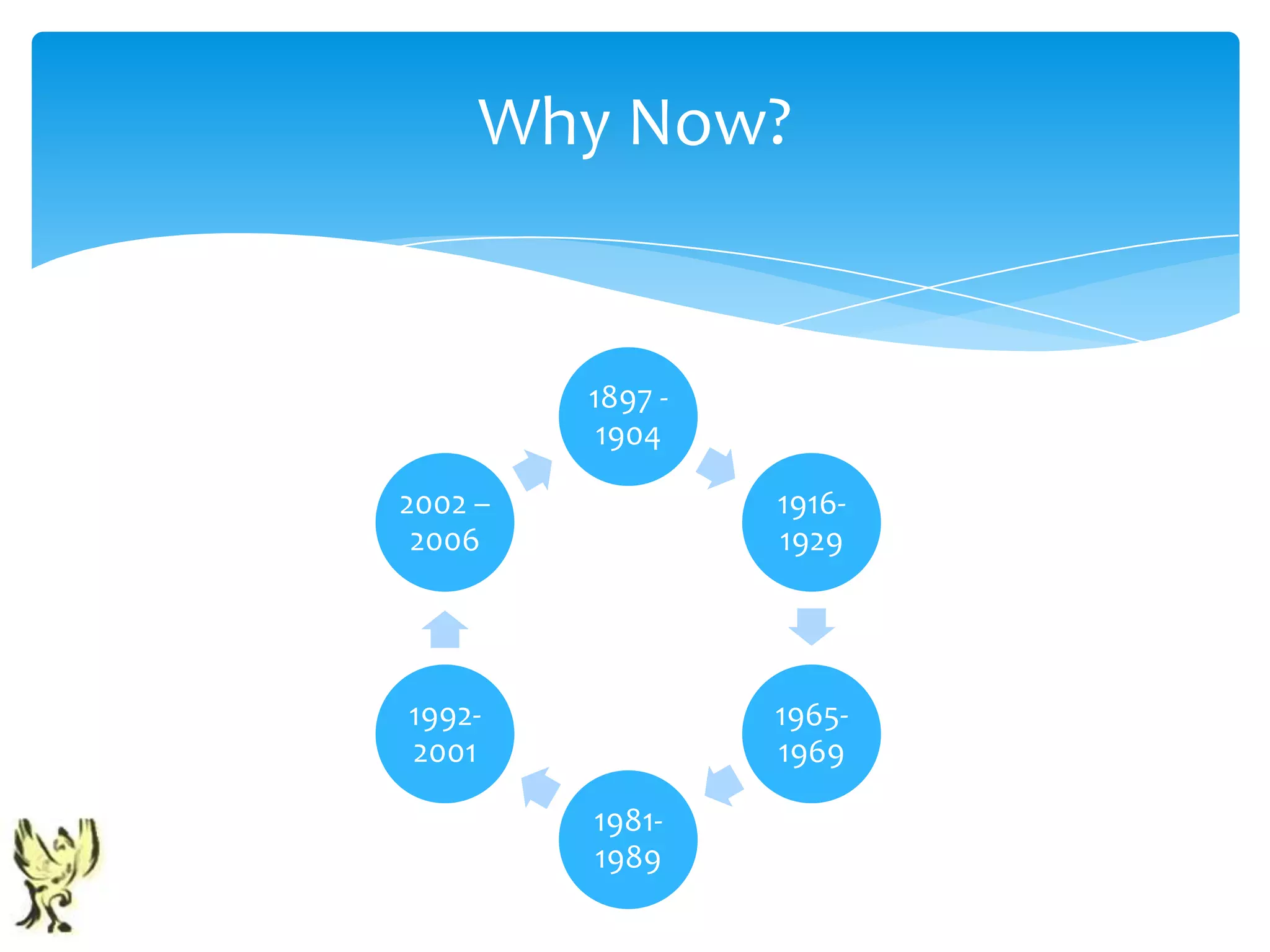
Why Now?


         1897 -
          1904

2002 –            1916-
 2006             1929


1992-             1965-
2001              1969

         1981-
         1989
Why Now?
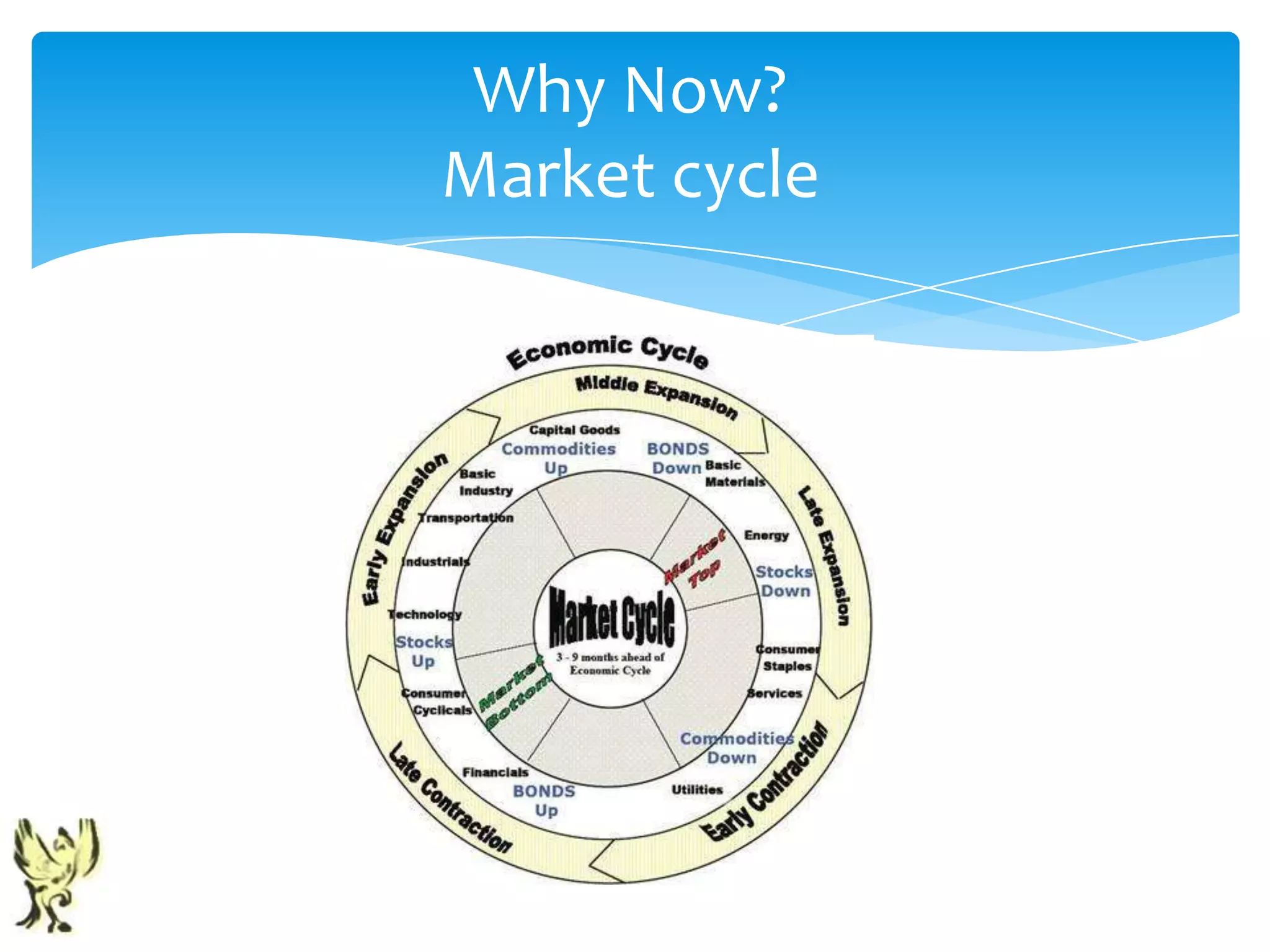
Market cycle
Why Now?


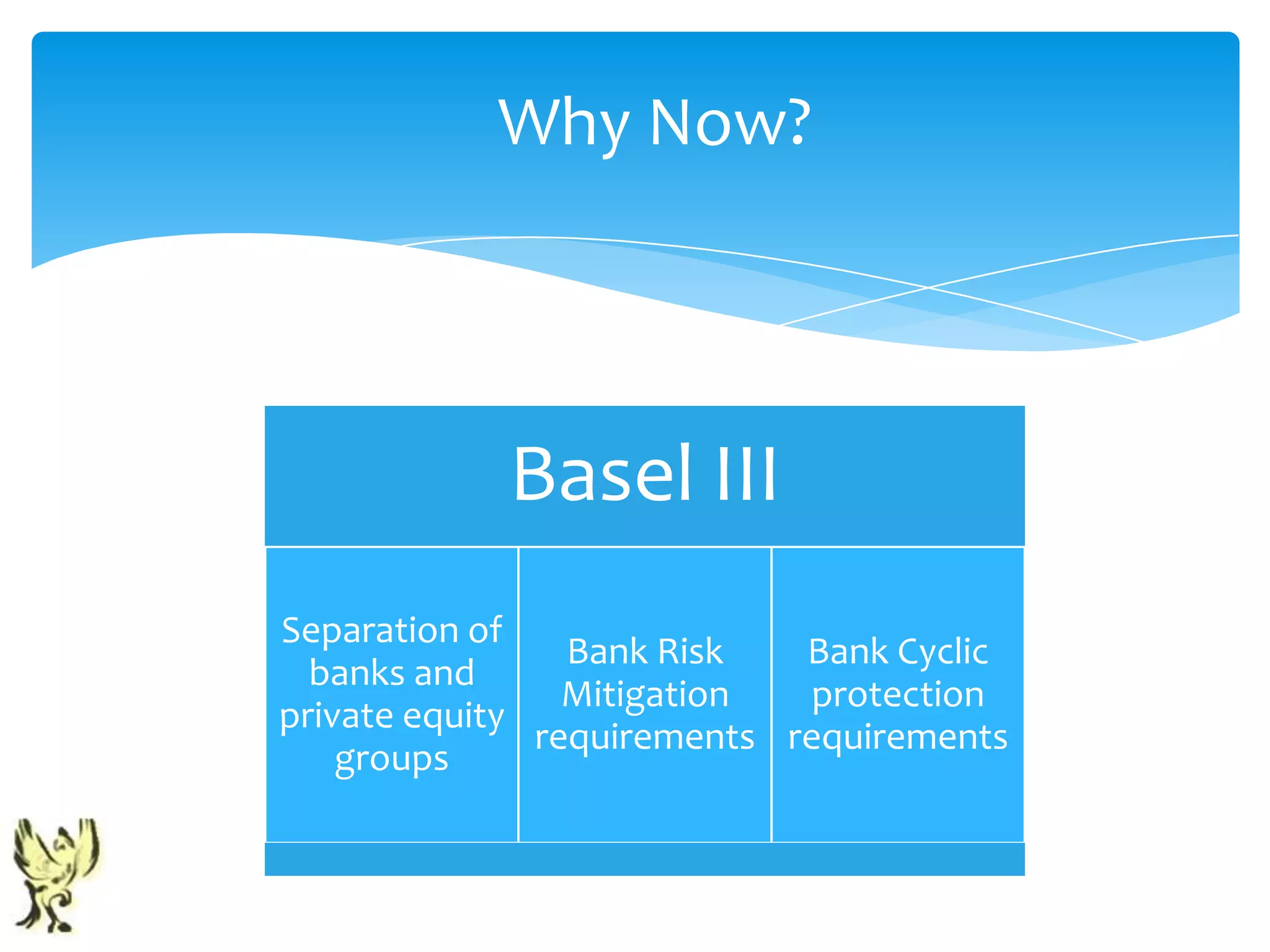
            Basel III
Separation of
                 Bank Risk   Bank Cyclic
  banks and
                 Mitigation   protection
private equity
               requirements requirements
    groups
Why Now?


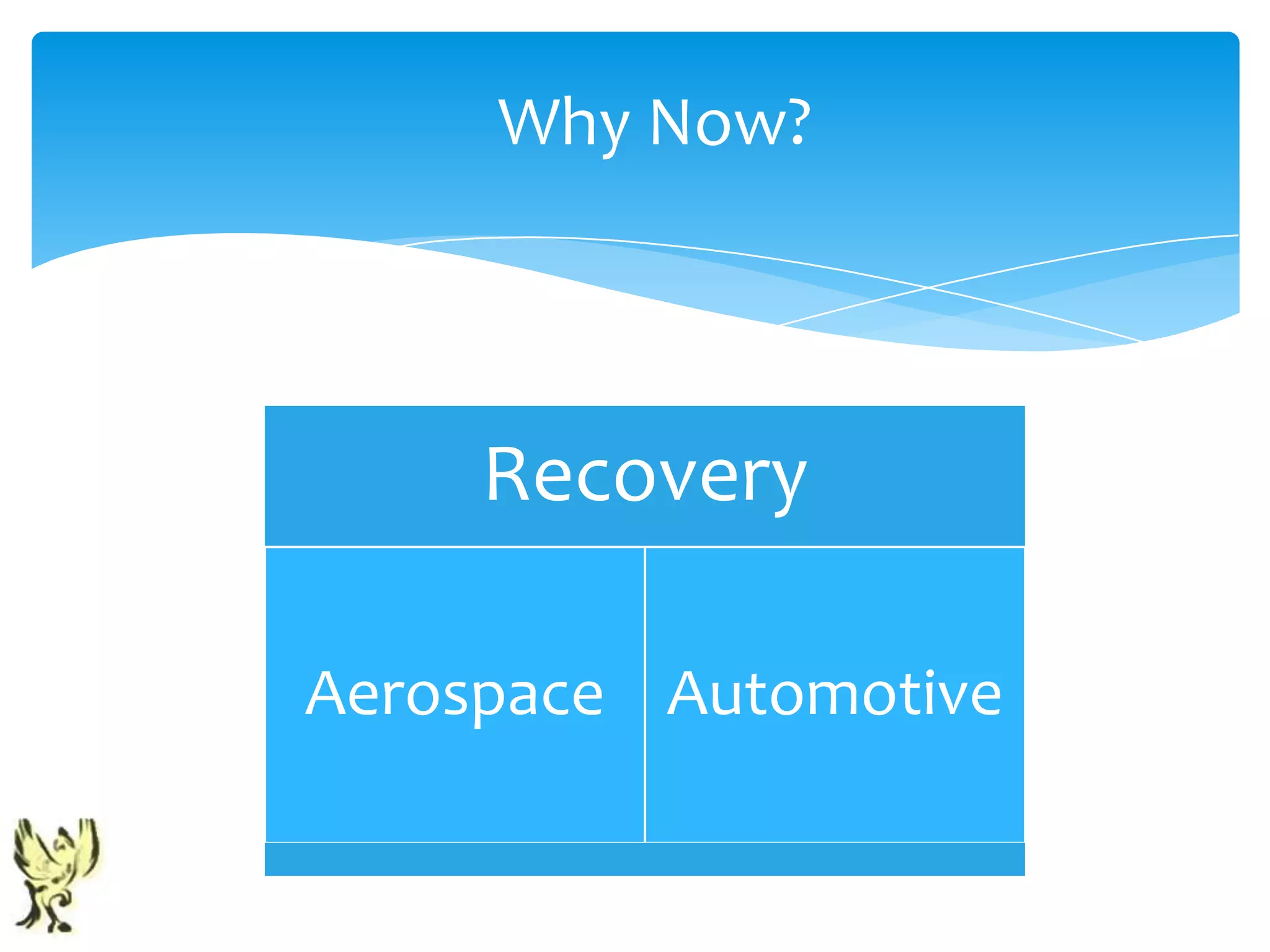
     Recovery

Aerospace Automotive
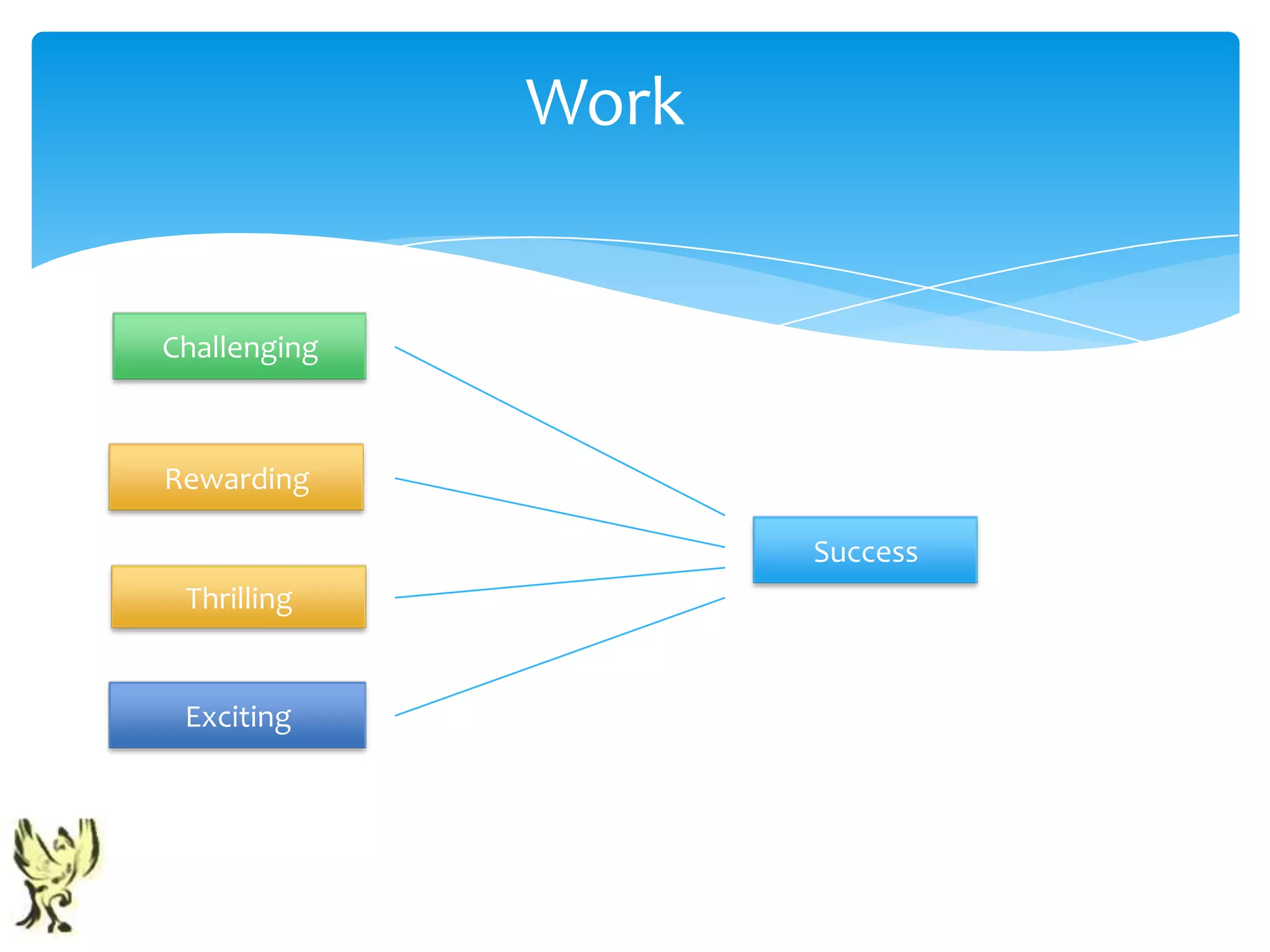
Work


Challenging


Rewarding

                     Success
 Thrilling


 Exciting
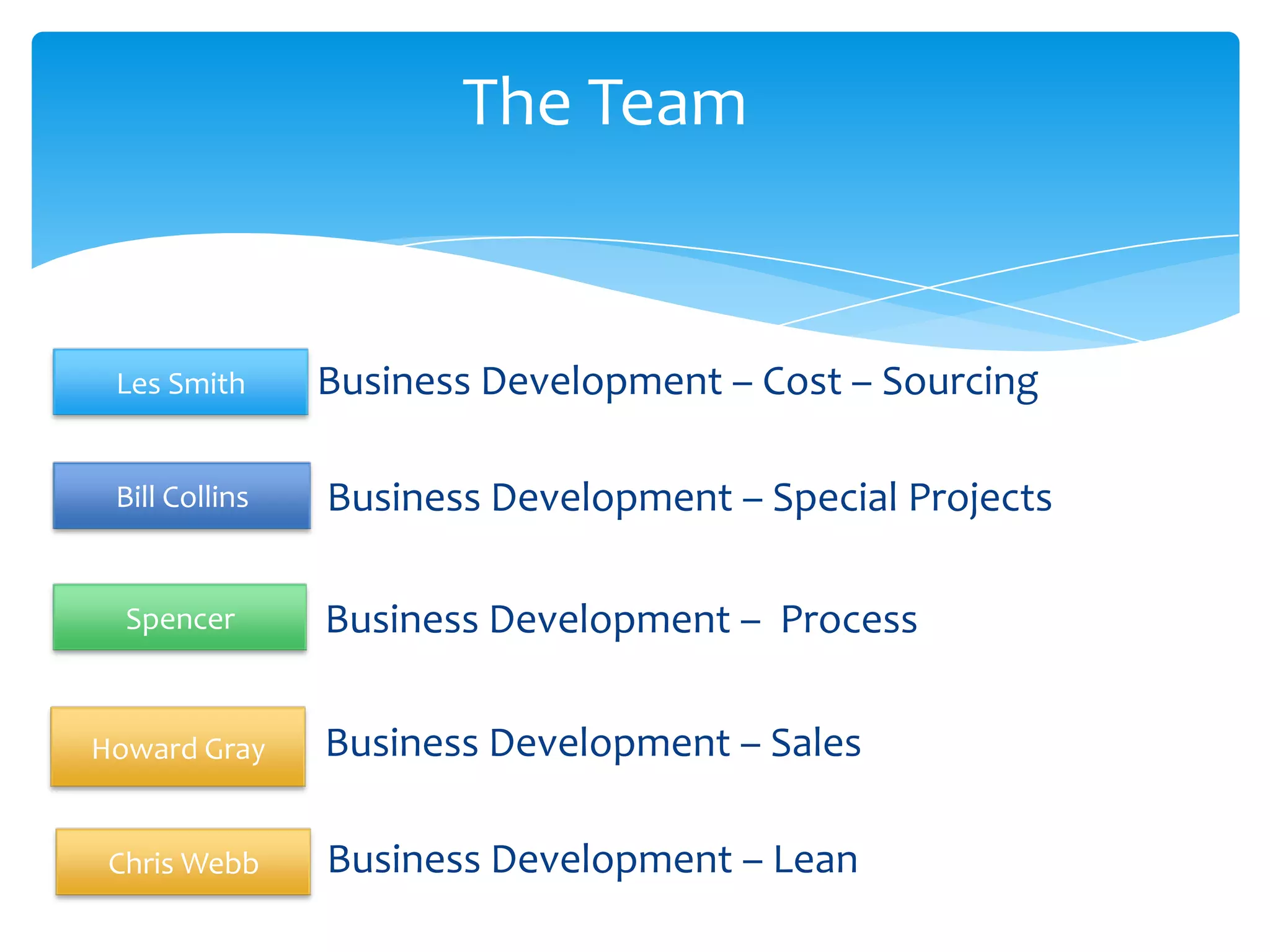
The Team


 Les Smith      Business Development – Cost – Sourcing

 Bill Collins   Business Development – Special Projects

  Spencer       Business Development – Process

Howard Gray     Business Development – Sales

 Chris Webb     Business Development – Lean
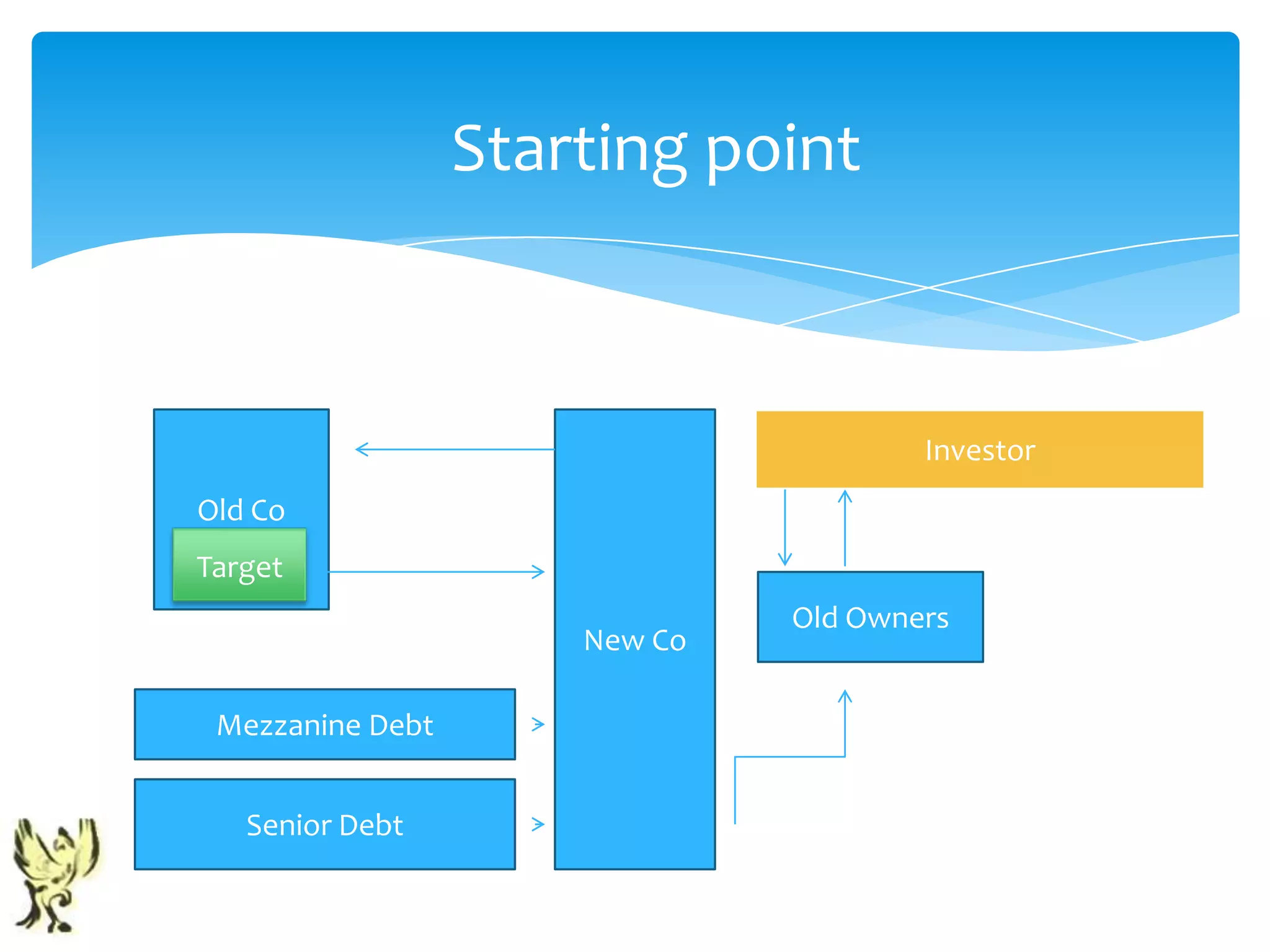
Starting point


                                       Investor
Old Co
Target
                               Old Owners
                      New Co

 Mezzanine Debt


   Senior Debt
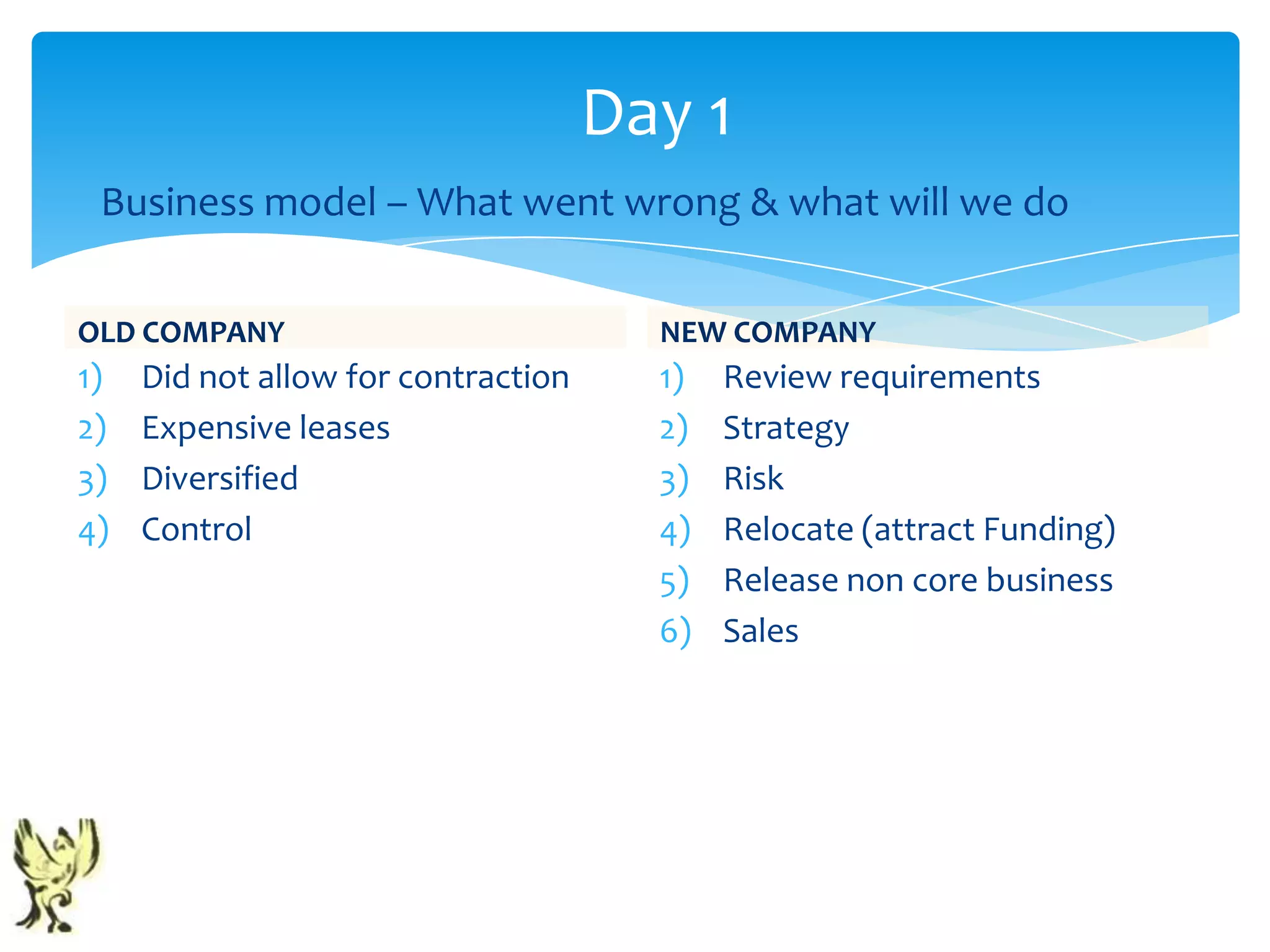
Day 1
 Business model – What went wrong & what will we do

OLD COMPANY                            NEW COMPANY
1)   Did not allow for contraction     1)   Review requirements
2)   Expensive leases                  2)   Strategy
3)   Diversified                       3)   Risk
4)   Control                           4)   Relocate (attract Funding)
                                       5)   Release non core business
                                       6)   Sales
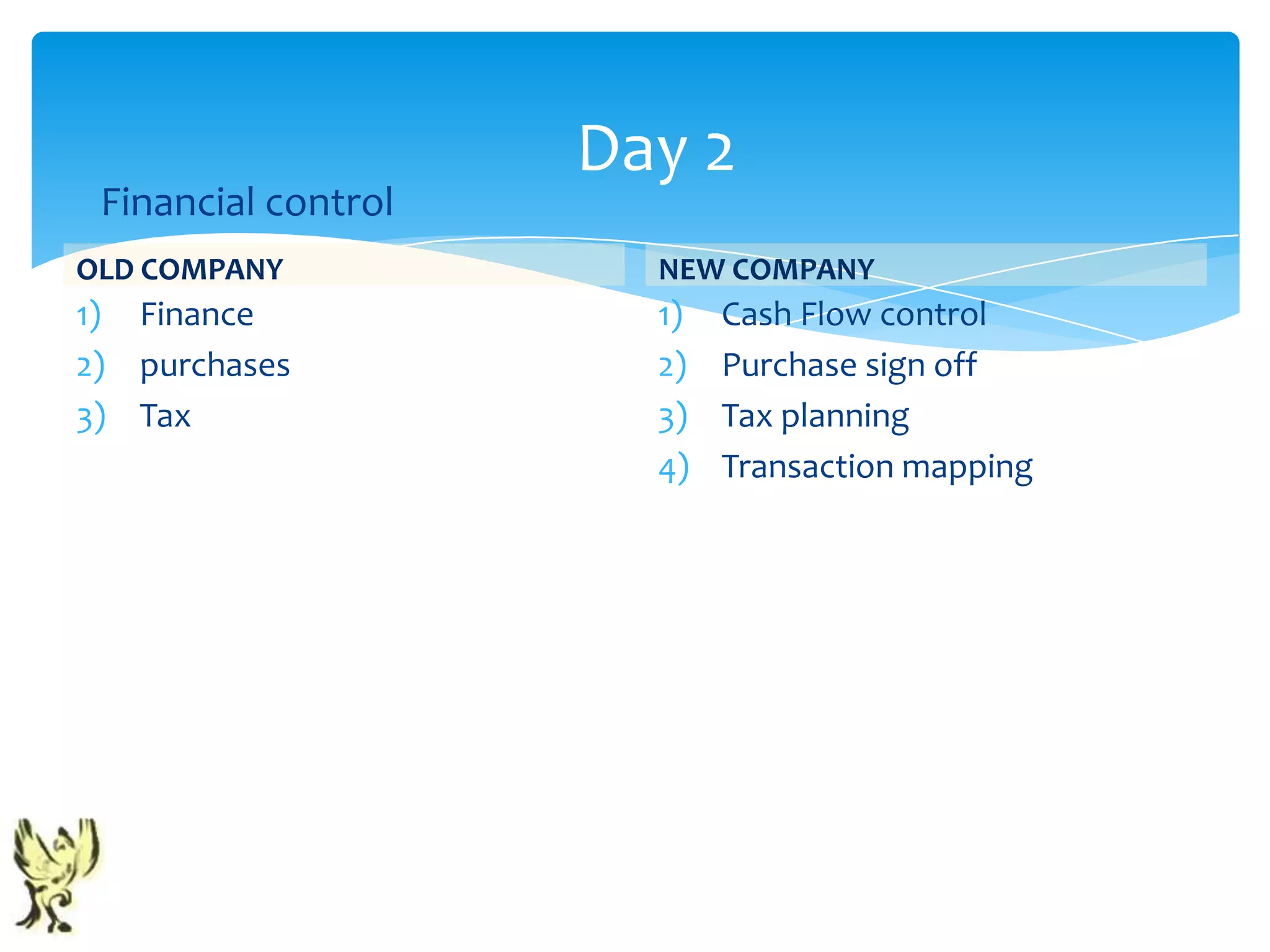
Day 2
 Financial control
OLD COMPANY            NEW COMPANY
1) Finance             1)   Cash Flow control
2) purchases           2)   Purchase sign off
3) Tax                 3)   Tax planning
                       4)   Transaction mapping
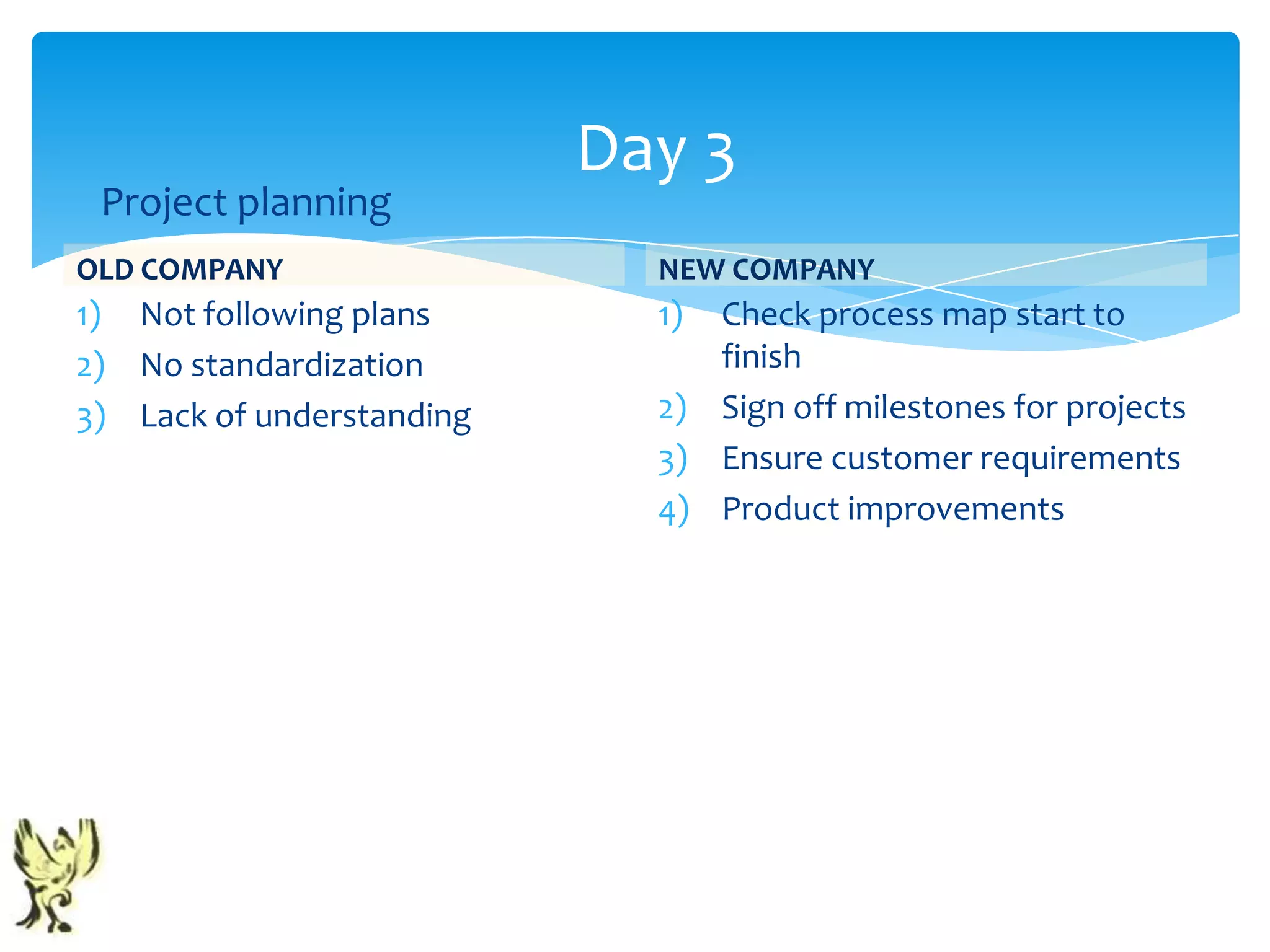
Day 3
 Project planning
OLD COMPANY                  NEW COMPANY
1) Not following plans       1) Check process map start to
2) No standardization           finish
3) Lack of understanding     2) Sign off milestones for projects
                             3) Ensure customer requirements
                             4) Product improvements
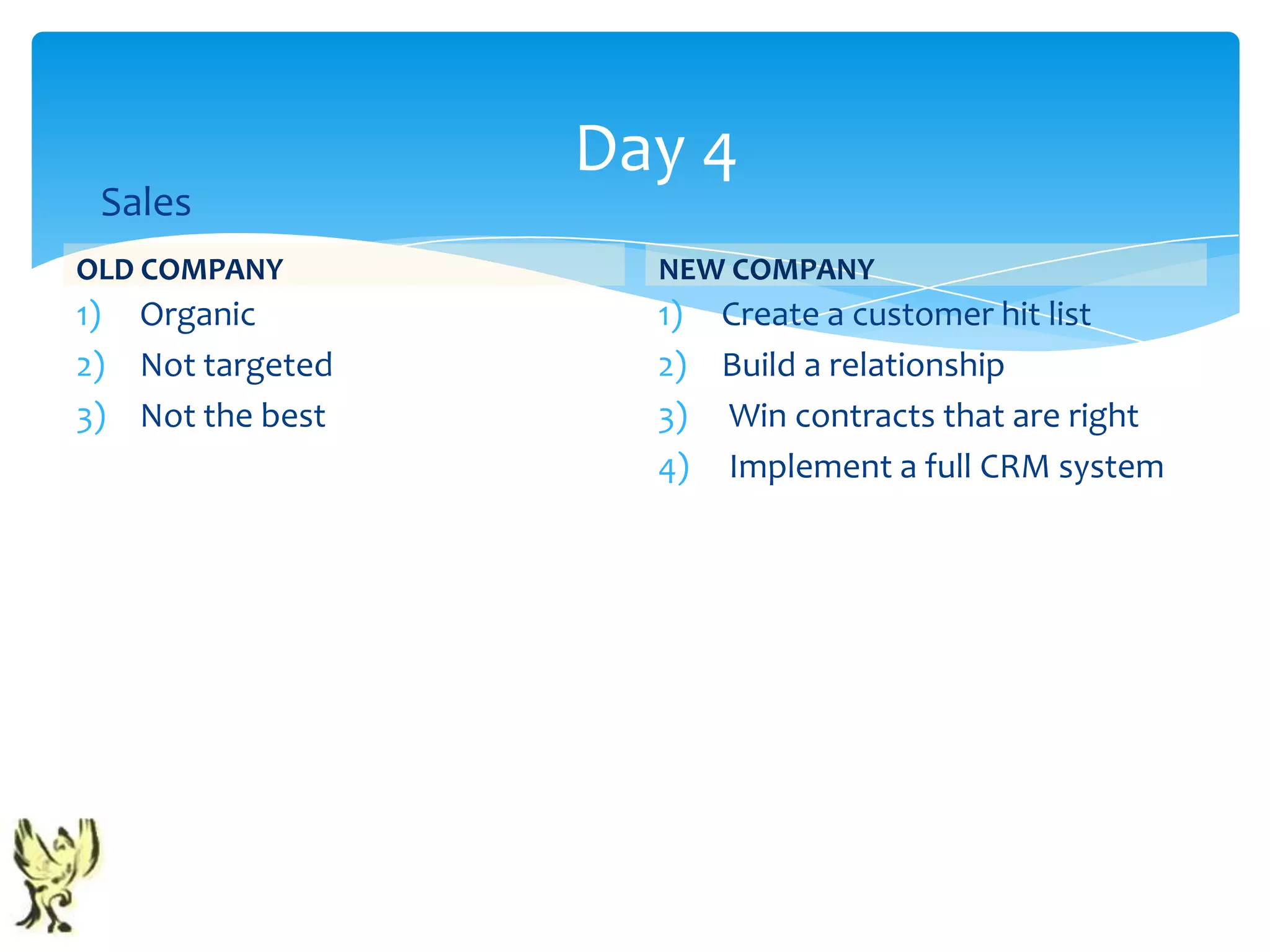
Day 4
 Sales
OLD COMPANY         NEW COMPANY
1) Organic          1) Create a customer hit list
2) Not targeted     2) Build a relationship
3) Not the best     3) Win contracts that are right
                    4) Implement a full CRM system
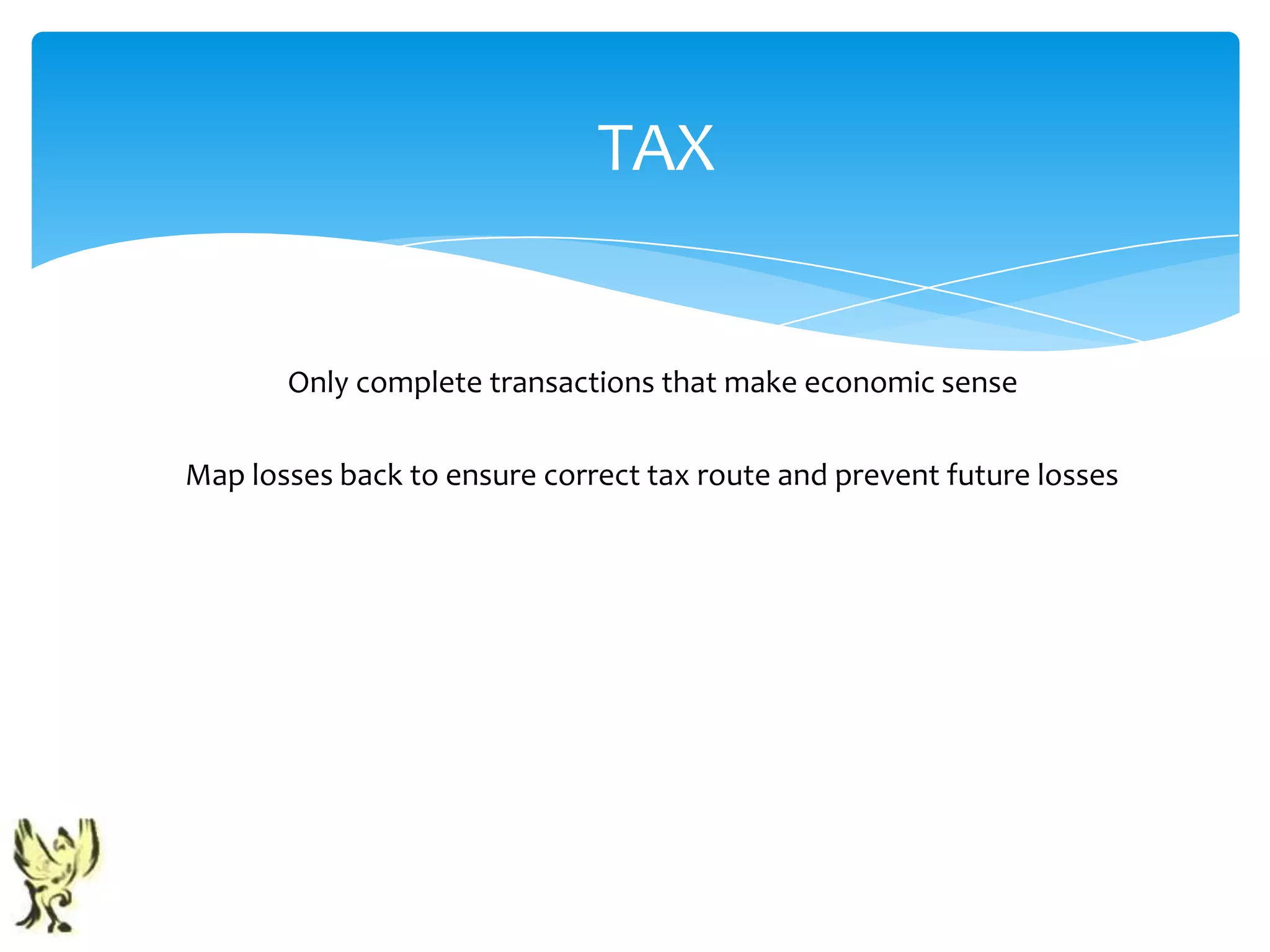
TAX


       Only complete transactions that make economic sense

Map losses back to ensure correct tax route and prevent future losses
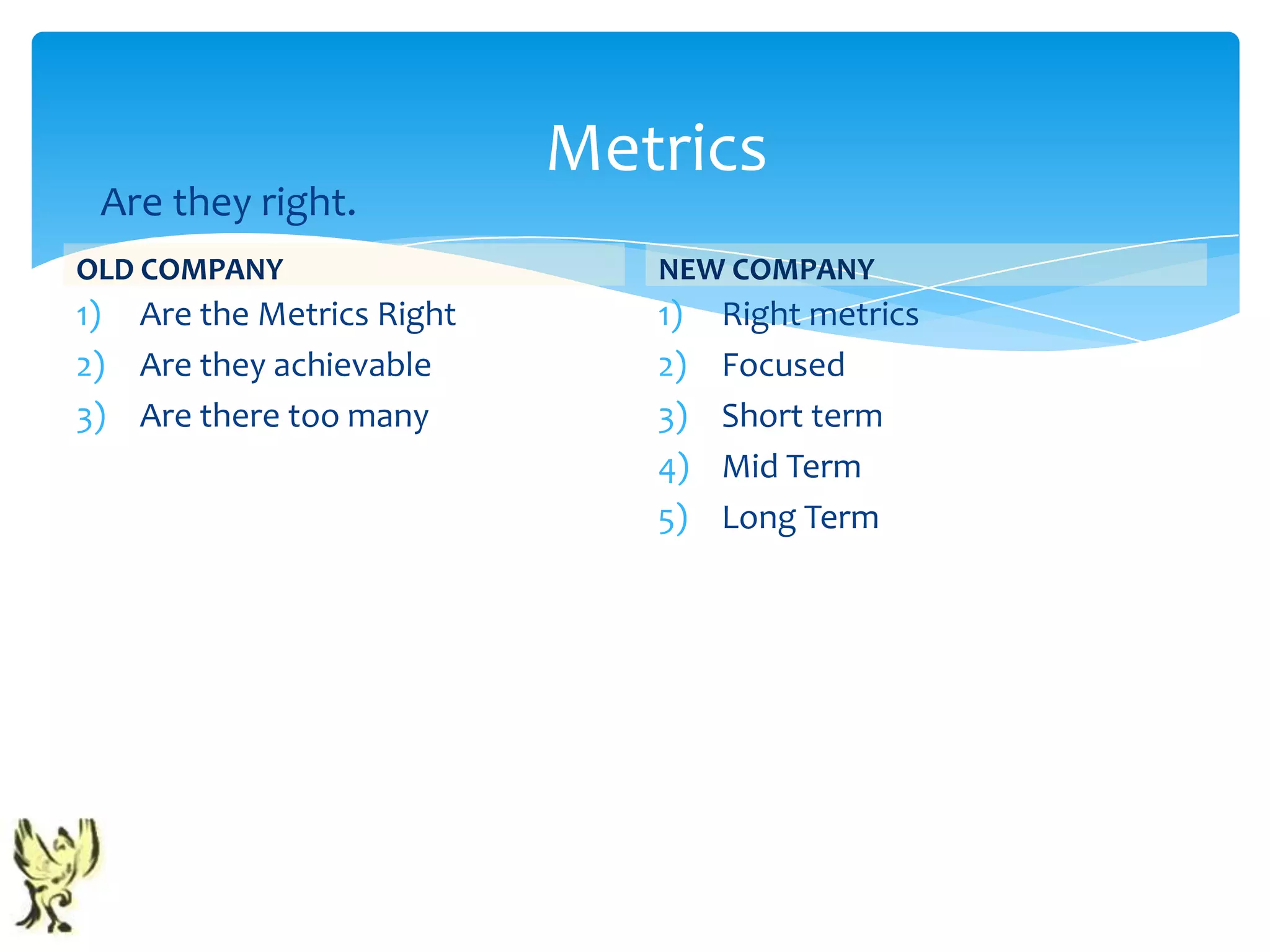
Metrics
 Are they right.
OLD COMPANY                   NEW COMPANY
1) Are the Metrics Right      1)   Right metrics
2) Are they achievable        2)   Focused
3) Are there too many         3)   Short term
                              4)   Mid Term
                              5)   Long Term
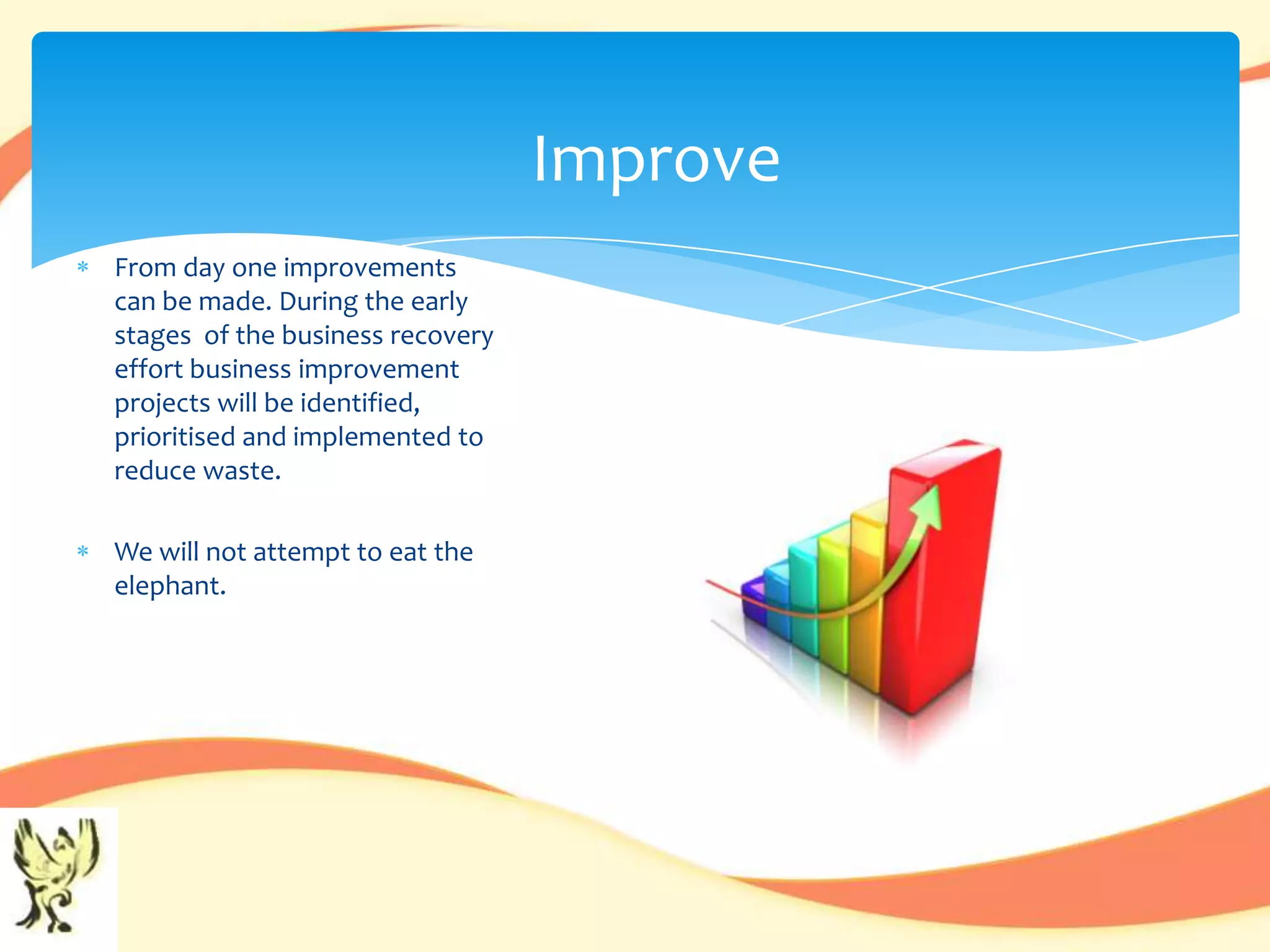
Improve
From day one improvements
can be made. During the early
stages of the business recovery
effort business improvement
projects will be identified,
prioritised and implemented to
reduce waste.

We will not attempt to eat the
elephant.
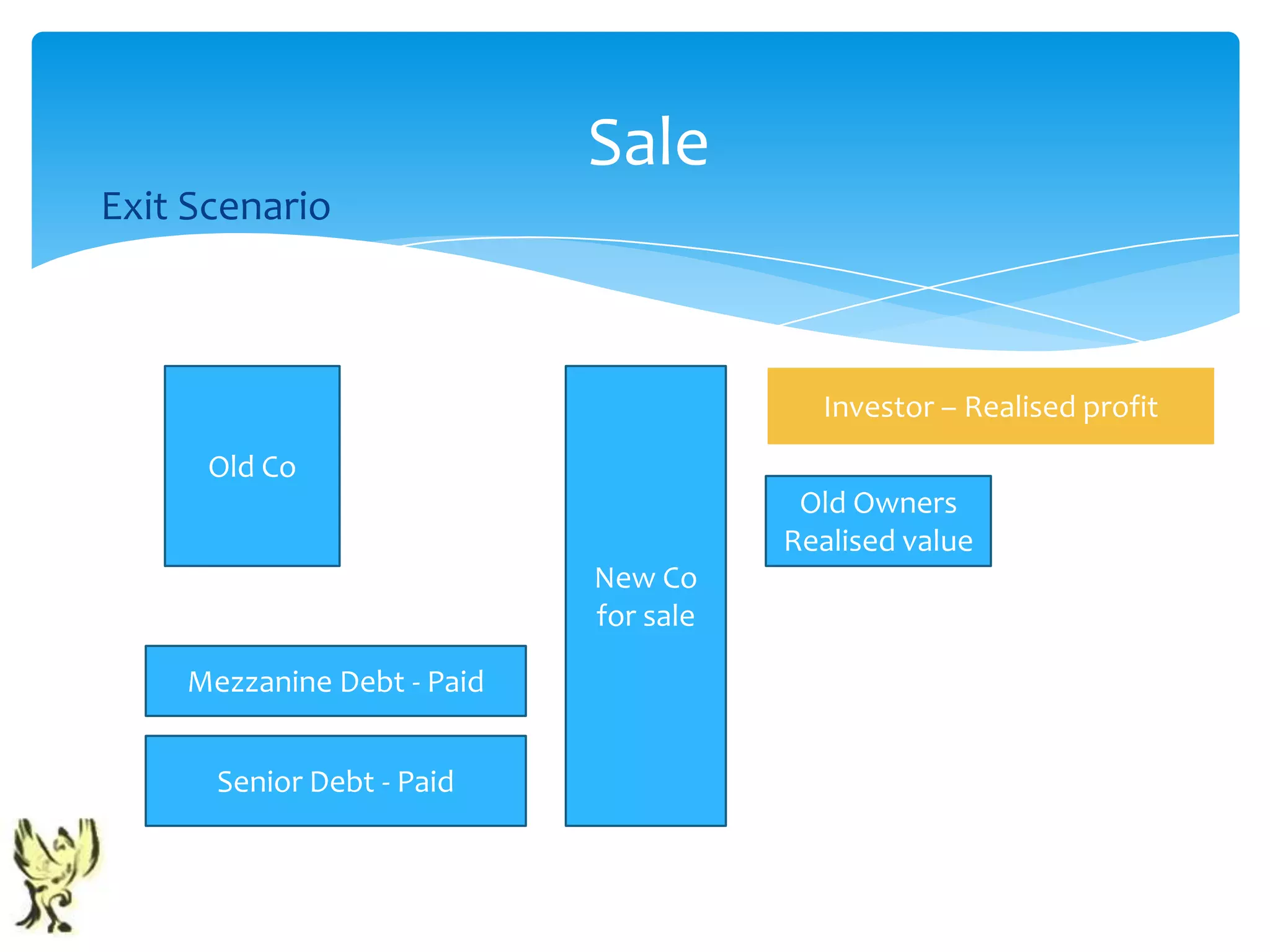
Sale
Exit Scenario


                                         Investor – Realised profit
      Old Co
                                        Old Owners
                                       Realised value
                            New Co
                            for sale

    Mezzanine Debt - Paid


      Senior Debt - Paid
Current Projects


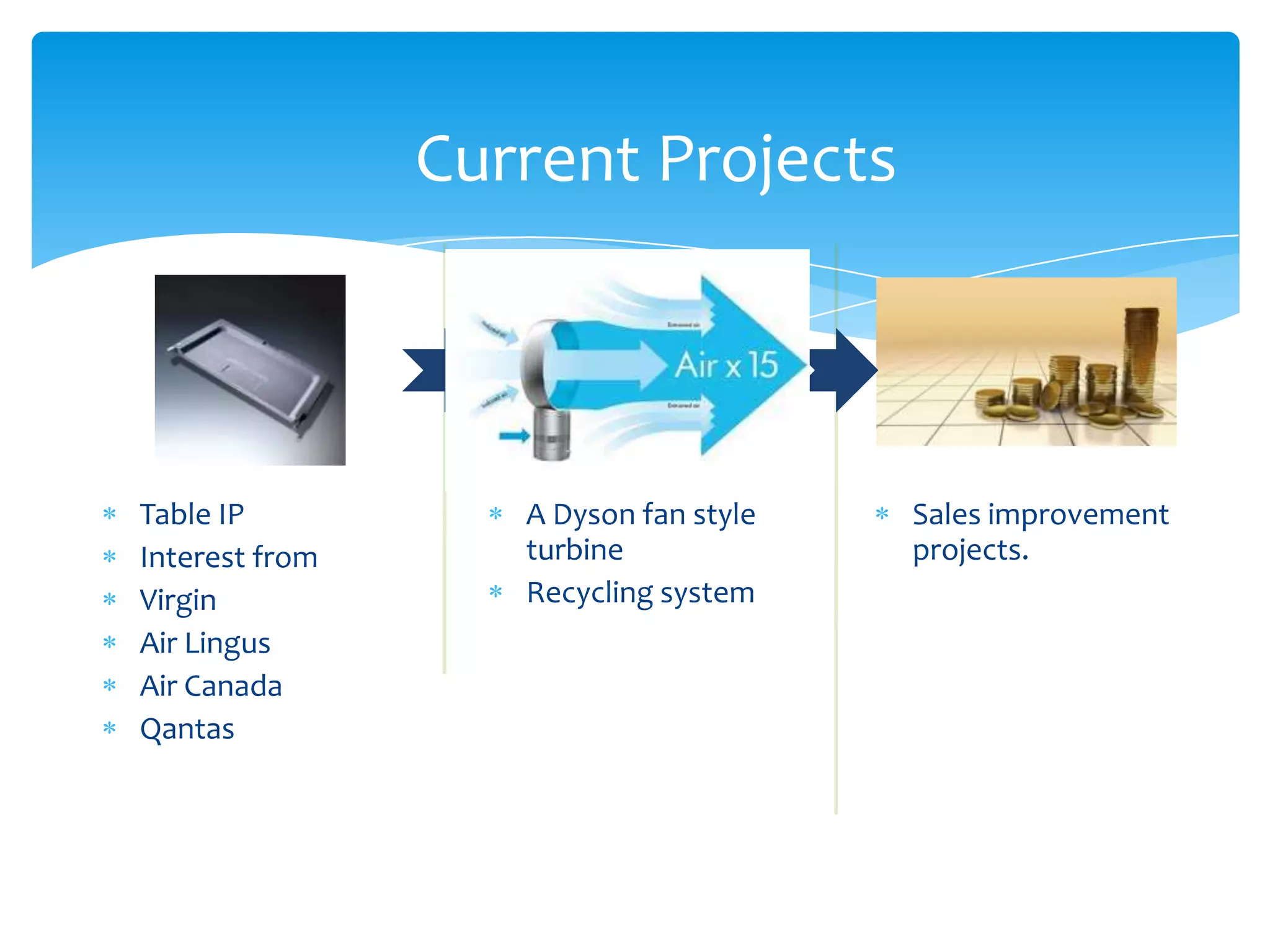
Table IP           A Dyson fan style   Sales improvement
Interest from      turbine             projects.
Virgin             Recycling system
Air Lingus
Air Canada
Qantas
Thank you for your time
    Any questions ?

Pheonix 360 (2)

  • 1.
  • 2.
    Why Now? 1897 - 1904 2002 – 1916- 2006 1929 1992- 1965- 2001 1969 1981- 1989
  • 3.
  • 4.
    Why Now? Basel III Separation of Bank Risk Bank Cyclic banks and Mitigation protection private equity requirements requirements groups
  • 5.
    Why Now? Recovery Aerospace Automotive
  • 6.
    Work Challenging Rewarding Success Thrilling Exciting
  • 7.
    The Team LesSmith Business Development – Cost – Sourcing Bill Collins Business Development – Special Projects Spencer Business Development – Process Howard Gray Business Development – Sales Chris Webb Business Development – Lean
  • 8.
    Starting point Investor Old Co Target Old Owners New Co Mezzanine Debt Senior Debt
  • 9.
    Day 1 Businessmodel – What went wrong & what will we do OLD COMPANY NEW COMPANY 1) Did not allow for contraction 1) Review requirements 2) Expensive leases 2) Strategy 3) Diversified 3) Risk 4) Control 4) Relocate (attract Funding) 5) Release non core business 6) Sales
  • 10.
    Day 2 Financialcontrol OLD COMPANY NEW COMPANY 1) Finance 1) Cash Flow control 2) purchases 2) Purchase sign off 3) Tax 3) Tax planning 4) Transaction mapping
  • 11.
    Day 3 Projectplanning OLD COMPANY NEW COMPANY 1) Not following plans 1) Check process map start to 2) No standardization finish 3) Lack of understanding 2) Sign off milestones for projects 3) Ensure customer requirements 4) Product improvements
  • 12.
    Day 4 Sales OLDCOMPANY NEW COMPANY 1) Organic 1) Create a customer hit list 2) Not targeted 2) Build a relationship 3) Not the best 3) Win contracts that are right 4) Implement a full CRM system
  • 13.
    TAX Only complete transactions that make economic sense Map losses back to ensure correct tax route and prevent future losses
  • 14.
    Metrics Are theyright. OLD COMPANY NEW COMPANY 1) Are the Metrics Right 1) Right metrics 2) Are they achievable 2) Focused 3) Are there too many 3) Short term 4) Mid Term 5) Long Term
  • 15.
    Improve From day oneimprovements can be made. During the early stages of the business recovery effort business improvement projects will be identified, prioritised and implemented to reduce waste. We will not attempt to eat the elephant.
  • 16.
    Sale Exit Scenario Investor – Realised profit Old Co Old Owners Realised value New Co for sale Mezzanine Debt - Paid Senior Debt - Paid
  • 17.
    Current Projects Table IP A Dyson fan style Sales improvement Interest from turbine projects. Virgin Recycling system Air Lingus Air Canada Qantas
  • 18.
    Thank you foryour time Any questions ?

Editor's Notes

  • #2 To provide a complete turnaround service for banks and other institutions, from lead generation to sale, or return on investment.
  • #3 19th – 21st century boom and bust era’s.Waves of Merger and acquisitions and halted by legislation & economic turmoil.Along side Boom and bust cycles.Start of another cycle.
  • #4 Market cycle
  • #5 Bank liquidity and capital adequacy rules– Banks forced into short term reform quickly for long term stability.Strengthening balance sheet – have too many risky assets – hence the sale of Private equity armsPrivate equity groups could spear head next cycle
  • #6 Recovery cycle – we are starting to see a strong recovery in the jobs market for bothAutomotive and Aerospace industries.
  • #7 Personal Drive – Good Team Discipline – Work ethics more like business owners than employees
  • #8 Team attributes
  • #9 Align purchase with exit strategy – Coopers & Lybrand - manage incapacityInsolvency practitioner + Financial Engineering + Future plan = Successful sale.
  • #10 Companies grow during the good times allowing little space for contraction often taking up leases that are only good whilst work is available.Diversify into areas where they cannot compete.Loose control of costs and cash flow.Directors loan accounts out of control leaving large debts.
  • #11 Loose control of costs and cash flow.Directors loan accounts out of control leaving large debts.Make manager more aware of tax and legal issues
  • #12 Ensure customer satisfaction is met in full and on time – Cost – weight – quality.
  • #13 Customer relationship is critical to growth – so is winning business that is deliverable and right for the bussiness.
  • #14 Employ a Tax strategythat will empower managers with tax & Legal knowledge – this could save 5-10% on bottom line
  • #15 Example:- Is turnover a good metric for a wine company – Assets worth more with ageStatements like “right first time” are often seen without any instructions on howStatement : short term metrics alone will divert attention from the overall strategy
  • #17 Future state – exit strategy - explain