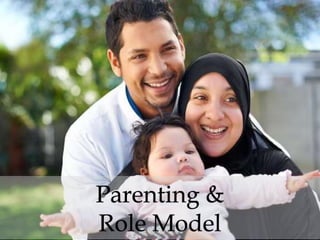
Parenting &
Role Model

“The best way to help children is to help
parents. If parents do not like what their
children do, it is not the children alone
who must change”
Thomas Harris
I am OK, you are OK

Islam considers children to be an amanah
(trust) given to the family and says it is
fard (obligatory) for the family to raise a
child in a righteous manner.
Amanah

1.Accompanying
2.Sowing
3.Catalyzing
4.Showing
5.Harvesting
Techniques

Making a commitment in a
caring way, which involves
taking part in the learning
process side-by-side with the
learner.
Accompanying

Mentors are often confronted with the
difficulty of preparing the learner before
he or she is ready to change. Sowing is
necessary when you know that what you
say may not be understood or even
acceptable to learners at first but will
make sense and have value to the mentee
when the situation requires it.
Sowing

When change reaches a critical level of
pressure, learning can escalate. Here the
mentor chooses to plunge the learner
right into change, provoking a different
way of thinking, a change in identity or a
re-ordering of values.
Catalyzing

This is making something
understandable, or using your own
example to demonstrate a skill or activity.
You show what you are talking about,
you show by your own behavior.
Showing

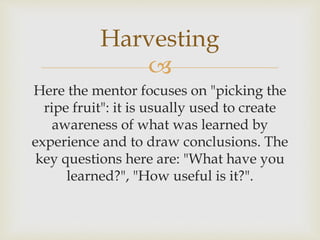
Here the mentor focuses on "picking the
ripe fruit": it is usually used to create
awareness of what was learned by
experience and to draw conclusions. The
key questions here are: "What have you
learned?", "How useful is it?".
Harvesting

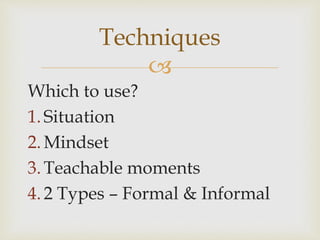
Which to use?
1.Situation
2.Mindset
3.Teachable moments
4.2 Types – Formal & Informal
Techniques

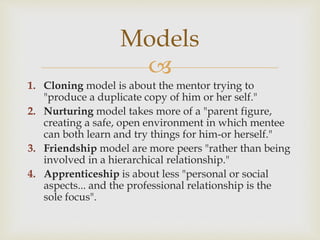
1. Cloning model is about the mentor trying to
"produce a duplicate copy of him or her self."
2. Nurturing model takes more of a "parent figure,
creating a safe, open environment in which mentee
can both learn and try things for him-or herself."
3. Friendship model are more peers "rather than being
involved in a hierarchical relationship."
4. Apprenticeship is about less "personal or social
aspects... and the professional relationship is the
sole focus".
Models

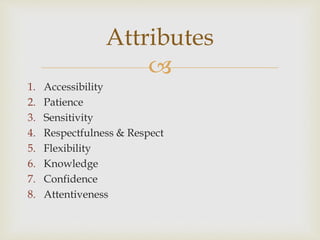
1. Accessibility
2. Patience
3. Sensitivity
4. Respectfulness & Respect
5. Flexibility
6. Knowledge
7. Confidence
8. Attentiveness
Attributes
Who? How? Why?

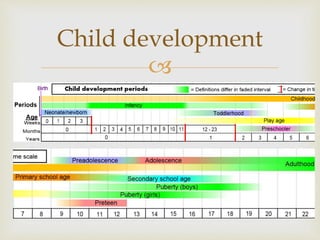
Child development

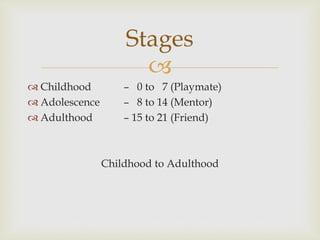
 Childhood – 0 to 7 (Playmate)
 Adolescence – 8 to 14 (Mentor)
 Adulthood – 15 to 21 (Friend)
Childhood to Adulthood
Stages

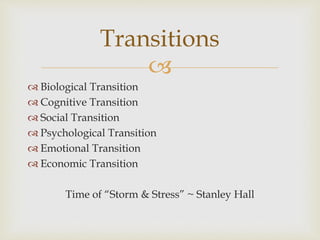
 Biological Transition
 Cognitive Transition
 Social Transition
 Psychological Transition
 Emotional Transition
 Economic Transition
Time of “Storm & Stress” ~ Stanley Hall
Transitions

 Puberty
 Change in Physical Appearance
 Reproductive Development
 Growth Spurt
Biological Transition

 Change in how people think
 Teens start thinking more profoundly & abstractly
 Result of maturation
 Growth in Brain – not in size but in definition of
creases
 Frontal lobe
 Educational motivation
Cognitive Transition

 Childhood to Adulthood
 Underage – Minor – Adult
 Societal perception change
 Society Gives More Responsibility
 Relationship change – House/Parents –
School/Friends
 Family to Peers
Social Transition

 Relationships
 Attractive & Confident
 Ugly & Self-conscious
 Healthy, Positive & Balanced strokes/charges
 Attention & Counseling
Psychological Transition

 Protected & Caring to Exposed & Bold
 Attention seeker
 Peer recognition
 Extrovert or Introvert
Emotional Transition

 Money Matters
 Friends
 Lifestyle management
 Reality check
 Finance Management – best time to train
Economic Transition

 Peer
 Media
 Food & Health
 Parents
 Home
Influencers
 Select good friends & say NO to bad
company.
 Movies, Games, Music, Internet, Social Media.
Pornography, chats & timewasters
 Healthy eating/exercise. Breakfast/Sleep and
personal timetable
 How are they? Healthy, Emotional, Mental &
Spiritual Contributor – open communication
 Stable, secure, orderly & clean

 Recreation
 Romance
 Emotions
 Sexuality
 Structure
Influencers
 Compensate the restriction. Arts & Crafts.
Hobbies & Skill Development
 Parents role/communication. Emotional
experiments.
 Increasing diagnosable mental disorder. Self
determination (decision making)
 Strong emotional family ties. Learning about
sex from friends/media. Pornography/Arts
 Timetable. Study Time, prayer time, a clear
daily schedule. Homework

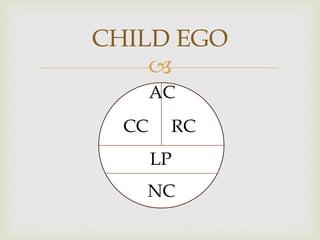
CHILD EGO
CC RC
AC
LP
NC

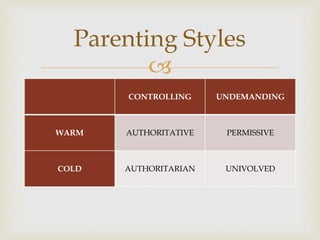
Parenting Styles
CONTROLLING UNDEMANDING
WARM AUTHORITATIVE PERMISSIVE
COLD AUTHORITARIAN UNIVOLVED

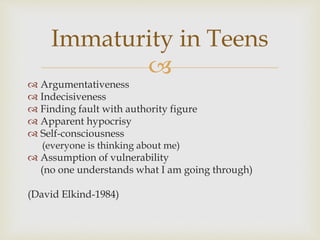
 Argumentativeness
 Indecisiveness
 Finding fault with authority figure
 Apparent hypocrisy
 Self-consciousness
(everyone is thinking about me)
 Assumption of vulnerability
(no one understands what I am going through)
(David Elkind-1984)
Immaturity in Teens
Physiology





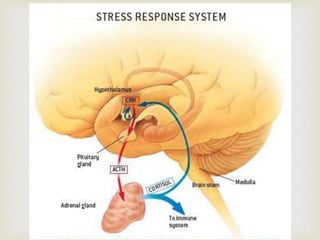
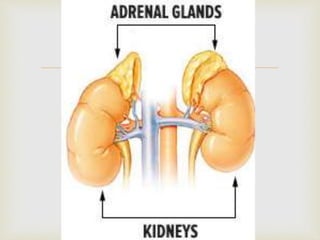
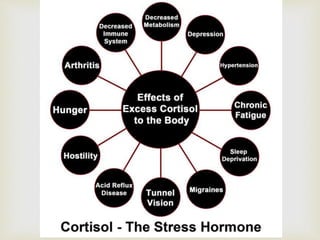
Office stress
Personal stress
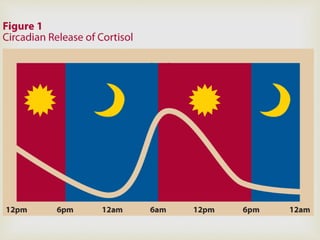
Missing salah with soul
Bringing down stress after Asr
Missing Magrib
Talk less after Isha (except remembrance of
Allah/Deen)
How?



Eye Contact
Smile
Touch
Hug
Hold
Play
How?
Questions, Ideas, Answers

Parenting & Role Modelling guide to parents

  • 1.
  • 2.
     “The best wayto help children is to help parents. If parents do not like what their children do, it is not the children alone who must change” Thomas Harris I am OK, you are OK
  • 3.
     Islam considers childrento be an amanah (trust) given to the family and says it is fard (obligatory) for the family to raise a child in a righteous manner. Amanah
  • 4.
  • 5.
     Making a commitmentin a caring way, which involves taking part in the learning process side-by-side with the learner. Accompanying
  • 6.
     Mentors are oftenconfronted with the difficulty of preparing the learner before he or she is ready to change. Sowing is necessary when you know that what you say may not be understood or even acceptable to learners at first but will make sense and have value to the mentee when the situation requires it. Sowing
  • 7.
     When change reachesa critical level of pressure, learning can escalate. Here the mentor chooses to plunge the learner right into change, provoking a different way of thinking, a change in identity or a re-ordering of values. Catalyzing
  • 8.
     This is makingsomething understandable, or using your own example to demonstrate a skill or activity. You show what you are talking about, you show by your own behavior. Showing
  • 9.
     Here the mentorfocuses on "picking the ripe fruit": it is usually used to create awareness of what was learned by experience and to draw conclusions. The key questions here are: "What have you learned?", "How useful is it?". Harvesting
  • 10.
     Which to use? 1.Situation 2.Mindset 3.Teachablemoments 4.2 Types – Formal & Informal Techniques
  • 11.
     1. Cloning modelis about the mentor trying to "produce a duplicate copy of him or her self." 2. Nurturing model takes more of a "parent figure, creating a safe, open environment in which mentee can both learn and try things for him-or herself." 3. Friendship model are more peers "rather than being involved in a hierarchical relationship." 4. Apprenticeship is about less "personal or social aspects... and the professional relationship is the sole focus". Models
  • 12.
     1. Accessibility 2. Patience 3.Sensitivity 4. Respectfulness & Respect 5. Flexibility 6. Knowledge 7. Confidence 8. Attentiveness Attributes
  • 13.
  • 14.
  • 15.
      Childhood –0 to 7 (Playmate)  Adolescence – 8 to 14 (Mentor)  Adulthood – 15 to 21 (Friend) Childhood to Adulthood Stages
  • 16.
      Biological Transition Cognitive Transition  Social Transition  Psychological Transition  Emotional Transition  Economic Transition Time of “Storm & Stress” ~ Stanley Hall Transitions
  • 17.
      Puberty  Changein Physical Appearance  Reproductive Development  Growth Spurt Biological Transition
  • 18.
      Change inhow people think  Teens start thinking more profoundly & abstractly  Result of maturation  Growth in Brain – not in size but in definition of creases  Frontal lobe  Educational motivation Cognitive Transition
  • 19.
      Childhood toAdulthood  Underage – Minor – Adult  Societal perception change  Society Gives More Responsibility  Relationship change – House/Parents – School/Friends  Family to Peers Social Transition
  • 20.
      Relationships  Attractive& Confident  Ugly & Self-conscious  Healthy, Positive & Balanced strokes/charges  Attention & Counseling Psychological Transition
  • 21.
      Protected &Caring to Exposed & Bold  Attention seeker  Peer recognition  Extrovert or Introvert Emotional Transition
  • 22.
      Money Matters Friends  Lifestyle management  Reality check  Finance Management – best time to train Economic Transition
  • 23.
      Peer  Media Food & Health  Parents  Home Influencers  Select good friends & say NO to bad company.  Movies, Games, Music, Internet, Social Media. Pornography, chats & timewasters  Healthy eating/exercise. Breakfast/Sleep and personal timetable  How are they? Healthy, Emotional, Mental & Spiritual Contributor – open communication  Stable, secure, orderly & clean
  • 24.
      Recreation  Romance Emotions  Sexuality  Structure Influencers  Compensate the restriction. Arts & Crafts. Hobbies & Skill Development  Parents role/communication. Emotional experiments.  Increasing diagnosable mental disorder. Self determination (decision making)  Strong emotional family ties. Learning about sex from friends/media. Pornography/Arts  Timetable. Study Time, prayer time, a clear daily schedule. Homework
  • 25.
  • 26.
     Parenting Styles CONTROLLING UNDEMANDING WARMAUTHORITATIVE PERMISSIVE COLD AUTHORITARIAN UNIVOLVED
  • 27.
      Argumentativeness  Indecisiveness Finding fault with authority figure  Apparent hypocrisy  Self-consciousness (everyone is thinking about me)  Assumption of vulnerability (no one understands what I am going through) (David Elkind-1984) Immaturity in Teens
  • 28.
  • 29.
  • 30.
  • 31.
  • 32.
  • 33.
     Office stress Personal stress Missingsalah with soul Bringing down stress after Asr Missing Magrib Talk less after Isha (except remembrance of Allah/Deen) How?
  • 34.
  • 35.
  • 36.
  • 37.