3 February 2011
Introduction Management Systems Instructional Practices Reporting Mechanisms Questions Agenda
encourages the learning of 21 st  century skills Critical thinking and problem solving Creativity and innovation Collaboration Citizenship Communication Information Technology College and career readiness has a schedule dictated by learning promotes teaching students as individuals seamlessly incorporates technology in an authentic manner An ideal learning environment…
receive an individualized learning plan take ownership of the learning process master 21 st  century skills become active participants in the community as a part of their learning experience use project/problem based learning In Academy 21, students will
become advisors to provide academic support and social guidance ensure the academic rigor of projects become facilitators of learning within the projects focus on measuring student’s overall growth In Academy 21, teachers will
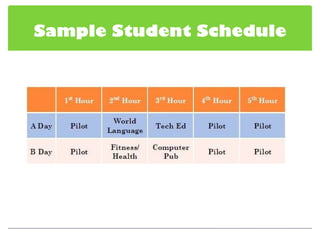
Sample Student Schedule
Business Model Private work space Collaborative area Seminar area Learning Environment
Management Systems Project Foundry Blogs Conferencing
Project Foundry Why we use Project Foundry Management Organization Transparency How it works
Blogs Why we use blogs Electronic Portfolio Authentic audience Establish pride Feedback Personal expression Quality control Technology How it works
Conferencing Why we conference Communicating progress Student responsibility School-home connection Accountability Conferencing report
Instructional Practices Math Seminars Field Experts
Math - ALEKS Why we use ALEKS Individualized pacing Management Transparency No ceiling How it works
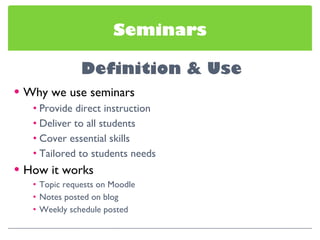
Seminars Why we use seminars Provide direct instruction Deliver to all students Cover essential skills Tailored to students needs How it works Topic requests on Moodle Notes posted on blog Weekly schedule posted
Field Experts Why we use Field Experts Authentic learning Direct application Networking Research skills How it works Scripted and modeled
Sample Field Experts Water conservatory  Botanist from UWM Psychologist from Marquette Travel Agent Architect Spiritual leader Agape Center Chocolate Factory owner PLE teachers Dance instructors Baton Twirling instructor Manager of the Country Springs water park Guidance Counselor  Duncan HR employee Head HS football coach WCTC representative
Reporting Mechanisms Master Rubric Core Competencies Report
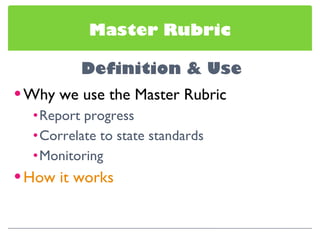
Master Rubric Why we use the Master Rubric Report progress Correlate to state standards Monitoring How it works
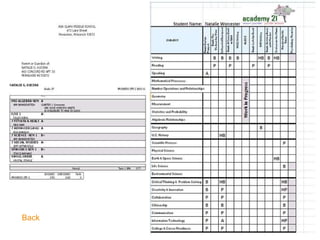
Core Competencies Report Why we use the Core Competencies Report Student reflection Advisor narrative Measure progress How it works
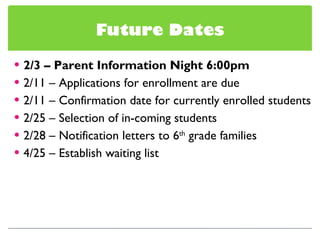
Future Dates 2/3 – Parent Information Night 6:00pm 2/11 – Applications for enrollment are due 2/11 – Confirmation date for currently enrolled students 2/25 – Selection of in-coming students 2/28 – Notification letters to 6 th  grade families 4/25 – Establish waiting list
Final Remarks & Questions
Back
Back

Parent Information Night 2.3.11

  • 1.
  • 2.
    Introduction Management SystemsInstructional Practices Reporting Mechanisms Questions Agenda
  • 3.
    encourages the learningof 21 st century skills Critical thinking and problem solving Creativity and innovation Collaboration Citizenship Communication Information Technology College and career readiness has a schedule dictated by learning promotes teaching students as individuals seamlessly incorporates technology in an authentic manner An ideal learning environment…
  • 4.
    receive an individualizedlearning plan take ownership of the learning process master 21 st century skills become active participants in the community as a part of their learning experience use project/problem based learning In Academy 21, students will
  • 5.
    become advisors toprovide academic support and social guidance ensure the academic rigor of projects become facilitators of learning within the projects focus on measuring student’s overall growth In Academy 21, teachers will
  • 6.
  • 7.
    Business Model Privatework space Collaborative area Seminar area Learning Environment
  • 8.
    Management Systems ProjectFoundry Blogs Conferencing
  • 9.
    Project Foundry Whywe use Project Foundry Management Organization Transparency How it works
  • 10.
    Blogs Why weuse blogs Electronic Portfolio Authentic audience Establish pride Feedback Personal expression Quality control Technology How it works
  • 11.
    Conferencing Why weconference Communicating progress Student responsibility School-home connection Accountability Conferencing report
  • 12.
    Instructional Practices MathSeminars Field Experts
  • 13.
    Math - ALEKSWhy we use ALEKS Individualized pacing Management Transparency No ceiling How it works
  • 14.
    Seminars Why weuse seminars Provide direct instruction Deliver to all students Cover essential skills Tailored to students needs How it works Topic requests on Moodle Notes posted on blog Weekly schedule posted
  • 15.
    Field Experts Whywe use Field Experts Authentic learning Direct application Networking Research skills How it works Scripted and modeled
  • 16.
    Sample Field ExpertsWater conservatory Botanist from UWM Psychologist from Marquette Travel Agent Architect Spiritual leader Agape Center Chocolate Factory owner PLE teachers Dance instructors Baton Twirling instructor Manager of the Country Springs water park Guidance Counselor Duncan HR employee Head HS football coach WCTC representative
  • 17.
    Reporting Mechanisms MasterRubric Core Competencies Report
  • 18.
    Master Rubric Whywe use the Master Rubric Report progress Correlate to state standards Monitoring How it works
  • 19.
    Core Competencies ReportWhy we use the Core Competencies Report Student reflection Advisor narrative Measure progress How it works
  • 20.
    Future Dates 2/3– Parent Information Night 6:00pm 2/11 – Applications for enrollment are due 2/11 – Confirmation date for currently enrolled students 2/25 – Selection of in-coming students 2/28 – Notification letters to 6 th grade families 4/25 – Establish waiting list
  • 21.
    Final Remarks &Questions
  • 22.
  • 23.

Editor's Notes

  • #4 Ron
  • #5 Scott: Point 1: -students actively schedule their day based on their needs and goals; make appointments for seminars and one-on-one meetings with advisors -students decide how they will address the proficiencies of each core discipline and the districts core competencies; set their own daily goals and timelines; self-monitor and assess progress Point 2: -learning objectives focused on 21 st Century Skills (once again, reference PSD Core Competencies) -supportive, real-world environment (individual advisor, support from each core subject, collaborate w/ peers) Example: student e-mails identified outside expert for research and support; students will establish and maintain their own work calendar to include meetings, seminars, group collaboration, webinars Point 3: -students will be using outside sources from the local and global community Point 4: -students will learn the essential skills and concepts of all core subjects as laid out by the state and district -the use of projects and problem-solving is an authentic way of mastering these skills
  • #6 Julie Point 1 -regular meetings will take place, checkpoints established, progress monitored -advisor will attend to social and emotional needs Point 2 / Point 3 -advisor helps the student make connections -traditional teacher = provides information and answers facilitator = provides guidance for students to find answers Point 4 -advisor will help manage a portfolio of student work and growth as measured by assessments given to all students (WKCE, MAP, Dist. Benchmark Assessments, etc)
  • #7 AJ
  • #8 AJ
  • #10 Scott
  • #11 Ron
  • #12 Julie
  • #14 AJ
  • #15 Scott
  • #16 Ron
  • #17 (cont.)
  • #19 Julie
  • #20 Scott