Transcription-Associated Mutation of
TP53 as the Cause of High Grade
Serous Ovarian Carcinoma
Zachariah Tritz, Caitlin Van Lith, Zachary WareJoncas, Charlotte Elwell
Sporadic Transformation of FTE to HGSC
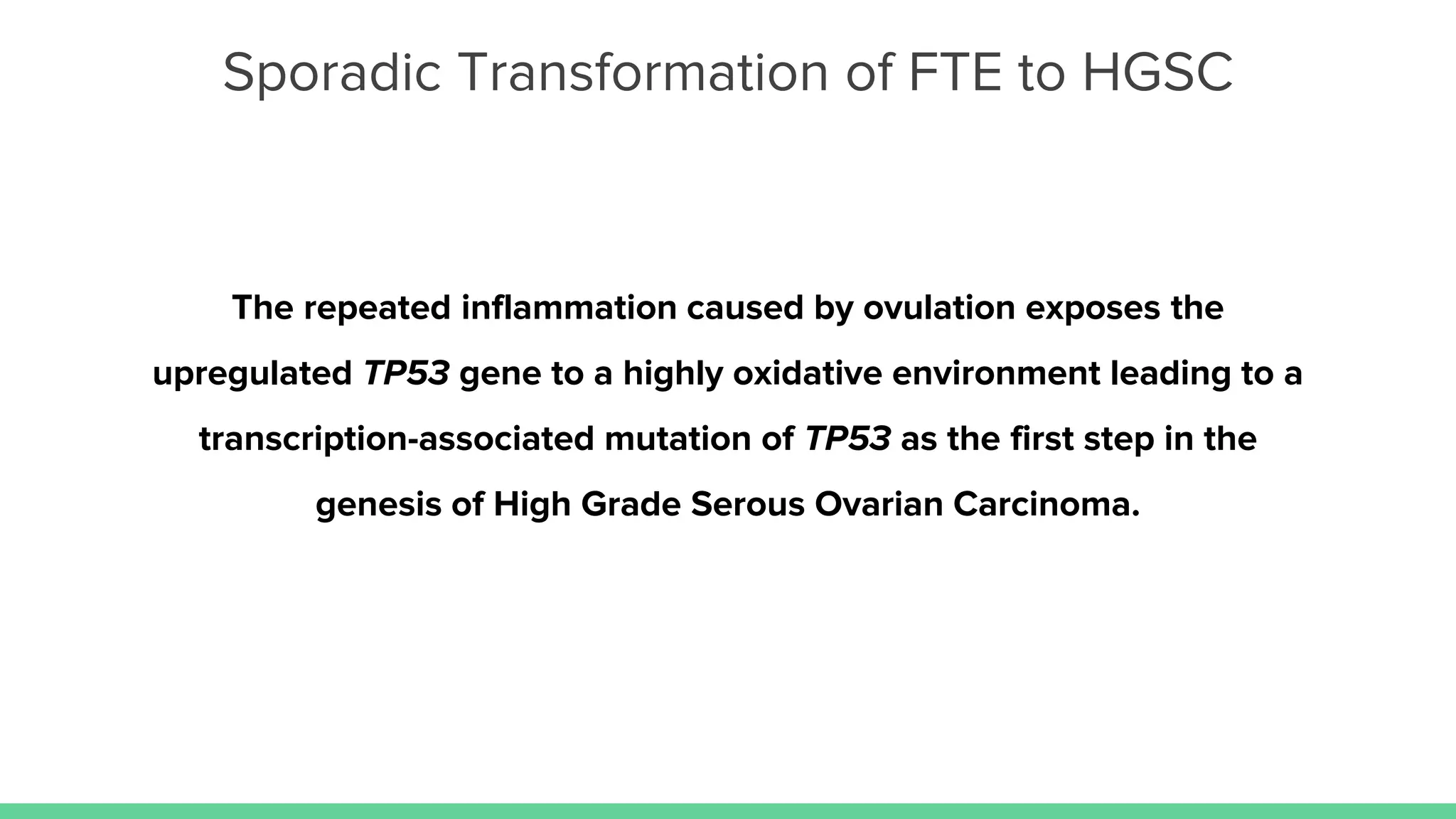
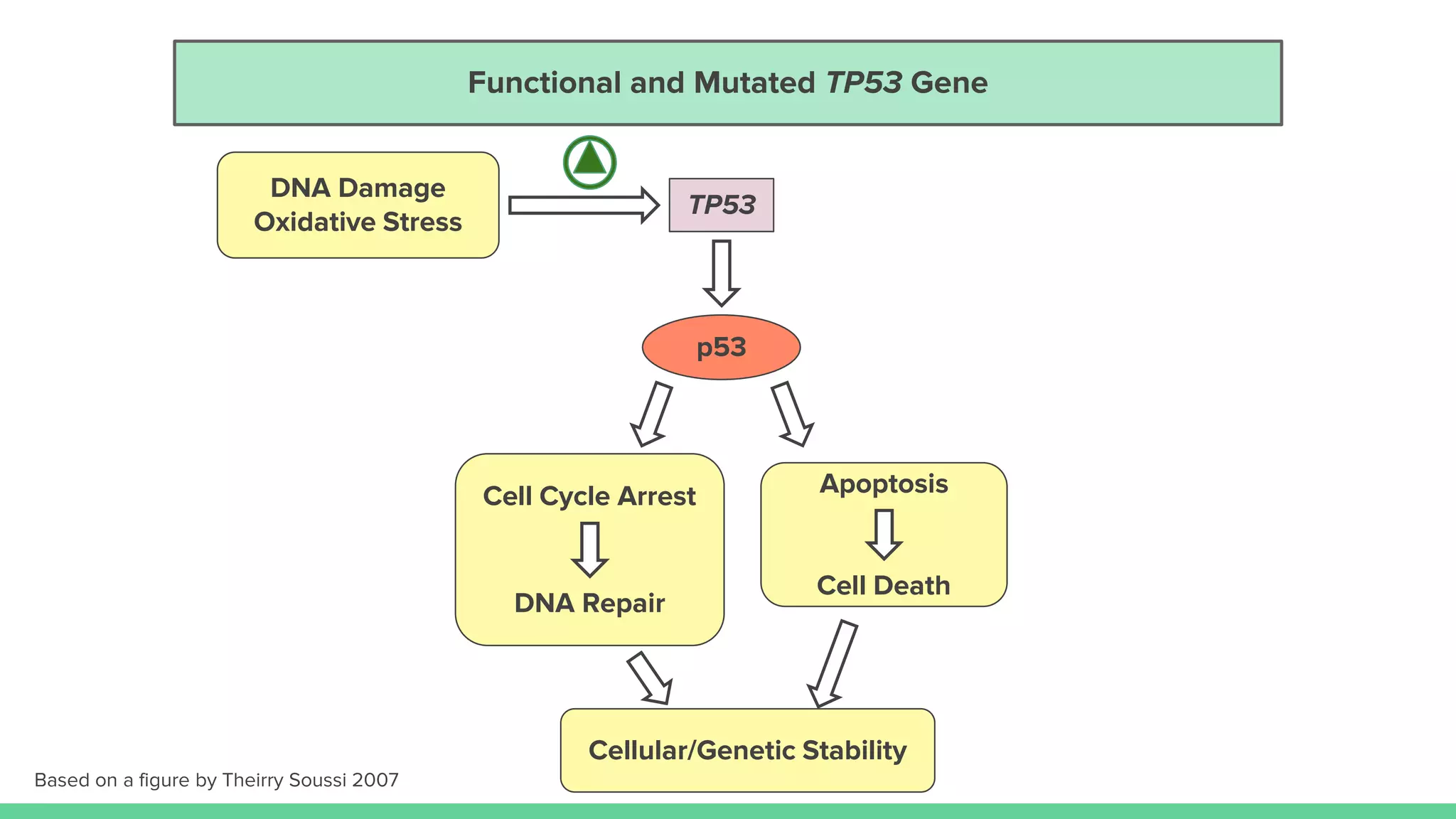
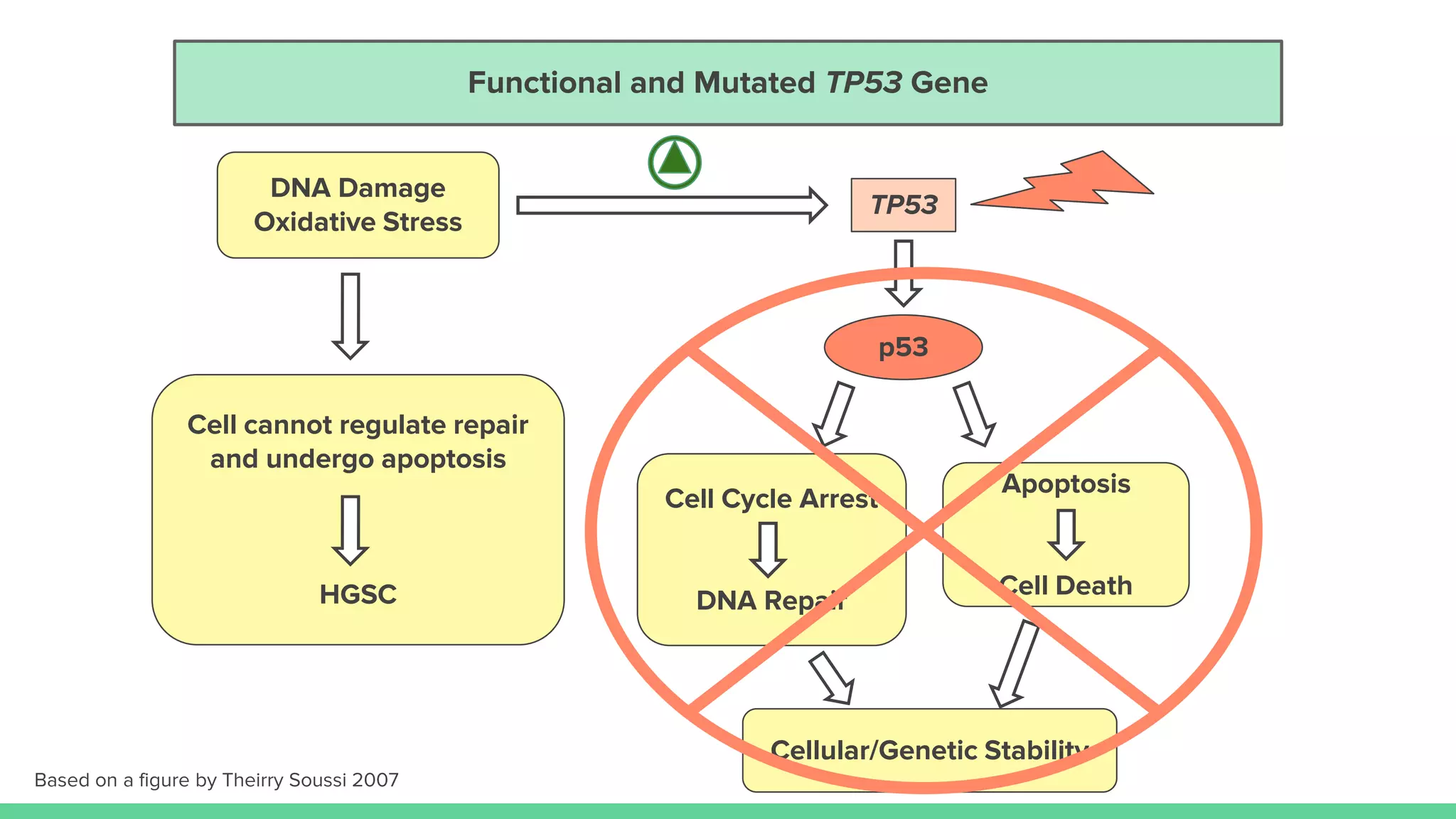
The repeated inflammation caused by ovulation exposes the
upregulated TP53 gene to a highly oxidative environment leading to a
transcription-associated mutation of TP53 as the first step in the
genesis of High Grade Serous Ovarian Carcinoma.
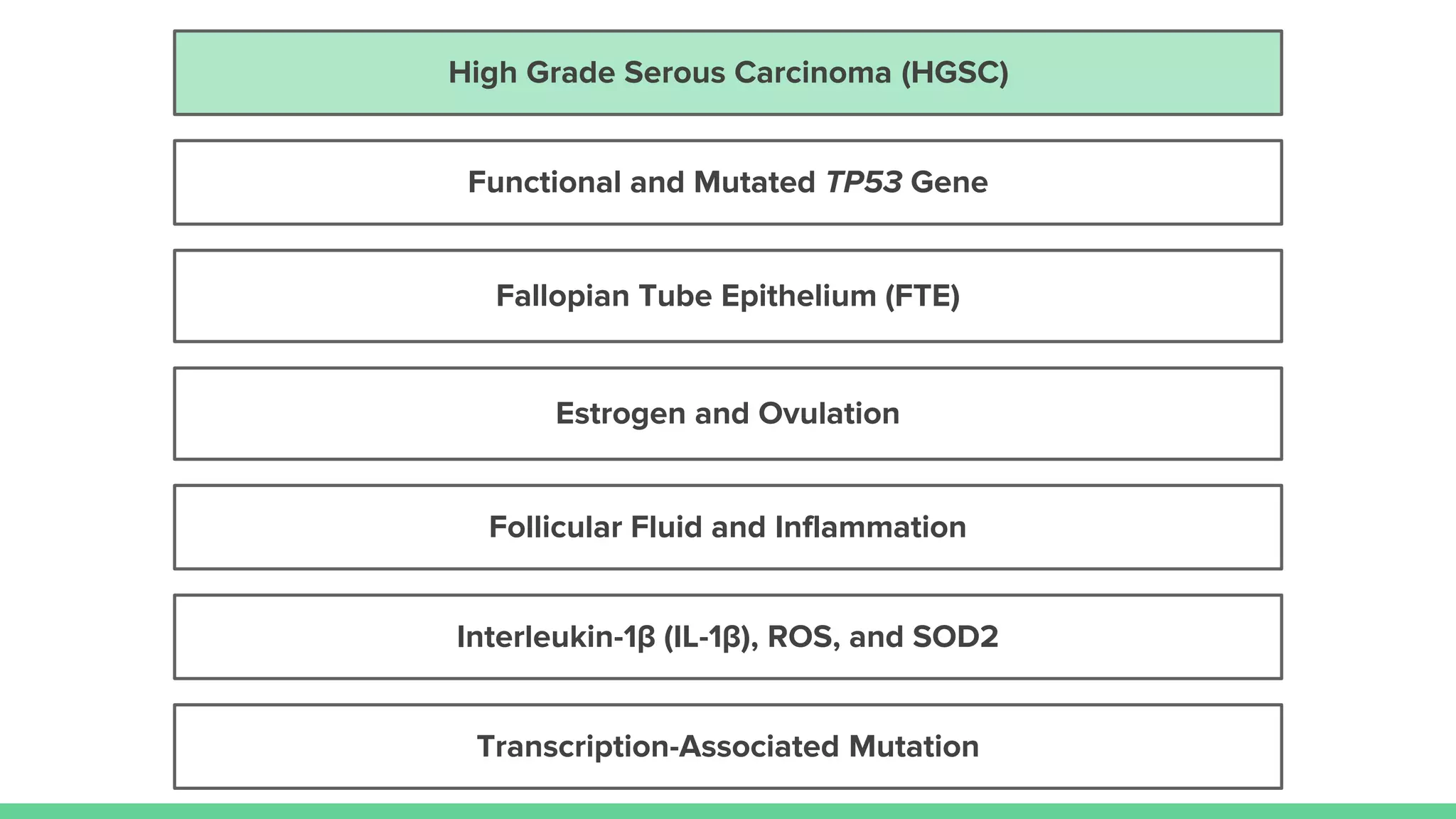
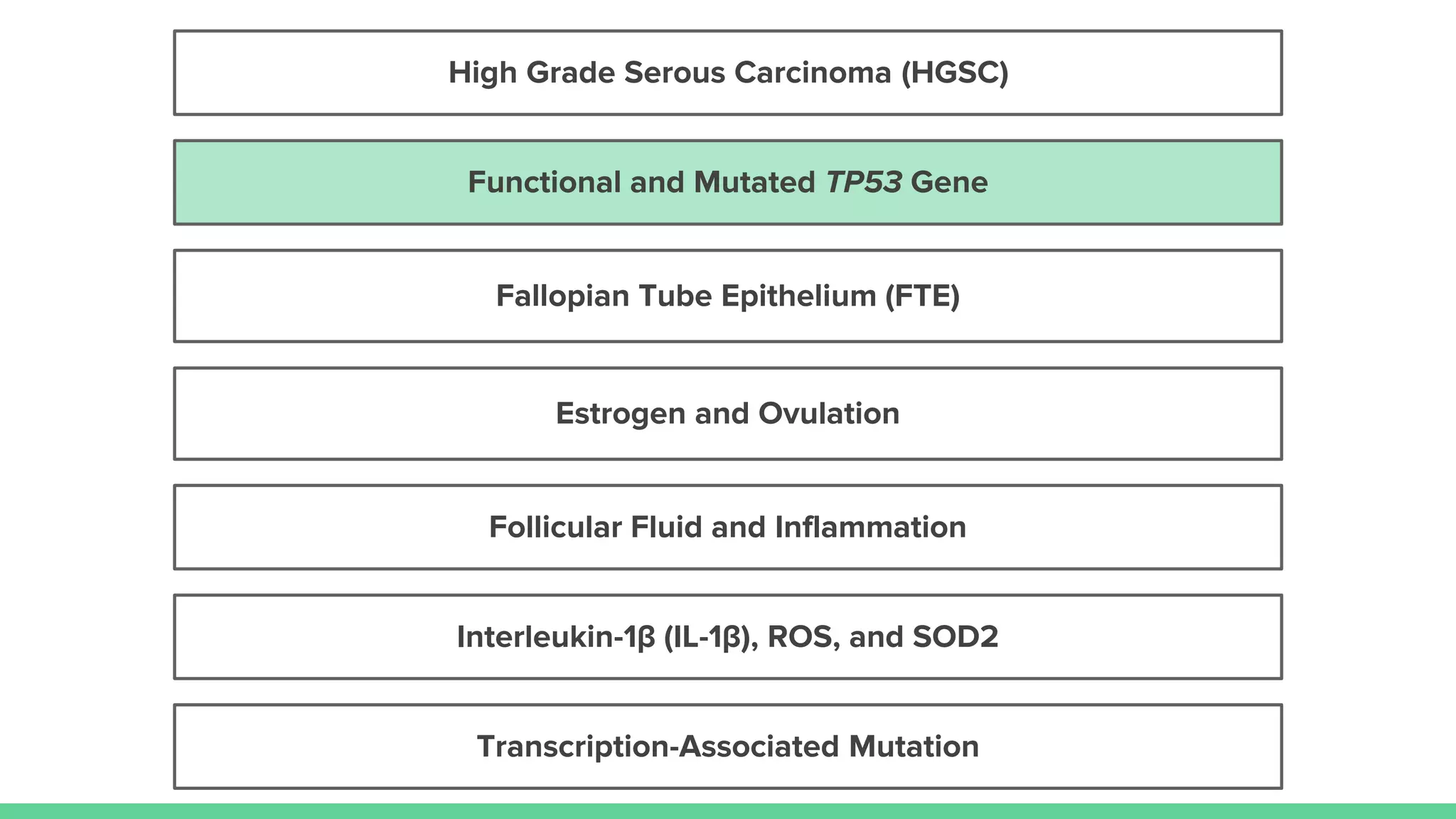
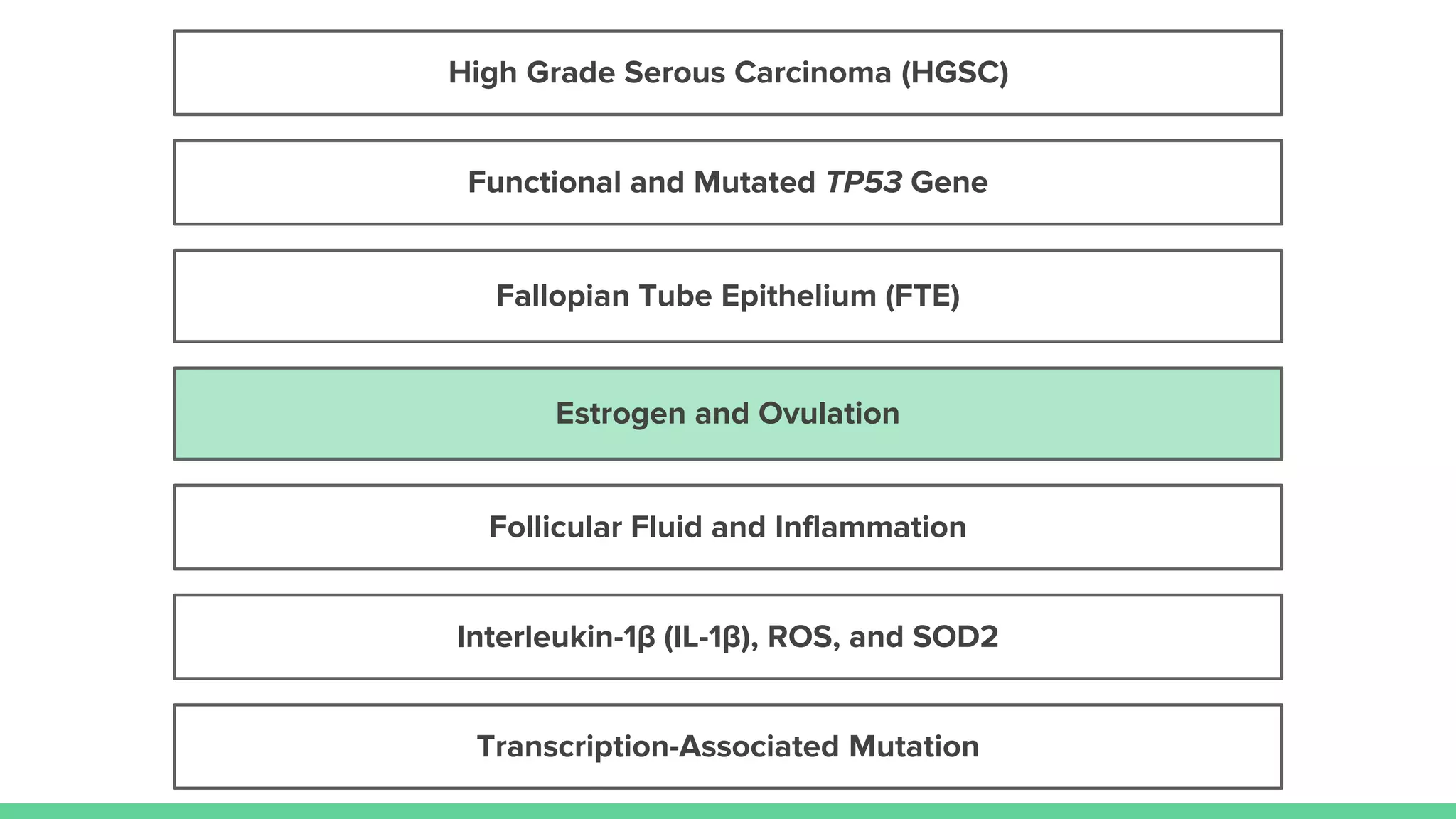
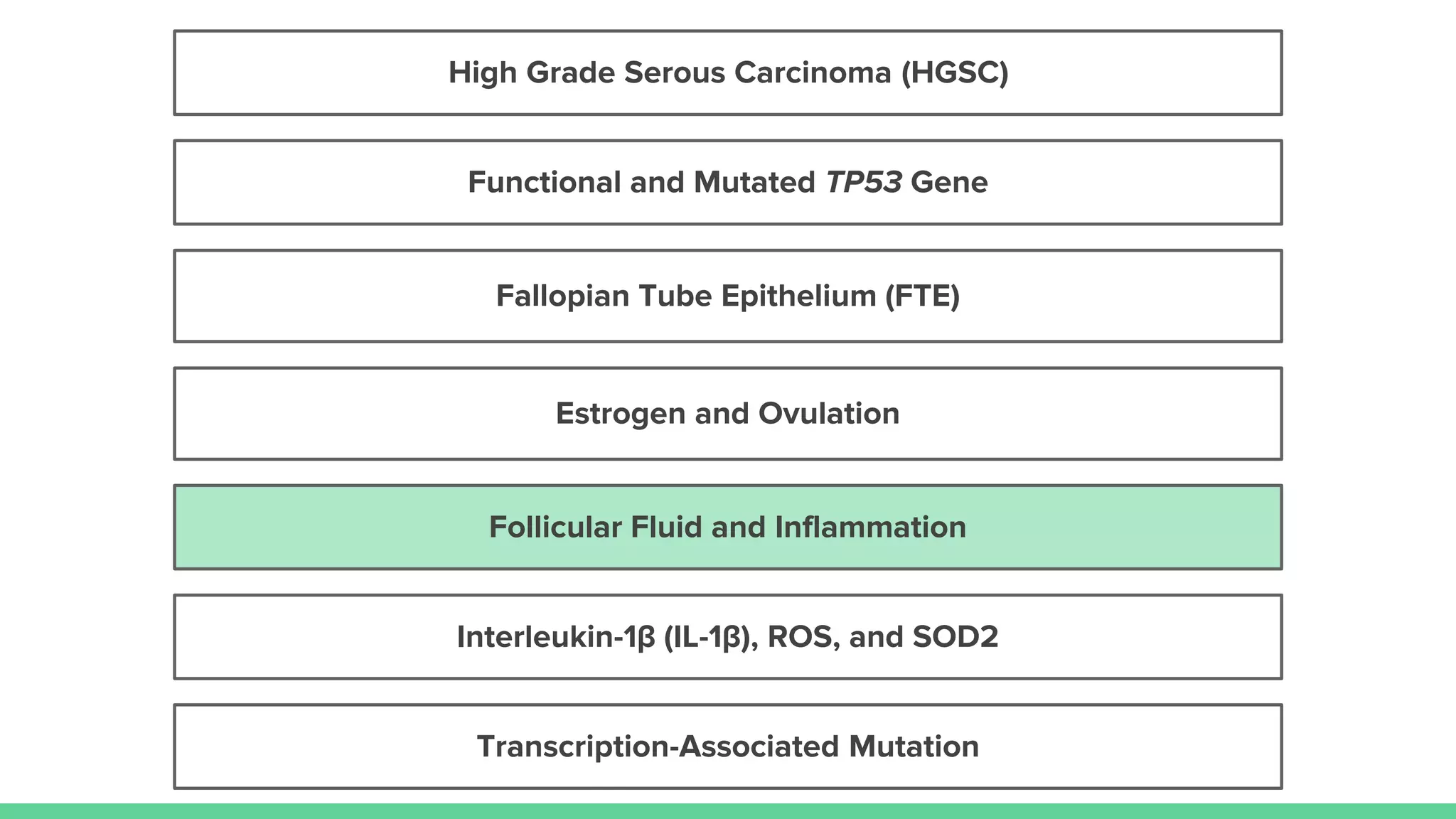
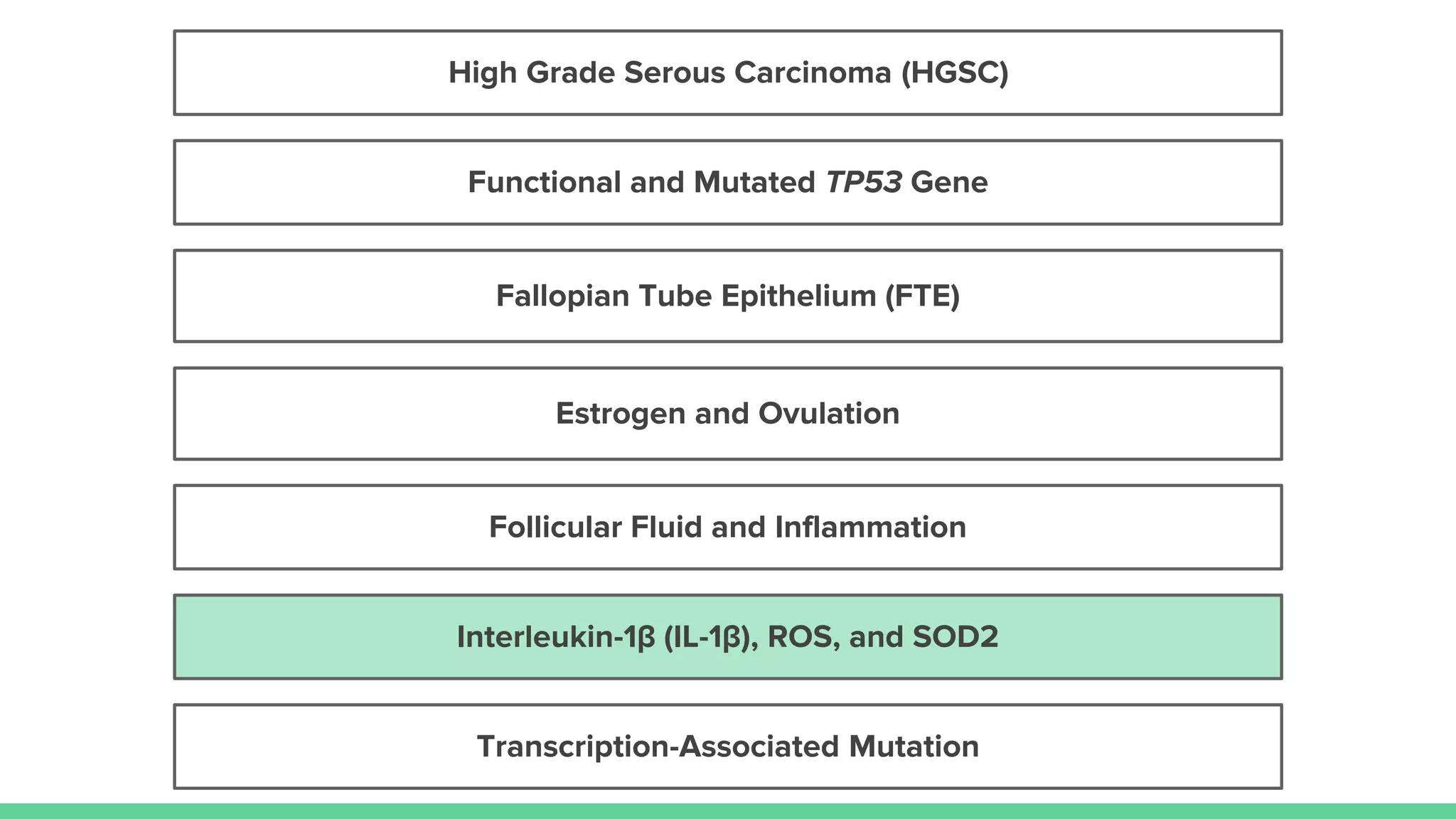
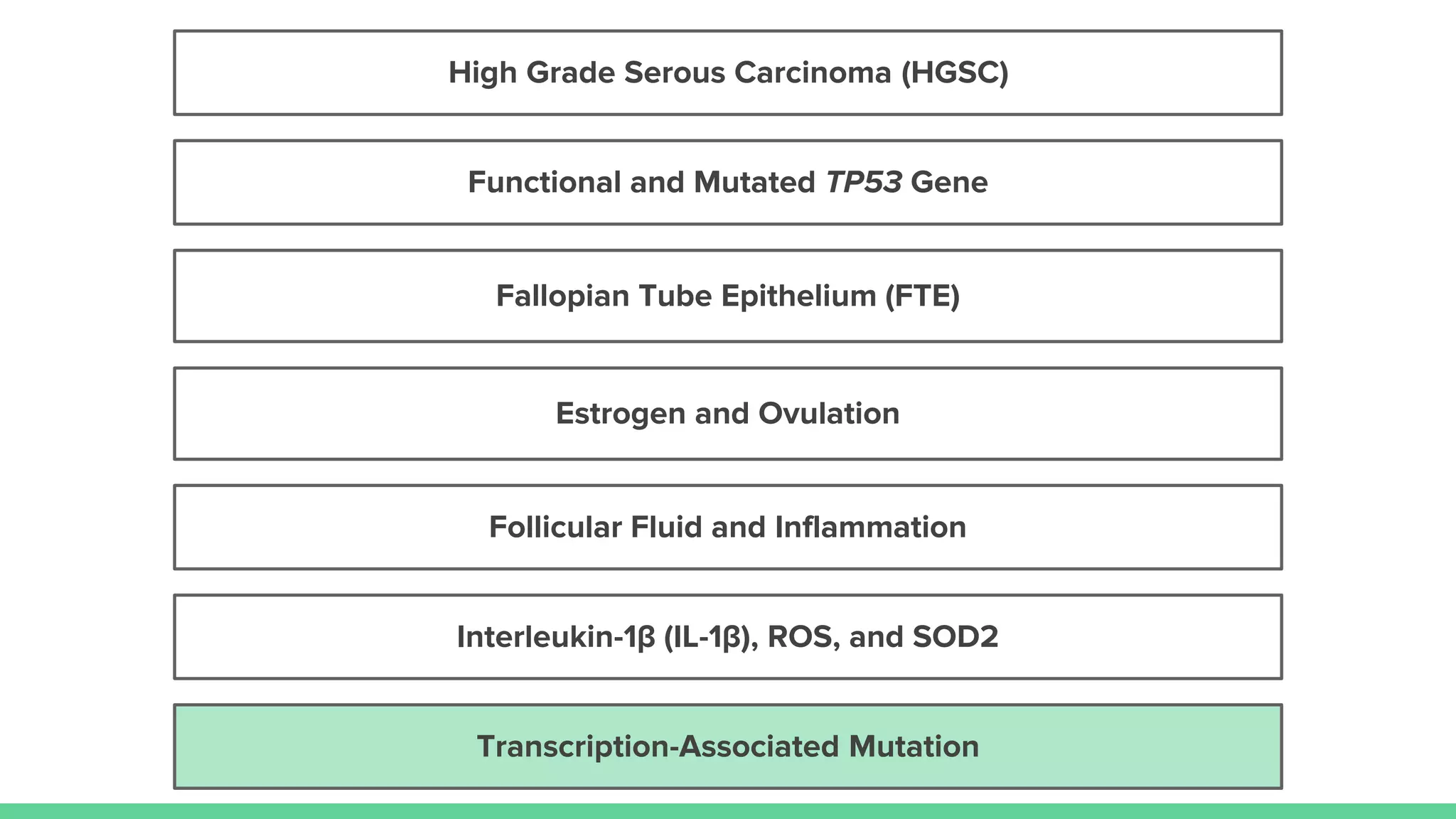
Estrogen and Ovulation
Follicular Fluid and Inflammation
Fallopian Tube Epithelium (FTE)
High Grade Serous Carcinoma (HGSC)
Transcription-Associated Mutation
Interleukin-1β (IL-1β), ROS, and SOD2
Functional and Mutated TP53 Gene
High Grade Serous Carcinoma Other Ovarian Cancers
Percent of Cases Approximately 70%1 Approximately 30%1
Average Stage of
Diagnosis
III or IV2 III3
5 Year Survival Rate 5% - 27%4 20% - 99%4
● 90% are sporadic in origin [2]
● Consistent biological marker : TP53 mutation [1]
1. Seidman JD, et al 2004 2. Risch HA, et al. 2001 3.Rossing MA, et al 2010 4. Seiden, Michael V. 2012
High Grade Serous Carcinoma (HGSC)
Estrogen and Ovulation
Follicular Fluid and Inflammation
Fallopian Tube Epithelium (FTE)
High Grade Serous Carcinoma (HGSC)
Transcription-Associated Mutation
Interleukin-1β (IL-1β), ROS, and SOD2
Functional and Mutated TP53 Gene
Based on a figure by Theirry Soussi 2007
DNA Damage
Oxidative Stress
p53
Apoptosis
Cell Death
Cell Cycle Arrest
DNA Repair
Cellular/Genetic Stability
TP53
Cell cannot regulate repair
and undergo apoptosis
HGSC
Functional and Mutated TP53 Gene
DNA Damage
Oxidative Stress
p53
Apoptosis
Cell Death
Cell Cycle Arrest
DNA Repair
Cellular/Genetic Stability
TP53
Based on a figure by Theirry Soussi 2007
Estrogen and Ovulation
Follicular Fluid and Inflammation
Fallopian Tube Epithelium (FTE)
High Grade Serous Carcinoma (HGSC)
Transcription-Associated Mutation
Interleukin-1β (IL-1β), ROS, and SOD2
Functional and Mutated TP53 Gene
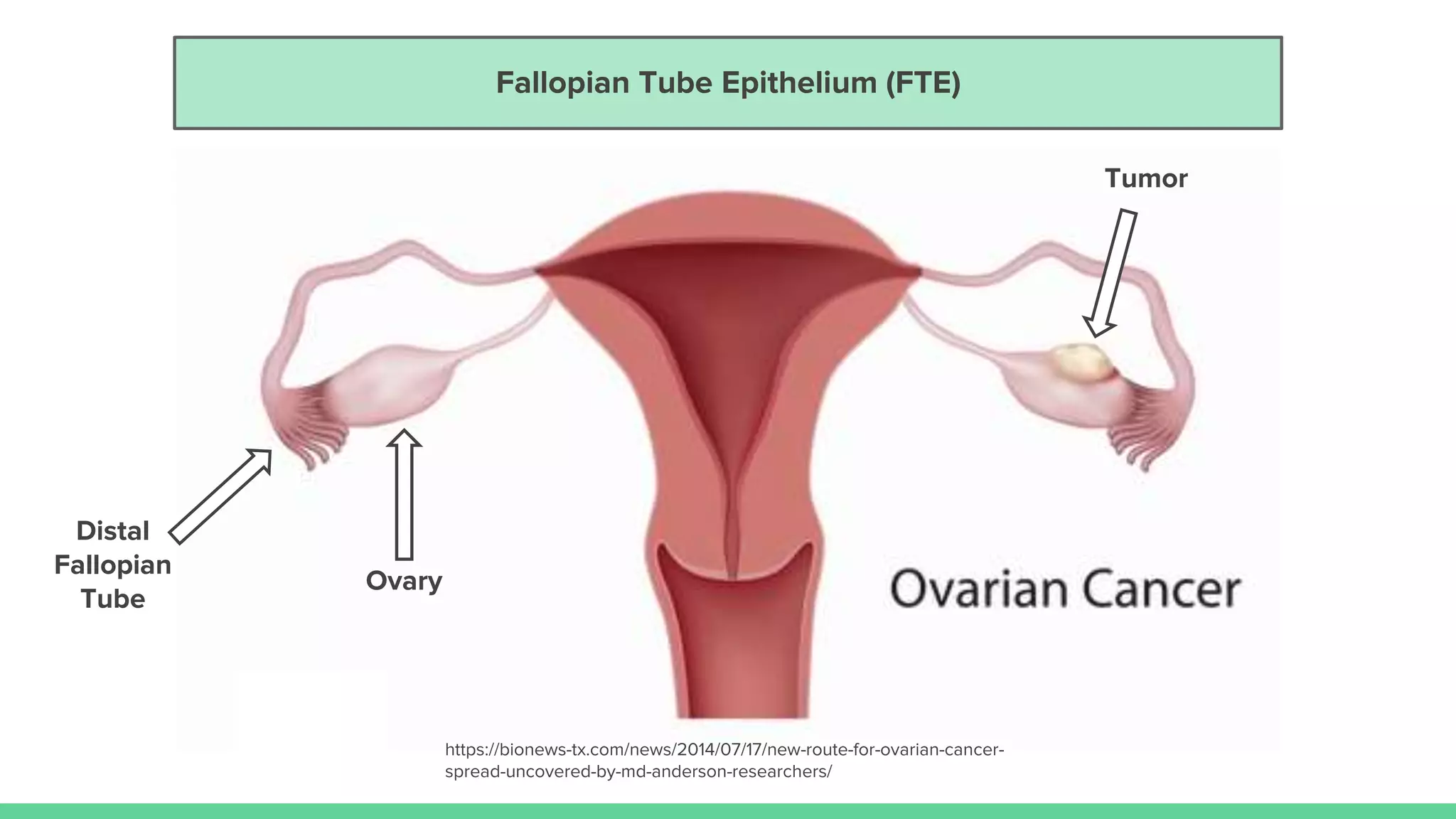
Ovary
Distal
Fallopian
Tube
Tumor
https://bionews-tx.com/news/2014/07/17/new-route-for-ovarian-cancer-
spread-uncovered-by-md-anderson-researchers/
Ovary
Fallopian Tube Epithelium (FTE)
Estrogen and Ovulation
Follicular Fluid and Inflammation
Fallopian Tube Epithelium (FTE)
High Grade Serous Carcinoma (HGSC)
Transcription-Associated Mutation
Interleukin-1β (IL-1β), ROS, and SOD2
Functional and Mutated TP53 Gene
Estrogen and Ovulation
Emori, M.M., and R. Drapkin. 2014.
● Estrogen and LH levels peak shortly before
ovulation [5]
● Rupture in ovary needs to be repaired
○ Recruits inflammatory response [2]
HORMONES
MONTHLY MENSTRUAL CYCLE
Estrogen and Ovulation
Follicular Fluid and Inflammation
Fallopian Tube Epithelium (FTE)
High Grade Serous Carcinoma (HGSC)
Transcription-Associated Mutation
Interleukin-1β (IL-1β), ROS, and SOD2
Functional and Mutated TP53 Gene
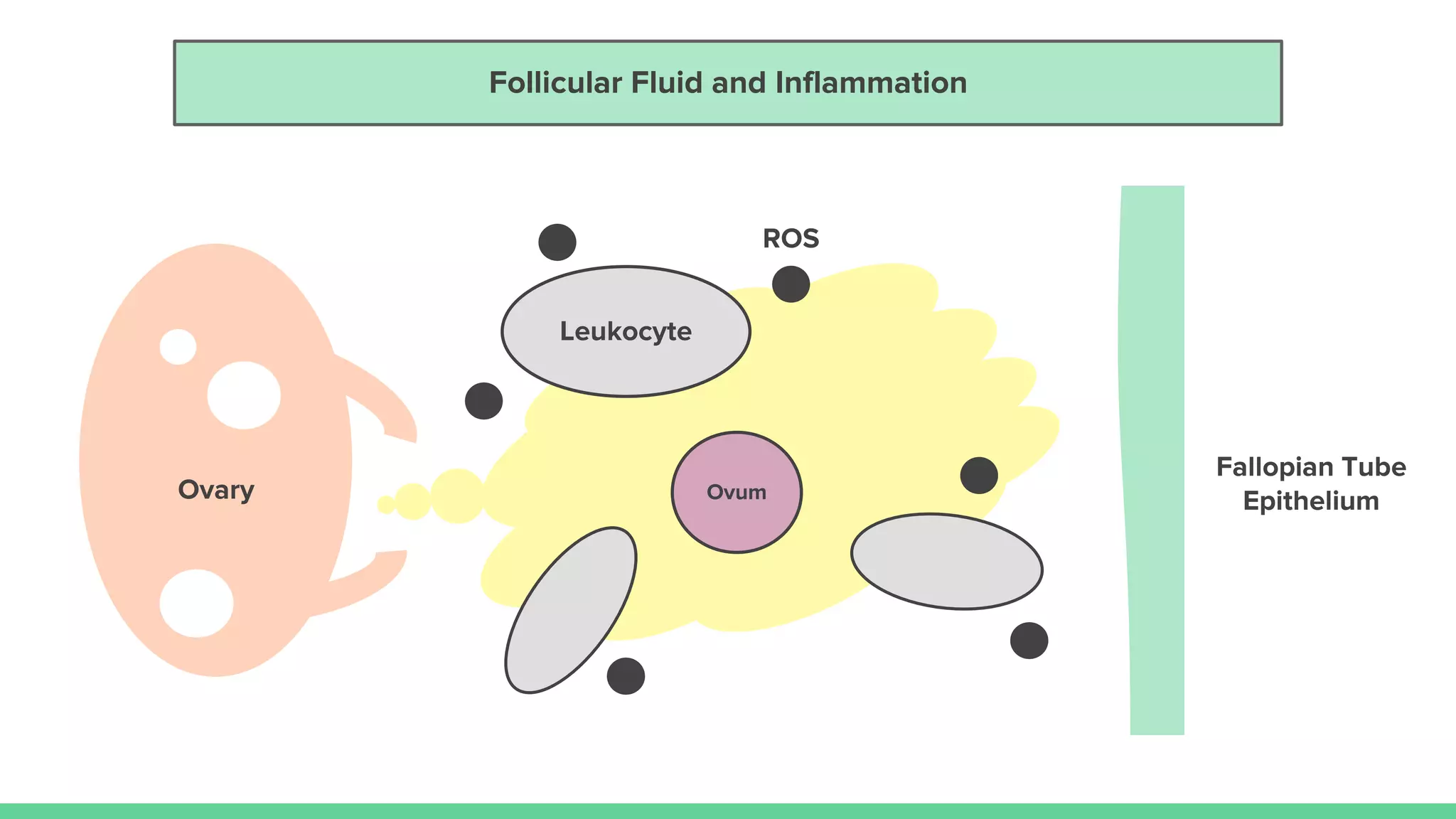
ROS
Follicular Fluid and Inflammation
Leukocyte
OvumOvary
Estrogen and Ovulation
Follicular Fluid and Inflammation
Fallopian Tube Epithelium (FTE)
High Grade Serous Carcinoma (HGSC)
Transcription-Associated Mutation
Interleukin-1β (IL-1β), ROS, and SOD2
Functional and Mutated TP53 Gene
Fallopian Tube
Epithelium
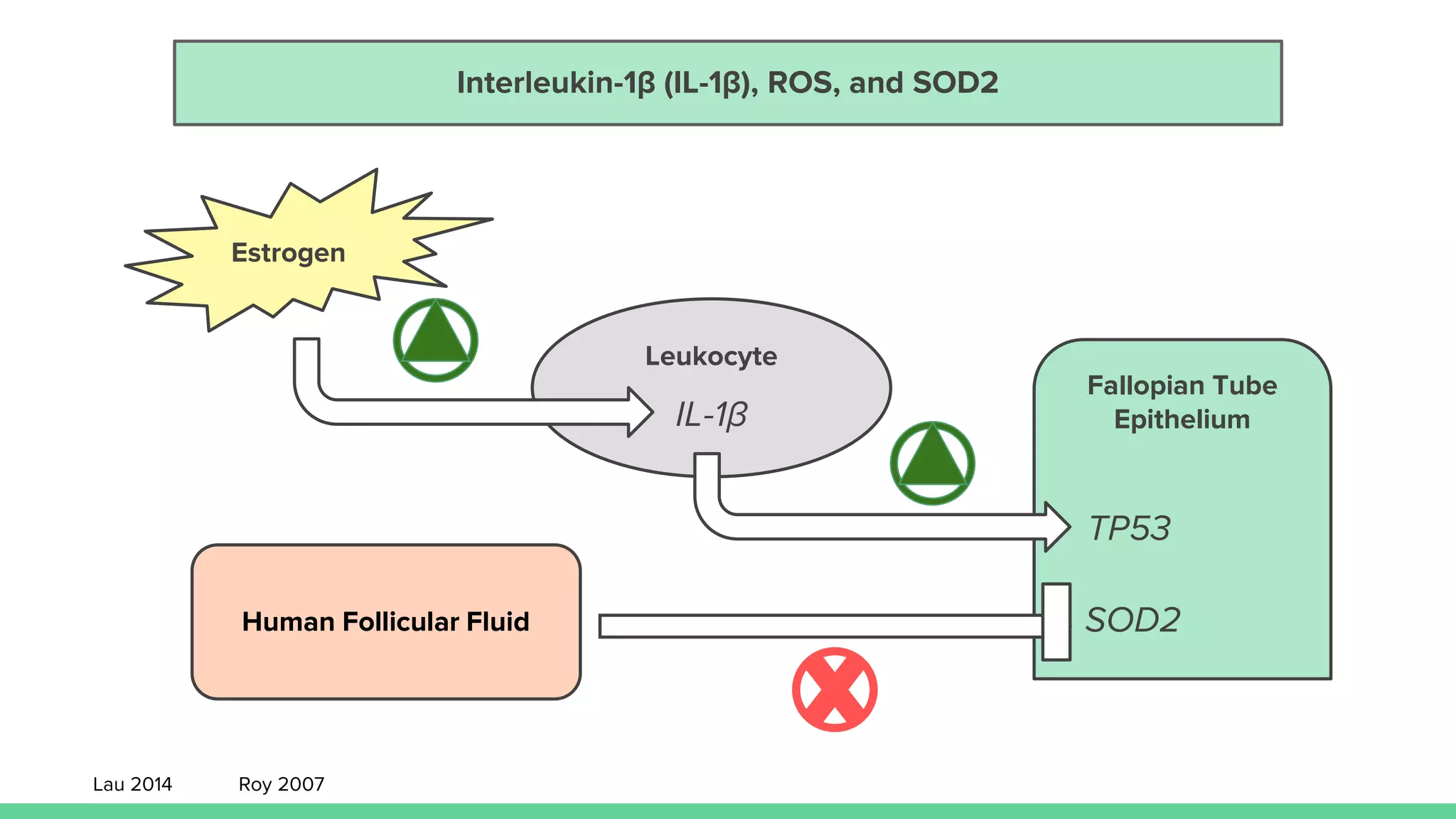
Interleukin-1β (IL-1β), ROS, and SOD2
Leukocyte
Estrogen
IL-1β
TP53
SOD2Human Follicular Fluid
Lau 2014 Roy 2007
Estrogen and Ovulation
Follicular Fluid and Inflammation
Fallopian Tube Epithelium (FTE)
High Grade Serous Carcinoma (HGSC)
Transcription-Associated Mutation
Interleukin-1β (IL-1β), ROS, and SOD2
Functional and Mutated TP53 Gene
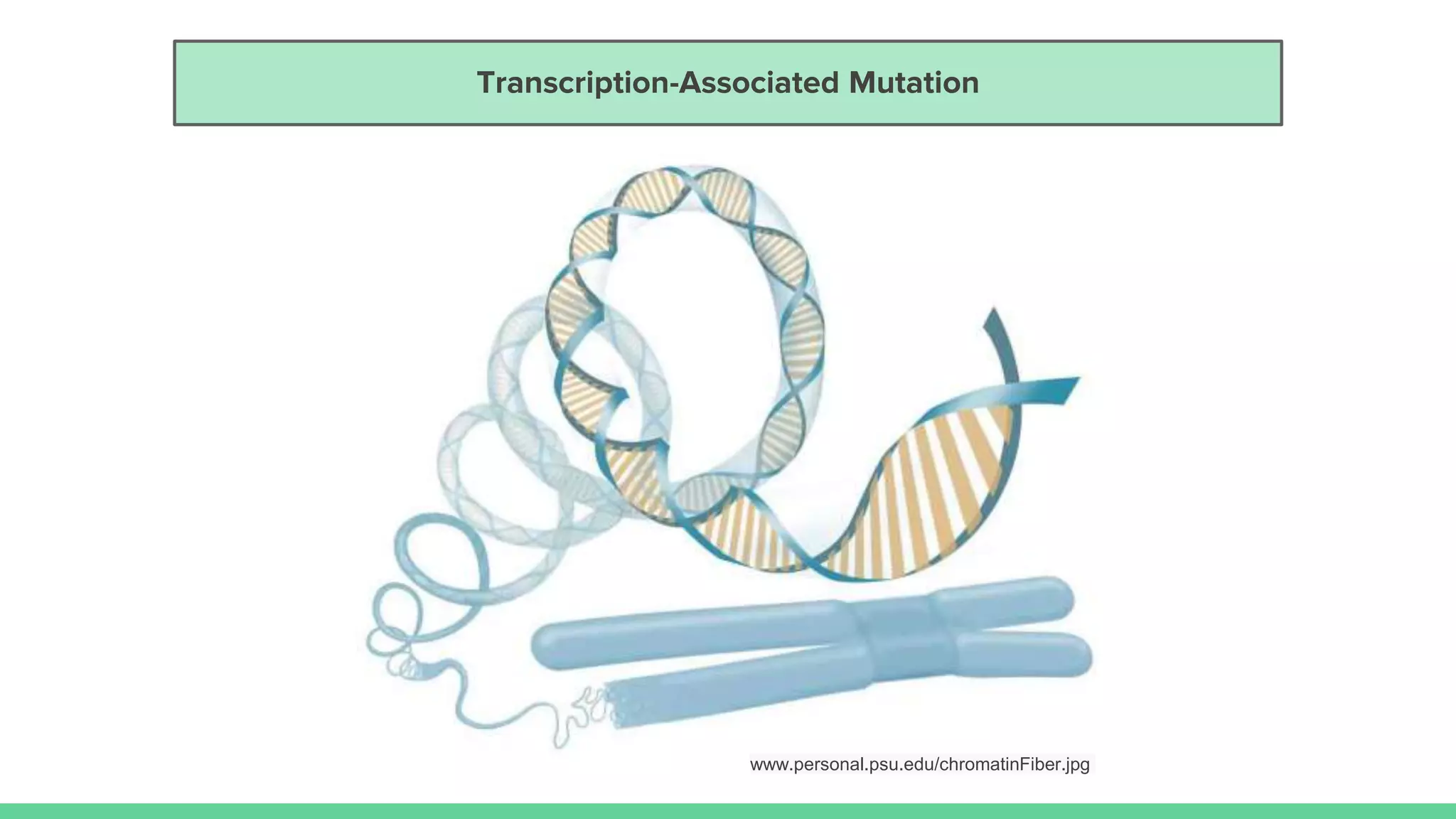
Transcription-Associated Mutation
www.personal.psu.edu/chromatinFiber.jpg
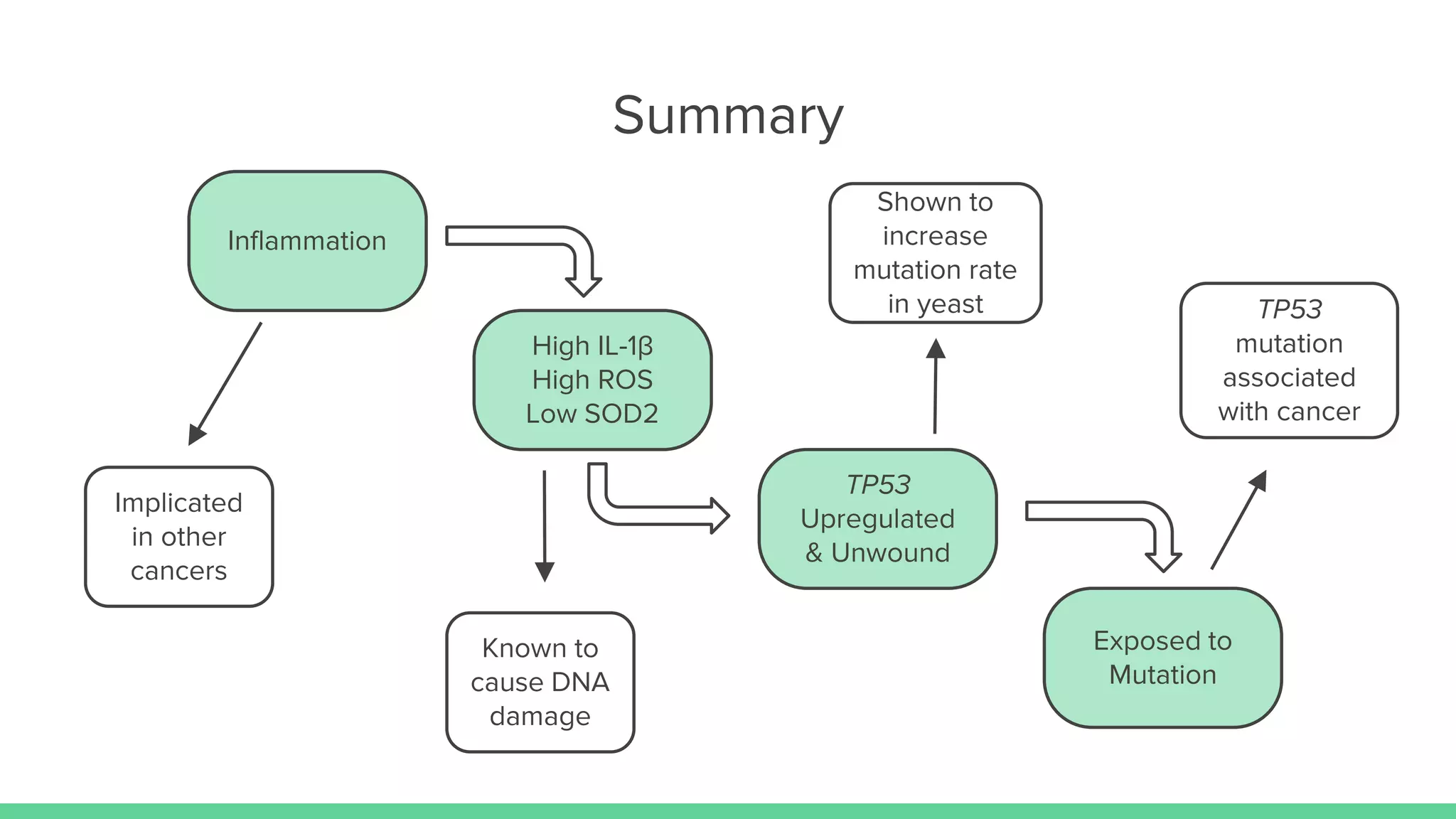
Inflammation
High IL-1β
High ROS
Low SOD2
Exposed to
Mutation
TP53
Upregulated
& Unwound
Known to
cause DNA
damage
Shown to
increase
mutation rate
in yeast
Summary
Implicated
in other
cancers
TP53
mutation
associated
with cancer
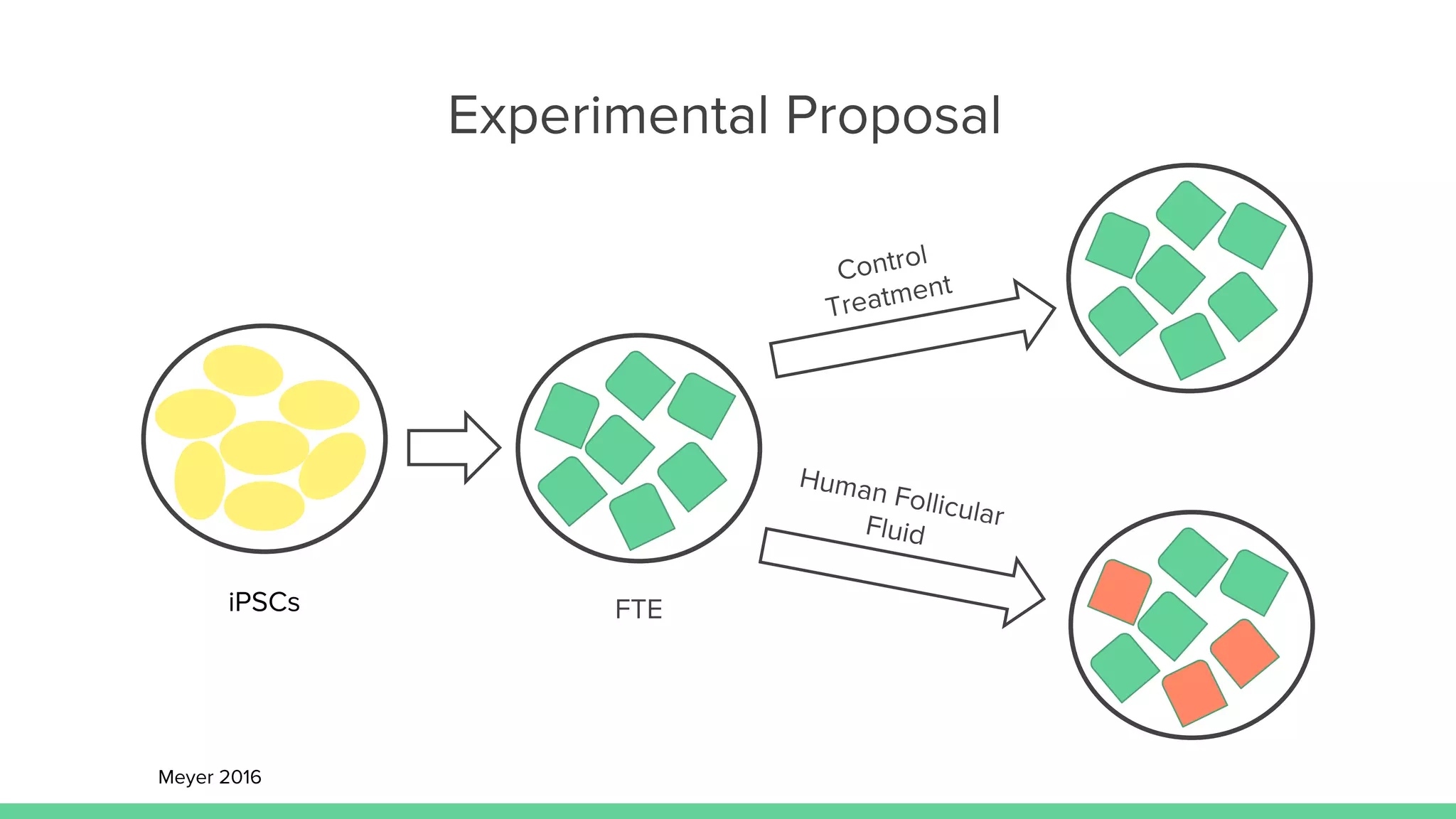
Experimental Proposal
iPSCs FTE
Meyer 2016
Significance
• Ovulation is controllable
• Research on inflammation inhibitors
• Aspirin reduces rates of ovarian cancer [14]
• Prolong the time it takes for mutations
to accumulate
• Reduce the prevalence of ovarian cancer
in society
Acknowledgements
We would like to thank the Mayo Clinic IMPACT
Competition, our faculty advisor, Dr. Kim Kandl, and St.
Olaf College for offering us help and support
throughout this process.
Sources
1) Nik, N.N., R. Vang, I.M. Shih, and R.J. Kurman. 2014. Origin and Pathogenesis of Pelvic (Ovarian, Tubal, and Primary Peritoneal) Serous Carcinoma. Annu Rev Pathol-Mech. 9:27-
45.
2) Kessler, M., C. Fotopoulou, and T. Meyer. 2013. The Molecular Fingerprint of High Grade Serous Ovarian Cancer Reflects Its Fallopian Tube Origin. Int J Mol Sci. 14:6571-6596.
3) Lu, H.T., W.M. Ouyang, and C.S. Huang. 2006. Inflammation, a key event in cancer development. Mol Cancer Res. 4:221-233.
4) Lau, A., A. Kollara, E. St John, A.A. Tone, C. Virtanen, E.M. Greenblatt, W.A. King, and T.J. Brown. 2014. Altered expression of inflammation-associated genes in oviductal cells
following follicular fluid exposure: Implications for ovarian carcinogenesis. Exp Biol Med. 239:24-32.
5) Roy, D., Q. Cai, Q. Felty, and S. Narayan. 2007. Estrogen-induced generation of reactive oxygen and nitrogen species, gene damage, and estrogen-dependent cancers. J
Toxicol Environ Health B Crit Rev. 10:235-257.
6) Son, D.S., S.M. Kabir, Y.L. Dong, E. Lee, and S.E. Adunyah. 2012. Inhibitory Effect of Tumor Suppressor p53 on Proinflammatory Chemokine Expression in Ovarian Cancer Cells
by Reducing Proteasomal Degradation of I kappa B. Plos One. 7.
7) Eng, C., H. Hampel, and A. de la Chapelle. 2001. Genetic testing for cancer predisposition. Annu Rev Med. 52:371-400.
8) Emori, M.M., and R. Drapkin. 2014. The hormonal composition of follicular fluid and its implications for ovarian cancer pathogenesis. Reprod Biol Endocrin. 12.
9) Datta, A., and S. Jinks-Robertson. 1995. Association of increased spontaneous mutation rates with high levels of transcription in yeast. Science. 268:1616-1619.
10) Behrman, H.R., P.H. Kodaman, S.L. Preston, and S.P. Gao. 2001. Oxidative stress and the ovary. J Soc Gynecol Invest. 8:S40-S42.
11) Quartuccio, S.M., S. Karthikeyan, S.L. Eddie, D.D. Lantvit, O.h. E, D.A. Modi, J.J. Wei, and J.E. Burdette. 2015. Mutant p53 expression in fallopian tube epithelium drives cell
migration. Int J Cancer. 137:1528-1538.
12) Son, D.S., S.M. Kabir, Y.L. Dong, E. Lee, and S.E. Adunyah. 2012. Inhibitory effect of tumor suppressor p53 on proinflammatory chemokine expression in ovarian cancer cells
by reducing proteasomal degradation of IkappaB. PLoS One. 7:e51116.
13) Nasu, K., H. Itoh, A. Yuge, Y. Kawano, J. Yoshimatsu, and H. Narahara. 2006. Interleukin-1 beta regulates vascular endothelial growth factor and soluble fms-like tyrosine
kinase-1 secretion by human oviductal epithelial cells and stromal fibroblasts. Gynecol Endocrinol. 22:495-500.
14) Trabert, B., R.B. Ness, W.H. Lo-Ciganic, M.A. Murphy, E.L. Goode, E.M. Poole, L.A. Brinton, P.M. Webb, C.M. Nagle, S.J. Jordan, H.A. Risch, M.A. Rossing, J.A. Doherty, M.T.
Goodman, G. Lurie, S.K. Kjaer, E. Hogdall, A. Jensen, D.W. Cramer, K.L. Terry, A. Vitonis, E.V. Bandera, S. Olson, M.G. King, U. Chandran, H. Anton-Culver, A. Ziogas, U. Menon,
S.A. Gayther, S.J. Ramus, A. Gentry-Maharaj, A.H. Wu, C.L. Pearce, M.C. Pike, A. Berchuck, J.M. Schildkraut, N. Wentzensen, A.O.C.S. Grp, and O.C.A. Consortium. 2014. Aspirin,
Nonaspirin Nonsteroidal Anti-inflammatory Drug, and Acetaminophen Use and Risk of Invasive Epithelial Ovarian Cancer: A Pooled Analysis in the Ovarian Cancer Association
Consortium. Jnci-J Natl Cancer I. 106.

Ovarian_Cancer_Presentation-Tritz_VanLith_WareJoncas_Elwell

  • 1.
    Transcription-Associated Mutation of TP53as the Cause of High Grade Serous Ovarian Carcinoma Zachariah Tritz, Caitlin Van Lith, Zachary WareJoncas, Charlotte Elwell
  • 2.
    Sporadic Transformation ofFTE to HGSC The repeated inflammation caused by ovulation exposes the upregulated TP53 gene to a highly oxidative environment leading to a transcription-associated mutation of TP53 as the first step in the genesis of High Grade Serous Ovarian Carcinoma.
  • 3.
    Estrogen and Ovulation FollicularFluid and Inflammation Fallopian Tube Epithelium (FTE) High Grade Serous Carcinoma (HGSC) Transcription-Associated Mutation Interleukin-1β (IL-1β), ROS, and SOD2 Functional and Mutated TP53 Gene
  • 4.
    High Grade SerousCarcinoma Other Ovarian Cancers Percent of Cases Approximately 70%1 Approximately 30%1 Average Stage of Diagnosis III or IV2 III3 5 Year Survival Rate 5% - 27%4 20% - 99%4 ● 90% are sporadic in origin [2] ● Consistent biological marker : TP53 mutation [1] 1. Seidman JD, et al 2004 2. Risch HA, et al. 2001 3.Rossing MA, et al 2010 4. Seiden, Michael V. 2012 High Grade Serous Carcinoma (HGSC)
  • 5.
    Estrogen and Ovulation FollicularFluid and Inflammation Fallopian Tube Epithelium (FTE) High Grade Serous Carcinoma (HGSC) Transcription-Associated Mutation Interleukin-1β (IL-1β), ROS, and SOD2 Functional and Mutated TP53 Gene
  • 6.
    Functional and MutatedTP53 Gene Based on a figure by Theirry Soussi 2007 DNA Damage Oxidative Stress p53 Apoptosis Cell Death Cell Cycle Arrest DNA Repair Cellular/Genetic Stability TP53
  • 7.
    Cell cannot regulaterepair and undergo apoptosis HGSC Functional and Mutated TP53 Gene DNA Damage Oxidative Stress p53 Apoptosis Cell Death Cell Cycle Arrest DNA Repair Cellular/Genetic Stability TP53 Based on a figure by Theirry Soussi 2007
  • 8.
    Estrogen and Ovulation FollicularFluid and Inflammation Fallopian Tube Epithelium (FTE) High Grade Serous Carcinoma (HGSC) Transcription-Associated Mutation Interleukin-1β (IL-1β), ROS, and SOD2 Functional and Mutated TP53 Gene
  • 9.
  • 10.
    Estrogen and Ovulation FollicularFluid and Inflammation Fallopian Tube Epithelium (FTE) High Grade Serous Carcinoma (HGSC) Transcription-Associated Mutation Interleukin-1β (IL-1β), ROS, and SOD2 Functional and Mutated TP53 Gene
  • 11.
    Estrogen and Ovulation Emori,M.M., and R. Drapkin. 2014. ● Estrogen and LH levels peak shortly before ovulation [5] ● Rupture in ovary needs to be repaired ○ Recruits inflammatory response [2] HORMONES MONTHLY MENSTRUAL CYCLE
  • 12.
    Estrogen and Ovulation FollicularFluid and Inflammation Fallopian Tube Epithelium (FTE) High Grade Serous Carcinoma (HGSC) Transcription-Associated Mutation Interleukin-1β (IL-1β), ROS, and SOD2 Functional and Mutated TP53 Gene
  • 13.
    ROS Follicular Fluid andInflammation Leukocyte OvumOvary
  • 14.
    Estrogen and Ovulation FollicularFluid and Inflammation Fallopian Tube Epithelium (FTE) High Grade Serous Carcinoma (HGSC) Transcription-Associated Mutation Interleukin-1β (IL-1β), ROS, and SOD2 Functional and Mutated TP53 Gene
  • 15.
    Fallopian Tube Epithelium Interleukin-1β (IL-1β),ROS, and SOD2 Leukocyte Estrogen IL-1β TP53 SOD2Human Follicular Fluid Lau 2014 Roy 2007
  • 16.
    Estrogen and Ovulation FollicularFluid and Inflammation Fallopian Tube Epithelium (FTE) High Grade Serous Carcinoma (HGSC) Transcription-Associated Mutation Interleukin-1β (IL-1β), ROS, and SOD2 Functional and Mutated TP53 Gene
  • 17.
  • 18.
    Inflammation High IL-1β High ROS LowSOD2 Exposed to Mutation TP53 Upregulated & Unwound Known to cause DNA damage Shown to increase mutation rate in yeast Summary Implicated in other cancers TP53 mutation associated with cancer
  • 19.
  • 20.
    Significance • Ovulation iscontrollable • Research on inflammation inhibitors • Aspirin reduces rates of ovarian cancer [14] • Prolong the time it takes for mutations to accumulate • Reduce the prevalence of ovarian cancer in society
  • 21.
    Acknowledgements We would liketo thank the Mayo Clinic IMPACT Competition, our faculty advisor, Dr. Kim Kandl, and St. Olaf College for offering us help and support throughout this process.
  • 22.
    Sources 1) Nik, N.N.,R. Vang, I.M. Shih, and R.J. Kurman. 2014. Origin and Pathogenesis of Pelvic (Ovarian, Tubal, and Primary Peritoneal) Serous Carcinoma. Annu Rev Pathol-Mech. 9:27- 45. 2) Kessler, M., C. Fotopoulou, and T. Meyer. 2013. The Molecular Fingerprint of High Grade Serous Ovarian Cancer Reflects Its Fallopian Tube Origin. Int J Mol Sci. 14:6571-6596. 3) Lu, H.T., W.M. Ouyang, and C.S. Huang. 2006. Inflammation, a key event in cancer development. Mol Cancer Res. 4:221-233. 4) Lau, A., A. Kollara, E. St John, A.A. Tone, C. Virtanen, E.M. Greenblatt, W.A. King, and T.J. Brown. 2014. Altered expression of inflammation-associated genes in oviductal cells following follicular fluid exposure: Implications for ovarian carcinogenesis. Exp Biol Med. 239:24-32. 5) Roy, D., Q. Cai, Q. Felty, and S. Narayan. 2007. Estrogen-induced generation of reactive oxygen and nitrogen species, gene damage, and estrogen-dependent cancers. J Toxicol Environ Health B Crit Rev. 10:235-257. 6) Son, D.S., S.M. Kabir, Y.L. Dong, E. Lee, and S.E. Adunyah. 2012. Inhibitory Effect of Tumor Suppressor p53 on Proinflammatory Chemokine Expression in Ovarian Cancer Cells by Reducing Proteasomal Degradation of I kappa B. Plos One. 7. 7) Eng, C., H. Hampel, and A. de la Chapelle. 2001. Genetic testing for cancer predisposition. Annu Rev Med. 52:371-400. 8) Emori, M.M., and R. Drapkin. 2014. The hormonal composition of follicular fluid and its implications for ovarian cancer pathogenesis. Reprod Biol Endocrin. 12. 9) Datta, A., and S. Jinks-Robertson. 1995. Association of increased spontaneous mutation rates with high levels of transcription in yeast. Science. 268:1616-1619. 10) Behrman, H.R., P.H. Kodaman, S.L. Preston, and S.P. Gao. 2001. Oxidative stress and the ovary. J Soc Gynecol Invest. 8:S40-S42. 11) Quartuccio, S.M., S. Karthikeyan, S.L. Eddie, D.D. Lantvit, O.h. E, D.A. Modi, J.J. Wei, and J.E. Burdette. 2015. Mutant p53 expression in fallopian tube epithelium drives cell migration. Int J Cancer. 137:1528-1538. 12) Son, D.S., S.M. Kabir, Y.L. Dong, E. Lee, and S.E. Adunyah. 2012. Inhibitory effect of tumor suppressor p53 on proinflammatory chemokine expression in ovarian cancer cells by reducing proteasomal degradation of IkappaB. PLoS One. 7:e51116. 13) Nasu, K., H. Itoh, A. Yuge, Y. Kawano, J. Yoshimatsu, and H. Narahara. 2006. Interleukin-1 beta regulates vascular endothelial growth factor and soluble fms-like tyrosine kinase-1 secretion by human oviductal epithelial cells and stromal fibroblasts. Gynecol Endocrinol. 22:495-500. 14) Trabert, B., R.B. Ness, W.H. Lo-Ciganic, M.A. Murphy, E.L. Goode, E.M. Poole, L.A. Brinton, P.M. Webb, C.M. Nagle, S.J. Jordan, H.A. Risch, M.A. Rossing, J.A. Doherty, M.T. Goodman, G. Lurie, S.K. Kjaer, E. Hogdall, A. Jensen, D.W. Cramer, K.L. Terry, A. Vitonis, E.V. Bandera, S. Olson, M.G. King, U. Chandran, H. Anton-Culver, A. Ziogas, U. Menon, S.A. Gayther, S.J. Ramus, A. Gentry-Maharaj, A.H. Wu, C.L. Pearce, M.C. Pike, A. Berchuck, J.M. Schildkraut, N. Wentzensen, A.O.C.S. Grp, and O.C.A. Consortium. 2014. Aspirin, Nonaspirin Nonsteroidal Anti-inflammatory Drug, and Acetaminophen Use and Risk of Invasive Epithelial Ovarian Cancer: A Pooled Analysis in the Ovarian Cancer Association Consortium. Jnci-J Natl Cancer I. 106.

Editor's Notes

  • #5 The 5 year survival rates do vary somewhat significantly depending upon the age of the woman diagnosed (as well as stage of cancer, obviously) 85% of HGSC cases have spread beyond the ovaries at the time of diagnosis.
  • #12 Talk about yeast study
  • #19 I can’t figure out how to make the angles of the a side arrows to match so i gave up, also lemme know if animation is too much
  • #20 Make this into figures