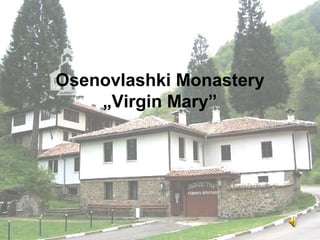
Osenovlashki Monastery
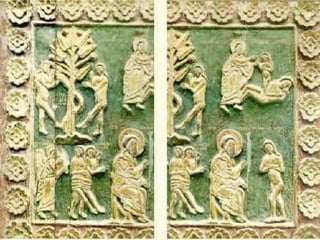
„Virgin Mary”
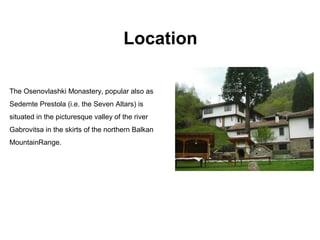
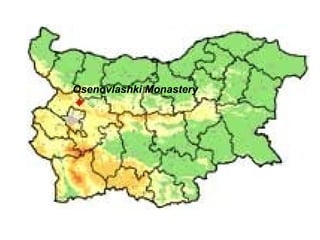
The Osenovlashki Monastery, popular also as
Sedemte Prestola (i.e. the Seven Altars) is
situated in the picturesque valley of the river
Gabrovitsa in the skirts of the northern Balkan
MountainRange.
Location
Osenovlashki Monastery
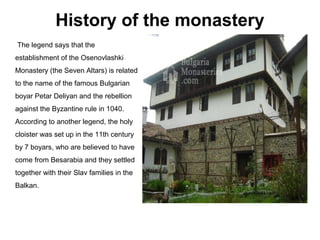
History of the monastery
The legend says that the
establishment of the Osenovlashki
Monastery (the Seven Altars) is related
to the name of the famous Bulgarian
boyar Petar Deliyan and the rebellion
against the Byzantine rule in 1040.
According to another legend, the holy
cloister was set up in the 11th century
by 7 boyars, who are believed to have
come from Besarabia and they settled
together with their Slav families in the
Balkan.
In the time of the National
Liberation struggles of Bulgarian
nation, the Osenovlashki
Monastery was repeatedly a
shelter for revolutionaries. There
their protection found Bulchan
voevoda, Sofronii Vrachanski
and the Apostle of Freedom
Vassil Levski.
Architecture and present
condition
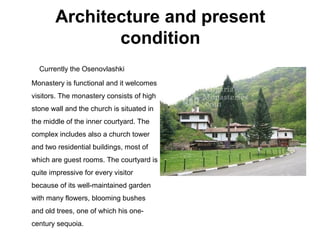
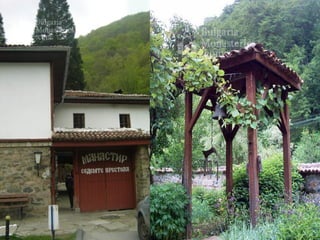
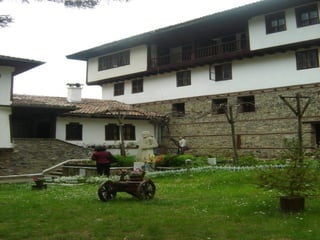
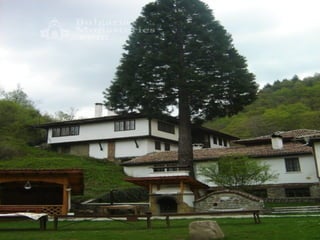
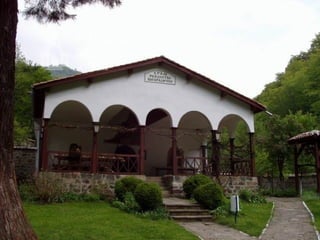
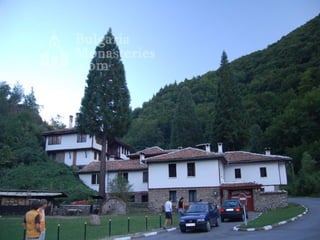
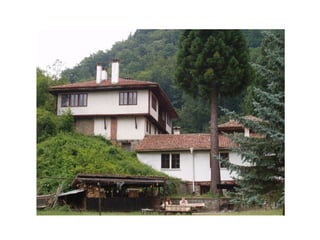
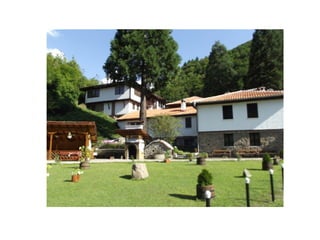
Currently the Osenovlashki
Monastery is functional and it welcomes
visitors. The monastery consists of high
stone wall and the church is situated in
the middle of the inner courtyard. The
complex includes also a church tower
and two residential buildings, most of
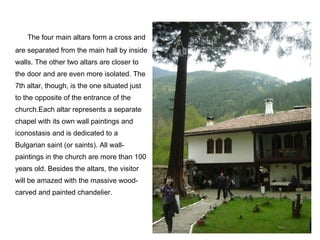
which are guest rooms. The courtyard is
quite impressive for every visitor
because of its well-maintained garden
with many flowers, blooming bushes
and old trees, one of which his one-
century sequoia.
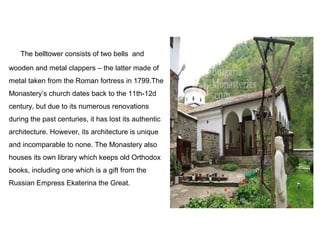
The belltower consists of two bells and
wooden and metal clappers – the latter made of
metal taken from the Roman fortress in 1799.The
Monastery’s church dates back to the 11th-12d
century, but due to its numerous renovations
during the past centuries, it has lost its authentic
architecture. However, its architecture is unique
and incomparable to none. The Monastery also
houses its own library which keeps old Orthodox
books, including one which is a gift from the
Russian Empress Ekaterina the Great.
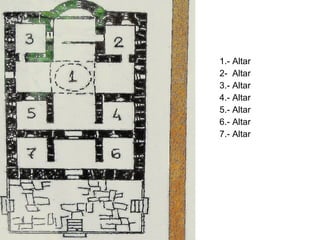
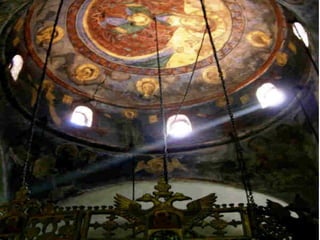
The four main altars form a cross and
are separated from the main hall by inside
walls. The other two altars are closer to
the door and are even more isolated. The
7th altar, though, is the one situated just
to the opposite of the entrance of the
church.Each altar represents a separate
chapel with its own wall paintings and
iconostasis and is dedicated to a
Bulgarian saint (or saints). All wall-
paintings in the church are more than 100
years old. Besides the altars, the visitor
will be amazed with the massive wood-
carved and painted chandelier.
1.- Altar
2- Altar
3.- Altar
4.- Altar
5.- Altar
6.- Altar
7.- Altar
Lilia Ivanova Hristova XI class
Hope you enjoy and the monastery is definitely a place
you have to visit!

Osenovlashki monastery

  • 1.
  • 2.
    The Osenovlashki Monastery,popular also as Sedemte Prestola (i.e. the Seven Altars) is situated in the picturesque valley of the river Gabrovitsa in the skirts of the northern Balkan MountainRange. Location
  • 3.
  • 4.
    History of themonastery The legend says that the establishment of the Osenovlashki Monastery (the Seven Altars) is related to the name of the famous Bulgarian boyar Petar Deliyan and the rebellion against the Byzantine rule in 1040. According to another legend, the holy cloister was set up in the 11th century by 7 boyars, who are believed to have come from Besarabia and they settled together with their Slav families in the Balkan.
  • 5.
    In the timeof the National Liberation struggles of Bulgarian nation, the Osenovlashki Monastery was repeatedly a shelter for revolutionaries. There their protection found Bulchan voevoda, Sofronii Vrachanski and the Apostle of Freedom Vassil Levski.
  • 6.
    Architecture and present condition Currentlythe Osenovlashki Monastery is functional and it welcomes visitors. The monastery consists of high stone wall and the church is situated in the middle of the inner courtyard. The complex includes also a church tower and two residential buildings, most of which are guest rooms. The courtyard is quite impressive for every visitor because of its well-maintained garden with many flowers, blooming bushes and old trees, one of which his one- century sequoia.
  • 7.
    The belltower consistsof two bells and wooden and metal clappers – the latter made of metal taken from the Roman fortress in 1799.The Monastery’s church dates back to the 11th-12d century, but due to its numerous renovations during the past centuries, it has lost its authentic architecture. However, its architecture is unique and incomparable to none. The Monastery also houses its own library which keeps old Orthodox books, including one which is a gift from the Russian Empress Ekaterina the Great.
  • 8.
    The four mainaltars form a cross and are separated from the main hall by inside walls. The other two altars are closer to the door and are even more isolated. The 7th altar, though, is the one situated just to the opposite of the entrance of the church.Each altar represents a separate chapel with its own wall paintings and iconostasis and is dedicated to a Bulgarian saint (or saints). All wall- paintings in the church are more than 100 years old. Besides the altars, the visitor will be amazed with the massive wood- carved and painted chandelier.
  • 9.
    1.- Altar 2- Altar 3.-Altar 4.- Altar 5.- Altar 6.- Altar 7.- Altar
  • 19.
    Lilia Ivanova HristovaXI class Hope you enjoy and the monastery is definitely a place you have to visit!