Organizational Structure
• Work Specialization
• Departmentalization
• Centralization & Decentralization
• CHAIN of COMMAND
• SPAN of CONTROL
• Formalization
Six Key Elements of Organization Structure
Muhammad Ejaz
Semester 3
Section A
Enterprise Management
Sir Hafeez ur Rehman
Contents
• Chain of Command
– Three factors to understand Chain of Command
• Span of Control
• Organization Chart
• Advantages and Disadvantages of Span of Control
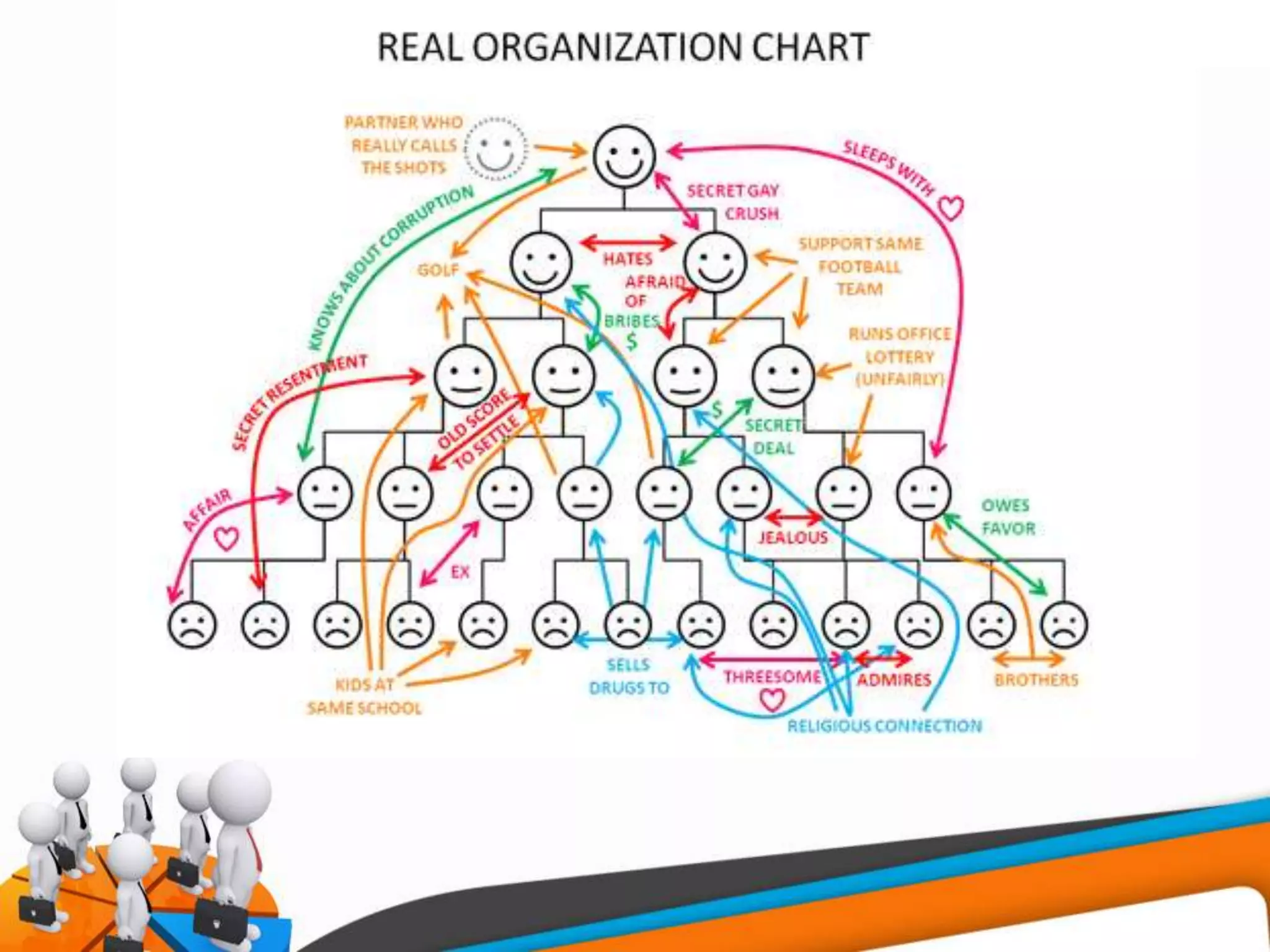
• Real Organization Chart
• Holacracy
Chain of Command
Flow (delegation and use) of
 Authority
 Responsibility
At every Level
• From Top to Bottom
Within
 Organization
Why Chain of Command?
 What would you do?
 Who reports to whom?
 To whom should you go if have
some issues/problems?
Three factors help to understand chain of command
 Authority
The rights inherent in a managerial position
•Line Authority
•Staff Authority
Acceptance theory of authority
Responsibility
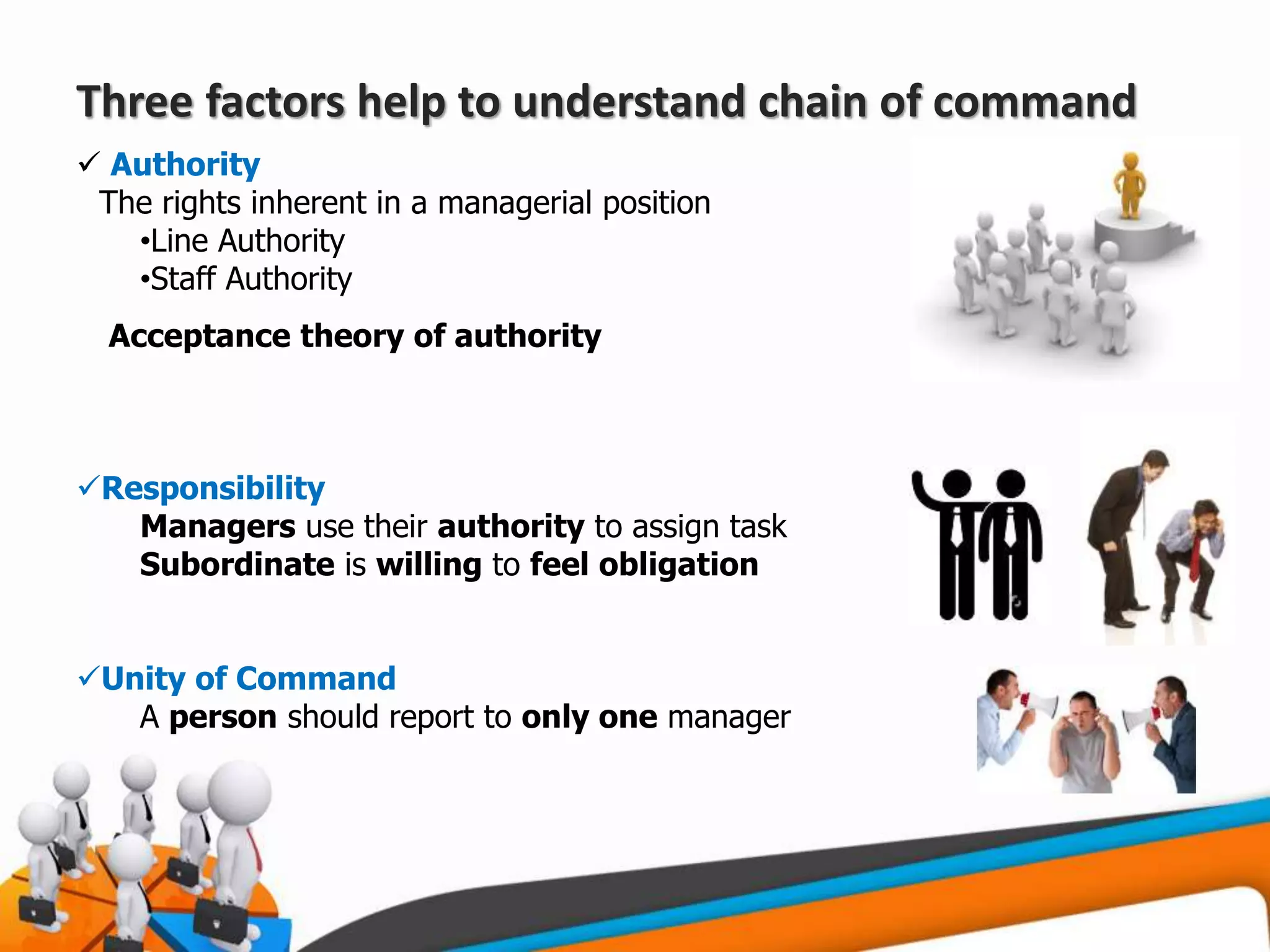
Managers use their authority to assign task
Subordinate is willing to feel obligation
Unity of Command
A person should report to only one manager
Span of Control
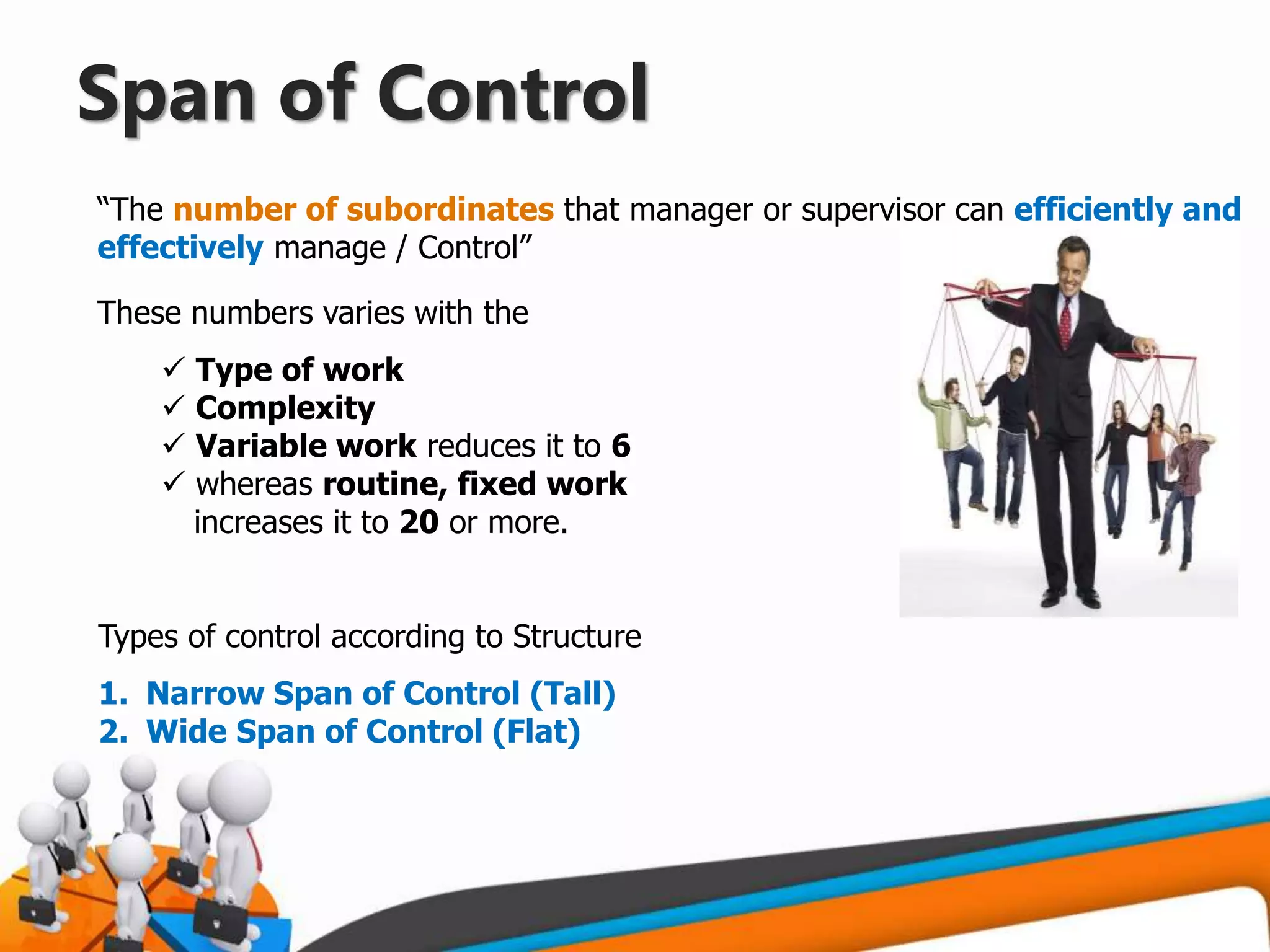
“The number of subordinates that manager or supervisor can efficiently and
effectively manage / Control”
These numbers varies with the
 Type of work
 Complexity
 Variable work reduces it to 6
 whereas routine, fixed work
increases it to 20 or more.
Types of control according to Structure
1. Narrow Span of Control (Tall)
2. Wide Span of Control (Flat)
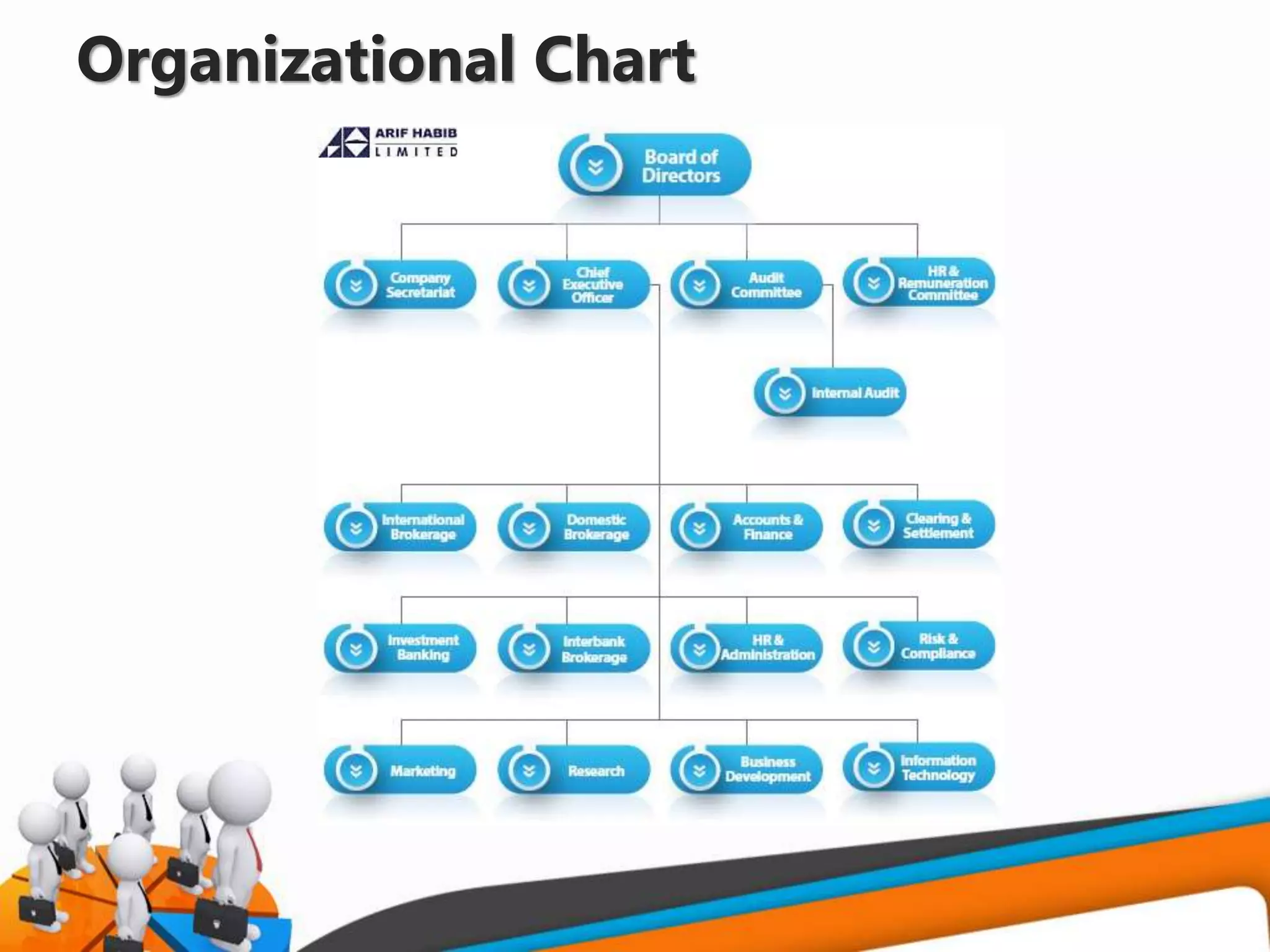
Organizational Chart
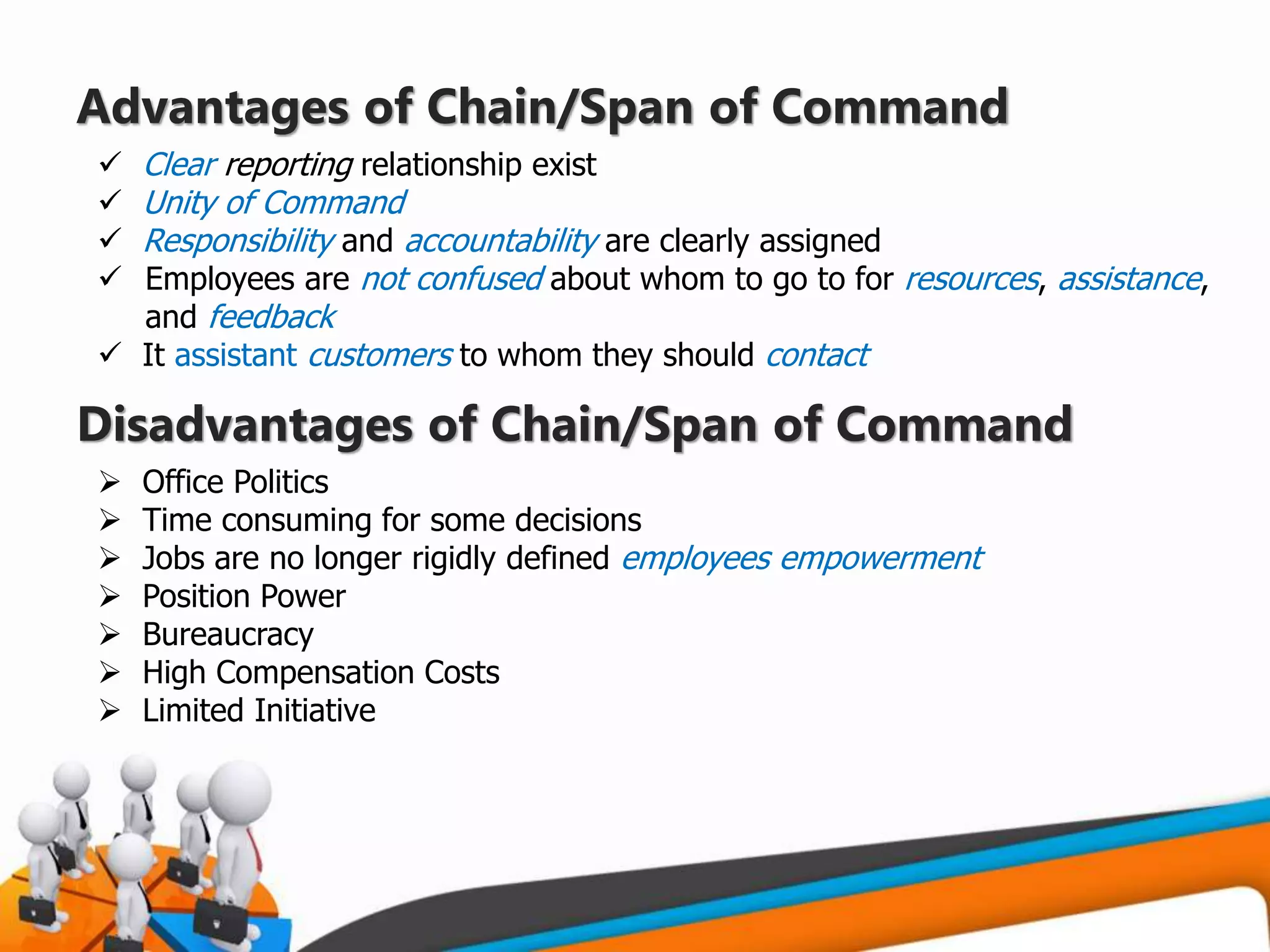
Advantages of Chain/Span of Command
 Clear reporting relationship exist
 Unity of Command
 Responsibility and accountability are clearly assigned
 Employees are not confused about whom to go to for resources, assistance,
and feedback
 It assistant customers to whom they should contact
 Office Politics
 Time consuming for some decisions
 Jobs are no longer rigidly defined employees empowerment
 Position Power
 Bureaucracy
 High Compensation Costs
 Limited Initiative
Disadvantages of Chain/Span of Command
HOLACRACY
A Complete System for Self Organization
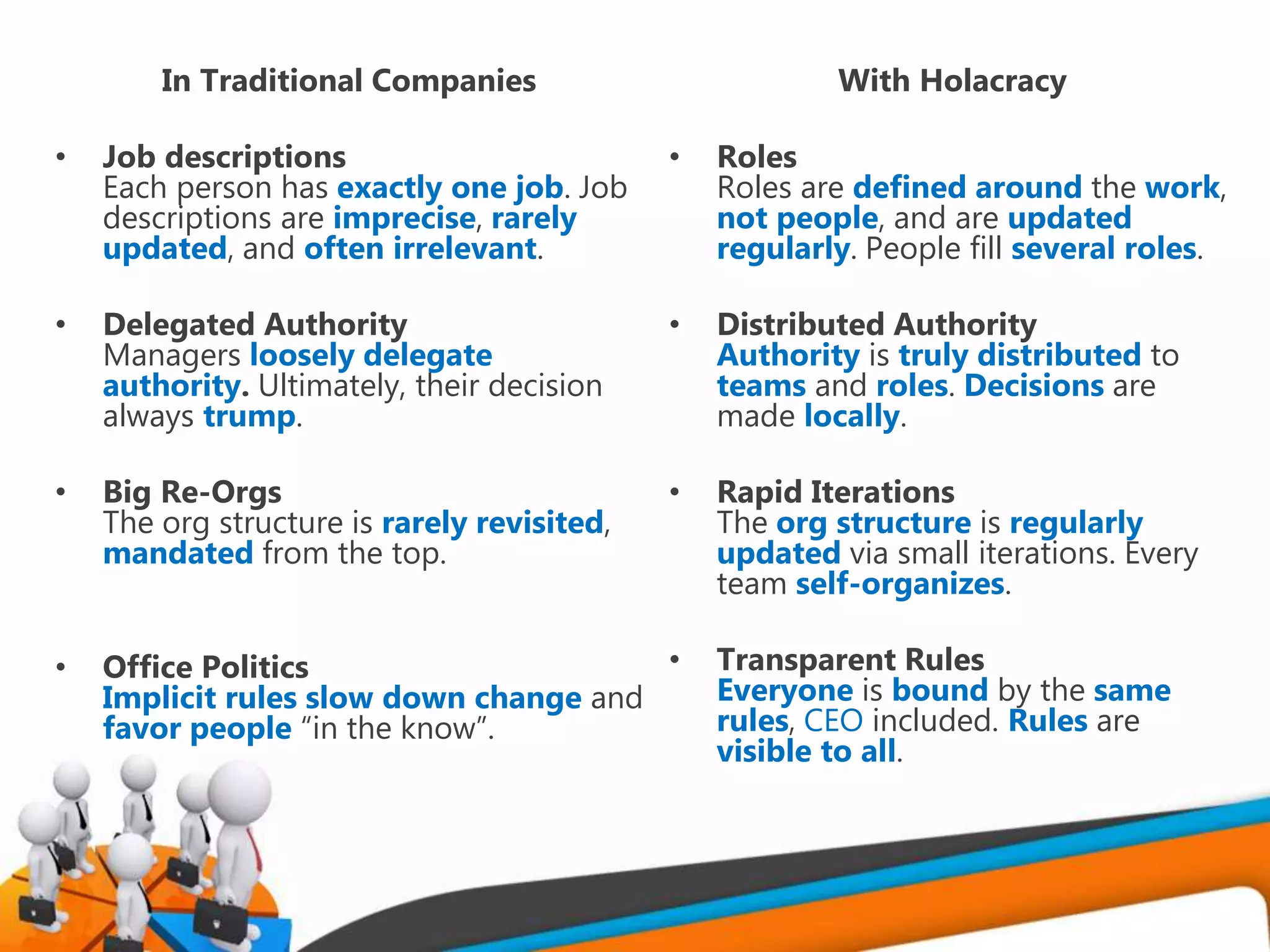
In Traditional Companies
• Job descriptions
Each person has exactly one job. Job
descriptions are imprecise, rarely
updated, and often irrelevant.
• Delegated Authority
Managers loosely delegate
authority. Ultimately, their decision
always trump.
• Big Re-Orgs
The org structure is rarely revisited,
mandated from the top.
• Office Politics
Implicit rules slow down change and
favor people “in the know”.
With Holacracy
• Roles
Roles are defined around the work,
not people, and are updated
regularly. People fill several roles.
• Distributed Authority
Authority is truly distributed to
teams and roles. Decisions are
made locally.
• Rapid Iterations
The org structure is regularly
updated via small iterations. Every
team self-organizes.
• Transparent Rules
Everyone is bound by the same
rules, CEO included. Rules are
visible to all.

Organization Structure.pdf

  • 1.
    Organizational Structure • WorkSpecialization • Departmentalization • Centralization & Decentralization • CHAIN of COMMAND • SPAN of CONTROL • Formalization Six Key Elements of Organization Structure Muhammad Ejaz Semester 3 Section A Enterprise Management Sir Hafeez ur Rehman
  • 2.
    Contents • Chain ofCommand – Three factors to understand Chain of Command • Span of Control • Organization Chart • Advantages and Disadvantages of Span of Control • Real Organization Chart • Holacracy
  • 3.
    Chain of Command Flow(delegation and use) of  Authority  Responsibility At every Level • From Top to Bottom Within  Organization Why Chain of Command?  What would you do?  Who reports to whom?  To whom should you go if have some issues/problems?
  • 4.
    Three factors helpto understand chain of command  Authority The rights inherent in a managerial position •Line Authority •Staff Authority Acceptance theory of authority Responsibility Managers use their authority to assign task Subordinate is willing to feel obligation Unity of Command A person should report to only one manager
  • 5.
    Span of Control “Thenumber of subordinates that manager or supervisor can efficiently and effectively manage / Control” These numbers varies with the  Type of work  Complexity  Variable work reduces it to 6  whereas routine, fixed work increases it to 20 or more. Types of control according to Structure 1. Narrow Span of Control (Tall) 2. Wide Span of Control (Flat)
  • 6.
  • 7.
    Advantages of Chain/Spanof Command  Clear reporting relationship exist  Unity of Command  Responsibility and accountability are clearly assigned  Employees are not confused about whom to go to for resources, assistance, and feedback  It assistant customers to whom they should contact  Office Politics  Time consuming for some decisions  Jobs are no longer rigidly defined employees empowerment  Position Power  Bureaucracy  High Compensation Costs  Limited Initiative Disadvantages of Chain/Span of Command
  • 9.
    HOLACRACY A Complete Systemfor Self Organization
  • 10.
    In Traditional Companies •Job descriptions Each person has exactly one job. Job descriptions are imprecise, rarely updated, and often irrelevant. • Delegated Authority Managers loosely delegate authority. Ultimately, their decision always trump. • Big Re-Orgs The org structure is rarely revisited, mandated from the top. • Office Politics Implicit rules slow down change and favor people “in the know”. With Holacracy • Roles Roles are defined around the work, not people, and are updated regularly. People fill several roles. • Distributed Authority Authority is truly distributed to teams and roles. Decisions are made locally. • Rapid Iterations The org structure is regularly updated via small iterations. Every team self-organizes. • Transparent Rules Everyone is bound by the same rules, CEO included. Rules are visible to all.