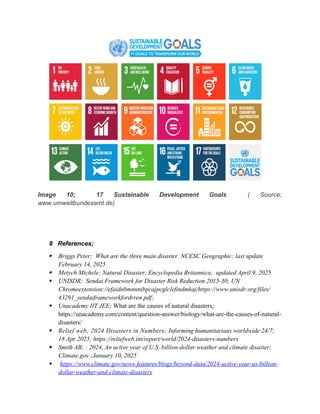
For ensuring appropriate level of disaster management , it will remain critical to understand the various categories of disasters, factors which cause such disasters and adverse impact they have at the local level on local communities. Preparing local level vulnerability maps, based on the prevailing typologies of disasters and mapping vulnerable local communities , will remain crucial for evolving effective risk management strategies. Effectively, efficiently and realistically mapping potential hazards, will invariably help in empowering and better prepare, parastatal agencies and local communities, to face various emergencies, mitigate the impacts of disasters, and enhance collective ability to recover from disasters. Effective preparedness would also involve understanding of the various phases of disaster management, as well as evolving appropriate, realistic, rational and effective strategies/options/policies/programs needed to reduce the risks and respond effectively to impending disasters. Building resilient and safe communities and minimising damage/loss caused by disasters, a proactive and well-defined approach, will always remain valuable and critical. Entire community of nations must come on the same platform/wavelength to co-operate, collaborate and support the global efforts of making, ‘Cities and Communities, Safe, Resilient, Inclusive and Sustainable”, as mandated in SDG11, to usher an era of safety, security, peace and prosperity, across nations and communities