LSU Resilience Symposium 2013
Daniel Nguyen
danielnguyen@mqvncdc.org
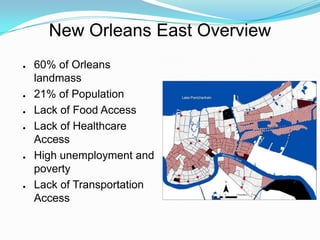
New Orleans East Overview
●

●
●
●

●

●

60% of Orleans
landmass
21% of Population
Lack of Food Access
Lack of Healthcare
Access
High unemployment and
poverty
Lack of Transportation
Access
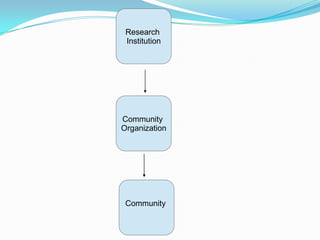
Research
Institution

Community
Organization

Community
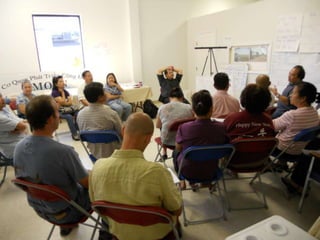
Community-Scientist Relations
When asked who understood effects of oil spill:
● People in Community understand effects (76%)
● Scientists understand effects (36%)
Interestingly, 84% of participants noted a partnership
between scientists and community could address
issues regarding the BP oil spill
Results of the 'Safe Shrimp' Study
●

●

●

●

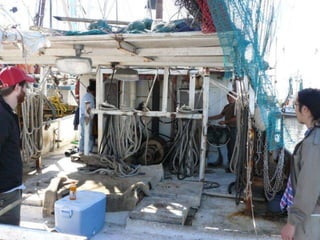
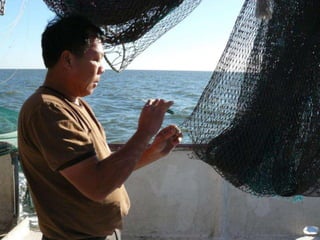
Samples of white shrimp were collected from specific,
local harvest areas and from two local grocery stores in
the fall of 2010
Each sample was analyzed for the presence and levels
of >61 specific petroleum-related compounds, many
found in Louisiana sweet crude oil
Results are given in “parts per billion” and indicate
almost no crude oil or other hydrocarbon compounds
are present in the locally harvested samples
Observed levels of total hydrocarbons were well below
State and Federal consumption safety threshold levels
Next Steps
●
●

Long term seafood study (NIEHS Grant)
Apply model to other community environmental
concerns
●
●
●
●

Agricultural Concerns
Soil Contamination
Water Contamination
Air Quality
Lessons Learned
●
●
●

●
●
●
●

Language Access / Cultural Competency
Effective Information Dissemination
Work with Communities (CBPR)
Fund local non-profits directly
Hire Local
Avoid 'Survey Fatigue'
Give communities part-ownership of data

Louisiana Vietnamase Community Impacted by Oil Spill

  • 1.
    LSU Resilience Symposium2013 Daniel Nguyen danielnguyen@mqvncdc.org
  • 2.
    New Orleans EastOverview ● ● ● ● ● ● 60% of Orleans landmass 21% of Population Lack of Food Access Lack of Healthcare Access High unemployment and poverty Lack of Transportation Access
  • 3.
  • 5.
    Community-Scientist Relations When askedwho understood effects of oil spill: ● People in Community understand effects (76%) ● Scientists understand effects (36%) Interestingly, 84% of participants noted a partnership between scientists and community could address issues regarding the BP oil spill
  • 16.
    Results of the'Safe Shrimp' Study ● ● ● ● Samples of white shrimp were collected from specific, local harvest areas and from two local grocery stores in the fall of 2010 Each sample was analyzed for the presence and levels of >61 specific petroleum-related compounds, many found in Louisiana sweet crude oil Results are given in “parts per billion” and indicate almost no crude oil or other hydrocarbon compounds are present in the locally harvested samples Observed levels of total hydrocarbons were well below State and Federal consumption safety threshold levels
  • 17.
    Next Steps ● ● Long termseafood study (NIEHS Grant) Apply model to other community environmental concerns ● ● ● ● Agricultural Concerns Soil Contamination Water Contamination Air Quality
  • 18.
    Lessons Learned ● ● ● ● ● ● ● Language Access/ Cultural Competency Effective Information Dissemination Work with Communities (CBPR) Fund local non-profits directly Hire Local Avoid 'Survey Fatigue' Give communities part-ownership of data