NEONATAL SEPSIS
PROTOCOLS
Dr Ajay Prakaash
Senior resident
Neonatology
KIMS, Trivandrum
■ Neonatal sepsis is a clinical syndrome characterized by signs
and symptoms of infection
■ Sepsis is an important cause of morbidity and mortality in
newborns
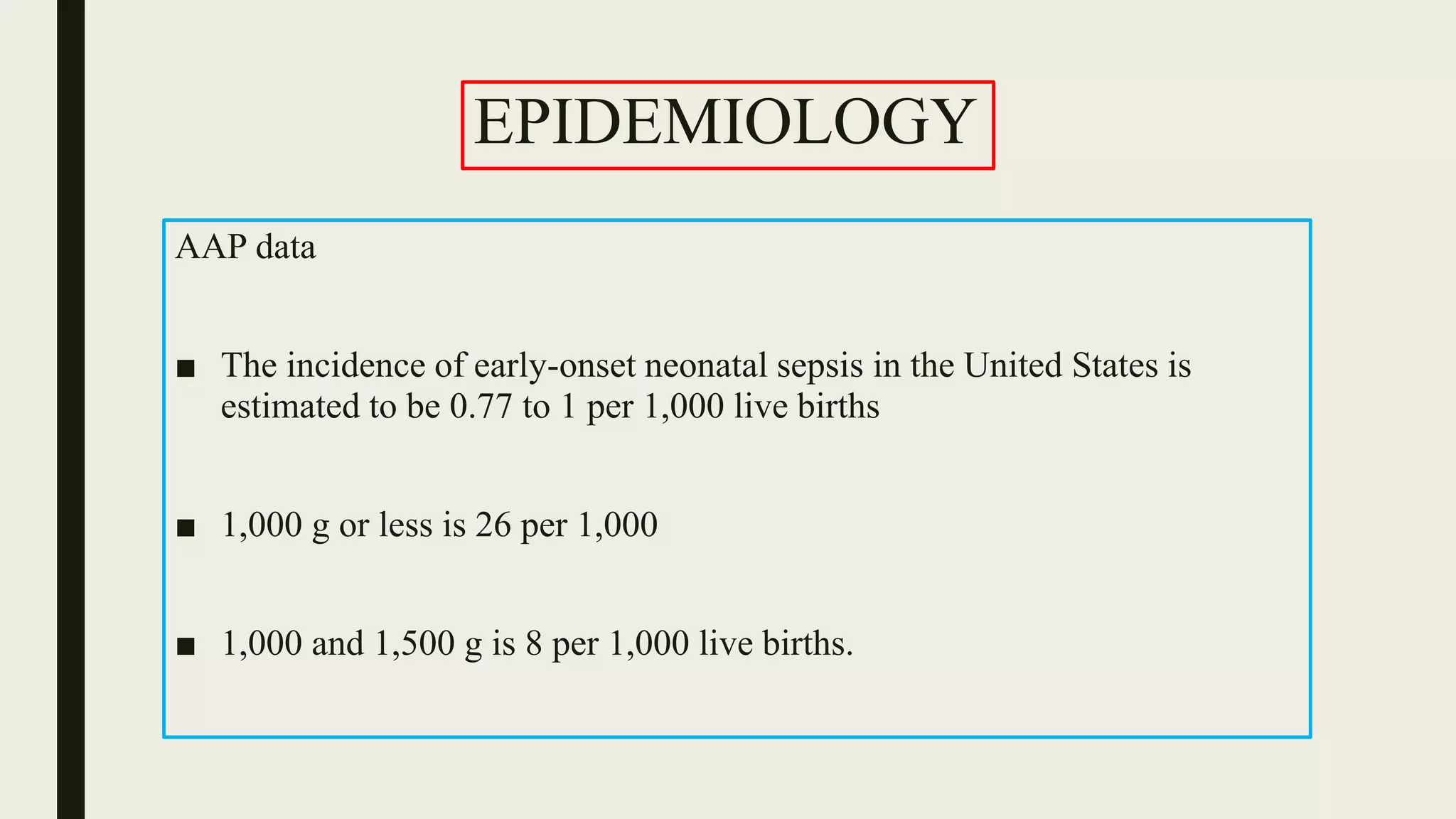
EPIDEMIOLOGY
AAP data
■ The incidence of early-onset neonatal sepsis in the United States is
estimated to be 0.77 to 1 per 1,000 live births
■ 1,000 g or less is 26 per 1,000
■ 1,000 and 1,500 g is 8 per 1,000 live births.
NNPD data (2002-03)
■ The incidence of neonatal sepsis is 30 per 1000 live births
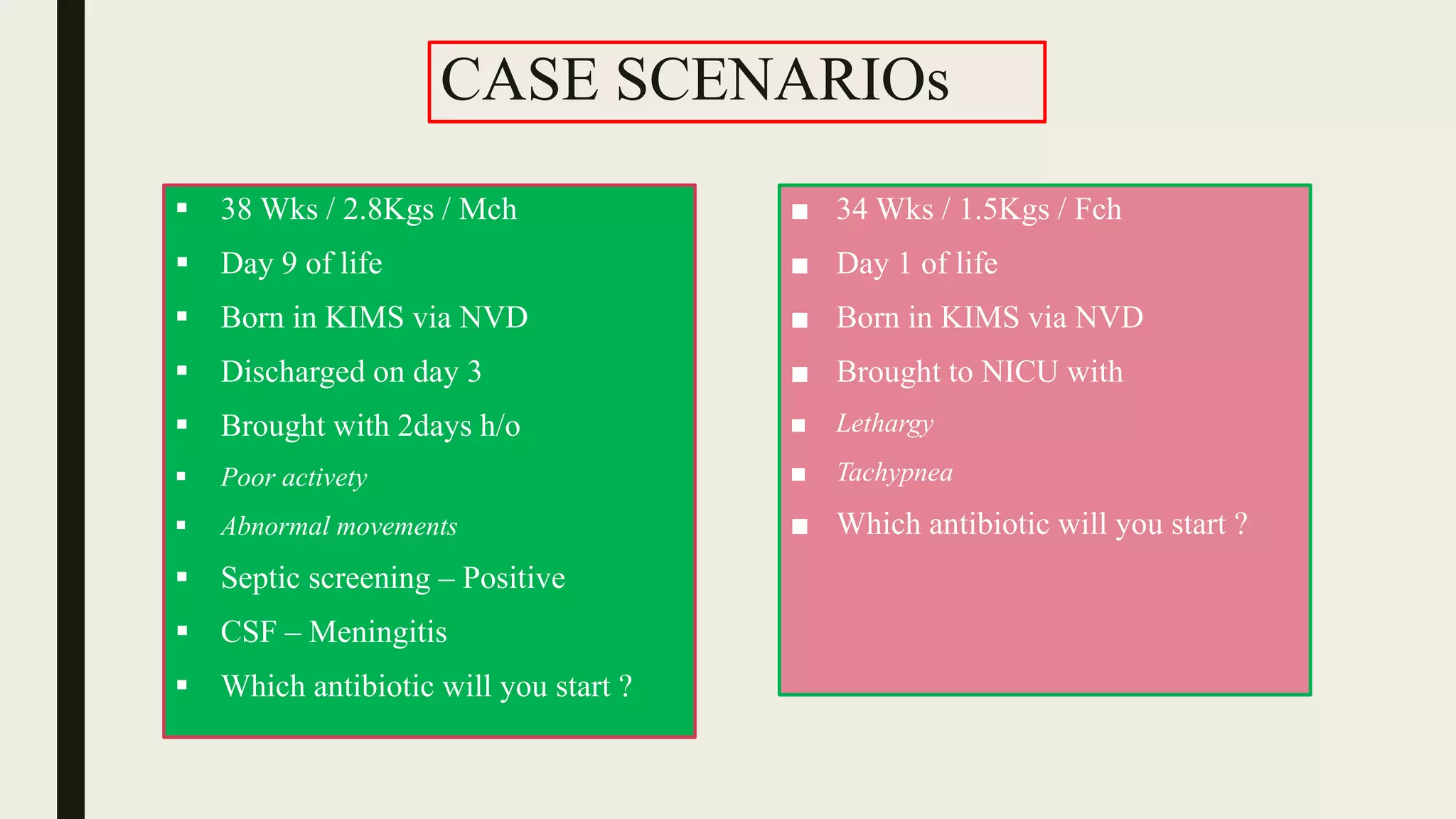
CASE SCENARIOs
 38 Wks / 2.8Kgs / Mch
 Day 9 of life
 Born in KIMS via NVD
 Discharged on day 3
 Brought with 2days h/o
 Poor activety
 Abnormal movements
 Septic screening – Positive
 CSF – Meningitis
 Which antibiotic will you start ?
■ 34 Wks / 1.5Kgs / Fch
■ Day 1 of life
■ Born in KIMS via NVD
■ Brought to NICU with
■ Lethargy
■ Tachypnea
■ Which antibiotic will you start ?
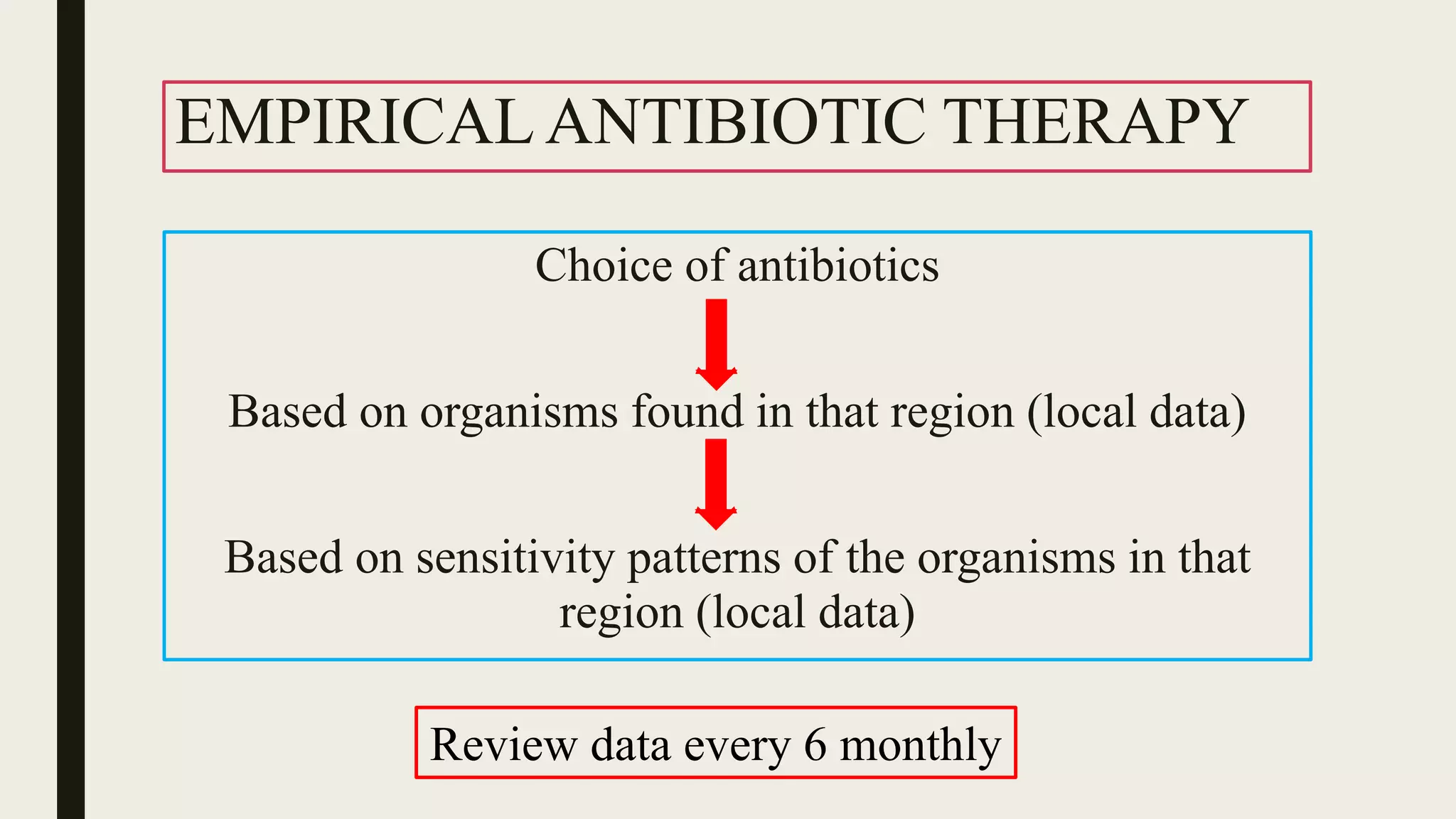
EMPIRICAL ANTIBIOTIC THERAPY
Choice of antibiotics
Based on organisms found in that region (local data)
Based on sensitivity patterns of the organisms in that
region (local data)
Review data every 6 monthly
PATHOGENS
■ Group B streptococcus and Escherichia coli - 70%
■ Streptococci viridans, Streptococcus pneumoniae
■ Staphylococcus aureus
■ Enterococcus
■ Gram-negative enteric bacilli such as Enterobacter spp, Haemophilus
influenzae
■ Listeria monocytogenes
Preterm and VLBW infants:
■ Escherichia coli and other gram-negative rods common etiology of EONS
in this population
Indian data
In hospital born neonates:
■ Klebsiella pneumoniae (32.5%)
■ Staphylococcus aureus (13.6%)
■ Group B streptococcus (1%)
Community and Out born neonates:
■ Klebsiella pneumoniae (27%)
■ Staphylococcus aureus (15%)
■ Pseudomonas (13%)
EONS vs LONS
■ EONS – Sepsis occurring within 72 hrs of life
■ LONS – Sepsis occurring after 72 hrs of life
■ Canadian paediatric society (Jan 2017) – Sepsis occurring within 7 days
of birth
■ No difference between EONS and LONS in our setting
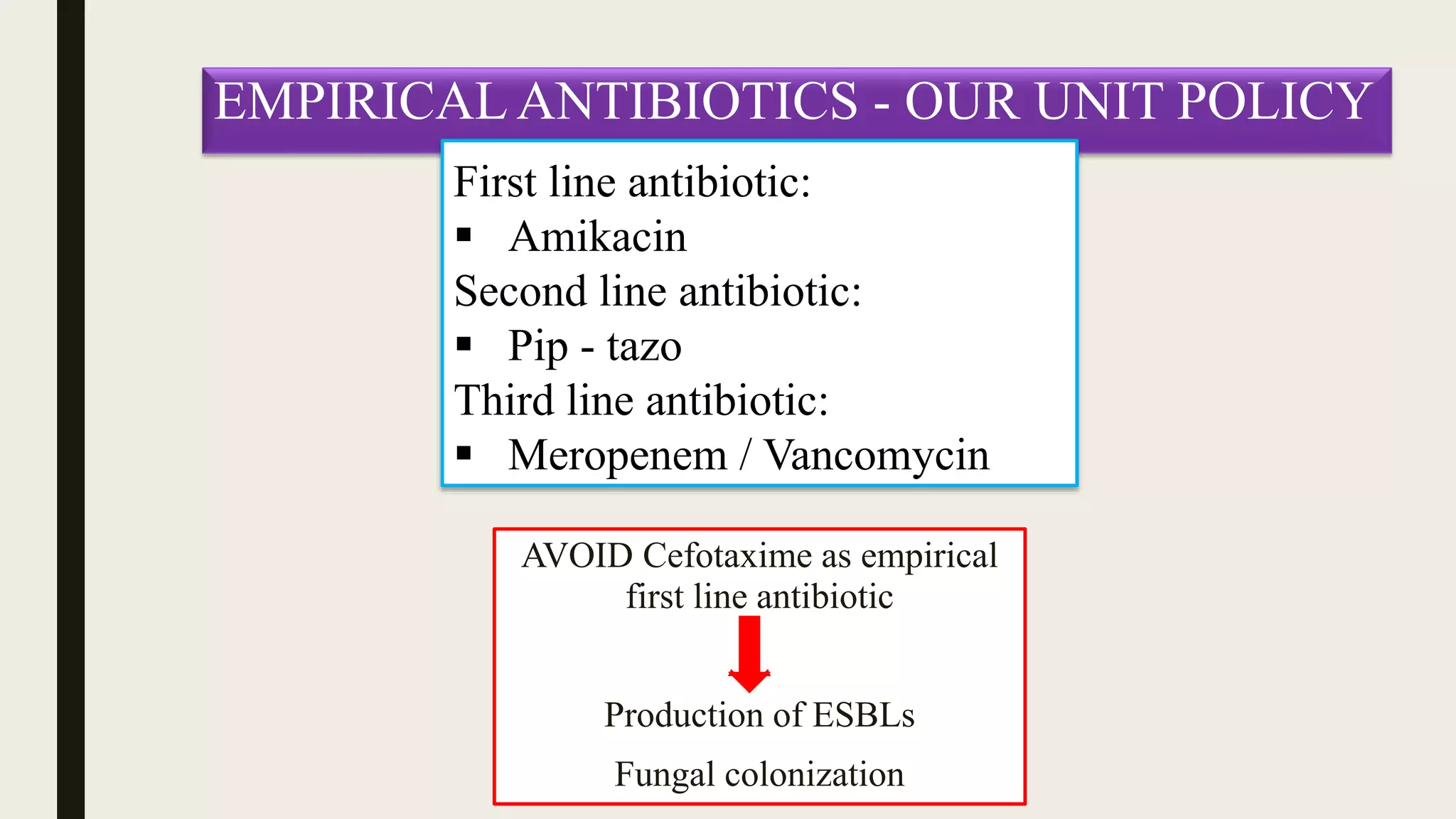
EMPIRICAL ANTIBIOTICS - OUR UNIT POLICY
First line antibiotic:
 Amikacin
Second line antibiotic:
 Pip - tazo
Third line antibiotic:
 Meropenem / Vancomycin
AVOID Cefotaxime as empirical
first line antibiotic
Production of ESBLs
Fungal colonization
CASE SCENARIOs
 38 Wks / 2.8Kgs / Mch
 Day 9 of life
 Born in KIMS via NVD
 Discharged on day 3
 Brought with 2days h/o
 Poor activety
 Abnormal movements
 Septic screening – Positive
 CSF – Meningitis
 Which antibiotic will you start ?
■ 34 Wks / 1.5Kgs / Fch
■ Day 1 of life
■ Born in KIMS via NVD
■ Brought to NICU with
■ Lethargy
■ Tachypnea
■ Which antibiotic will you start ?
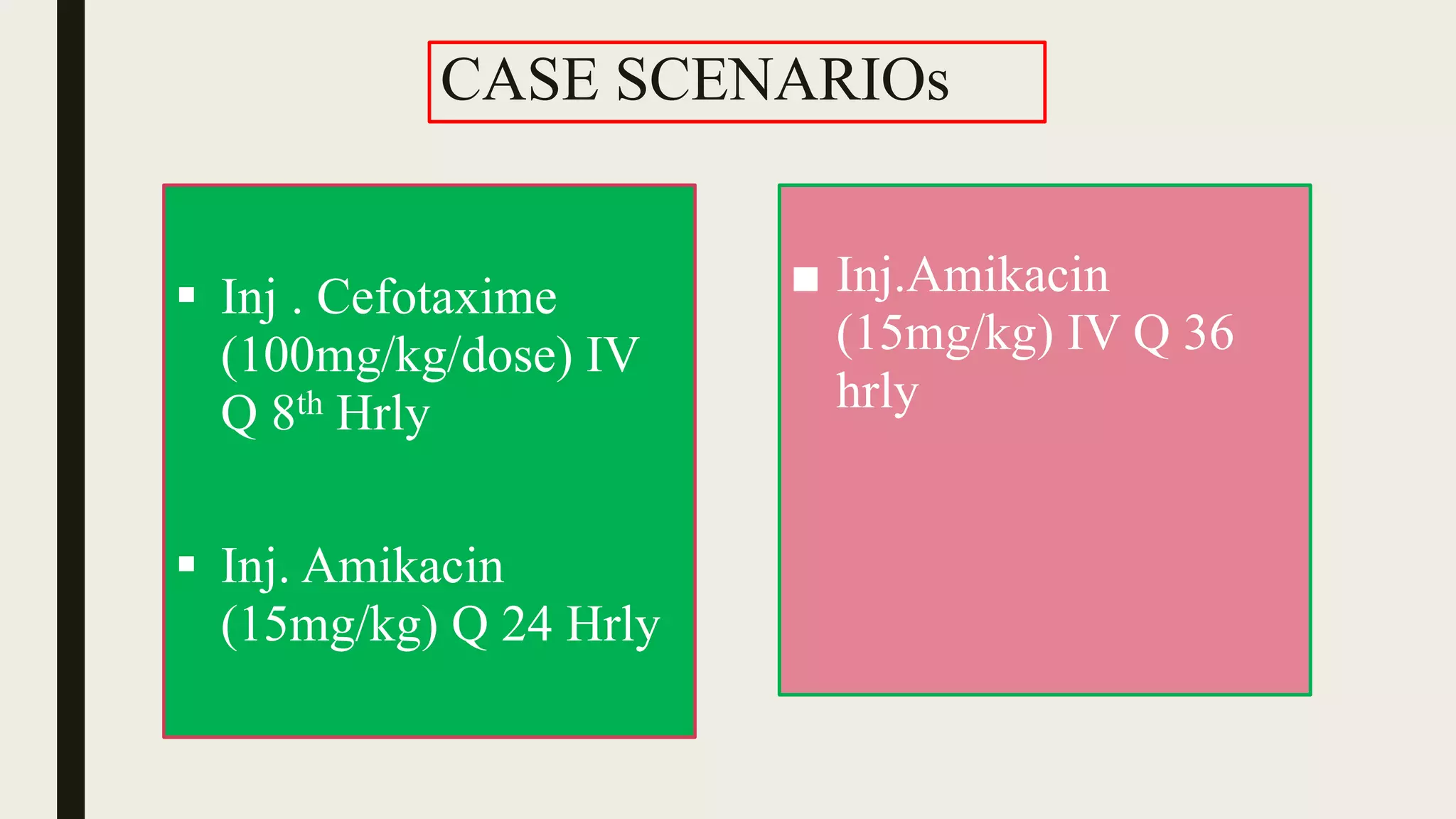
CASE SCENARIOs
 Inj . Cefotaxime
(100mg/kg/dose) IV
Q 8th Hrly
 Inj. Amikacin
(15mg/kg) Q 24 Hrly
■ Inj.Amikacin
(15mg/kg) IV Q 36
hrly
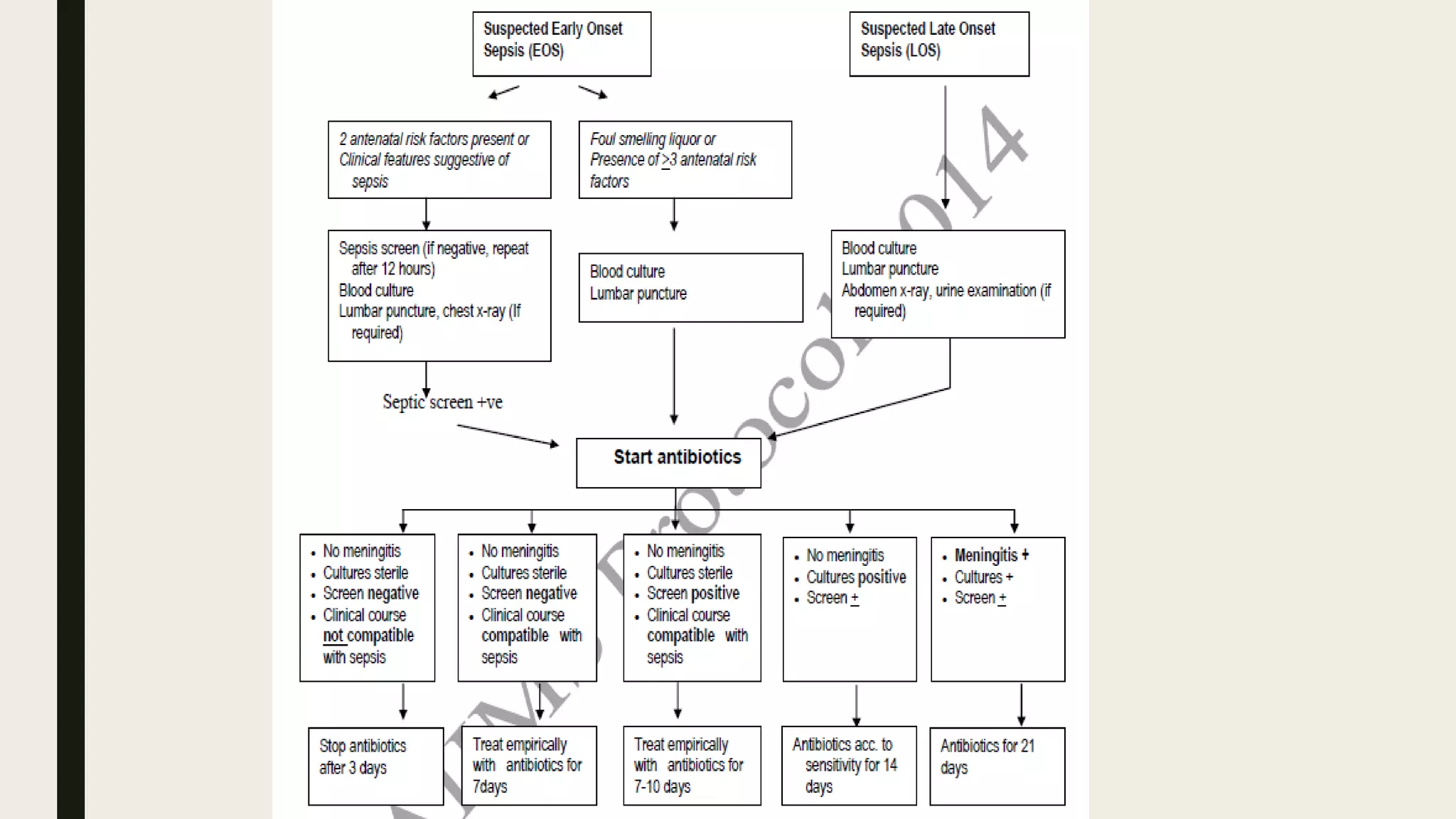
1. When to suspect EONS
2. How to screen for EONS
3. How long to treat for EONS
RISK FACTORS FOR EARLY-ONSET
BACTERIAL SEPSIS
1. Maternal intrapartum GBS colonization during the current pregnancy
2. GBS bacteriuria at any time during the current pregnancy
3. A previous infant with invasive GBS disease
4. Prolonged rupture of membranes ≥18 h
5. Maternal fever (temperature ≥38°C)
Presence of more than one risk factor increases the likelihood of EONS
Presence of more than
one of the above risk
factor
GBS positive and
IAP received
1. Evaluation of asymptomatic infants <37 weeks gestation with or without
chorioamnionitis
2. Evaluation of asymptomatic infants ≥37 weeks’ gestation with risk
factors for sepsis with chorioamnionitis
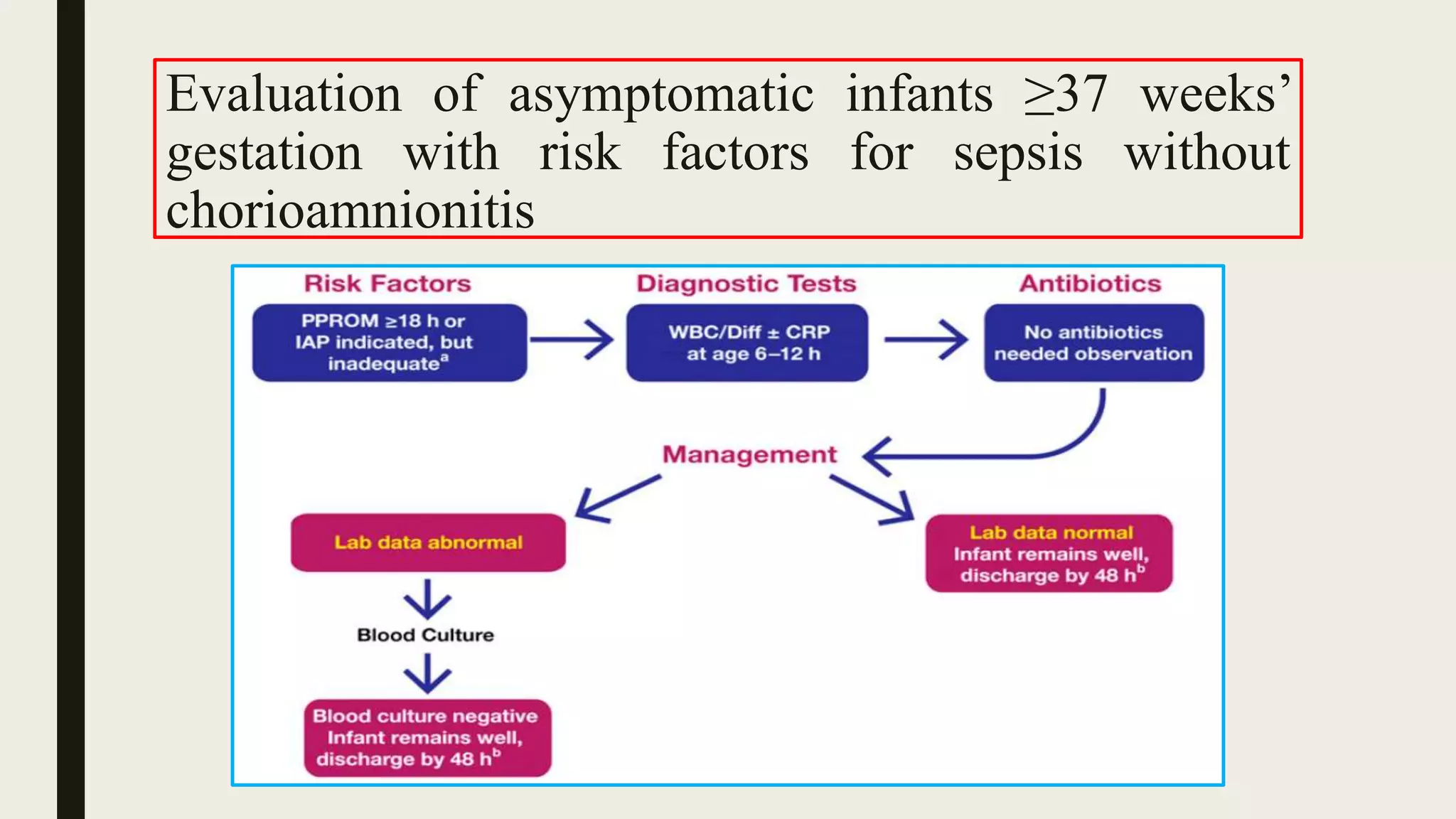
3. Evaluation of asymptomatic infants ≥37 weeks’ gestation with risk
factors for sepsis without chorioamnionitis
Definition of chorioamnionitis?
Clinical signs and symptoms of chorioamnionitis include:
1. Fever: T > 101 º F (38.3 º C) at any time or intrapartum T >100.4 º F
(>37.8 º C) twice, more than 1 hour apart
2. Maternal tachycardia (>100-120 beats per minute [bpm])
3. Fetal tachycardia (>160-180 bpm)
4. Purulent or foul-smelling amniotic fluid/vaginal discharge
5. Uterine fundal tenderness
6. Maternal leukocytosis (total >15,000-18,000 cells/μL)
Evaluation of asymptomatic infants <37 weeks
gestation with risk factors for sepsis
Evaluation of asymptomatic infants ≥37 weeks’
gestation with risk factors for sepsis with
chorioamnionitis
Evaluation of asymptomatic infants ≥37 weeks’
gestation with risk factors for sepsis without
chorioamnionitis
AIIMS Neonatal Sepsis Protocol - 2014
Risk factors associated with an increased risk of early onset sepsis
1. Low birth weight (<2500 grams) or prematurity
2. Febrile illness in the mother with evidence of bacterial infection within 2
weeks prior to delivery
3. Foul smelling and/or meconium stained liquor
4. Rupture of membranes >24 hours
5. Single unclean or > 3 sterile vaginal examination(s) during labor
6. Prolonged labor (sum of 1st and 2nd stage of labor > 24 hrs)
7. Perinatal asphyxia (Apgar score <4 at 1 minute)
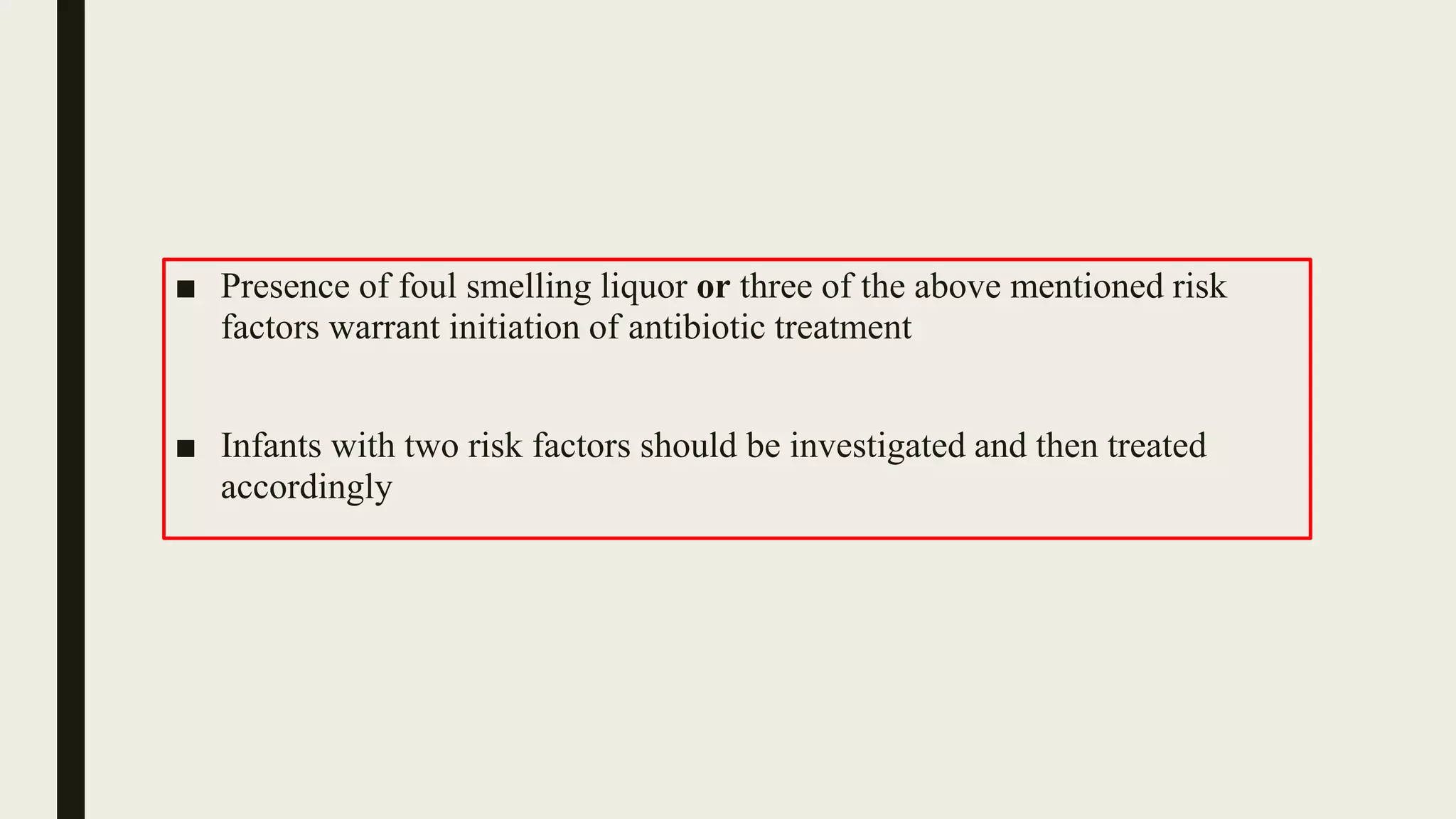
■ Presence of foul smelling liquor or three of the above mentioned risk
factors warrant initiation of antibiotic treatment
■ Infants with two risk factors should be investigated and then treated
accordingly
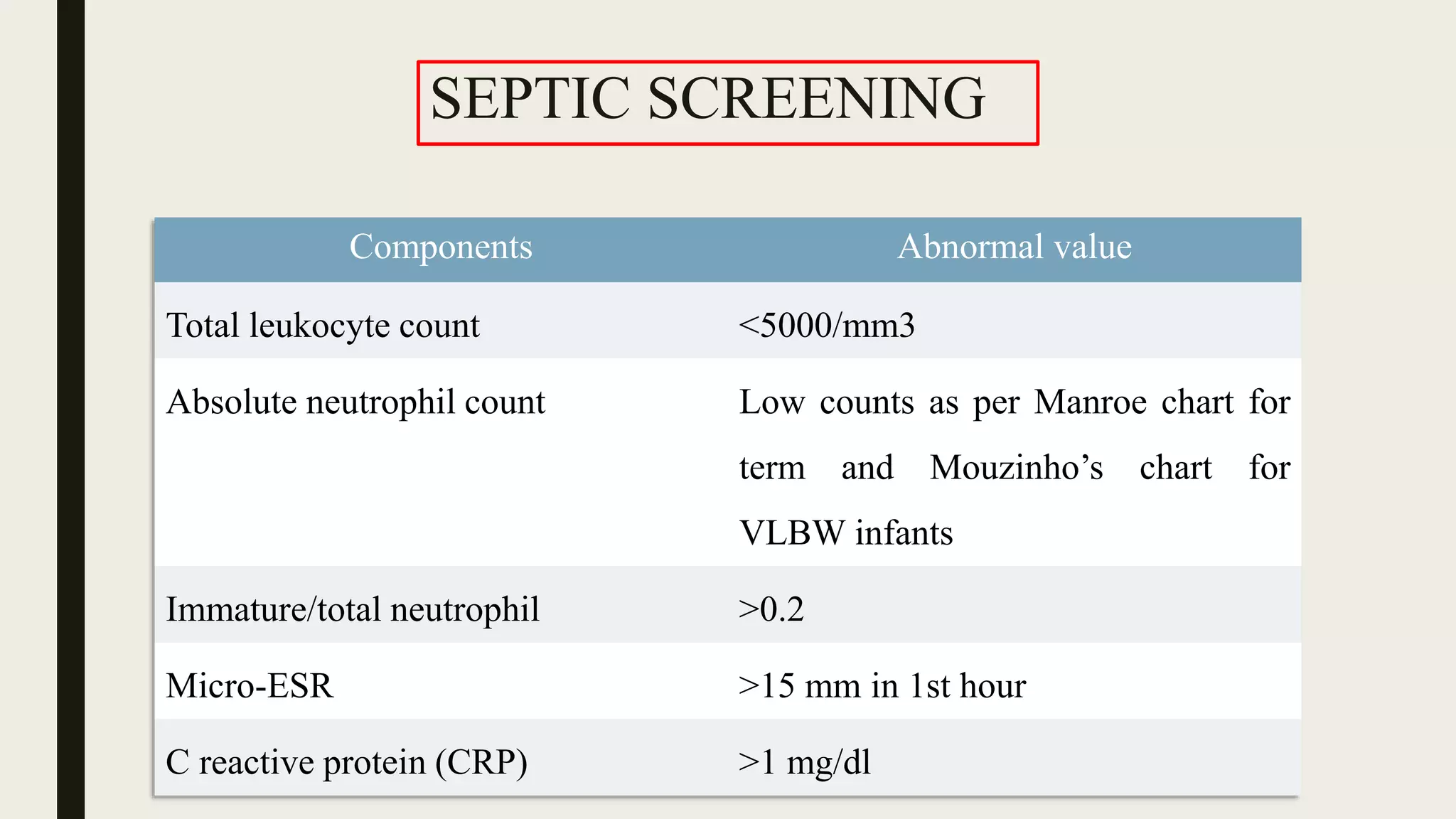
SEPTIC SCREENING
Components Abnormal value
Total leukocyte count <5000/mm3
Absolute neutrophil count Low counts as per Manroe chart for
term and Mouzinho’s chart for
VLBW infants
Immature/total neutrophil >0.2
Micro-ESR >15 mm in 1st hour
C reactive protein (CRP) >1 mg/dl
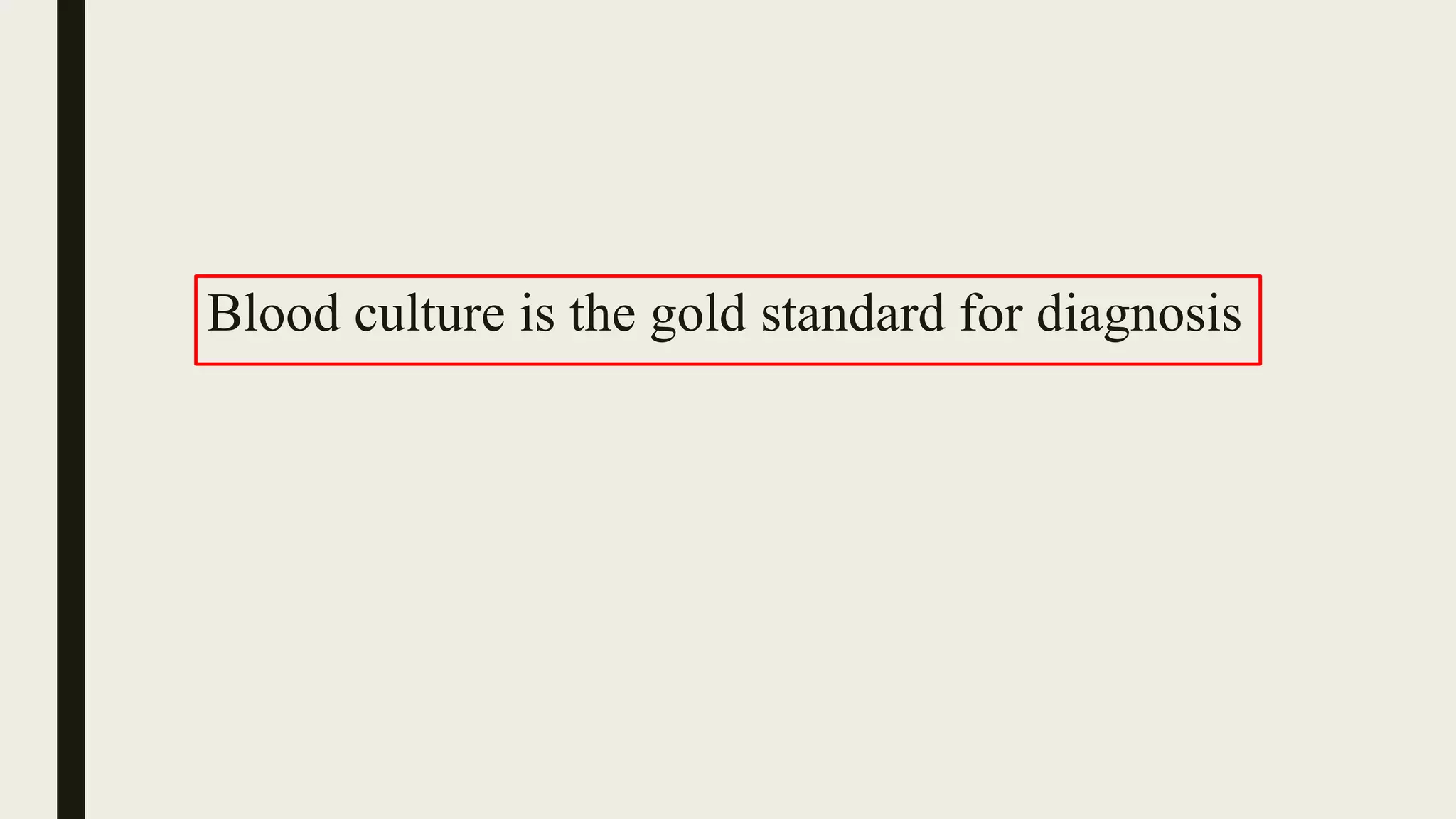
Blood culture is the gold standard for diagnosis
■ GBS prenatal screening adopted in the United States is based on
recommendations from the CDC and American College of Obstetrics and
Gynecology
■ IAP has reduced the incidence rate GBS – EONS to 0.35 to 0.41/1000
live birth from 1.8/1000 live birth
■ But the rate has remained stable since 2003
Preventive strategies for EONS
■ Retrospective review of 18,300 neonates with 1 week follow up
■ 2 times increased risk of early neonatal sepsis in untreated (no IAP)
maternal GBS
■ Rapid testing method for guidance of IPAs when the mother presents in
labor
■ A maternal vaccine aimed at the most prevalent serotypes of GBS
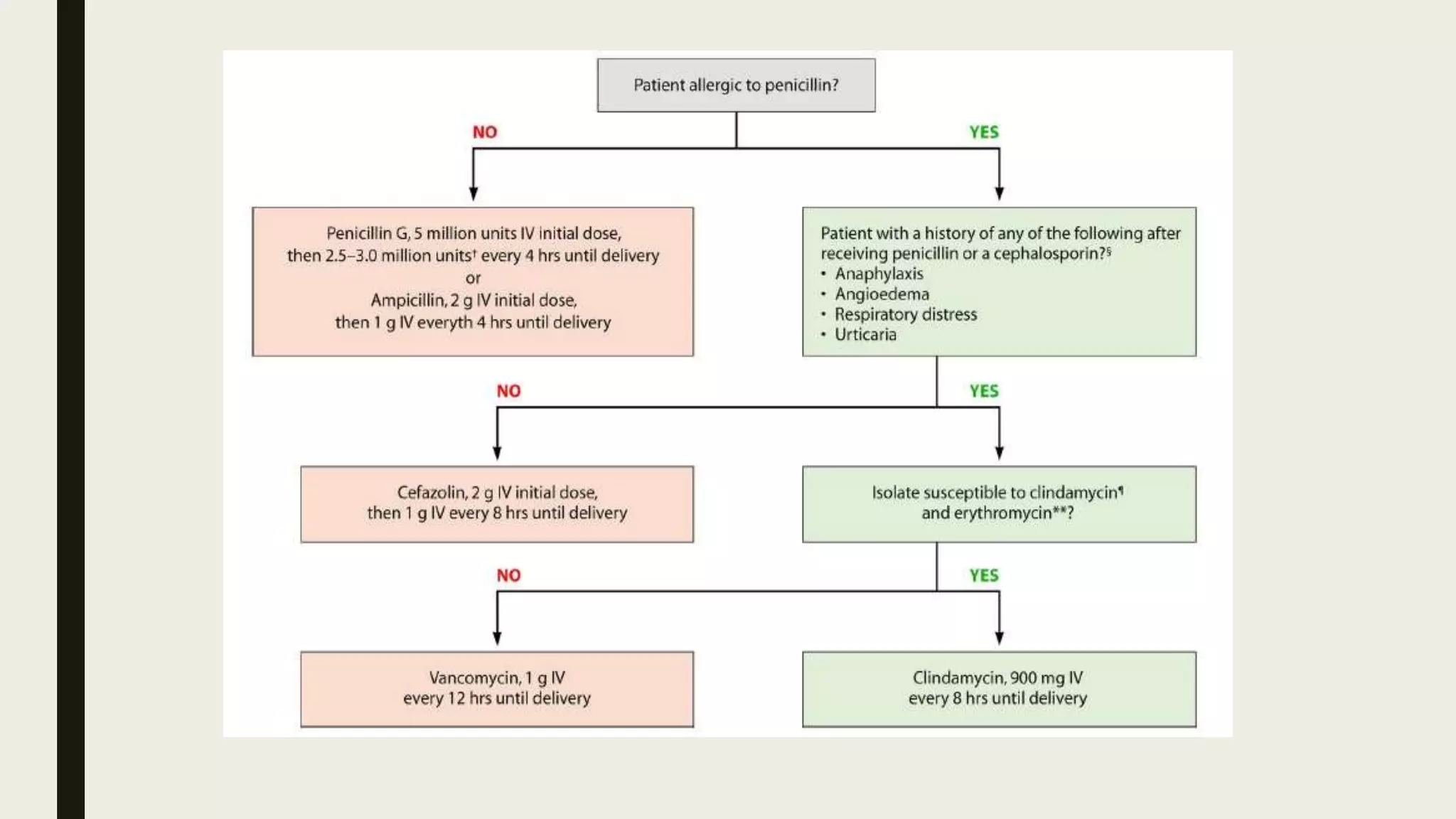
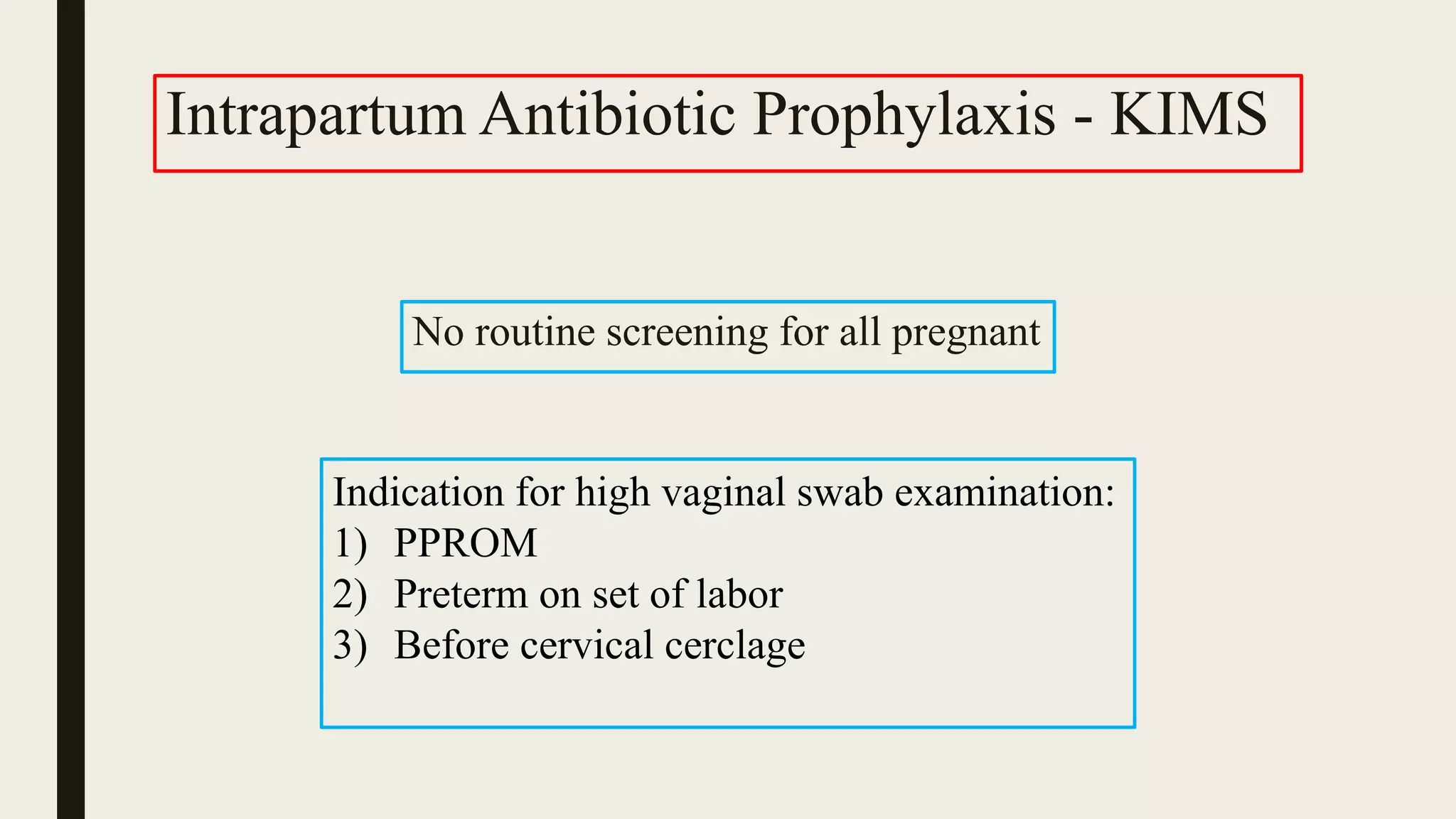
Intrapartum Antibiotic Prophylaxis - KIMS
No routine screening for all pregnant
Indication for high vaginal swab examination:
1) PPROM
2) Preterm on set of labor
3) Before cervical cerclage
Less than 37 weeks with rupture of membrane
■ Ampicillin 2g IV Q6th Hrly for 3 days
■ Long term prophylaxis Erythromycin 250mg Q6th hrly for 10 days
More than 37 weeks with rupture of membrane
■ Inj. Cefuroxime 1.5g
Thank you

Neonatal sepsis protocols

  • 1.
    NEONATAL SEPSIS PROTOCOLS Dr AjayPrakaash Senior resident Neonatology KIMS, Trivandrum
  • 2.
    ■ Neonatal sepsisis a clinical syndrome characterized by signs and symptoms of infection ■ Sepsis is an important cause of morbidity and mortality in newborns
  • 3.
    EPIDEMIOLOGY AAP data ■ Theincidence of early-onset neonatal sepsis in the United States is estimated to be 0.77 to 1 per 1,000 live births ■ 1,000 g or less is 26 per 1,000 ■ 1,000 and 1,500 g is 8 per 1,000 live births.
  • 4.
    NNPD data (2002-03) ■The incidence of neonatal sepsis is 30 per 1000 live births
  • 5.
    CASE SCENARIOs  38Wks / 2.8Kgs / Mch  Day 9 of life  Born in KIMS via NVD  Discharged on day 3  Brought with 2days h/o  Poor activety  Abnormal movements  Septic screening – Positive  CSF – Meningitis  Which antibiotic will you start ? ■ 34 Wks / 1.5Kgs / Fch ■ Day 1 of life ■ Born in KIMS via NVD ■ Brought to NICU with ■ Lethargy ■ Tachypnea ■ Which antibiotic will you start ?
  • 6.
    EMPIRICAL ANTIBIOTIC THERAPY Choiceof antibiotics Based on organisms found in that region (local data) Based on sensitivity patterns of the organisms in that region (local data) Review data every 6 monthly
  • 7.
    PATHOGENS ■ Group Bstreptococcus and Escherichia coli - 70% ■ Streptococci viridans, Streptococcus pneumoniae ■ Staphylococcus aureus ■ Enterococcus ■ Gram-negative enteric bacilli such as Enterobacter spp, Haemophilus influenzae ■ Listeria monocytogenes Preterm and VLBW infants: ■ Escherichia coli and other gram-negative rods common etiology of EONS in this population
  • 8.
    Indian data In hospitalborn neonates: ■ Klebsiella pneumoniae (32.5%) ■ Staphylococcus aureus (13.6%) ■ Group B streptococcus (1%) Community and Out born neonates: ■ Klebsiella pneumoniae (27%) ■ Staphylococcus aureus (15%) ■ Pseudomonas (13%)
  • 9.
    EONS vs LONS ■EONS – Sepsis occurring within 72 hrs of life ■ LONS – Sepsis occurring after 72 hrs of life ■ Canadian paediatric society (Jan 2017) – Sepsis occurring within 7 days of birth ■ No difference between EONS and LONS in our setting
  • 10.
    EMPIRICAL ANTIBIOTICS -OUR UNIT POLICY First line antibiotic:  Amikacin Second line antibiotic:  Pip - tazo Third line antibiotic:  Meropenem / Vancomycin AVOID Cefotaxime as empirical first line antibiotic Production of ESBLs Fungal colonization
  • 11.
    CASE SCENARIOs  38Wks / 2.8Kgs / Mch  Day 9 of life  Born in KIMS via NVD  Discharged on day 3  Brought with 2days h/o  Poor activety  Abnormal movements  Septic screening – Positive  CSF – Meningitis  Which antibiotic will you start ? ■ 34 Wks / 1.5Kgs / Fch ■ Day 1 of life ■ Born in KIMS via NVD ■ Brought to NICU with ■ Lethargy ■ Tachypnea ■ Which antibiotic will you start ?
  • 12.
    CASE SCENARIOs  Inj. Cefotaxime (100mg/kg/dose) IV Q 8th Hrly  Inj. Amikacin (15mg/kg) Q 24 Hrly ■ Inj.Amikacin (15mg/kg) IV Q 36 hrly
  • 13.
    1. When tosuspect EONS 2. How to screen for EONS 3. How long to treat for EONS
  • 15.
    RISK FACTORS FOREARLY-ONSET BACTERIAL SEPSIS 1. Maternal intrapartum GBS colonization during the current pregnancy 2. GBS bacteriuria at any time during the current pregnancy 3. A previous infant with invasive GBS disease 4. Prolonged rupture of membranes ≥18 h 5. Maternal fever (temperature ≥38°C) Presence of more than one risk factor increases the likelihood of EONS
  • 16.
    Presence of morethan one of the above risk factor GBS positive and IAP received
  • 20.
    1. Evaluation ofasymptomatic infants <37 weeks gestation with or without chorioamnionitis 2. Evaluation of asymptomatic infants ≥37 weeks’ gestation with risk factors for sepsis with chorioamnionitis 3. Evaluation of asymptomatic infants ≥37 weeks’ gestation with risk factors for sepsis without chorioamnionitis
  • 21.
    Definition of chorioamnionitis? Clinicalsigns and symptoms of chorioamnionitis include: 1. Fever: T > 101 º F (38.3 º C) at any time or intrapartum T >100.4 º F (>37.8 º C) twice, more than 1 hour apart 2. Maternal tachycardia (>100-120 beats per minute [bpm]) 3. Fetal tachycardia (>160-180 bpm) 4. Purulent or foul-smelling amniotic fluid/vaginal discharge 5. Uterine fundal tenderness 6. Maternal leukocytosis (total >15,000-18,000 cells/μL)
  • 22.
    Evaluation of asymptomaticinfants <37 weeks gestation with risk factors for sepsis
  • 23.
    Evaluation of asymptomaticinfants ≥37 weeks’ gestation with risk factors for sepsis with chorioamnionitis
  • 24.
    Evaluation of asymptomaticinfants ≥37 weeks’ gestation with risk factors for sepsis without chorioamnionitis
  • 25.
    AIIMS Neonatal SepsisProtocol - 2014 Risk factors associated with an increased risk of early onset sepsis 1. Low birth weight (<2500 grams) or prematurity 2. Febrile illness in the mother with evidence of bacterial infection within 2 weeks prior to delivery 3. Foul smelling and/or meconium stained liquor 4. Rupture of membranes >24 hours 5. Single unclean or > 3 sterile vaginal examination(s) during labor 6. Prolonged labor (sum of 1st and 2nd stage of labor > 24 hrs) 7. Perinatal asphyxia (Apgar score <4 at 1 minute)
  • 26.
    ■ Presence offoul smelling liquor or three of the above mentioned risk factors warrant initiation of antibiotic treatment ■ Infants with two risk factors should be investigated and then treated accordingly
  • 27.
    SEPTIC SCREENING Components Abnormalvalue Total leukocyte count <5000/mm3 Absolute neutrophil count Low counts as per Manroe chart for term and Mouzinho’s chart for VLBW infants Immature/total neutrophil >0.2 Micro-ESR >15 mm in 1st hour C reactive protein (CRP) >1 mg/dl
  • 28.
    Blood culture isthe gold standard for diagnosis
  • 30.
    ■ GBS prenatalscreening adopted in the United States is based on recommendations from the CDC and American College of Obstetrics and Gynecology ■ IAP has reduced the incidence rate GBS – EONS to 0.35 to 0.41/1000 live birth from 1.8/1000 live birth ■ But the rate has remained stable since 2003 Preventive strategies for EONS
  • 32.
    ■ Retrospective reviewof 18,300 neonates with 1 week follow up ■ 2 times increased risk of early neonatal sepsis in untreated (no IAP) maternal GBS
  • 33.
    ■ Rapid testingmethod for guidance of IPAs when the mother presents in labor ■ A maternal vaccine aimed at the most prevalent serotypes of GBS
  • 35.
    Intrapartum Antibiotic Prophylaxis- KIMS No routine screening for all pregnant Indication for high vaginal swab examination: 1) PPROM 2) Preterm on set of labor 3) Before cervical cerclage
  • 36.
    Less than 37weeks with rupture of membrane ■ Ampicillin 2g IV Q6th Hrly for 3 days ■ Long term prophylaxis Erythromycin 250mg Q6th hrly for 10 days More than 37 weeks with rupture of membrane ■ Inj. Cefuroxime 1.5g
  • 37.