YOUR PARTNER IN
WOUND CARE
www.triagemeditech.com
WOUND MANAGEMENT
Chronic and complex wound management requires a
systematized and comprehensive approach and represents a
considerable COST BURDEN to the society on health services. It
requires considerable manpower, frequent specialist
consultation and adjunct therapies.
India is known as the diabetes capital of the world and about 5%
of India's total diabetic population develops foot ulcers resulting
in approximately 45,000 lower limb amputations annually
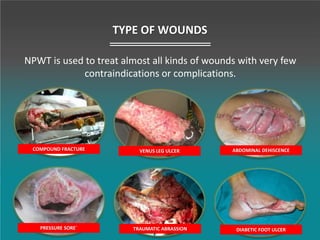
COMPOUND FRACTURE
TRAUMATIC ABRASSIONPRESSURE SORE`
VENUS LEG ULCER
DIABETIC FOOT ULCER
ABDOMINAL DEHISCENCE
TYPE OF WOUNDS
NPWT is used to treat almost all kinds of wounds with very few
contraindications or complications.
NEGATIVE PRESSURE WOUND THERAPY
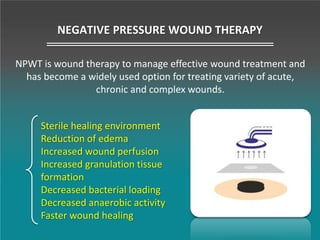
NPWT is wound therapy to manage effective wound treatment and
has become a widely used option for treating variety of acute,
chronic and complex wounds.
Sterile healing environment
Reduction of edema
Increased wound perfusion
Increased granulation tissue
formation
Decreased bacterial loading
Decreased anaerobic activity
Faster wound healing
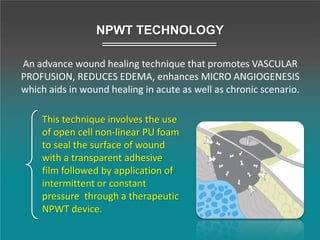
This technique involves the use
of open cell non-linear PU foam
to seal the surface of wound
with a transparent adhesive
film followed by application of
intermittent or constant
pressure through a therapeutic
NPWT device.
NPWT TECHNOLOGY
An advance wound healing technique that promotes VASCULAR
PROFUSION, REDUCES EDEMA, enhances MICRO ANGIOGENESIS
which aids in wound healing in acute as well as chronic scenario.
Wounds heal up to 61%
faster With NPWT
BENEFITS OF NPWT
NPWT has revolutionized the management of wounds. It has many
advantages over conventional methods of wound dressing
Non-invasive treatment
Reduction of dressing changes
Reduced nursing time
Reduced infection risks (patient & hospital)
Concurrent rehabilitation
Better patient tolerance
Cost benefits
Improved patient quality life
Infection rates drop as
much as 38%
Financial burden
decreases up To 83%
• Company: Triage Meditech Pvt Ltd
• Brand : CCNPWT
• One of the fastest growing domestic Medical
Technology companies
• Manufacturer of complete NPWT products and
other advanced wound management products
• Holds over 80% of the domestic market share
• Pan India presence through direct and dealers
network
• Currently exporting to more than 11 countries
ABOUT US
The first company to introduce NPWT technology in India and the
first Indian company to export this technology to outside India. At
present, we are supporting to more than 11 countries
HEALTHCARE FOR ALL
Triage Meditech Pvt. Ltd. is dedicated to support the mission
"healthcare for all". Our mission is to improve healthcare by utilizing
technological advancement and developing best-in-class products.
The company's continuous R&D and evolution efforts towards
manufacturing and promoting indigenous products at affordable
price. We intend to offer the best quality products which help
healthcare professionals and caregivers to offer quality in their
practice and solutions to their patients. We are dedicated to
continuous advancement in our offerings and we understand the
missing or discomfort factors that patients experience. We address
these factors during the planning & development of our products.
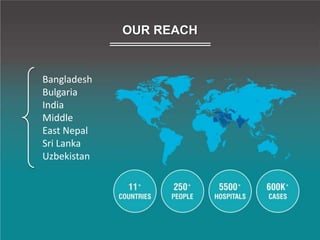
Bangladesh
Bulgaria
India
Middle
East Nepal
Sri Lanka
Uzbekistan
OUR REACH
Complete Portfolio for NPWT Concept
WHY US?
The FIRST company to introduce this concept in India
A COMPLETE manufacturing Indian company for the entire concept
Maintaining international STANDARDS with COST EFFECTIVE solutions
Pan India EFFICIENT sales and support network through direct as well as dealer
network
Best of standard STERILISATION Gama radiation
An ISO 13485:2003 certified and DCGI REGULATED company
Backed by QUALIFIED clinical staffs supervised by a panel of super speciality
physicians for QUALITY ASSURANCE
TRAINED engineer for tech SUPPORT
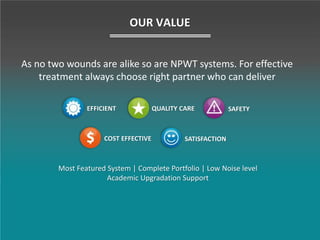
As no two wounds are alike so are NPWT systems. For effective
treatment always choose right partner who can deliver
OUR VALUE
QUALITY CARE SAFETY
COST EFFECTIVE
EFFICIENT
SATISFACTION
Most Featured System | Complete Portfolio | Low Noise level
Academic Upgradation Support
WHAT IS CLOSED CYCLIC NEGATIVE PRESSURE WOUND
THERAPY (CCNPWT)?
NEGATIVE PRESSURE WOUND THERAPY also widely
known as NPWT, WOUND VAC or TNP(Tropical Negative
Pressure) is a widely accepted wound management
modality today, i.e.,
A specially designed foam dressing applied on a wound
bed, sealed with a PU/PE drape further connected with a
drainage tubing to the Therapeutic Negative Pressure
Device
HOW DOES CLOSED CYCLIC NEGATIVE PRESSURE
WOUND THERAPY PROMOTE WOUND HEALING?
 Removes excess fluid (infections and non-infectious),
reduces edema, allowing tissue decompression
 Stimulates granulation tissue formation by increasing
vascular perfusion
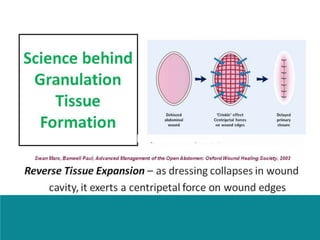
 Encourages mechanical stretching, approximates wound
edges, enhances dermal perfusion, overall wound
contraction
 Protects wound from microbe imbalance
 Maintains a moist wound healing environment
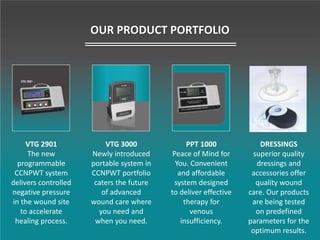
OUR PRODUCT PORTFOLIO
VTG 2901
The new
programmable
CCNPWT system
delivers controlled
negative pressure
in the wound site
to accelerate
healing process.
VTG 3000
Newly introduced
portable system in
CCNPWT portfolio
caters the future
of advanced
wound care where
you need and
when you need.
PPT 1000
Peace of Mind for
You. Convenient
and affordable
system designed
to deliver effective
therapy for
venous
insufficiency.
DRESSINGS
superior quality
dressings and
accessories offer
quality wound
care. Our products
are being tested
on predefined
parameters for the
optimum results.
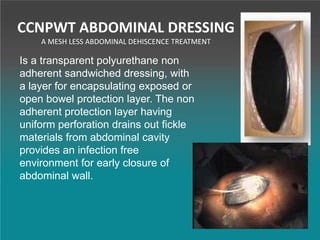
CCNPWT ABDOMINAL DRESSING
A MESH LESS ABDOMINAL DEHISCENCE TREATMENT
Is a transparent polyurethane non
adherent sandwiched dressing, with
a layer for encapsulating exposed or
open bowel protection layer. The non
adherent protection layer having
uniform perforation drains out fickle
materials from abdominal cavity
provides an infection free
environment for early closure of
abdominal wall.
CCNPWT THERAPY
DRESSING BENEFITS
Flexible foam dressing adapts to the contours of deep
& irregular surface of the wound bed
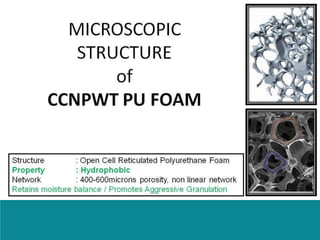
Specially designed hydrophobic, non-linear networked
foam dressing removes bacteria colonised wound
exudate
The CCNPWT foam dressing aggressively promotes
uniform healthy granulation tissue formation throughout
the wound bed
CCNPWT provides a closed sterile & moist
wound healing environment
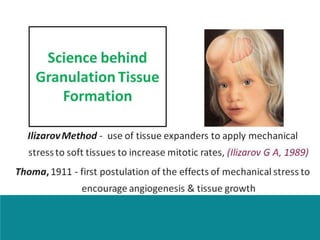
Promotes granulation tissue formation, recent
studies suggest mechanical stretching may result
in increased mitosis (Cell Replication)
 Controlled Negative Pressure Therapy
decreases wound volume approximating wound
edges, helps uniformly draw wounds closed
Promotes continuous wound debridement by
removing wound debris & bacteria colonized
wound output/interstitial fluid allowing tissue
decompression
WHAT FACTORS MAY ENHANCE HEALING
BIO-MECHANISM.
Reduces oedema
Reduces bacterial load
Stimulates cell proliferation
Enhances dermal perfusion
Promotes micro angiogenesis
Protects wound from re-infection,
cross infection or spreading further
infection
Promotes Skin Graft/Flap uptake
(The flexible foam dressing gently
presses the skin graft or flap ensuring
full contact with the wound bed
Increased Perfusion
Morykwas Michael J, Argenta Louis C, Shelton-Brown Erica I, McGuirt Wyman: NPWT: A New Method for Wound
Control and Treatment: Animal Studies and Basic Foundation. Annals of Plastic Surgery, 1997
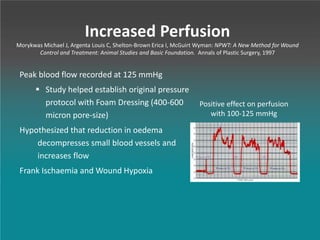
Peak blood flow recorded at 125 mmHg
 Study helped establish original pressure
protocol with Foam Dressing (400-600
micron pore-size)
Hypothesized that reduction in oedema
decompresses small blood vessels and
increases flow
Frank Ischaemia and Wound Hypoxia
Positive effect on perfusion
with 100-125 mmHg
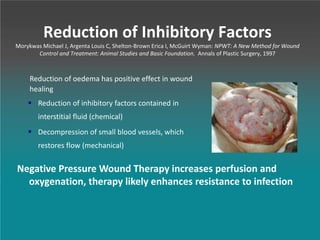
Reduction of Inhibitory Factors
Morykwas Michael J, Argenta Louis C, Shelton-Brown Erica I, McGuirt Wyman: NPWT: A New Method for Wound
Control and Treatment: Animal Studies and Basic Foundation. Annals of Plastic Surgery, 1997
Reduction of oedema has positive effect in wound
healing
 Reduction of inhibitory factors contained in
interstitial fluid (chemical)
 Decompression of small blood vessels, which
restores flow (mechanical)
Negative Pressure Wound Therapy increases perfusion and
oxygenation, therapy likely enhances resistance to infection
What types of wound benefit from CLOSED CYCLIC
NEGATIVE PRESSURE WOUND THERAPY?
Broadly Catagorised as:
ACUTE WOUNDS
SUB-ACUTE WOUNDS
CHRONIC WOUNDS
Full thickness and partial thickness burns
Diabetic / Neuropathic ulcers
Venous Insufficiency ulcers
Post-operative and dehisced surgical
Traumatic Wounds
Skin Flaps and Grafts
Explored fistulas
SAVE
A
SURGICAL
OUTCOME
FROM
INFECTION
SAVE LIFE/LIMB
WHAT CONDITIONS INDICATE CAUTION?
 Active bleeding or patient on anticoagulant
therapy
 Proximity of blood vessels, organs, muscle, and
fascia requiring protection
 Irradiated vessels and tissue
 Bony fragments
 Untreated malnutrition
 Non-compliant or combative behaviour
Fixation of skin graft (mesh-grafts) or flap until the
graft has taken (4-6 days). In these special cases,
Topical Negative Pressure Therapy is used
for the secure fixation
of a split skin graft to the wound
The soft foam helps gently press the graft/flap onto the wound
bed and thus ensures full contact between the graft and the
underlying wound bed, irrespective of the wound contours and
the formation of pockets, also continuously drains out the
wound output, ensures infection free graft uptake
CCNPWT helps in Flaps & Graft uptake
Wound Healing with Proven Cost Effectiveness
CLOSED CYCLIC NEGATIVE PRESSURE WOUND THERAPY has been used on more than a million wounds
worldwide. Clinical studies have shown that CCNPWT Therapy has the potential to help R E D U
C E. . . . . .. .
 Need for emergency care or re-admission
 Wound septicemia
 No of dressing change
 Length of hospital stay
 Hospital Infection rate
 Risk of Medicinal overdose
 Cost of care
 Need for hospitalization
 Need for outpatient visits
 Overall medical costs
 Hospital staff time
 Bed Soiling
 Patient & Patient Family Suffering
Wound complications involving large subcutaneous vessels can
cause significant challenges for surgeons. Negative pressure
wound therapy (NPWT) has been increasingly used for treating
complex wounds in vascular surgery, including groin infections,
either as a bridge to surgical closure or as a primary wound
treatment modality. A multidisciplinary advisory panel reviewed
the literature relevant to wounds related to vascular surgical
procedures and complications, focusing on large subcutaneous
or infected vascular conduits. The results supported by the
literature and the clinical practice of the consensus panel
suggested that NPWT can be a useful adjunct to the
management of vascular groin infections and dehiscence but
must be used with caution & under close supervision.
PMID: 18845099 [PubMed - indexed for MEDLINE]
IT IS A COMBINATION OF VARIABLE POSITIVE &
NEGATIVE PRESSURE THERAPY.
SYSTEM ENHANCES VASCULARITY BY
PROMOTING MICRO ANGIOGENESIS, OPTIMIZES
THE HEALING ENVIRONMENT & WORKS AS A
CATALYST IN THE WHOLE PROCESS OF HEALING.
RESULTS MAY VARY PATIENT TO PATIENT BASED
ON VARIOUS FACTORS…
like Nutrition Level, Blood Glucose Level, Severity
of PAOD etc..
WHAT INTERVENTIONS WILL MAXIMIZE
HEALING?
 Debride wound prior to Negative Pressure
Therapy
 Off load pressure ulcers consistently
 Minimize time off NPWT to < 4 hours in a day
 Manage co-morbid condition
 Increased blood flow
 Reduction of oedema
 Minimize infection rate
 Control blood glucose level
WHAT ARE THE EXPECTED OUTCOMES?
 May observe increased exudate and wound size during the
first 48-72 hours due to the decompression of interstitial
space and removal of extra-cellular fluid and debris.
 Gradual reduction of fluid and surface area should be
observed with each assessment.
 Colour of wound bed should become a deeper red as
perfusion to the site increases.
 Measurements should decrease weekly.
 If healing is not observed in a week, treatment should be re-
evaluated.
 The average treatment with NPWT is 1-4 weeks. Length of
treatment is determined by goals of therapy.
HOW DO YOU MANAGE WOUND WITH CCNPWT?
Change dressing two/three times per week.
Monitor frequently
Observe wound and peri-wound area for signs
and symptoms of infection
Remove dressings carefully to protect new
tissue growth.
Bright gush flow red blood in canister requires
immediate evaluation.
Measure and document per facility protocol
Note : To initiate it is recommended to follow CCNPWT protocol, to ensure optimal
results, as these are tried and tested protocol designed by various CCNPWT expert
wound managers
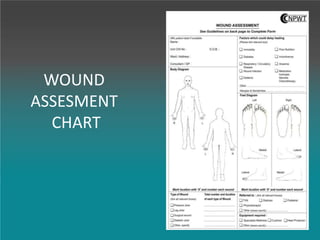
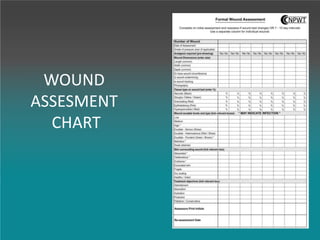
WOUND
ASSESMENT
CHART
WOUND
ASSESMENT
CHART
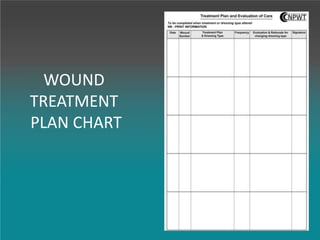
WOUND
TREATMENT
PLAN CHART
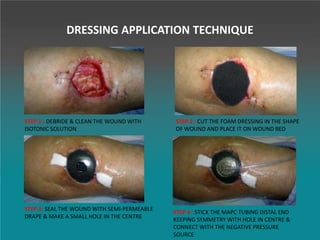
STEP 1 : DEBRIDE & CLEAN THE WOUND WITH
ISOTONIC SOLUTION
STEP 2 : CUT THE FOAM DRESSING IN THE SHAPE
OF WOUND AND PLACE IT ON WOUND BED
STEP 4 : STICK THE MAPC TUBING DISTAL END
KEEPING SYMMETRY WITH HOLE IN CENTRE &
CONNECT WITH THE NEGATIVE PRESSURE
SOURCE
STEP 3: SEAL THE WOUND WITH SEMI-PERMEABLE
DRAPE & MAKE A SMALL HOLE IN THE CENTRE
DRESSING APPLICATION TECHNIQUE
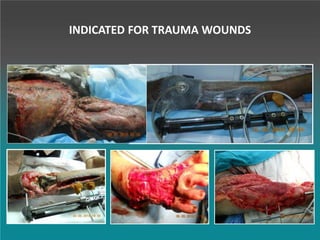
INDICATED FOR TRAUMA WOUNDS
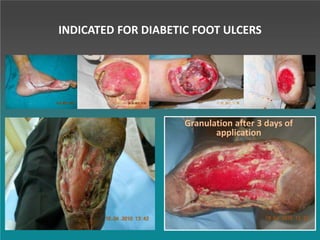
Granulation after 3 days of
application
INDICATED FOR DIABETIC FOOT ULCERS
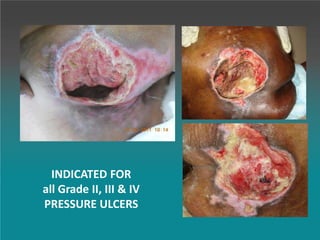
INDICATED FOR
all Grade II, III & IV
PRESSURE ULCERS
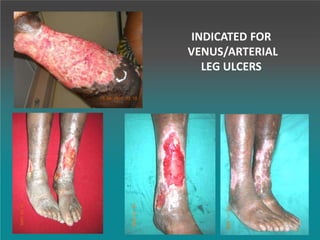
INDICATED FOR
VENUS/ARTERIAL
LEG ULCERS
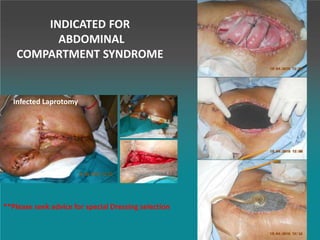
Infected Laprotomy
**Please seek advice for special Dressing selection
INDICATED FOR
ABDOMINAL
COMPARTMENT SYNDROME
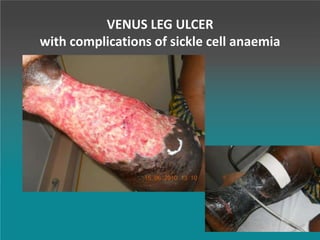
VENUS LEG ULCER
with complications of sickle cell anaemia
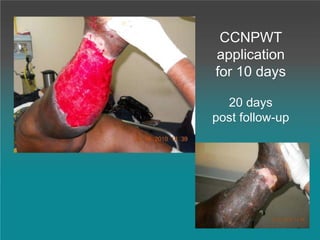
CCNPWT
application
for 10 days
20 days
post follow-up
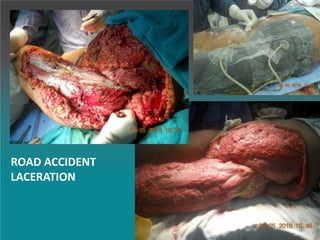
ROAD ACCIDENT
LACERATION
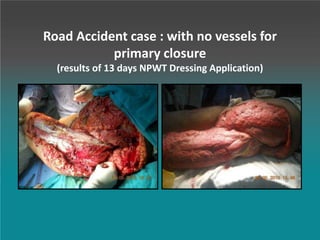
Road Accident case : with no vessels for
primary closure
(results of 13 days NPWT Dressing Application)
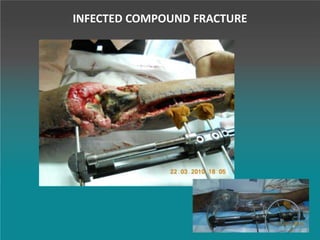
INFECTED COMPOUND FRACTURE
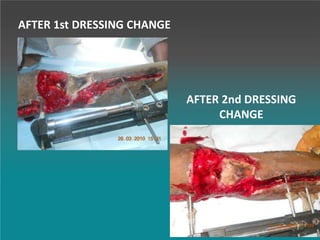
AFTER 1st DRESSING CHANGE
AFTER 2nd DRESSING
CHANGE
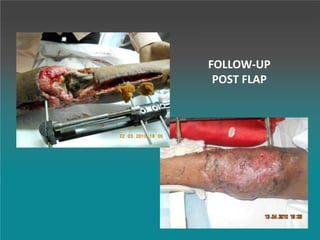
FOLLOW-UP
POST FLAP
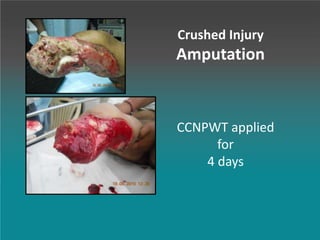
Crushed Injury
Amputation
CCNPWT applied
for
4 days
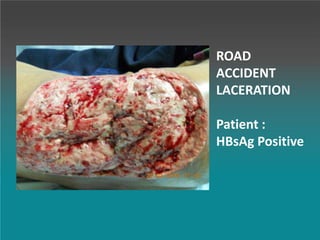
ROAD
ACCIDENT
LACERATION
Patient :
HBsAg Positive
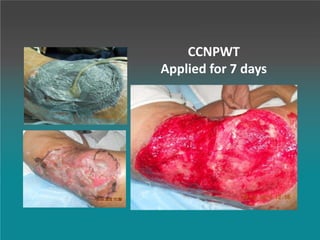
CCNPWT
Applied for 7 days
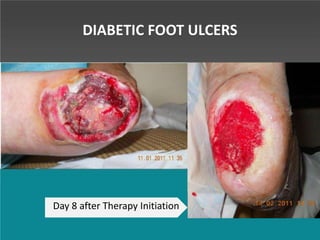
DIABETIC FOOT ULCERS
Day 8 after Therapy Initiation
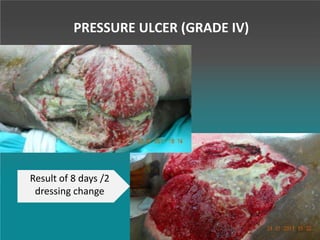
PRESSURE ULCER (GRADE IV)
Result of 8 days /2
dressing change
NPWTIS MOR E TH AN A MAC H IN E
R E M E M B E R
THANK YOU

Negative Pressure Wound Therapy

  • 1.
    YOUR PARTNER IN WOUNDCARE www.triagemeditech.com
  • 2.
    WOUND MANAGEMENT Chronic andcomplex wound management requires a systematized and comprehensive approach and represents a considerable COST BURDEN to the society on health services. It requires considerable manpower, frequent specialist consultation and adjunct therapies. India is known as the diabetes capital of the world and about 5% of India's total diabetic population develops foot ulcers resulting in approximately 45,000 lower limb amputations annually
  • 3.
    COMPOUND FRACTURE TRAUMATIC ABRASSIONPRESSURESORE` VENUS LEG ULCER DIABETIC FOOT ULCER ABDOMINAL DEHISCENCE TYPE OF WOUNDS NPWT is used to treat almost all kinds of wounds with very few contraindications or complications.
  • 4.
    NEGATIVE PRESSURE WOUNDTHERAPY NPWT is wound therapy to manage effective wound treatment and has become a widely used option for treating variety of acute, chronic and complex wounds. Sterile healing environment Reduction of edema Increased wound perfusion Increased granulation tissue formation Decreased bacterial loading Decreased anaerobic activity Faster wound healing
  • 5.
    This technique involvesthe use of open cell non-linear PU foam to seal the surface of wound with a transparent adhesive film followed by application of intermittent or constant pressure through a therapeutic NPWT device. NPWT TECHNOLOGY An advance wound healing technique that promotes VASCULAR PROFUSION, REDUCES EDEMA, enhances MICRO ANGIOGENESIS which aids in wound healing in acute as well as chronic scenario.
  • 6.
    Wounds heal upto 61% faster With NPWT BENEFITS OF NPWT NPWT has revolutionized the management of wounds. It has many advantages over conventional methods of wound dressing Non-invasive treatment Reduction of dressing changes Reduced nursing time Reduced infection risks (patient & hospital) Concurrent rehabilitation Better patient tolerance Cost benefits Improved patient quality life Infection rates drop as much as 38% Financial burden decreases up To 83%
  • 7.
    • Company: TriageMeditech Pvt Ltd • Brand : CCNPWT • One of the fastest growing domestic Medical Technology companies • Manufacturer of complete NPWT products and other advanced wound management products • Holds over 80% of the domestic market share • Pan India presence through direct and dealers network • Currently exporting to more than 11 countries ABOUT US The first company to introduce NPWT technology in India and the first Indian company to export this technology to outside India. At present, we are supporting to more than 11 countries
  • 8.
    HEALTHCARE FOR ALL TriageMeditech Pvt. Ltd. is dedicated to support the mission "healthcare for all". Our mission is to improve healthcare by utilizing technological advancement and developing best-in-class products. The company's continuous R&D and evolution efforts towards manufacturing and promoting indigenous products at affordable price. We intend to offer the best quality products which help healthcare professionals and caregivers to offer quality in their practice and solutions to their patients. We are dedicated to continuous advancement in our offerings and we understand the missing or discomfort factors that patients experience. We address these factors during the planning & development of our products.
  • 9.
  • 10.
    Complete Portfolio forNPWT Concept WHY US? The FIRST company to introduce this concept in India A COMPLETE manufacturing Indian company for the entire concept Maintaining international STANDARDS with COST EFFECTIVE solutions Pan India EFFICIENT sales and support network through direct as well as dealer network Best of standard STERILISATION Gama radiation An ISO 13485:2003 certified and DCGI REGULATED company Backed by QUALIFIED clinical staffs supervised by a panel of super speciality physicians for QUALITY ASSURANCE TRAINED engineer for tech SUPPORT
  • 11.
    As no twowounds are alike so are NPWT systems. For effective treatment always choose right partner who can deliver OUR VALUE QUALITY CARE SAFETY COST EFFECTIVE EFFICIENT SATISFACTION Most Featured System | Complete Portfolio | Low Noise level Academic Upgradation Support
  • 12.
    WHAT IS CLOSEDCYCLIC NEGATIVE PRESSURE WOUND THERAPY (CCNPWT)? NEGATIVE PRESSURE WOUND THERAPY also widely known as NPWT, WOUND VAC or TNP(Tropical Negative Pressure) is a widely accepted wound management modality today, i.e., A specially designed foam dressing applied on a wound bed, sealed with a PU/PE drape further connected with a drainage tubing to the Therapeutic Negative Pressure Device
  • 13.
    HOW DOES CLOSEDCYCLIC NEGATIVE PRESSURE WOUND THERAPY PROMOTE WOUND HEALING?  Removes excess fluid (infections and non-infectious), reduces edema, allowing tissue decompression  Stimulates granulation tissue formation by increasing vascular perfusion  Encourages mechanical stretching, approximates wound edges, enhances dermal perfusion, overall wound contraction  Protects wound from microbe imbalance  Maintains a moist wound healing environment
  • 14.
    OUR PRODUCT PORTFOLIO VTG2901 The new programmable CCNPWT system delivers controlled negative pressure in the wound site to accelerate healing process. VTG 3000 Newly introduced portable system in CCNPWT portfolio caters the future of advanced wound care where you need and when you need. PPT 1000 Peace of Mind for You. Convenient and affordable system designed to deliver effective therapy for venous insufficiency. DRESSINGS superior quality dressings and accessories offer quality wound care. Our products are being tested on predefined parameters for the optimum results.
  • 17.
    CCNPWT ABDOMINAL DRESSING AMESH LESS ABDOMINAL DEHISCENCE TREATMENT Is a transparent polyurethane non adherent sandwiched dressing, with a layer for encapsulating exposed or open bowel protection layer. The non adherent protection layer having uniform perforation drains out fickle materials from abdominal cavity provides an infection free environment for early closure of abdominal wall.
  • 18.
    CCNPWT THERAPY DRESSING BENEFITS Flexiblefoam dressing adapts to the contours of deep & irregular surface of the wound bed Specially designed hydrophobic, non-linear networked foam dressing removes bacteria colonised wound exudate The CCNPWT foam dressing aggressively promotes uniform healthy granulation tissue formation throughout the wound bed
  • 19.
    CCNPWT provides aclosed sterile & moist wound healing environment Promotes granulation tissue formation, recent studies suggest mechanical stretching may result in increased mitosis (Cell Replication)  Controlled Negative Pressure Therapy decreases wound volume approximating wound edges, helps uniformly draw wounds closed Promotes continuous wound debridement by removing wound debris & bacteria colonized wound output/interstitial fluid allowing tissue decompression WHAT FACTORS MAY ENHANCE HEALING
  • 20.
    BIO-MECHANISM. Reduces oedema Reduces bacterialload Stimulates cell proliferation Enhances dermal perfusion Promotes micro angiogenesis Protects wound from re-infection, cross infection or spreading further infection Promotes Skin Graft/Flap uptake (The flexible foam dressing gently presses the skin graft or flap ensuring full contact with the wound bed
  • 21.
    Increased Perfusion Morykwas MichaelJ, Argenta Louis C, Shelton-Brown Erica I, McGuirt Wyman: NPWT: A New Method for Wound Control and Treatment: Animal Studies and Basic Foundation. Annals of Plastic Surgery, 1997 Peak blood flow recorded at 125 mmHg  Study helped establish original pressure protocol with Foam Dressing (400-600 micron pore-size) Hypothesized that reduction in oedema decompresses small blood vessels and increases flow Frank Ischaemia and Wound Hypoxia Positive effect on perfusion with 100-125 mmHg
  • 22.
    Reduction of InhibitoryFactors Morykwas Michael J, Argenta Louis C, Shelton-Brown Erica I, McGuirt Wyman: NPWT: A New Method for Wound Control and Treatment: Animal Studies and Basic Foundation. Annals of Plastic Surgery, 1997 Reduction of oedema has positive effect in wound healing  Reduction of inhibitory factors contained in interstitial fluid (chemical)  Decompression of small blood vessels, which restores flow (mechanical) Negative Pressure Wound Therapy increases perfusion and oxygenation, therapy likely enhances resistance to infection
  • 25.
    What types ofwound benefit from CLOSED CYCLIC NEGATIVE PRESSURE WOUND THERAPY? Broadly Catagorised as: ACUTE WOUNDS SUB-ACUTE WOUNDS CHRONIC WOUNDS Full thickness and partial thickness burns Diabetic / Neuropathic ulcers Venous Insufficiency ulcers Post-operative and dehisced surgical Traumatic Wounds Skin Flaps and Grafts Explored fistulas SAVE A SURGICAL OUTCOME FROM INFECTION SAVE LIFE/LIMB
  • 26.
    WHAT CONDITIONS INDICATECAUTION?  Active bleeding or patient on anticoagulant therapy  Proximity of blood vessels, organs, muscle, and fascia requiring protection  Irradiated vessels and tissue  Bony fragments  Untreated malnutrition  Non-compliant or combative behaviour
  • 27.
    Fixation of skingraft (mesh-grafts) or flap until the graft has taken (4-6 days). In these special cases, Topical Negative Pressure Therapy is used for the secure fixation of a split skin graft to the wound The soft foam helps gently press the graft/flap onto the wound bed and thus ensures full contact between the graft and the underlying wound bed, irrespective of the wound contours and the formation of pockets, also continuously drains out the wound output, ensures infection free graft uptake CCNPWT helps in Flaps & Graft uptake
  • 28.
    Wound Healing withProven Cost Effectiveness CLOSED CYCLIC NEGATIVE PRESSURE WOUND THERAPY has been used on more than a million wounds worldwide. Clinical studies have shown that CCNPWT Therapy has the potential to help R E D U C E. . . . . .. .  Need for emergency care or re-admission  Wound septicemia  No of dressing change  Length of hospital stay  Hospital Infection rate  Risk of Medicinal overdose  Cost of care  Need for hospitalization  Need for outpatient visits  Overall medical costs  Hospital staff time  Bed Soiling  Patient & Patient Family Suffering
  • 29.
    Wound complications involvinglarge subcutaneous vessels can cause significant challenges for surgeons. Negative pressure wound therapy (NPWT) has been increasingly used for treating complex wounds in vascular surgery, including groin infections, either as a bridge to surgical closure or as a primary wound treatment modality. A multidisciplinary advisory panel reviewed the literature relevant to wounds related to vascular surgical procedures and complications, focusing on large subcutaneous or infected vascular conduits. The results supported by the literature and the clinical practice of the consensus panel suggested that NPWT can be a useful adjunct to the management of vascular groin infections and dehiscence but must be used with caution & under close supervision. PMID: 18845099 [PubMed - indexed for MEDLINE]
  • 30.
    IT IS ACOMBINATION OF VARIABLE POSITIVE & NEGATIVE PRESSURE THERAPY. SYSTEM ENHANCES VASCULARITY BY PROMOTING MICRO ANGIOGENESIS, OPTIMIZES THE HEALING ENVIRONMENT & WORKS AS A CATALYST IN THE WHOLE PROCESS OF HEALING. RESULTS MAY VARY PATIENT TO PATIENT BASED ON VARIOUS FACTORS… like Nutrition Level, Blood Glucose Level, Severity of PAOD etc..
  • 31.
    WHAT INTERVENTIONS WILLMAXIMIZE HEALING?  Debride wound prior to Negative Pressure Therapy  Off load pressure ulcers consistently  Minimize time off NPWT to < 4 hours in a day  Manage co-morbid condition  Increased blood flow  Reduction of oedema  Minimize infection rate  Control blood glucose level
  • 32.
    WHAT ARE THEEXPECTED OUTCOMES?  May observe increased exudate and wound size during the first 48-72 hours due to the decompression of interstitial space and removal of extra-cellular fluid and debris.  Gradual reduction of fluid and surface area should be observed with each assessment.  Colour of wound bed should become a deeper red as perfusion to the site increases.  Measurements should decrease weekly.  If healing is not observed in a week, treatment should be re- evaluated.  The average treatment with NPWT is 1-4 weeks. Length of treatment is determined by goals of therapy.
  • 33.
    HOW DO YOUMANAGE WOUND WITH CCNPWT? Change dressing two/three times per week. Monitor frequently Observe wound and peri-wound area for signs and symptoms of infection Remove dressings carefully to protect new tissue growth. Bright gush flow red blood in canister requires immediate evaluation. Measure and document per facility protocol Note : To initiate it is recommended to follow CCNPWT protocol, to ensure optimal results, as these are tried and tested protocol designed by various CCNPWT expert wound managers
  • 34.
  • 35.
  • 36.
  • 37.
    STEP 1 :DEBRIDE & CLEAN THE WOUND WITH ISOTONIC SOLUTION STEP 2 : CUT THE FOAM DRESSING IN THE SHAPE OF WOUND AND PLACE IT ON WOUND BED STEP 4 : STICK THE MAPC TUBING DISTAL END KEEPING SYMMETRY WITH HOLE IN CENTRE & CONNECT WITH THE NEGATIVE PRESSURE SOURCE STEP 3: SEAL THE WOUND WITH SEMI-PERMEABLE DRAPE & MAKE A SMALL HOLE IN THE CENTRE DRESSING APPLICATION TECHNIQUE
  • 38.
  • 39.
    Granulation after 3days of application INDICATED FOR DIABETIC FOOT ULCERS
  • 40.
    INDICATED FOR all GradeII, III & IV PRESSURE ULCERS
  • 41.
  • 42.
    Infected Laprotomy **Please seekadvice for special Dressing selection INDICATED FOR ABDOMINAL COMPARTMENT SYNDROME
  • 43.
    VENUS LEG ULCER withcomplications of sickle cell anaemia
  • 44.
  • 45.
  • 46.
    Road Accident case: with no vessels for primary closure (results of 13 days NPWT Dressing Application)
  • 47.
  • 48.
    AFTER 1st DRESSINGCHANGE AFTER 2nd DRESSING CHANGE
  • 49.
  • 50.
  • 51.
  • 52.
  • 53.
    DIABETIC FOOT ULCERS Day8 after Therapy Initiation
  • 54.
    PRESSURE ULCER (GRADEIV) Result of 8 days /2 dressing change
  • 55.
    NPWTIS MOR ETH AN A MAC H IN E R E M E M B E R
  • 56.

Editor's Notes

  • #4 INFECTED STERNAL WOUNDS 3RD AND 4TH DEGREE BURNS