
18-Nov-13
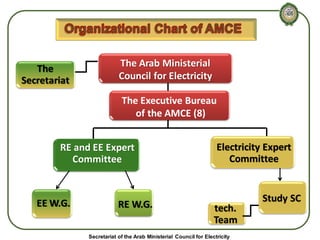
The
Secretariat

The Arab Ministerial
Council for Electricity
The Executive Bureau
of the AMCE (8)

RE and EE Expert
Committee

EE W.G.

RE W.G.

Electricity Expert
Committee

tech.
Team

Secretariat of the Arab Ministerial Council for Electricity

Study SC
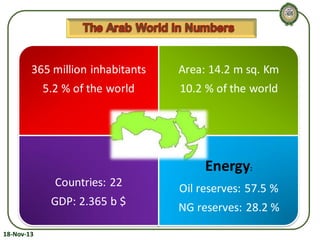
365 million inhabitants

Area: 14.2 m sq. Km

5.2 % of the world

10.2 % of the world

The Arab
World

Energy:
Countries: 22

GDP: 2.365 b $
18-Nov-13

Oil reserves: 57.5 %
NG reserves: 28.2 %
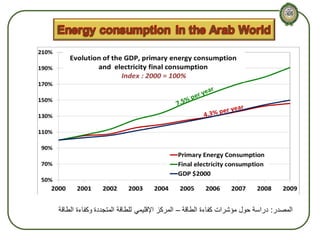
‫المصدر: دراسة حول مؤشرات كفاءة الطاقة – المركز اإلقليمي للطاقة المتجددة وكفاءة الطاقة‬
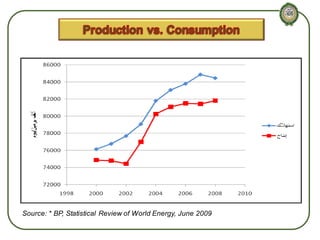
Source: * BP, Statistical Review of World Energy, June 2009
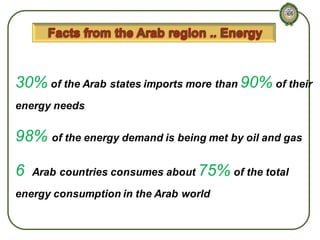
30% of the Arab states imports more than 90% of their
energy needs

98% of the energy demand is being met by oil and gas
6

Arab countries consumes about 75% of the total

energy consumption in the Arab world
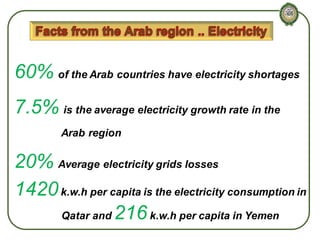
60% of the Arab countries have electricity shortages
7.5% is the average electricity growth rate in the
Arab region

20% Average electricity grids losses
1420 k.w.h per capita is the electricity consumption in
Qatar and 216 k.w.h per capita in Yemen
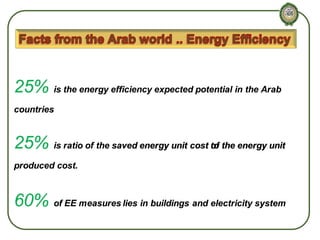
25% is the energy efficiency expected potential in the Arab
countries

25% is ratio of the saved energy unit cost to the energy unit
of
produced cost.

60% of EE measures lies in buildings and electricity system
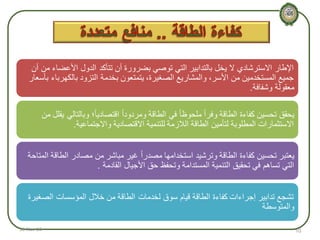
‫اإلطار االسترشادي ال يخل بالتدابير التي توصي بضرورة أن تتأكد الدول األعضاء من أن‬
‫جميع المستخدمين من األسر، والمشاريع الصغيرة، يتمتعون بخدمة التزود بالكهرباء بأسعار‬
‫معقولة وشفافة.‬
‫يحقق تحسين كفاءة الطاقة وفراً ملحوظا ً في الطاقة ومردوداً اقتصاديا ً؛ وبالتالي يقلل من‬
‫االستثمارات المطلوبة لتأمين الطاقة الالزمة للتنمية االقتصادية واالجتماعية.‬
‫يعتبر تحسين كفاءة الطاقة وترشيد استخدامها مصدراً غير مباشر من مصادر الطاقة المتاحة‬
‫التي تساهم في تحقيق التنمية المستدامة وتحفظ حق األجيال القادمة .‬
‫تشجع تدابير إجراءات كفاءة الطاقة قيام سوق لخدمات الطاقة من خالل المؤسسات الصغيرة‬
‫والمتوسطة‬
‫01‬

‫31-‪18-Nov‬‬
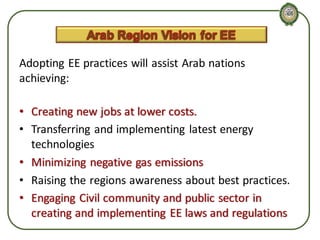
Adopting EE practices will assist Arab nations
achieving:
• Creating new jobs at lower costs.
• Transferring and implementing latest energy
technologies
• Minimizing negative gas emissions
• Raising the regions awareness about best practices.
• Engaging Civil community and public sector in
creating and implementing EE laws and regulations
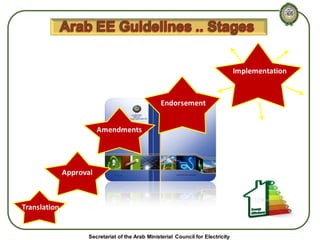
Implementation

Endorsement
Amendments

Approval

Translation

Secretariat of the Arab Ministerial Council for Electricity
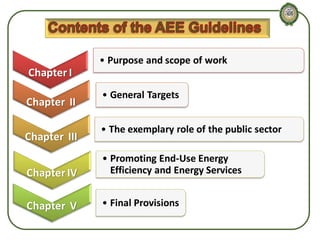
• Purpose and scope of work

Chapter I
Chapter II
Chapter III

• General Targets
• The exemplary role of the public sector

Chapter IV

• Promoting End-Use Energy
Efficiency and Energy Services

Chapter V

• Final Provisions
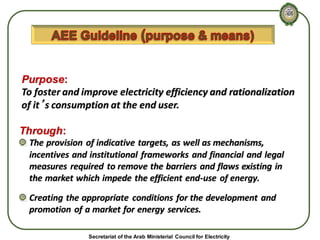
Purpose:
To foster and improve electricity efficiency and rationalization
of it’ s consumption at the end user.
Through:
The provision of indicative targets, as well as mechanisms,
incentives and institutional frameworks and financial and legal
measures required to remove the barriers and flaws existing in
the market which impede the efficient end-use of energy.
Creating the appropriate conditions for the development and
promotion of a market for energy services.
Secretariat of the Arab Ministerial Council for Electricity
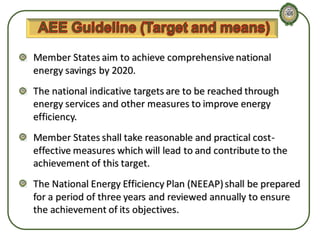
Member States aim to achieve comprehensive national
energy savings by 2020.
The national indicative targets are to be reached through
energy services and other measures to improve energy
efficiency.

Member States shall take reasonable and practical costeffective measures which will lead to and contribute to the
achievement of this target.
The National Energy Efficiency Plan (NEEAP) shall be prepared
for a period of three years and reviewed annually to ensure
the achievement of its objectives.
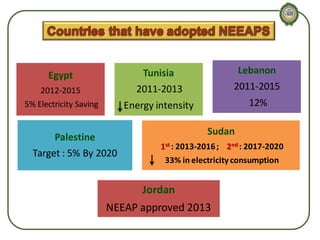
Egypt

Tunisia

2012-2015

2011-2013

Lebanon
2011-2015

5% Electricity Saving

Energy intensity

12%

Sudan

Palestine
Target : 5% By 2020

1st : 2013-2016 ; 2nd : 2017-2020
33% in electricity consumption

Jordan

NEEAP approved 2013
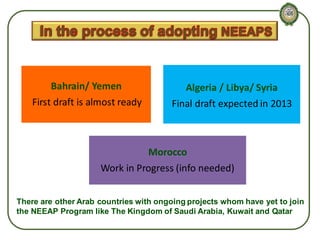
Bahrain/ Yemen

Algeria / Libya/ Syria

First draft is almost ready

Final draft expected in 2013

Morocco
Work in Progress (info needed)
There are other Arab countries with ongoing projects whom have yet to join
the NEEAP Program like The Kingdom of Saudi Arabia, Kuwait and Qatar
18-Nov-13

24
NEEAP Development
NEEAP Development
NEEAP Development

NEEAP Development

  • 1.
  • 2.
    The Secretariat The Arab Ministerial Councilfor Electricity The Executive Bureau of the AMCE (8) RE and EE Expert Committee EE W.G. RE W.G. Electricity Expert Committee tech. Team Secretariat of the Arab Ministerial Council for Electricity Study SC
  • 3.
    365 million inhabitants Area:14.2 m sq. Km 5.2 % of the world 10.2 % of the world The Arab World Energy: Countries: 22 GDP: 2.365 b $ 18-Nov-13 Oil reserves: 57.5 % NG reserves: 28.2 %
  • 4.
    ‫المصدر: دراسة حولمؤشرات كفاءة الطاقة – المركز اإلقليمي للطاقة المتجددة وكفاءة الطاقة‬
  • 5.
    Source: * BP,Statistical Review of World Energy, June 2009
  • 6.
    30% of theArab states imports more than 90% of their energy needs 98% of the energy demand is being met by oil and gas 6 Arab countries consumes about 75% of the total energy consumption in the Arab world
  • 7.
    60% of theArab countries have electricity shortages 7.5% is the average electricity growth rate in the Arab region 20% Average electricity grids losses 1420 k.w.h per capita is the electricity consumption in Qatar and 216 k.w.h per capita in Yemen
  • 8.
    25% is theenergy efficiency expected potential in the Arab countries 25% is ratio of the saved energy unit cost to the energy unit of produced cost. 60% of EE measures lies in buildings and electricity system
  • 10.
    ‫اإلطار االسترشادي اليخل بالتدابير التي توصي بضرورة أن تتأكد الدول األعضاء من أن‬ ‫جميع المستخدمين من األسر، والمشاريع الصغيرة، يتمتعون بخدمة التزود بالكهرباء بأسعار‬ ‫معقولة وشفافة.‬ ‫يحقق تحسين كفاءة الطاقة وفراً ملحوظا ً في الطاقة ومردوداً اقتصاديا ً؛ وبالتالي يقلل من‬ ‫االستثمارات المطلوبة لتأمين الطاقة الالزمة للتنمية االقتصادية واالجتماعية.‬ ‫يعتبر تحسين كفاءة الطاقة وترشيد استخدامها مصدراً غير مباشر من مصادر الطاقة المتاحة‬ ‫التي تساهم في تحقيق التنمية المستدامة وتحفظ حق األجيال القادمة .‬ ‫تشجع تدابير إجراءات كفاءة الطاقة قيام سوق لخدمات الطاقة من خالل المؤسسات الصغيرة‬ ‫والمتوسطة‬ ‫01‬ ‫31-‪18-Nov‬‬
  • 11.
    Adopting EE practiceswill assist Arab nations achieving: • Creating new jobs at lower costs. • Transferring and implementing latest energy technologies • Minimizing negative gas emissions • Raising the regions awareness about best practices. • Engaging Civil community and public sector in creating and implementing EE laws and regulations
  • 12.
  • 13.
    • Purpose andscope of work Chapter I Chapter II Chapter III • General Targets • The exemplary role of the public sector Chapter IV • Promoting End-Use Energy Efficiency and Energy Services Chapter V • Final Provisions
  • 14.
    Purpose: To foster andimprove electricity efficiency and rationalization of it’ s consumption at the end user. Through: The provision of indicative targets, as well as mechanisms, incentives and institutional frameworks and financial and legal measures required to remove the barriers and flaws existing in the market which impede the efficient end-use of energy. Creating the appropriate conditions for the development and promotion of a market for energy services. Secretariat of the Arab Ministerial Council for Electricity
  • 15.
    Member States aimto achieve comprehensive national energy savings by 2020. The national indicative targets are to be reached through energy services and other measures to improve energy efficiency. Member States shall take reasonable and practical costeffective measures which will lead to and contribute to the achievement of this target. The National Energy Efficiency Plan (NEEAP) shall be prepared for a period of three years and reviewed annually to ensure the achievement of its objectives.
  • 16.
    Egypt Tunisia 2012-2015 2011-2013 Lebanon 2011-2015 5% Electricity Saving Energyintensity 12% Sudan Palestine Target : 5% By 2020 1st : 2013-2016 ; 2nd : 2017-2020 33% in electricity consumption Jordan NEEAP approved 2013
  • 17.
    Bahrain/ Yemen Algeria /Libya/ Syria First draft is almost ready Final draft expected in 2013 Morocco Work in Progress (info needed) There are other Arab countries with ongoing projects whom have yet to join the NEEAP Program like The Kingdom of Saudi Arabia, Kuwait and Qatar
  • 19.