VALIDATION
The Lean Startup method advocates that we build a basic product/prototype and get
out to test and validate our idea.
• Is anyone interested in our product?
• What features do customers care about?
• What features are missing?
• What features aren’t necessary?
We take the data we learn from customers and constantly revise the product
MINIMUM VIABLE PRODUCT
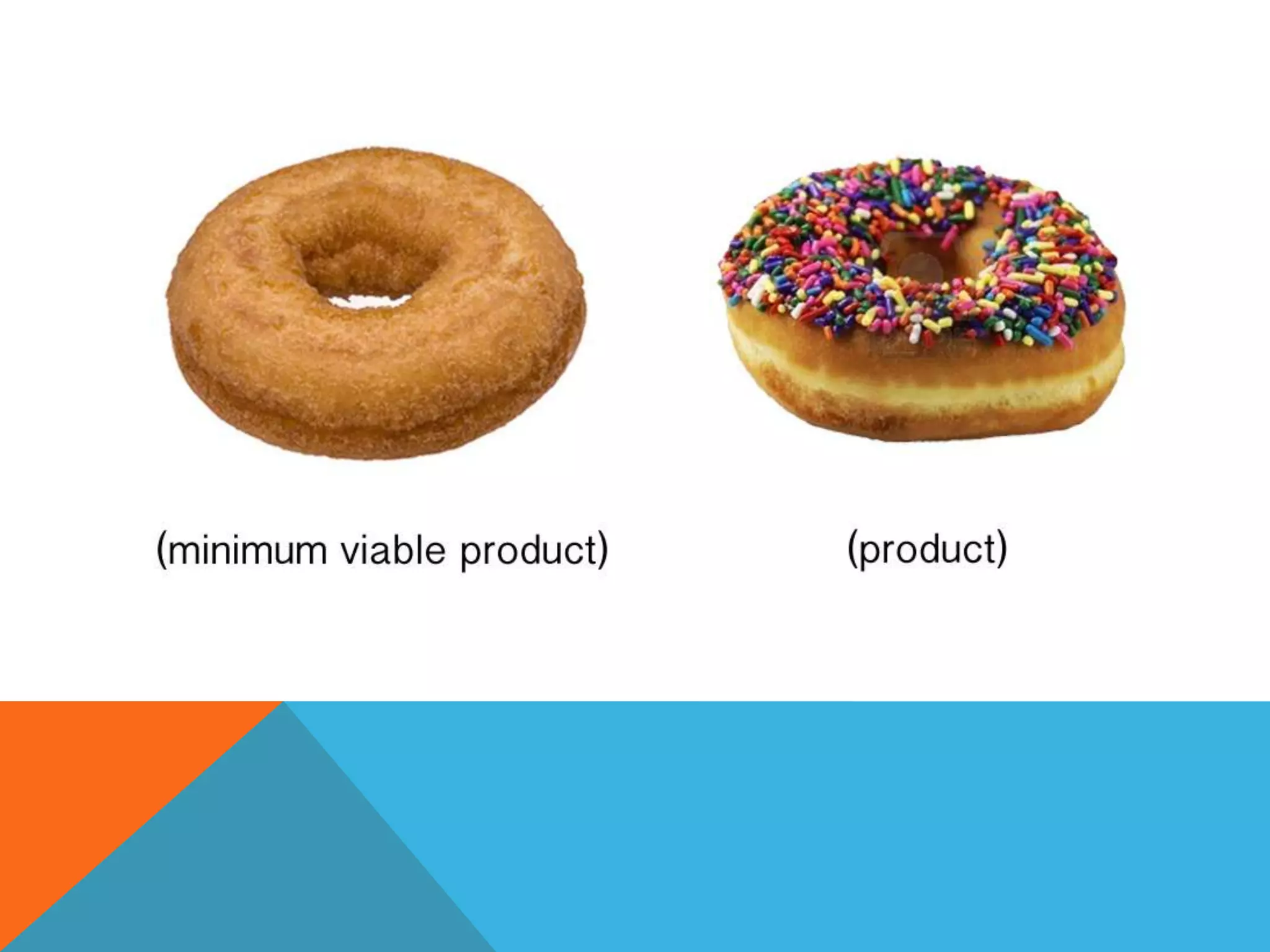
The minimum viable product (MVP) is “the version of a new product which allows a
team to collect the maximum amount of validated learning about customers
with the least effort.”
This can be:
• A prototype
• A design mockup
• A video describing your product.
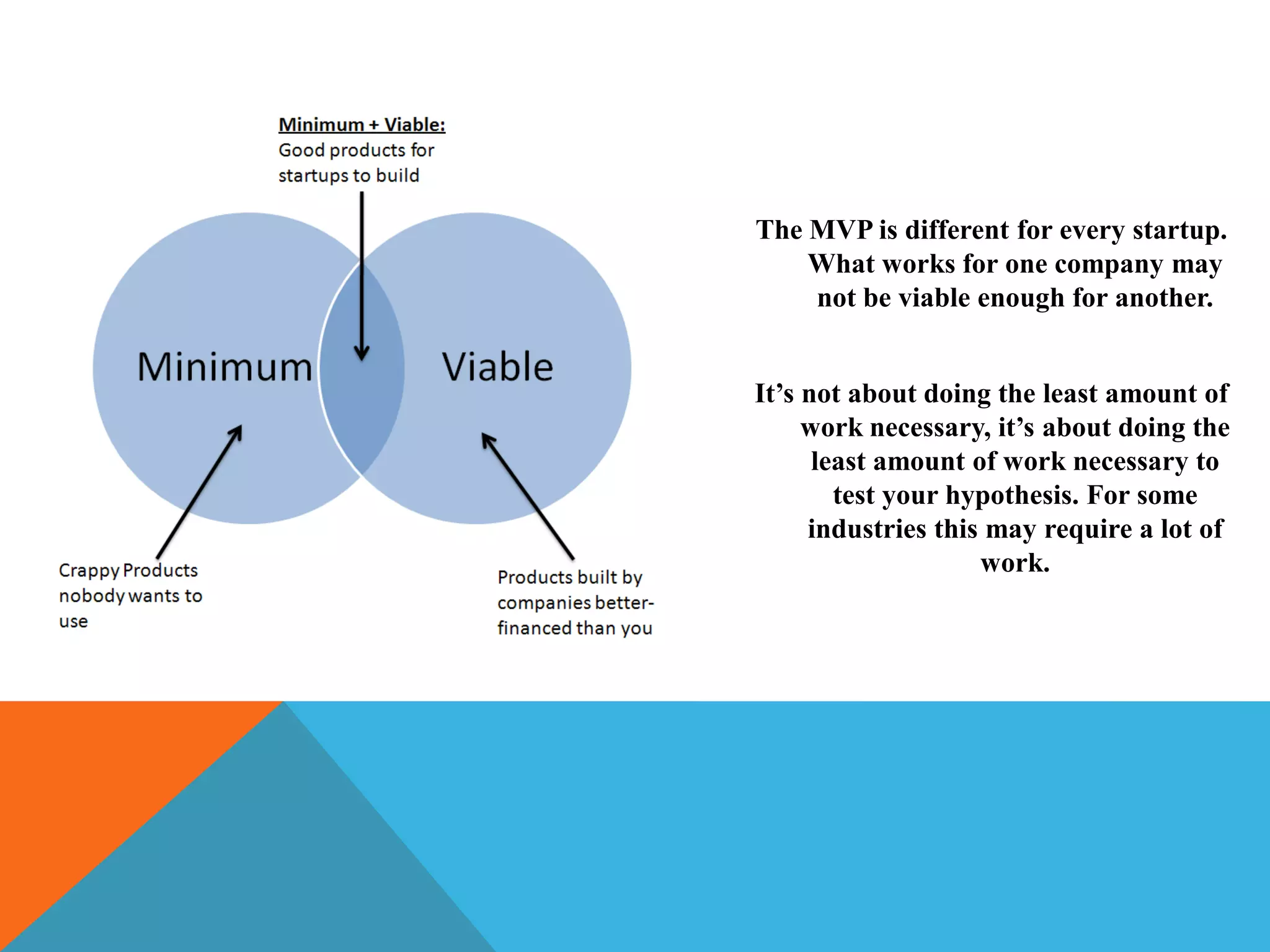
The MVP is different for every startup.
What works for one company may
not be viable enough for another.
It’s not about doing the least amount of
work necessary, it’s about doing the
least amount of work necessary to
test your hypothesis. For some
industries this may require a lot of
work.
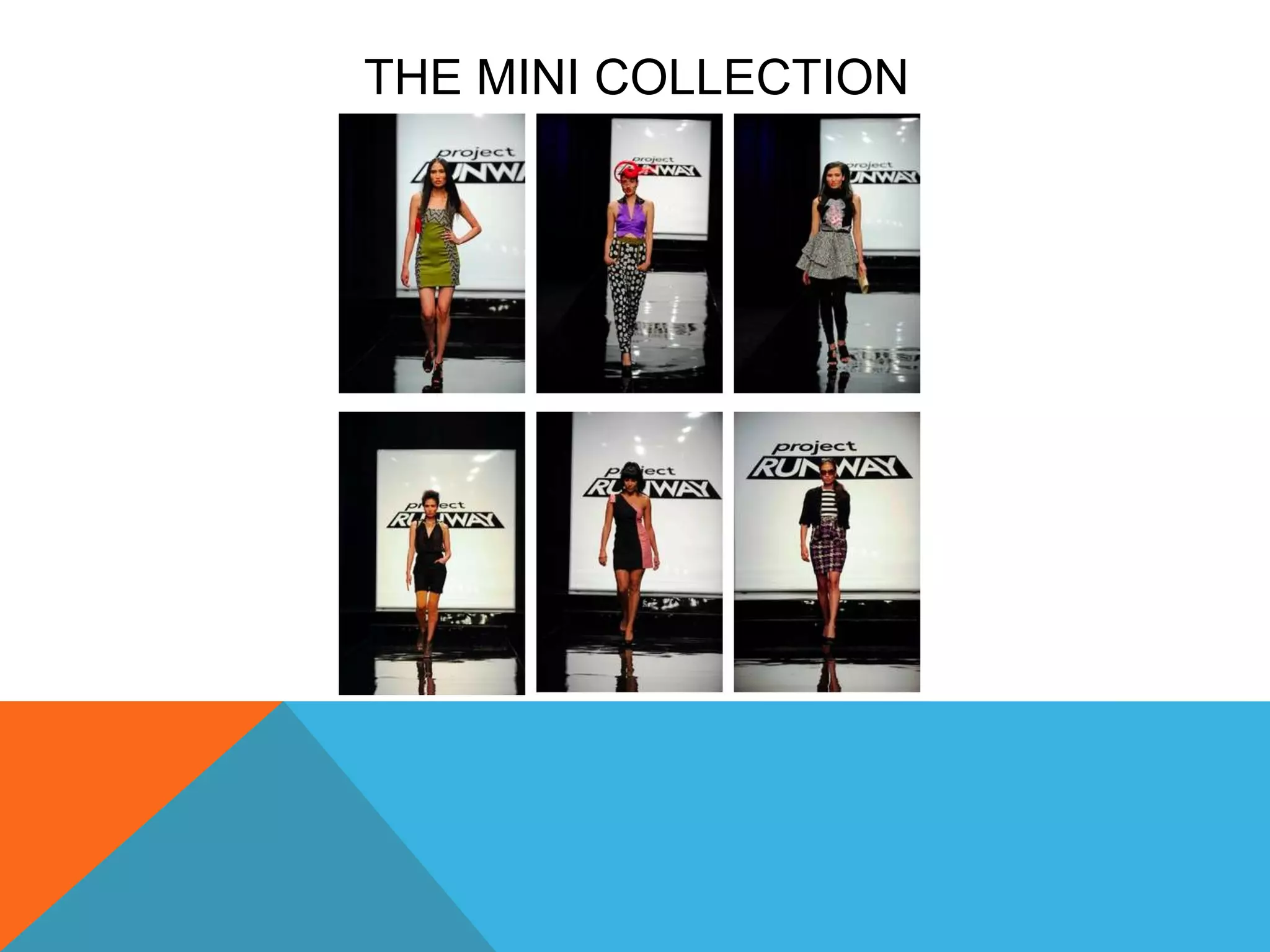
THE MINI COLLECTION
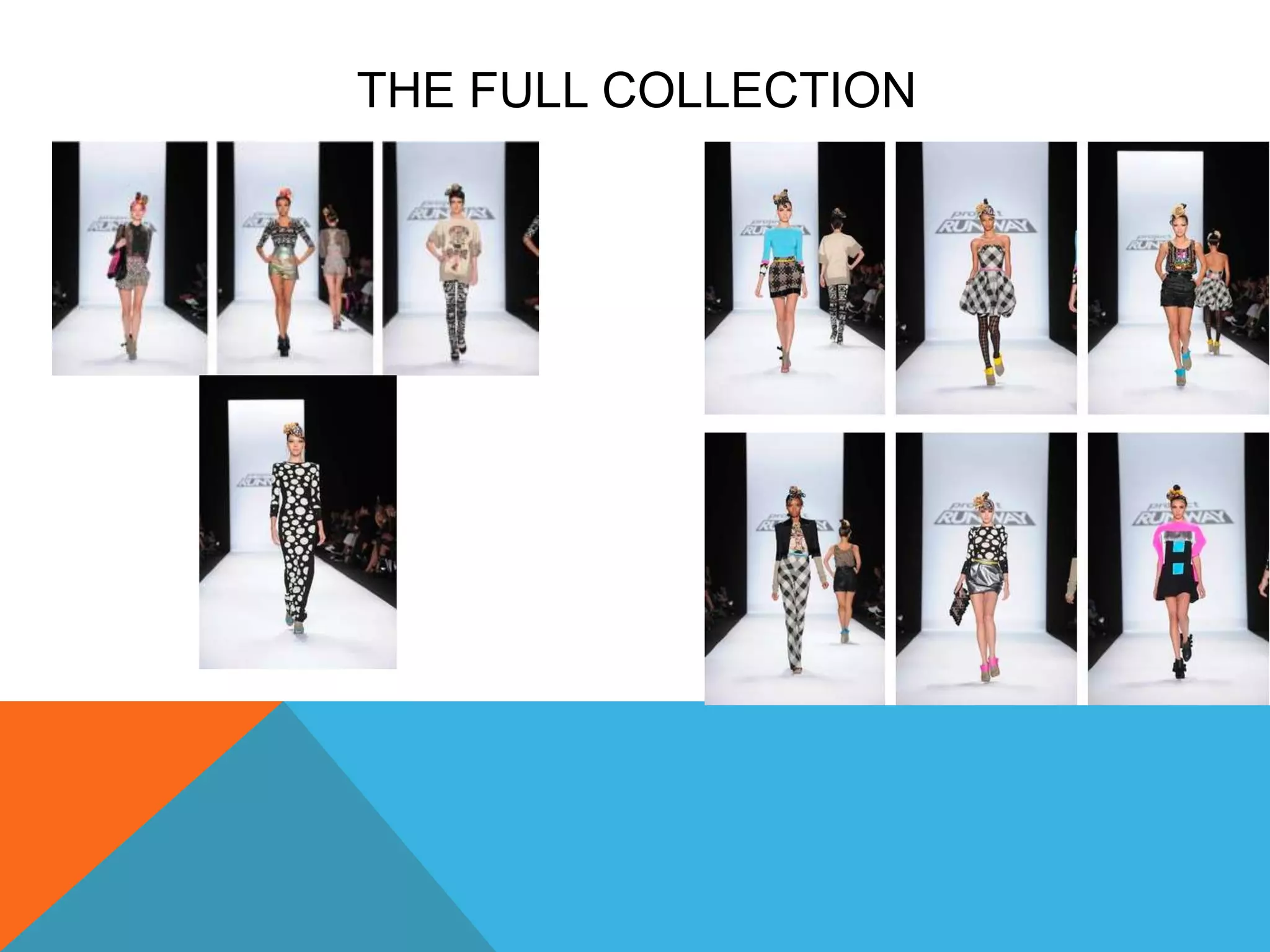
THE FULL COLLECTION
WHY MVP ?
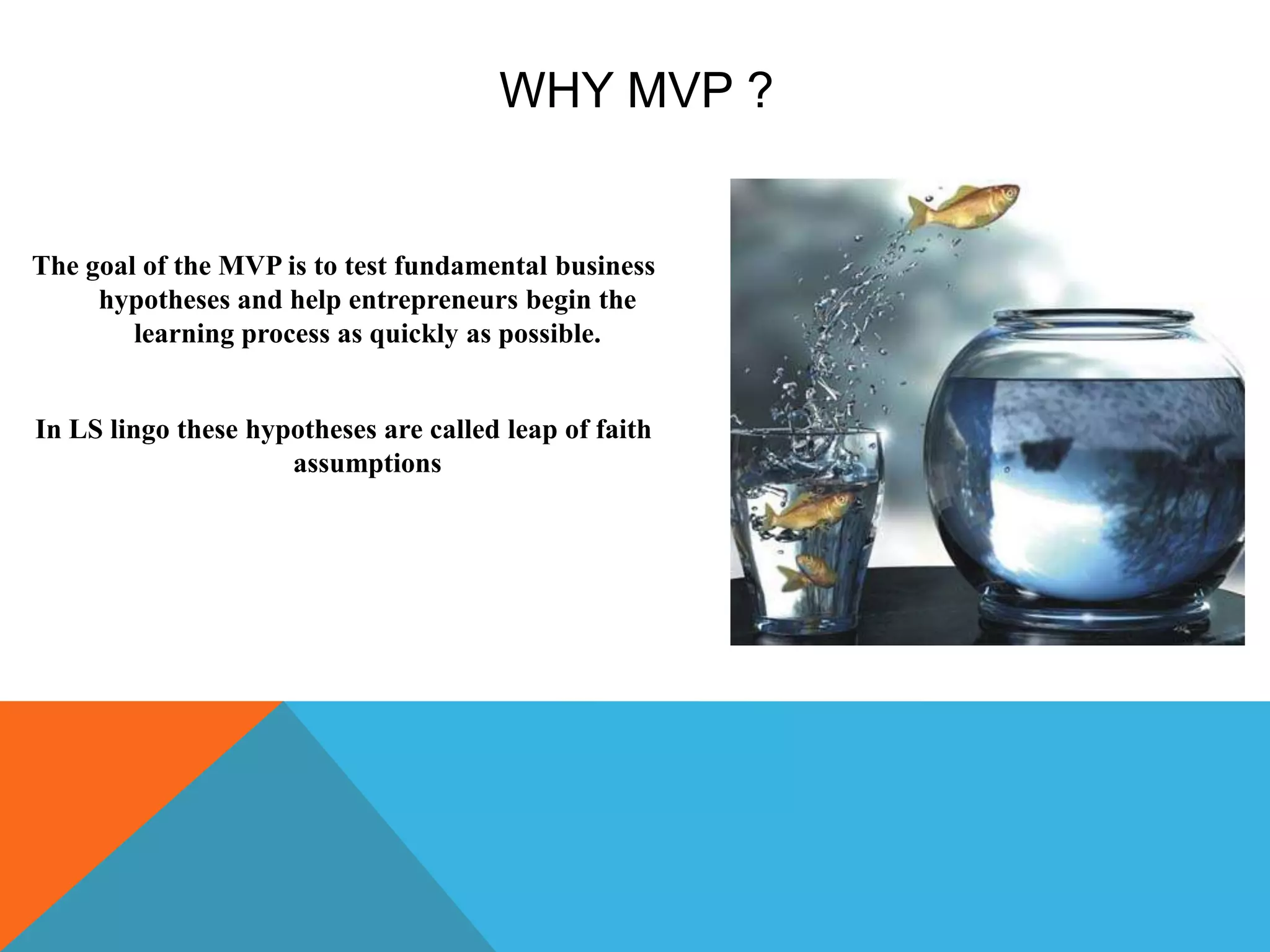
The goal of the MVP is to test fundamental business
hypotheses and help entrepreneurs begin the
learning process as quickly as possible.
In LS lingo these hypotheses are called leap of faith
assumptions
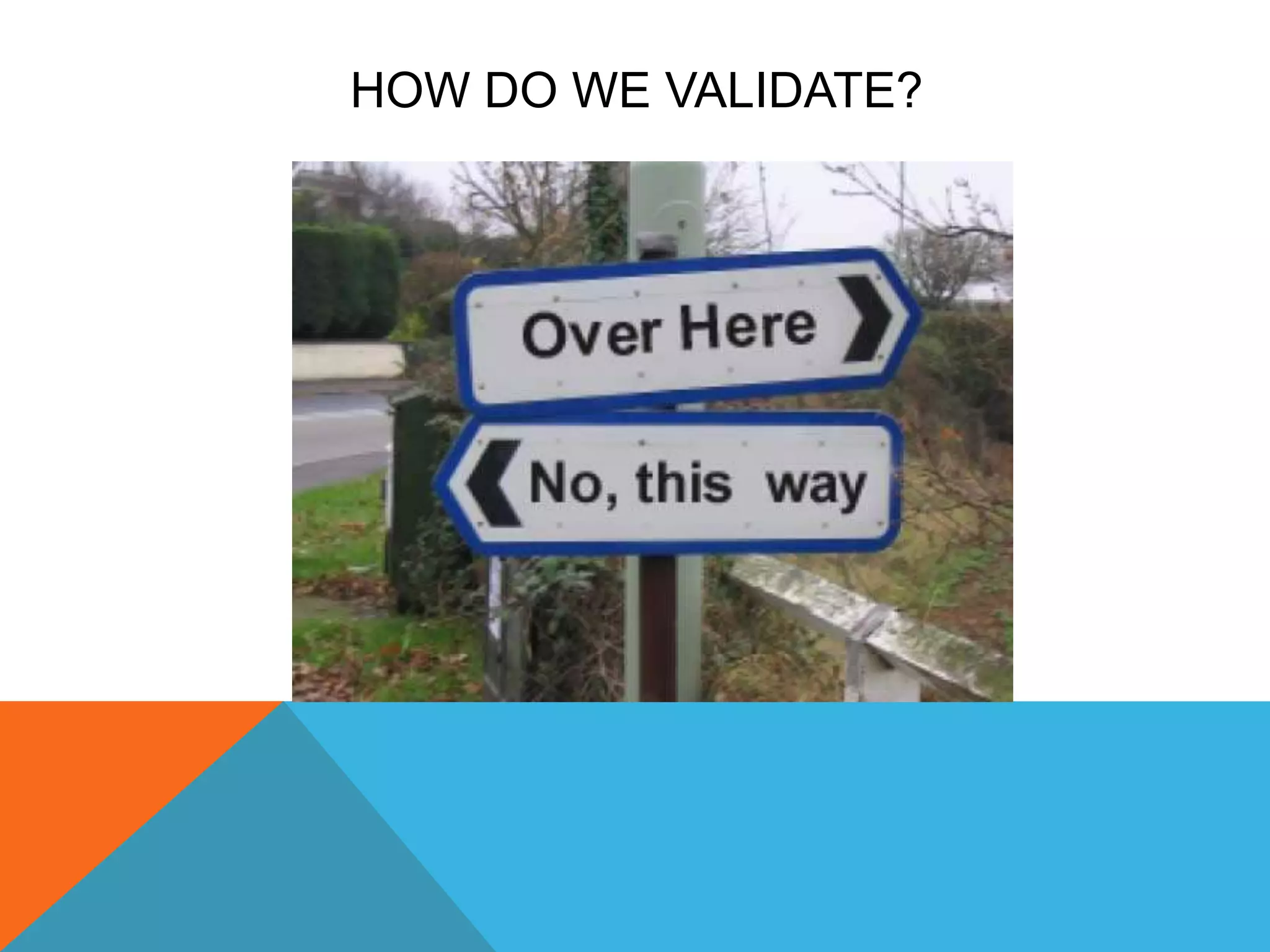
HOW DO WE VALIDATE?
LANDING PAGES
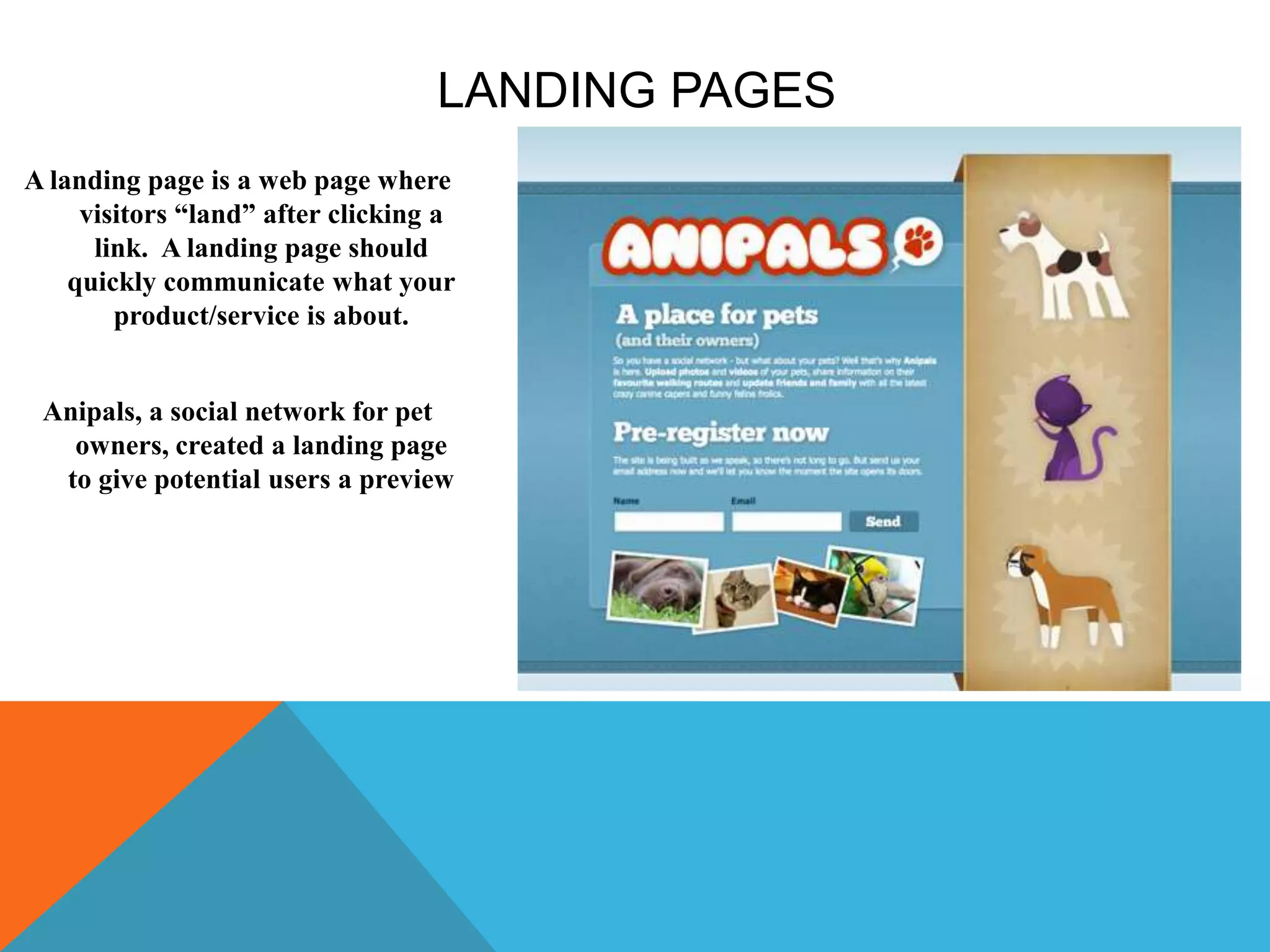
A landing page is a web page where
visitors “land” after clicking a
link. A landing page should
quickly communicate what your
product/service is about.
Anipals, a social network for pet
owners, created a landing page
to give potential users a preview
BASIC WEBPAGE/ SCREENSHOTS
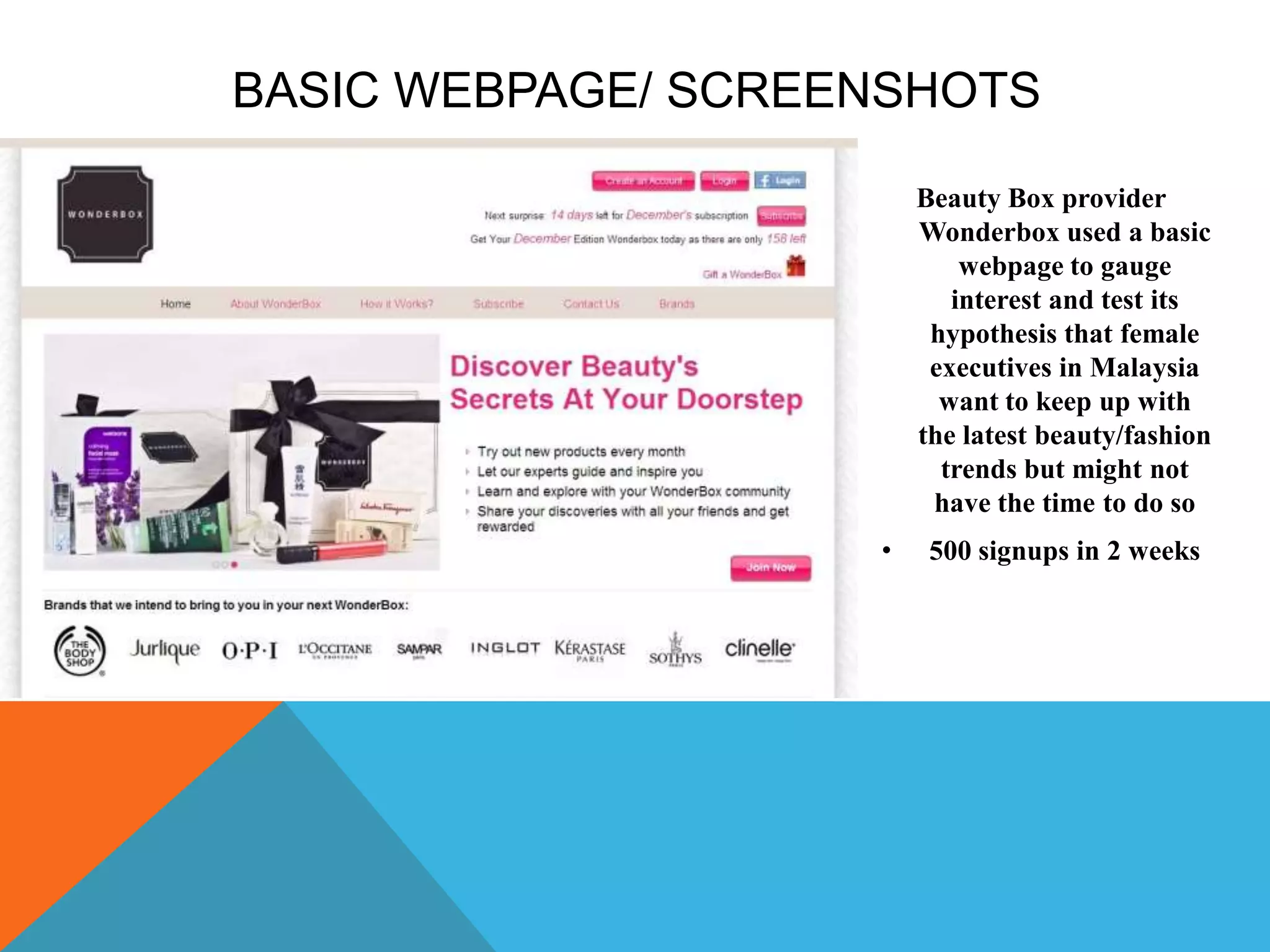
Beauty Box provider
Wonderbox used a basic
webpage to gauge
interest and test its
hypothesis that female
executives in Malaysia
want to keep up with
the latest beauty/fashion
trends but might not
have the time to do so
• 500 signups in 2 weeks
CROWD FUNDING
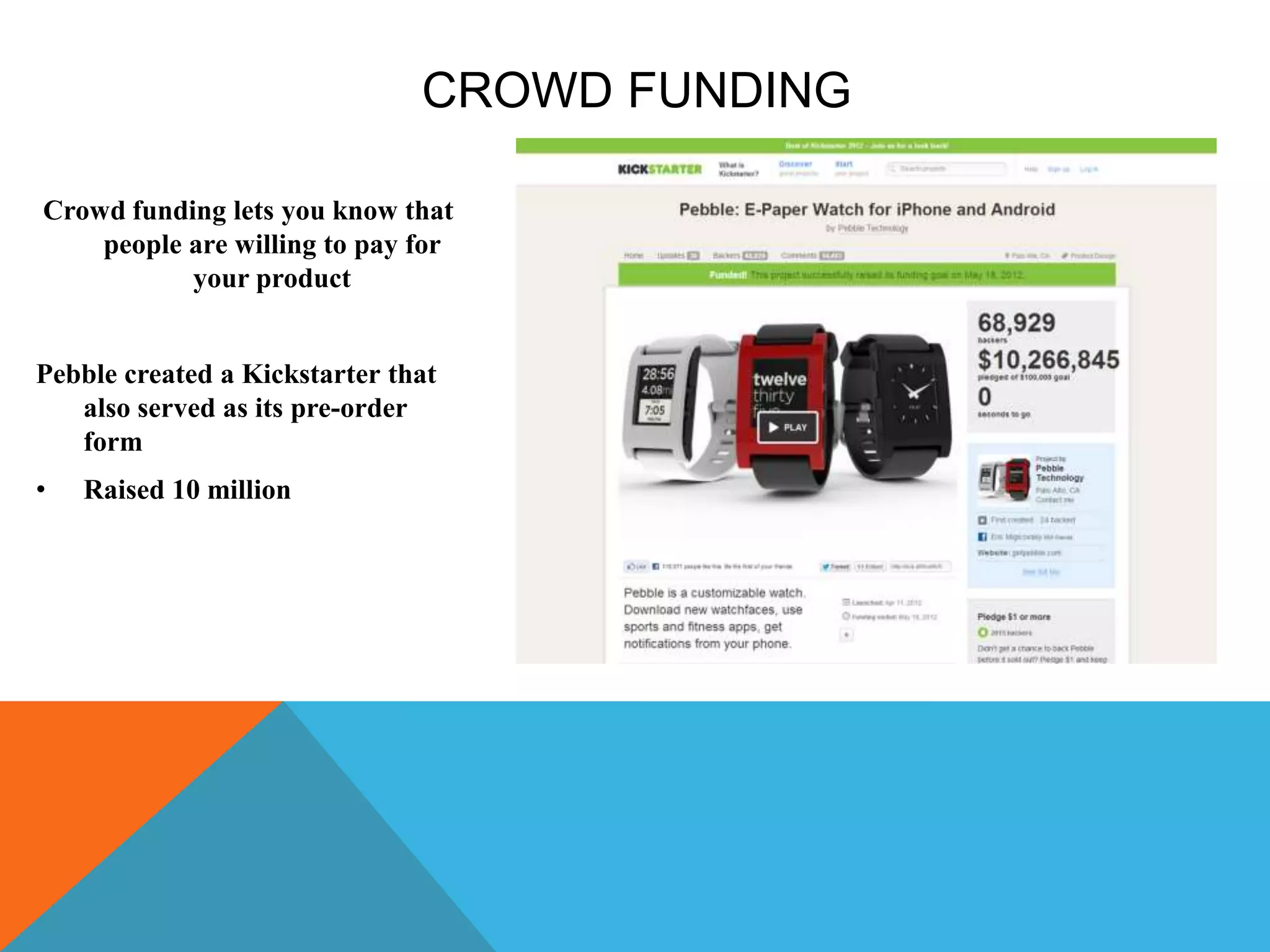
Crowd funding lets you know that
people are willing to pay for
your product
Pebble created a Kickstarter that
also served as its pre-order
form
• Raised 10 million
WIZARD OF OZ
A Wizard of OZ MVP is when you put up
a digital webpage that looks like a real
working product, but then manually
carry out product functions
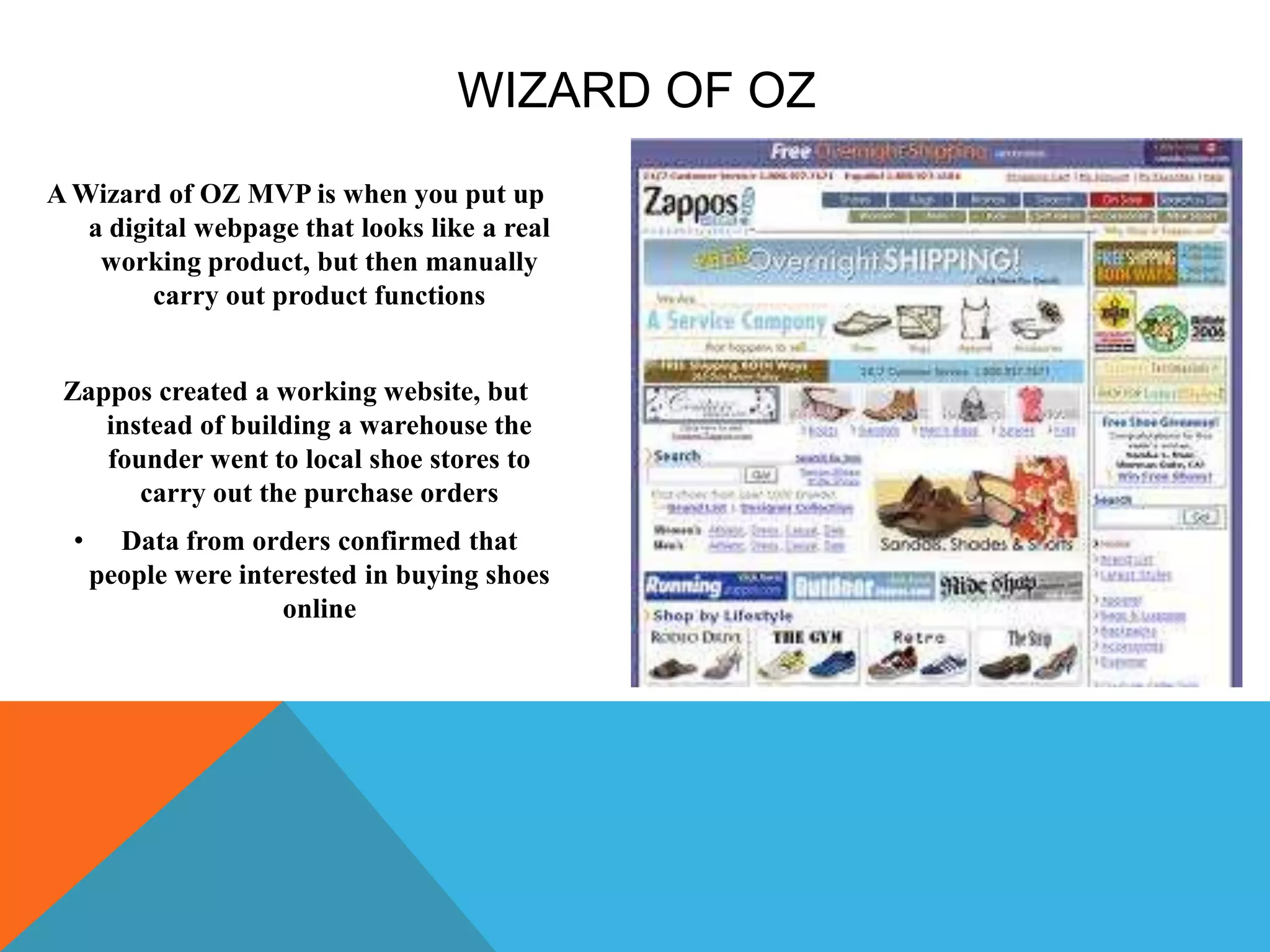
Zappos created a working website, but
instead of building a warehouse the
founder went to local shoe stores to
carry out the purchase orders
• Data from orders confirmed that
people were interested in buying shoes
online
TESTING
You can use testing to validate
specific features or price
points
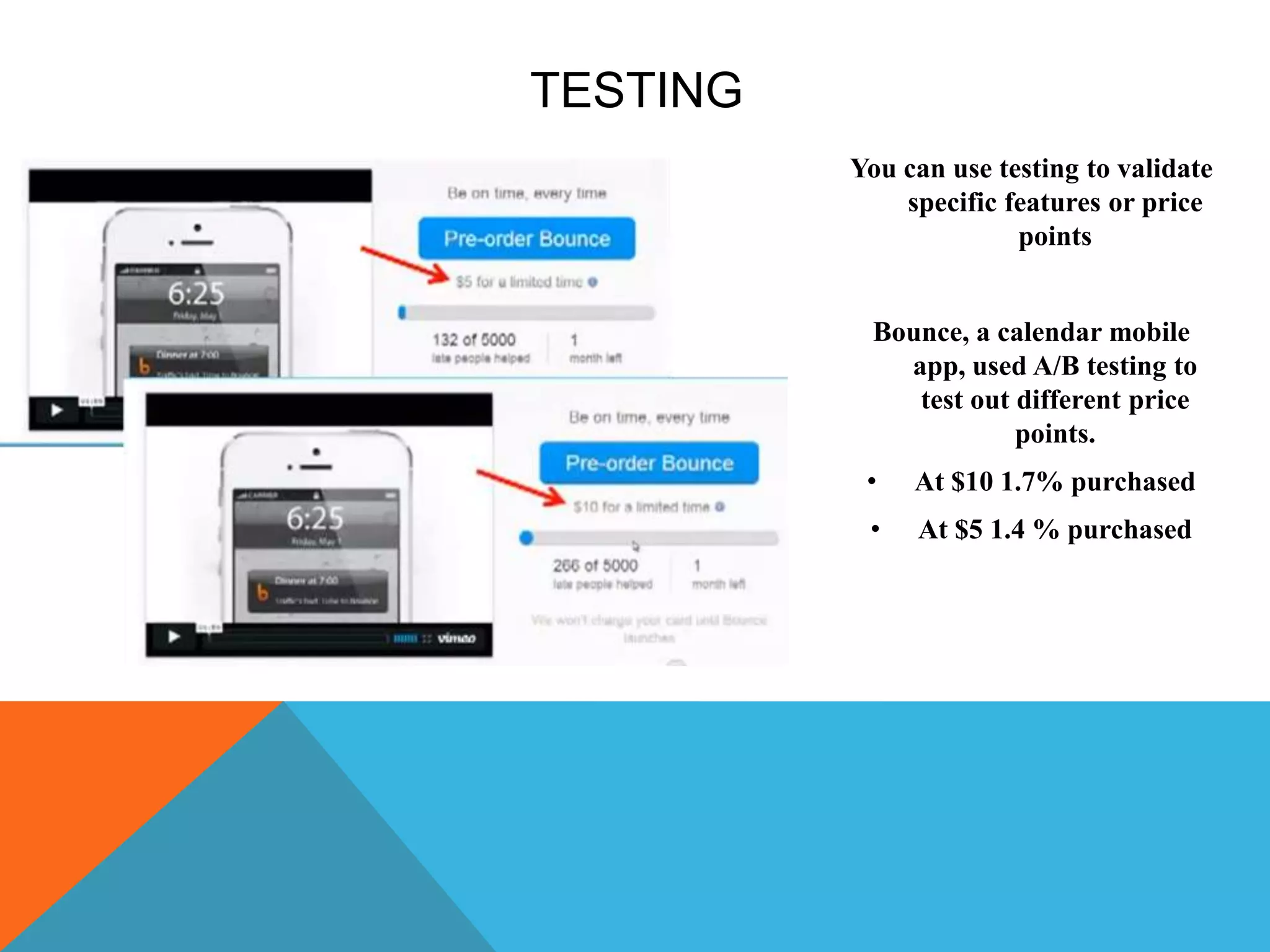
Bounce, a calendar mobile
app, used A/B testing to
test out different price
points.
• At $10 1.7% purchased
• At $5 1.4 % purchased
VIDEOS
A video should explain what the product
does and why people should care.
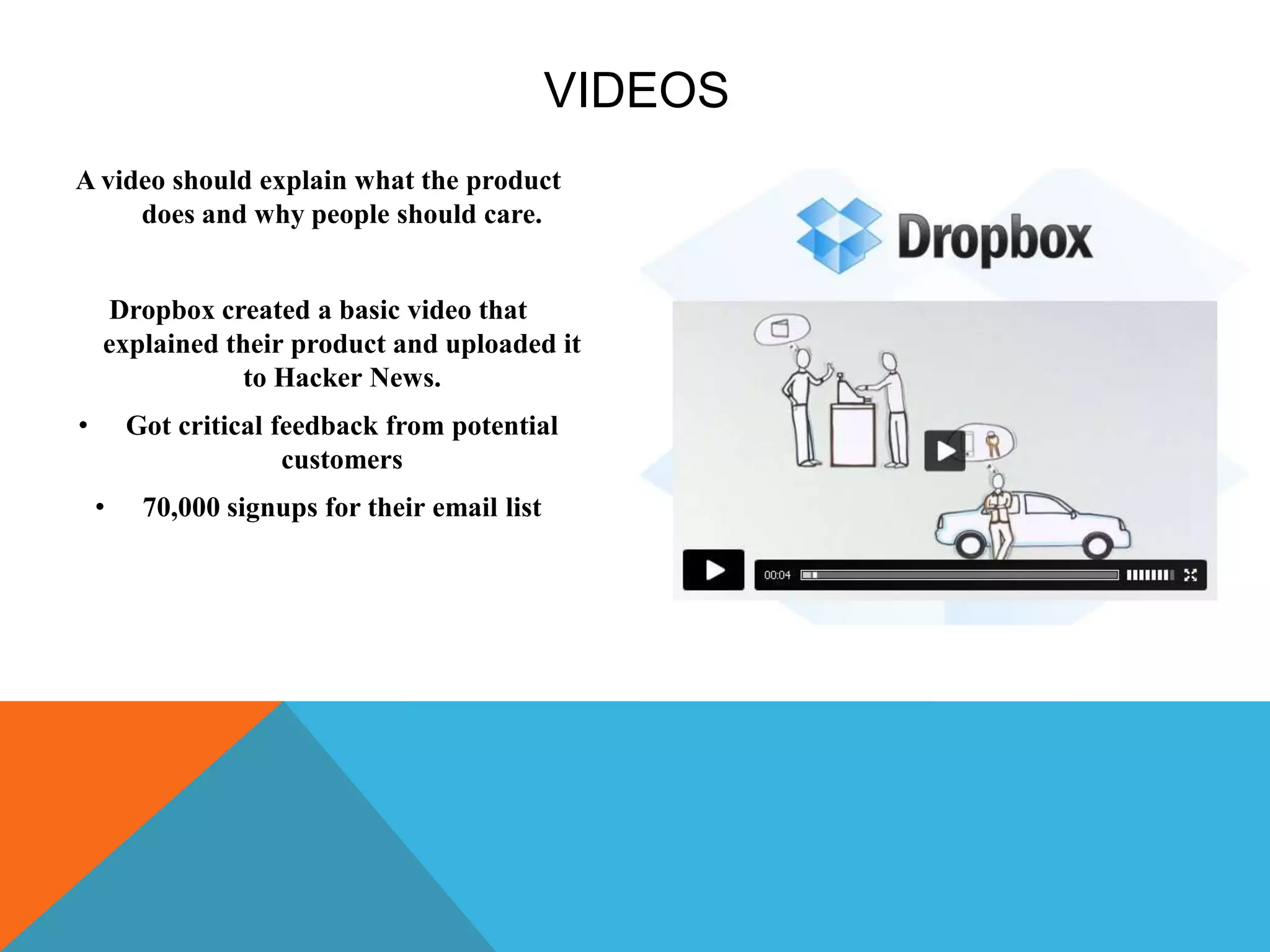
Dropbox created a basic video that
explained their product and uploaded it
to Hacker News.
• Got critical feedback from potential
customers
• 70,000 signups for their email list
TALK TO THE PEOPLE
Sometimes taking to people is the
best way to validate your
product.
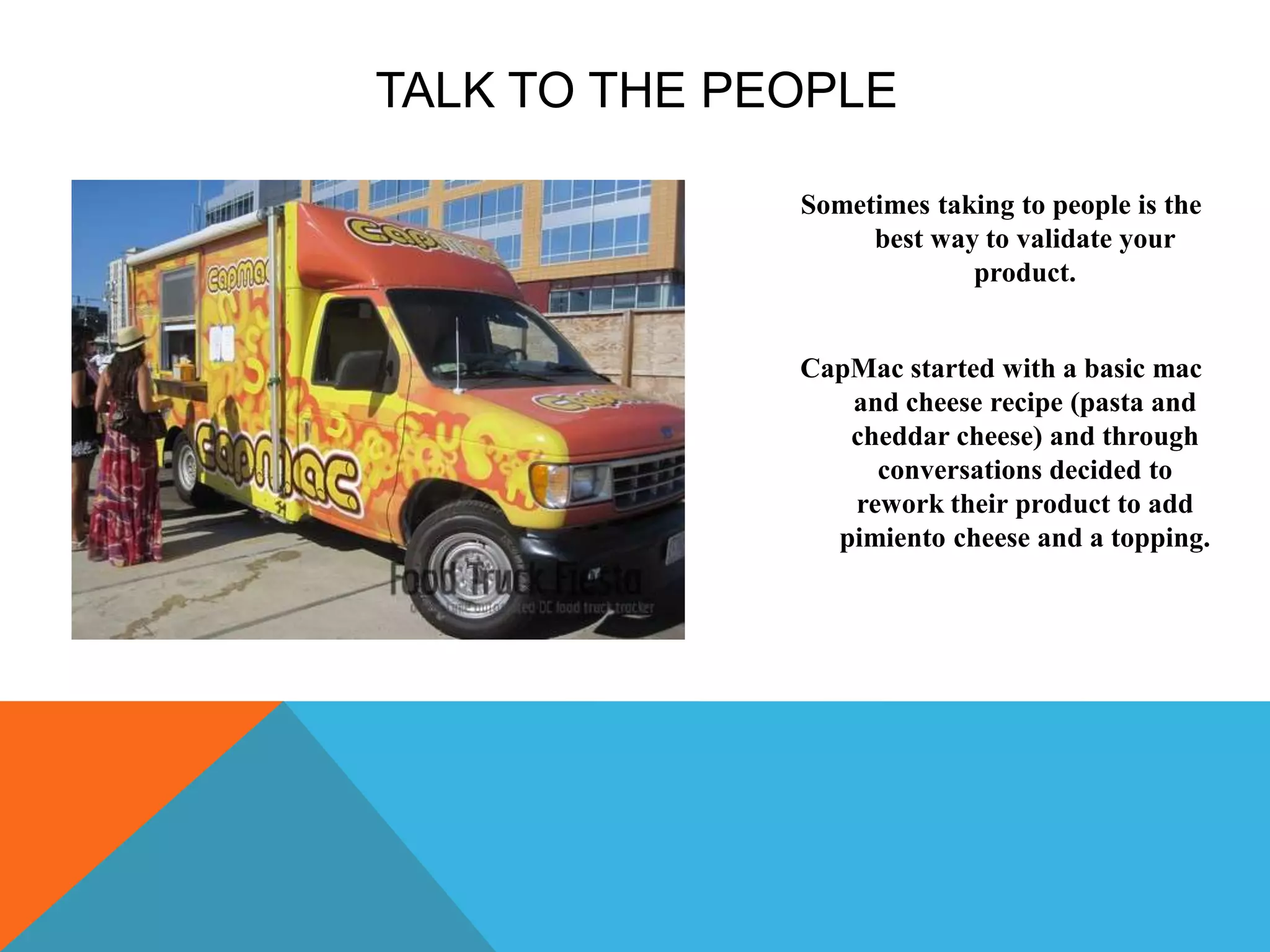
CapMac started with a basic mac
and cheese recipe (pasta and
cheddar cheese) and through
conversations decided to
rework their product to add
pimiento cheese and a topping.
RESOURCES
• The Validation Board from Lean Startup Machine
• Unbounce- landing pages and A/B testing
• “Ultimate Guide on Building Minimal Viable Products” by 10steps2.com
• Twitter: #LeanStartup and #MVP
• Parts one and 2 from the Lean Startup by Eric Ries

Lean Startup Zurich- MVP/Idea Validation

  • 2.
    VALIDATION The Lean Startupmethod advocates that we build a basic product/prototype and get out to test and validate our idea. • Is anyone interested in our product? • What features do customers care about? • What features are missing? • What features aren’t necessary? We take the data we learn from customers and constantly revise the product
  • 3.
    MINIMUM VIABLE PRODUCT Theminimum viable product (MVP) is “the version of a new product which allows a team to collect the maximum amount of validated learning about customers with the least effort.” This can be: • A prototype • A design mockup • A video describing your product.
  • 5.
    The MVP isdifferent for every startup. What works for one company may not be viable enough for another. It’s not about doing the least amount of work necessary, it’s about doing the least amount of work necessary to test your hypothesis. For some industries this may require a lot of work.
  • 6.
  • 7.
  • 8.
    WHY MVP ? Thegoal of the MVP is to test fundamental business hypotheses and help entrepreneurs begin the learning process as quickly as possible. In LS lingo these hypotheses are called leap of faith assumptions
  • 9.
    HOW DO WEVALIDATE?
  • 10.
    LANDING PAGES A landingpage is a web page where visitors “land” after clicking a link. A landing page should quickly communicate what your product/service is about. Anipals, a social network for pet owners, created a landing page to give potential users a preview
  • 11.
    BASIC WEBPAGE/ SCREENSHOTS BeautyBox provider Wonderbox used a basic webpage to gauge interest and test its hypothesis that female executives in Malaysia want to keep up with the latest beauty/fashion trends but might not have the time to do so • 500 signups in 2 weeks
  • 12.
    CROWD FUNDING Crowd fundinglets you know that people are willing to pay for your product Pebble created a Kickstarter that also served as its pre-order form • Raised 10 million
  • 13.
    WIZARD OF OZ AWizard of OZ MVP is when you put up a digital webpage that looks like a real working product, but then manually carry out product functions Zappos created a working website, but instead of building a warehouse the founder went to local shoe stores to carry out the purchase orders • Data from orders confirmed that people were interested in buying shoes online
  • 14.
    TESTING You can usetesting to validate specific features or price points Bounce, a calendar mobile app, used A/B testing to test out different price points. • At $10 1.7% purchased • At $5 1.4 % purchased
  • 15.
    VIDEOS A video shouldexplain what the product does and why people should care. Dropbox created a basic video that explained their product and uploaded it to Hacker News. • Got critical feedback from potential customers • 70,000 signups for their email list
  • 16.
    TALK TO THEPEOPLE Sometimes taking to people is the best way to validate your product. CapMac started with a basic mac and cheese recipe (pasta and cheddar cheese) and through conversations decided to rework their product to add pimiento cheese and a topping.
  • 17.
    RESOURCES • The ValidationBoard from Lean Startup Machine • Unbounce- landing pages and A/B testing • “Ultimate Guide on Building Minimal Viable Products” by 10steps2.com • Twitter: #LeanStartup and #MVP • Parts one and 2 from the Lean Startup by Eric Ries

Editor's Notes

  • #3 We constantly validate our ideas so that the product/service we offer is one that customers want. Plus it saves us hassle down the long road.
  • #5 How do we go from A to B?
  • #6 Not everyone needs a full website, so people might just need a landing page. You start small and go bigger if necessary.
  • #7 We see this in the fashion world, because making and launching a full season for a line is expensive. First designers make a mini collection that they either sell or show to reporters/buyers to get feedback. They need to figure out what will sell , how their collection fits into current trends, and what will be well received from the industry.
  • #8 They take the industry and customer feedback and launch a full line. They take out what isn’t well received and sometimes expand on colors/patterns/shapes/cuts that are well received. In this example the designer kept certain prints (bubble print) and nixed out colors (olive green).
  • #12 Wonderbox didn’t have any boxes or partners lined up. But they took this data to confirm they were on the right track
  • #17 More time consuming, but some times necessary. Especially with food products.