THE MUSLIM
NETWORK
HEALTH
COLLABORATION
Presented by Javid Patel
HAJJ, EIDAND
HEALTH
INEQUALITIES
AGENDA
Introduction to the network
Hajj, Eid and the lessons we can derive from both
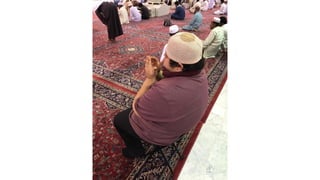
Hajj Diary
The Case For Diversity And Inclusion Across The NHS
Health Inequalities And The Long Term Plan
Health Engagement With Muslim Community
The Long Term Plan And The Organisation's Commitment To
Tackle Health Inequalities
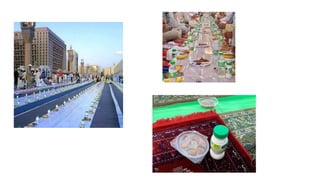
Networking And Food
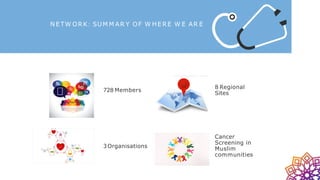
N E TW ORK : SUM M AR Y OF W HE RE W E AR E
728 Members
3Organisations
8 Regional
Sites
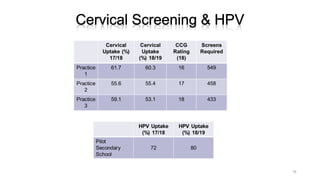
Cancer
Screening in
Muslim
communities
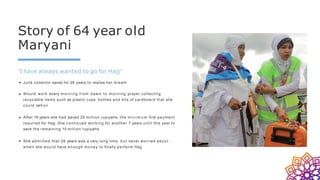
Story of 64 year old
Maryani
"I have always wanted to go for Hajj"
Junk collector saves for 26 years to realise her dream
Would work every morning from dawn to morning prayer collecting
recyclable items such as plastic cups, bottles and bits of cardboard that she
could sell on
After 19 years she had saved 25 million rupiyahs, the m i n i m u m first payment
required for Hajj. She continued working for another 7 years until this year to
save the remaining 10 million rupiyahs
She admitted that 26 years was a very long time, but never worried about
when she would have enough money to finally perform Hajj
"The reward for an
accepted Hajj is
nothing but paradise"
Prophet Muhammad (Peace Be Upon Him)
Bukhari & Muslim
HAJJ, EID AND
KEY LESSONS WE
CAN TAKE FROM
EACH
Ihtishaam Malik
Co-chair
NHS England and NHS Improvement Muslim
What is Islam?
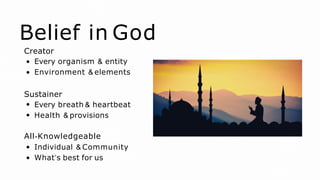
Belief in God
Creator
Every organism & entity
Environment & elements
Sustainer
Every breath & heartbeat
Health & provisions
All-Knowledgeable
Individual & Community
What’s best for us
Belief in the Message
Guidance
Direction and principles
Insights (health etc.)
Prophets
From Adam to Muhammad
Role models
Belief in Accountability
Reward and recompense
Every person will be judged
based on their conduct and
intention
Responsibility
To God, family and one
another (even in the workplace
and wider community)
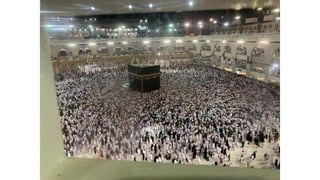
Whatis Hajj?
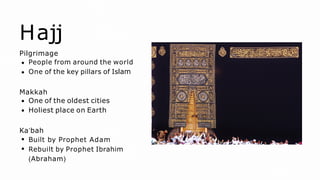
Hajj
Pilgrimage
People from around the world
One of the key pillars of Islam
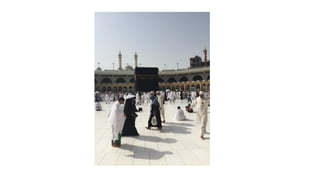
Makkah
One of the oldest cities
Holiest place on Earth
Ka’bah
Built by Prophet Adam
Rebuilt by Prophet Ibrahim
(Abraham)
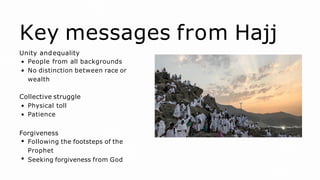
Key messages from Hajj
Unity andequality
People from all backgrounds
No distinction between race or
wealth
Collective struggle
Physical toll
Patience
Forgiveness
Following the footsteps of the
Prophet
Seeking forgiveness from God
What is Eid ul
Adha?
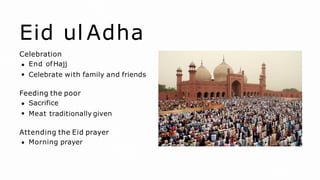
Eid ul Adha
Celebration
End ofHajj
Celebrate with family and friends
Feeding the poor
Sacrifice
Meat traditionally given
Attending the Eid prayer
Morning prayer
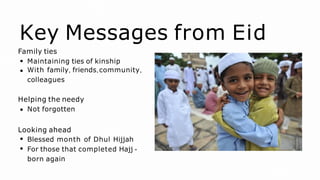
Key Messages from Eid
Family ties
Maintaining ties of kinship
With family, friends,community,
colleagues
Helping the needy
Not forgotten
Looking ahead
Blessed month of Dhul Hijjah
For those that completed Hajj -
born again
The Prophet'sLast
sermon
Prophet Muhammad (Peace be upon him)
O People, listen to me in earnest, worship Allah, perform your five
daily prayers (salah), fast during the month of Ramadan, and give your wealth
in zakat (almsgiving). Perform Hajj if you can afford it.
All mankind is from Adam and Eve, an Arab has no superiority over a
non-Arab nor a non-Arab has any superiority over an Arab; also a white has no
superiority over black nor does a black have any superiority over a white
except by piety and good action. Learn that every Muslim is a brother to every
Muslim and that the Muslims constitute one brotherhood. Nothing shall be
legitimate to a Muslim which belongs to a fellow Muslim unless it was given
freely and willingly. Do not, therefore, do injustice to yourselves.
Remember, one day you will appear before Allah and answer for your
deeds. So beware, do not stray from the path of righteousness after I am gone.
Hajj Diary: An
NHSE&I staff's
reflections onthe
journey
Syeda Alam
MY EXPERIENCE OF UMRAH IN THE MONTH
OF RAMADAN
Syeda Alam
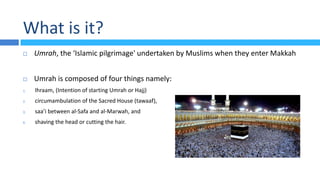
What is it?
 Umrah, the ‘Islamic pilgrimage' undertaken by Muslims when they enter Makkah
 Umrah is composed of four things namely:
1. Ihraam, (Intention of starting Umrah or Hajj)
2. circumambulation of the Sacred House (tawaaf),
3. saa’i between al-Safa and al-Marwah, and
4. shaving the head or cutting the hair.
Journey
o Physical travelling Journey – As a family
o Embarking on the spiritual and emotional journey
Preparation…
o Books
o Other peoples experience
o Hotels
o Visa
o Transport
o Medicines
o Google map
o And many more
Preparation…
Preparation…
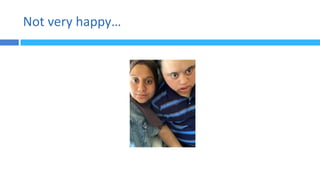
Not very happy…
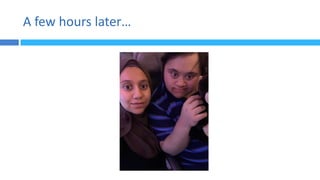
A few hours later…
The case for a
diverse and
inclusive
workforce across
the NHS
Habib Naqvi
Deputy Director for WRES at NHSE&I
37 |
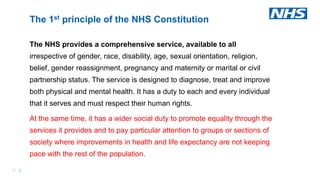
The NHS provides a comprehensive service, available to all
irrespective of gender, race, disability, age, sexual orientation, religion,
belief, gender reassignment, pregnancy and maternity or marital or civil
partnership status. The service is designed to diagnose, treat and improve
both physical and mental health. It has a duty to each and every individual
that it serves and must respect their human rights.
At the same time, it has a wider social duty to promote equality through the
services it provides and to pay particular attention to groups or sections of
society where improvements in health and life expectancy are not keeping
pace with the rest of the population.
The 1st principle of the NHS Constitution
www.england.nhs.uk
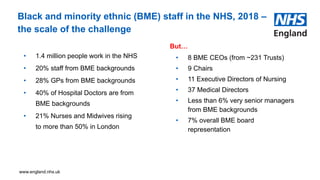
Black and minority ethnic (BME) staff in the NHS, 2018 –
the scale of the challenge
• 1.4 million people work in the NHS
• 20% staff from BME backgrounds
• 28% GPs from BME backgrounds
• 40% of Hospital Doctors are from
BME backgrounds
• 21% Nurses and Midwives rising
to more than 50% in London
But…
• 8 BME CEOs (from ~231 Trusts)
• 9 Chairs
• 11 Executive Directors of Nursing
• 37 Medical Directors
• Less than 6% very senior managers
from BME backgrounds
• 7% overall BME board
representation
39 |
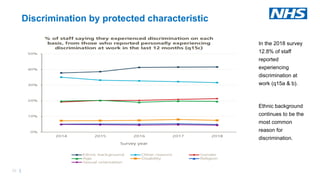
In the 2018 survey
12.8% of staff
reported
experiencing
discrimination at
work (q15a & b).
Ethnic background
continues to be the
most common
reason for
discrimination.
Discrimination by protected characteristic
www.england.nhs.uk
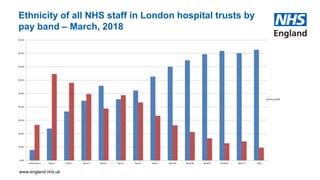
Ethnicity of all NHS staff in London hospital trusts by
pay band – March, 2018
0.0%
10.0%
20.0%
30.0%
40.0%
50.0%
60.0%
70.0%
80.0%
90.0%
Under band 1 Band 1 Band 2 Band 3 Band 4 Band 5 Band 6 Band 7 Band 8a Band 8b Band 8c Band 8d Band 9 VSM
White BME
41 |41 | Presentation title
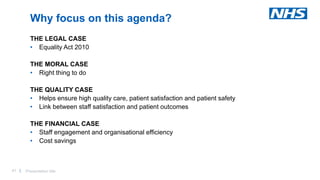
THE LEGAL CASE
• Equality Act 2010
THE MORAL CASE
• Right thing to do
THE QUALITY CASE
• Helps ensure high quality care, patient satisfaction and patient safety
• Link between staff satisfaction and patient outcomes
THE FINANCIAL CASE
• Staff engagement and organisational efficiency
• Cost savings
Why focus on this agenda?
42 |42 | Presentation title
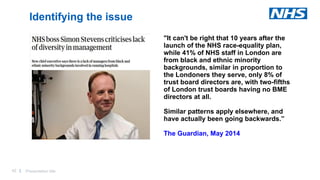
Identifying the issue
"It can't be right that 10 years after the
launch of the NHS race-equality plan,
while 41% of NHS staff in London are
from black and ethnic minority
backgrounds, similar in proportion to
the Londoners they serve, only 8% of
trust board directors are, with two-fifths
of London trust boards having no BME
directors at all.
Similar patterns apply elsewhere, and
have actually been going backwards.”
The Guardian, May 2014
www.england.nhs.uk
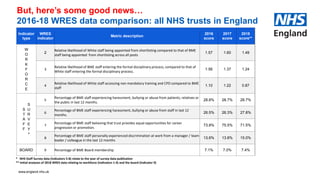
But, here’s some good news…
2016-18 WRES data comparison: all NHS trusts in England
* NHS Staff Survey data (indicators 5-8) relate to the year of survey data publication
** Initial analyses of 2018 WRES data relating to workforce (indicators 1-4) and the board (indicator 9)
Indicator
type
WRES
indicator
Metric description
2016
score
2017
score
2018
score**
W
O
R
K
F
O
R
C
E
2
Relative likelihood of White staff being appointed from shortlisting compared to that of BME
staff being appointed from shortlisting across all posts
1.57 1.60 1.49
3
Relative likelihood of BME staff entering the formal disciplinary process, compared to that of
White staff entering the formal disciplinary process.
1.56 1.37 1.24
4
Relative likelihood of White staff accessing non mandatory training and CPD compared to BME
staff
1.10 1.22 0.87
S
T
A
F
F
S
U
R
V
E
Y
*
5
Percentage of BME staff experiencing harassment, bullying or abuse from patients, relatives or
the public in last 12 months.
28.8% 28.7% 28.7%
6
Percentage of BME staff experiencing harassment, bullying or abuse from staff in last 12
months.
26.5% 26.3% 27.8%
7
Percentage of BME staff believing that trust provides equal opportunities for career
progression or promotion.
73.8% 75.5% 71.5%
8
Percentage of BME staff personally experienced discrimination at work from a manager / team
leader / colleague in the last 12 months
13.6% 13.8% 15.0%
BOARD 9 Percentage of BME Board membership 7.1% 7.0% 7.4%
www.england.nhs.uk
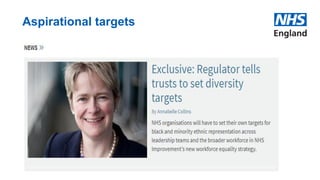
Aspirational targets
44
www.england.nhs.uk
The NHS Long Term Plan, NHS People Plan and
the WRES
• Respect, equality and diversity will be central to changing the
culture and will be at the heart of the workforce implementation
plan.
• Through the WRES, we are making progress in addressing these
issues from the perspective of BME staff.
• Working with the WRES team, each NHS organisation will set
its own target for BME representation across its leadership
team and broader workforce.
• This will help ensure senior teams and boards more closely
represent the diversity of the workforce and the local
communities they serve.
46 |46 |
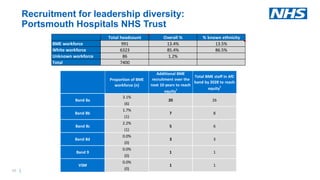
Recruitment for leadership diversity:
Portsmouth Hospitals NHS Trust
Total headcount Overall % % known ethnicity
BME workforce 991 13.4% 13.5%
White workforce 6323 85.4% 86.5%
Unknown workforce 86 1.2%
Total 7400
Proportion of BME
workforce (n)
Additional BME
recruitment over the
next 10 years to reach
equity1
Total BME staff in AfC
band by 2028 to reach
equity
1
3.1%
(6)
1.7%
(1)
2.2%
(1)
0.0%
(0)
0.0%
(0)
0.0%
(0)
20 26
1 1
1 1
Band 8a
Band 8b
Band 8c
Band 8d
Band 9
VSM
7 8
5 6
3 3
www.england.nhs.uk
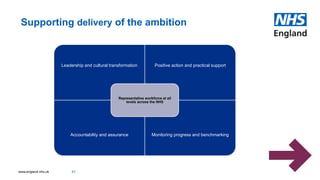
Supporting delivery of the ambition
47
Leadership and cultural transformation Positive action and practical support
Accountability and assurance Monitoring progress and benchmarking
Representative workforce at all
levels across the NHS
48 |48 |
TWITTER:
@DrHNaqvi
WEB:
www.england.nhs.uk/wres/
EMAIL:
england.wres@nhs.net
Resources and further information
Health
inequalities
and the NHS
Long Term Plan
Iain Hill
Assurance and
inequalities Lead at
NHSE&I
50 |
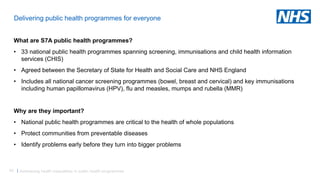
Delivering public health programmes for everyone
What are S7A public health programmes?
• 33 national public health programmes spanning screening, immunisations and child health information
services (CHIS)
• Agreed between the Secretary of State for Health and Social Care and NHS England
• Includes all national cancer screening programmes (bowel, breast and cervical) and key immunisations
including human papillomavirus (HPV), flu and measles, mumps and rubella (MMR)
Why are they important?
• National public health programmes are critical to the health of whole populations
• Protect communities from preventable diseases
• Identify problems early before they turn into bigger problems
Addressing health inequalities in public health programmes
51 |
Delivering public health programmes for everyone (cont)
How are they delivered?
• They are direct commissioned programmes, which means NHS England, through its national and regional
teams, has a direct hand in how programmes are delivered
• We work hand in glove with Public Health England who provide expert clinical knowledge
• The actual delivery method varies programme to programme – it can include home kits, community clinics,
primary care, maternity services
• Locally applied within a national delivery framework
How are we doing?
• Not bad. But we can always do better!
Addressing health inequalities in public health programmes
52 |
Addressing inequalities in public health programmes
Challenges:
• Availability of data to better understand access and variation
• Capability of existing IT systems to help
• Complex commissioning landscape
• Workforce and capacity
Opportunities:
• Technology – screening platforms and electronic personal health records (including NHS app)
• Using local knowledge to inform plans
• PHE screening inequalities strategy was published in 2018
• PHE immunisation inequalities strategy is being developed
• Closer working with Local Authorities
• Reviews and reports
Addressing health inequalities in public health programmes
53 |
Inequalities in the Long Term Plan
What does the Long Term Plan say?
• Develop a ‘menu of evidence based interventions’
• Ensure commissioners have the right sort of information to understand the needs of their populations
• Improve uptake in screening and immunisation (with particular reference to childhood immunisations); and,
• Introduce new tests like the faecal immunochemical test (FIT) and cervical primary screen
• Developments in electronic Personal Child Health Records (Digital red book) and child health
What will the impact of delivering the LTP have on addressing inequalities in public health
programmes?
• Understanding commissioning/delivery challenges and gaps
• Focus on unblocking/enabling delivery
• Sharing practice to improve
Addressing health inequalities in public health programmes
Working with
faith
institutions to
improve cancer
awareness
Sherifat Kamal
British Islamic Medical
Association
BIMA
British Islamic Medical Association
• National, democratic, professional association of British Muslim
Healthcare Professionals with 2,000+ members. Volunteer led,
funded, and delivered.
• Most members are a key part of their local mosques & communities.
• Our vision is “to unite and inspire our members in service of our
patients and profession”
• Health promotion is one of several campaigns and activities
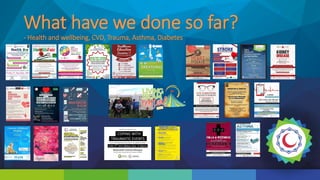
What have we done so far?
- Health and wellbeing, CVD, Trauma, Asthma, Diabetes
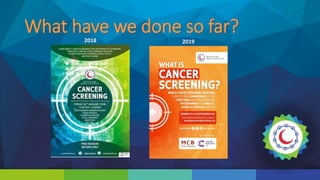
What have we done so far?2018
o
2019
Community Projects for
2019
- Cancer Screening: Feb/March 2019
- Healthy Ramadan: April 2019
- BLS ‘Lifesavers’: Sept 2019
- Organ Donation Project Nov 2019
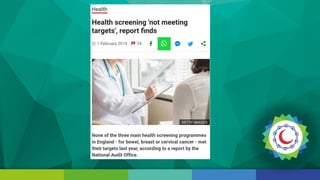
Cancer Screening
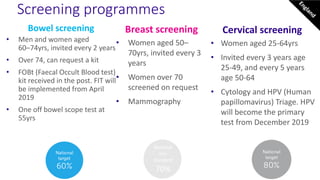
Bowel screening
• Men and women aged
60–74yrs, invited every 2 years
• Over 74, can request a kit
• FOBt (Faecal Occult Blood test)
kit received in the post. FIT will
be implemented from April
2019
• One off bowel scope test at
55yrs
Screening programmes
Cervical screening
• Women aged 25-64yrs
• Invited every 3 years age
25-49, and every 5 years
age 50-64
• Cytology and HPV (Human
papillomavirus) Triage. HPV
will become the primary
test from December 2019
Breast screening
• Women aged 50–
70yrs, invited every 3
years
• Women over 70
screened on request
• Mammography
National
min
standard
70%
Cancer Screening
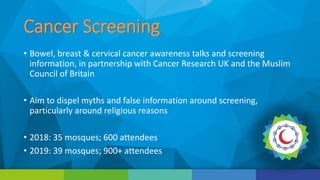
• Bowel, breast & cervical cancer awareness talks and screening
information, in partnership with Cancer Research UK and the Muslim
Council of Britain
• Aim to dispel myths and false information around screening,
particularly around religious reasons
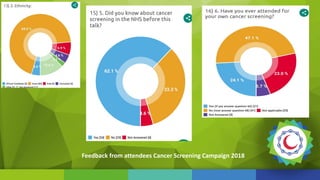
• 2018: 35 mosques; 600 attendees
• 2019: 39 mosques; 900+ attendees
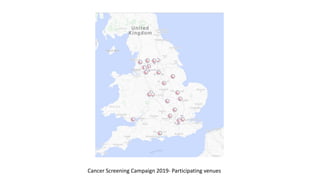
Cancer Screening Campaign 2019- Participating venues
Cancer Screening
Cancer Screening
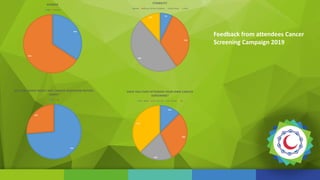
Feedback from attendees Cancer Screening Campaign 2018
34%
66%
GENDER
Male Female
7%
33%
48%
12%
ETHNICITY
Arabs African/ African Caribbean South Asian Other
74%
26%
DID YOU KNOW ABOUT NHS CANCER SCREENING BEFORE
TODAY?
Yes No
13%
30%
20%
37%
HAVE YOU EVER ATTENDED YOUR OWN CANCER
SCREENING?
Yes - Bowel Yes - Cervical Yes - Breast No
Feedback from attendees Cancer
Screening Campaign 2019
Cancer Screening (Our Findings)
• Reported increased understanding of process, and intention to
partake in NHS screening programs after attending intervention
• [Intra]Faith and cultural sensitivity crucial (music, fate, segregation)
• Need to understand & engage with health behaviors and beliefs
of mosque population
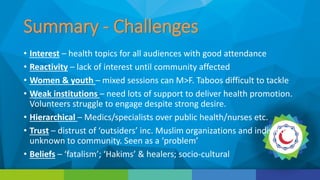
Summary - Challenges
• Interest – health topics for all audiences with good attendance
• Reactivity – lack of interest until community affected
• Women & youth – mixed sessions can M>F. Taboos difficult to tackle
• Weak institutions – need lots of support to deliver health promotion.
Volunteers struggle to engage despite strong desire.
• Hierarchical – Medics/specialists over public health/nurses etc.
• Trust – distrust of ‘outsiders’ inc. Muslim organizations and individuals
unknown to community. Seen as a ‘problem’
• Beliefs – ‘fatalism’; ‘Hakims’ & healers; socio-cultural
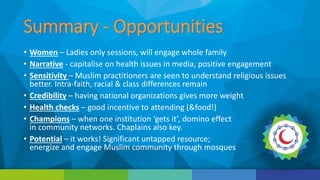
Summary - Opportunities
• Women – Ladies only sessions, will engage whole family
• Narrative - capitalise on health issues in media, positive engagement
• Sensitivity – Muslim practitioners are seen to understand religious issues
better. Intra-faith, racial & class differences remain
• Credibility – having national organizations gives more weight
• Health checks – good incentive to attending (&food!)
• Champions – when one institution ‘gets it’, domino effect
in community networks. Chaplains also key.
• Potential – it works! Significant untapped resource;
energize and engage Muslim community through mosques
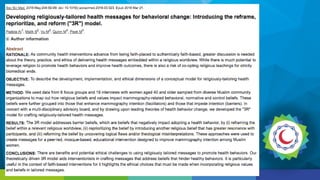
Further research needed…
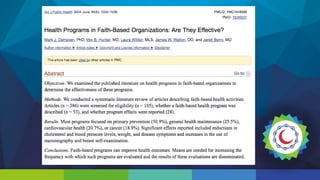
• We are looking to build on our community engagement and
undertake quality research into the health of Muslim communities
• The impact of cancer screenings programmes in UK populations is
untested and we need to collect data
• Especially the use of mosques and faith institutions as mechanisms of
health promotion; intersectionality of UK Muslim population
Thank you
Contact
• healthpromotion@britishima.org
• www.bririshima.org
• Twitter/FB: @britishima
North Staffs:
Improving
screening
awareness at a
younger age
Emma Keeling & Dr
Mirium Masaud
76
Cannock Chase Clinical Commissioning Group
East Staffordshire Clinical Commissioning Group
North Staffordshire Clinical Commissioning Group
South East Staffordshire and Seisdon Peninsula Clinical Commissioning Group
Stafford and Surrounds Clinical Commissioning Group
Stoke-on-Trent Clinical Commissioning Group 77
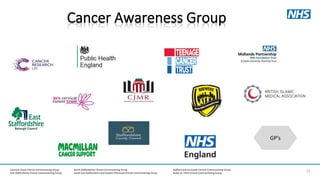
GP’s
Cannock Chase Clinical Commissioning Group
East Staffordshire Clinical Commissioning Group
North Staffordshire Clinical Commissioning Group
South East Staffordshire and Seisdon Peninsula Clinical Commissioning Group
Stafford and Surrounds Clinical Commissioning Group
Stoke-on-Trent Clinical Commissioning Group 78
Cannock Chase Clinical Commissioning Group
East Staffordshire Clinical Commissioning Group
North Staffordshire Clinical Commissioning Group
South East Staffordshire and Seisdon Peninsula Clinical Commissioning Group
Stafford and Surrounds Clinical Commissioning Group
Stoke-on-Trent Clinical Commissioning Group 79
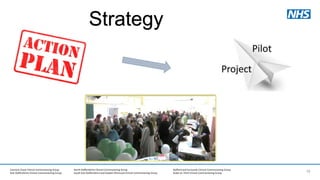
Strategy
80
What Next ?
Kirklees Council,
Eden Foundation
and PHE/NHSE
Javid Patel
Co-Chair of The Muslim Network Health
Collaboration
Breast & Cervical screening
Barriers:
Muslim scholarly input essential
Health professionals need to
understand religious and cultural
sensitivities and role of prayer/faith
Community outlook
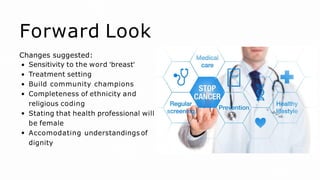
Forward Look
Changes suggested:
Sensitivity to the word 'breast'
Treatment setting
Build community champions
Completeness of ethnicity and
religious coding
Stating that health professional will
be female
Accomodating understandings of
dignity
Many of the barriers toward screening are
not exclusive to the Muslim community,
and were concurrent across a variety of
ethnicities, such as issue of privacy and
dignity. The lack of knowledge was cited as
the biggestbarrier...
Islam encourages preventative medicine,
investigating and treating symptons and
disease. Prayer, spirituality and phrophetic
medicine are highly encouraged during the
course of illness and is not a barrier to
accessing modern treatments but can be
used as a positive adjunct.
Conclusion
Ongoing work with Muslim scholars who
have a background working with the
healthcare sector is needed to understand
cultural and religion sensitivities, as well as
educating them on contemporary
healthcare issues such as screening...
Whilst this conference was local, any
findings can be applied to Muslims across a
variety of ethnicities in the UK due to the
same Muslimidentity.
Conclusion
The LTP & the
organisation's
commitment to
tackling health
inequalities
Baroness DidoHarding
Chair of NHSE&I
Amanda Pritchard
Chief Operating Officer of NHSE&I
Closing Remarks
Javid Patel
Co-Chair of The Muslim Network Health
Collaboration
Networking and
Food
Please don’t forget to complete
feedback forms and to join the
network please email us on:
NHSI.MuslimNetwork@nhs.net
Email us at
NHSI.MuslimNetwork@nhs.net
Become a member
Please don’t forget to complete feedback forms

Muslim Network Hajj Event 2019

  • 1.
  • 2.
    HAJJ, EIDAND HEALTH INEQUALITIES AGENDA Introduction tothe network Hajj, Eid and the lessons we can derive from both Hajj Diary The Case For Diversity And Inclusion Across The NHS Health Inequalities And The Long Term Plan Health Engagement With Muslim Community The Long Term Plan And The Organisation's Commitment To Tackle Health Inequalities Networking And Food
  • 3.
    N E TWORK : SUM M AR Y OF W HE RE W E AR E 728 Members 3Organisations 8 Regional Sites Cancer Screening in Muslim communities
  • 4.
    Story of 64year old Maryani "I have always wanted to go for Hajj" Junk collector saves for 26 years to realise her dream Would work every morning from dawn to morning prayer collecting recyclable items such as plastic cups, bottles and bits of cardboard that she could sell on After 19 years she had saved 25 million rupiyahs, the m i n i m u m first payment required for Hajj. She continued working for another 7 years until this year to save the remaining 10 million rupiyahs She admitted that 26 years was a very long time, but never worried about when she would have enough money to finally perform Hajj
  • 5.
    "The reward foran accepted Hajj is nothing but paradise" Prophet Muhammad (Peace Be Upon Him) Bukhari & Muslim
  • 6.
    HAJJ, EID AND KEYLESSONS WE CAN TAKE FROM EACH Ihtishaam Malik Co-chair NHS England and NHS Improvement Muslim
  • 7.
  • 8.
    Belief in God Creator Everyorganism & entity Environment & elements Sustainer Every breath & heartbeat Health & provisions All-Knowledgeable Individual & Community What’s best for us
  • 9.
    Belief in theMessage Guidance Direction and principles Insights (health etc.) Prophets From Adam to Muhammad Role models
  • 10.
    Belief in Accountability Rewardand recompense Every person will be judged based on their conduct and intention Responsibility To God, family and one another (even in the workplace and wider community)
  • 11.
  • 12.
    Hajj Pilgrimage People from aroundthe world One of the key pillars of Islam Makkah One of the oldest cities Holiest place on Earth Ka’bah Built by Prophet Adam Rebuilt by Prophet Ibrahim (Abraham)
  • 13.
    Key messages fromHajj Unity andequality People from all backgrounds No distinction between race or wealth Collective struggle Physical toll Patience Forgiveness Following the footsteps of the Prophet Seeking forgiveness from God
  • 14.
    What is Eidul Adha?
  • 15.
    Eid ul Adha Celebration EndofHajj Celebrate with family and friends Feeding the poor Sacrifice Meat traditionally given Attending the Eid prayer Morning prayer
  • 16.
    Key Messages fromEid Family ties Maintaining ties of kinship With family, friends,community, colleagues Helping the needy Not forgotten Looking ahead Blessed month of Dhul Hijjah For those that completed Hajj - born again
  • 17.
    The Prophet'sLast sermon Prophet Muhammad(Peace be upon him) O People, listen to me in earnest, worship Allah, perform your five daily prayers (salah), fast during the month of Ramadan, and give your wealth in zakat (almsgiving). Perform Hajj if you can afford it. All mankind is from Adam and Eve, an Arab has no superiority over a non-Arab nor a non-Arab has any superiority over an Arab; also a white has no superiority over black nor does a black have any superiority over a white except by piety and good action. Learn that every Muslim is a brother to every Muslim and that the Muslims constitute one brotherhood. Nothing shall be legitimate to a Muslim which belongs to a fellow Muslim unless it was given freely and willingly. Do not, therefore, do injustice to yourselves. Remember, one day you will appear before Allah and answer for your deeds. So beware, do not stray from the path of righteousness after I am gone.
  • 18.
    Hajj Diary: An NHSE&Istaff's reflections onthe journey Syeda Alam
  • 19.
    MY EXPERIENCE OFUMRAH IN THE MONTH OF RAMADAN Syeda Alam
  • 20.
    What is it? Umrah, the ‘Islamic pilgrimage' undertaken by Muslims when they enter Makkah  Umrah is composed of four things namely: 1. Ihraam, (Intention of starting Umrah or Hajj) 2. circumambulation of the Sacred House (tawaaf), 3. saa’i between al-Safa and al-Marwah, and 4. shaving the head or cutting the hair.
  • 21.
    Journey o Physical travellingJourney – As a family o Embarking on the spiritual and emotional journey
  • 22.
    Preparation… o Books o Otherpeoples experience o Hotels o Visa o Transport o Medicines o Google map o And many more Preparation… Preparation…
  • 23.
  • 24.
    A few hourslater…
  • 36.
    The case fora diverse and inclusive workforce across the NHS Habib Naqvi Deputy Director for WRES at NHSE&I
  • 37.
    37 | The NHSprovides a comprehensive service, available to all irrespective of gender, race, disability, age, sexual orientation, religion, belief, gender reassignment, pregnancy and maternity or marital or civil partnership status. The service is designed to diagnose, treat and improve both physical and mental health. It has a duty to each and every individual that it serves and must respect their human rights. At the same time, it has a wider social duty to promote equality through the services it provides and to pay particular attention to groups or sections of society where improvements in health and life expectancy are not keeping pace with the rest of the population. The 1st principle of the NHS Constitution
  • 38.
    www.england.nhs.uk Black and minorityethnic (BME) staff in the NHS, 2018 – the scale of the challenge • 1.4 million people work in the NHS • 20% staff from BME backgrounds • 28% GPs from BME backgrounds • 40% of Hospital Doctors are from BME backgrounds • 21% Nurses and Midwives rising to more than 50% in London But… • 8 BME CEOs (from ~231 Trusts) • 9 Chairs • 11 Executive Directors of Nursing • 37 Medical Directors • Less than 6% very senior managers from BME backgrounds • 7% overall BME board representation
  • 39.
    39 | In the2018 survey 12.8% of staff reported experiencing discrimination at work (q15a & b). Ethnic background continues to be the most common reason for discrimination. Discrimination by protected characteristic
  • 40.
    www.england.nhs.uk Ethnicity of allNHS staff in London hospital trusts by pay band – March, 2018 0.0% 10.0% 20.0% 30.0% 40.0% 50.0% 60.0% 70.0% 80.0% 90.0% Under band 1 Band 1 Band 2 Band 3 Band 4 Band 5 Band 6 Band 7 Band 8a Band 8b Band 8c Band 8d Band 9 VSM White BME
  • 41.
    41 |41 |Presentation title THE LEGAL CASE • Equality Act 2010 THE MORAL CASE • Right thing to do THE QUALITY CASE • Helps ensure high quality care, patient satisfaction and patient safety • Link between staff satisfaction and patient outcomes THE FINANCIAL CASE • Staff engagement and organisational efficiency • Cost savings Why focus on this agenda?
  • 42.
    42 |42 |Presentation title Identifying the issue "It can't be right that 10 years after the launch of the NHS race-equality plan, while 41% of NHS staff in London are from black and ethnic minority backgrounds, similar in proportion to the Londoners they serve, only 8% of trust board directors are, with two-fifths of London trust boards having no BME directors at all. Similar patterns apply elsewhere, and have actually been going backwards.” The Guardian, May 2014
  • 43.
    www.england.nhs.uk But, here’s somegood news… 2016-18 WRES data comparison: all NHS trusts in England * NHS Staff Survey data (indicators 5-8) relate to the year of survey data publication ** Initial analyses of 2018 WRES data relating to workforce (indicators 1-4) and the board (indicator 9) Indicator type WRES indicator Metric description 2016 score 2017 score 2018 score** W O R K F O R C E 2 Relative likelihood of White staff being appointed from shortlisting compared to that of BME staff being appointed from shortlisting across all posts 1.57 1.60 1.49 3 Relative likelihood of BME staff entering the formal disciplinary process, compared to that of White staff entering the formal disciplinary process. 1.56 1.37 1.24 4 Relative likelihood of White staff accessing non mandatory training and CPD compared to BME staff 1.10 1.22 0.87 S T A F F S U R V E Y * 5 Percentage of BME staff experiencing harassment, bullying or abuse from patients, relatives or the public in last 12 months. 28.8% 28.7% 28.7% 6 Percentage of BME staff experiencing harassment, bullying or abuse from staff in last 12 months. 26.5% 26.3% 27.8% 7 Percentage of BME staff believing that trust provides equal opportunities for career progression or promotion. 73.8% 75.5% 71.5% 8 Percentage of BME staff personally experienced discrimination at work from a manager / team leader / colleague in the last 12 months 13.6% 13.8% 15.0% BOARD 9 Percentage of BME Board membership 7.1% 7.0% 7.4%
  • 44.
  • 45.
    www.england.nhs.uk The NHS LongTerm Plan, NHS People Plan and the WRES • Respect, equality and diversity will be central to changing the culture and will be at the heart of the workforce implementation plan. • Through the WRES, we are making progress in addressing these issues from the perspective of BME staff. • Working with the WRES team, each NHS organisation will set its own target for BME representation across its leadership team and broader workforce. • This will help ensure senior teams and boards more closely represent the diversity of the workforce and the local communities they serve.
  • 46.
    46 |46 | Recruitmentfor leadership diversity: Portsmouth Hospitals NHS Trust Total headcount Overall % % known ethnicity BME workforce 991 13.4% 13.5% White workforce 6323 85.4% 86.5% Unknown workforce 86 1.2% Total 7400 Proportion of BME workforce (n) Additional BME recruitment over the next 10 years to reach equity1 Total BME staff in AfC band by 2028 to reach equity 1 3.1% (6) 1.7% (1) 2.2% (1) 0.0% (0) 0.0% (0) 0.0% (0) 20 26 1 1 1 1 Band 8a Band 8b Band 8c Band 8d Band 9 VSM 7 8 5 6 3 3
  • 47.
    www.england.nhs.uk Supporting delivery ofthe ambition 47 Leadership and cultural transformation Positive action and practical support Accountability and assurance Monitoring progress and benchmarking Representative workforce at all levels across the NHS
  • 48.
  • 49.
    Health inequalities and the NHS LongTerm Plan Iain Hill Assurance and inequalities Lead at NHSE&I
  • 50.
    50 | Delivering publichealth programmes for everyone What are S7A public health programmes? • 33 national public health programmes spanning screening, immunisations and child health information services (CHIS) • Agreed between the Secretary of State for Health and Social Care and NHS England • Includes all national cancer screening programmes (bowel, breast and cervical) and key immunisations including human papillomavirus (HPV), flu and measles, mumps and rubella (MMR) Why are they important? • National public health programmes are critical to the health of whole populations • Protect communities from preventable diseases • Identify problems early before they turn into bigger problems Addressing health inequalities in public health programmes
  • 51.
    51 | Delivering publichealth programmes for everyone (cont) How are they delivered? • They are direct commissioned programmes, which means NHS England, through its national and regional teams, has a direct hand in how programmes are delivered • We work hand in glove with Public Health England who provide expert clinical knowledge • The actual delivery method varies programme to programme – it can include home kits, community clinics, primary care, maternity services • Locally applied within a national delivery framework How are we doing? • Not bad. But we can always do better! Addressing health inequalities in public health programmes
  • 52.
    52 | Addressing inequalitiesin public health programmes Challenges: • Availability of data to better understand access and variation • Capability of existing IT systems to help • Complex commissioning landscape • Workforce and capacity Opportunities: • Technology – screening platforms and electronic personal health records (including NHS app) • Using local knowledge to inform plans • PHE screening inequalities strategy was published in 2018 • PHE immunisation inequalities strategy is being developed • Closer working with Local Authorities • Reviews and reports Addressing health inequalities in public health programmes
  • 53.
    53 | Inequalities inthe Long Term Plan What does the Long Term Plan say? • Develop a ‘menu of evidence based interventions’ • Ensure commissioners have the right sort of information to understand the needs of their populations • Improve uptake in screening and immunisation (with particular reference to childhood immunisations); and, • Introduce new tests like the faecal immunochemical test (FIT) and cervical primary screen • Developments in electronic Personal Child Health Records (Digital red book) and child health What will the impact of delivering the LTP have on addressing inequalities in public health programmes? • Understanding commissioning/delivery challenges and gaps • Focus on unblocking/enabling delivery • Sharing practice to improve Addressing health inequalities in public health programmes
  • 54.
    Working with faith institutions to improvecancer awareness Sherifat Kamal British Islamic Medical Association
  • 55.
    BIMA British Islamic MedicalAssociation • National, democratic, professional association of British Muslim Healthcare Professionals with 2,000+ members. Volunteer led, funded, and delivered. • Most members are a key part of their local mosques & communities. • Our vision is “to unite and inspire our members in service of our patients and profession” • Health promotion is one of several campaigns and activities
  • 56.
    What have wedone so far? - Health and wellbeing, CVD, Trauma, Asthma, Diabetes
  • 57.
    What have wedone so far?2018 o 2019
  • 59.
    Community Projects for 2019 -Cancer Screening: Feb/March 2019 - Healthy Ramadan: April 2019 - BLS ‘Lifesavers’: Sept 2019 - Organ Donation Project Nov 2019
  • 60.
  • 62.
    Bowel screening • Menand women aged 60–74yrs, invited every 2 years • Over 74, can request a kit • FOBt (Faecal Occult Blood test) kit received in the post. FIT will be implemented from April 2019 • One off bowel scope test at 55yrs Screening programmes Cervical screening • Women aged 25-64yrs • Invited every 3 years age 25-49, and every 5 years age 50-64 • Cytology and HPV (Human papillomavirus) Triage. HPV will become the primary test from December 2019 Breast screening • Women aged 50– 70yrs, invited every 3 years • Women over 70 screened on request • Mammography National min standard 70%
  • 63.
    Cancer Screening • Bowel,breast & cervical cancer awareness talks and screening information, in partnership with Cancer Research UK and the Muslim Council of Britain • Aim to dispel myths and false information around screening, particularly around religious reasons • 2018: 35 mosques; 600 attendees • 2019: 39 mosques; 900+ attendees
  • 64.
    Cancer Screening Campaign2019- Participating venues
  • 65.
  • 66.
  • 67.
    Feedback from attendeesCancer Screening Campaign 2018
  • 68.
    34% 66% GENDER Male Female 7% 33% 48% 12% ETHNICITY Arabs African/African Caribbean South Asian Other 74% 26% DID YOU KNOW ABOUT NHS CANCER SCREENING BEFORE TODAY? Yes No 13% 30% 20% 37% HAVE YOU EVER ATTENDED YOUR OWN CANCER SCREENING? Yes - Bowel Yes - Cervical Yes - Breast No Feedback from attendees Cancer Screening Campaign 2019
  • 69.
    Cancer Screening (OurFindings) • Reported increased understanding of process, and intention to partake in NHS screening programs after attending intervention • [Intra]Faith and cultural sensitivity crucial (music, fate, segregation) • Need to understand & engage with health behaviors and beliefs of mosque population
  • 70.
    Summary - Challenges •Interest – health topics for all audiences with good attendance • Reactivity – lack of interest until community affected • Women & youth – mixed sessions can M>F. Taboos difficult to tackle • Weak institutions – need lots of support to deliver health promotion. Volunteers struggle to engage despite strong desire. • Hierarchical – Medics/specialists over public health/nurses etc. • Trust – distrust of ‘outsiders’ inc. Muslim organizations and individuals unknown to community. Seen as a ‘problem’ • Beliefs – ‘fatalism’; ‘Hakims’ & healers; socio-cultural
  • 71.
    Summary - Opportunities •Women – Ladies only sessions, will engage whole family • Narrative - capitalise on health issues in media, positive engagement • Sensitivity – Muslim practitioners are seen to understand religious issues better. Intra-faith, racial & class differences remain • Credibility – having national organizations gives more weight • Health checks – good incentive to attending (&food!) • Champions – when one institution ‘gets it’, domino effect in community networks. Chaplains also key. • Potential – it works! Significant untapped resource; energize and engage Muslim community through mosques
  • 72.
    Further research needed… •We are looking to build on our community engagement and undertake quality research into the health of Muslim communities • The impact of cancer screenings programmes in UK populations is untested and we need to collect data • Especially the use of mosques and faith institutions as mechanisms of health promotion; intersectionality of UK Muslim population
  • 74.
    Thank you Contact • healthpromotion@britishima.org •www.bririshima.org • Twitter/FB: @britishima
  • 75.
    North Staffs: Improving screening awareness ata younger age Emma Keeling & Dr Mirium Masaud
  • 76.
  • 77.
    Cannock Chase ClinicalCommissioning Group East Staffordshire Clinical Commissioning Group North Staffordshire Clinical Commissioning Group South East Staffordshire and Seisdon Peninsula Clinical Commissioning Group Stafford and Surrounds Clinical Commissioning Group Stoke-on-Trent Clinical Commissioning Group 77 GP’s
  • 78.
    Cannock Chase ClinicalCommissioning Group East Staffordshire Clinical Commissioning Group North Staffordshire Clinical Commissioning Group South East Staffordshire and Seisdon Peninsula Clinical Commissioning Group Stafford and Surrounds Clinical Commissioning Group Stoke-on-Trent Clinical Commissioning Group 78
  • 79.
    Cannock Chase ClinicalCommissioning Group East Staffordshire Clinical Commissioning Group North Staffordshire Clinical Commissioning Group South East Staffordshire and Seisdon Peninsula Clinical Commissioning Group Stafford and Surrounds Clinical Commissioning Group Stoke-on-Trent Clinical Commissioning Group 79 Strategy
  • 80.
  • 81.
    Kirklees Council, Eden Foundation andPHE/NHSE Javid Patel Co-Chair of The Muslim Network Health Collaboration
  • 82.
    Breast & Cervicalscreening Barriers: Muslim scholarly input essential Health professionals need to understand religious and cultural sensitivities and role of prayer/faith Community outlook
  • 83.
    Forward Look Changes suggested: Sensitivityto the word 'breast' Treatment setting Build community champions Completeness of ethnicity and religious coding Stating that health professional will be female Accomodating understandings of dignity
  • 84.
    Many of thebarriers toward screening are not exclusive to the Muslim community, and were concurrent across a variety of ethnicities, such as issue of privacy and dignity. The lack of knowledge was cited as the biggestbarrier... Islam encourages preventative medicine, investigating and treating symptons and disease. Prayer, spirituality and phrophetic medicine are highly encouraged during the course of illness and is not a barrier to accessing modern treatments but can be used as a positive adjunct. Conclusion
  • 85.
    Ongoing work withMuslim scholars who have a background working with the healthcare sector is needed to understand cultural and religion sensitivities, as well as educating them on contemporary healthcare issues such as screening... Whilst this conference was local, any findings can be applied to Muslims across a variety of ethnicities in the UK due to the same Muslimidentity. Conclusion
  • 86.
    The LTP &the organisation's commitment to tackling health inequalities Baroness DidoHarding Chair of NHSE&I Amanda Pritchard Chief Operating Officer of NHSE&I
  • 87.
    Closing Remarks Javid Patel Co-Chairof The Muslim Network Health Collaboration
  • 88.
    Networking and Food Please don’tforget to complete feedback forms and to join the network please email us on: NHSI.MuslimNetwork@nhs.net
  • 89.
    Email us at NHSI.MuslimNetwork@nhs.net Becomea member Please don’t forget to complete feedback forms