
Academic Language Acquisition 
in the Classroom 
How do we actually use these ideas 
with academic language learners????
Objectives 
• In this module you will …. 
▪ Develop an understanding of the terms “designated 
instruction” and “integrated instruction” 
▪ View a lesson and observe how engagement 
strategies within IS4 support learners of academic 
English 
▪ Discuss strategies that can be implemented in your 
content classes to support learners of academic 
English 
▪ Discuss lesson design supporting learners of 
academic English
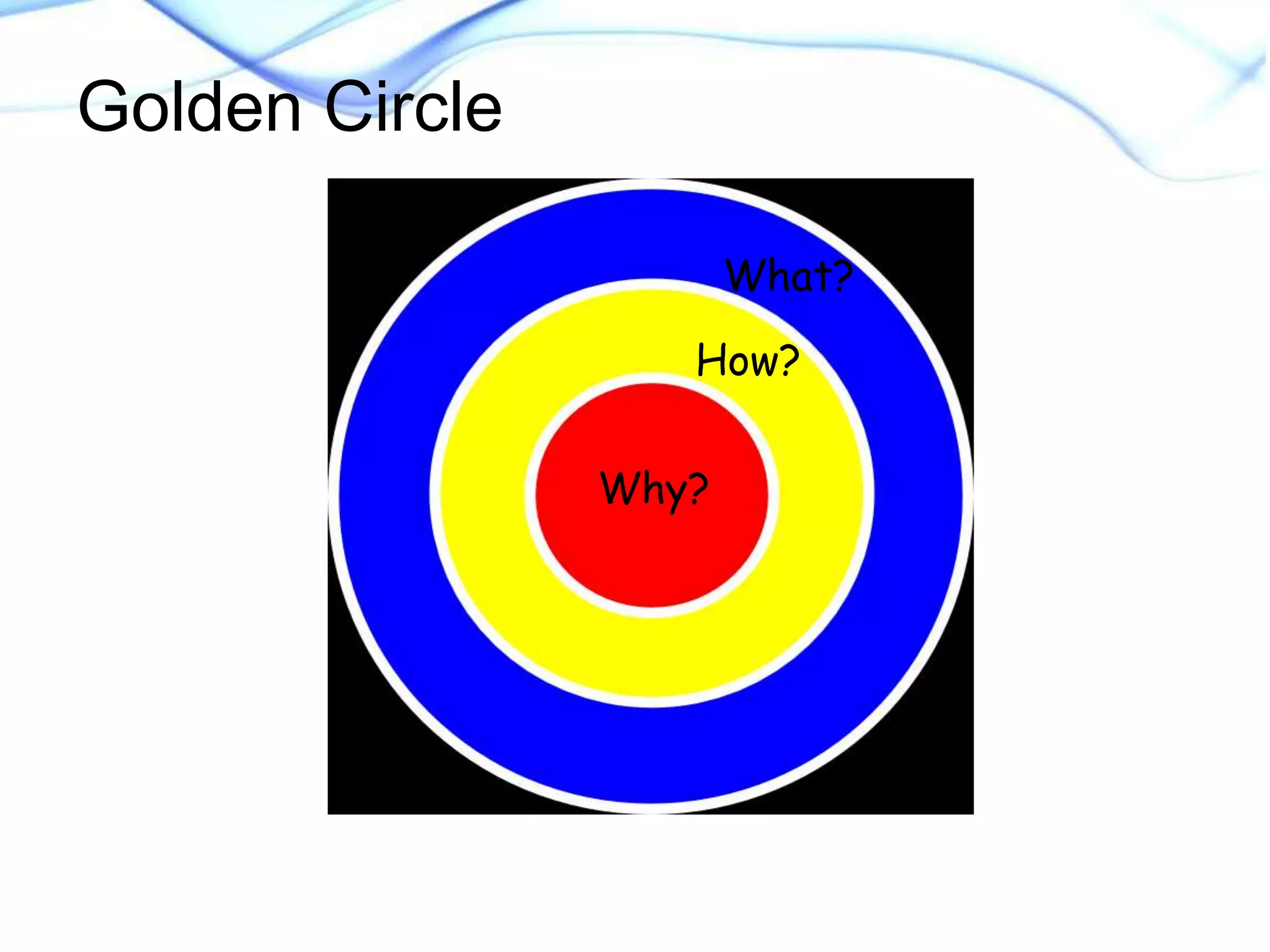
Golden Circle 
What? 
How? 
Why?
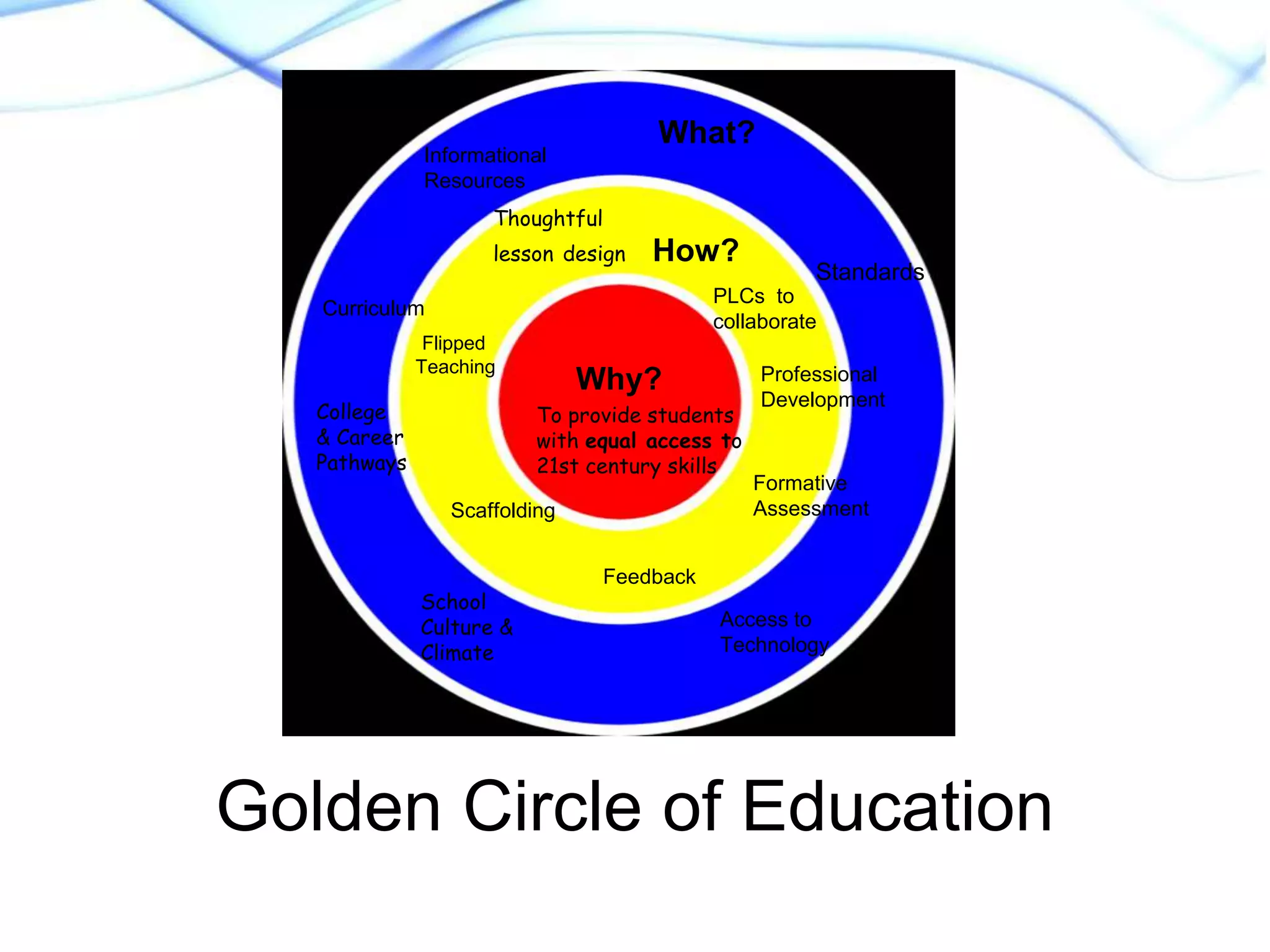
What? 
How? 
Informational 
Resources 
Curriculum 
Standards 
Thoughtful 
lesson design 
PLCs to 
collaborate 
Flipped 
Teaching Professional 
Why? 
Development 
To provide students 
with equal access to 
21st century skills 
Scaffolding 
Feedback 
Formative 
Assessment 
College 
& Career 
Pathways 
School 
Culture & 
Climate 
Access to 
Technology 
Golden Circle of Education
Designated vs. Integrated 
• What does designated mean? What does 
integrated mean? 
• In elementary school structures, do we have a 
designated or integrated model? 
▪ Both. Designated ELD instruction should occur daily for our EL 
students, as well as integrated instruction through content 
delivery. 
Designated vs. Integrated
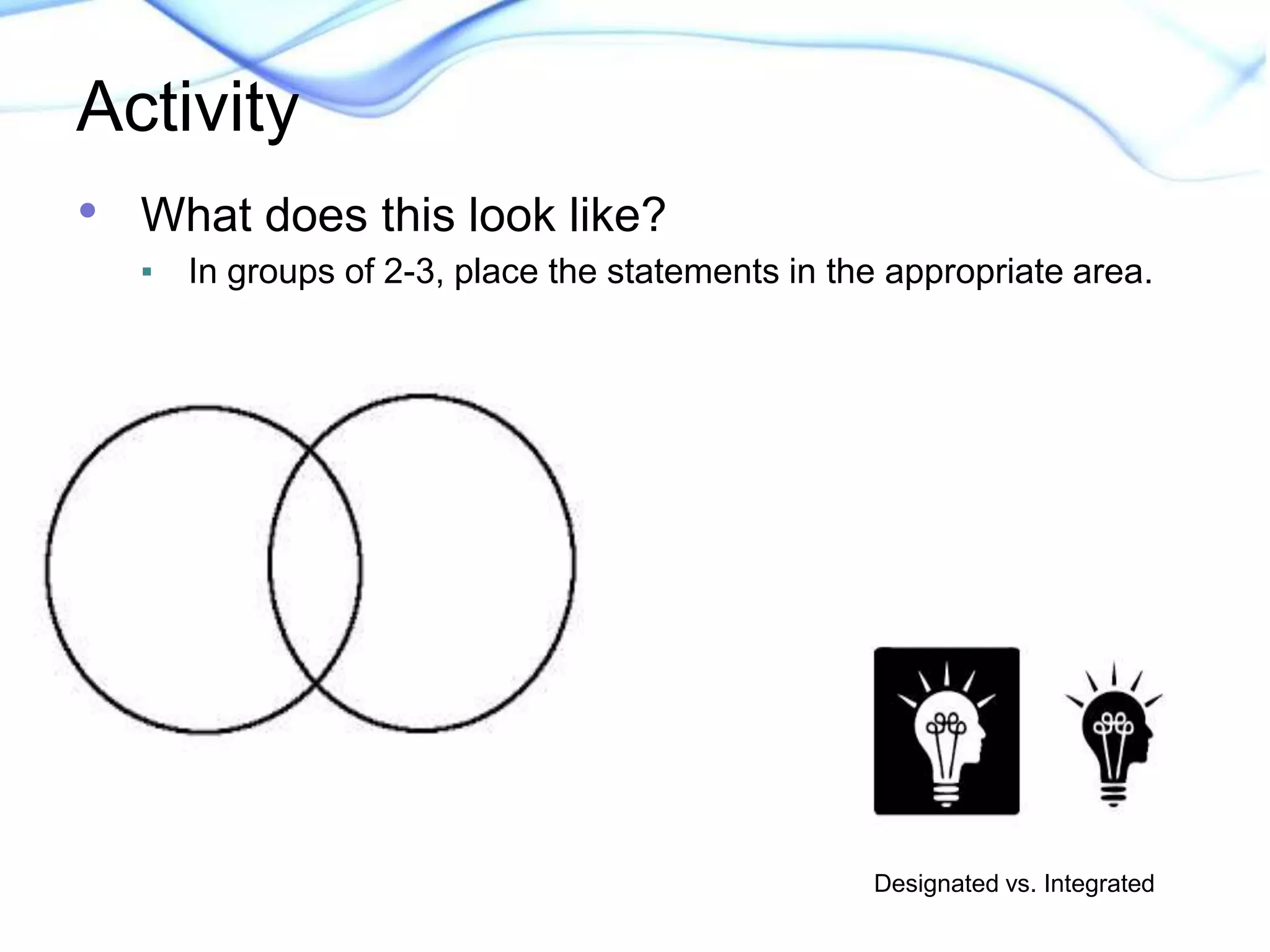
Activity 
• What does this look like? 
▪ In groups of 2-3, place the statements in the appropriate area. 
Designated 
Integrated 
BOTH 
Designated vs. Integrated
Using IS4 to Support Acquisition of 
Academic English 
• IS4 and Common Core will support our Academic 
Language Learners, not cut them out of the 
learning process 
https://www.teachingchannel.org/vi 
deos/prep-students-for-new-text 
Strategies to support 
Academic Language
Scaffolding vs. Differentiation vs. 
Modification 
• When students feel they are being taught “a 
‘watered-down’ version of the curriculum”, they 
often do not value the tasks (Wigfield and Eccles, 
2000). 
• Research has shown that English Language 
Learners (ELLs) thrive not only academically, but 
also psychologically, when they are specifically 
taught academic vocabulary (Taylor & McAtee, 
2003).
Scaffolding 
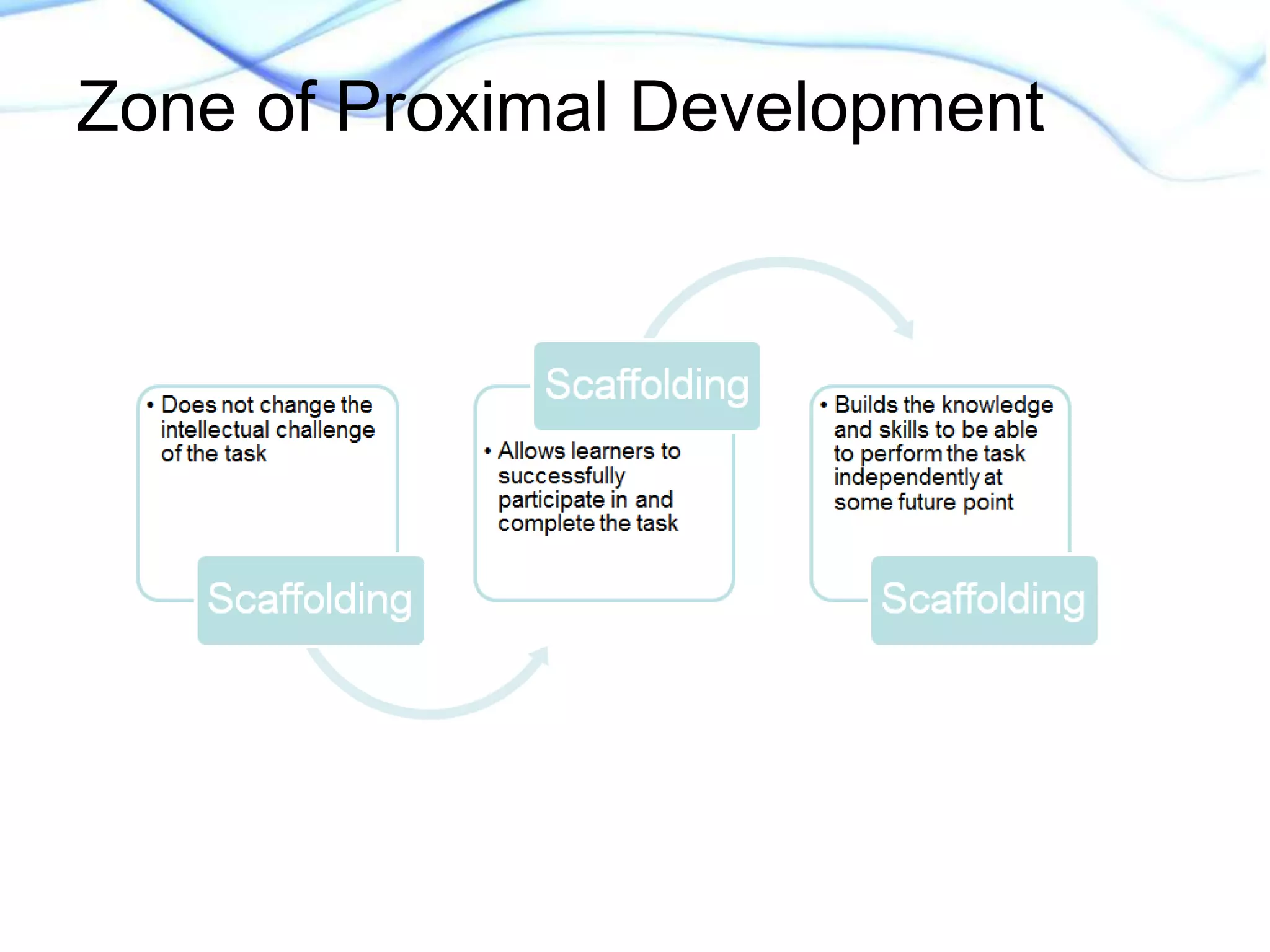
• Scaffolding - bridge to support learning, but a 
bridge that is designed to disappear over time. 
Not a permanent structure. 
• Example: “Chunk” the text into smaller pieces, 
breaking into small groups for discussion of task, 
working with small groups one on one; think time
Zone of Proximal Development
Differentiation 
• Differentiation-requires knowledge of students’ 
varying levels of understanding. 
• Different in elementary and secondary. 
• Formative assessment, quizzes, and traditional 
assessments help decide when differentiation is 
needed. 
• Differentiation can also be provided over the 
course of a unit of instruction. Vary 
activities/practices/assessments/etc.
Modification 
• Changing the assignment, and therefore 
changing the rigor 
• Example: Homework is reduced, or even 
eliminated; essays are reduced to a paragraph 
response; labs are to be observed rather than 
completed.
The Nitty Gritty 
• Strategies to support AL acquisition: 
▪ Pair sharing, group discussion, guided interaction: cooperative 
learning 
▪ Visuals- graphic organizers, images, maps, graphs 
▪ APK- explicit connections to previous concepts 
▪ Model thinking- think alouds 
▪ Identify the key concept of the lesson and consider providing 
direct instruction on vocabulary 
▪ Listening with a focus 
Strategies to support 
Academic Language
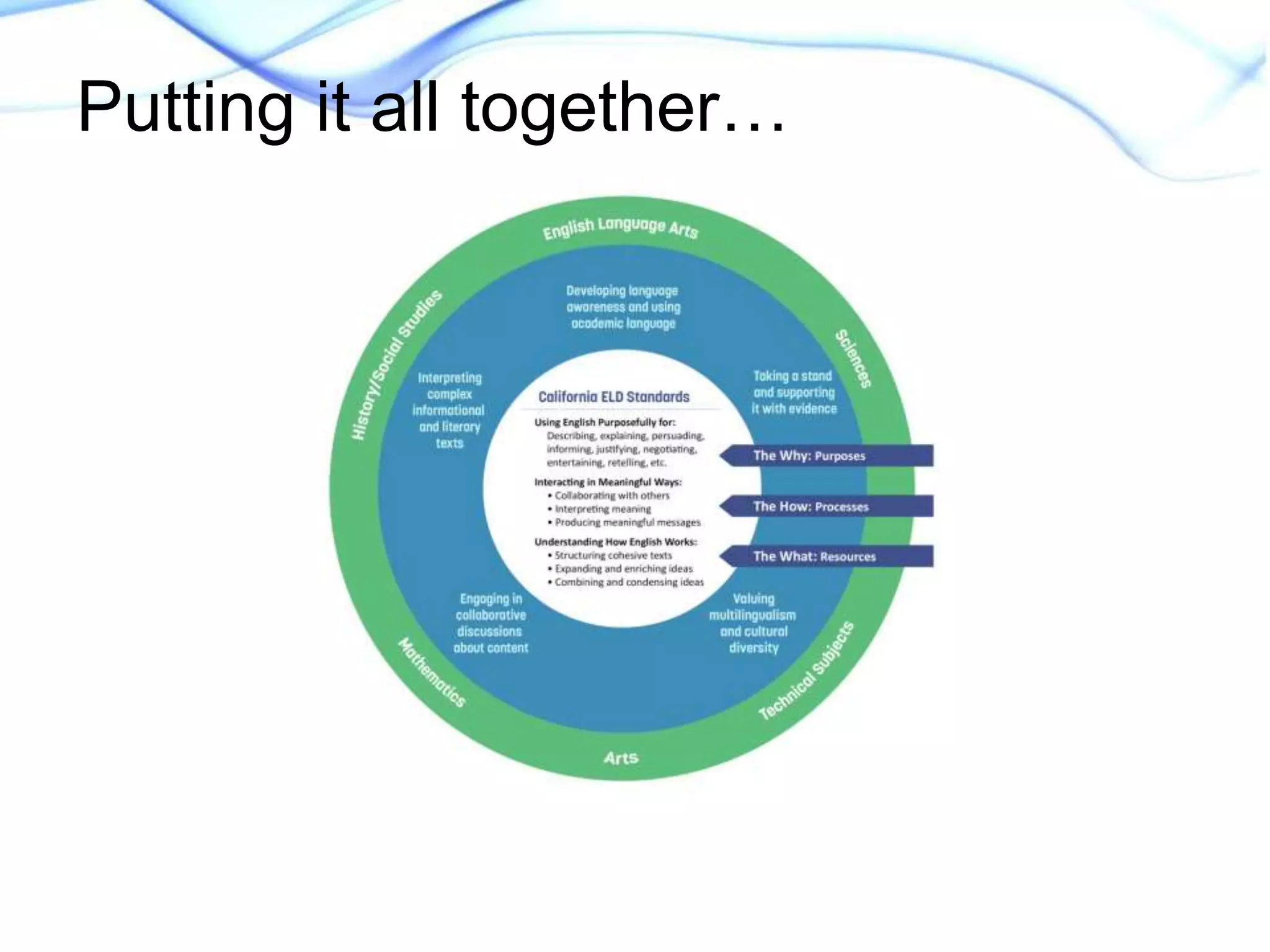
Putting it all together…
….by discussing lesson design 
https://www.teachingchannel.org/videos/common-core-teaching-division 
https://www.teachingchannel.org/videos/academic-choice-lesson 
Let’s talk about lesson design! 
What strategies do you already use? What would 
you like to try out?

Module 3: Academic Language in the Classroom

  • 1.
    Academic Language Acquisition in the Classroom How do we actually use these ideas with academic language learners????
  • 2.
    Objectives • Inthis module you will …. ▪ Develop an understanding of the terms “designated instruction” and “integrated instruction” ▪ View a lesson and observe how engagement strategies within IS4 support learners of academic English ▪ Discuss strategies that can be implemented in your content classes to support learners of academic English ▪ Discuss lesson design supporting learners of academic English
  • 3.
  • 4.
    What? How? Informational Resources Curriculum Standards Thoughtful lesson design PLCs to collaborate Flipped Teaching Professional Why? Development To provide students with equal access to 21st century skills Scaffolding Feedback Formative Assessment College & Career Pathways School Culture & Climate Access to Technology Golden Circle of Education
  • 5.
    Designated vs. Integrated • What does designated mean? What does integrated mean? • In elementary school structures, do we have a designated or integrated model? ▪ Both. Designated ELD instruction should occur daily for our EL students, as well as integrated instruction through content delivery. Designated vs. Integrated
  • 6.
    Activity • Whatdoes this look like? ▪ In groups of 2-3, place the statements in the appropriate area. Designated Integrated BOTH Designated vs. Integrated
  • 7.
    Using IS4 toSupport Acquisition of Academic English • IS4 and Common Core will support our Academic Language Learners, not cut them out of the learning process https://www.teachingchannel.org/vi deos/prep-students-for-new-text Strategies to support Academic Language
  • 8.
    Scaffolding vs. Differentiationvs. Modification • When students feel they are being taught “a ‘watered-down’ version of the curriculum”, they often do not value the tasks (Wigfield and Eccles, 2000). • Research has shown that English Language Learners (ELLs) thrive not only academically, but also psychologically, when they are specifically taught academic vocabulary (Taylor & McAtee, 2003).
  • 9.
    Scaffolding • Scaffolding- bridge to support learning, but a bridge that is designed to disappear over time. Not a permanent structure. • Example: “Chunk” the text into smaller pieces, breaking into small groups for discussion of task, working with small groups one on one; think time
  • 10.
    Zone of ProximalDevelopment
  • 11.
    Differentiation • Differentiation-requiresknowledge of students’ varying levels of understanding. • Different in elementary and secondary. • Formative assessment, quizzes, and traditional assessments help decide when differentiation is needed. • Differentiation can also be provided over the course of a unit of instruction. Vary activities/practices/assessments/etc.
  • 12.
    Modification • Changingthe assignment, and therefore changing the rigor • Example: Homework is reduced, or even eliminated; essays are reduced to a paragraph response; labs are to be observed rather than completed.
  • 13.
    The Nitty Gritty • Strategies to support AL acquisition: ▪ Pair sharing, group discussion, guided interaction: cooperative learning ▪ Visuals- graphic organizers, images, maps, graphs ▪ APK- explicit connections to previous concepts ▪ Model thinking- think alouds ▪ Identify the key concept of the lesson and consider providing direct instruction on vocabulary ▪ Listening with a focus Strategies to support Academic Language
  • 14.
    Putting it alltogether…
  • 15.
    ….by discussing lessondesign https://www.teachingchannel.org/videos/common-core-teaching-division https://www.teachingchannel.org/videos/academic-choice-lesson Let’s talk about lesson design! What strategies do you already use? What would you like to try out?

Editor's Notes

  • #4 In business- Simon Sinek uses the golden circle to explain the difference between huge and successful companies with less successful companies Explain the usual path and then the successful path
  • #5 In education- we need to apply the rules of the golden circle as well. Why is the CORE of our purpose; we have students that are struggling- they may be a few grade levels below- their struggles may be even greater. BUT- we came in to this profession to support our students. How is the instructional process and practices to support learning What is the resources and support that we can provide beyond the classroom
  • #6 Let participants pair share designated vs. integrated re: ELL instruction Then ask the question- do we have designated or integrated- pair share- discuss as a group
  • #7 Activity requires a Venn Diagram and the strips of paper Teachers should come to the conclusion that there are many ways to support English Language Acquisition outside of designated- it is not just the ELD teacher’s responsibility
  • #8 Key idea is to express that we already have norms in place that support English Language acquisition. We need to continue to focus on a clear lesson objective and thoughtful use of engagement strategies Video should be about engagement- use the matrix Look at the matrix first, brief discussion- then watch video- for student engagement only- and discuss as a group- how do these strategies- either seen or identified on the matrix- support ELLs?
  • #9 Discussed a lot in this area of education- this your bread and butter
  • #12 On this slide- hand out the weekly planner- point out how this supports teachers in recognition of varied strategies/assignments/activities/actions/etc. over a week. Varying instructional practices and assignments is the key to differentiation.
  • #13 This is a reminder slide- key idea to communicate is that this is not what a longtime learner of English needs. If we modify assignments, they can lose their rigor. We are looking to scaffold and differentiate- not modify as a general rule.
  • #14 With the first bullet- hand out the formative assessment handout (3 pages)- remind them that it is checking for understanding to inform or adjust instruction. Without CFU, you do not know what the students don’t know Visuals do not require language to recognize. BUT- the description or discussion, using academic language- does require language Using words/concepts that have been previously taught is important. It is an oral clue that they can jump into this new idea Model thinking is important- it requires teacher to use both academic language and to illustrate the metacognitive process to students. Identifying the key concept is crucial for both clear lessons, and to recognize what might be needed for the academic language learner. Will provide clarity for all- translation, dictionaries, etc. (remind them about the brick words) When listening is the skill, provide students with a transcript. (Example- important historical speech- allows them to hear it and read it)
  • #15 Remind participants of the golden circle of education- we have our why- 21st century skills for all; we have our how- thoughtful lesson planning and engaging instruction; and we have what- the resources we will use to provide that powerful instruction to give all of our students those 21st century skills in every subject