Downloaded 14 times
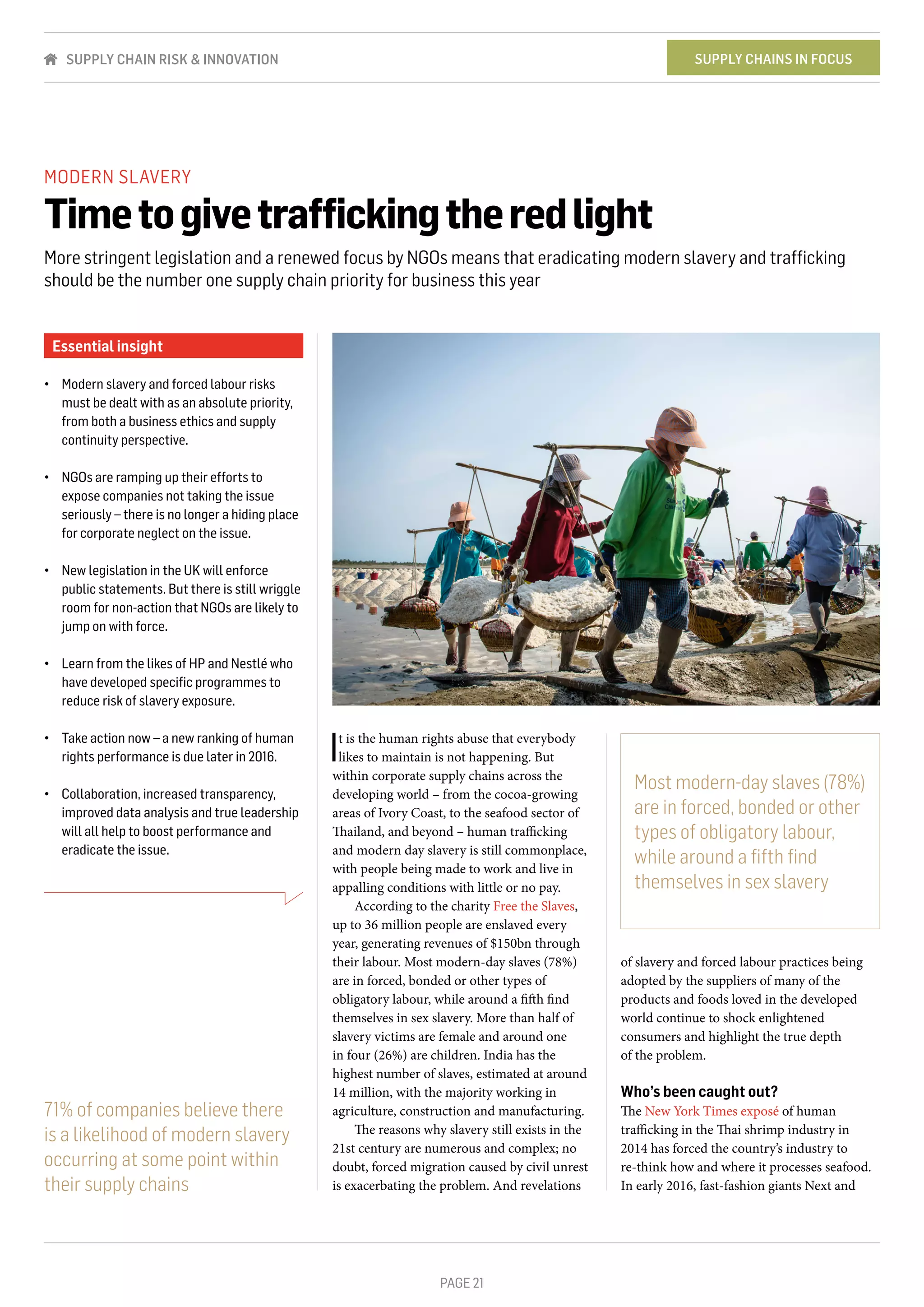
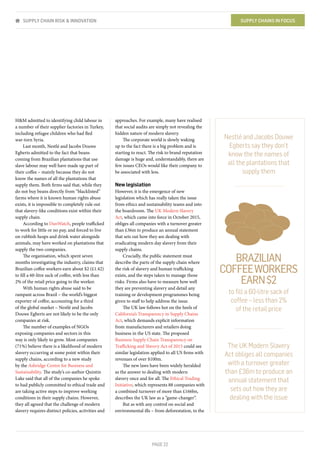
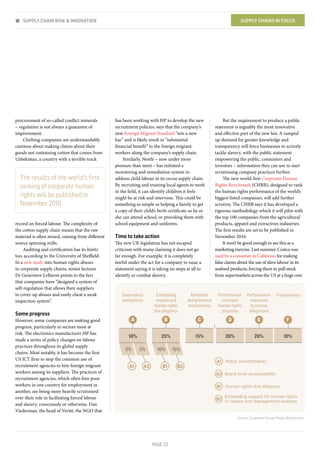
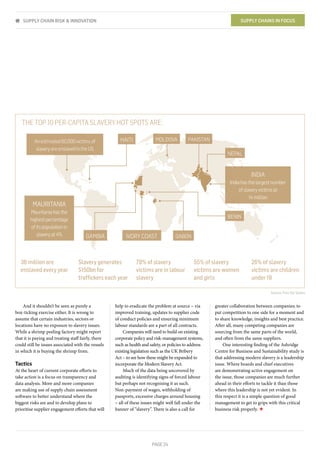

Modern slavery and forced labor continue to exist in global supply chains, with recent examples uncovered in industries like shrimp fishing in Thailand and coffee plantations in Brazil. New legislation in countries like the UK and US requires large companies to increase transparency about their efforts to address risks of slavery in their supply chains. While some companies have made progress through initiatives like strengthened recruitment policies and local monitoring of high-risk areas, most agree that eradicating slavery from global supply chains remains a significant challenge that requires distinct policies, activities, and approaches.


