Download as PDF, PPTX
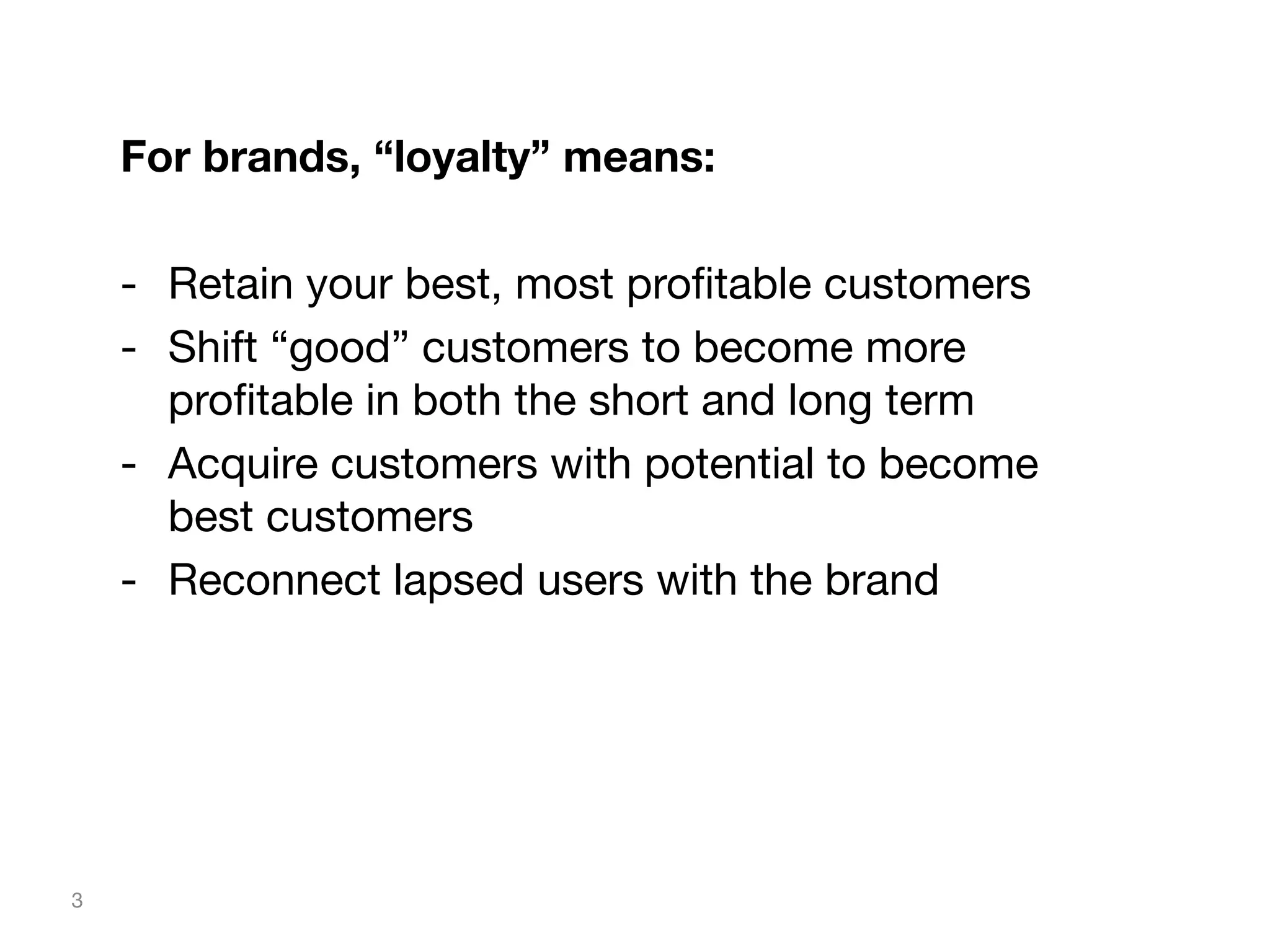
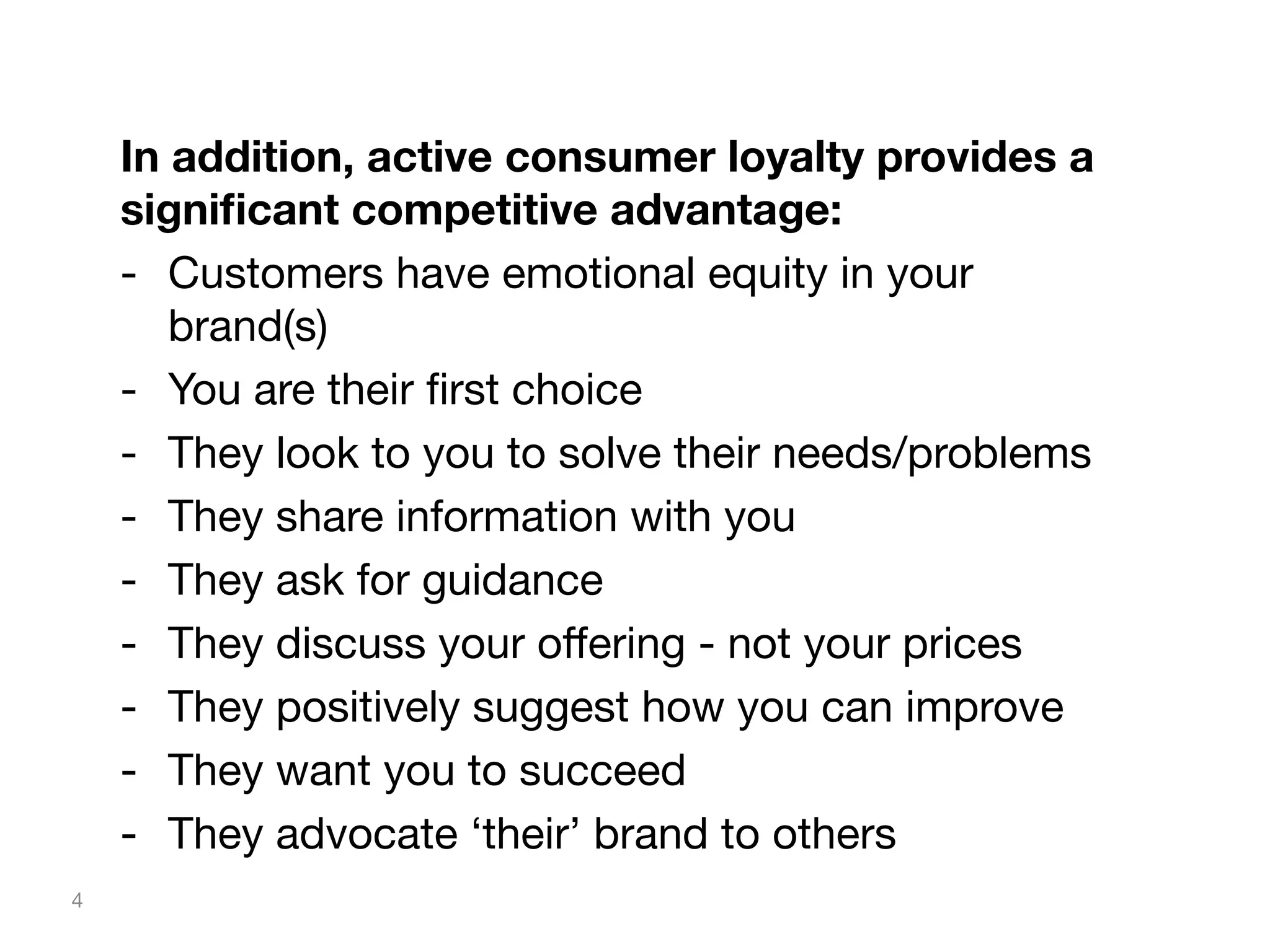

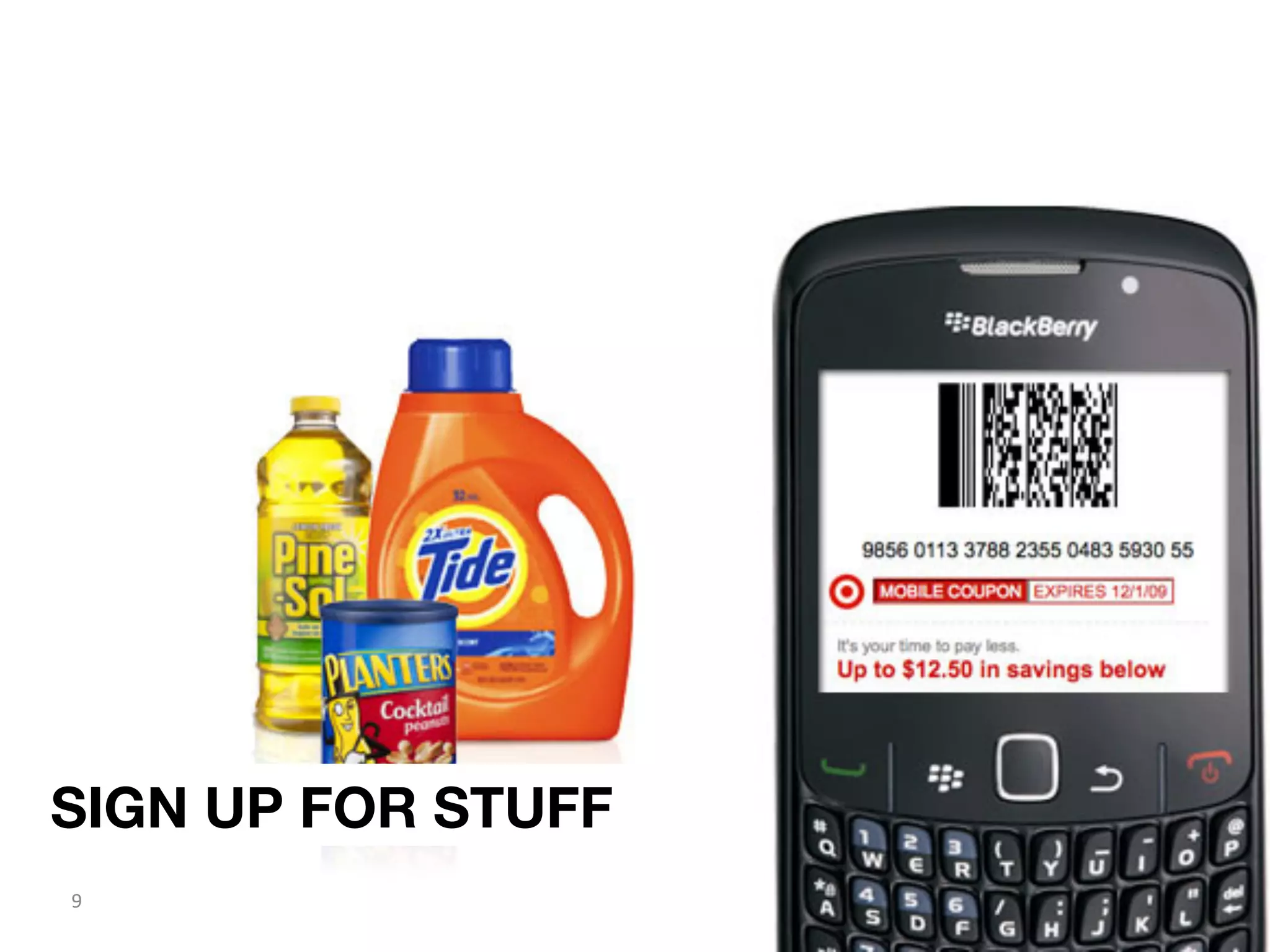
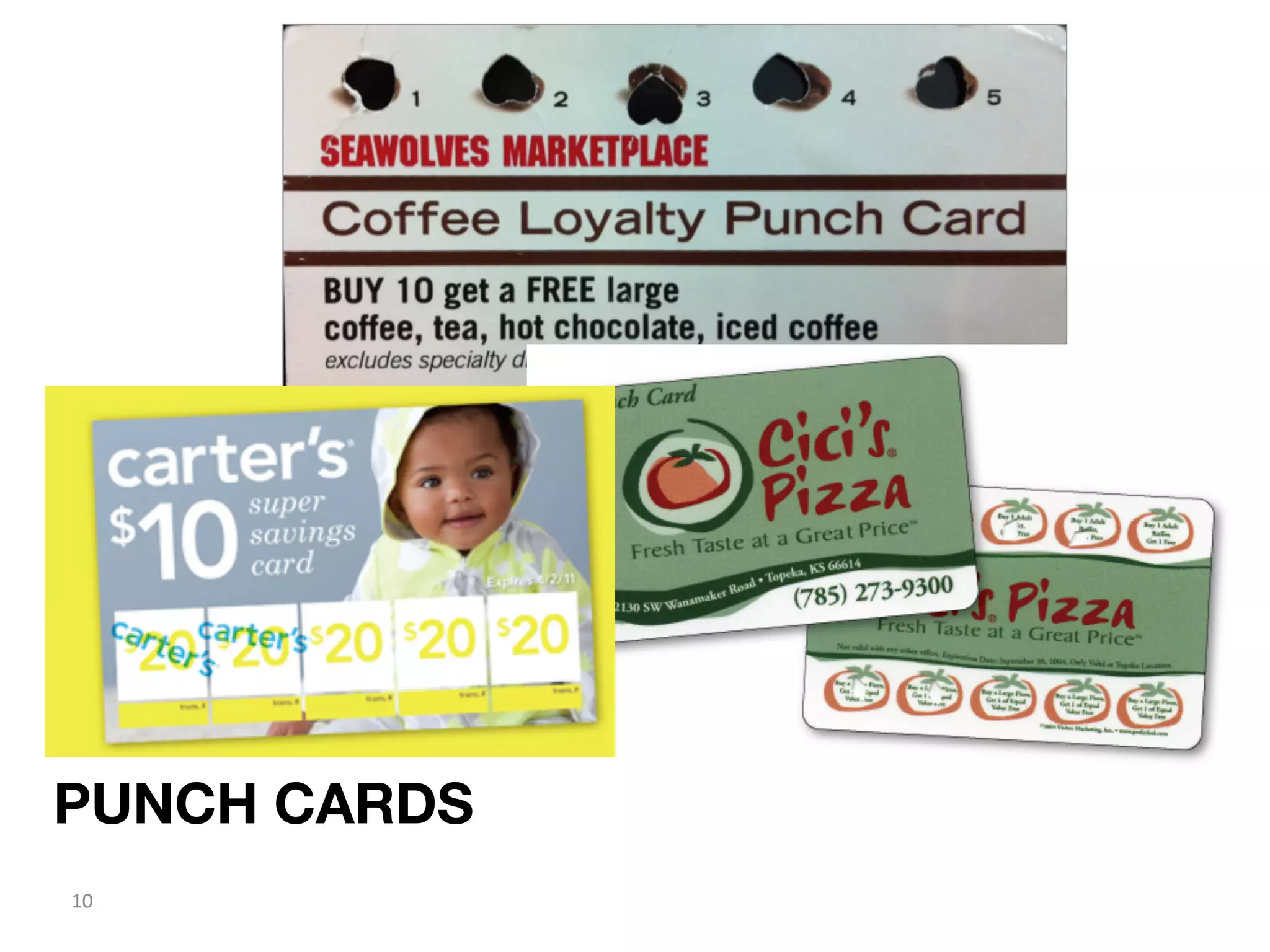



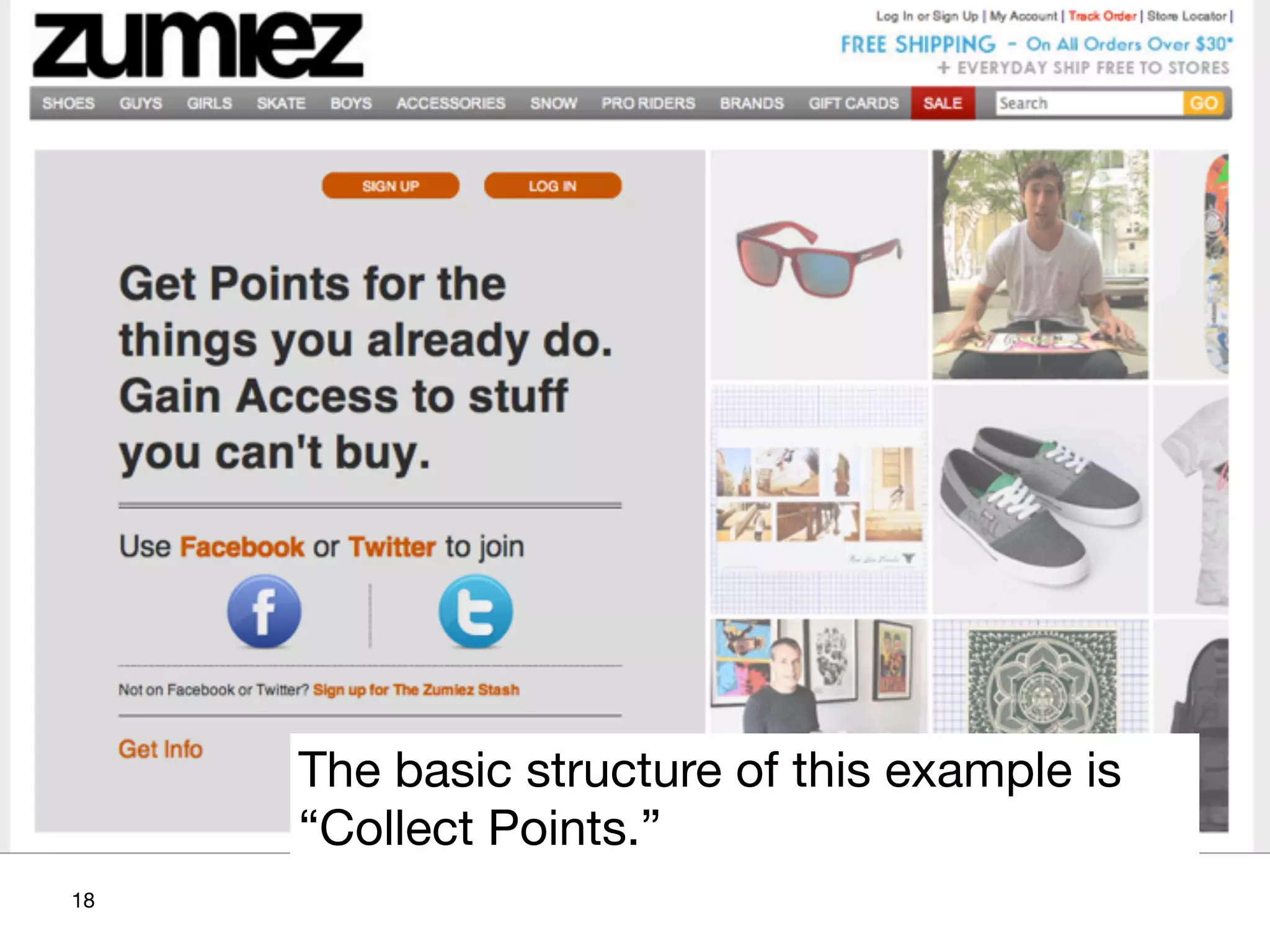


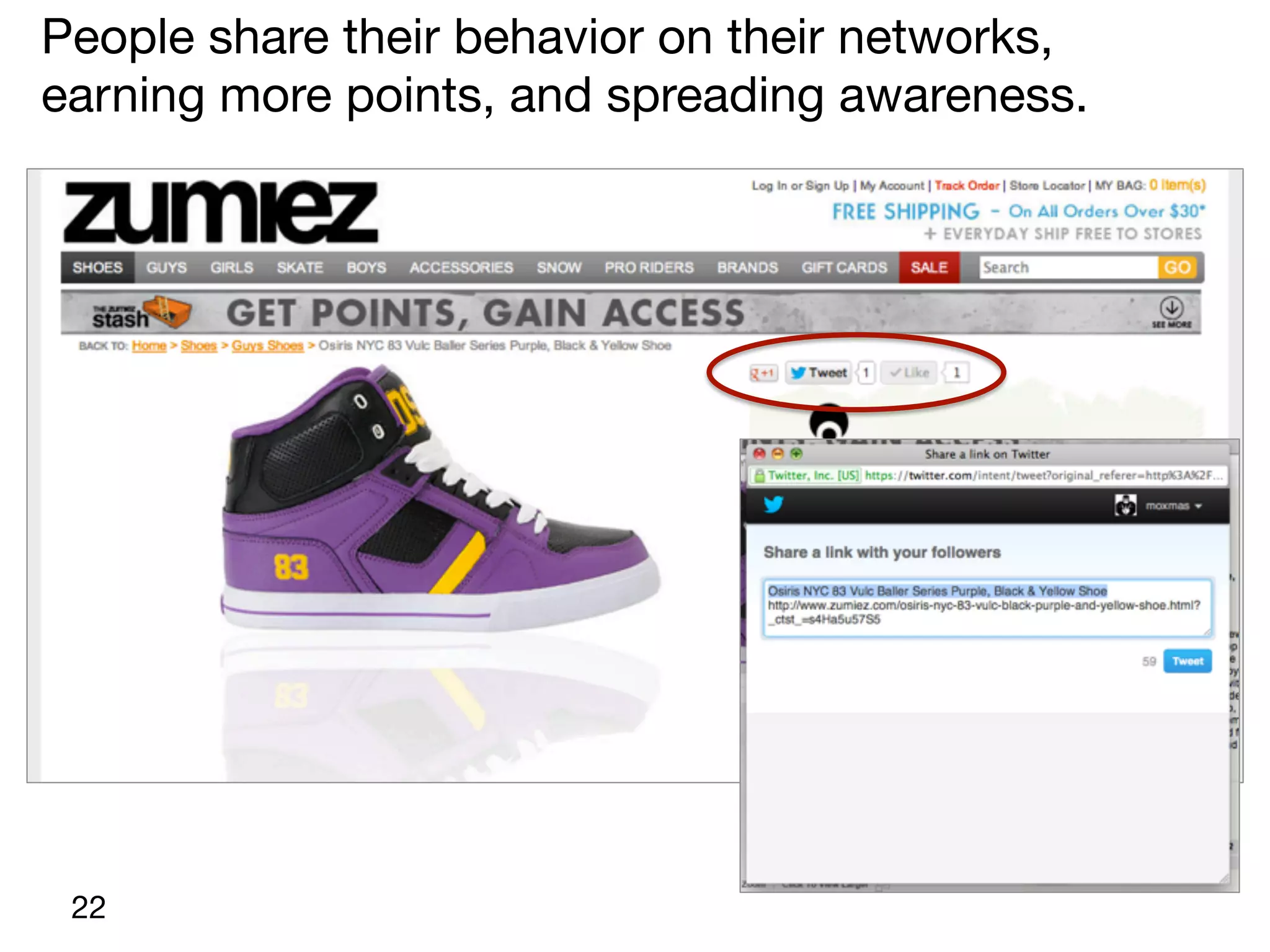




1. Brands create loyalty programs to retain profitable customers, shift customers to be more profitable, acquire new customers, and reconnect lapsed users. Loyal customers provide competitive advantages like emotional attachment and advocacy. 2. Common loyalty program structures include collecting points for purchases, signing up for membership programs, using punch cards, and occasional bonus rewards. However, modern consumers expect more personalized, easy to use, and community-focused programs. 3. The ideal loyalty program from the consumer's perspective is easy to use, provides good value, is personalized, and feels modern. This can help customers feel like peers rather than numbers and foster a sense of community with the brand.


