The Advance of mHealth


   The Application of Mobile
  Technology in Public Health
“The most exciting breakthroughs of
 the 21st century will not occur
 because of technology but because of
 an expanding concept of what it
 means to be human.”


                    ~John Naisbitt
“We're changing the
world with technology.”


                          ~ Bill Gates
The cell phone went from the device that was
the fourth “hardest to do without” in 2002 to the
number one slot in 2007.


         “Mobile Access to Data and Information”, Pew Internet Project
Here Comes Mobile
  Thirty-nine percent of Americans have positive and
  improving attitudes about their mobile
  communication devices, which in turn draws them
  further into engagement with digital resources – on
  both wireless and wireline platforms.


”The Mobile Difference”, Pew Internet Project
Short SMS Stats
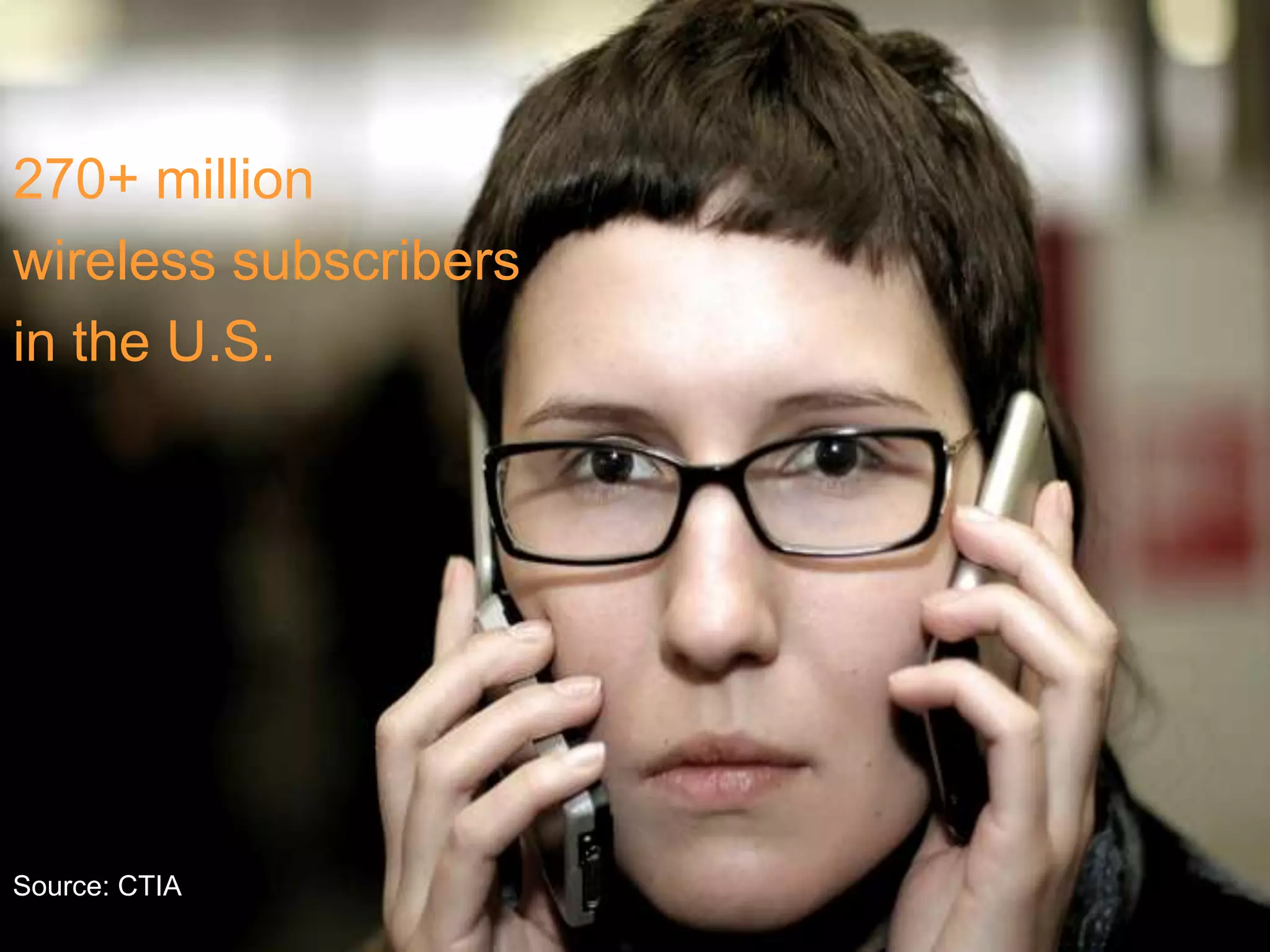
270+ million
wireless subscribers
in the U.S.


Source: CTIA
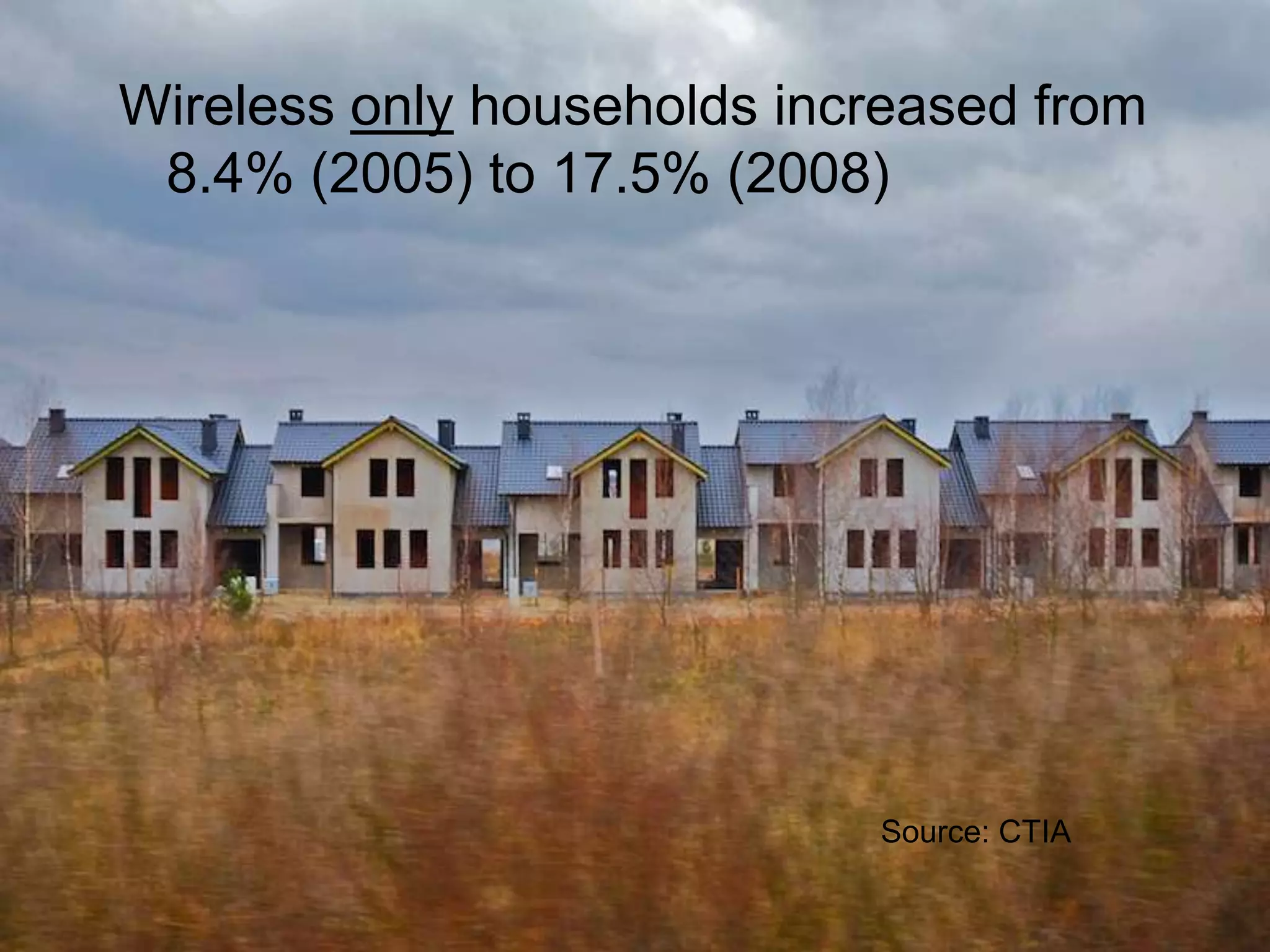
Wireless only households increased from
 8.4% (2005) to 17.5% (2008)


                            Source: CTIA
One trillion text messages
were sent in 2008


Source: CTIA
Mobile Phone Trivia:


  How many mobile phones are
equipped with SMS (text) function?
Answer:


                95%

Source: CTIA
Time to Make Use of These
Technologies for Public
Health!
What is mHealth?
mHealth is the use of mobile
communications – such as PDAs and
 mobile phones – for health services
          and information
Health Information + The Web
   8 out of 10 American Internet users have
   searched for information on at least 1 of 17
   health topics


Source: Online Health Search 2006, Pew Internet Study
Mobile Tech in Public Health
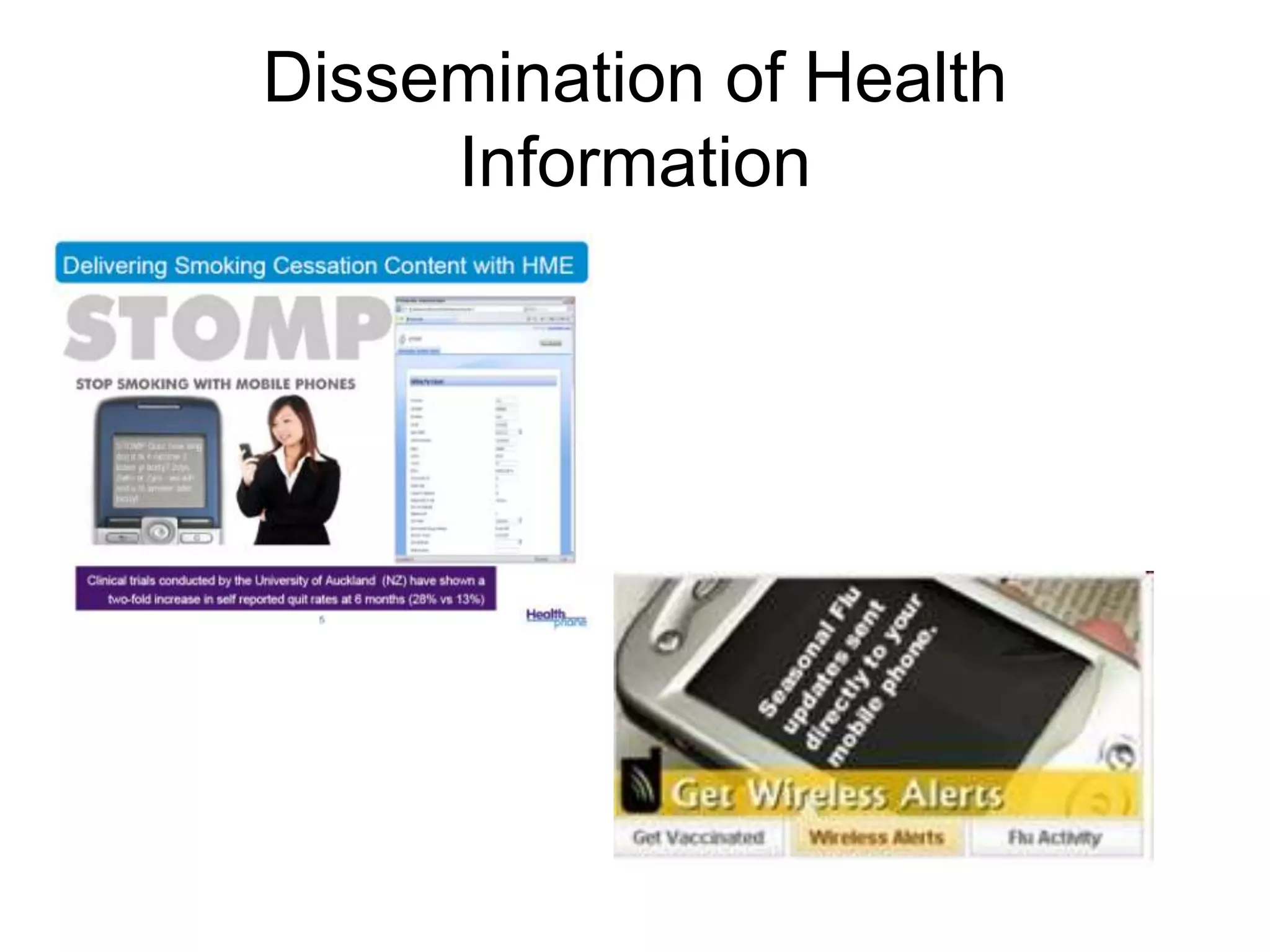
• Dissemination of Health Information


• Remote Data Collection Tool


• Consumer Interaction Point for Location-
  Based Health Information
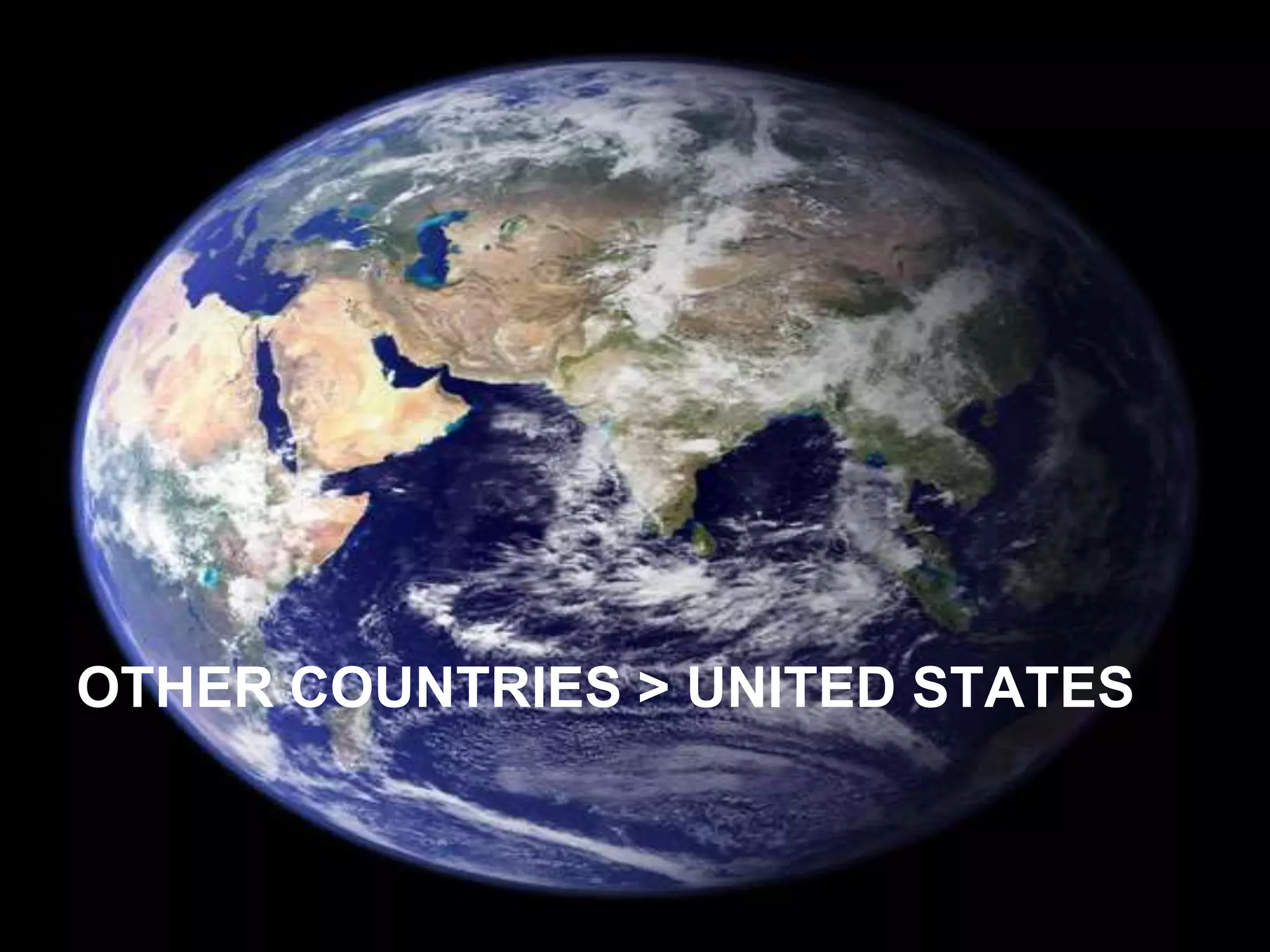
OTHER COUNTRIES > UNITED STATES
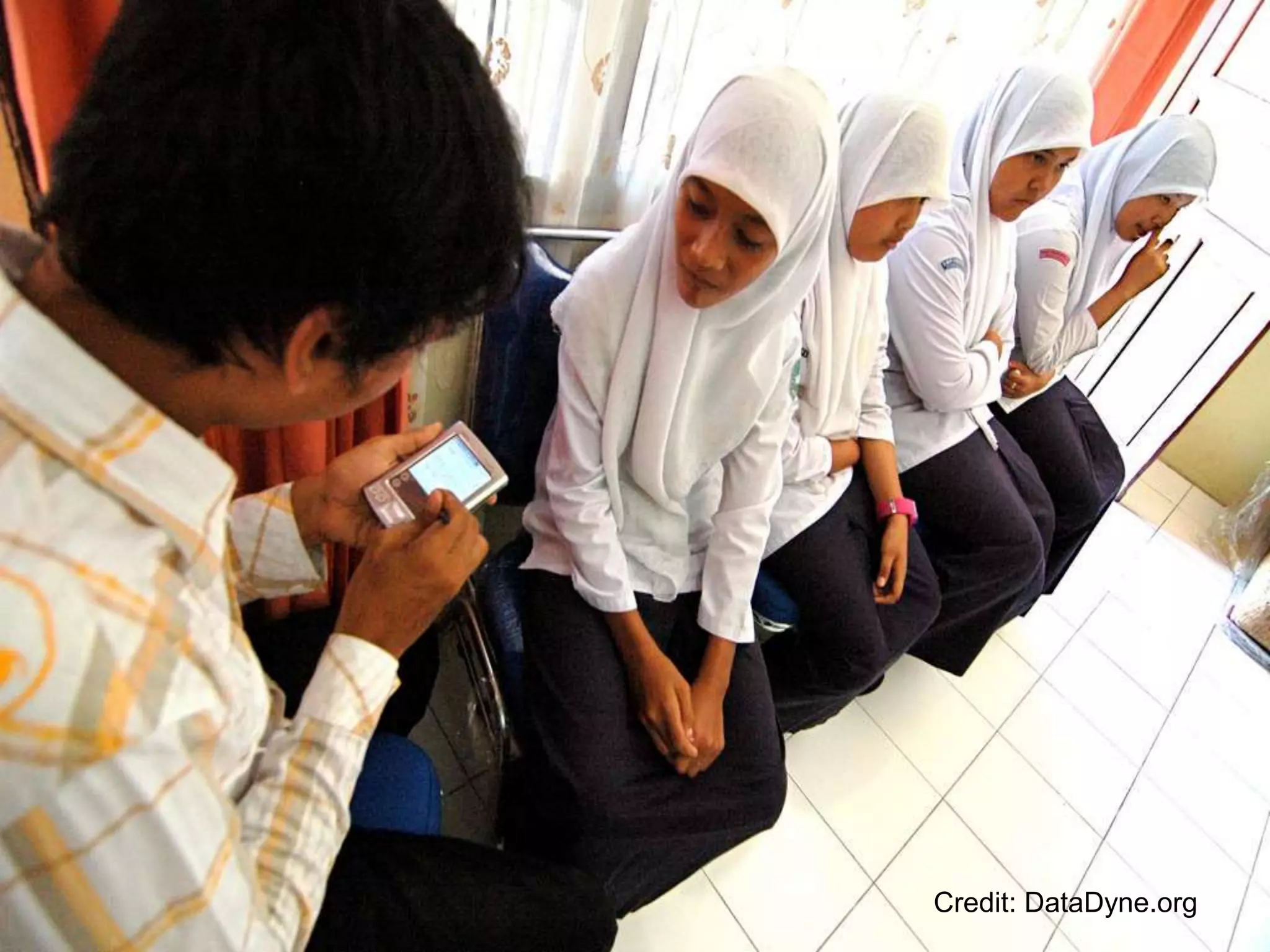
Credit: DataDyne.org
Dissemination of Health
     Information
Remote Data Collection
FrontlineSMS is free software that turns a
laptop and a mobile phone into a central
communications hub. Once installed, the
program enables users to send and
receive text messages with large groups
of people through mobile phones.
Mobiles in Malawi
• A donated laptop, 100 recycled cell phones, and
  a copy of FrontlineSMS

• SMS-based communications network for a rural
  hospital and its community health workers in
  Malawi

• Allows hospital to respond to requests for:
  –   rendering emergency medical care
  –   tracking patients
  –   recording HIV and TB drug adherence
  –   staying updated on patient status
  –   providing instant drug dosage/usage information
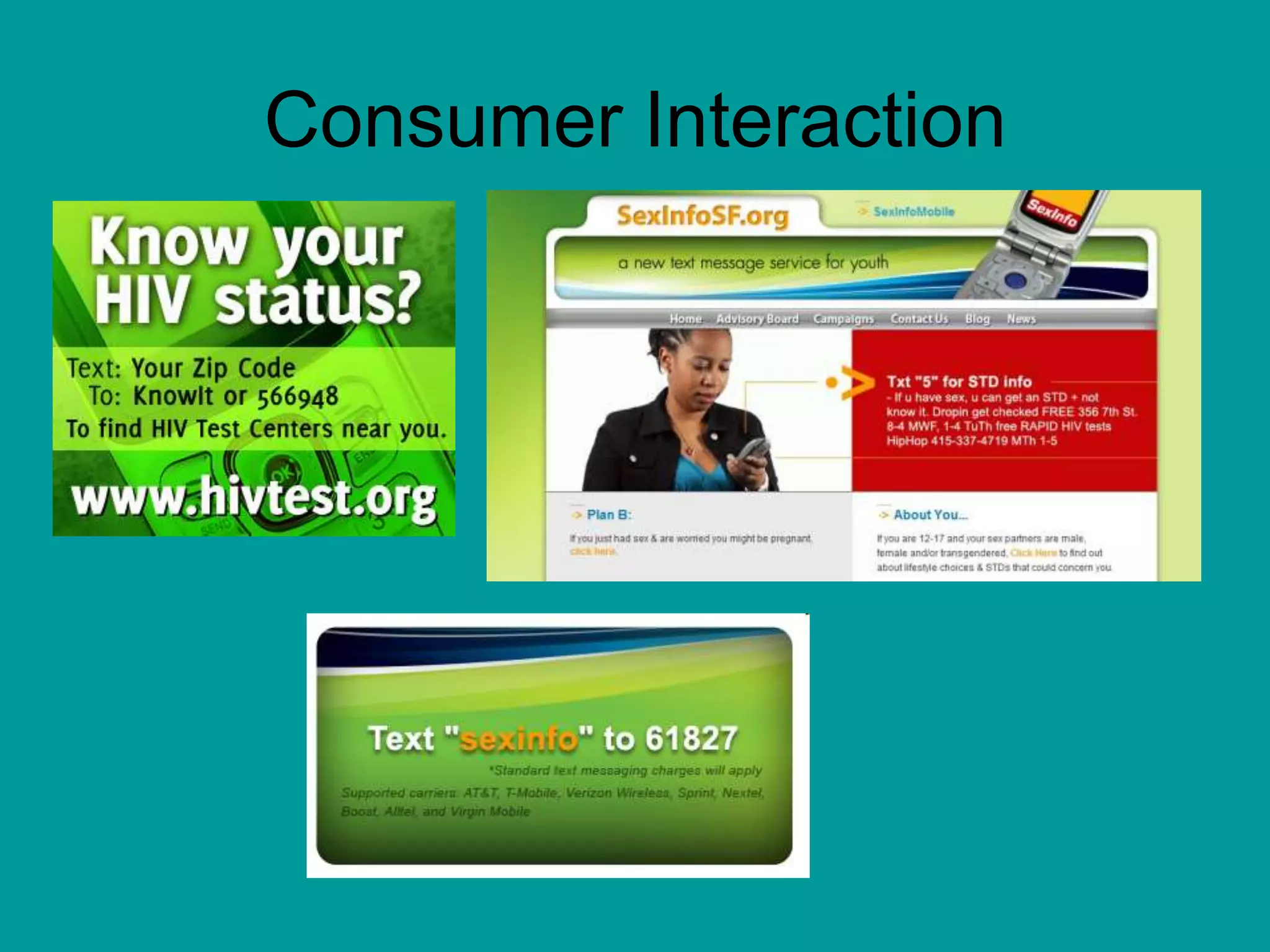
Consumer Interaction
“[Mobile communication] is an avenue
  through which we will get the accurate,
  credible information we need to inform
  healthier decisions.”

               ~Dr. Jay Bernhardt
               CDC Center for Health Marketing
What Next?
• More focus on medical adherence for patients

• Feedback on quality of care

• Increased focus on interaction with at-risk
  populations

• More efficient ways to receive health information

• Location-based services
Additional Resources
• http://mobileactive.org
• http://kiwanja.net
• http://jopsa.org
• http://www.dalezak.ca/
• http://delicious.com/mindofandre/mobilehe
  alth
• http://delicious.com/mindofandre/mobile

Mobil Helse2011

  • 1.
    The Advance ofmHealth The Application of Mobile Technology in Public Health
  • 2.
    “The most excitingbreakthroughs of the 21st century will not occur because of technology but because of an expanding concept of what it means to be human.” ~John Naisbitt
  • 3.
    “We're changing the worldwith technology.” ~ Bill Gates
  • 4.
    The cell phonewent from the device that was the fourth “hardest to do without” in 2002 to the number one slot in 2007. “Mobile Access to Data and Information”, Pew Internet Project
  • 5.
    Here Comes Mobile Thirty-nine percent of Americans have positive and improving attitudes about their mobile communication devices, which in turn draws them further into engagement with digital resources – on both wireless and wireline platforms. ”The Mobile Difference”, Pew Internet Project
  • 7.
  • 8.
  • 9.
    Wireless only householdsincreased from 8.4% (2005) to 17.5% (2008) Source: CTIA
  • 10.
    One trillion textmessages were sent in 2008 Source: CTIA
  • 11.
    Mobile Phone Trivia: How many mobile phones are equipped with SMS (text) function?
  • 12.
    Answer: 95% Source: CTIA
  • 13.
    Time to MakeUse of These Technologies for Public Health!
  • 14.
  • 15.
    mHealth is theuse of mobile communications – such as PDAs and mobile phones – for health services and information
  • 16.
    Health Information +The Web 8 out of 10 American Internet users have searched for information on at least 1 of 17 health topics Source: Online Health Search 2006, Pew Internet Study
  • 17.
    Mobile Tech inPublic Health • Dissemination of Health Information • Remote Data Collection Tool • Consumer Interaction Point for Location- Based Health Information
  • 18.
    OTHER COUNTRIES >UNITED STATES
  • 19.
  • 20.
  • 21.
  • 22.
    FrontlineSMS is freesoftware that turns a laptop and a mobile phone into a central communications hub. Once installed, the program enables users to send and receive text messages with large groups of people through mobile phones.
  • 23.
    Mobiles in Malawi •A donated laptop, 100 recycled cell phones, and a copy of FrontlineSMS • SMS-based communications network for a rural hospital and its community health workers in Malawi • Allows hospital to respond to requests for: – rendering emergency medical care – tracking patients – recording HIV and TB drug adherence – staying updated on patient status – providing instant drug dosage/usage information
  • 24.
  • 25.
    “[Mobile communication] isan avenue through which we will get the accurate, credible information we need to inform healthier decisions.” ~Dr. Jay Bernhardt CDC Center for Health Marketing
  • 26.
  • 27.
    • More focuson medical adherence for patients • Feedback on quality of care • Increased focus on interaction with at-risk populations • More efficient ways to receive health information • Location-based services
  • 28.
    Additional Resources • http://mobileactive.org •http://kiwanja.net • http://jopsa.org • http://www.dalezak.ca/ • http://delicious.com/mindofandre/mobilehe alth • http://delicious.com/mindofandre/mobile