MoBeDAC
Microbiome of the Built Environment Data Analysis Core
Background

 Rob Knight’s group, University of Colorado at Boulder

 Since we’re talking about air quality…
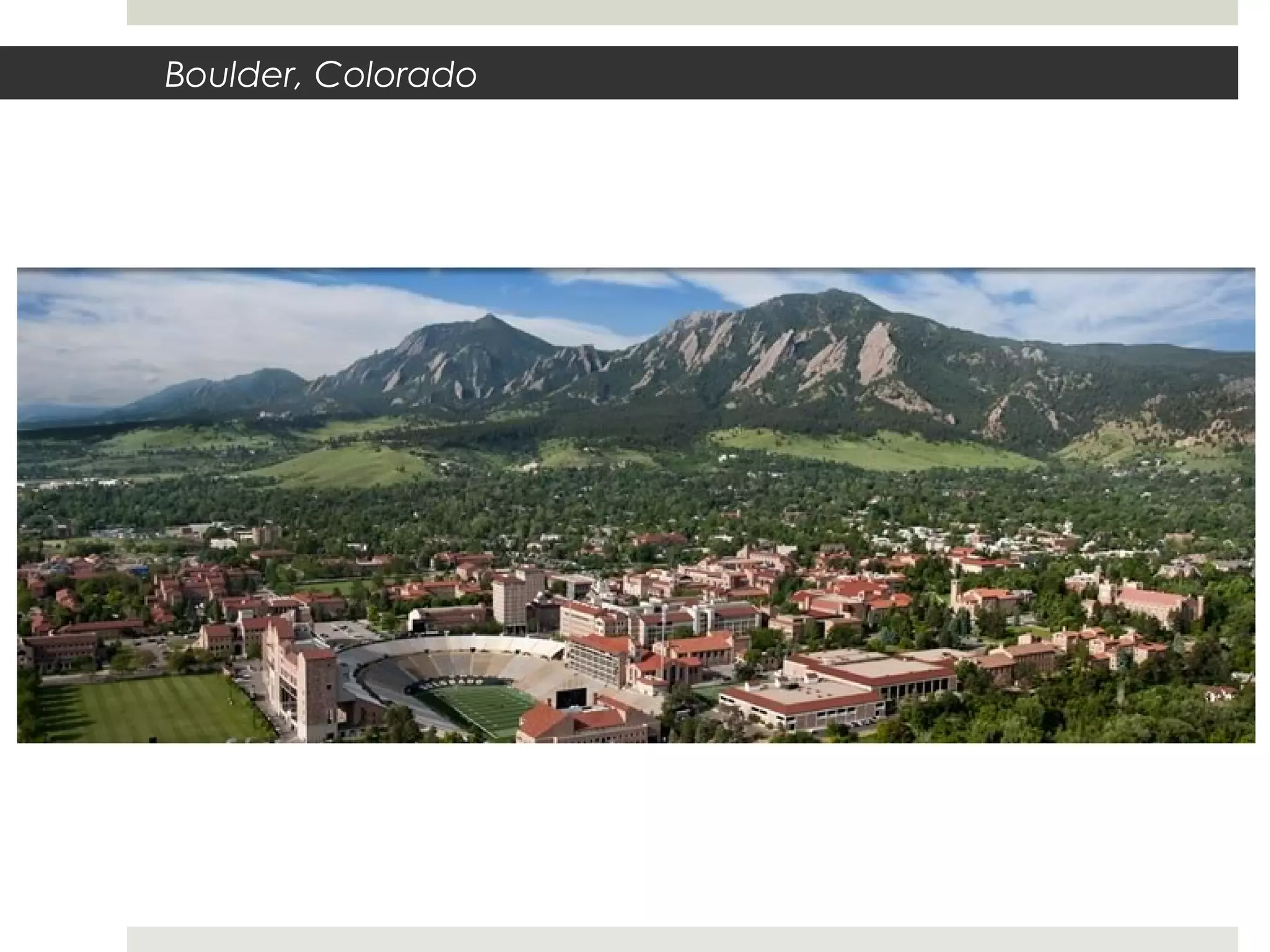
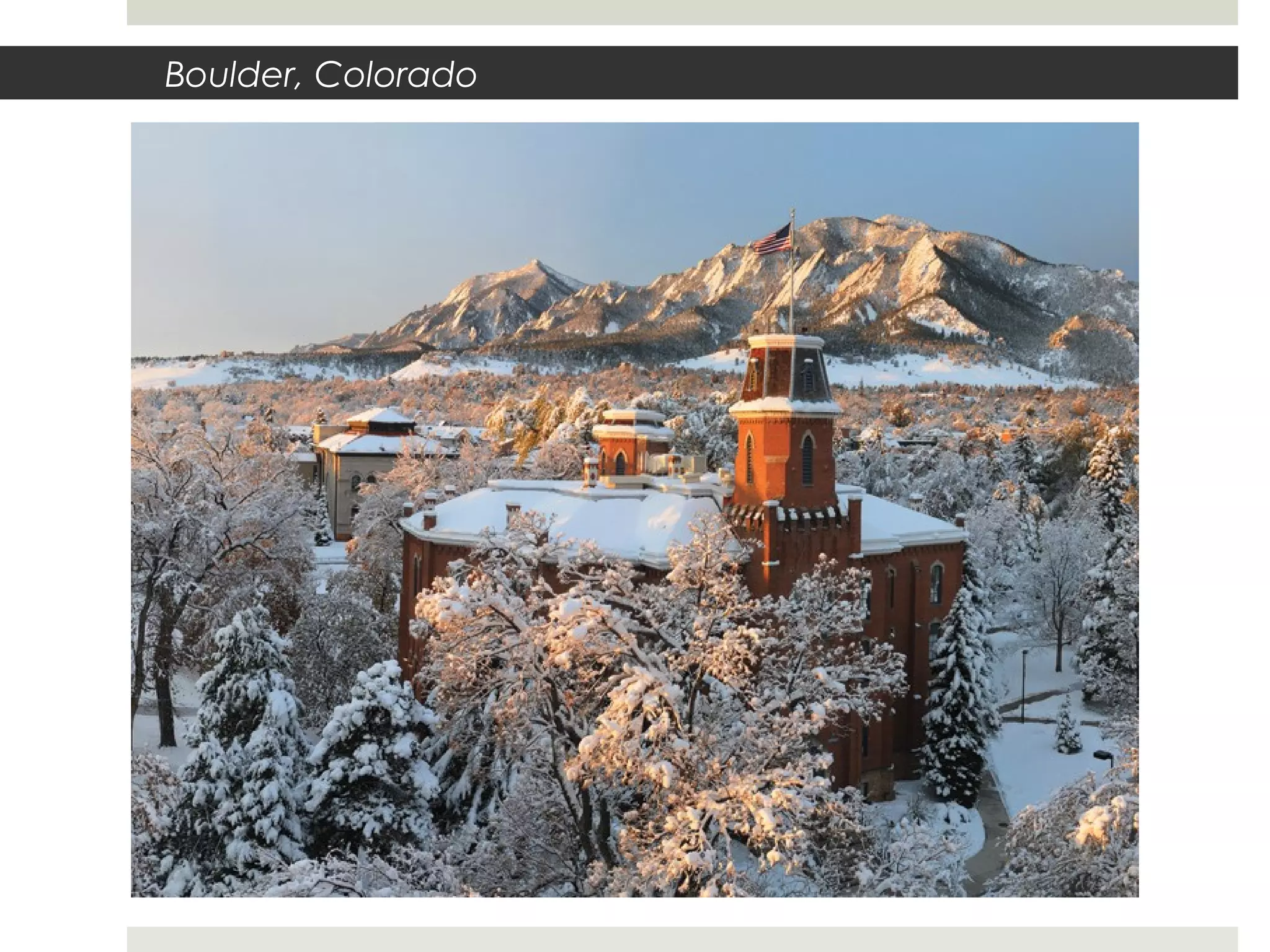
Boulder, Colorado
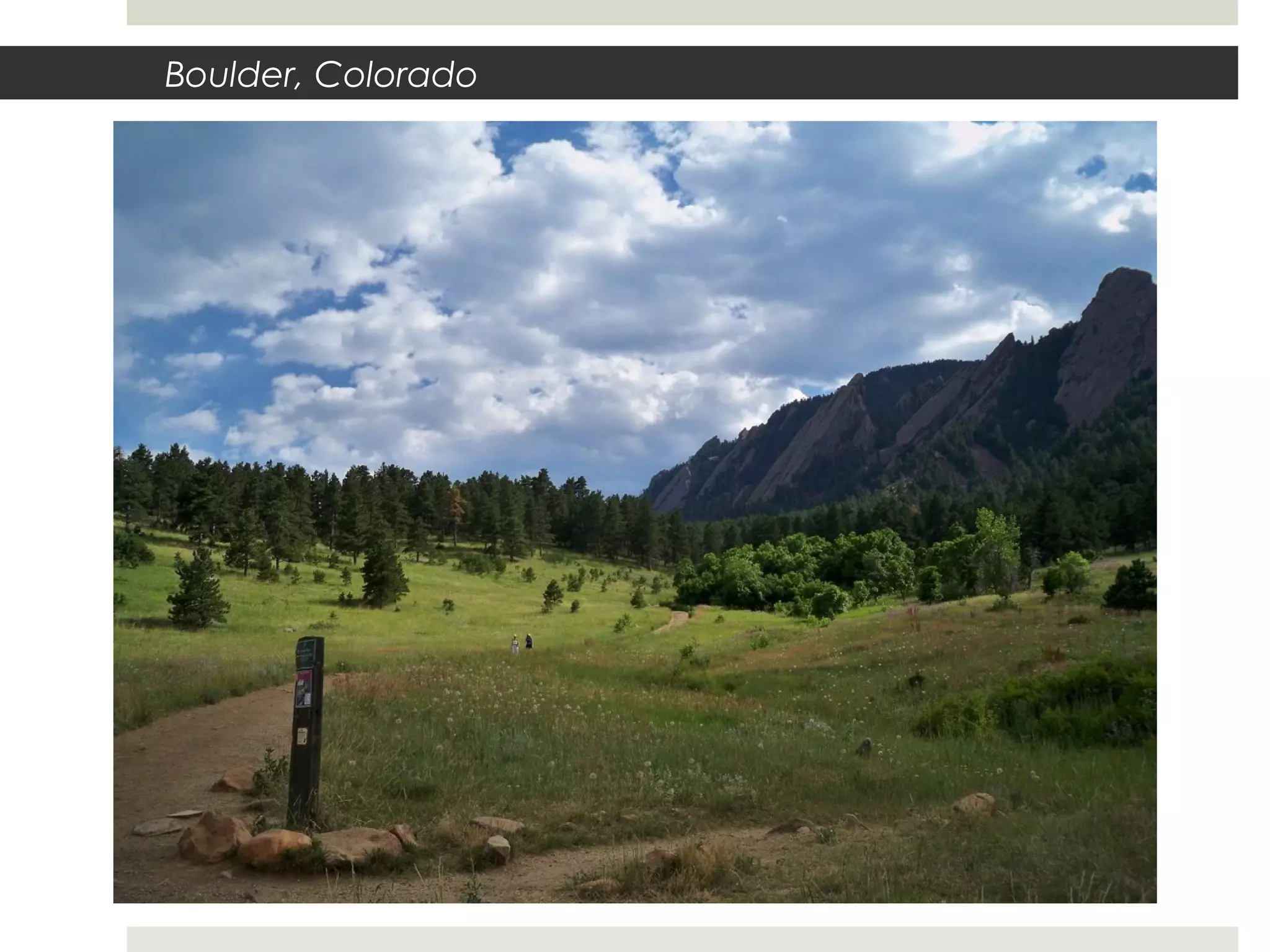
Boulder, Colorado
Boulder, Colorado
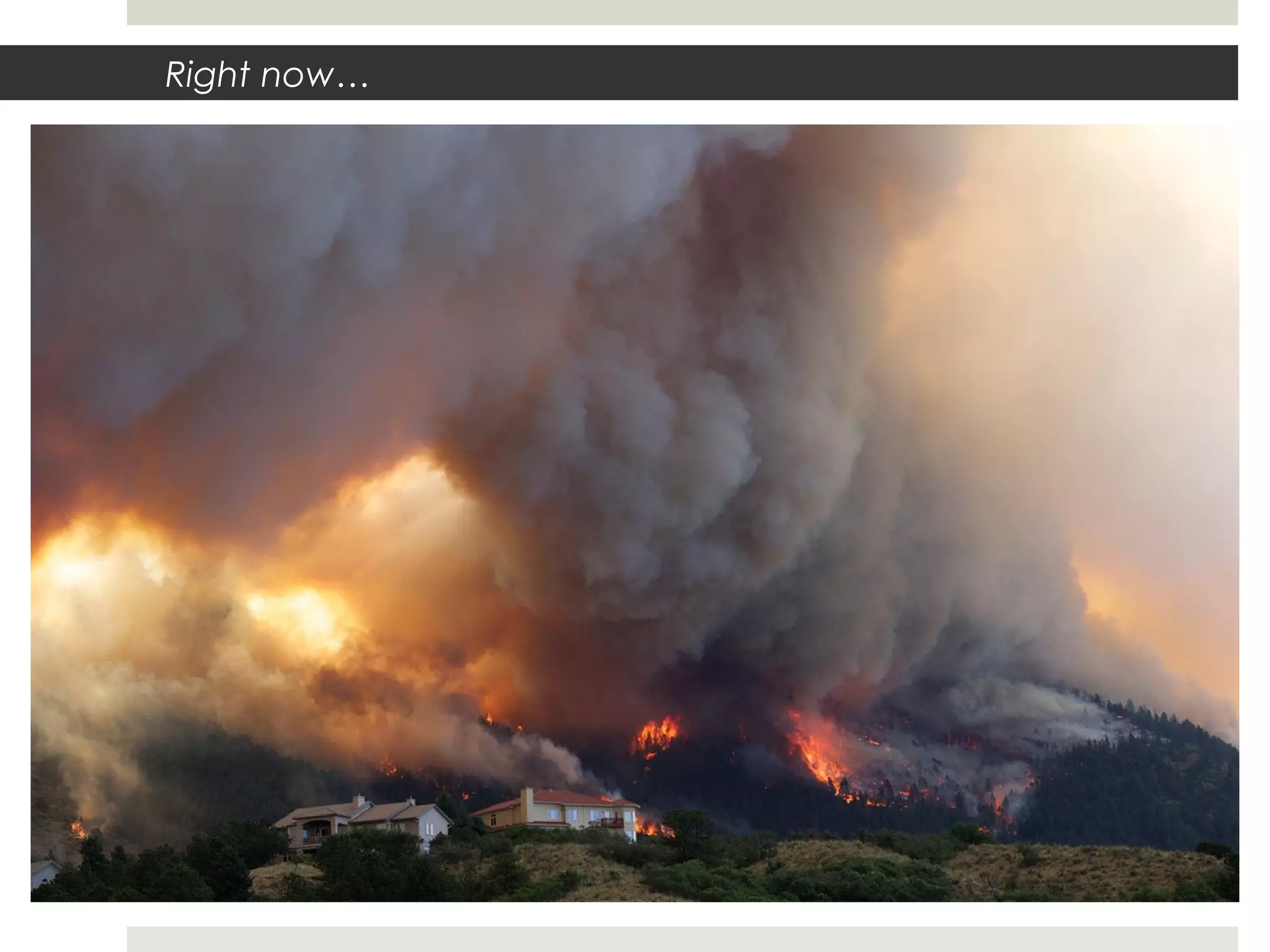
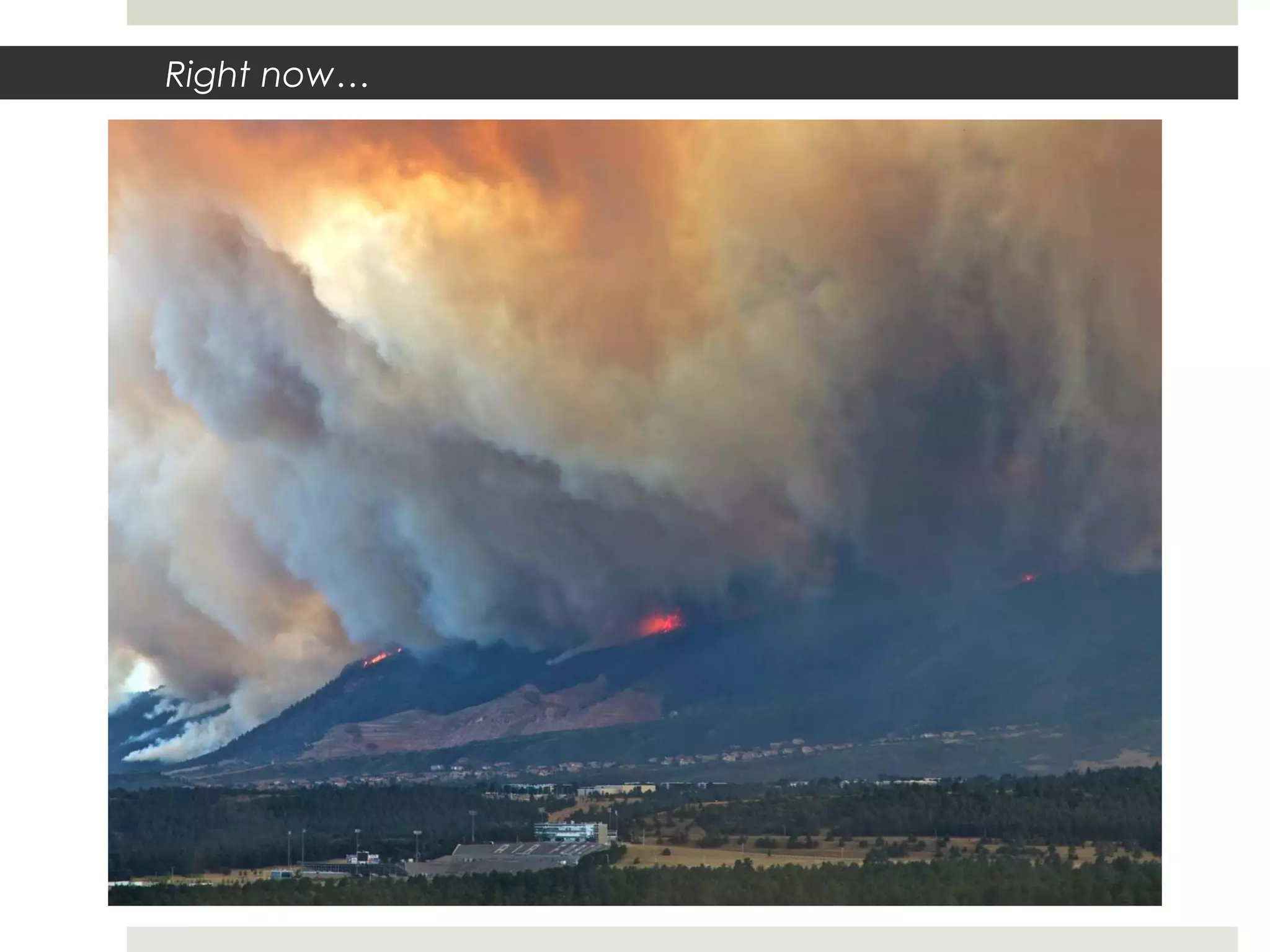
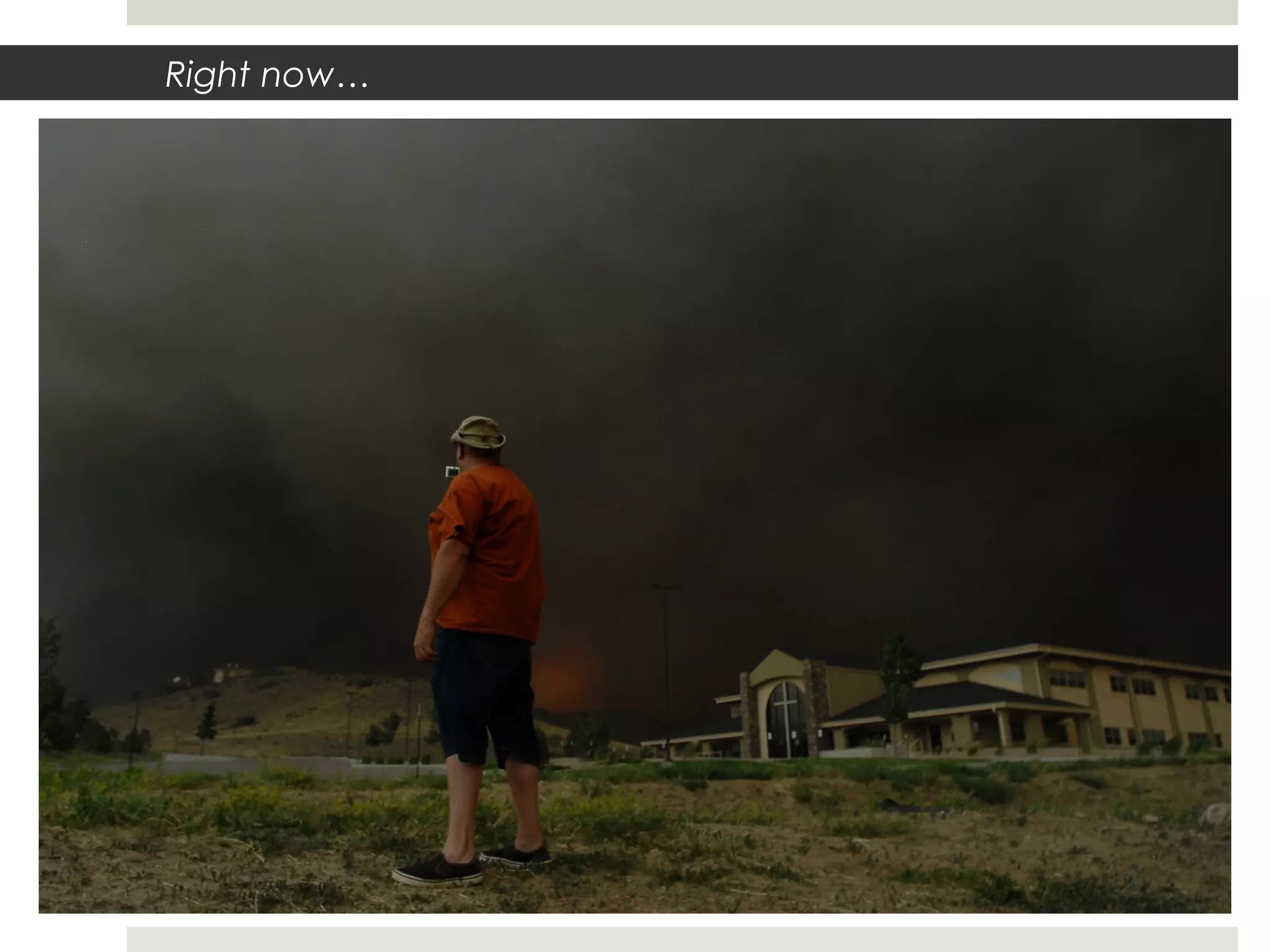
Right now…
Right now…
Right now…
About the Knight Lab

 Rob Knight, PhD, PI, Smartypants

 Qiime – Quantitative Insights Into Microbial Ecology

 Qiime on the web, data transport, MoBeDAC, etc…

 Spend a lot of time on standards and data consistency
Why do we need standards?

 Everyone likes the idea

 Everyone uses their own standard

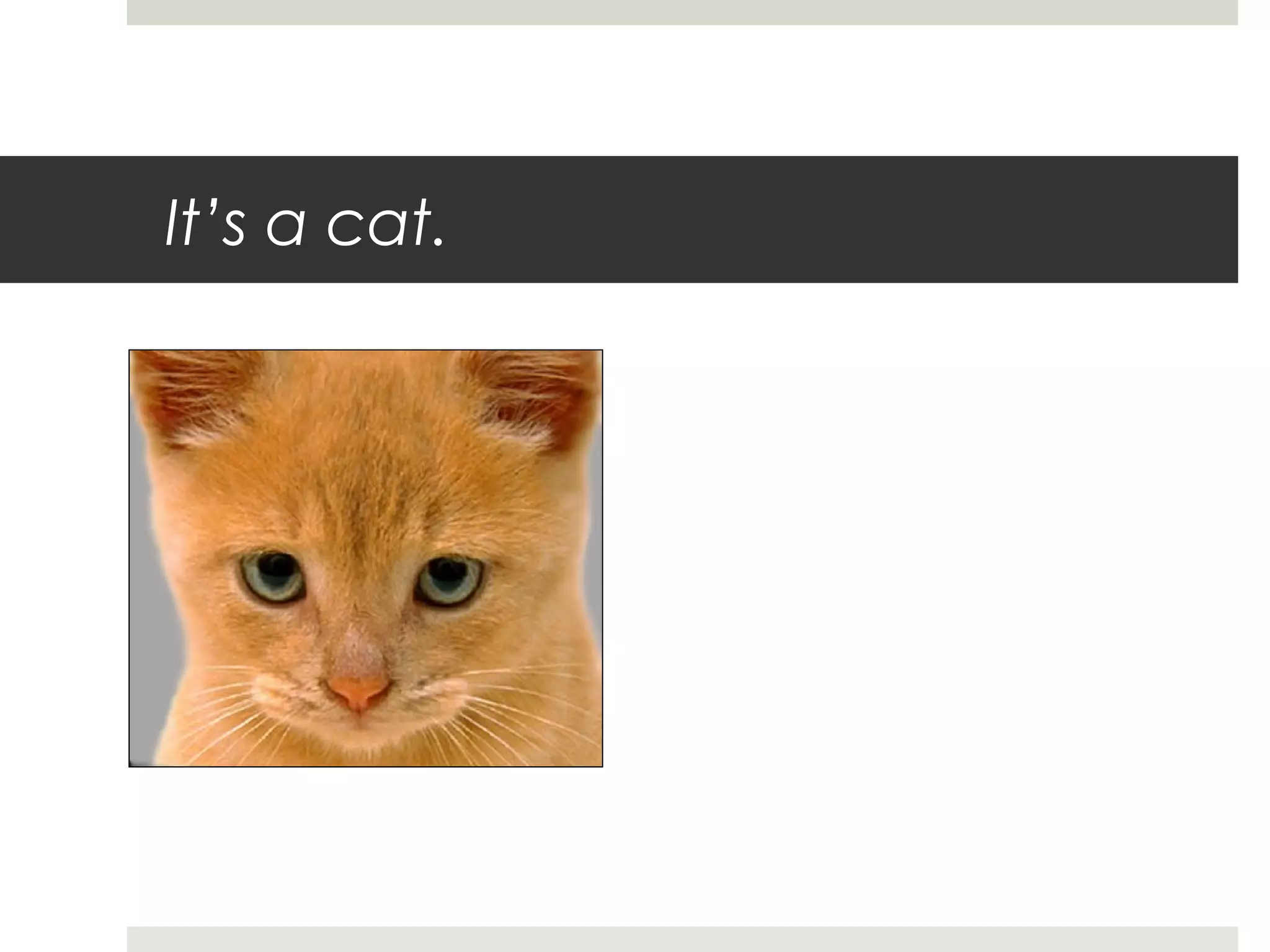
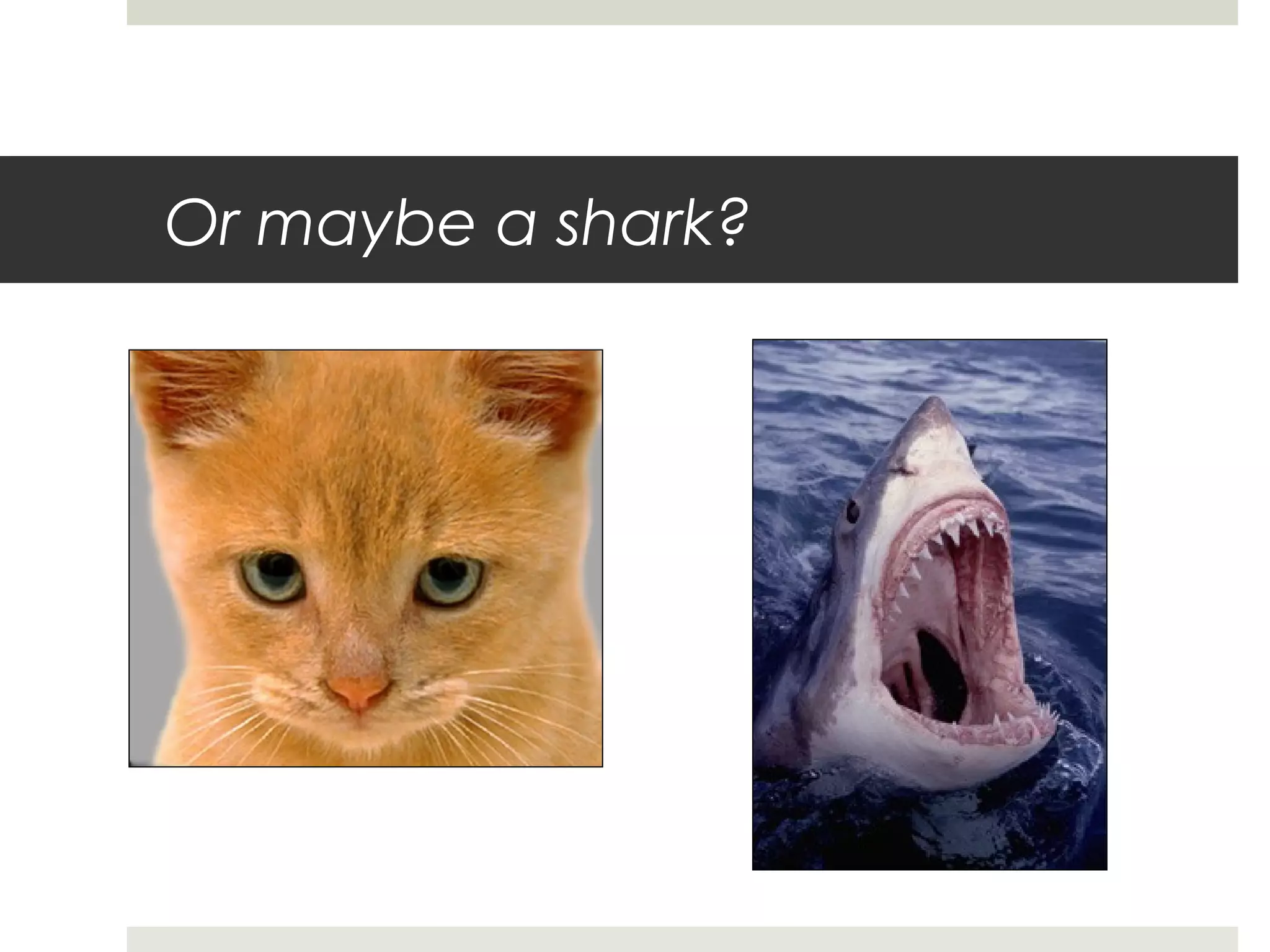
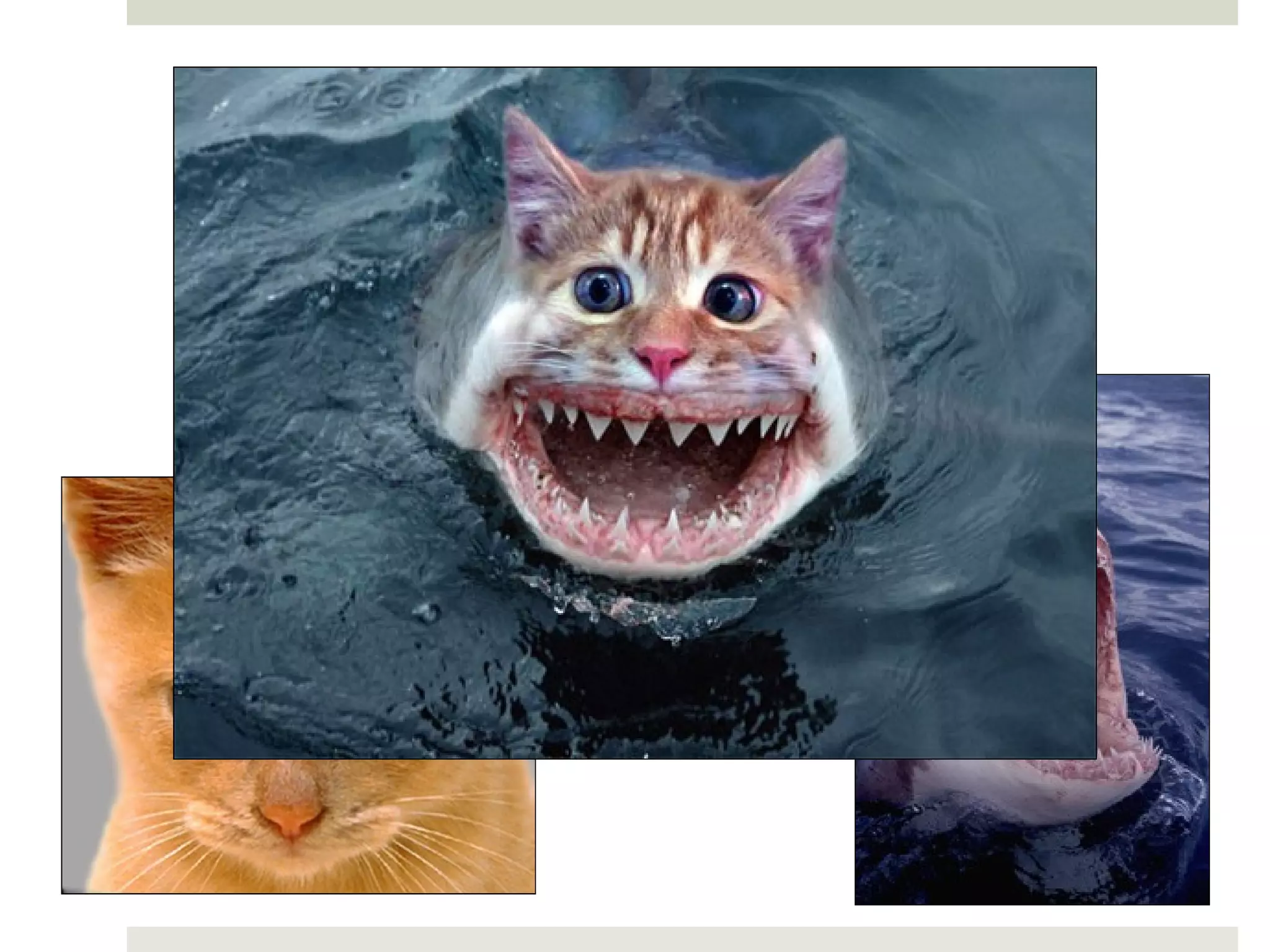
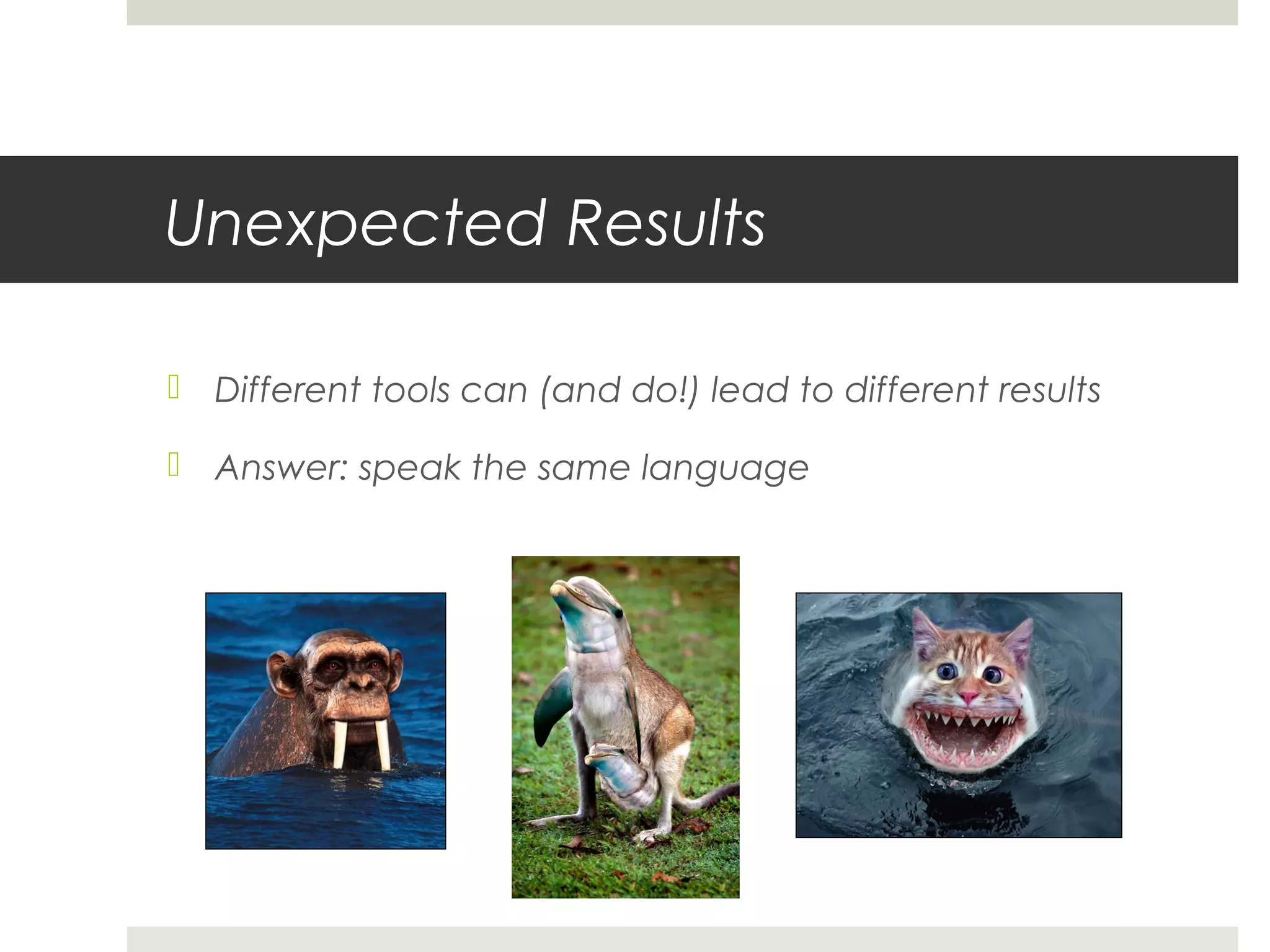
 Problem: Leads to situations such as this…
It’s a cat.
Or maybe a shark?
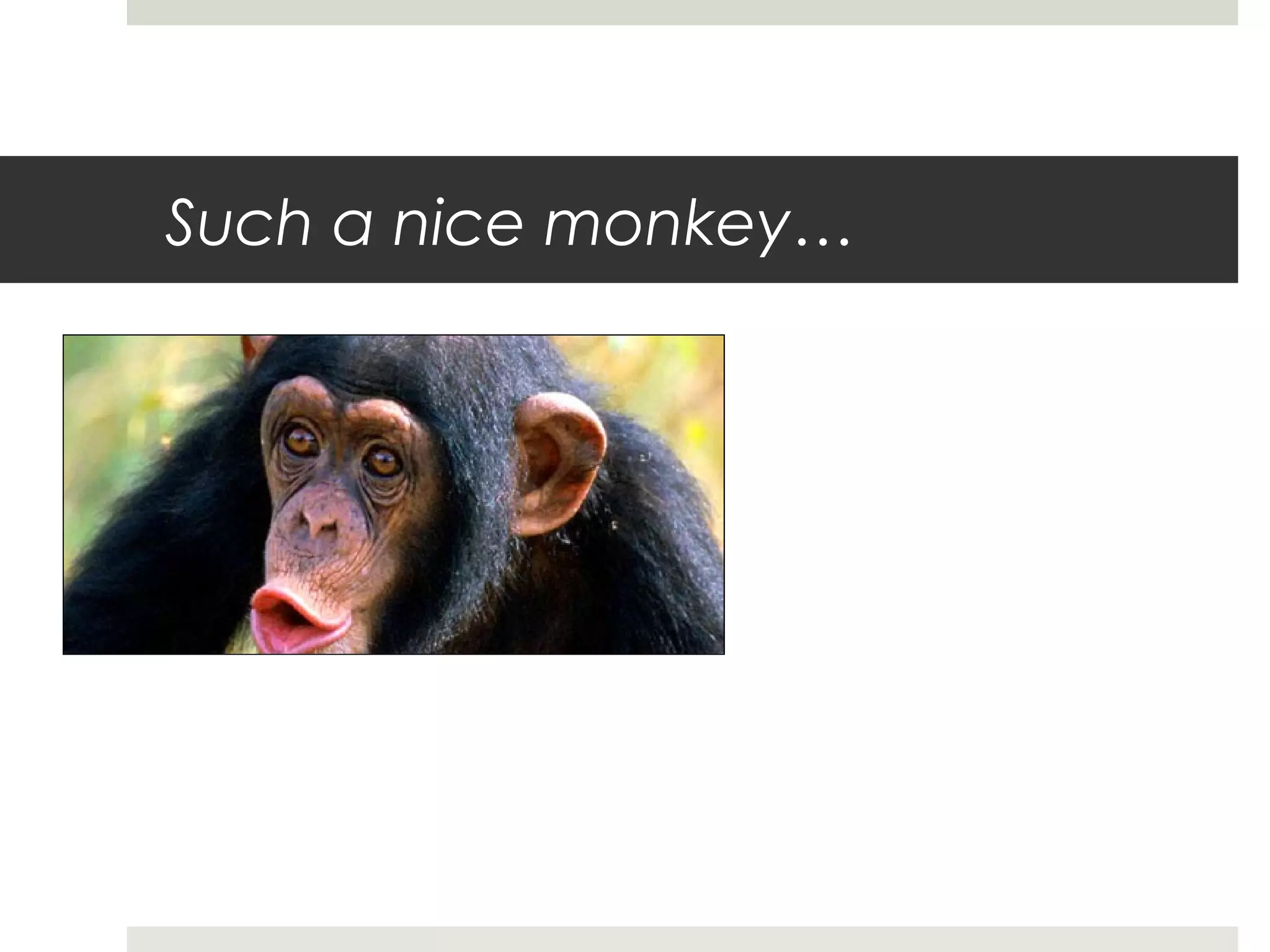
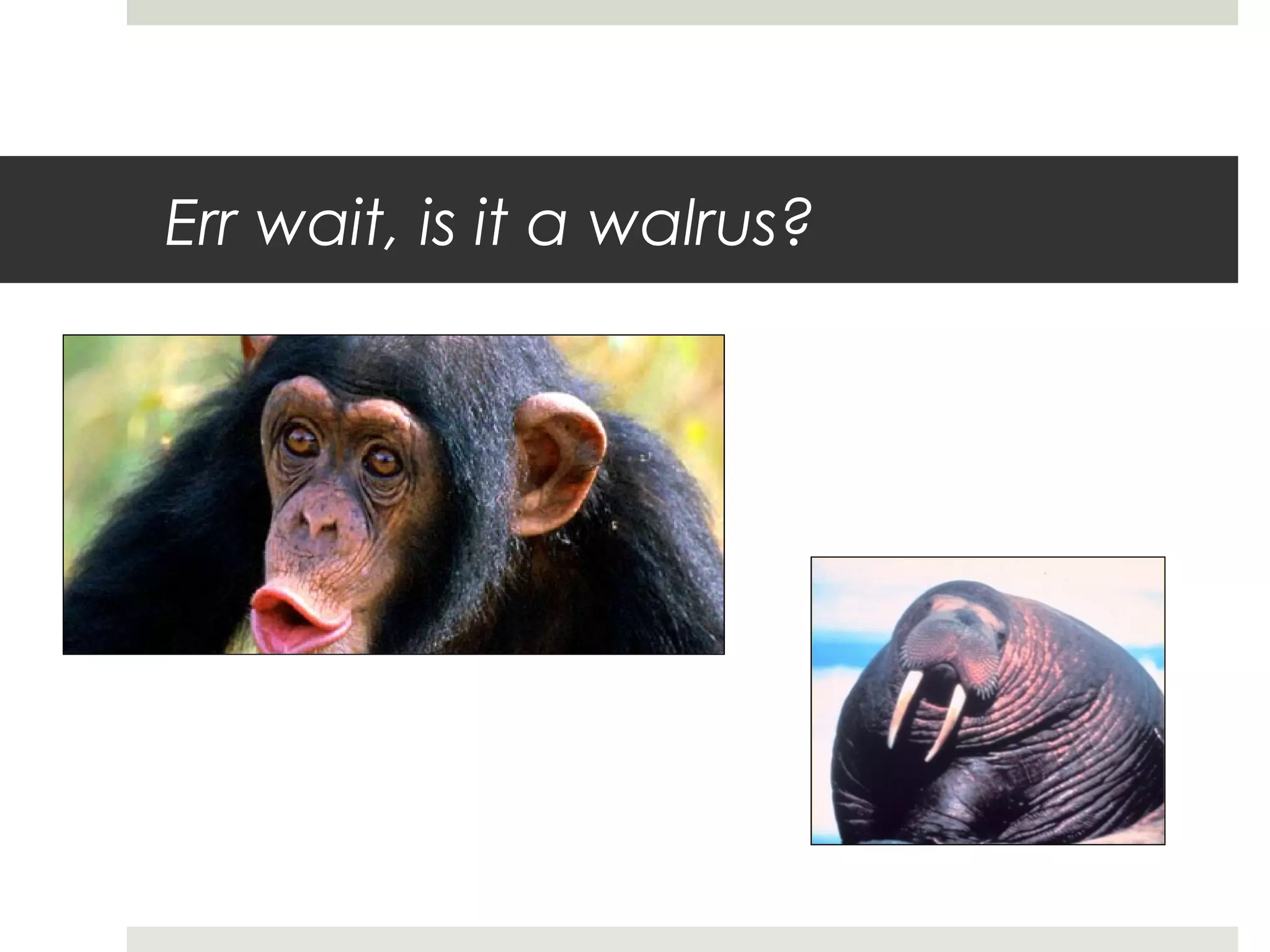
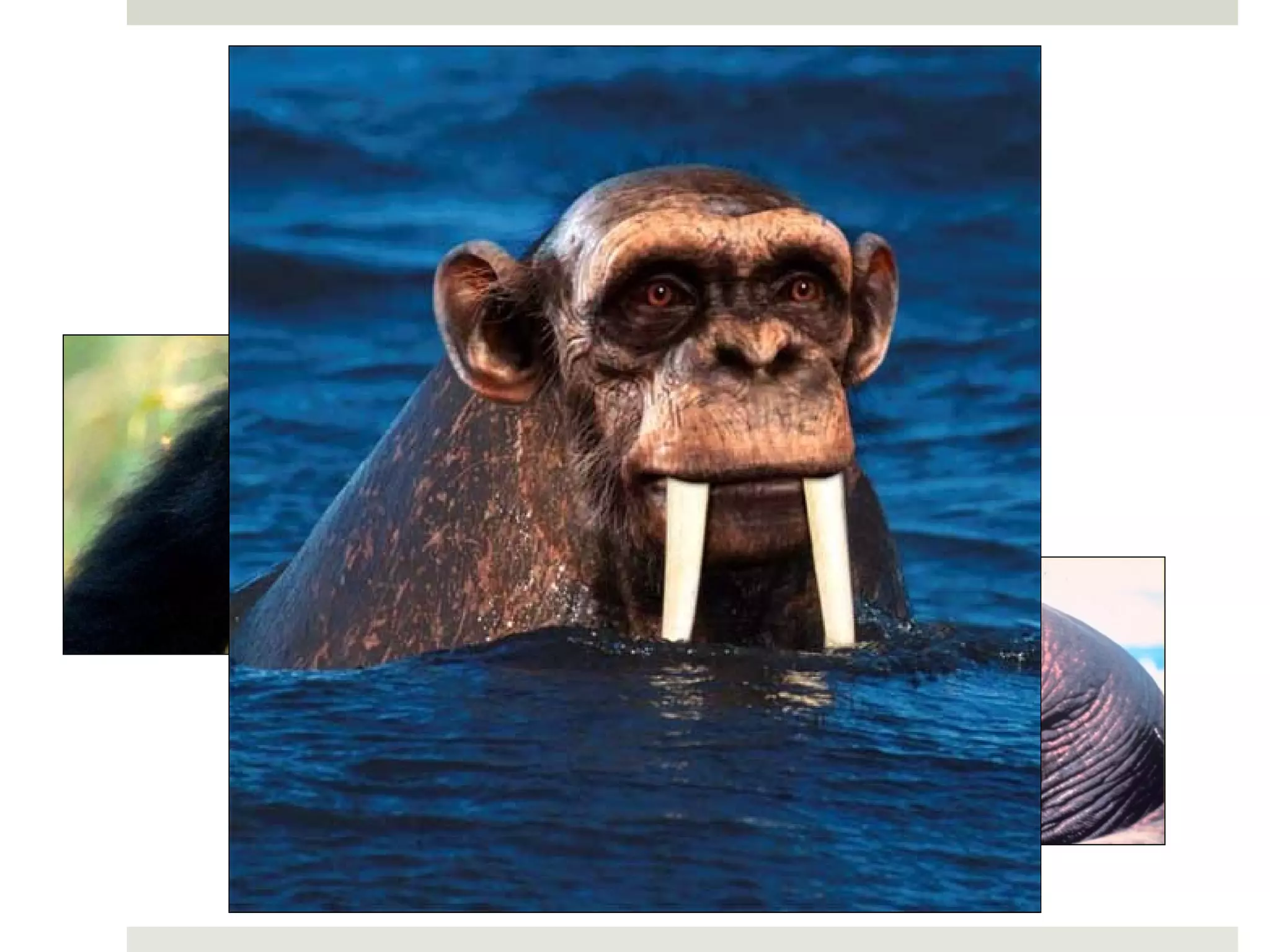
Such a nice monkey…
Err wait, is it a walrus?
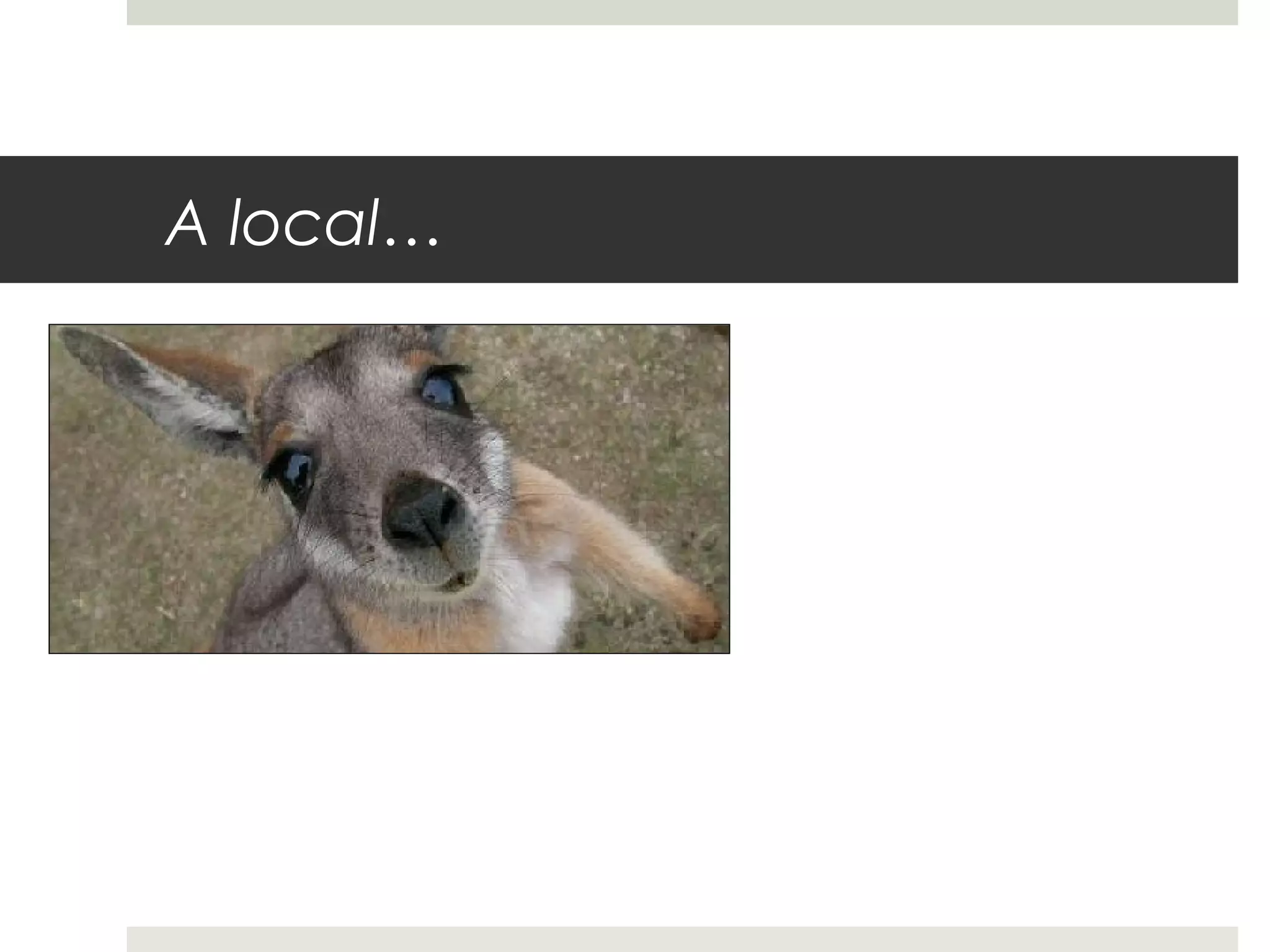
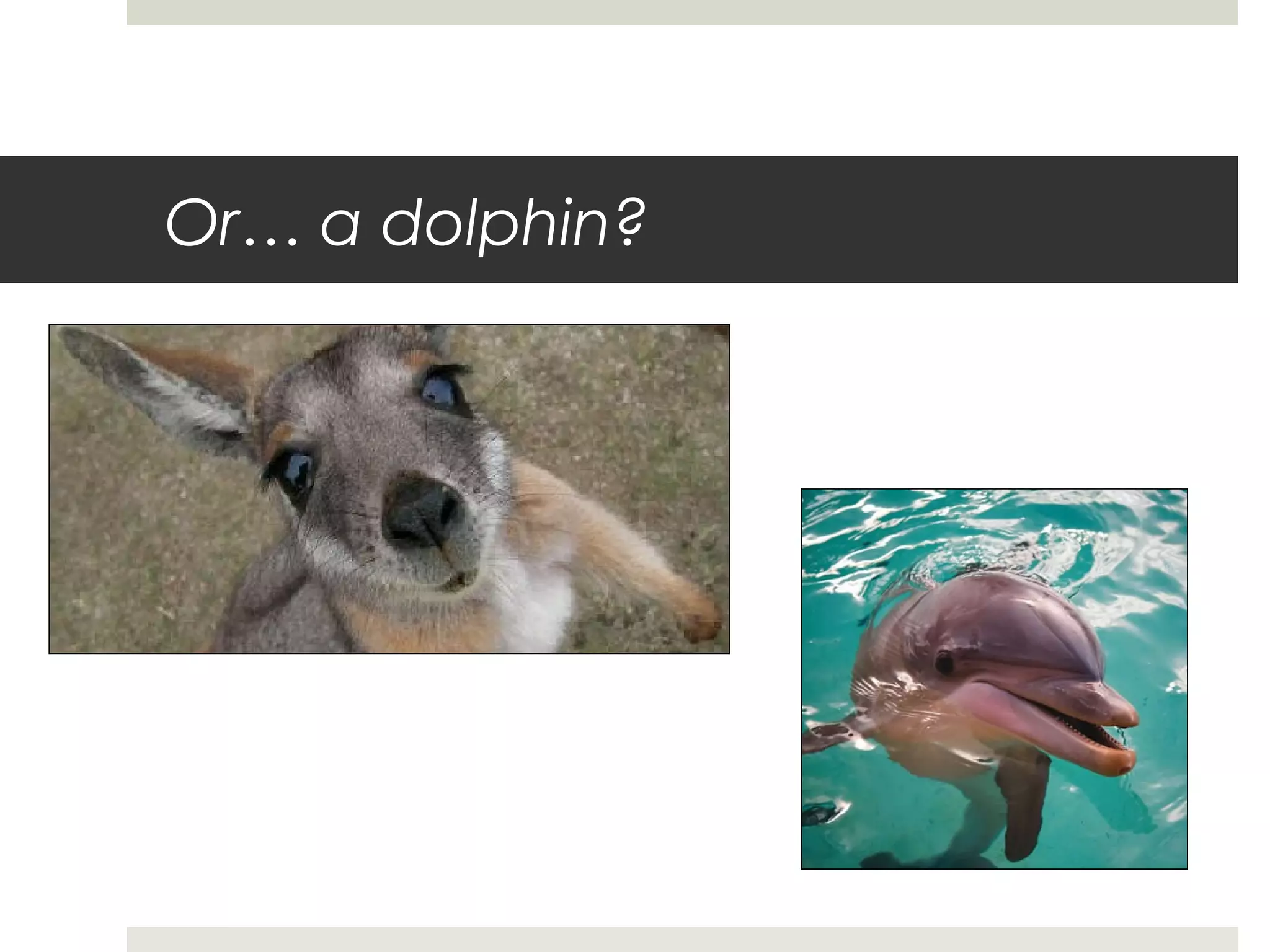
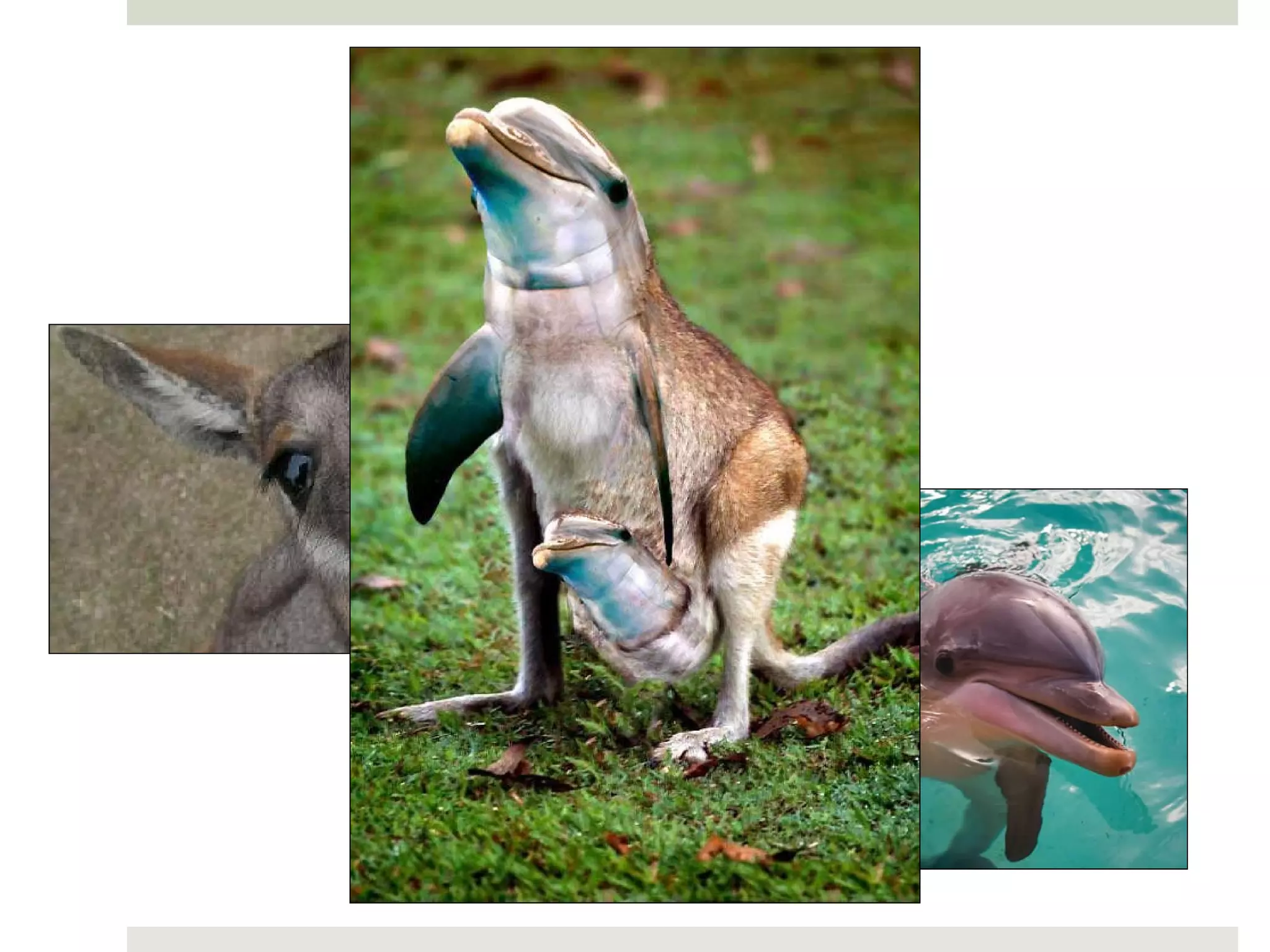
A local…
Or… a dolphin?
Unexpected Results

 Different tools can (and do!) lead to different results

 Answer: speak the same language
Presenting MoBeDAC

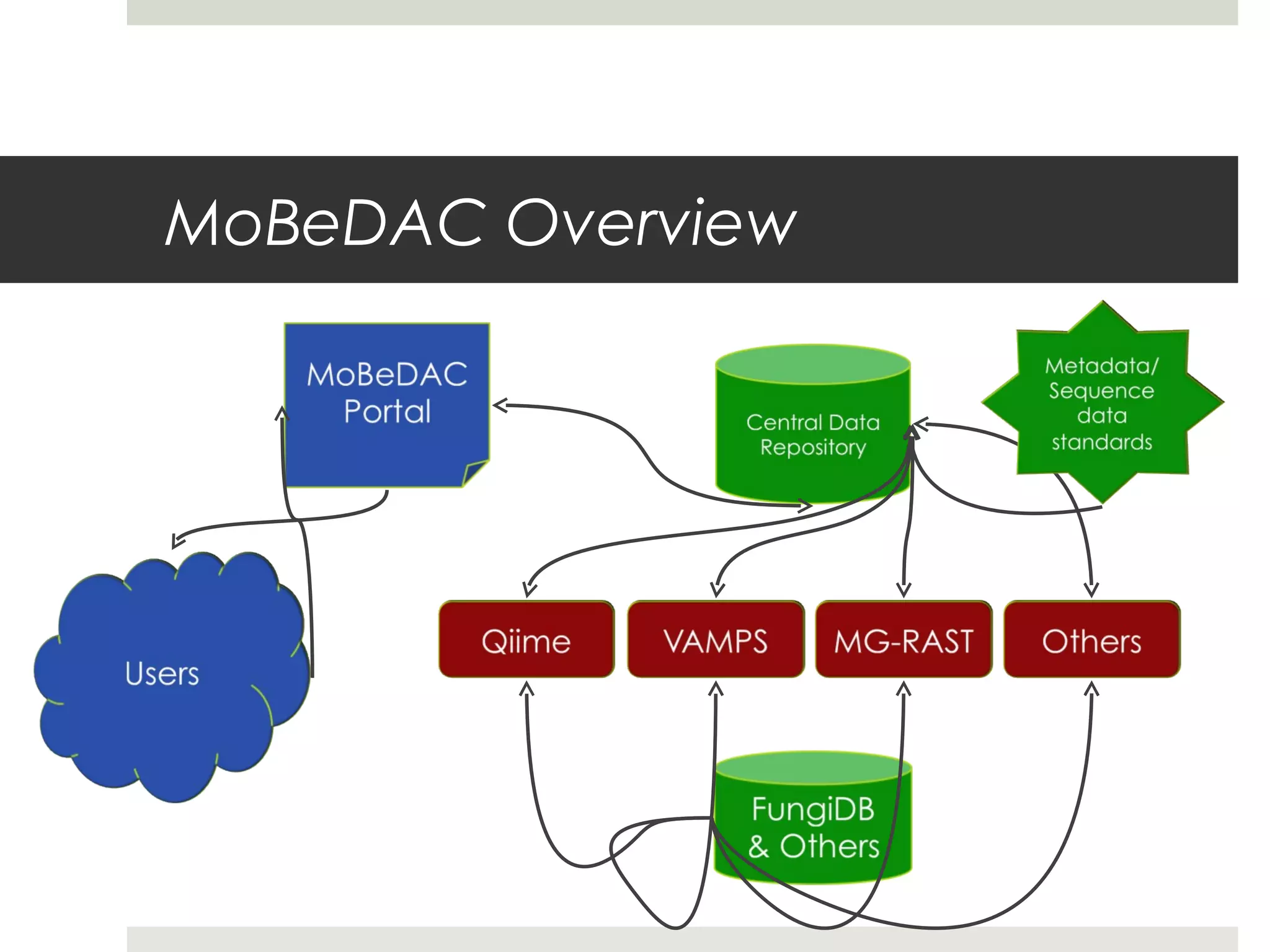
   Central repository for microbial metadata and sequence data

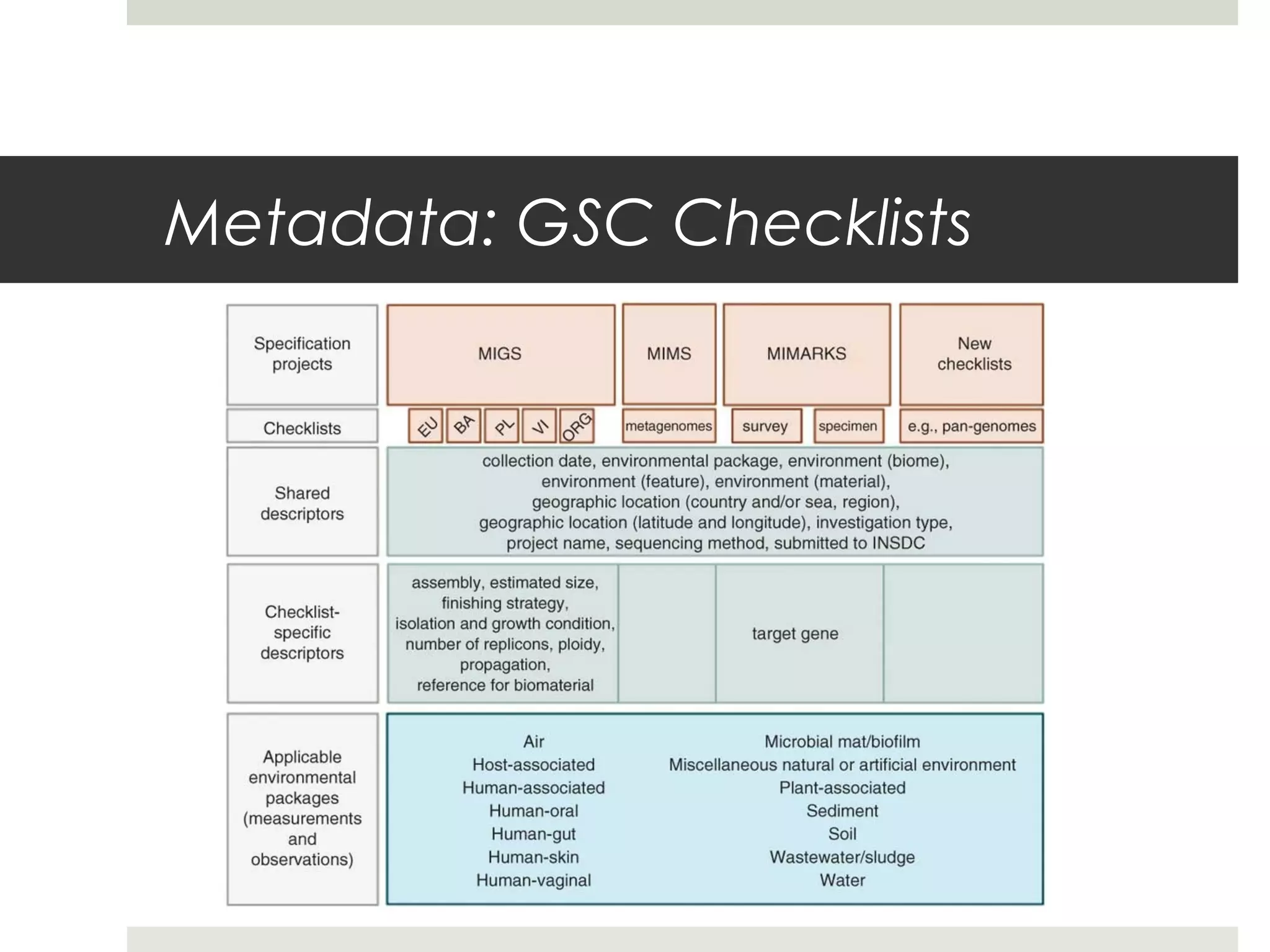
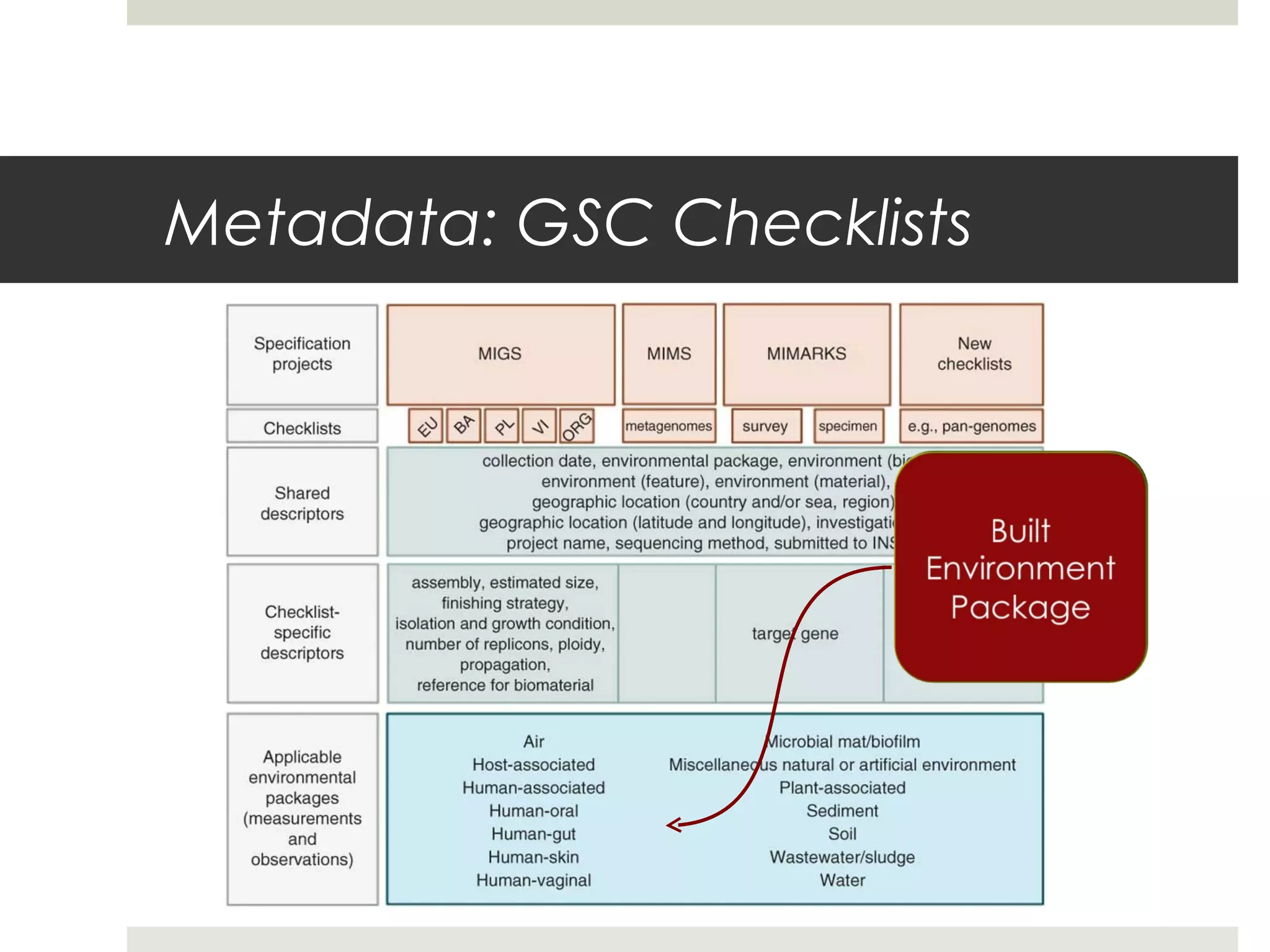
   Implements and enforces metadata standards – GSC checklists

   Enforces sequence data consistency – quality filtering, trimming

   Brings together an array of utilities and resources:
       VAMPS
       MG-RAST
       Qiime
       FungiDB
       Microbe.net
       Future platforms via open API
MoBeDAC Overview
Metadata: GSC Checklists
The Technology

 Platform Agnostic – keep it really simple

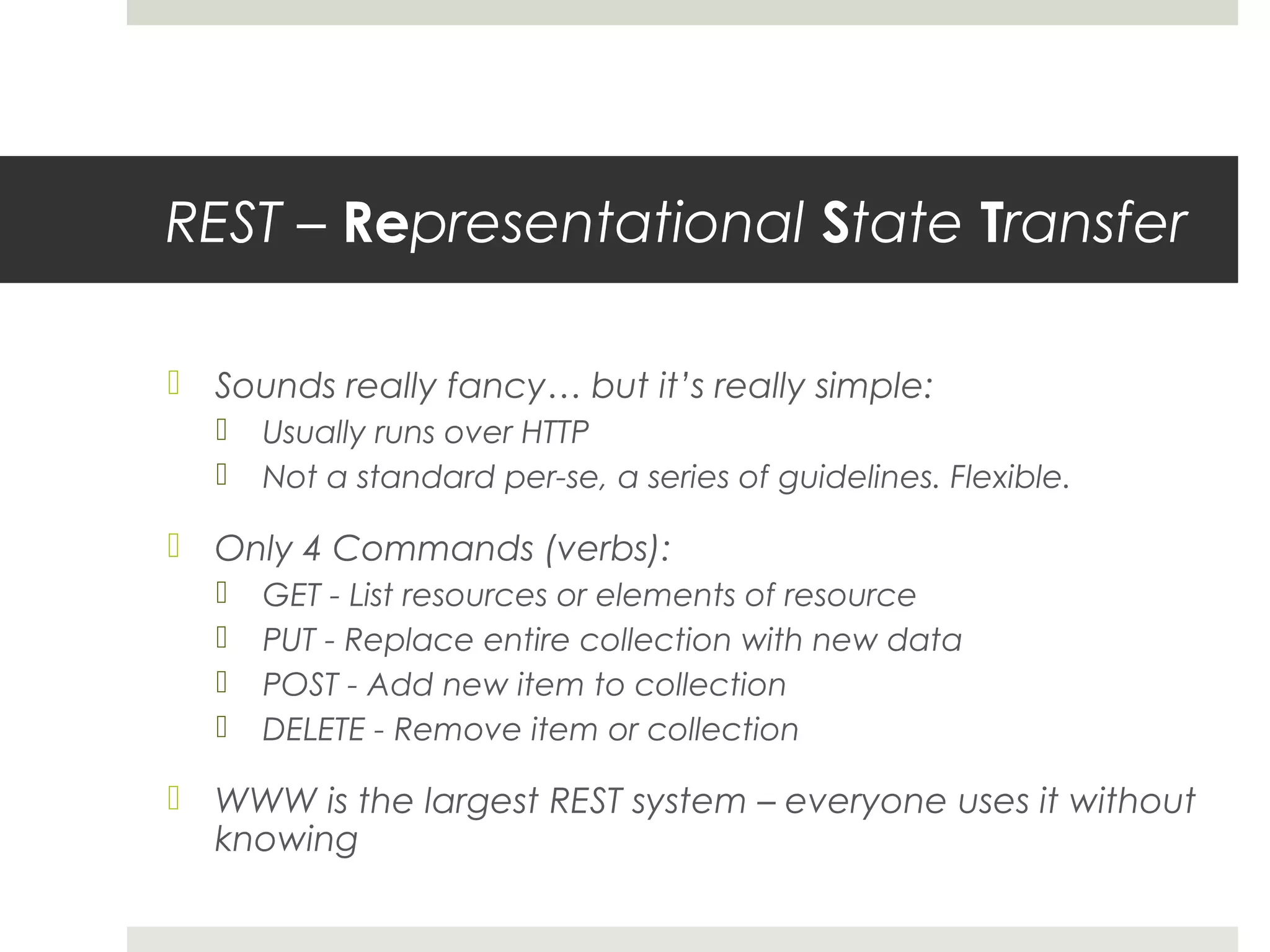
 REST API for communication

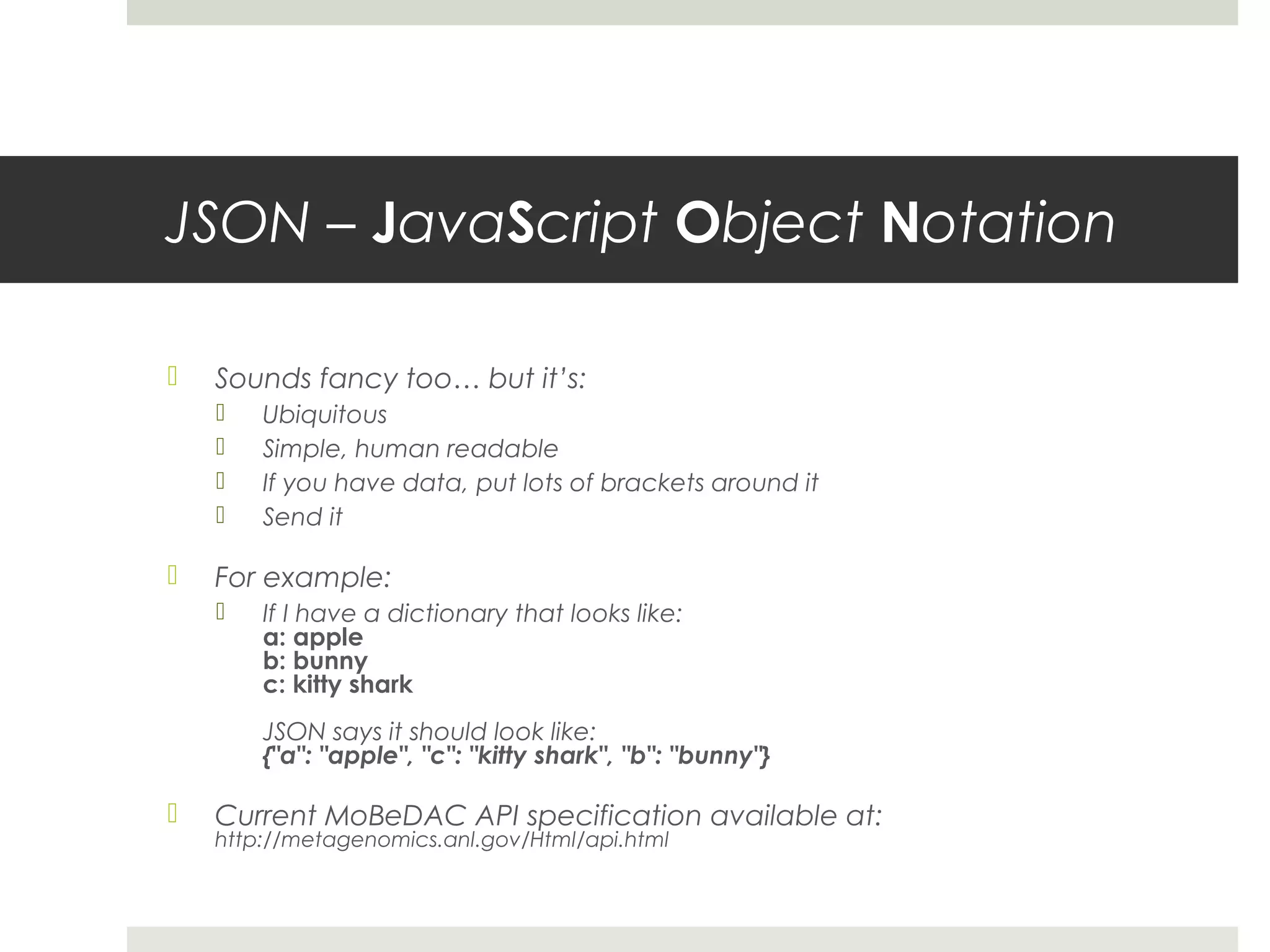
 JSON for encoding
REST – Representational State Transfer

 Sounds really fancy… but it’s really simple:
     Usually runs over HTTP
     Not a standard per-se, a series of guidelines. Flexible.

 Only 4 Commands (verbs):
     GET - List resources or elements of resource
     PUT - Replace entire collection with new data
     POST - Add new item to collection
     DELETE - Remove item or collection

 WWW is the largest REST system – everyone uses it without
  knowing
JSON – JavaScript Object Notation

   Sounds fancy too… but it’s:
       Ubiquitous
       Simple, human readable
       If you have data, put lots of brackets around it
       Send it

   For example:
       If I have a dictionary that looks like:
        a: apple
        b: bunny
        c: kitty shark
        JSON says it should look like:
        {"a": "apple", "c": "kitty shark", "b": "bunny"}

   Current MoBeDAC API specification available at:
    http://metagenomics.anl.gov/Html/api.html
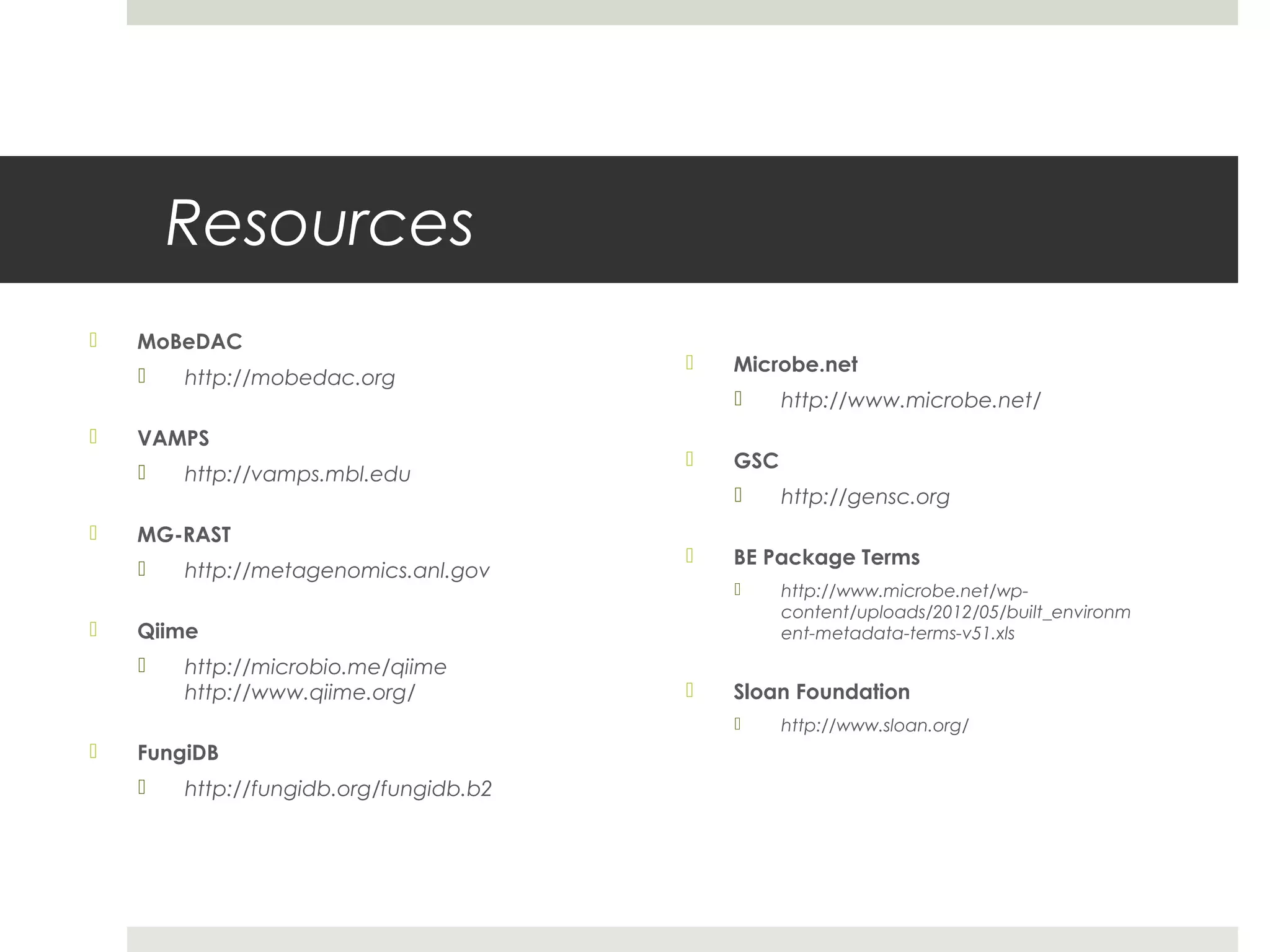
Resources
   MoBeDAC
                                           Microbe.net
       http://mobedac.org
                                                 http://www.microbe.net/
   VAMPS
                                           GSC
       http://vamps.mbl.edu
                                                 http://gensc.org
   MG-RAST
                                           BE Package Terms
       http://metagenomics.anl.gov
                                                 http://www.microbe.net/wp-
                                                  content/uploads/2012/05/built_environm
   Qiime                                         ent-metadata-terms-v51.xls
       http://microbio.me/qiime
        http://www.qiime.org/              Sloan Foundation
                                                 http://www.sloan.org/
   FungiDB
       http://fungidb.org/fungidb.b2
Thanks!

 Questions?

MoBeDAC - Microbiome of the Built Environment Data Analysis Core

  • 1.
    MoBeDAC Microbiome of theBuilt Environment Data Analysis Core
  • 2.
    Background  Rob Knight’sgroup, University of Colorado at Boulder  Since we’re talking about air quality…
  • 3.
  • 4.
  • 5.
  • 6.
  • 7.
  • 8.
  • 9.
    About the KnightLab  Rob Knight, PhD, PI, Smartypants  Qiime – Quantitative Insights Into Microbial Ecology  Qiime on the web, data transport, MoBeDAC, etc…  Spend a lot of time on standards and data consistency
  • 10.
    Why do weneed standards?  Everyone likes the idea  Everyone uses their own standard  Problem: Leads to situations such as this…
  • 11.
  • 12.
    Or maybe ashark?
  • 15.
    Such a nicemonkey…
  • 16.
    Err wait, isit a walrus?
  • 19.
  • 20.
  • 23.
    Unexpected Results  Differenttools can (and do!) lead to different results  Answer: speak the same language
  • 24.
    Presenting MoBeDAC  Central repository for microbial metadata and sequence data  Implements and enforces metadata standards – GSC checklists  Enforces sequence data consistency – quality filtering, trimming  Brings together an array of utilities and resources:  VAMPS  MG-RAST  Qiime  FungiDB  Microbe.net  Future platforms via open API
  • 25.
  • 26.
  • 27.
  • 28.
    The Technology  PlatformAgnostic – keep it really simple  REST API for communication  JSON for encoding
  • 29.
    REST – RepresentationalState Transfer  Sounds really fancy… but it’s really simple:  Usually runs over HTTP  Not a standard per-se, a series of guidelines. Flexible.  Only 4 Commands (verbs):  GET - List resources or elements of resource  PUT - Replace entire collection with new data  POST - Add new item to collection  DELETE - Remove item or collection  WWW is the largest REST system – everyone uses it without knowing
  • 30.
    JSON – JavaScriptObject Notation  Sounds fancy too… but it’s:  Ubiquitous  Simple, human readable  If you have data, put lots of brackets around it  Send it  For example:  If I have a dictionary that looks like: a: apple b: bunny c: kitty shark JSON says it should look like: {"a": "apple", "c": "kitty shark", "b": "bunny"}  Current MoBeDAC API specification available at: http://metagenomics.anl.gov/Html/api.html
  • 31.
    Resources  MoBeDAC  Microbe.net  http://mobedac.org  http://www.microbe.net/  VAMPS  GSC  http://vamps.mbl.edu  http://gensc.org  MG-RAST  BE Package Terms  http://metagenomics.anl.gov  http://www.microbe.net/wp- content/uploads/2012/05/built_environm  Qiime ent-metadata-terms-v51.xls  http://microbio.me/qiime http://www.qiime.org/  Sloan Foundation  http://www.sloan.org/  FungiDB  http://fungidb.org/fungidb.b2
  • 32.