Persuade. Engage. Delight.
Live energy data and behavioural change
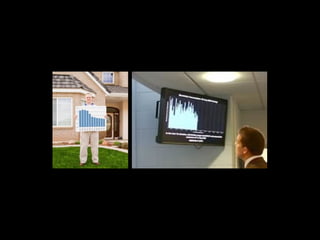
A dismal display
-Live energy displays are in their infancy.
-Display screens are creatively rudimentary:
 graphs, charts, statistics and garish colours
 tend to dominate.
-They are unlikely to appeal to its busy staff
 and student populations who will need to
 obtain information at-a-glance, in foyers
 whilst waiting for the lift.
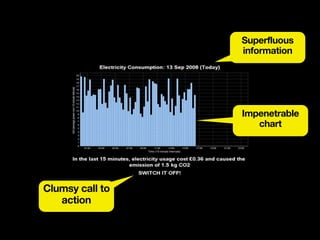
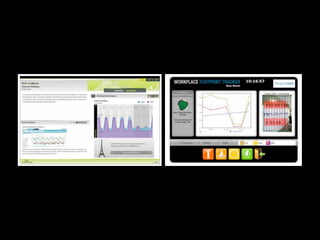
Superfluous
                 information


                 Impenetrable
                    chart


Clumsy call to
   action
Lucid Design Group
-The best example we have found is Lucid’s
 Building Dashboard
-Makes energy and water use visible in real
 time on the web.
-It also encompasses social networks,
 weather forecasts, environmental tips and
 pledges.
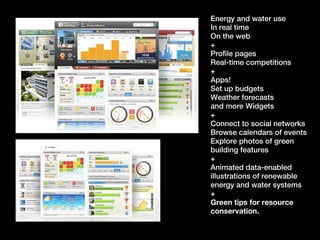
Energy and water use
In real time
On the web
+
Profile pages
Real-time competitions
+
Apps!
Set up budgets
Weather forecasts
and more Widgets
+
Connect to social networks
Browse calendars of events
Explore photos of green
building features
+
Animated data-enabled
illustrations of renewable
energy and water systems
+
Green tips for resource
conservation.
Manchester Digital
Development Agency
-Live energy display experiment at
 Manchester Art Gallery.
-Manchester Art Gallery currently gains
 400,000 visitors each year and is owned
 and run by Manchester City Council.
-Between 1998 and 2002, it underwent a
 £35million refurbishment, but under EU
 Energy Performance of Buildings Directive,
 the gallery is rated G.
Project
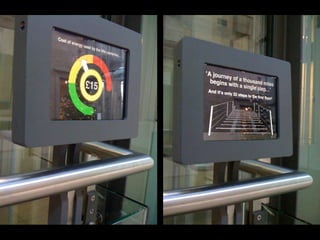
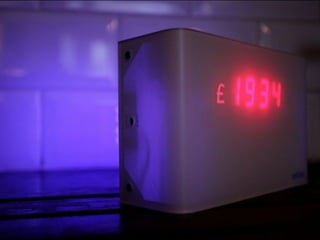
-Small display screen by the lift call button.
-The aim was to encourage staff to use the
 stairs rather than the lift.
-The screen displayed the cost of energy
 used by lift trips the day before.
-Not too aggressive, as some users may not
 physically be able to use the stairs.
Results
-At first staff engaged and chose the stairs.
-Screen did not change interface or
 information, barring the actual figure, staff
 soon became accustomed to its presence.
-After two weeks it was essentially ignored.
-Second pilot at the gallery used happy and
 sad face icons in kitchen to convey whether
 energy use had increased or decreased.
-This was found to be more successful.
Learnings
-No change in behaviour if not used
 alongside a wider information campaign.
-Results on screen will be more affective
 with savings rather than costs.
-Simple graphics are infinitely better than
 complicated graphs.
-If comparing days, historic like for like
 comparisons average out any anomalies,
 i.e compare against the last 12 Tuesdays
 rather than just last Tuesday.
MMU Focus Group
-Members of the MMU staff and student
 populations who had a level of interest.
-Participants were asked whether Creative
 Concern could continue to consult with
 them on further, developed ideas, and they
 confirmed that they could.
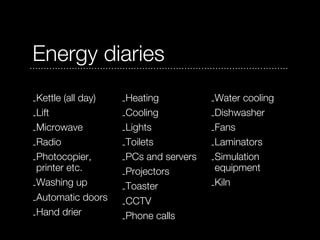
Energy diaries
-Kettle (all day)   -Heating           -Water cooling
-Lift               -Cooling           -Dishwasher
-Microwave          -Lights            -Fans
-Radio              -Toilets           -Laminators
-Photocopier,       -PCs and servers   -Simulation
 printer etc.                           equipment
                    -Projectors
-Washing up         -Toaster           -Kiln
-Automatic doors    -CCTV
-Hand drier         -Phone calls
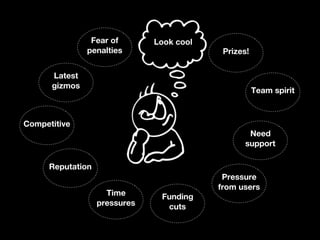
Energy personalities
Fear of        Look cool
               penalties                    Prizes!


      Latest
      gizmos
                                                      Team spirit


Competitive
                                                  Need
                                                 support

      Reputation
                                            Pressure
                                           from users
                     Time       Funding
                   pressures     cuts
Ideas for energy displays
-Groups were given a set of cue cards
 showcasing how the live energy displays
 might convey their messages.
-Participants were asked about the methods
 that spoke most to them, and which they
 disliked most.
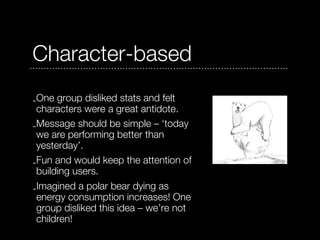
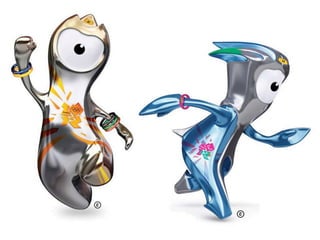
Character-based
-One group disliked stats and felt
 characters were a great antidote.
-Message should be simple – ‘today
 we are performing better than
 yesterday’.
-Fun and would keep the attention of
 building users.
-Imagined a polar bear dying as
 energy consumption increases! One
 group disliked this idea – we’re not
 children!
Graphs and charts
-One group really liked graphs and
 numerical measurements.
-Transparent and, providing it was
 simplified, accessible.
-However, they should track more ‘fun’,
 accessible things, like ‘food miles travelled
 this week in the canteen’
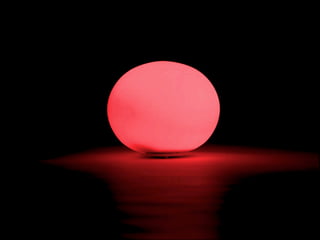
Colour & audio
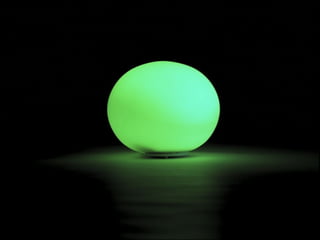
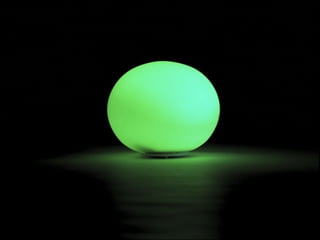
-One group really liked the idea of a wall of
 colour, or lights that changed colour
 according to how well the building and its
 inhabitants were performing.
-Another group really liked the idea of audio
 as it is difficult to ignore and more inclusive
 for partially sighted and blind building
 users.
-Perhaps the audio could be triggered by
 sensors?
Other ideas...
-Comparisons between buildings? Can be
 done using percentages and targets.
 Friendly competition!
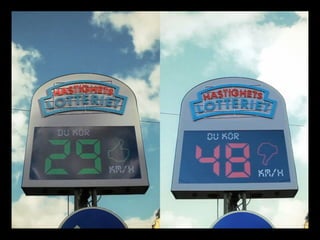
-Fun theory – we need to be getting people
 to change their behaviour without really
 thinking about it.
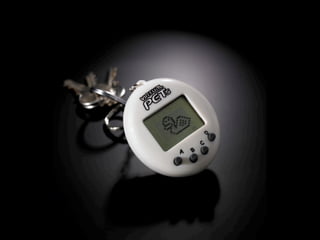
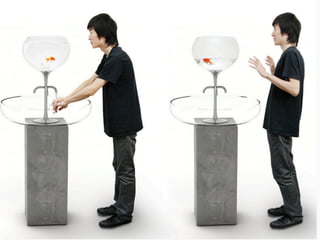
-Why does it have to be a screen? Why not
 a physical thing? A cuckoo clock or
 barometer.
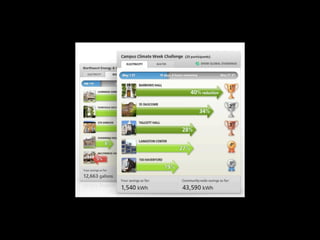
-Why not the energy Olympic games? Each
 month of 2012, building users compete
 against each other in a different ‘game’.
-Or physical games, like the ones you’d get
 at the seaside where you’d roll the balls
 and your horse would move along.
What can we do different?
Persuasive design
Competition works
Emotionally connect
Big numbers
-
AND
-
The bigger picture
Three routes
@headstretcher

MMU Presentation on the live energy challenge

  • 2.
    Persuade. Engage. Delight. Liveenergy data and behavioural change
  • 3.
    A dismal display -Liveenergy displays are in their infancy. -Display screens are creatively rudimentary: graphs, charts, statistics and garish colours tend to dominate. -They are unlikely to appeal to its busy staff and student populations who will need to obtain information at-a-glance, in foyers whilst waiting for the lift.
  • 4.
    Superfluous information Impenetrable chart Clumsy call to action
  • 7.
    Lucid Design Group -Thebest example we have found is Lucid’s Building Dashboard -Makes energy and water use visible in real time on the web. -It also encompasses social networks, weather forecasts, environmental tips and pledges.
  • 8.
    Energy and wateruse In real time On the web + Profile pages Real-time competitions + Apps! Set up budgets Weather forecasts and more Widgets + Connect to social networks Browse calendars of events Explore photos of green building features + Animated data-enabled illustrations of renewable energy and water systems + Green tips for resource conservation.
  • 12.
    Manchester Digital Development Agency -Liveenergy display experiment at Manchester Art Gallery. -Manchester Art Gallery currently gains 400,000 visitors each year and is owned and run by Manchester City Council. -Between 1998 and 2002, it underwent a £35million refurbishment, but under EU Energy Performance of Buildings Directive, the gallery is rated G.
  • 13.
    Project -Small display screenby the lift call button. -The aim was to encourage staff to use the stairs rather than the lift. -The screen displayed the cost of energy used by lift trips the day before. -Not too aggressive, as some users may not physically be able to use the stairs.
  • 15.
    Results -At first staffengaged and chose the stairs. -Screen did not change interface or information, barring the actual figure, staff soon became accustomed to its presence. -After two weeks it was essentially ignored. -Second pilot at the gallery used happy and sad face icons in kitchen to convey whether energy use had increased or decreased. -This was found to be more successful.
  • 16.
    Learnings -No change inbehaviour if not used alongside a wider information campaign. -Results on screen will be more affective with savings rather than costs. -Simple graphics are infinitely better than complicated graphs. -If comparing days, historic like for like comparisons average out any anomalies, i.e compare against the last 12 Tuesdays rather than just last Tuesday.
  • 18.
    MMU Focus Group -Membersof the MMU staff and student populations who had a level of interest. -Participants were asked whether Creative Concern could continue to consult with them on further, developed ideas, and they confirmed that they could.
  • 19.
    Energy diaries -Kettle (allday) -Heating -Water cooling -Lift -Cooling -Dishwasher -Microwave -Lights -Fans -Radio -Toilets -Laminators -Photocopier, -PCs and servers -Simulation printer etc. equipment -Projectors -Washing up -Toaster -Kiln -Automatic doors -CCTV -Hand drier -Phone calls
  • 20.
  • 21.
    Fear of Look cool penalties Prizes! Latest gizmos Team spirit Competitive Need support Reputation Pressure from users Time Funding pressures cuts
  • 22.
    Ideas for energydisplays -Groups were given a set of cue cards showcasing how the live energy displays might convey their messages. -Participants were asked about the methods that spoke most to them, and which they disliked most.
  • 23.
    Character-based -One group dislikedstats and felt characters were a great antidote. -Message should be simple – ‘today we are performing better than yesterday’. -Fun and would keep the attention of building users. -Imagined a polar bear dying as energy consumption increases! One group disliked this idea – we’re not children!
  • 24.
    Graphs and charts -Onegroup really liked graphs and numerical measurements. -Transparent and, providing it was simplified, accessible. -However, they should track more ‘fun’, accessible things, like ‘food miles travelled this week in the canteen’
  • 25.
    Colour & audio -Onegroup really liked the idea of a wall of colour, or lights that changed colour according to how well the building and its inhabitants were performing. -Another group really liked the idea of audio as it is difficult to ignore and more inclusive for partially sighted and blind building users. -Perhaps the audio could be triggered by sensors?
  • 26.
    Other ideas... -Comparisons betweenbuildings? Can be done using percentages and targets. Friendly competition! -Fun theory – we need to be getting people to change their behaviour without really thinking about it. -Why does it have to be a screen? Why not a physical thing? A cuckoo clock or barometer.
  • 27.
    -Why not theenergy Olympic games? Each month of 2012, building users compete against each other in a different ‘game’. -Or physical games, like the ones you’d get at the seaside where you’d roll the balls and your horse would move along.
  • 29.
    What can wedo different? Persuasive design Competition works Emotionally connect Big numbers - AND - The bigger picture
  • 36.
  • 42.