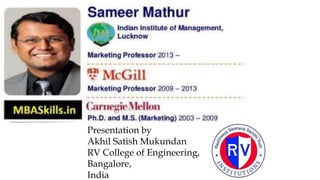
Presentation by
Akhil Satish Mukundan
RV College of Engineering,
Bangalore,
India
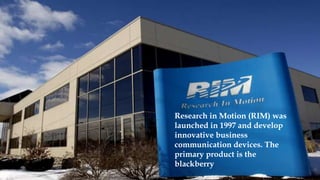
Research in Motion (RIM) was
launched in 1997 and develop
innovative business
communication devices. The
primary product is the
blackberry
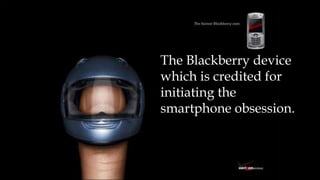
The Blackberry device
which is credited for
initiating the
smartphone obsession.
• Initial success of RIM was due to
the well-timed rollout of innovative
products
• Robust security platform, thus best
suited for govt. agencies.
• Product was available to all the
cellular services.
But what made them different?
RIM targeted
key market
influencers to
launch its
original product
line
Try before you buy with
wall street bankers
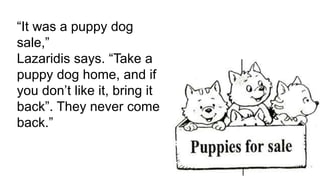
“It was a puppy dog
sale,”
Lazaridis says. “Take a
puppy dog home, and if
you don’t like it, bring it
back”. They never come
back.”
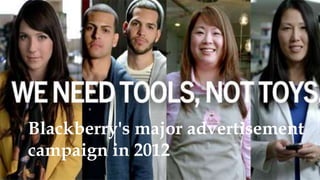
Blackberry's major advertisement
campaign in 2012
Obama is
BERRY
attached
too…
what went wrong?
• The early success of the RIM
product line has been lost as
many other market competitors
have taken the concepts
established by RIM and expanded
with new offerings.
• Should have focused more on
commercialization.
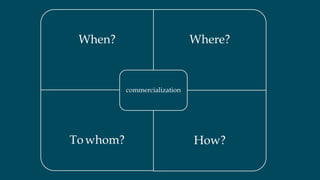
When? Where?
Towhom? How?
commercialization
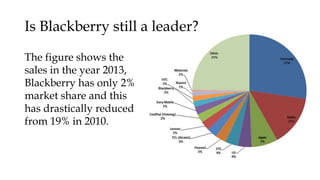
Is Blackberry still a leader?
The figure shows the
sales in the year 2013,
Blackberry has only 2%
market share and this
has drastically reduced
from 19% in 2010.
Then?
RIM tried to reach out to their
customers by coming up with
various innovations and enter the
other sectors with the same
product line.
But sadly…
These offerings did not appeal to
the vast majority of the public
sector as necessary or relevant.
Should
Blackberry
do..
Innovation!
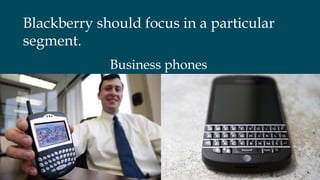
Blackberry should focus in a particular
segment.
Business phones
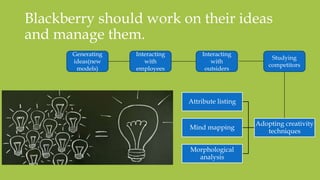
Blackberry should work on their ideas
and manage them.
Generating
ideas(new
models)
Interacting
with
employees
Interacting
with
outsiders
Studying
competitors
Adopting creativity
techniques
Attribute listing
Mind mapping
Morphological
analysis
Summary
About RMI and their key of success.
RMI should have focused on.
Is RMI still a leader?
What strategy they should follow in
the future?
Kotler, P., & Keller, K. (2012). Marketing Management (14th ed.). Upper Saddle River:
Prentice Hall.
Lyons, G. (2013). 2013 Mobile Market Share [Infographic]. Retrieved March 22, 2015,
from http://connect.icrossing.co.uk/wp-content/uploads/2013/01/Global-mobile-
statistics1.png
Rocha, E., & Sharp, A. (2014). BlackBerry cuts loss and sees rising sales; shares jump.
Retrieved March 22, 2015, from http://www.reuters.com/article/2014/09/26/us-
blackberry-results-idUSKCN0HL13J20140926
Zeis, A. (2013). Research In Motion Limited OFFICIALLY renamed to BlackBerry
Limited. Retrieved March 22, 2015, from http://crackberry.com/research-motion-
limited-officially-renamed-blackberry-limited
https://www.google.co.in/search?q=rvce&biw=1366&bih=599&tbm=isch&source=
lnms&sa=X&ved=0ahUKEwjij8eW9sjNAhUJxYMKHXbfDWwQ_AUICCgD#tbm=is
ch&q=blackberry+be+bold&imgrc=p_PcclNlkc-4KM%3A
Disclaimer
Created by Akhil Satish
Mukundan, RV College of
Engineering, Bangalore,
during a marketing
internship by Prof. Sameer
Mathur, IIM Lucknow

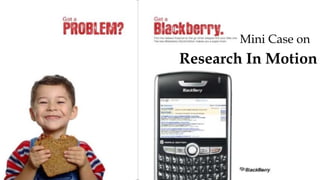
Minicase on Research In Motion

  • 2.
    Presentation by Akhil SatishMukundan RV College of Engineering, Bangalore, India
  • 3.
    Research in Motion(RIM) was launched in 1997 and develop innovative business communication devices. The primary product is the blackberry
  • 4.
    The Blackberry device whichis credited for initiating the smartphone obsession.
  • 5.
    • Initial successof RIM was due to the well-timed rollout of innovative products • Robust security platform, thus best suited for govt. agencies. • Product was available to all the cellular services.
  • 6.
    But what madethem different? RIM targeted key market influencers to launch its original product line
  • 7.
    Try before youbuy with wall street bankers
  • 8.
    “It was apuppy dog sale,” Lazaridis says. “Take a puppy dog home, and if you don’t like it, bring it back”. They never come back.”
  • 9.
  • 10.
  • 11.
    what went wrong? •The early success of the RIM product line has been lost as many other market competitors have taken the concepts established by RIM and expanded with new offerings. • Should have focused more on commercialization.
  • 12.
  • 13.
    Is Blackberry stilla leader? The figure shows the sales in the year 2013, Blackberry has only 2% market share and this has drastically reduced from 19% in 2010.
  • 14.
    Then? RIM tried toreach out to their customers by coming up with various innovations and enter the other sectors with the same product line. But sadly… These offerings did not appeal to the vast majority of the public sector as necessary or relevant.
  • 15.
  • 16.
  • 17.
    Blackberry should focusin a particular segment. Business phones
  • 18.
    Blackberry should workon their ideas and manage them. Generating ideas(new models) Interacting with employees Interacting with outsiders Studying competitors Adopting creativity techniques Attribute listing Mind mapping Morphological analysis
  • 19.
    Summary About RMI andtheir key of success. RMI should have focused on. Is RMI still a leader? What strategy they should follow in the future?
  • 20.
    Kotler, P., &Keller, K. (2012). Marketing Management (14th ed.). Upper Saddle River: Prentice Hall. Lyons, G. (2013). 2013 Mobile Market Share [Infographic]. Retrieved March 22, 2015, from http://connect.icrossing.co.uk/wp-content/uploads/2013/01/Global-mobile- statistics1.png Rocha, E., & Sharp, A. (2014). BlackBerry cuts loss and sees rising sales; shares jump. Retrieved March 22, 2015, from http://www.reuters.com/article/2014/09/26/us- blackberry-results-idUSKCN0HL13J20140926 Zeis, A. (2013). Research In Motion Limited OFFICIALLY renamed to BlackBerry Limited. Retrieved March 22, 2015, from http://crackberry.com/research-motion- limited-officially-renamed-blackberry-limited https://www.google.co.in/search?q=rvce&biw=1366&bih=599&tbm=isch&source= lnms&sa=X&ved=0ahUKEwjij8eW9sjNAhUJxYMKHXbfDWwQ_AUICCgD#tbm=is ch&q=blackberry+be+bold&imgrc=p_PcclNlkc-4KM%3A
  • 21.
    Disclaimer Created by AkhilSatish Mukundan, RV College of Engineering, Bangalore, during a marketing internship by Prof. Sameer Mathur, IIM Lucknow