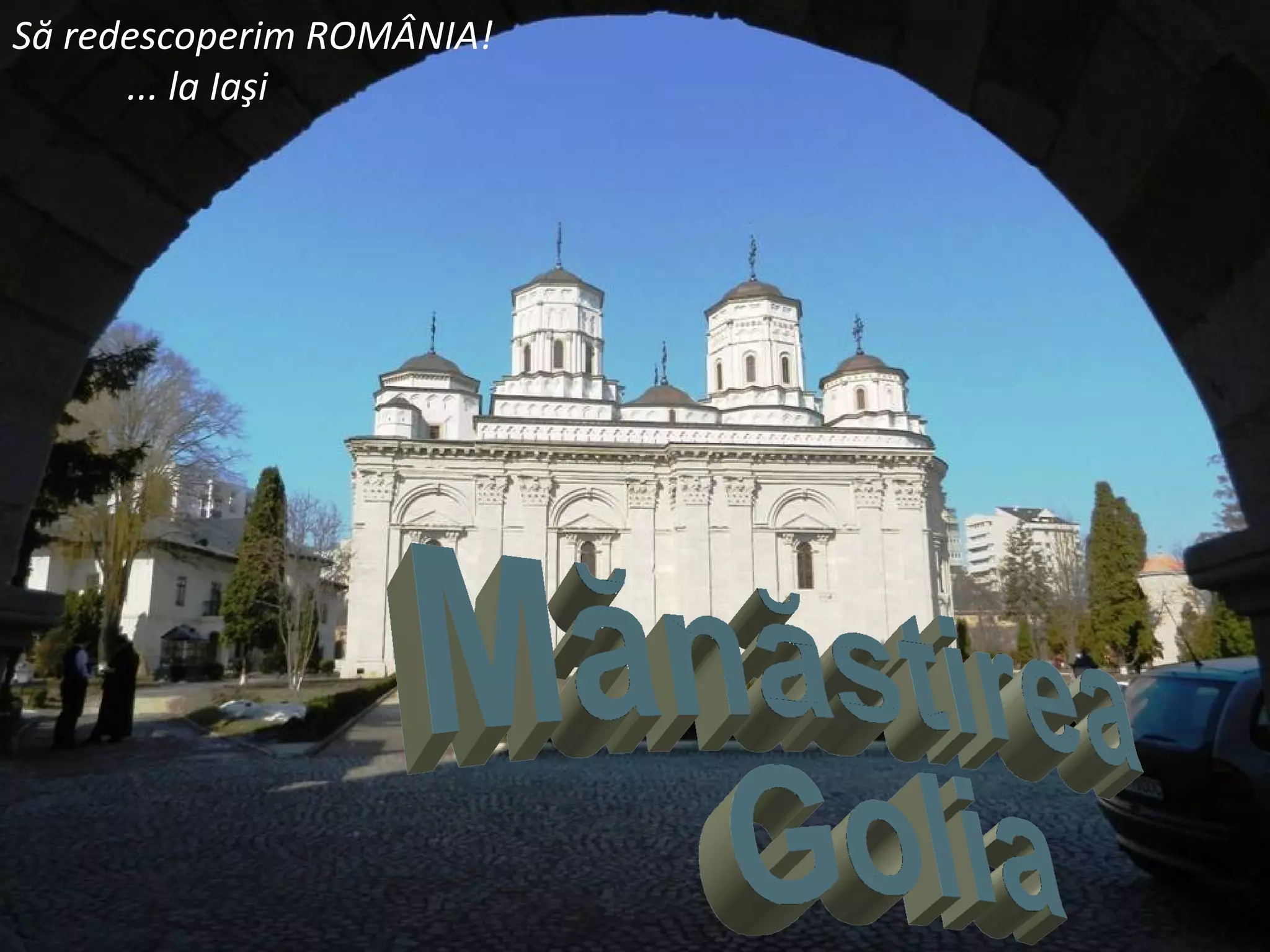
Să redescoperim ROMÂNIA!
      ... la Iaşi
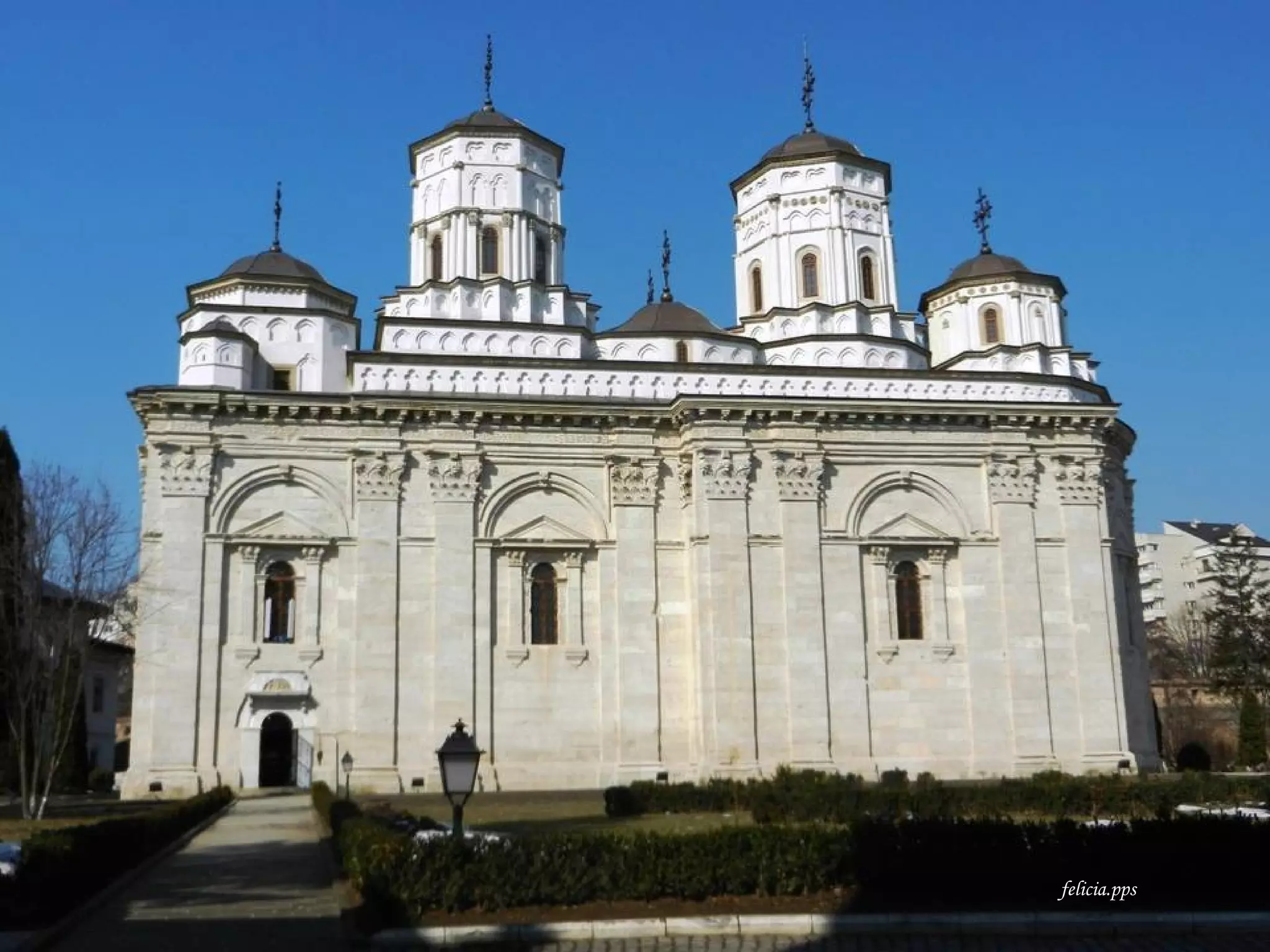
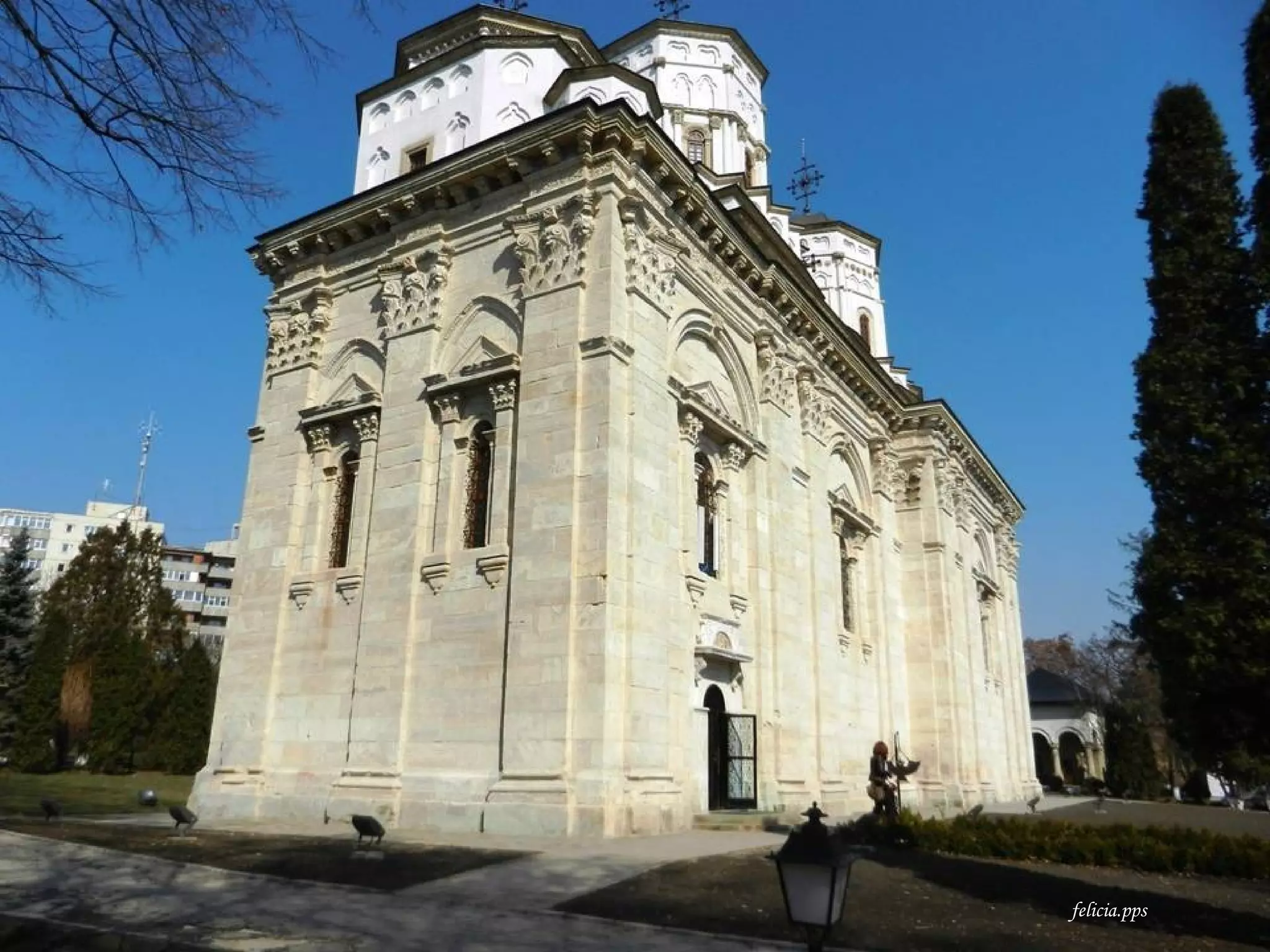
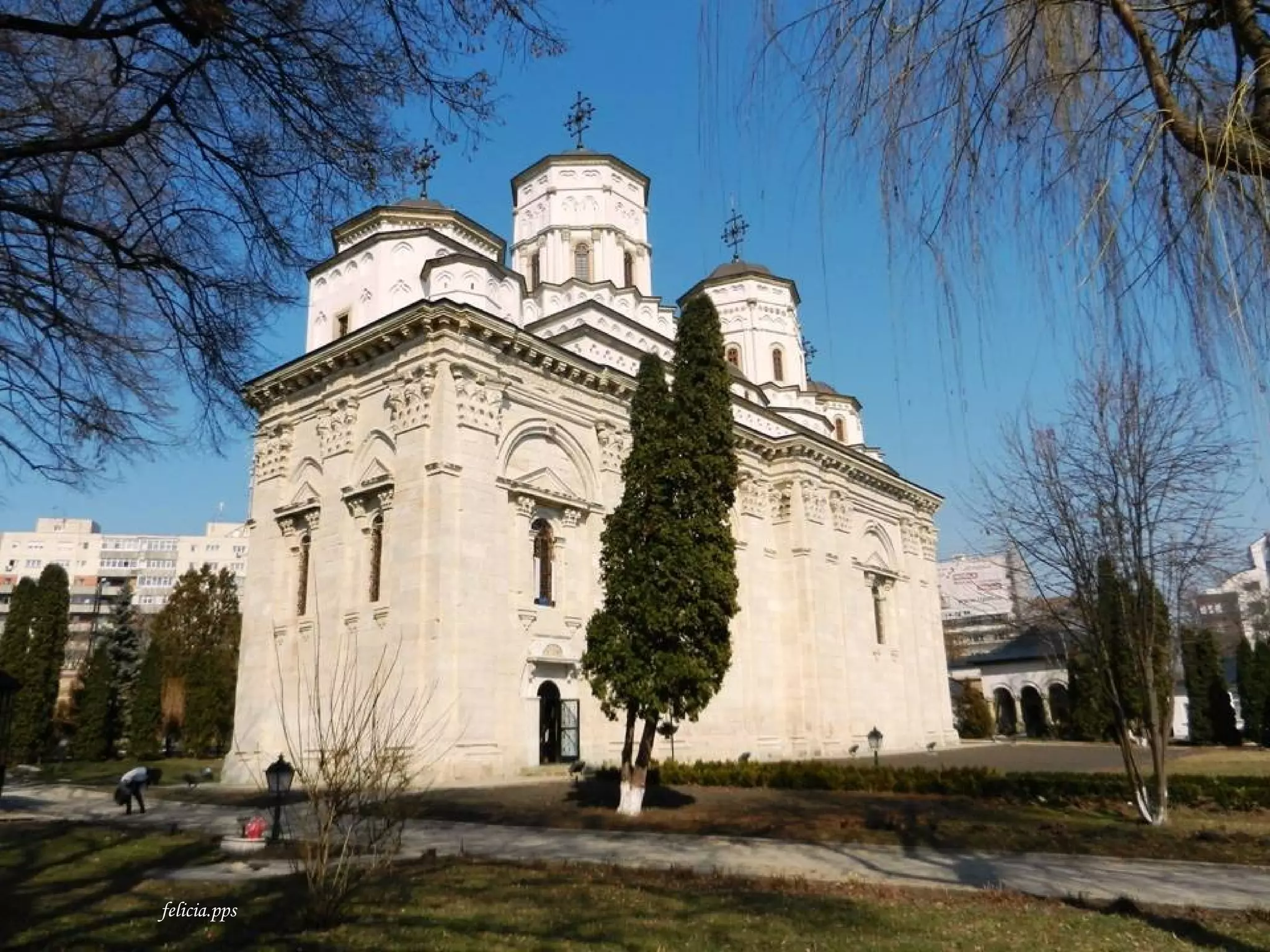
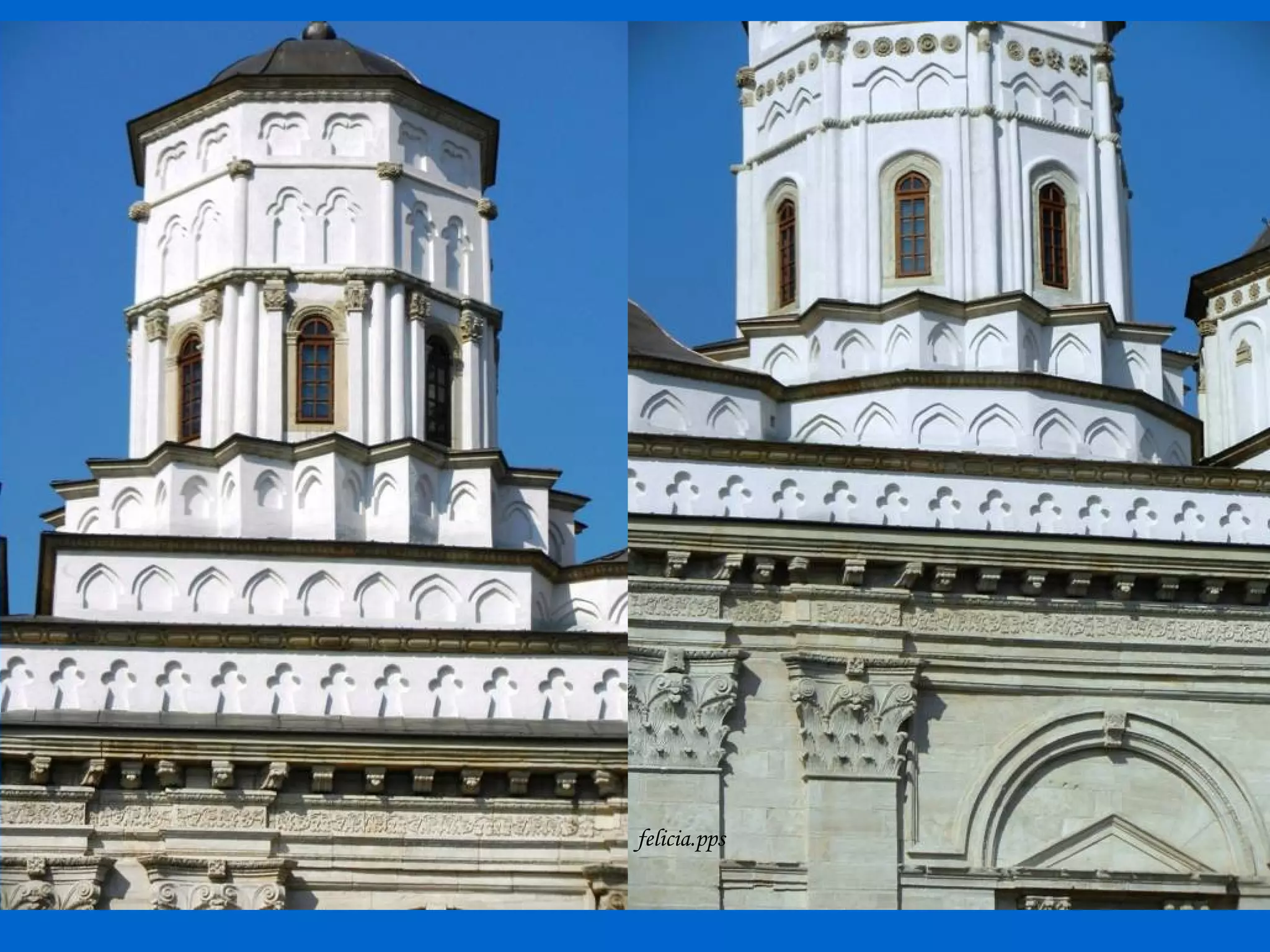
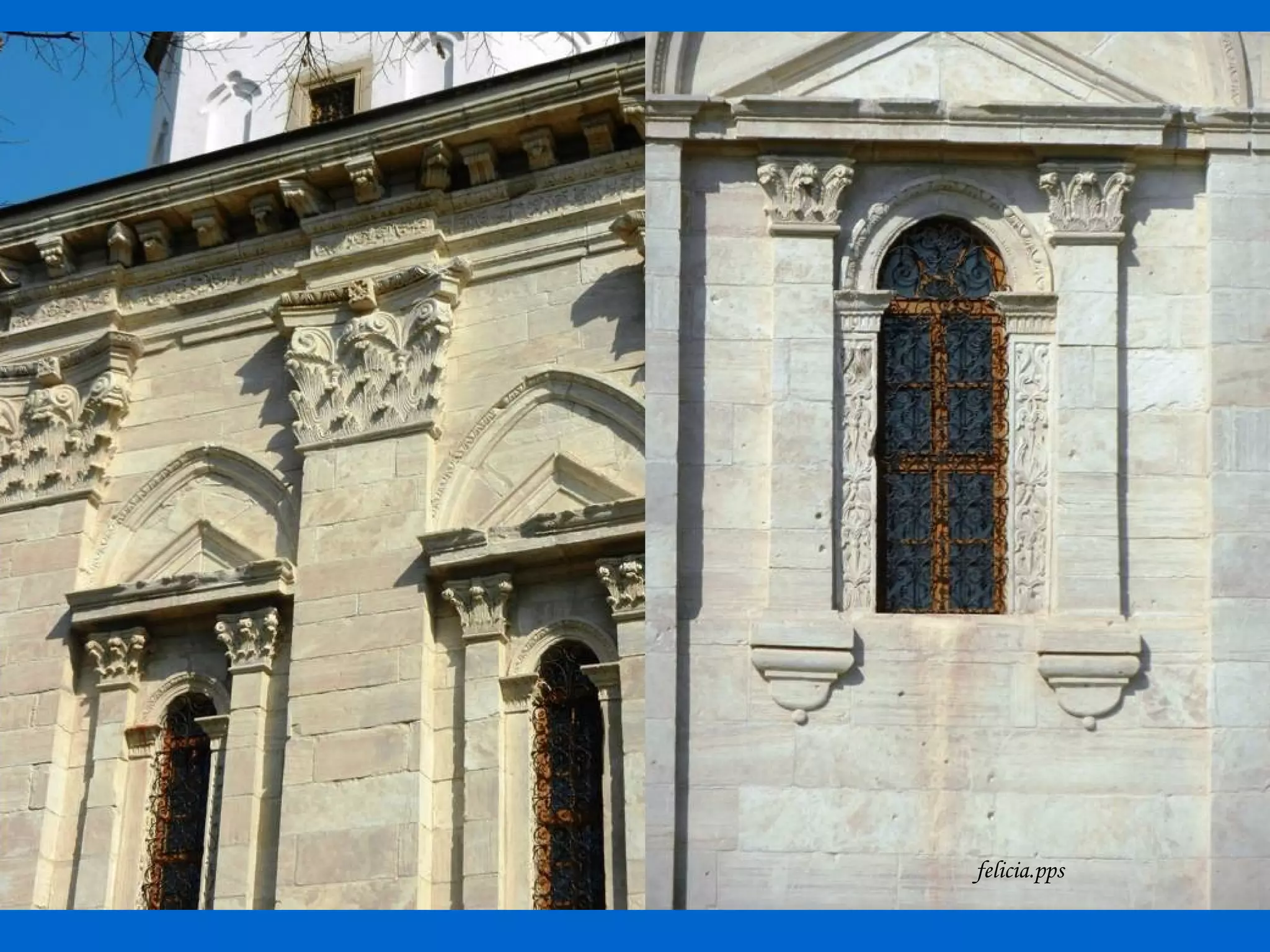
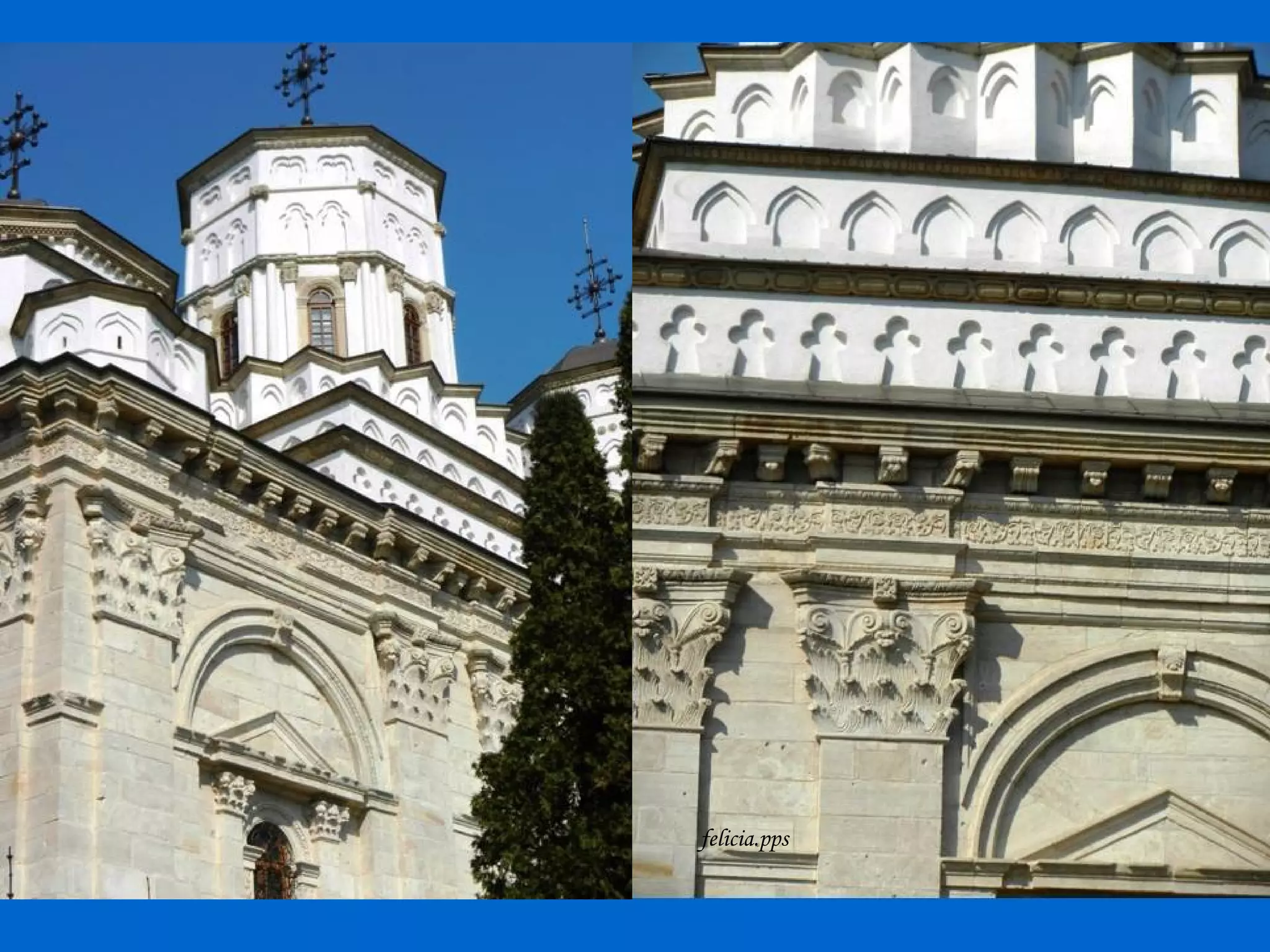
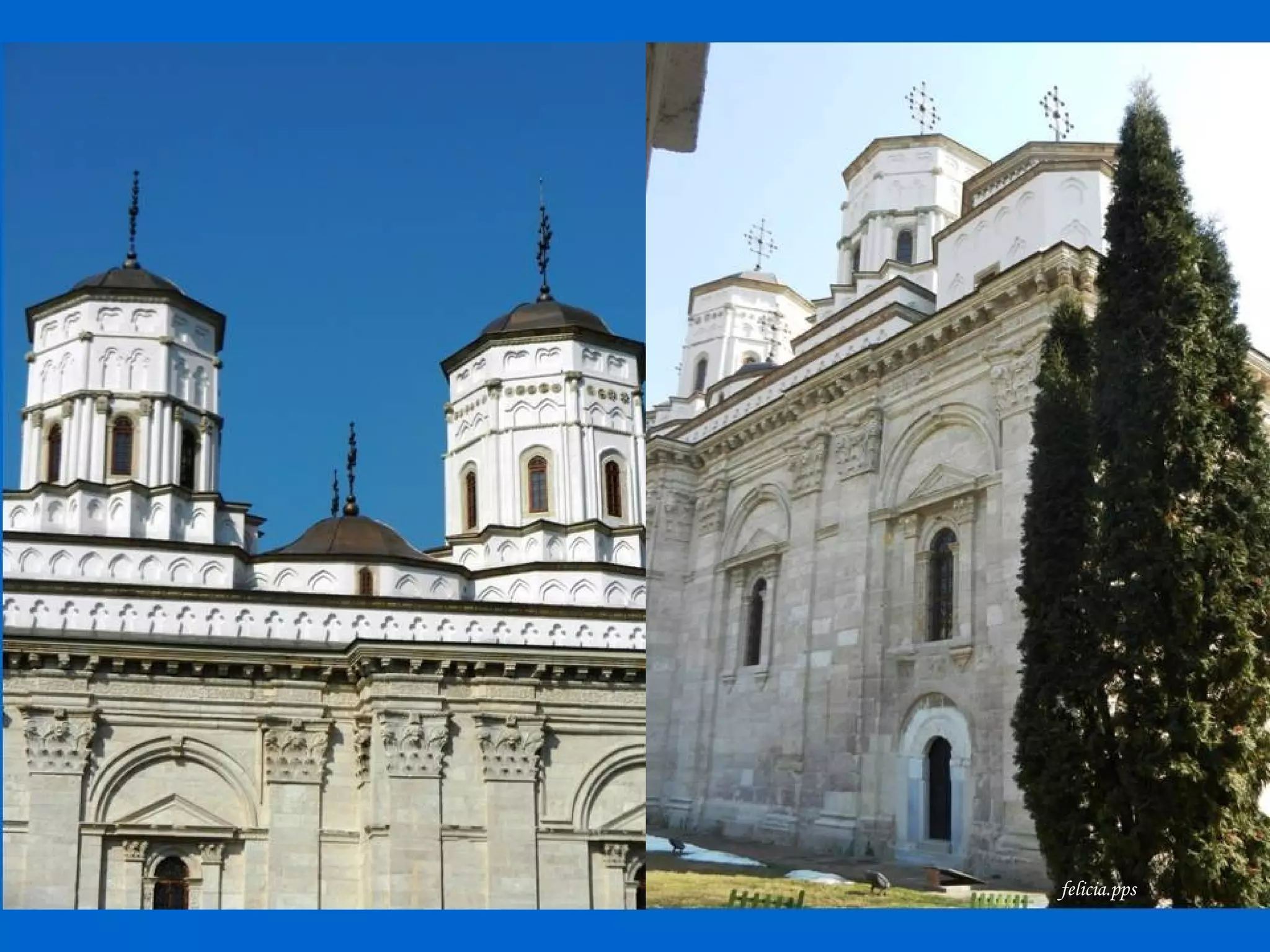
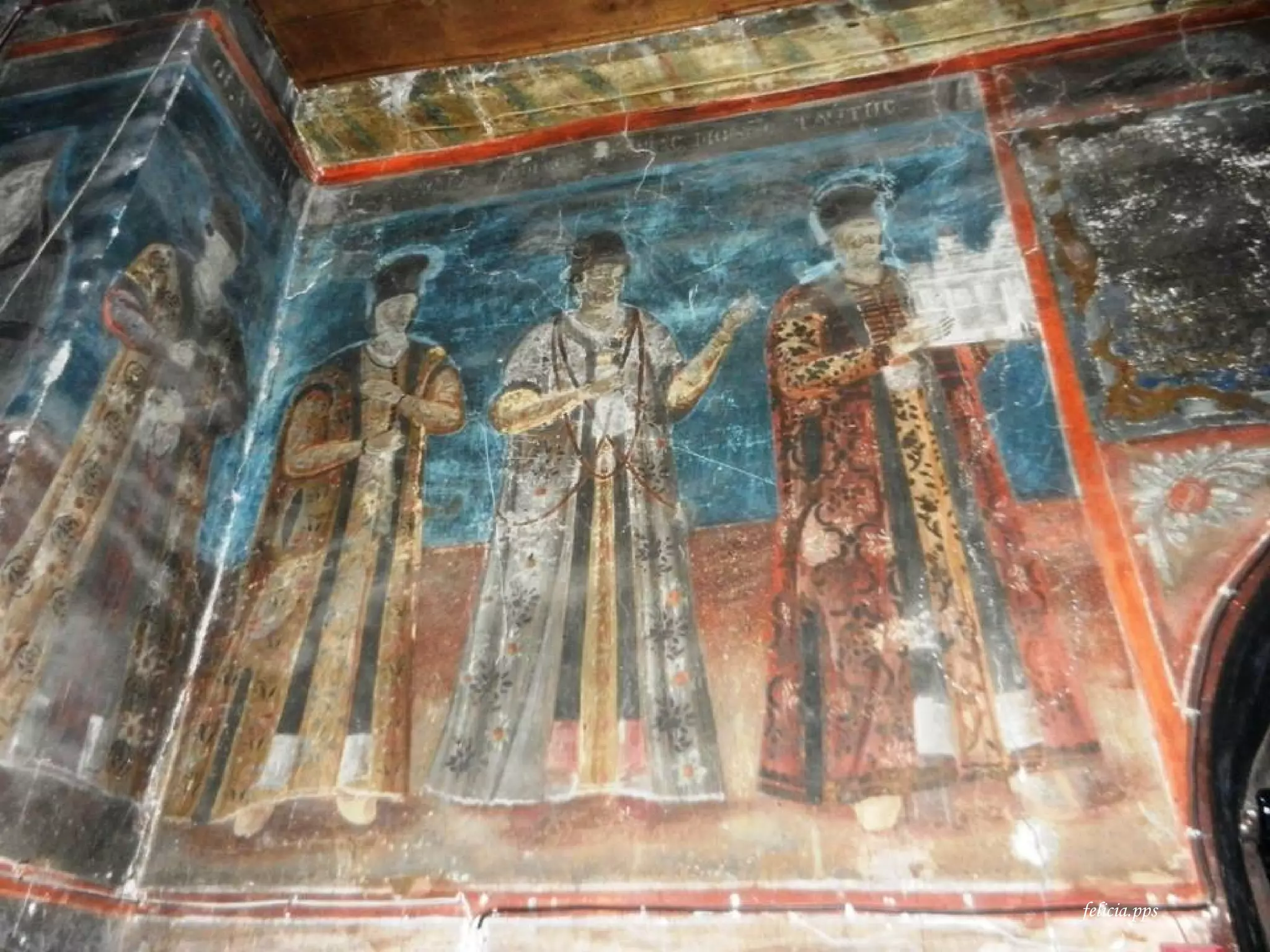
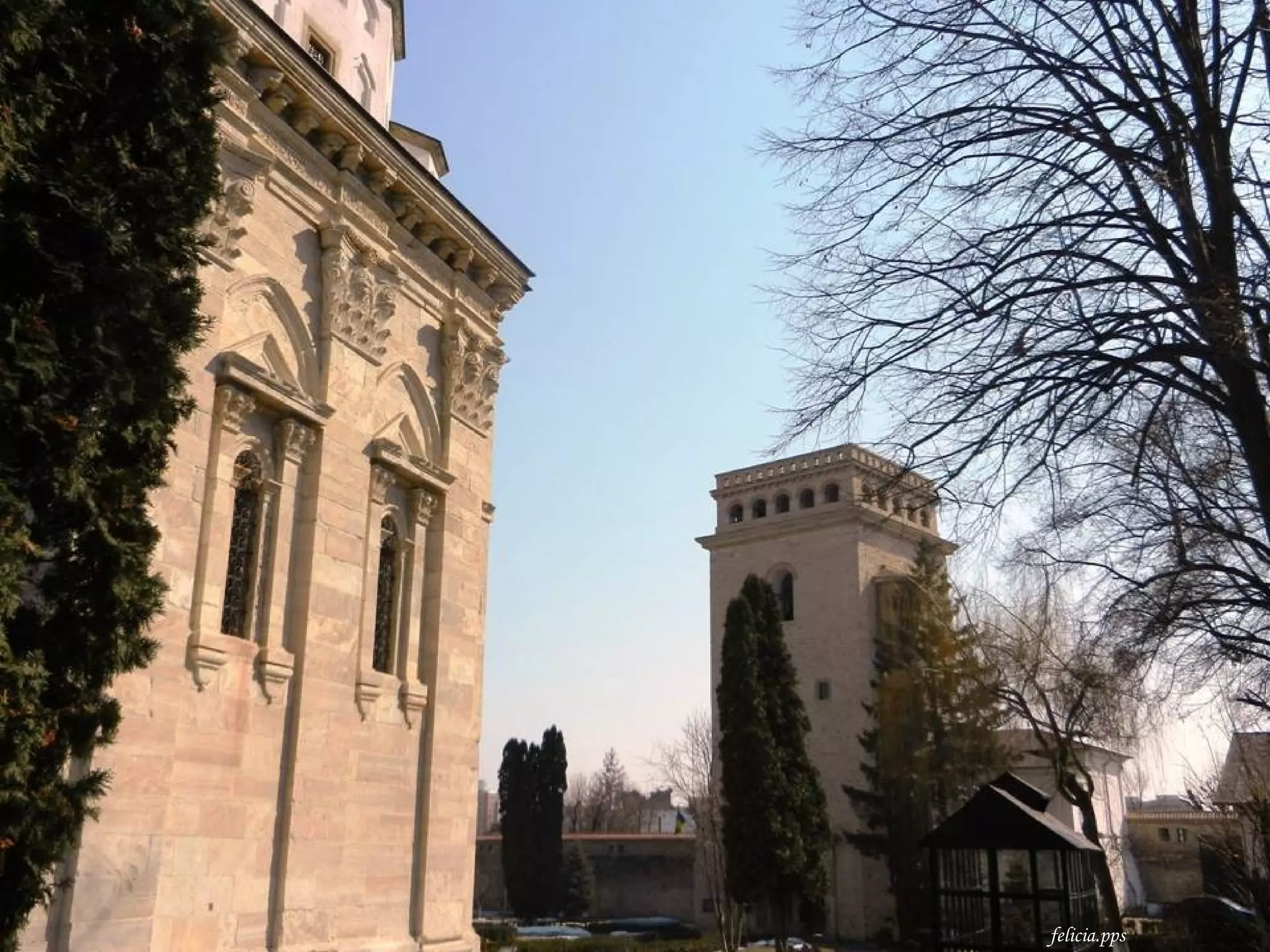
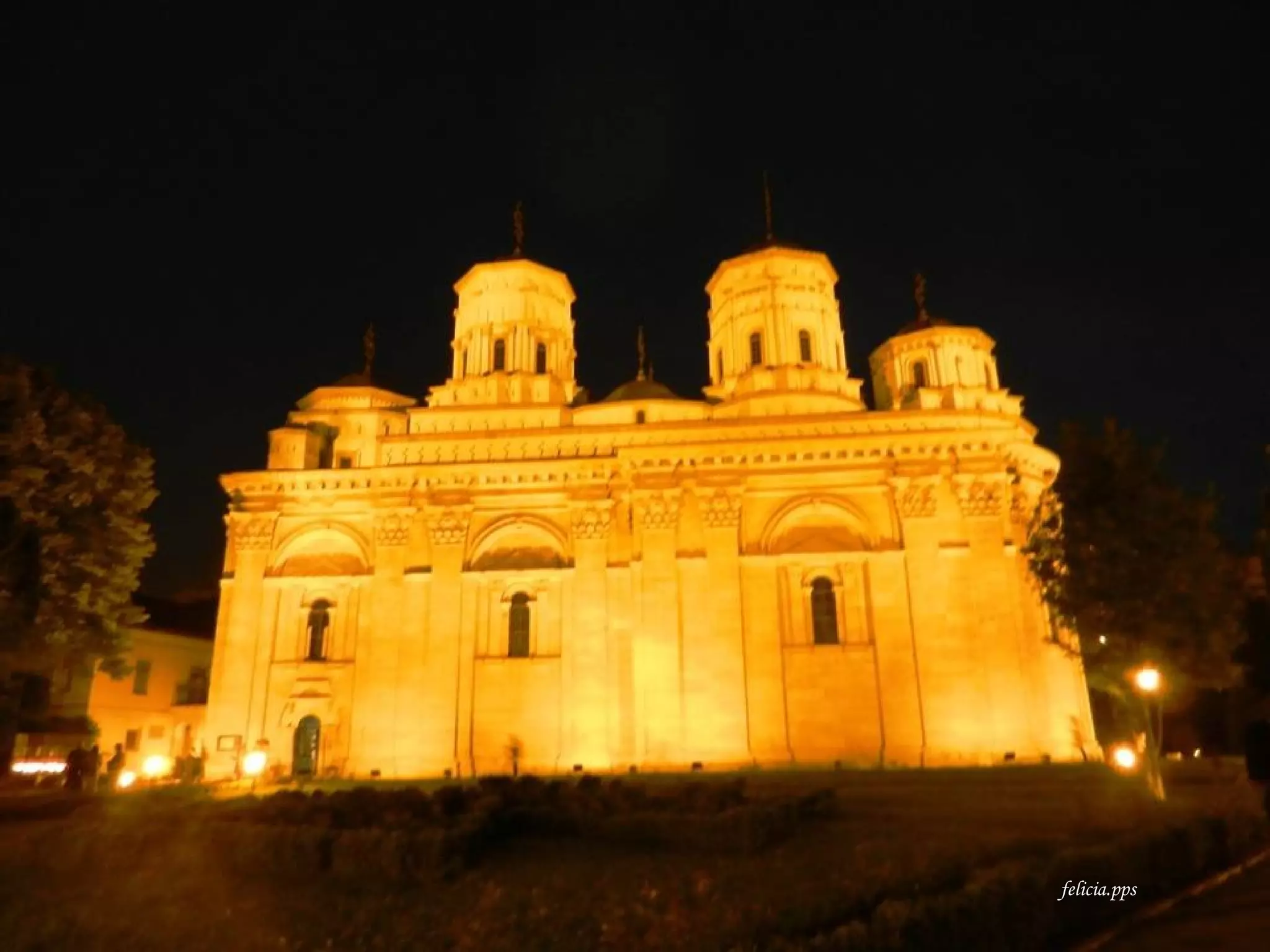
Ridicată pe locul unui lăcaş de cult din secolul al XVI-a (construit de marele logofăt Ioan Golâi, de
unde i se trage şi numele), biserica Mănăstirii Golia a fost construită între anii 1650-1653 pe
vremea domnitorului Vasile Lupu şi a fiului său Stefaniţă Vodă.

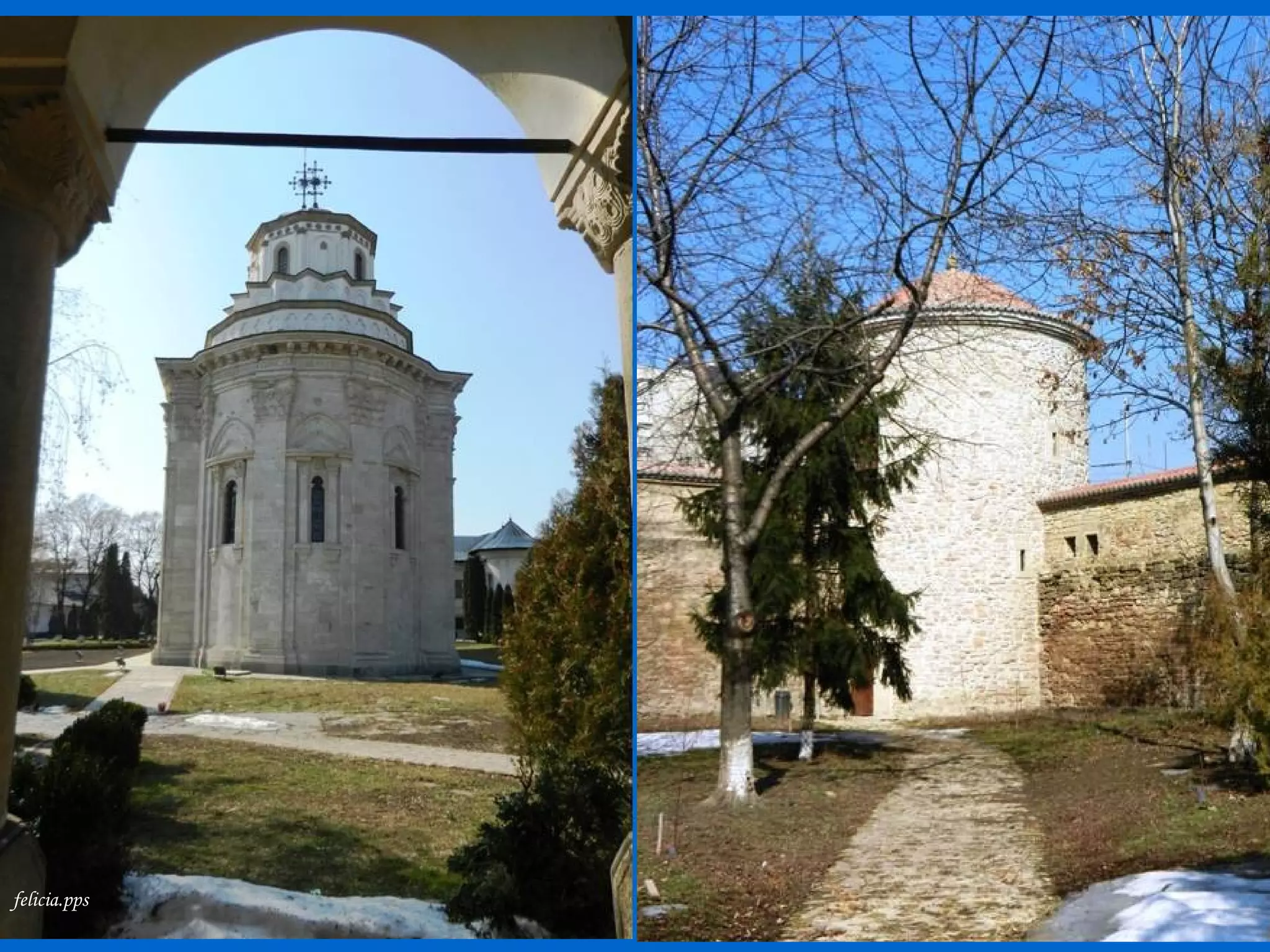
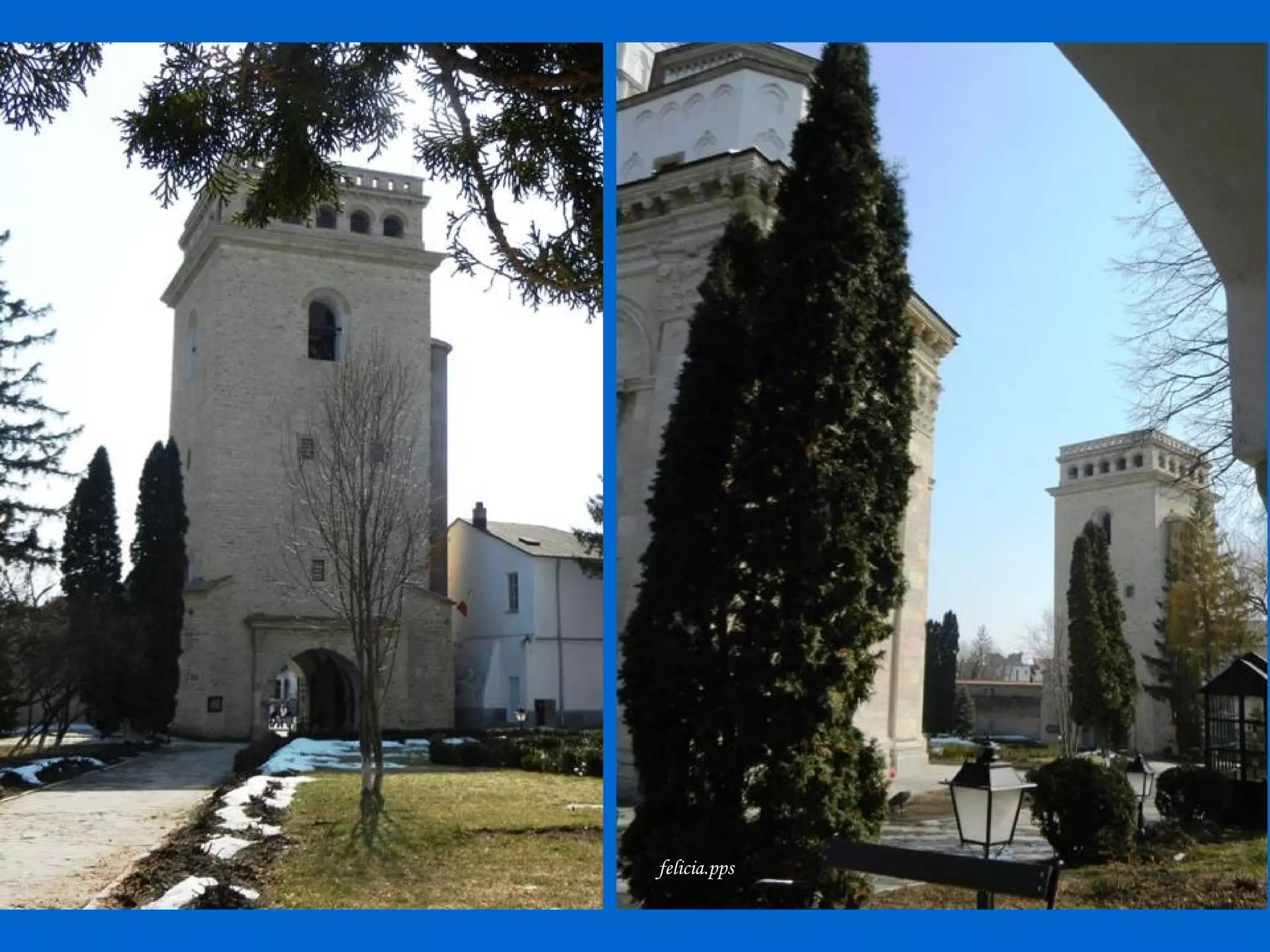
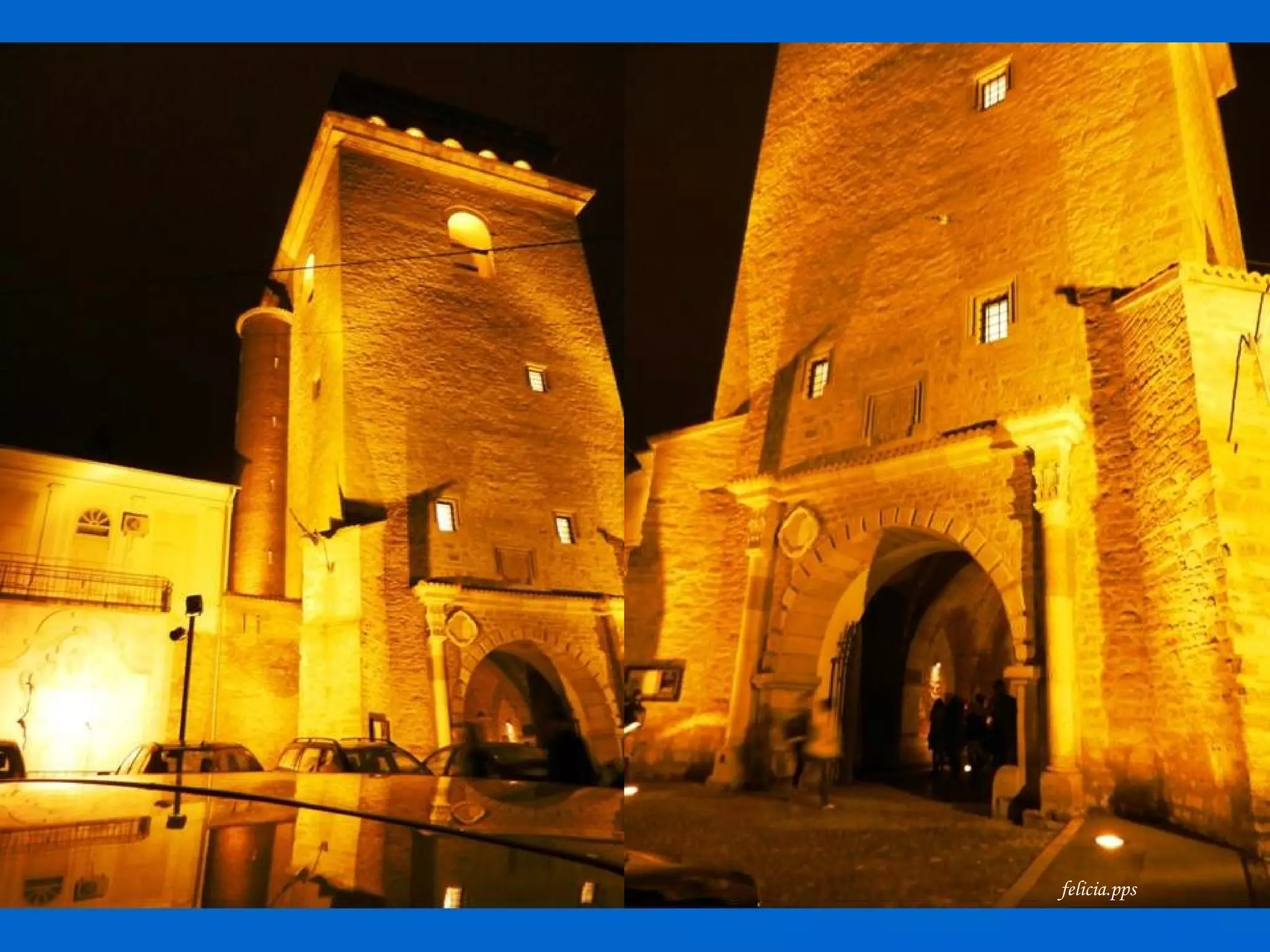
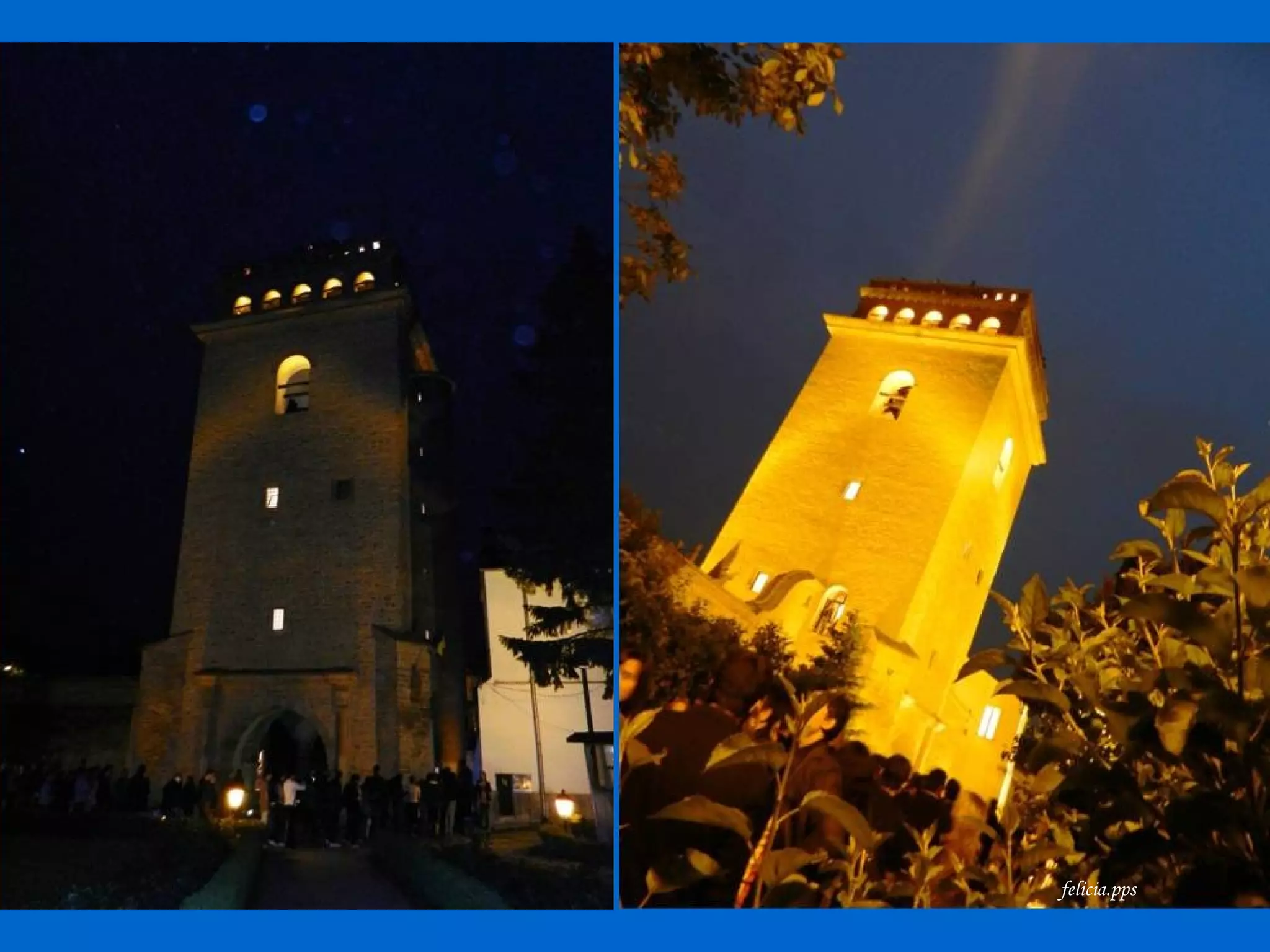
Mănăstirea este înconjurată de un zid, având în colţuri turle şi un turn clopotniţă, înalt de 30 de
metri, cu 120 de trepte. La sfârşitul secolului al XIX-lea, turnul avea un balcon din care un pompier
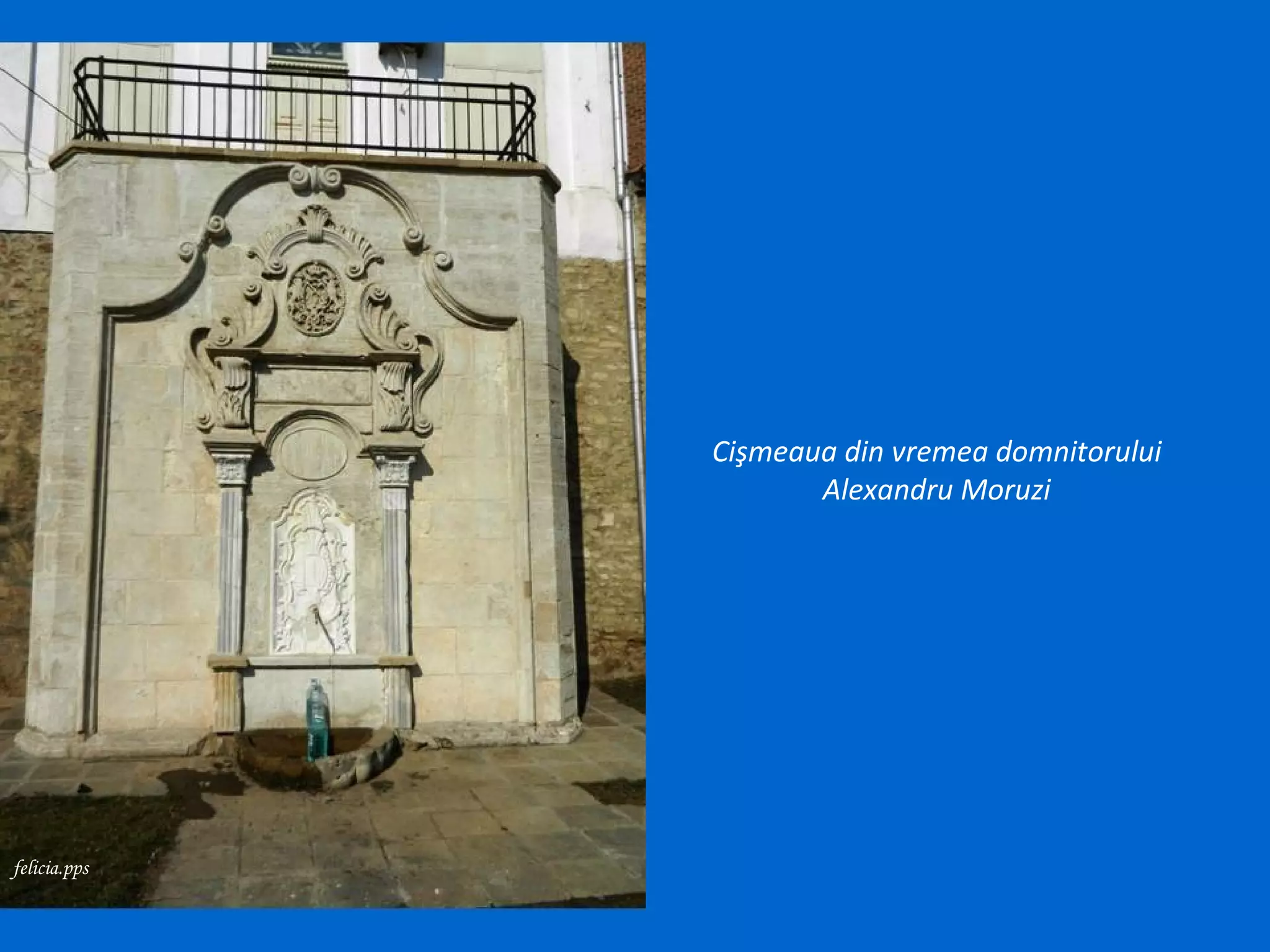
supravehea oraşul pentru a da alarma în caz de incendiu. Lângă turn se afla o cişmea din timpul
domnitorului Alexandru Moruzi (1793), care a fost repusă în funcţiune în vara anului 2007.

Turnul clopotniţă este înalt de 30 m şi se află la intrarea în curtea Mănăstirii Golia.

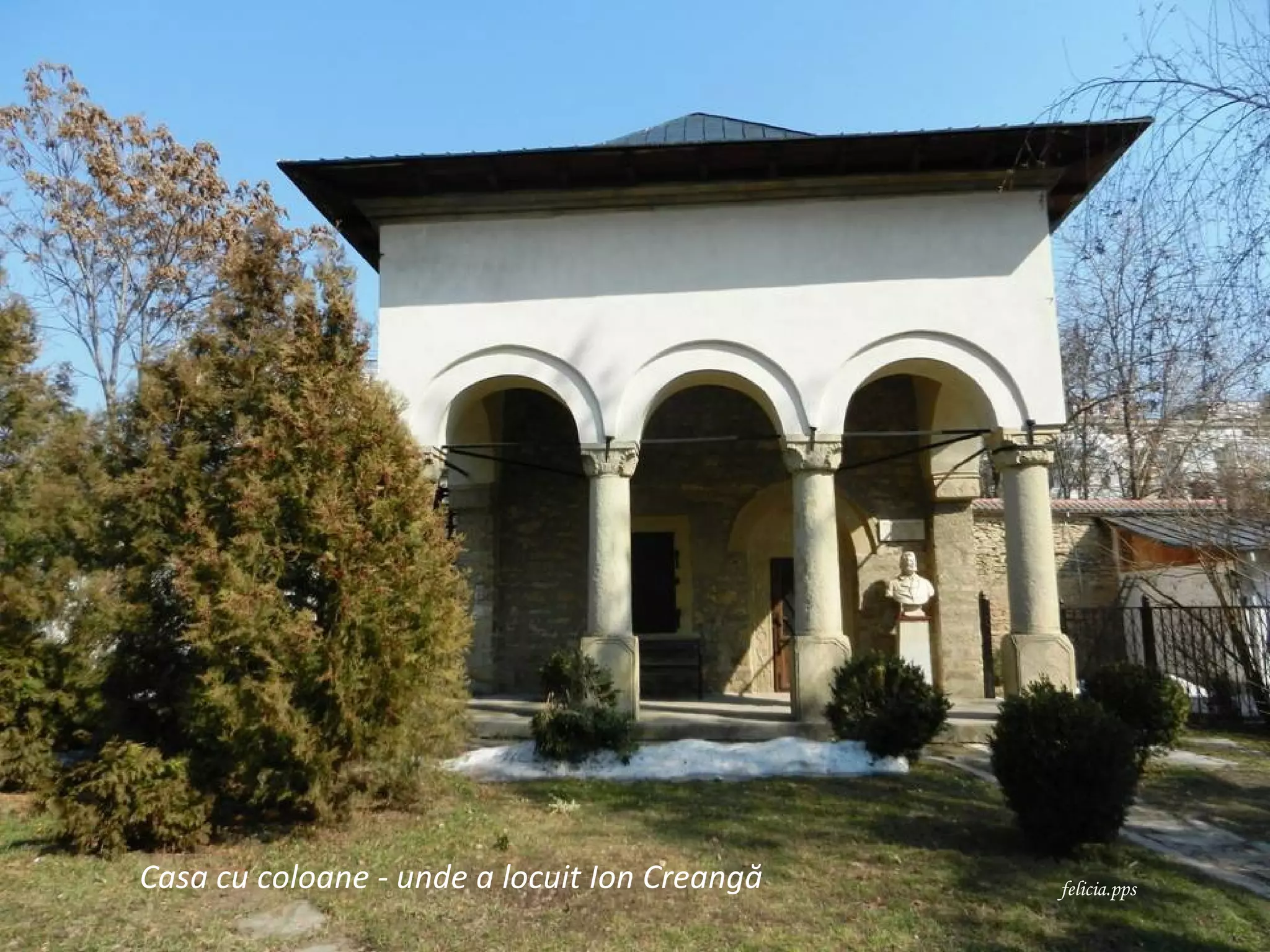
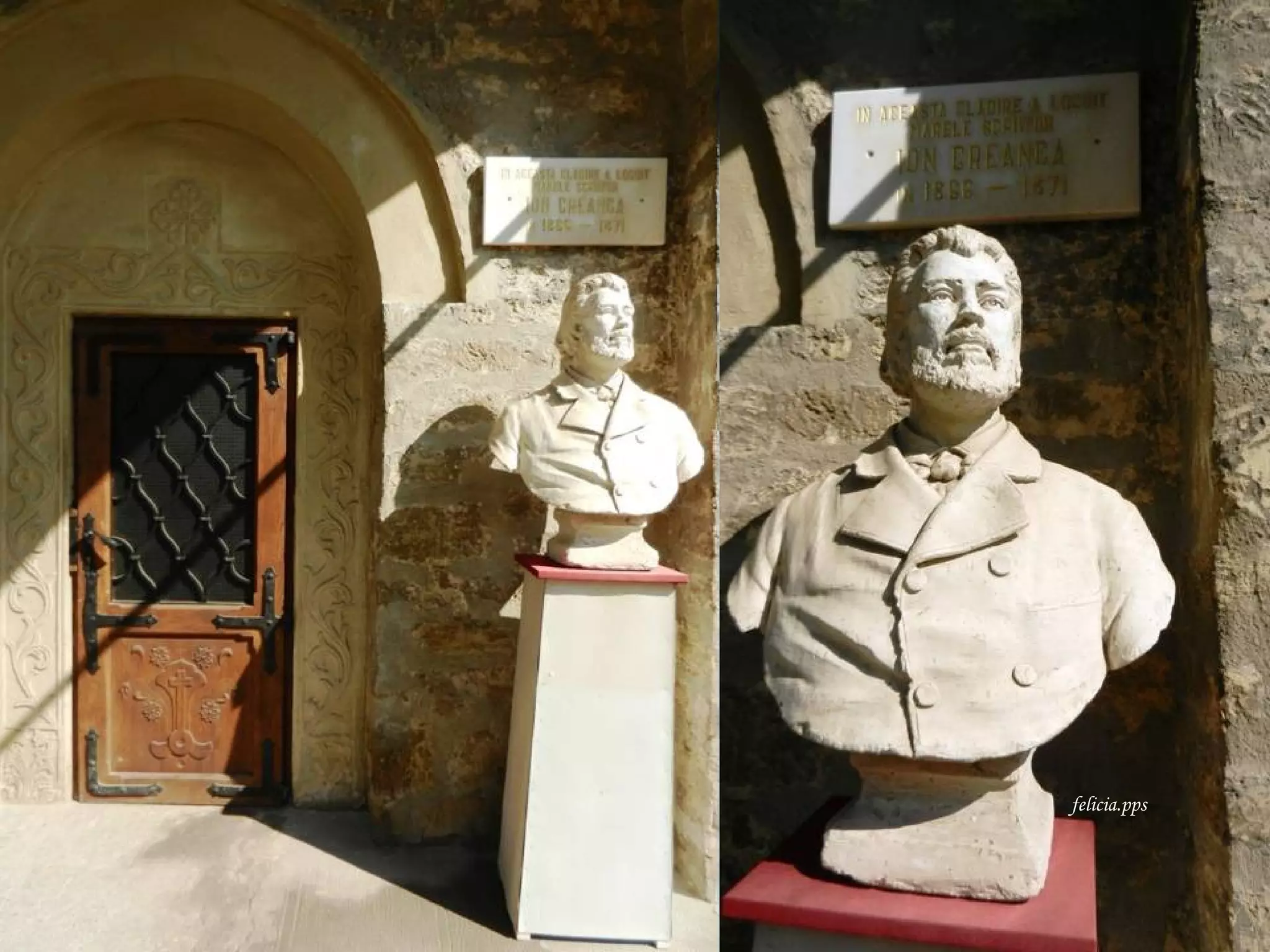
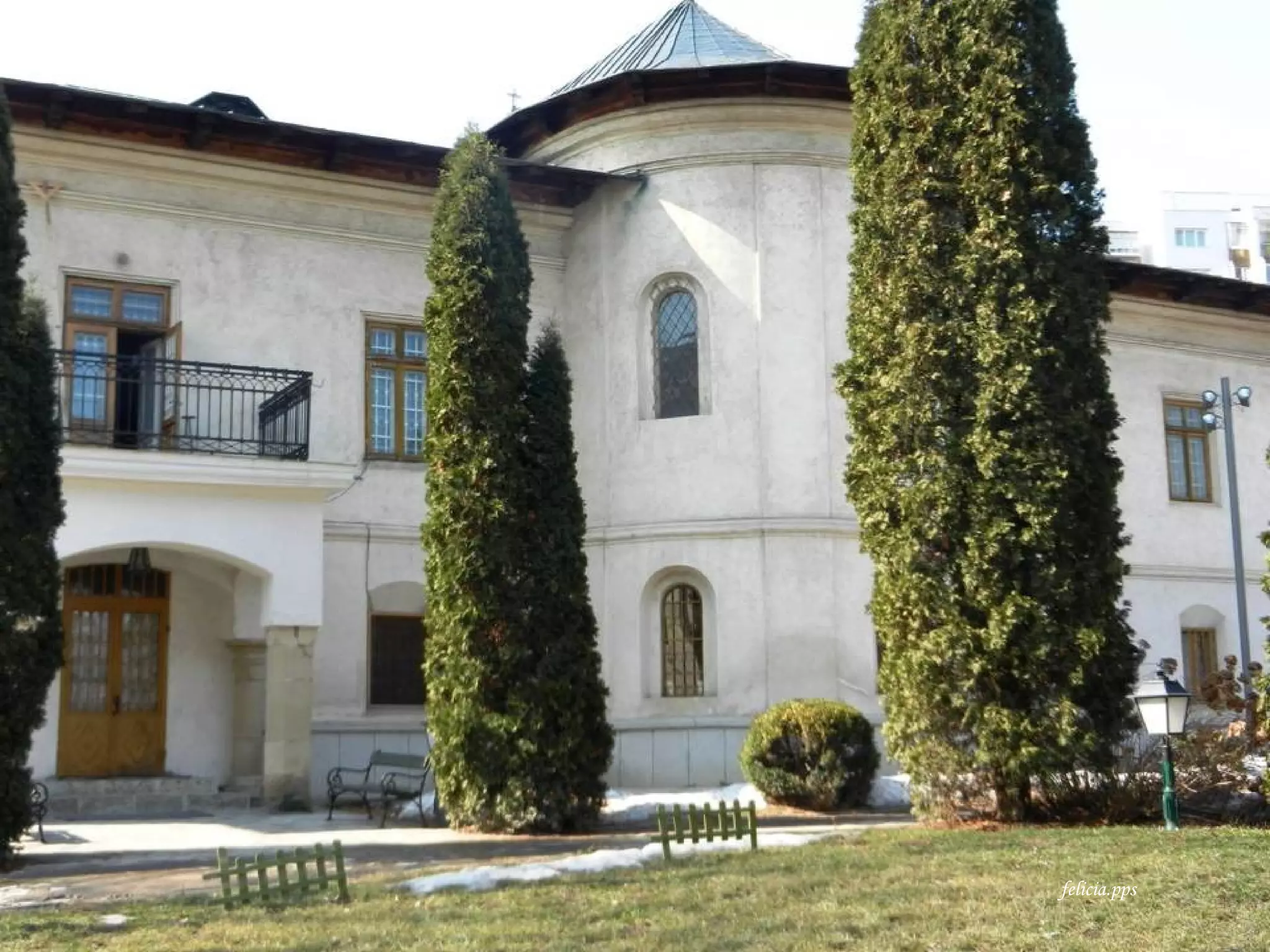
Casa cu coloane a fost construită în secolul al XVIII-lea. Aici a locuit temporar diaconul Ion
Creangă (viitorul scriitor, ce va cumpara o casă în cartierul Ticău cunoscuta drept “Bojdeuca lui Ion
Creangă“.
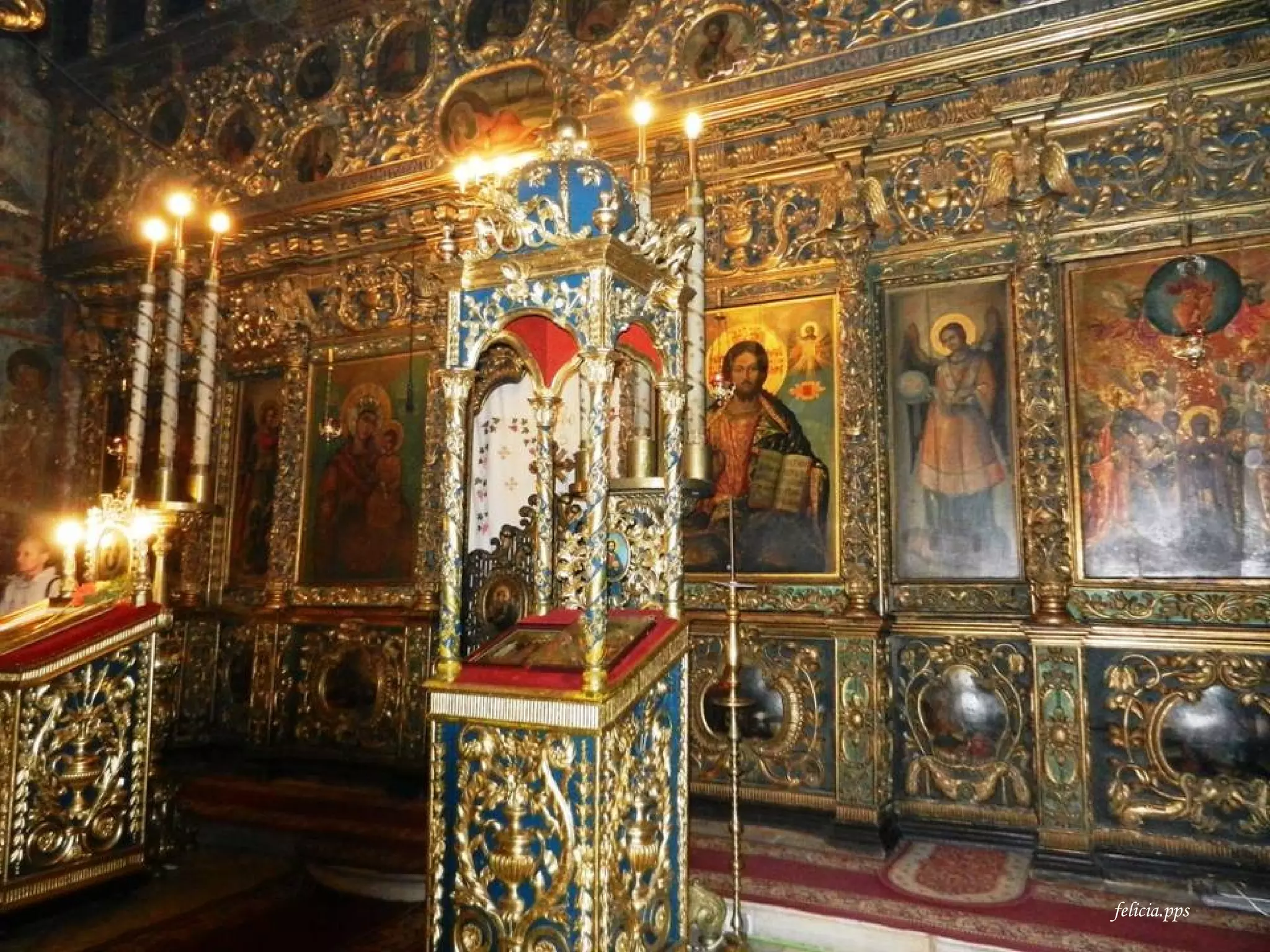
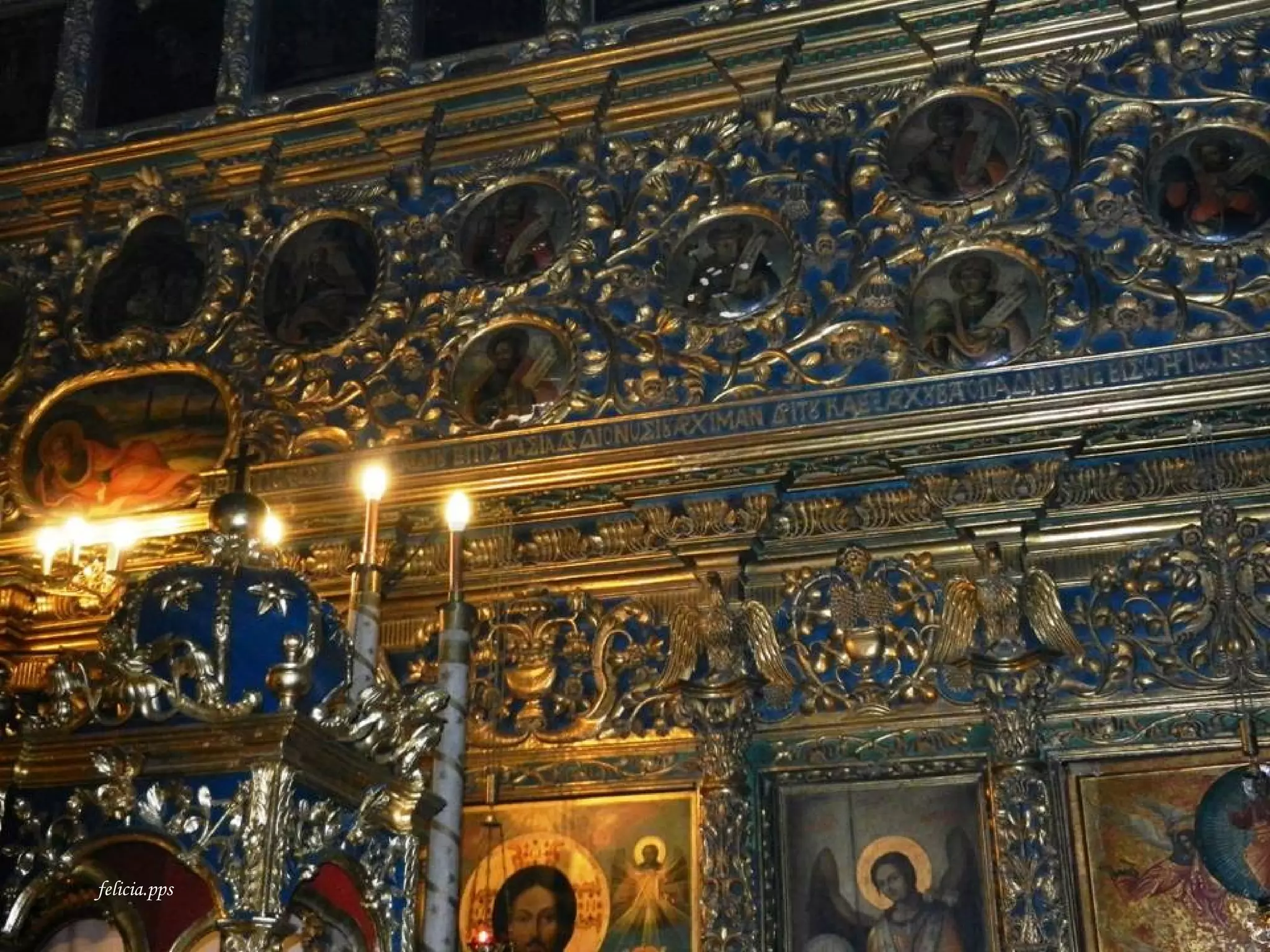
Mănăstirea a fost închisă între 1900-1947, apoi a devenit biserică parohială până în 1992, când a
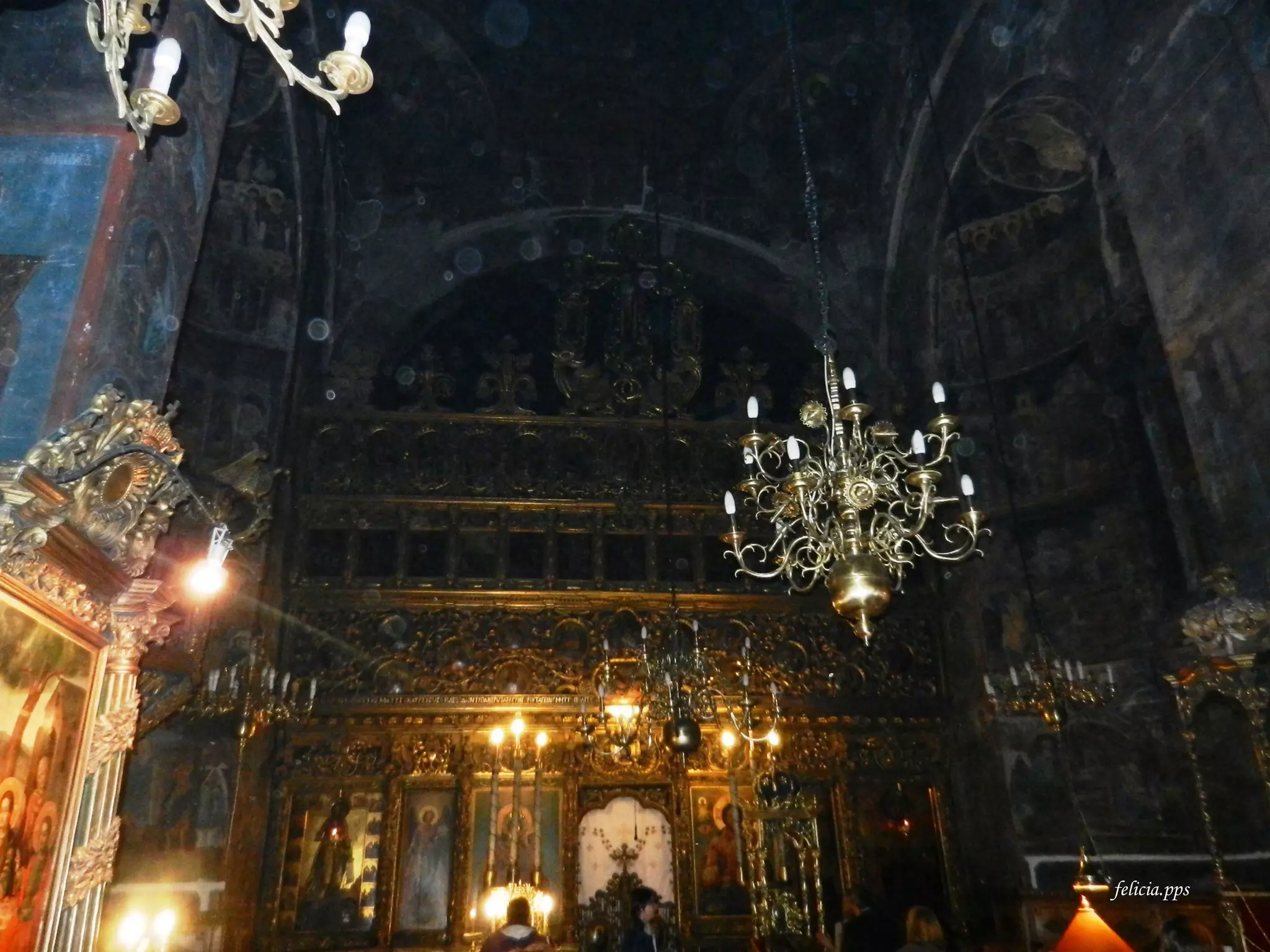
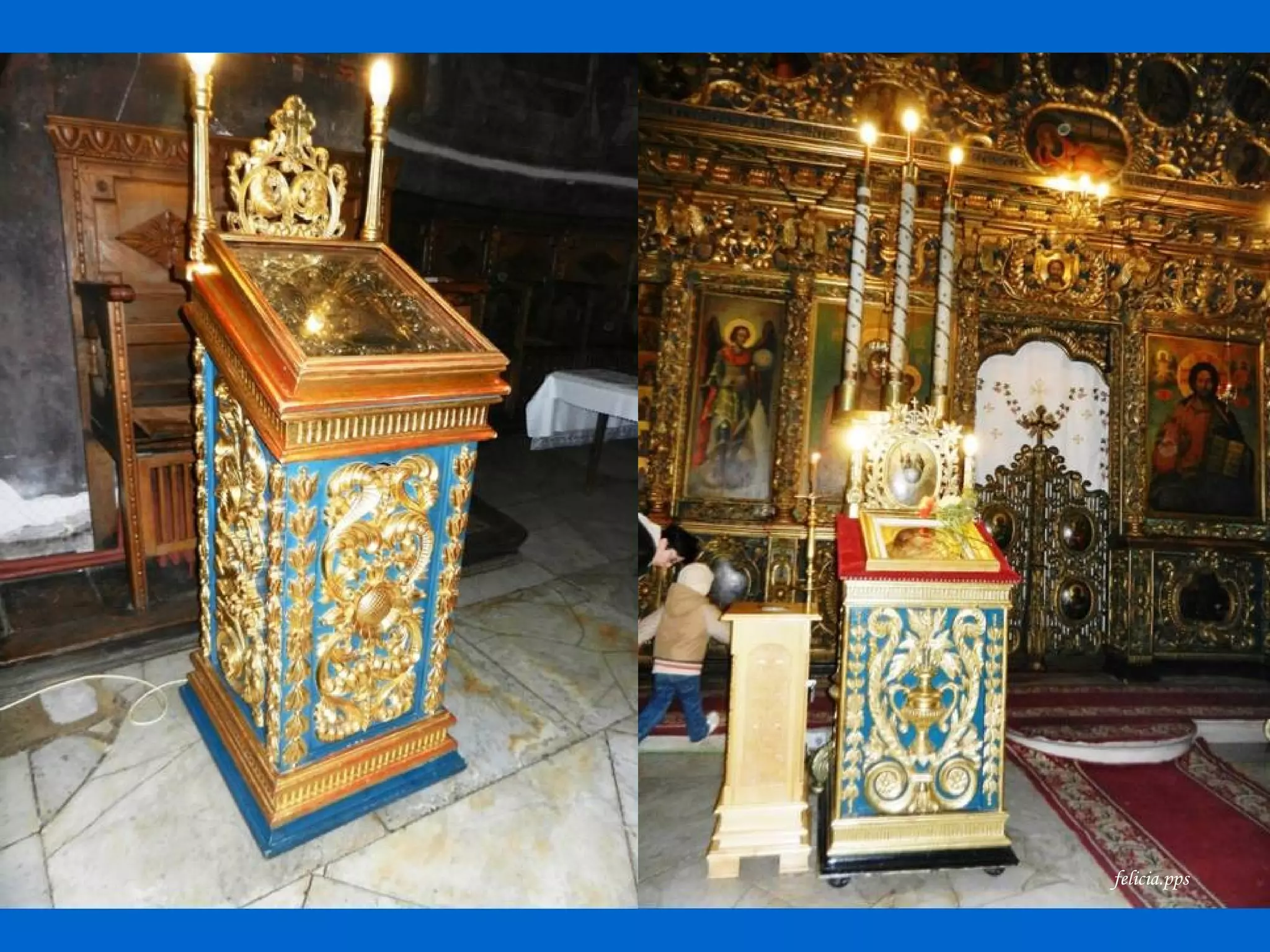
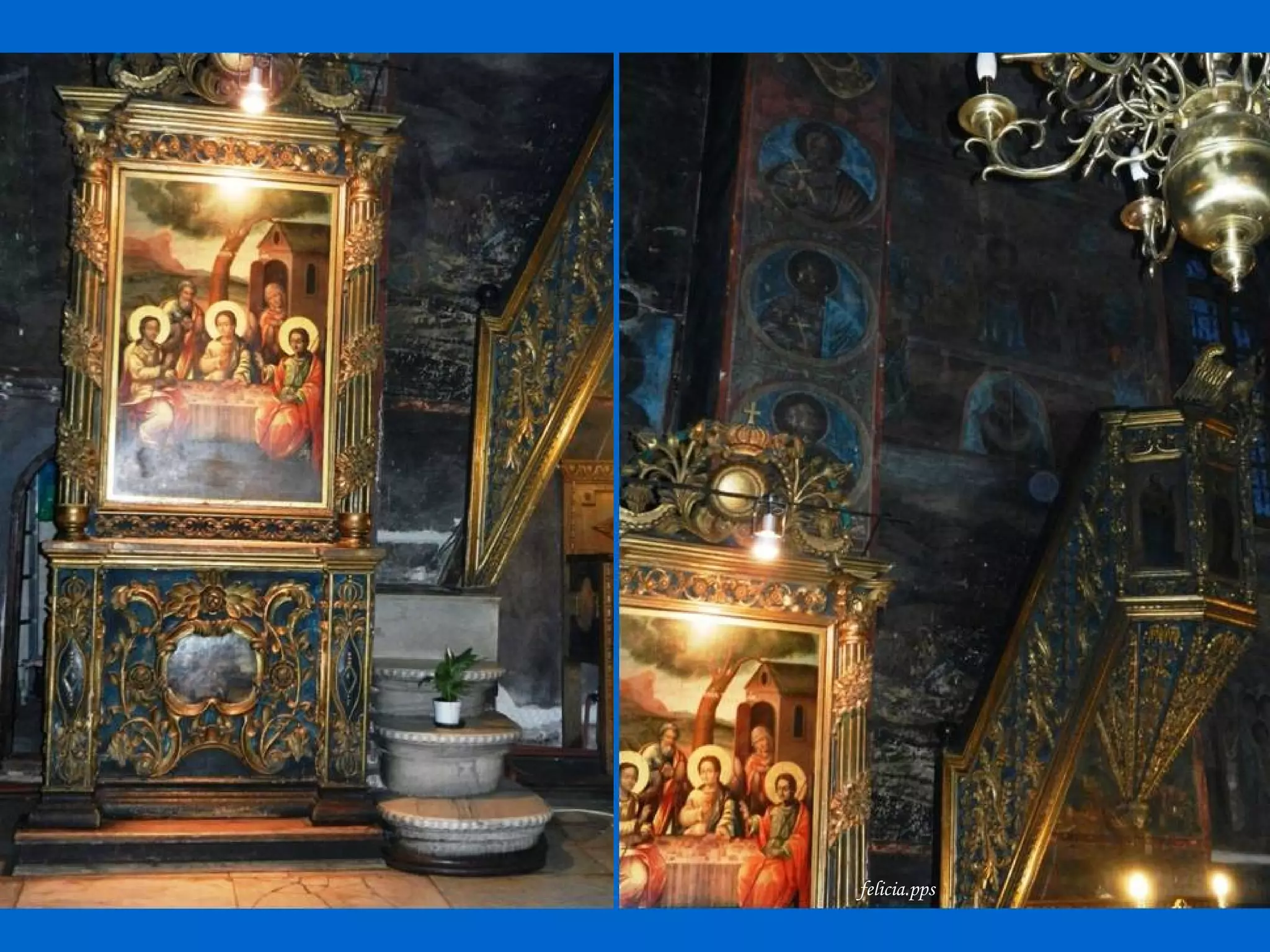
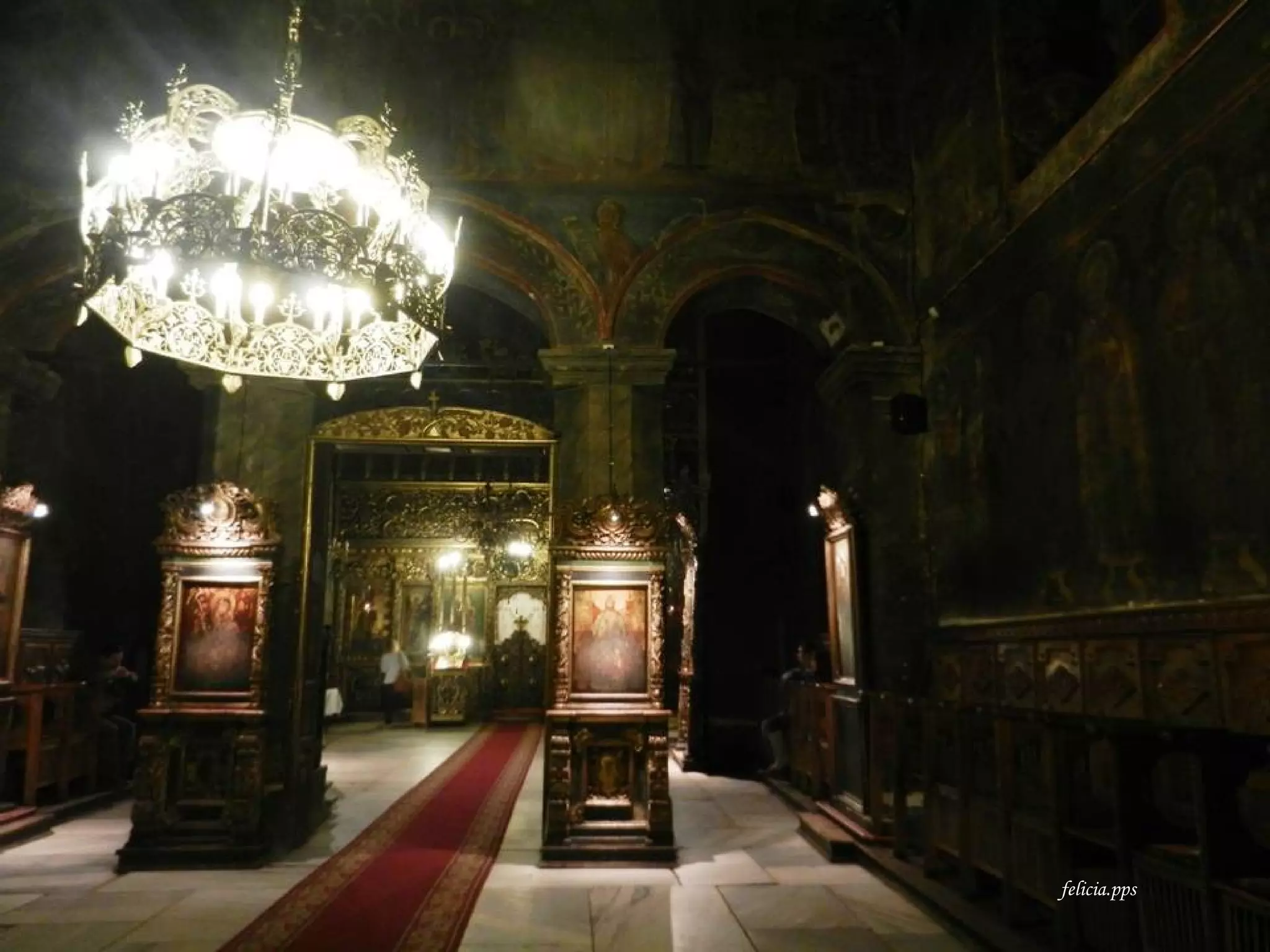
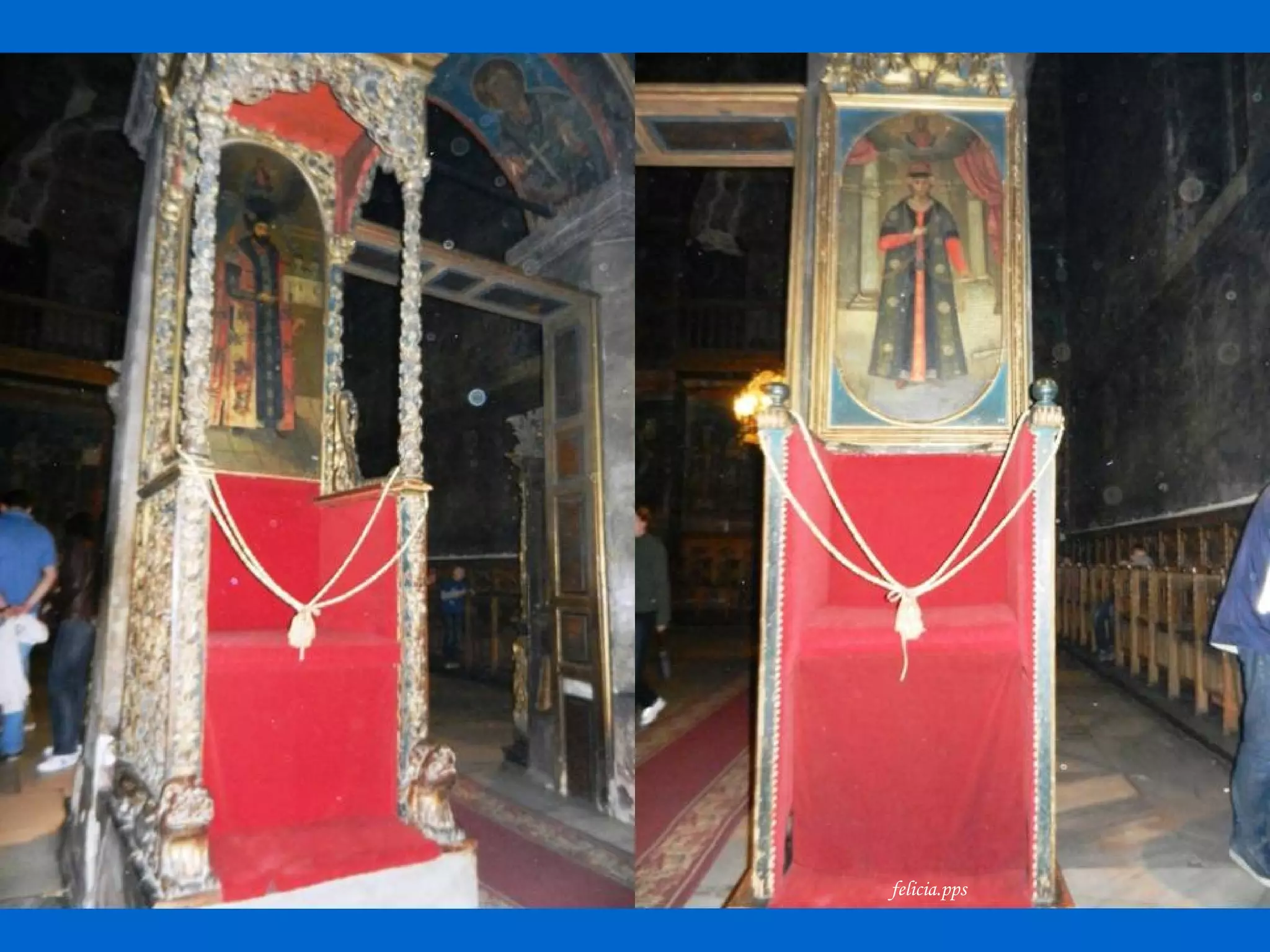
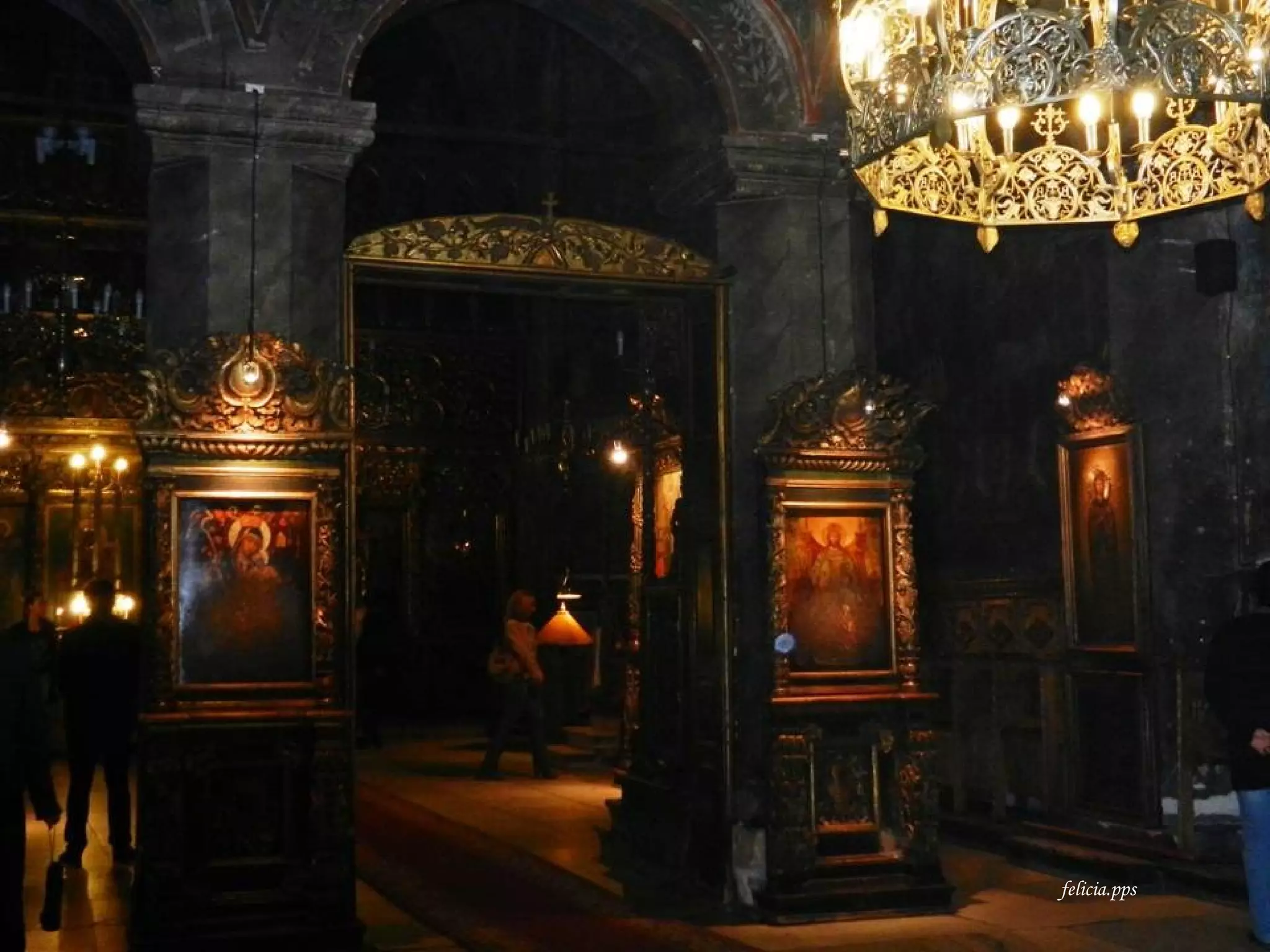
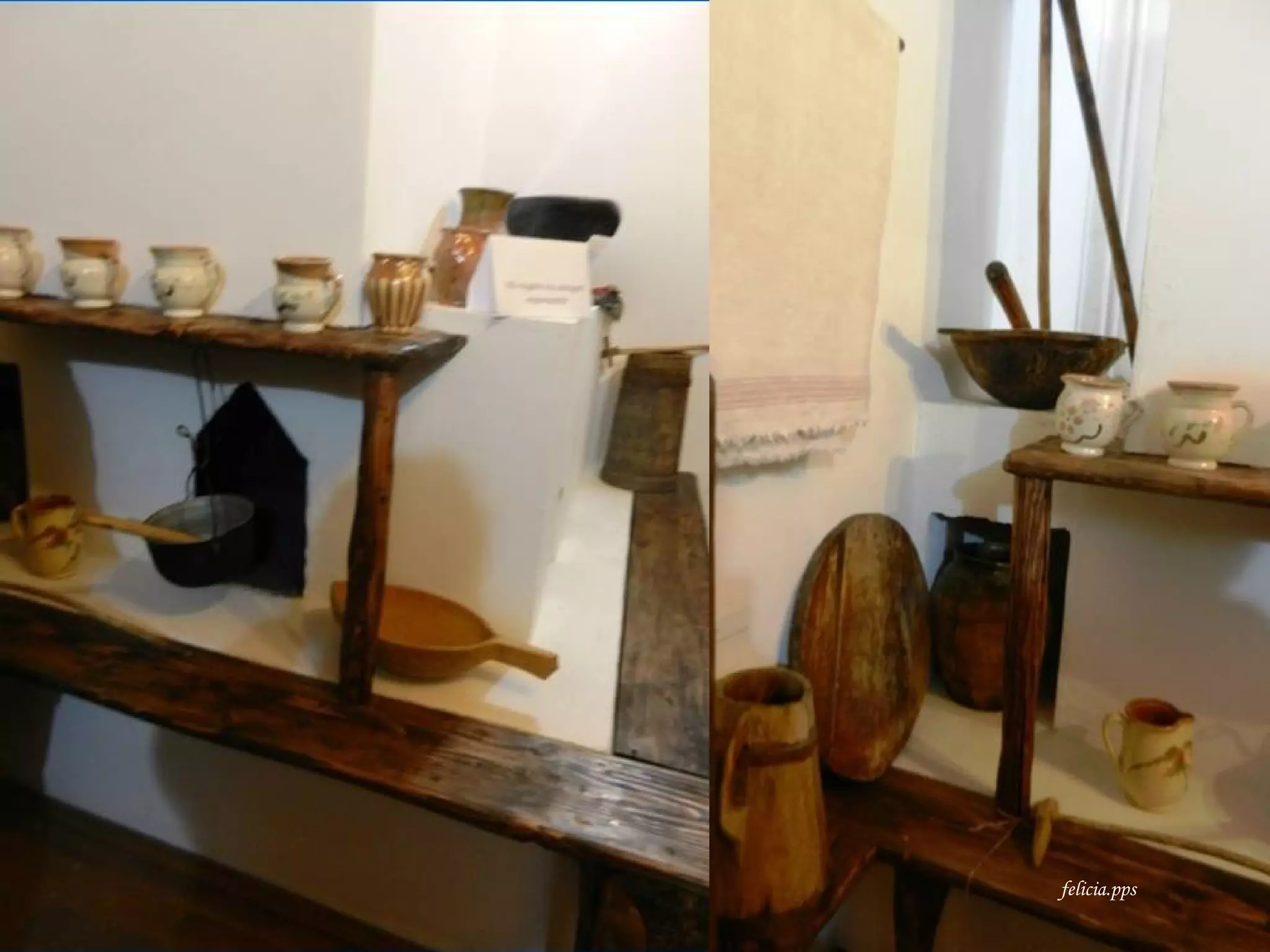
fost redeschisă ca mănăstire misionară. In interior, din mobilierul iniţial se mai pastrează: tronurile
domneşti, un policandru având însemnele lui Vasile Lupu şi patru sfeşnice.
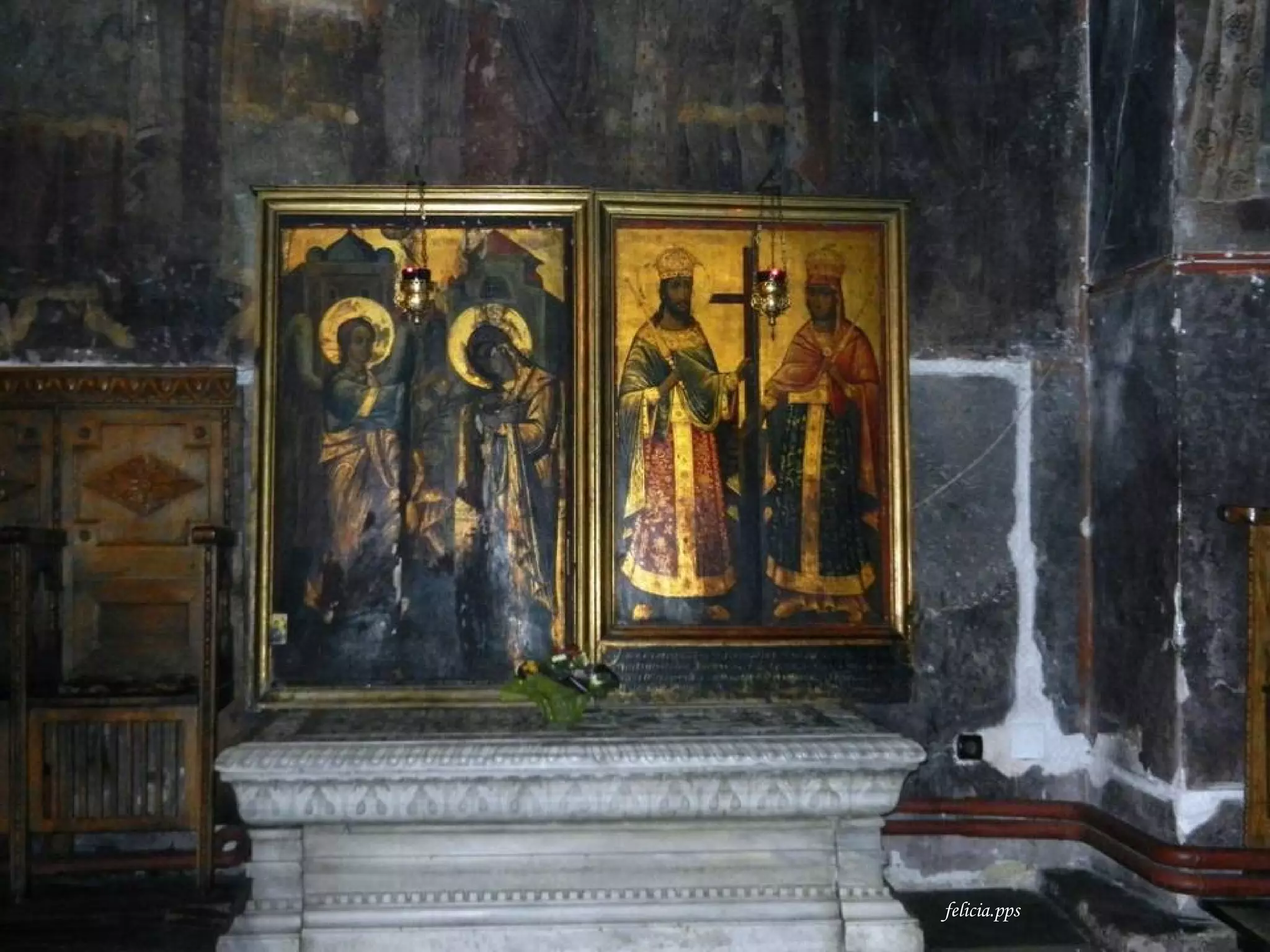
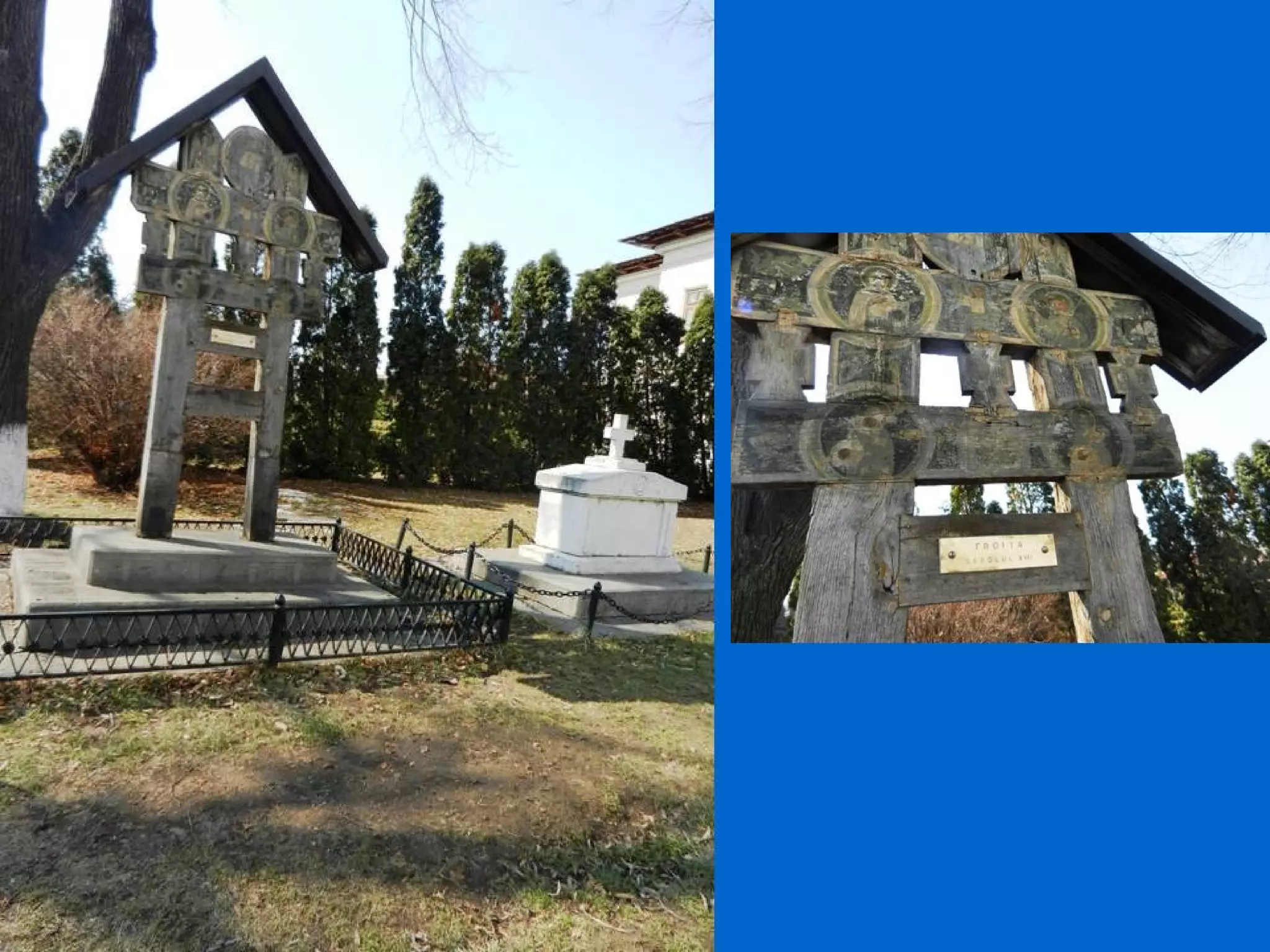
Multe pietre funerare şi morminte din pronaos şi pridvor arată importanţa bisericii în secolele
trecute. Tot aici se află înhumate o parte din ramaşitele pământeşti ale cneazului Potemkin la
1791 şi primul domn pământean, după fanarioţi, Ioan Sandu Sturdza, la 1842. Mai mult decât atât,
în Biserica mănăstirii Golia au fost oficiate cununiile domneşti ale lui Constantin Duca şi Maria
Brâncoveanu, în 1693, şi Antioh Cantemir cu Catrina, la 1696, de catre patriarhul Tarigradului,
Iacov.

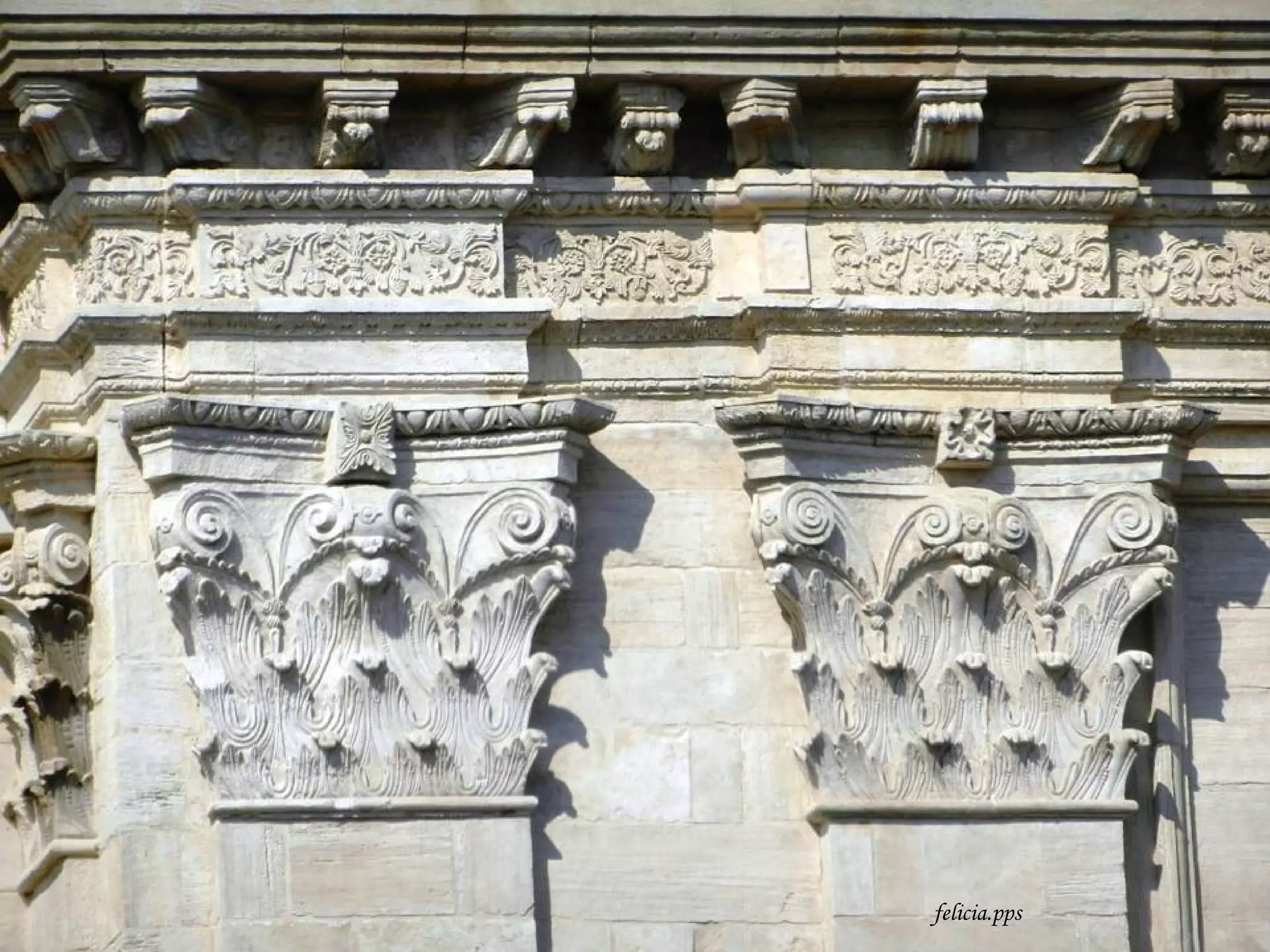
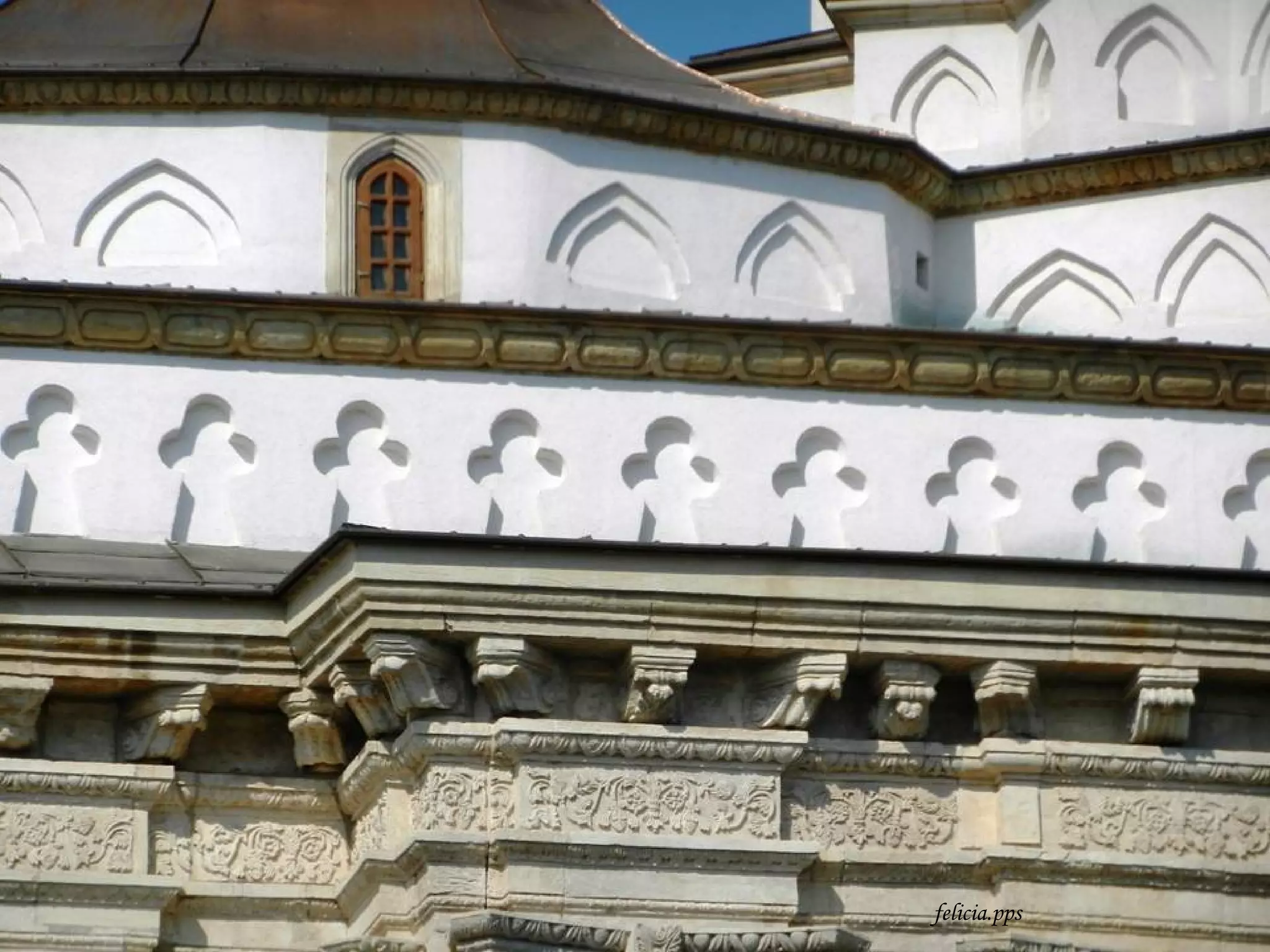
Aflată după o lungă perioadă de restaurare şi consolidare, biserica Mănăstirii Golia ni se înfăţişează
acum în adevarata ei frumuseţe şi valoare.
felicia.pps
Raised on the spot of a religious building from the sixteenth century,Golia Monastery’s
Church was built between 1650 – 1653, during the reign of the ruler Vasile Lupu and of his son,
Stefanita Voda.

The monastery is surrounded by a stone wall, with towers at the corners, and also a bell-tower,
30 meters high, with 120 steps. By the end of the nineteenth century, the tower had a balcony
where from a fireman watched over the city to give the alarm in case of fire. Nearby the tower,
there was a pump since the period of Alexandru Moruzi (1793), which has been put back into
functioning during the summer of 2007.

The belfry tower (30 meters height), from the entrance in the court of Golia Monastery.

In the column house, built during the eighteenth century, lived temporarily the deacon Ion
Creanga (the future writer who will buy a house in the neighborhood Ticau, known as “
Bojdeuca lui ion Creanga” –Ion Creanga’s Hovel). The monastery was closed between 1900
-1947, and then it became parochial church until 1992 when it was reopen as missionary
monastery. Inside, from the initial furniture there are still preserved: the royal thrones, a
candelabrum bearing the marks of Vasile Lupu and four candlesticks.
Many funerary stones and tombs from the pronaos and church’s porch show church’s
importance during the past centuries. It’s also here that are buried part of the earthly remains
of prince Potemkin, by 1791, and the first earthly ruler, after the Phanariots, Ioan Sandu
Sturdza, by 1842. More than that, inside Golia Monastery’s Church were officiated the royal
marriage ceremonies of Constantin Duca and Maria Brancoveanu, in 1693 and that of Antioh
Cantemir with Catrina, in 1696, by the patriarch of Tzarigrad, Iacov.
felicia.pps
felicia.pps
felicia.pps
felicia.pps
felicia.pps
felicia.pps
felicia.pps
felicia.pps
felicia.pps
felicia.pps
felicia.pps
felicia.pps
felicia.pps
felicia.pps
felicia.pps
felicia.pps
felicia.pps
felicia.pps
felicia.pps
felicia.pps
Casa cu coloane - unde a locuit Ion Creangă   felicia.pps
felicia.pps
felicia.pps
felicia.pps
felicia.pps
felicia.pps
felicia.pps
Cişmeaua din vremea domnitorului
                     Alexandru Moruzi


felicia.pps
felicia.pps
felicia.pps
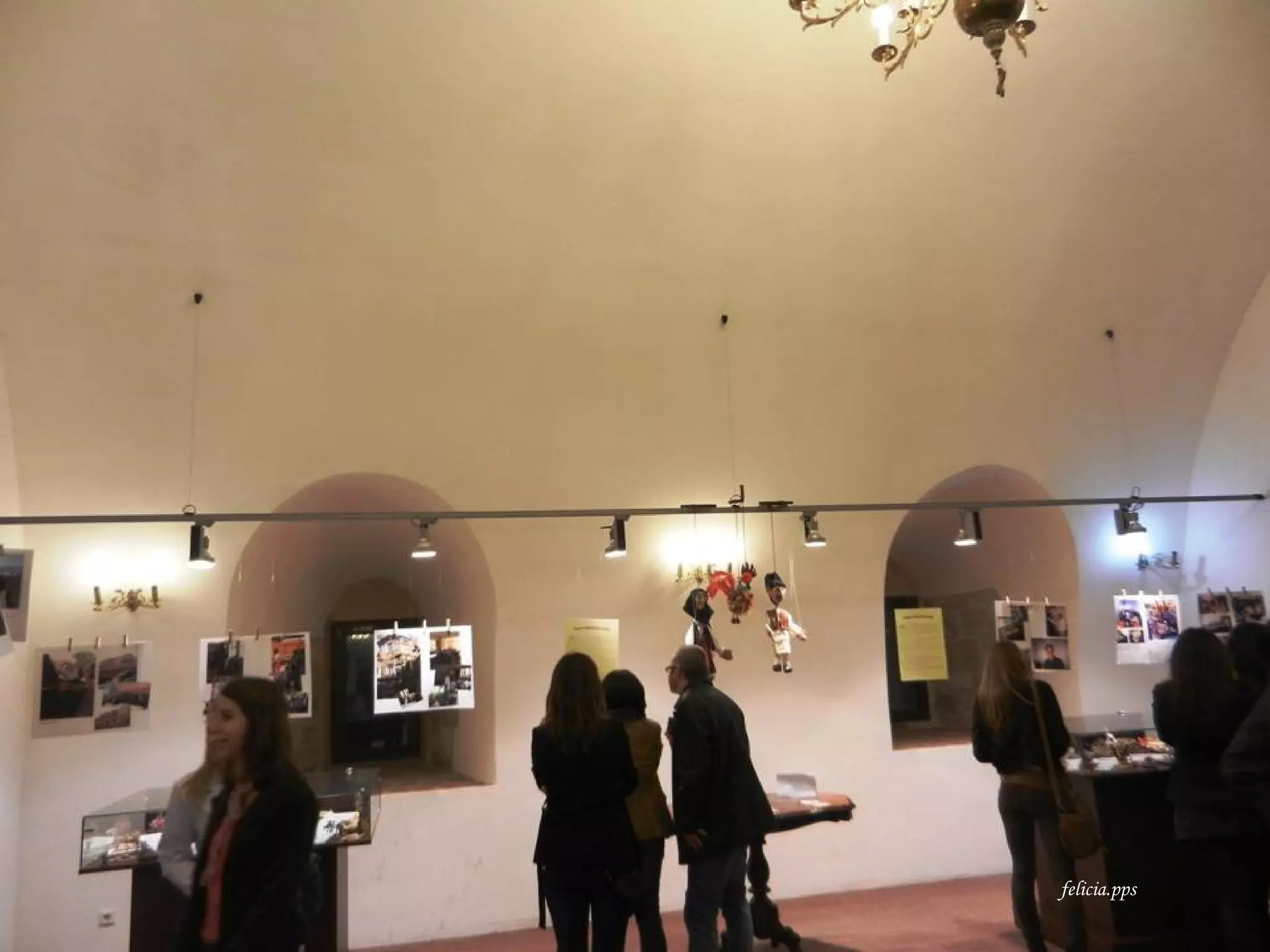
Noaptea muzeelor – 18 – 20 mai 2012


felicia.pps
felicia.pps
felicia.pps
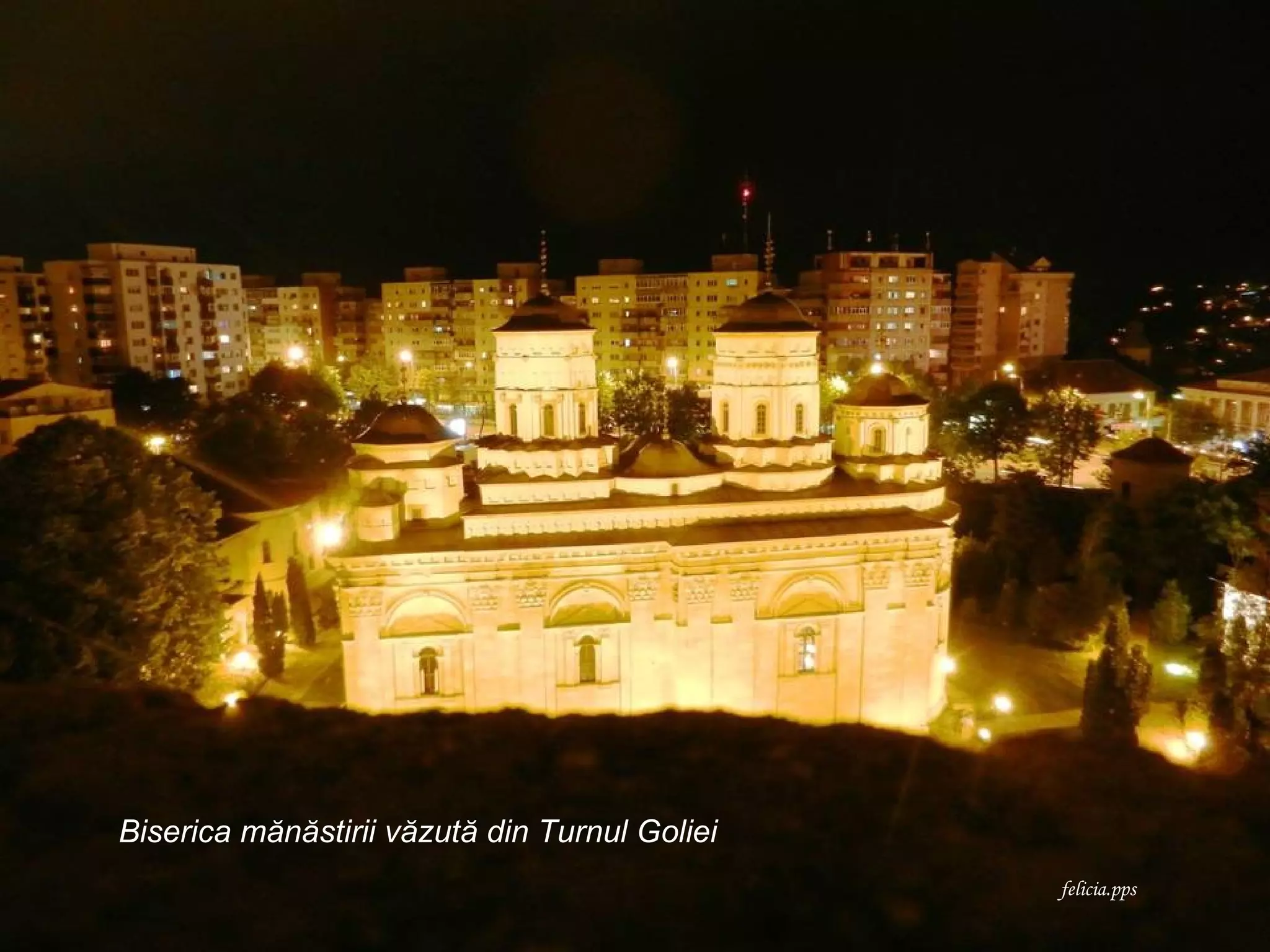
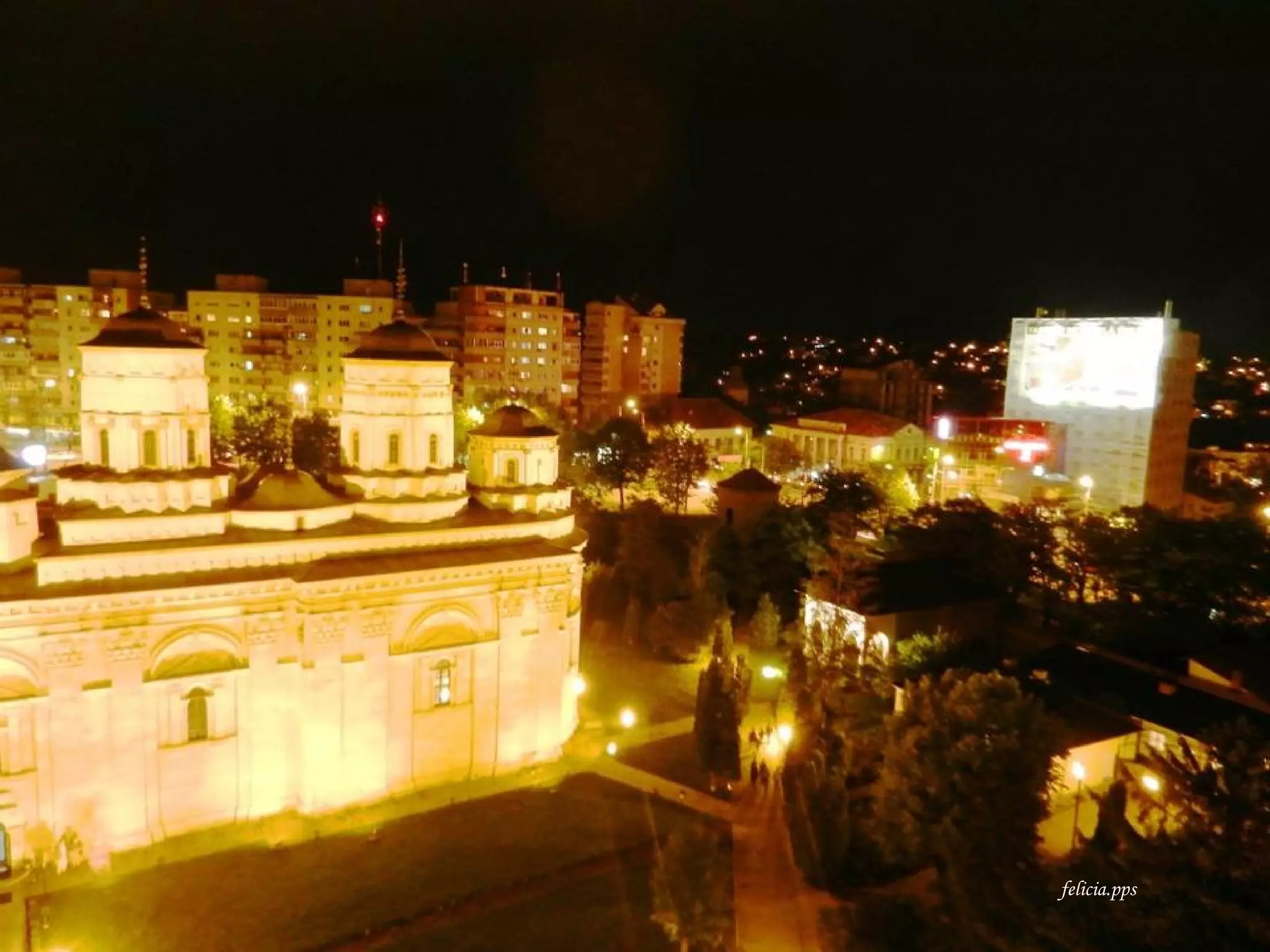
Biserica mănăstirii văzută din Turnul Goliei
                                               felicia.pps
felicia.pps
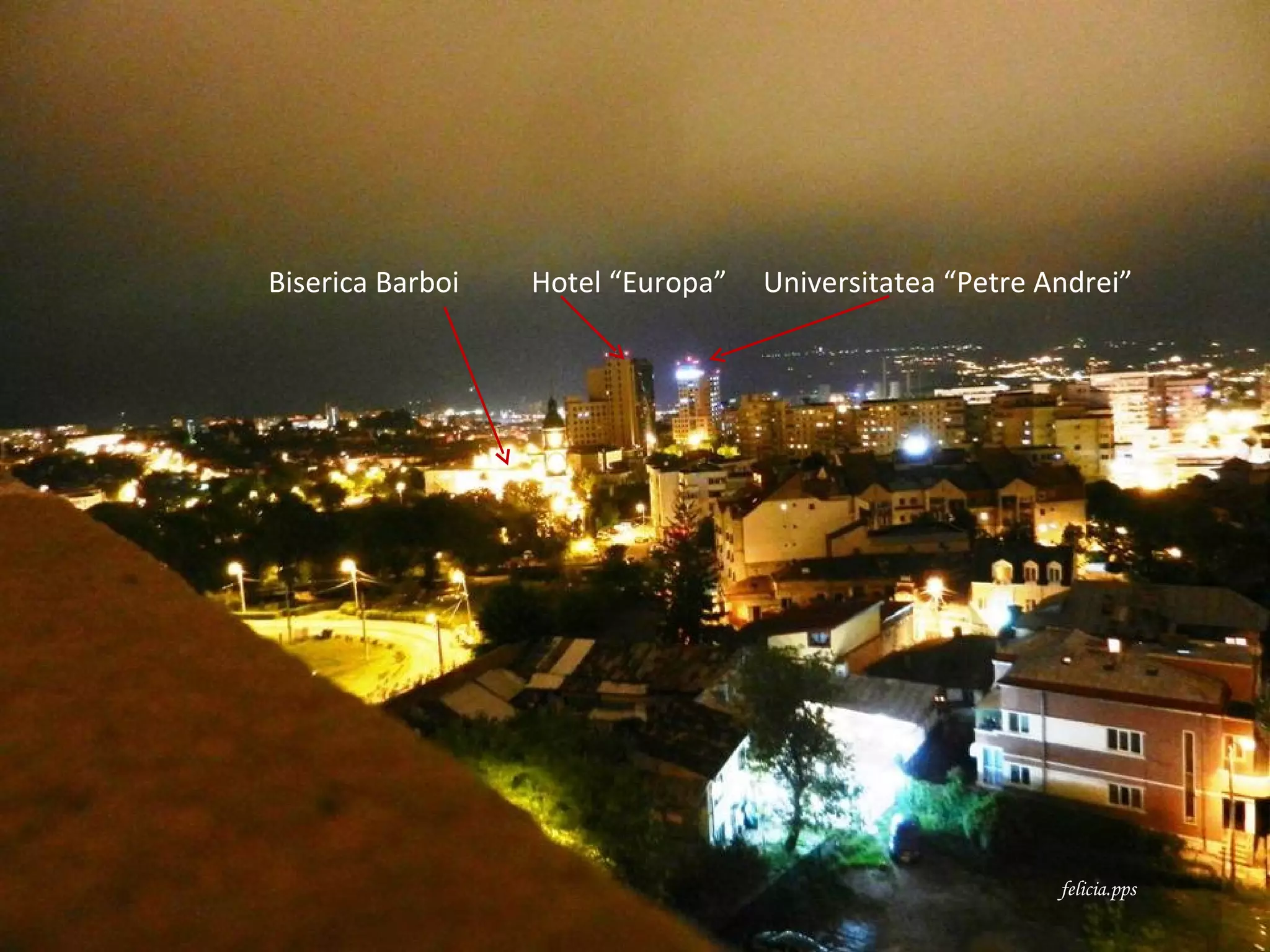
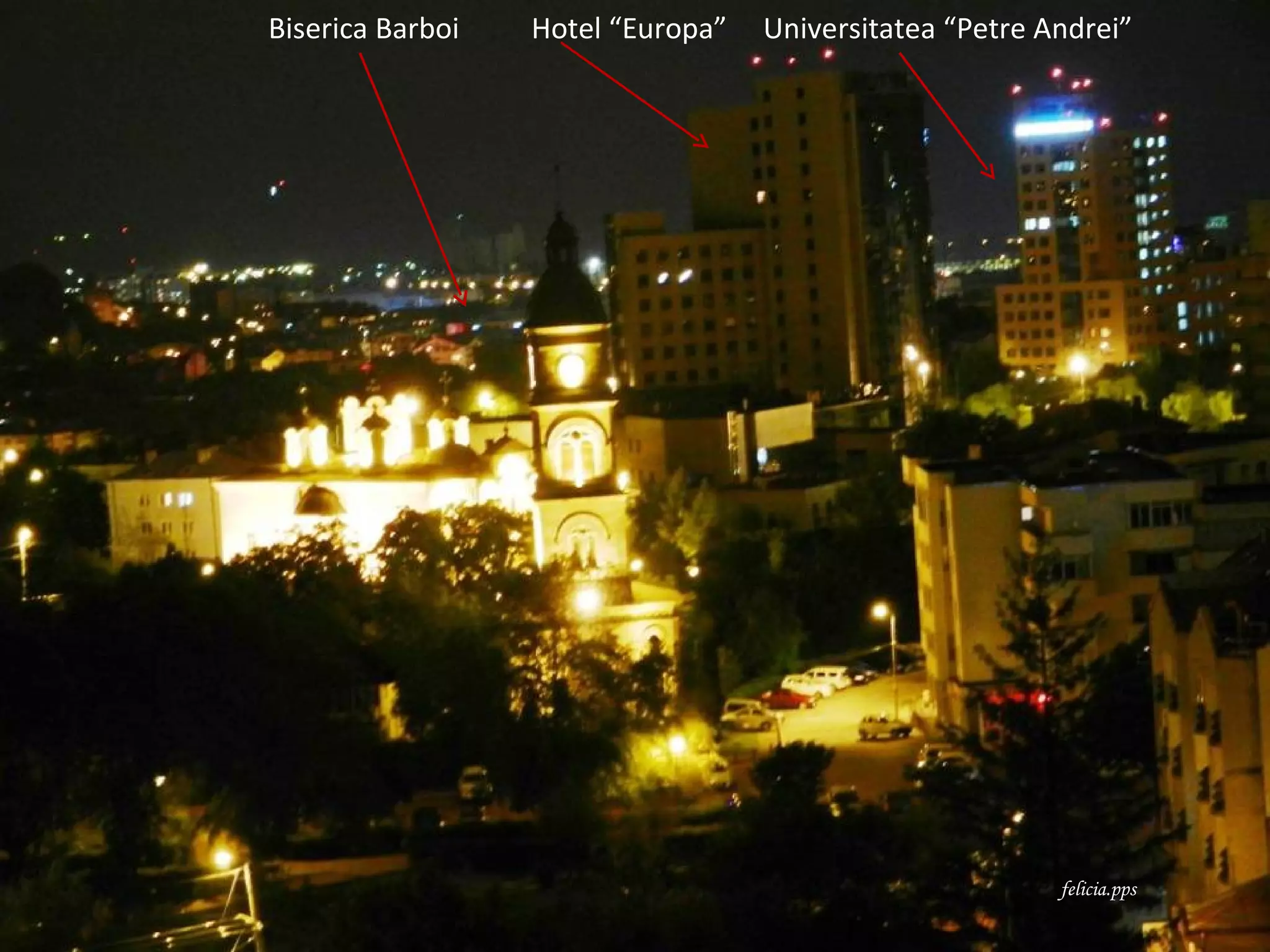
Biserica Barboi   Hotel “Europa”   Universitatea “Petre Andrei”


                                                         felicia.pps
Biserica Barboi   Hotel “Europa”   Universitatea “Petre Andrei”


                                                         felicia.pps
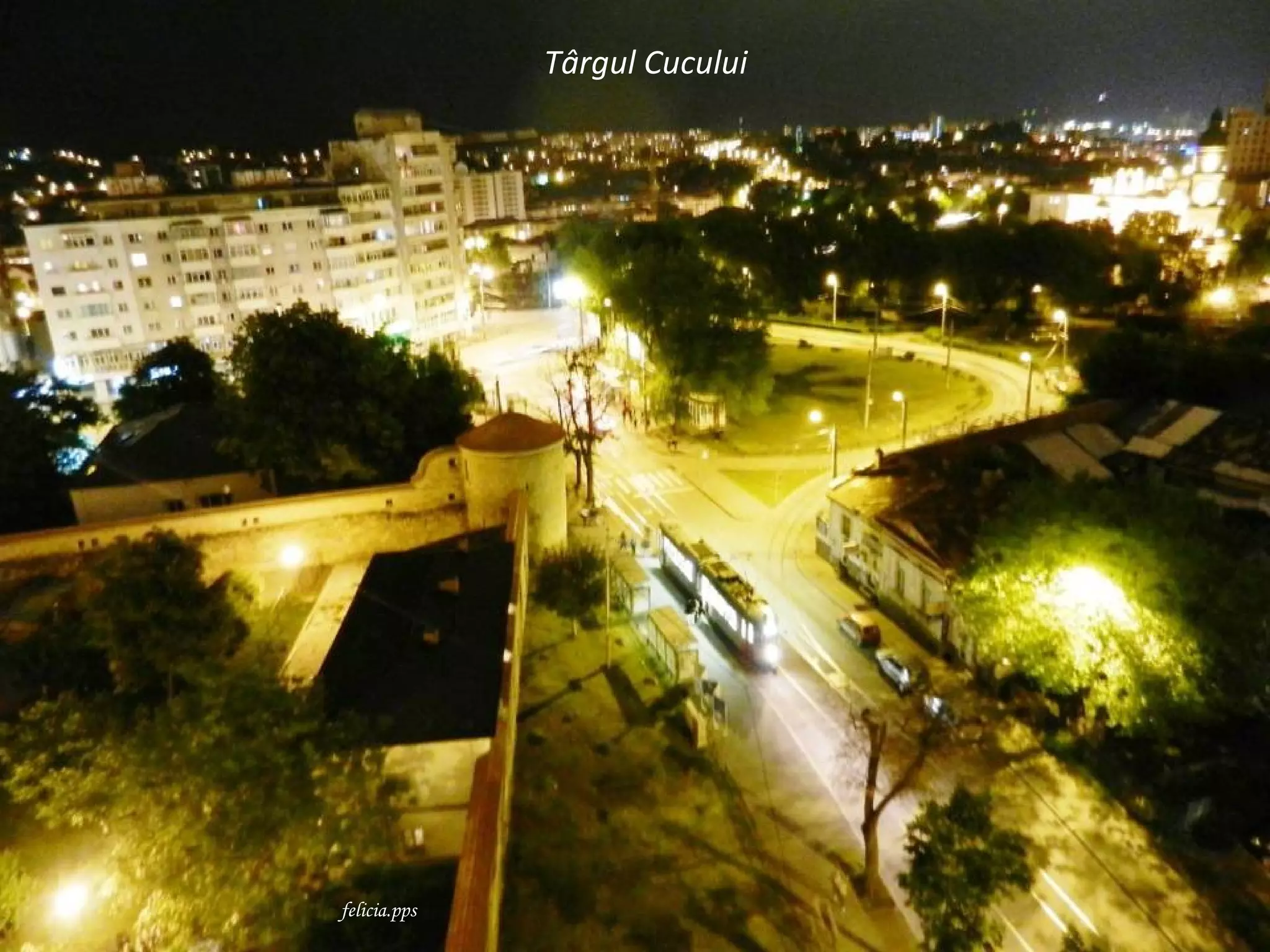
Târgul Cucului


felicia.pps
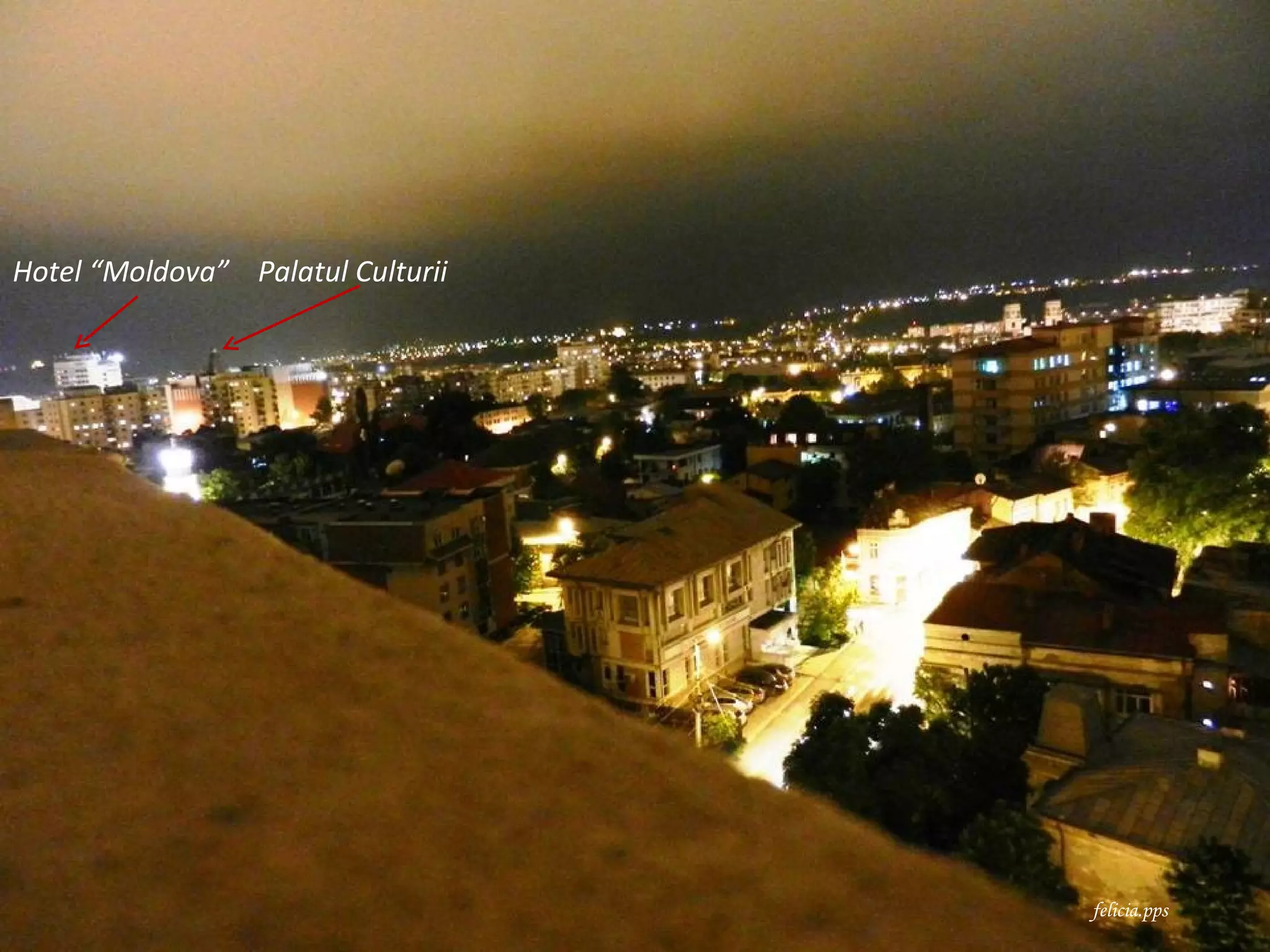
Hotel “Moldova” Palatul Culturii


                                   felicia.pps
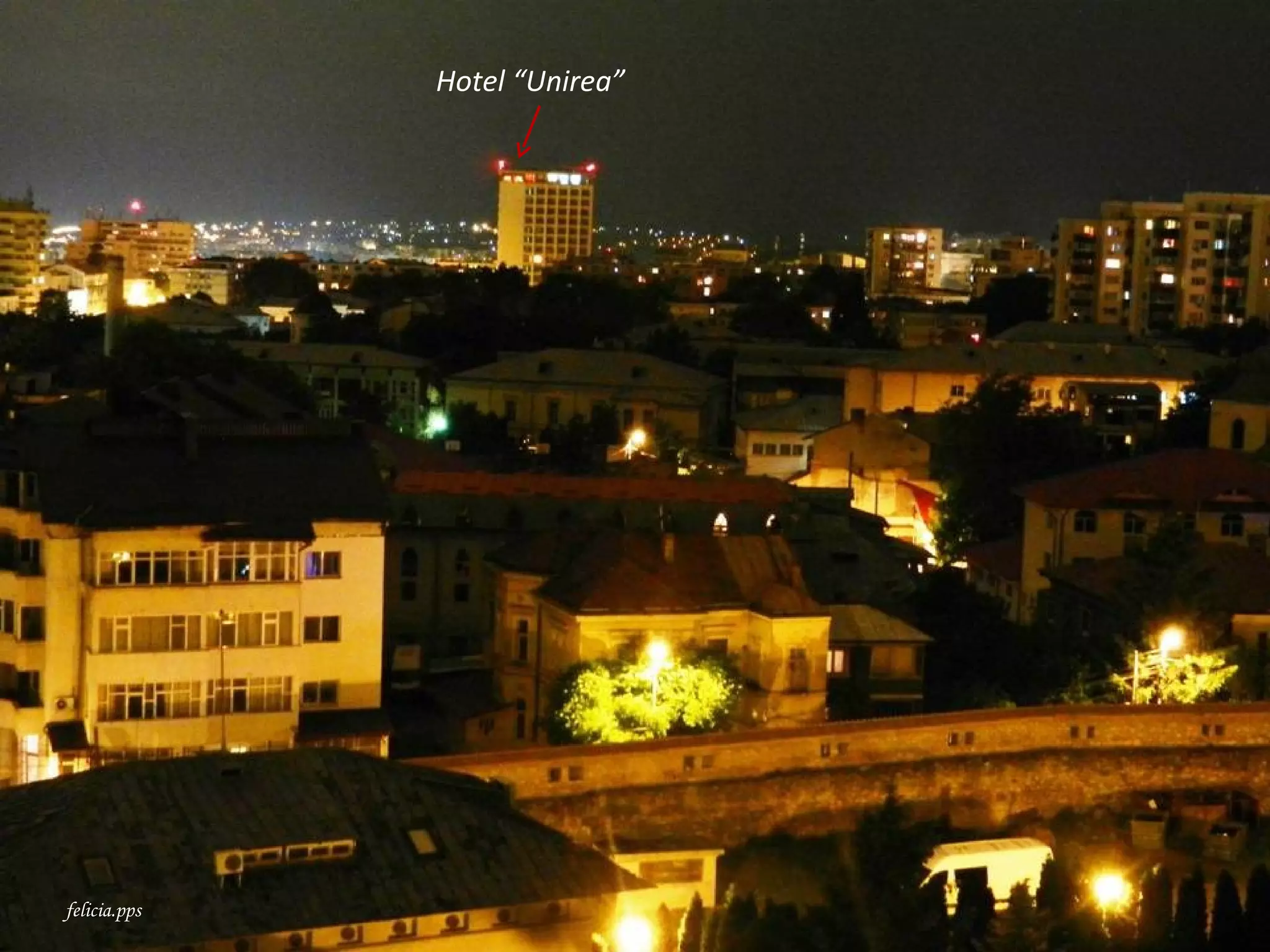
Hotel “Unirea”


felicia.pps
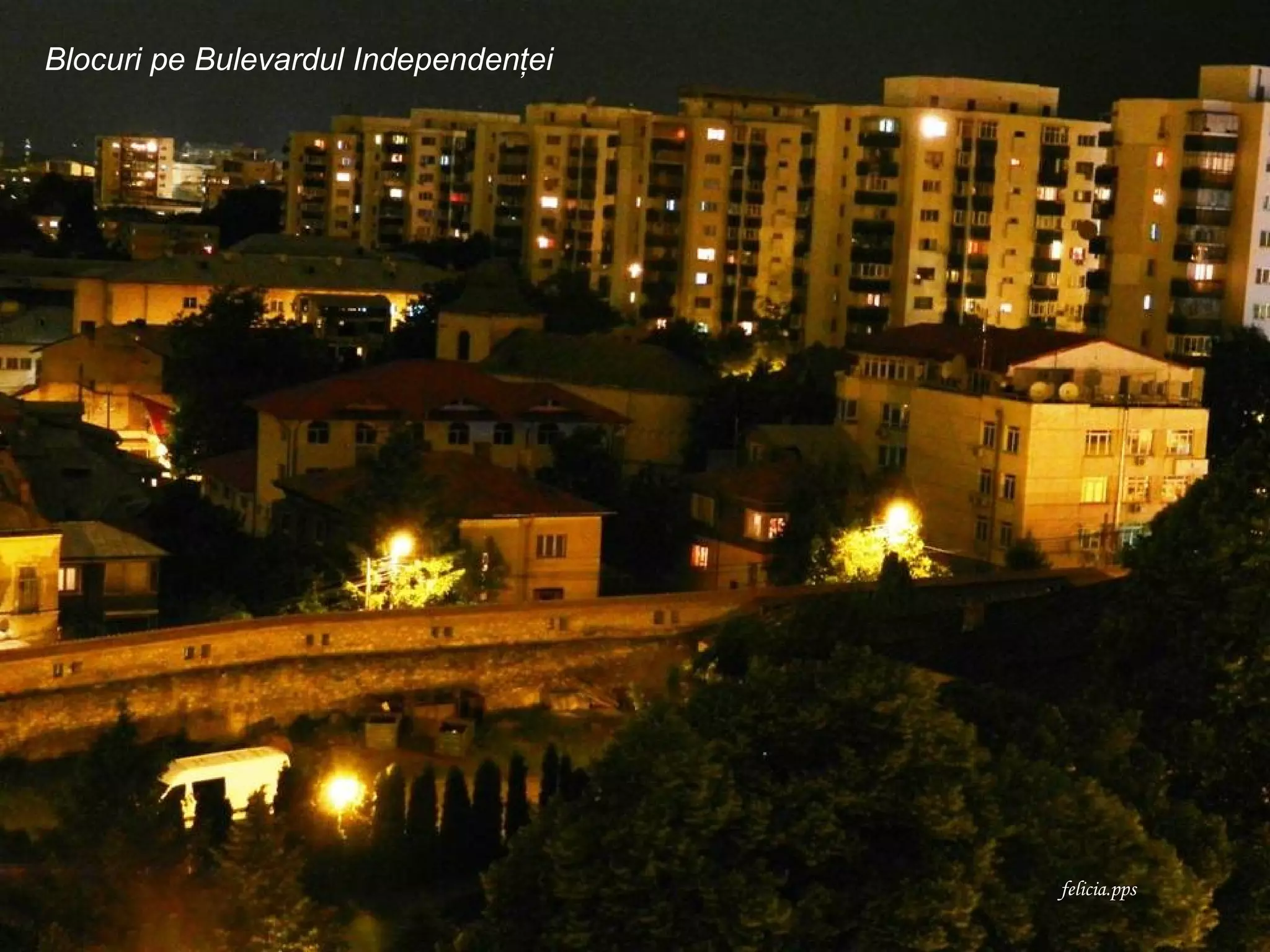
Blocuri pe Bulevardul Independenţei


                                      felicia.pps
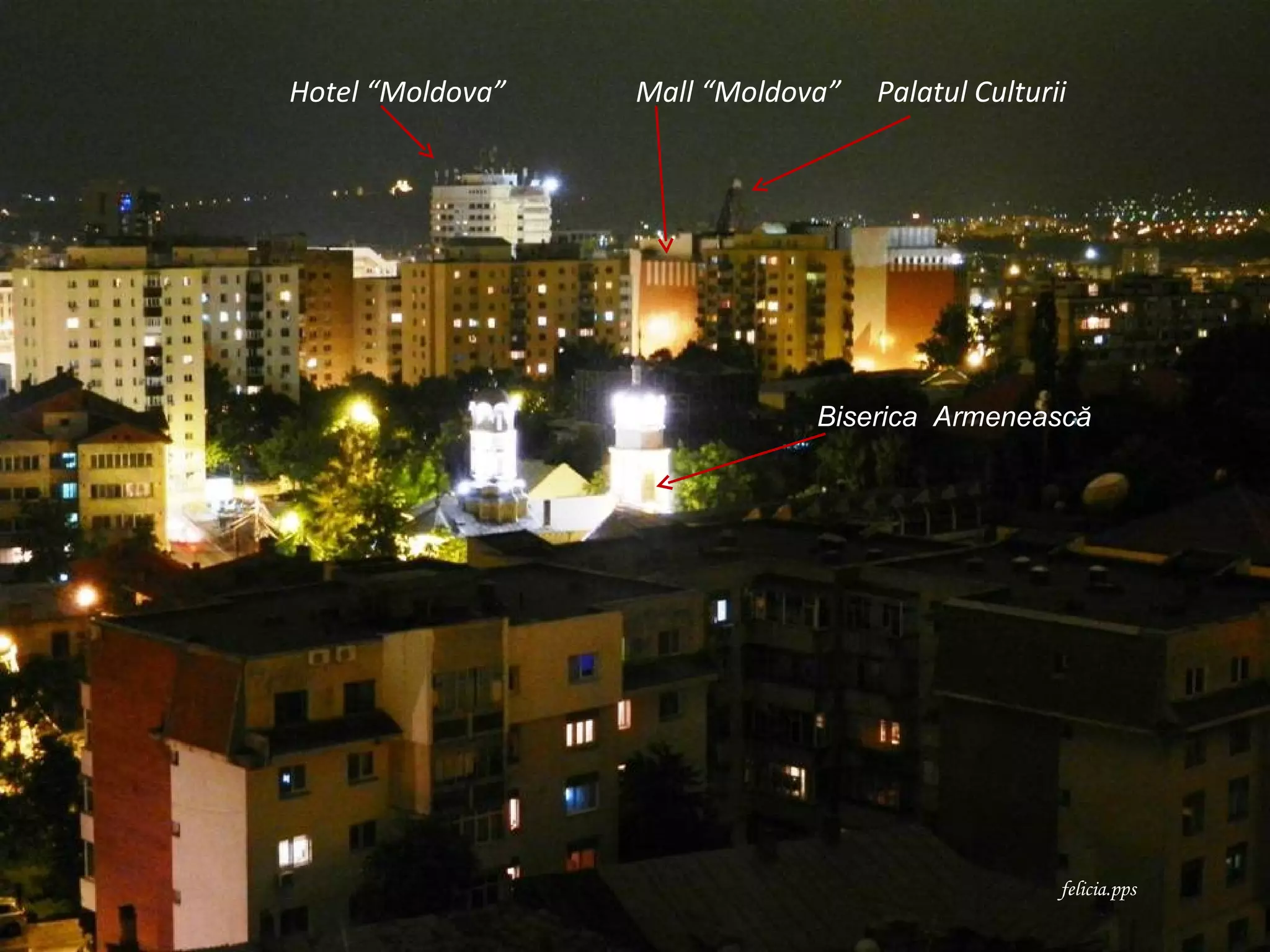
Hotel “Moldova”   Mall “Moldova”   Palatul Culturii


                              Biserica Armenească


                                                  felicia.pps
felicia.pps


    Vanghelis


Fotografii & realizare :


                               24. 05. 2012

Manastirea Golia Iasi

  • 1.
  • 2.
    Ridicată pe loculunui lăcaş de cult din secolul al XVI-a (construit de marele logofăt Ioan Golâi, de unde i se trage şi numele), biserica Mănăstirii Golia a fost construită între anii 1650-1653 pe vremea domnitorului Vasile Lupu şi a fiului său Stefaniţă Vodă. Mănăstirea este înconjurată de un zid, având în colţuri turle şi un turn clopotniţă, înalt de 30 de metri, cu 120 de trepte. La sfârşitul secolului al XIX-lea, turnul avea un balcon din care un pompier supravehea oraşul pentru a da alarma în caz de incendiu. Lângă turn se afla o cişmea din timpul domnitorului Alexandru Moruzi (1793), care a fost repusă în funcţiune în vara anului 2007. Turnul clopotniţă este înalt de 30 m şi se află la intrarea în curtea Mănăstirii Golia. Casa cu coloane a fost construită în secolul al XVIII-lea. Aici a locuit temporar diaconul Ion Creangă (viitorul scriitor, ce va cumpara o casă în cartierul Ticău cunoscuta drept “Bojdeuca lui Ion Creangă“. Mănăstirea a fost închisă între 1900-1947, apoi a devenit biserică parohială până în 1992, când a fost redeschisă ca mănăstire misionară. In interior, din mobilierul iniţial se mai pastrează: tronurile domneşti, un policandru având însemnele lui Vasile Lupu şi patru sfeşnice. Multe pietre funerare şi morminte din pronaos şi pridvor arată importanţa bisericii în secolele trecute. Tot aici se află înhumate o parte din ramaşitele pământeşti ale cneazului Potemkin la 1791 şi primul domn pământean, după fanarioţi, Ioan Sandu Sturdza, la 1842. Mai mult decât atât, în Biserica mănăstirii Golia au fost oficiate cununiile domneşti ale lui Constantin Duca şi Maria Brâncoveanu, în 1693, şi Antioh Cantemir cu Catrina, la 1696, de catre patriarhul Tarigradului, Iacov. Aflată după o lungă perioadă de restaurare şi consolidare, biserica Mănăstirii Golia ni se înfăţişează acum în adevarata ei frumuseţe şi valoare.
  • 3.
  • 4.
    Raised on thespot of a religious building from the sixteenth century,Golia Monastery’s Church was built between 1650 – 1653, during the reign of the ruler Vasile Lupu and of his son, Stefanita Voda. The monastery is surrounded by a stone wall, with towers at the corners, and also a bell-tower, 30 meters high, with 120 steps. By the end of the nineteenth century, the tower had a balcony where from a fireman watched over the city to give the alarm in case of fire. Nearby the tower, there was a pump since the period of Alexandru Moruzi (1793), which has been put back into functioning during the summer of 2007. The belfry tower (30 meters height), from the entrance in the court of Golia Monastery. In the column house, built during the eighteenth century, lived temporarily the deacon Ion Creanga (the future writer who will buy a house in the neighborhood Ticau, known as “ Bojdeuca lui ion Creanga” –Ion Creanga’s Hovel). The monastery was closed between 1900 -1947, and then it became parochial church until 1992 when it was reopen as missionary monastery. Inside, from the initial furniture there are still preserved: the royal thrones, a candelabrum bearing the marks of Vasile Lupu and four candlesticks. Many funerary stones and tombs from the pronaos and church’s porch show church’s importance during the past centuries. It’s also here that are buried part of the earthly remains of prince Potemkin, by 1791, and the first earthly ruler, after the Phanariots, Ioan Sandu Sturdza, by 1842. More than that, inside Golia Monastery’s Church were officiated the royal marriage ceremonies of Constantin Duca and Maria Brancoveanu, in 1693 and that of Antioh Cantemir with Catrina, in 1696, by the patriarch of Tzarigrad, Iacov.
  • 5.
  • 6.
  • 7.
  • 8.
  • 9.
  • 10.
  • 11.
  • 12.
  • 13.
  • 14.
  • 15.
  • 16.
  • 17.
  • 18.
  • 19.
  • 20.
  • 21.
  • 22.
  • 23.
  • 24.
  • 25.
    Casa cu coloane- unde a locuit Ion Creangă felicia.pps
  • 26.
  • 27.
  • 28.
  • 29.
  • 30.
  • 31.
  • 33.
    Cişmeaua din vremeadomnitorului Alexandru Moruzi felicia.pps
  • 34.
  • 35.
  • 36.
    Noaptea muzeelor –18 – 20 mai 2012 felicia.pps
  • 37.
  • 38.
  • 39.
    Biserica mănăstirii văzutădin Turnul Goliei felicia.pps
  • 40.
  • 41.
    Biserica Barboi Hotel “Europa” Universitatea “Petre Andrei” felicia.pps
  • 42.
    Biserica Barboi Hotel “Europa” Universitatea “Petre Andrei” felicia.pps
  • 43.
  • 44.
    Hotel “Moldova” PalatulCulturii felicia.pps
  • 45.
  • 46.
    Blocuri pe BulevardulIndependenţei felicia.pps
  • 47.
    Hotel “Moldova” Mall “Moldova” Palatul Culturii Biserica Armenească felicia.pps
  • 48.
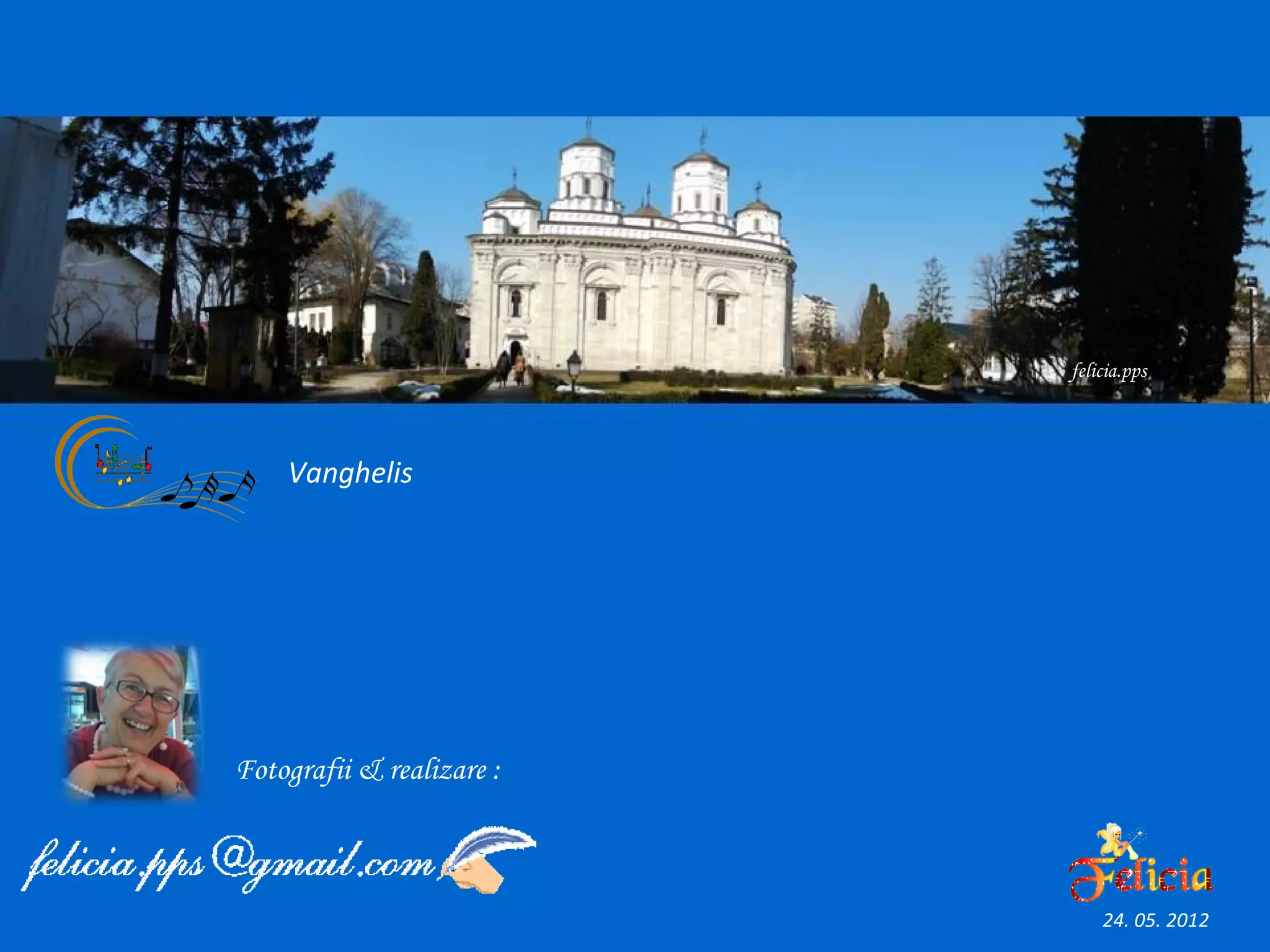
    felicia.pps Vanghelis Fotografii & realizare : 24. 05. 2012