M A K I N G A D V A N C E D A N A L Y T I C S
W O R K F O R Y O U
J A E S H D O S I  
I N S T I T U T E O F E N G I N E E R I N G ( I E T ) , D A V V
I N T R O D U C T I O N
Big data and analytics have rocketed to the top of the
corporate agenda. Executives look with admiration at
how Google, Amazon, and others have eclipsed
competitors with powerful new business models that
derive from an ability to exploit data.
A D V A N C E A N A L Y T I C S
Big data could transform the way companies
do business, delivering the kind of
performance gains last seen in the 1990s,
when organizations redesigned their core
processes. • As data-driven strategies take
hold, they will become an increasingly
important point of competitive differentiation.
According to research by Andrew
McAfee and Erik Brynjolfsson, of MIT,
companies that inject big data and
analytics into their operations show
productivity rates and profitability
that are 5% to 6% higher than those
of their peers.
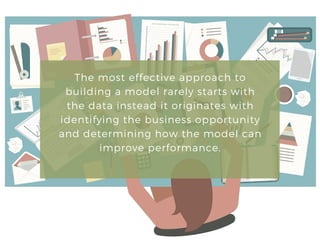
The most effective approach to
building a model rarely starts with
the data instead it originates with
identifying the business opportunity
and determining how the model can
improve performance.
A N A L Y T I C S U S E
1. Choose the Right Data The universe of data and
modeling has changed vastly over the past few years.
The sheer volume of information, particularly from new
sources such as social media and machine sensors, is
growing rapidly.
2. Build Models That Predict and Optimize Business
Outcomes Data are essential, but performance
improvements and competitive advantage arise from
analytics models that allow managers to predict and
optimize outcomes.
A N A L Y T I C S U S E
3. Transform Your Company’s
Capabilities The lead concern expressed
to us by senior executives is that their
managers don’t understand or trust big
data-based models.
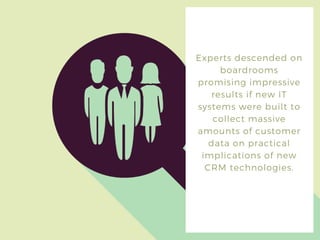
Experts descended on
boardrooms
promising impressive
results if new IT
systems were built to
collect massive
amounts of customer
data on practical
implications of new
CRM technologies.
The era of big data is evolving rapidly,
and our experience suggests that most
companies should act now. Managers
should concentrate on targeted efforts
to source data, build models, and
transform the organizational culture.
Such efforts will play a part in
maintaining flexibility.
M A N A G E R I A L
R E L E V A N C E
Information along with the technology
for managing and analyzing data —
will continue to grow and change,
yielding a constant stream of
opportunities.
M A N A G E R I A L
R E L E V A N C E
THANK YOU

Making advanced analytics work for you - JAYESH DOSI

  • 1.
    M A KI N G A D V A N C E D A N A L Y T I C S W O R K F O R Y O U J A E S H D O S I   I N S T I T U T E O F E N G I N E E R I N G ( I E T ) , D A V V
  • 2.
    I N TR O D U C T I O N Big data and analytics have rocketed to the top of the corporate agenda. Executives look with admiration at how Google, Amazon, and others have eclipsed competitors with powerful new business models that derive from an ability to exploit data.
  • 3.
    A D VA N C E A N A L Y T I C S Big data could transform the way companies do business, delivering the kind of performance gains last seen in the 1990s, when organizations redesigned their core processes. • As data-driven strategies take hold, they will become an increasingly important point of competitive differentiation.
  • 4.
    According to researchby Andrew McAfee and Erik Brynjolfsson, of MIT, companies that inject big data and analytics into their operations show productivity rates and profitability that are 5% to 6% higher than those of their peers.
  • 5.
    The most effectiveapproach to building a model rarely starts with the data instead it originates with identifying the business opportunity and determining how the model can improve performance.
  • 6.
    A N AL Y T I C S U S E 1. Choose the Right Data The universe of data and modeling has changed vastly over the past few years. The sheer volume of information, particularly from new sources such as social media and machine sensors, is growing rapidly. 2. Build Models That Predict and Optimize Business Outcomes Data are essential, but performance improvements and competitive advantage arise from analytics models that allow managers to predict and optimize outcomes.
  • 7.
    A N AL Y T I C S U S E 3. Transform Your Company’s Capabilities The lead concern expressed to us by senior executives is that their managers don’t understand or trust big data-based models.
  • 8.
    Experts descended on boardrooms promisingimpressive results if new IT systems were built to collect massive amounts of customer data on practical implications of new CRM technologies.
  • 9.
    The era ofbig data is evolving rapidly, and our experience suggests that most companies should act now. Managers should concentrate on targeted efforts to source data, build models, and transform the organizational culture. Such efforts will play a part in maintaining flexibility. M A N A G E R I A L R E L E V A N C E
  • 10.
    Information along withthe technology for managing and analyzing data — will continue to grow and change, yielding a constant stream of opportunities. M A N A G E R I A L R E L E V A N C E
  • 11.