MIDDLESEX UNIVERSITY (MAURITIUS BRANCH CAMPUS)
RESEARCH IN EDUCATION CONFERENCE 2014
29TH NOVEMBER 2014
EXPLORING NEW AVENUES IN RESEARCH METHODS
MAHBOOB SOOLTAN SOHAWON
HEAD – MAURITIUS INSTITUTE OF EDUCATION
Setting the scene
Research Methodology
Research Methods
Questionnaires
Observation
Interviews
Survey
Field work
 New Avenues/Vistas
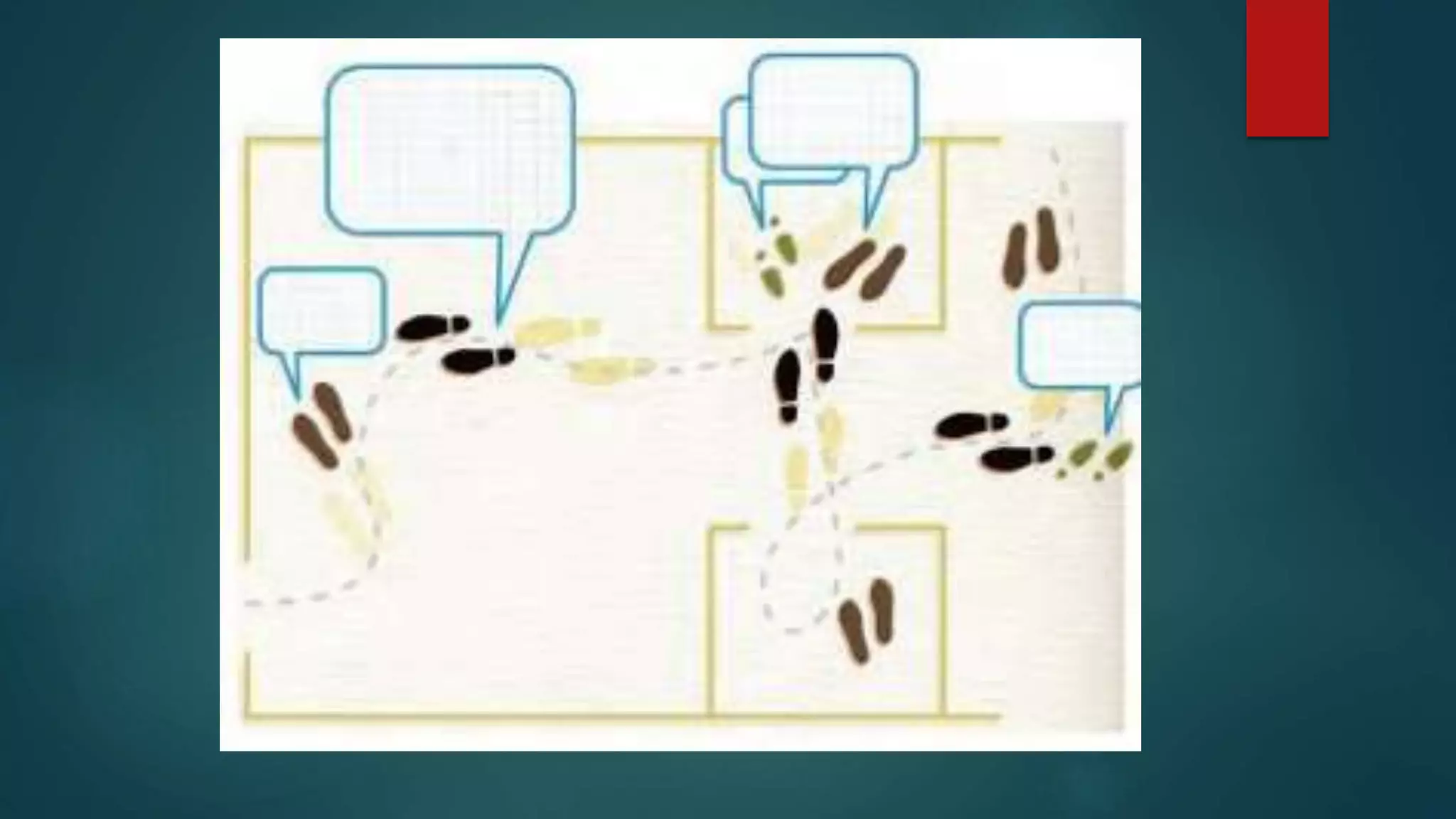
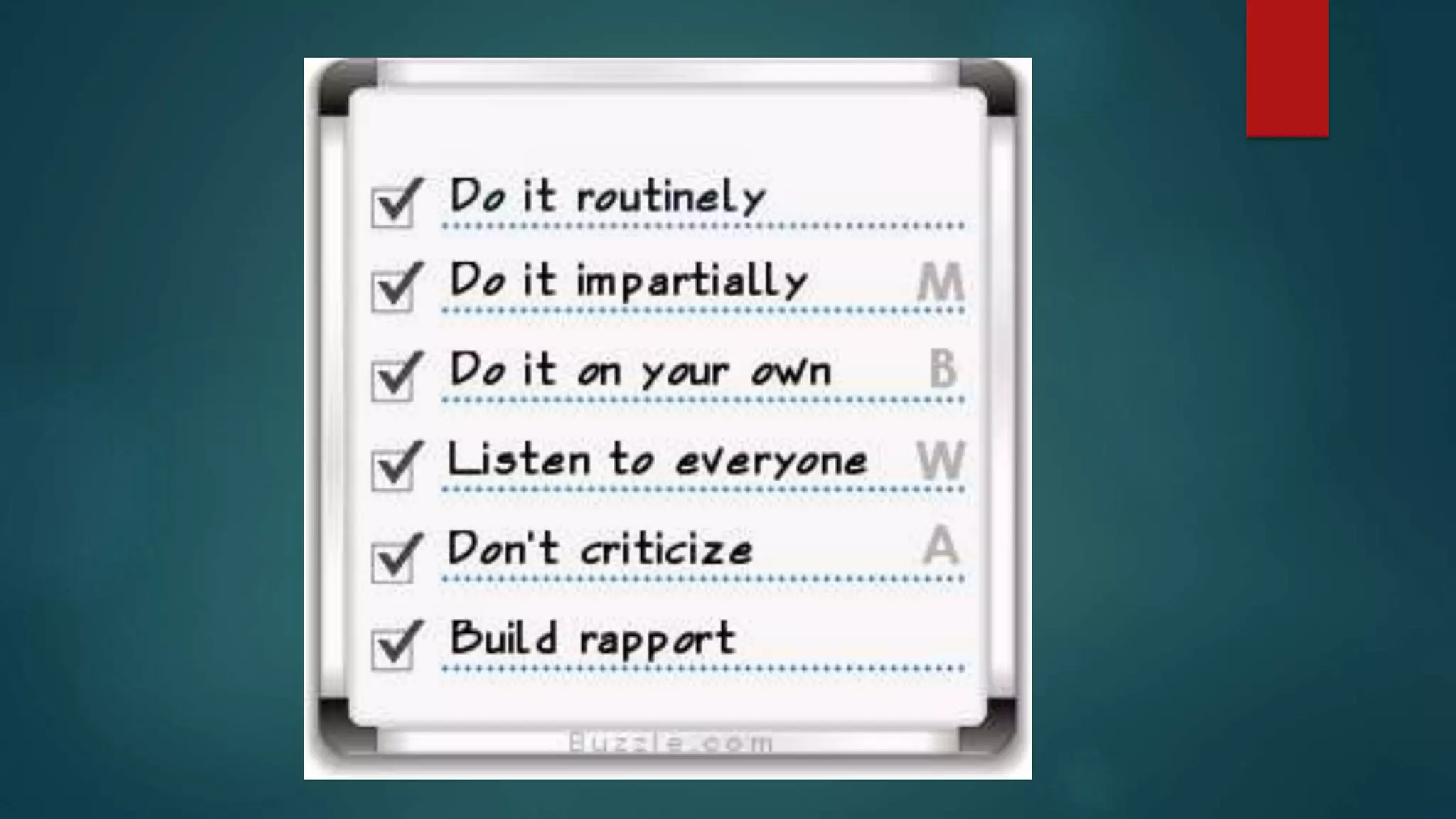
 Management By Wandering Around (MBWA)
 Walking Through (WT)
 Transect Walk
 Photo Voice (PV)
Management by wandering around (MBWA)
also Management by walking around refers
to a style of (business) management which
involves managers wandering around, in an
unstructured manner, through the
workplace(s), at random, to check with
employees, or equipment, about the status
of ongoing work.
 The origin of the term has been traced to executives at
the company Hewlett-Packard.
 Historian Stephen B. Oates asserts that Abraham Lincoln
invented the management style by informally inspecting
the Union Army troops in the early part of the American
Civil War.
 Shakespeare suggests that the young King adopted
MBWA on the eve of the Battle of Agincourt in Henry V.
 Its application to management, leadership in schools.
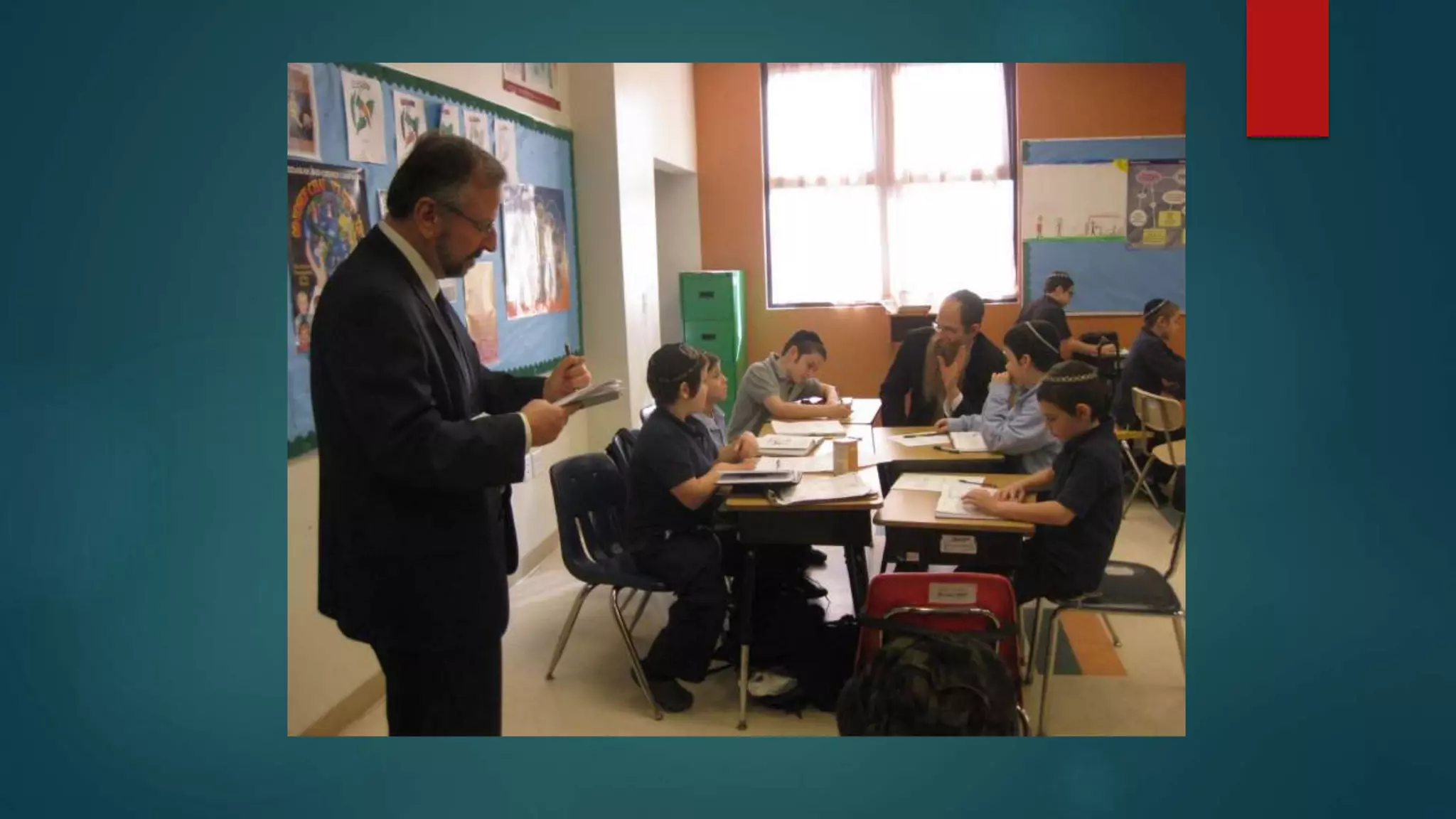
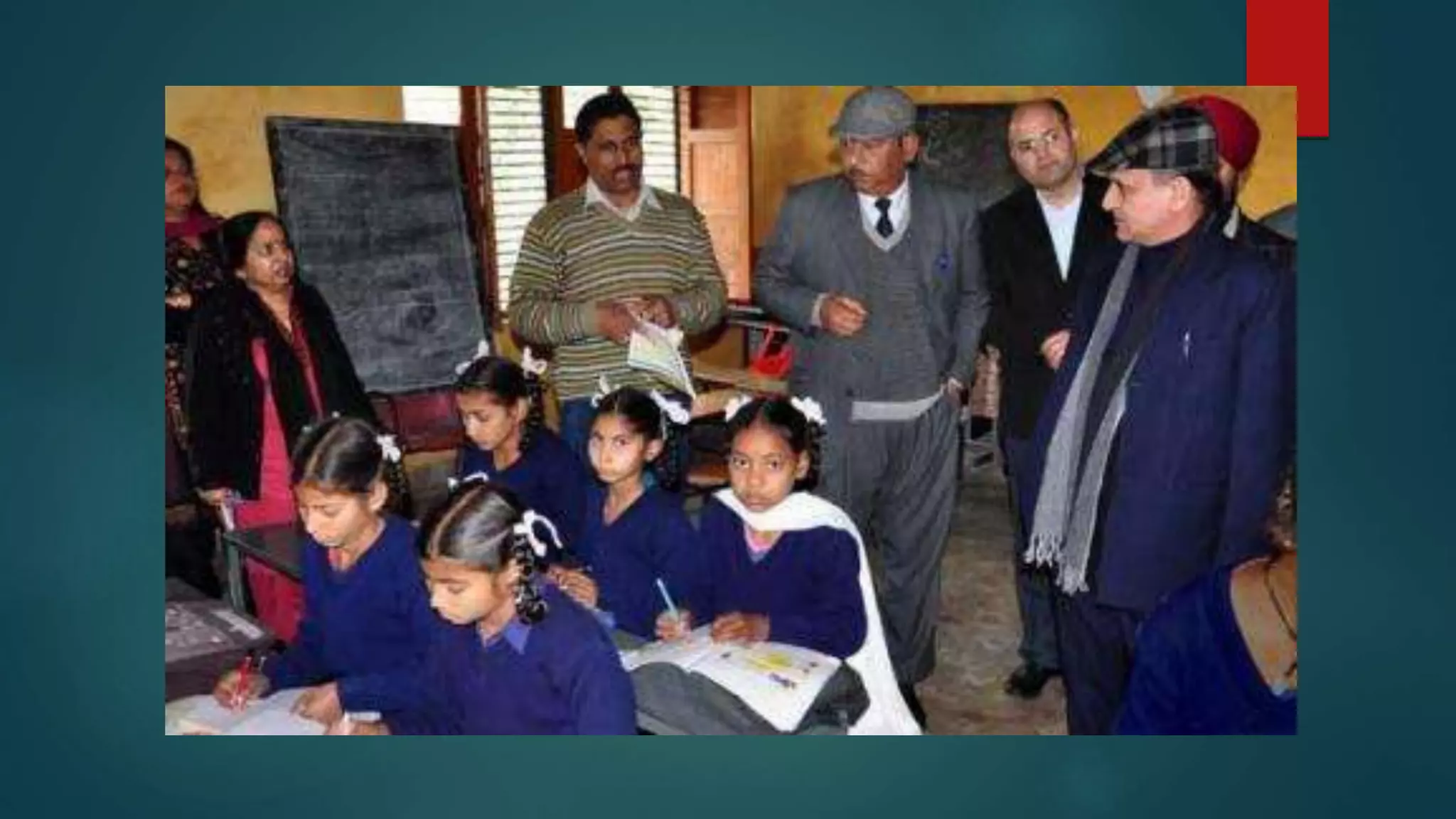
Walkthrough
 An activity in which someone walks through an area, building, etc.,
in order to inspect it with the right set of ‘look fors’
 School walkthroughs are the short – five-minutes – visits on which
heads of schools focus with a view of getting information about
what is working or not working in their schools
 Classroom Walkthrough is an organized observation that requires
the principal or supervisor to frequently visit classrooms to look for
specific instructional practices.
TRANSECT WALK
 A tool used by a group undertaking observation-based community
improvement, which should include informed community members and
people with the technical skills to identify and propose solutions to issues that
are visibly manifested on a walk through the community.
 It usually lasts for 1-3 hours.
 It is an excellent tool for creating a record of environmental conditions: those
arising in the natural, built and experienced environments.
 During the walk, proceed slowly. Stop either at set intervals (every 100 meters,
for example), or at the center of each new zone, noting the distance from
the last stopping point on the line on your map. All analysts should examine
the area for the observation criteria , stopping to talk with residents in the
area who would like to contribute their opinions as well. It is important that
everyone who wants to contribute be included.
 Its relevance to education.
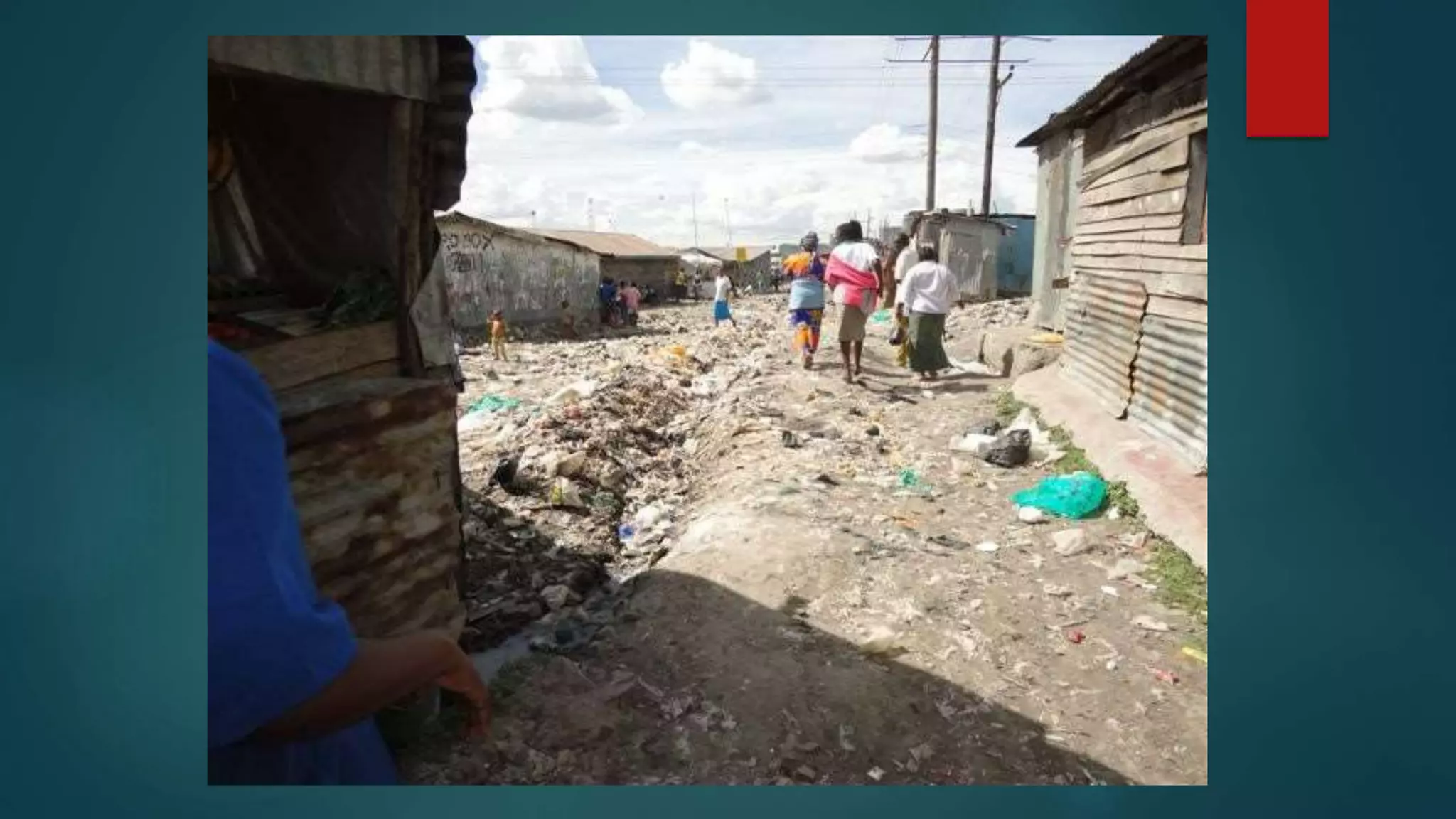
 Make a list of the information that should be gathered to meet the aim (for
example, if you are looking to install low-tech sewerage solutions, you will need to
observe the locations of sewage in the street, possible drainage hazards, existing
sewerage solutions that can be improved or serve as an example, and open space
available for new installations). Here are other examples of things you may be
looking for:
 Housing conditions
 Public transit access points
 Street commerce
 Non-governmental organizations, churches, and neighborhood institutions
 Public spaces
 Stores (e.g. pharmacies, grocery stores, open air markets)
 Sanitation (e.g. water, sewerage, garbage collection and blockage points)
 Location of health facilities
 Contaminated spaces
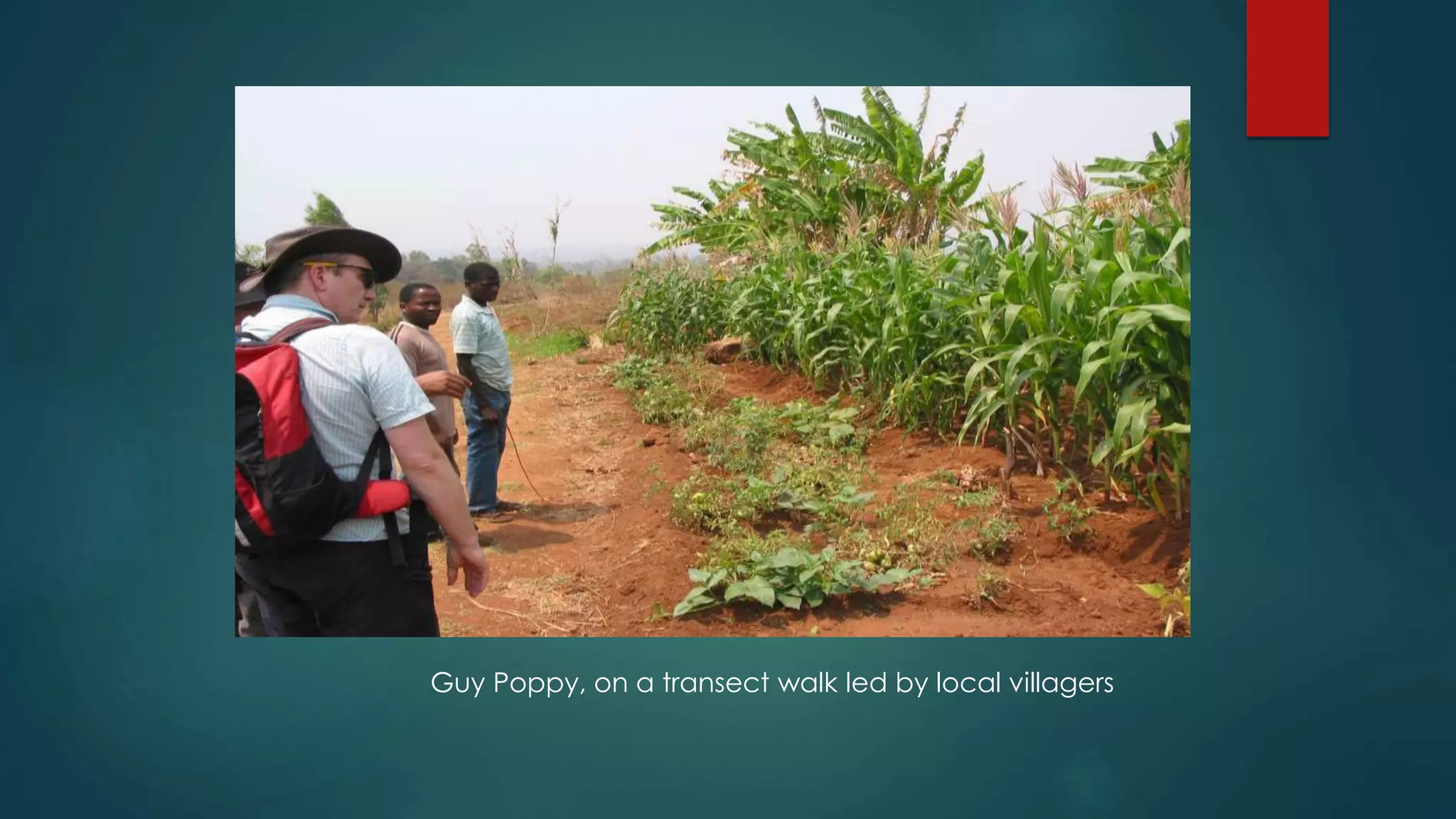
Guy Poppy, on a transect walk led by local villagers
PHOTO VOICE
 Photo voice is a participatory action research method that employs
photography and group dialogue as a means for marginalized individuals to
deepen their understanding of a community issue or concern. The visual
images and accompanying stories are the tools used to reach policy and
decision-makers. The aim of this research method is to improve conditions by
making changes at the community level.
 The heart of Photo Voice is the intermingling of images and words. This
blending of images and words is not a new idea. In fact, we humans have
used different kinds of images and words to express what we need, what we
fear, what we cherish, what we dream of and all sorts of other ideas for as far
back as we know. Photovoice is one recent example using this form of
expression.
 Photo voice, a creative approach to participatory action research (Wang
1999). Using community-based research activities, photo voice is a method
designed to empower members of marginalized groups to work together to
"identify, represent and enhance their community through a specific
photographic technique" (Wang and Burris 1997).
 Photo voice creates opportunities for those who are marginalized; it allows
them to actively participate in enhancing their communities by giving them a
chance to tell their stories and have their voices heard. Photo voice equips
individuals with cameras so they can create photographic evidence and
symbolic representations to help others see the world through their eyes.
 Photo voice requires that community members take on multiple roles. As a
photo voice participant, individuals share ideas and concerns about their
experiences and their community. They also take on the role of photographer
where they have the responsibility of capturing photographic evidence.
Additionally, participants assume the role of co-researcher with responsibilities
around setting research goals, data collection, data analysis and sharing
research findings.
THANK YOU

Mahboob Sooltan Sohawon - Exploring New Avenues in Research Methods

  • 1.
    MIDDLESEX UNIVERSITY (MAURITIUSBRANCH CAMPUS) RESEARCH IN EDUCATION CONFERENCE 2014 29TH NOVEMBER 2014 EXPLORING NEW AVENUES IN RESEARCH METHODS MAHBOOB SOOLTAN SOHAWON HEAD – MAURITIUS INSTITUTE OF EDUCATION
  • 2.
    Setting the scene ResearchMethodology Research Methods Questionnaires Observation Interviews Survey Field work
  • 3.
     New Avenues/Vistas Management By Wandering Around (MBWA)  Walking Through (WT)  Transect Walk  Photo Voice (PV)
  • 4.
    Management by wanderingaround (MBWA) also Management by walking around refers to a style of (business) management which involves managers wandering around, in an unstructured manner, through the workplace(s), at random, to check with employees, or equipment, about the status of ongoing work.
  • 7.
     The originof the term has been traced to executives at the company Hewlett-Packard.  Historian Stephen B. Oates asserts that Abraham Lincoln invented the management style by informally inspecting the Union Army troops in the early part of the American Civil War.  Shakespeare suggests that the young King adopted MBWA on the eve of the Battle of Agincourt in Henry V.  Its application to management, leadership in schools.
  • 8.
    Walkthrough  An activityin which someone walks through an area, building, etc., in order to inspect it with the right set of ‘look fors’  School walkthroughs are the short – five-minutes – visits on which heads of schools focus with a view of getting information about what is working or not working in their schools  Classroom Walkthrough is an organized observation that requires the principal or supervisor to frequently visit classrooms to look for specific instructional practices.
  • 11.
    TRANSECT WALK  Atool used by a group undertaking observation-based community improvement, which should include informed community members and people with the technical skills to identify and propose solutions to issues that are visibly manifested on a walk through the community.  It usually lasts for 1-3 hours.  It is an excellent tool for creating a record of environmental conditions: those arising in the natural, built and experienced environments.  During the walk, proceed slowly. Stop either at set intervals (every 100 meters, for example), or at the center of each new zone, noting the distance from the last stopping point on the line on your map. All analysts should examine the area for the observation criteria , stopping to talk with residents in the area who would like to contribute their opinions as well. It is important that everyone who wants to contribute be included.  Its relevance to education.
  • 12.
     Make alist of the information that should be gathered to meet the aim (for example, if you are looking to install low-tech sewerage solutions, you will need to observe the locations of sewage in the street, possible drainage hazards, existing sewerage solutions that can be improved or serve as an example, and open space available for new installations). Here are other examples of things you may be looking for:  Housing conditions  Public transit access points  Street commerce  Non-governmental organizations, churches, and neighborhood institutions  Public spaces  Stores (e.g. pharmacies, grocery stores, open air markets)  Sanitation (e.g. water, sewerage, garbage collection and blockage points)  Location of health facilities  Contaminated spaces
  • 13.
    Guy Poppy, ona transect walk led by local villagers
  • 15.
    PHOTO VOICE  Photovoice is a participatory action research method that employs photography and group dialogue as a means for marginalized individuals to deepen their understanding of a community issue or concern. The visual images and accompanying stories are the tools used to reach policy and decision-makers. The aim of this research method is to improve conditions by making changes at the community level.  The heart of Photo Voice is the intermingling of images and words. This blending of images and words is not a new idea. In fact, we humans have used different kinds of images and words to express what we need, what we fear, what we cherish, what we dream of and all sorts of other ideas for as far back as we know. Photovoice is one recent example using this form of expression.
  • 16.
     Photo voice,a creative approach to participatory action research (Wang 1999). Using community-based research activities, photo voice is a method designed to empower members of marginalized groups to work together to "identify, represent and enhance their community through a specific photographic technique" (Wang and Burris 1997).  Photo voice creates opportunities for those who are marginalized; it allows them to actively participate in enhancing their communities by giving them a chance to tell their stories and have their voices heard. Photo voice equips individuals with cameras so they can create photographic evidence and symbolic representations to help others see the world through their eyes.  Photo voice requires that community members take on multiple roles. As a photo voice participant, individuals share ideas and concerns about their experiences and their community. They also take on the role of photographer where they have the responsibility of capturing photographic evidence. Additionally, participants assume the role of co-researcher with responsibilities around setting research goals, data collection, data analysis and sharing research findings.
  • 20.