What is LymphaticSystem?
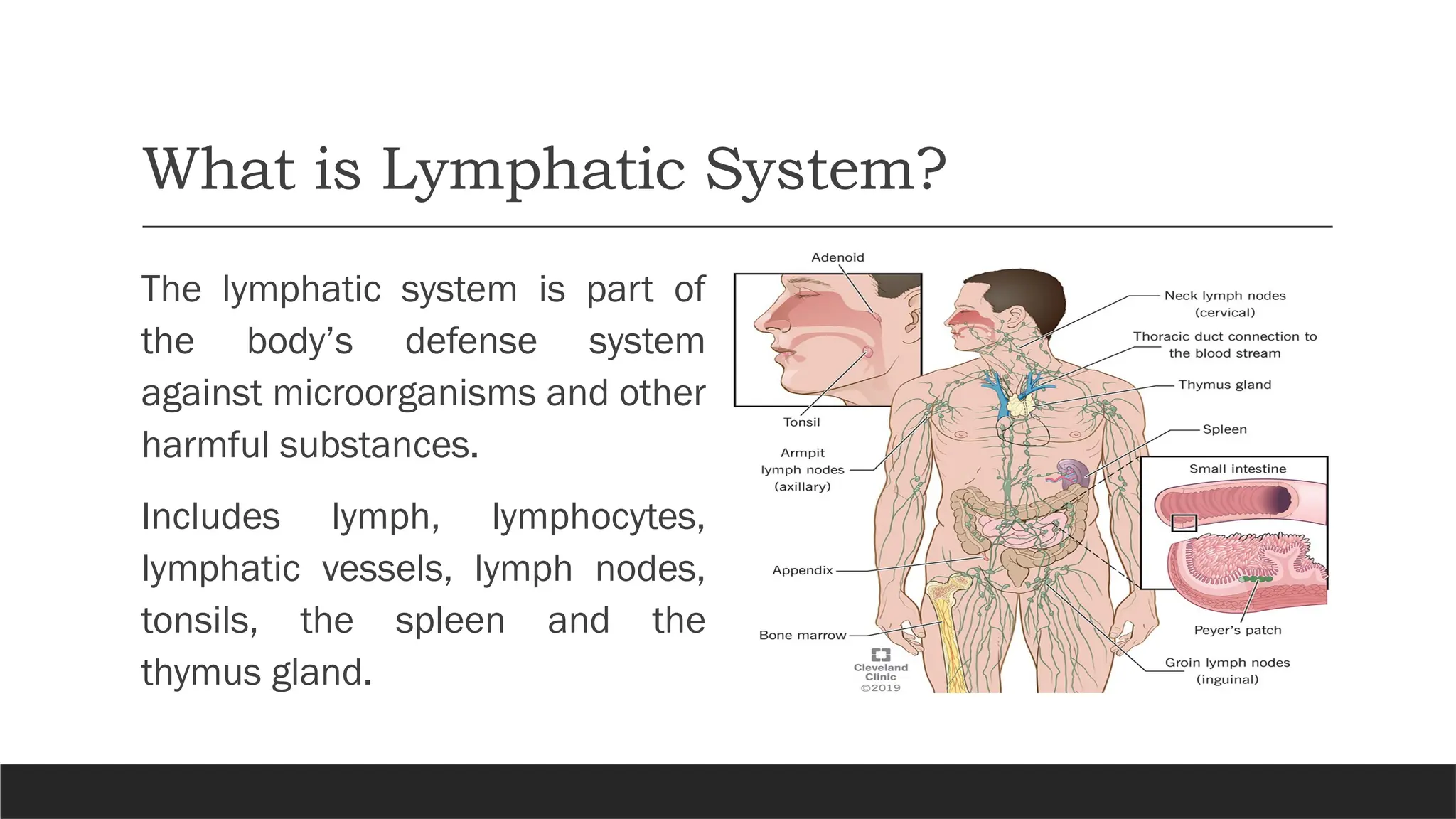
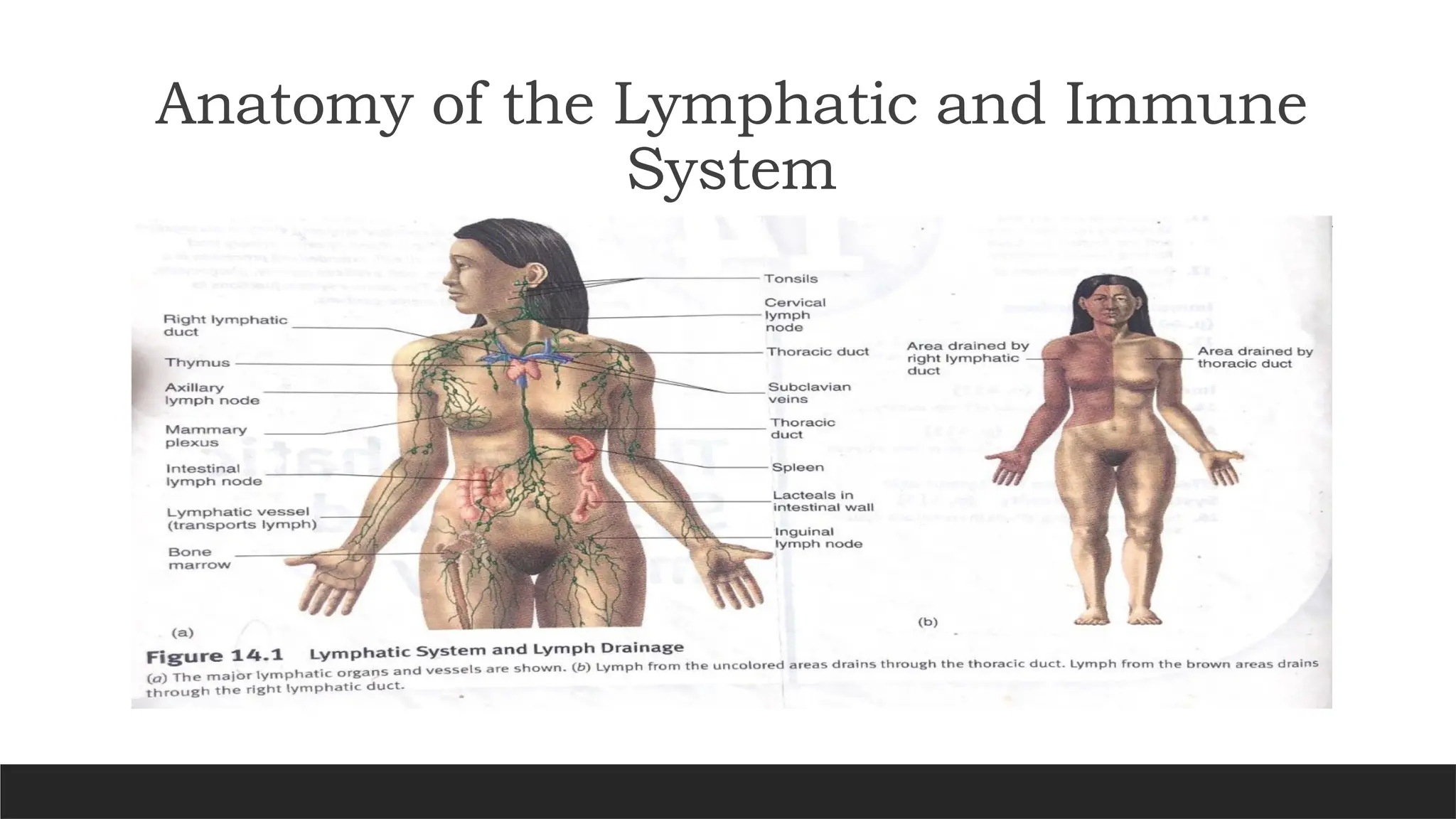
The lymphatic system is part of
the body’s defense system
against microorganisms and other
harmful substances.
Includes lymph, lymphocytes,
lymphatic vessels, lymph nodes,
tonsils, the spleen and the
thymus gland.
Functions of theLymphatic System
The lymphatic system serves several essential functions in the body, including:
1.Fluid Balance: It helps maintain fluid balance by returning excess
interstitial fluid to the bloodstream.
2.Immune Response: The lymphatic system is crucial for the immune
system, as it transports lymph, which contains white blood cells that
help fight infections.
3. Fat Absorption: It absorbs and transports dietary fats and fat-
soluble vitamins from the digestive system through the lacteals in
the small intestine.
5.
Functions of theLymphatic System
4. Waste Removal: The lymphatic system helps remove cellular waste and toxins
from tissues.
5. Transport of Immune Cells: It provides a pathway for the movement of
immune cells throughout the body, enhancing the body's ability to respond to
pathogens.
6. Filtration of Lymph: Lymph nodes filter lymph fluid, trapping pathogens and
foreign particles for destruction by immune cells.
7. Blood Pressure Regulation: By returning fluid to the bloodstream, it helps
regulate blood volume and pressure.
These functions are vital for maintaining homeostasis and protecting the body against disease.
6.
Structure of theLymphatic System
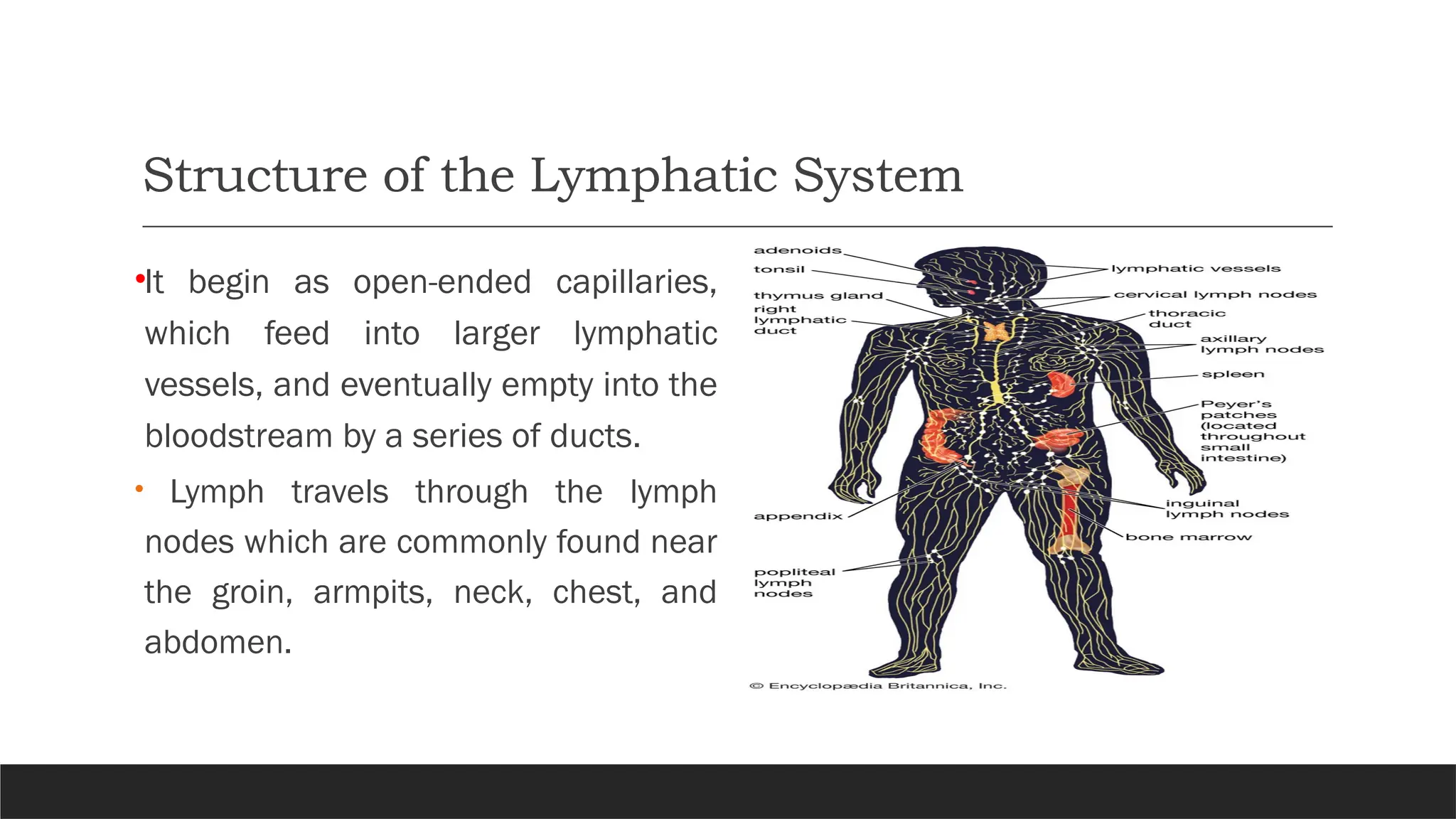
•It begin as open-ended capillaries,
which feed into larger lymphatic
vessels, and eventually empty into the
bloodstream by a series of ducts.
• Lymph travels through the lymph
nodes which are commonly found near
the groin, armpits, neck, chest, and
abdomen.
7.
Lymphatic Capillaries andVessels
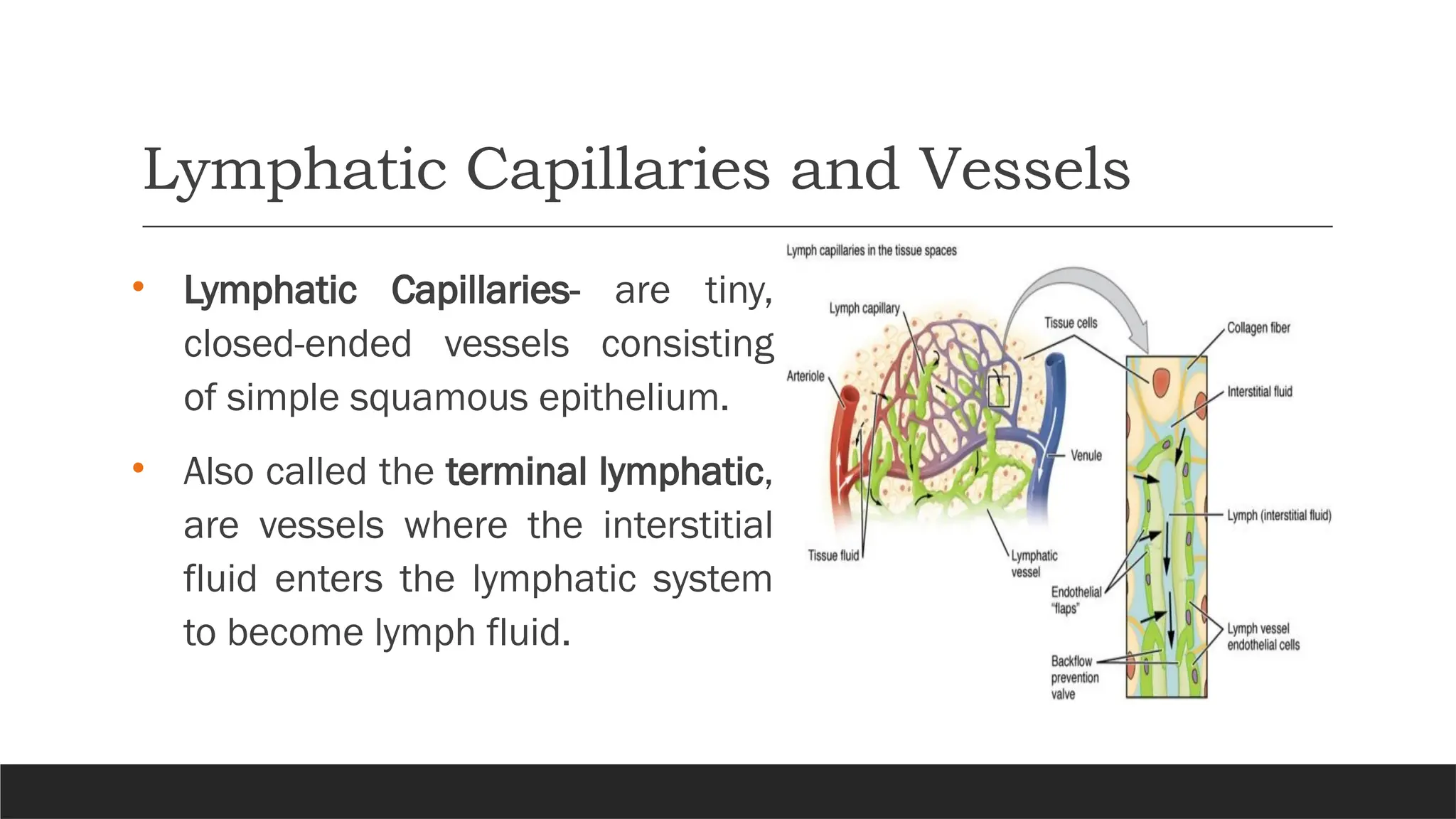
• Lymphatic Capillaries- are tiny,
closed-ended vessels consisting
of simple squamous epithelium.
• Also called the terminal lymphatic,
are vessels where the interstitial
fluid enters the lymphatic system
to become lymph fluid.
8.
Larger Lymphatic Vessels,Trunks, and
Ducts
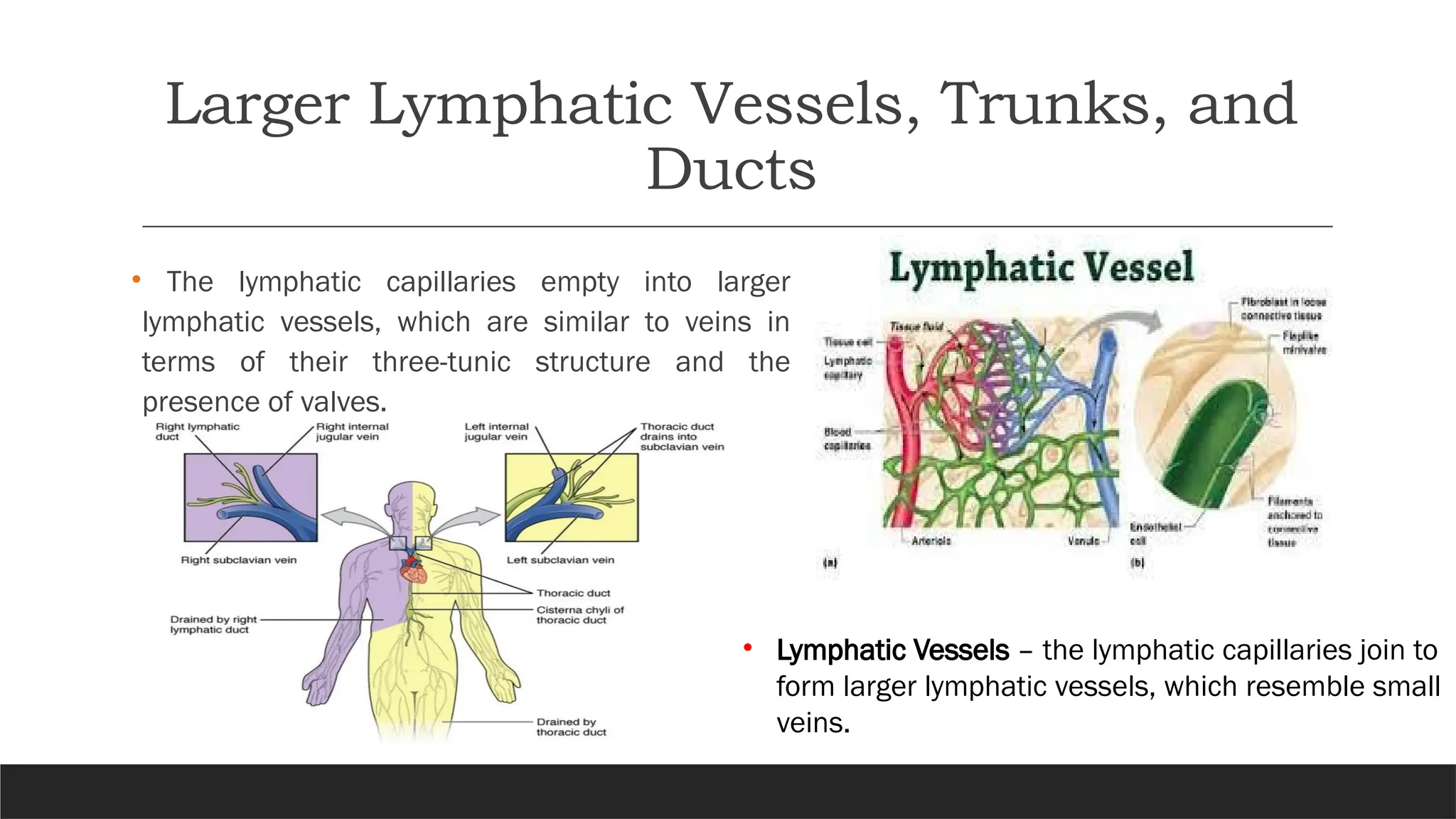
• The lymphatic capillaries empty into larger
lymphatic vessels, which are similar to veins in
terms of their three-tunic structure and the
presence of valves.
• Lymphatic Vessels – the lymphatic capillaries join to
form larger lymphatic vessels, which resemble small
veins.
9.
Larger Lymphatic Vessels,
Trunks,and Ducts
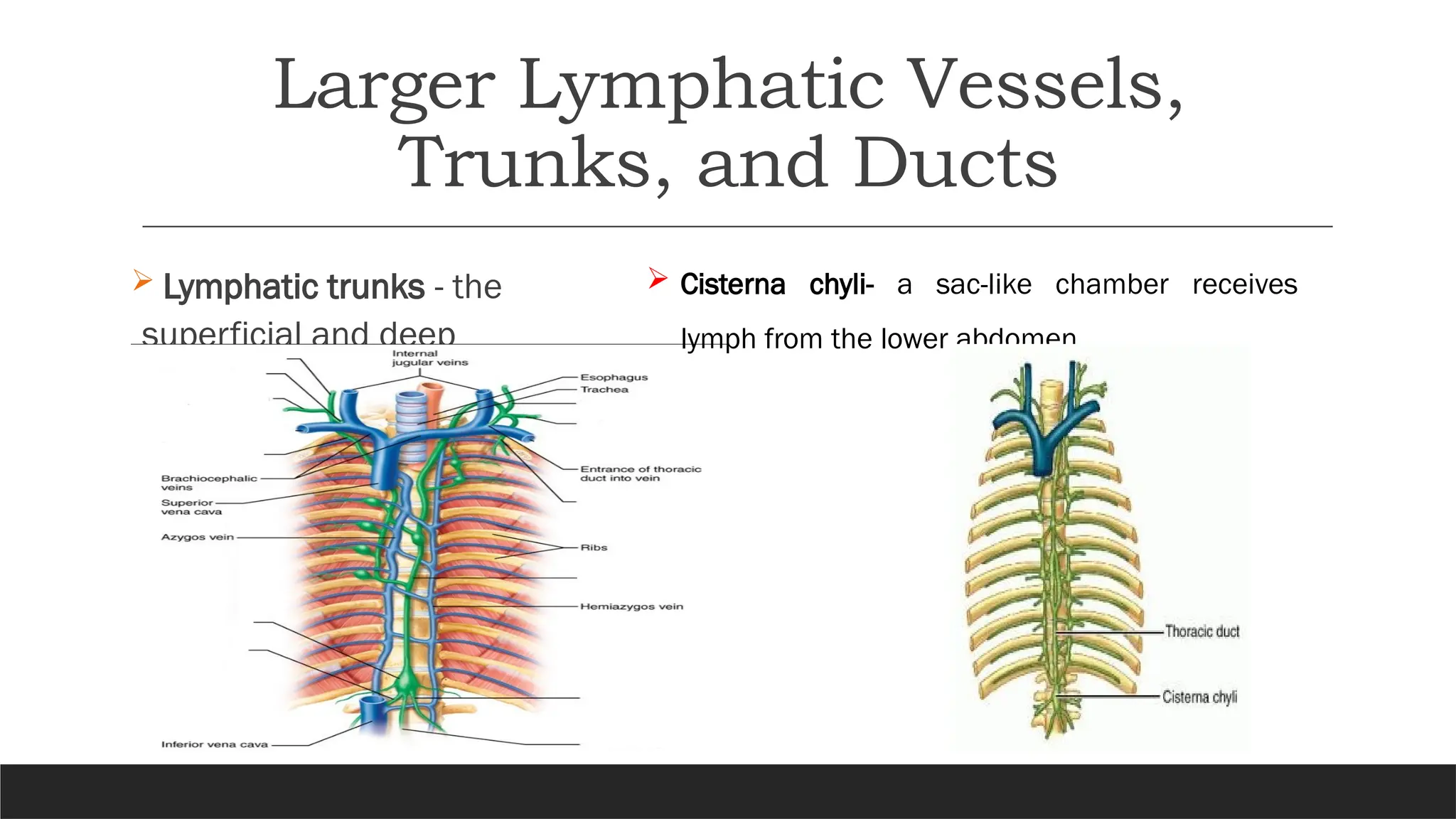
Lymphatic trunks - the
superficial and deep
lymphatic vessels.
Cisterna chyli- a sac-like chamber receives
lymph from the lower abdomen.
10.
Lymphatic Tissue
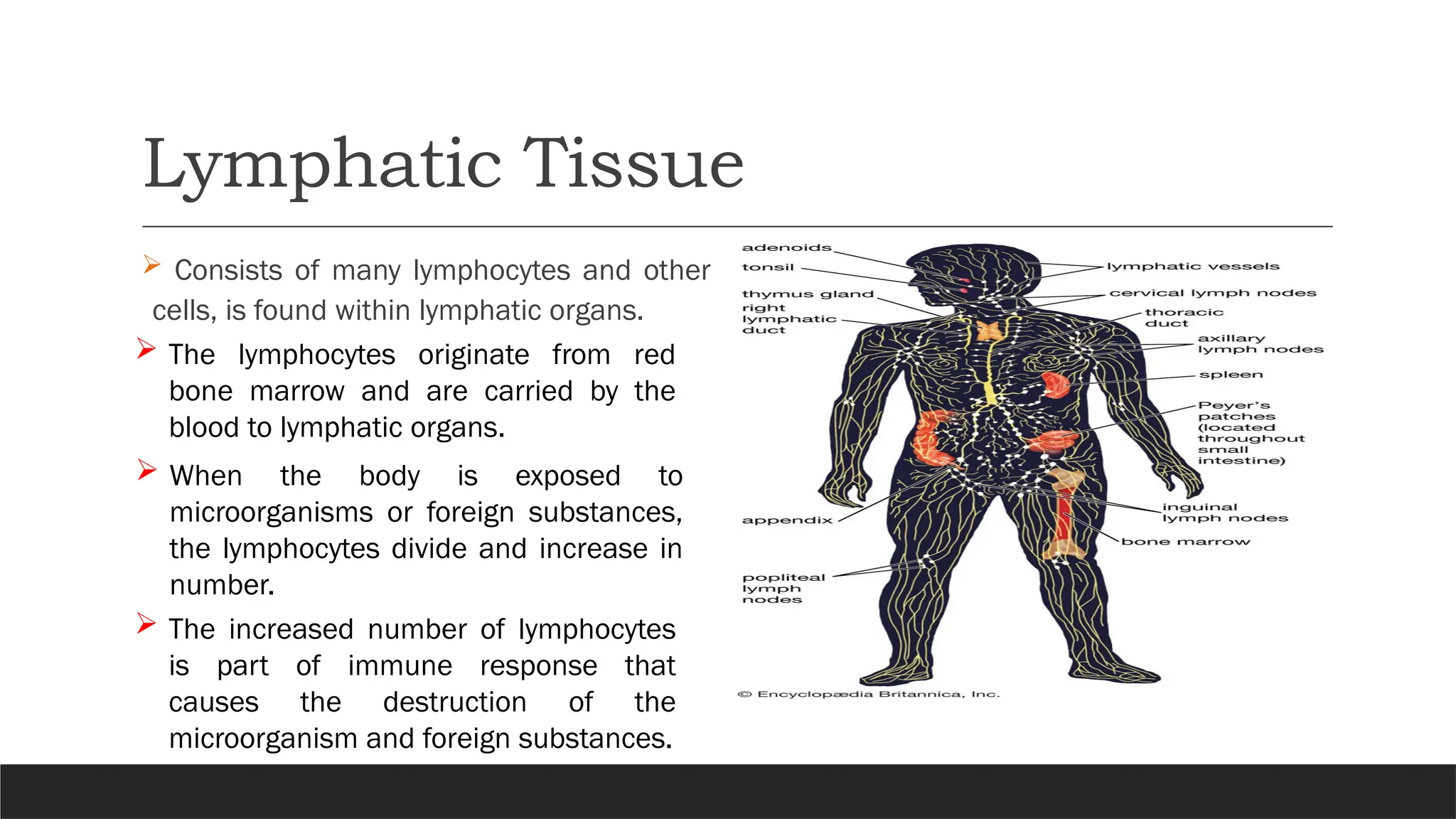
Consistsof many lymphocytes and other
cells, is found within lymphatic organs.
The lymphocytes originate from red
bone marrow and are carried by the
blood to lymphatic organs.
When the body is exposed to
microorganisms or foreign substances,
the lymphocytes divide and increase in
number.
The increased number of lymphocytes
is part of immune response that
causes the destruction of the
microorganism and foreign substances.
11.
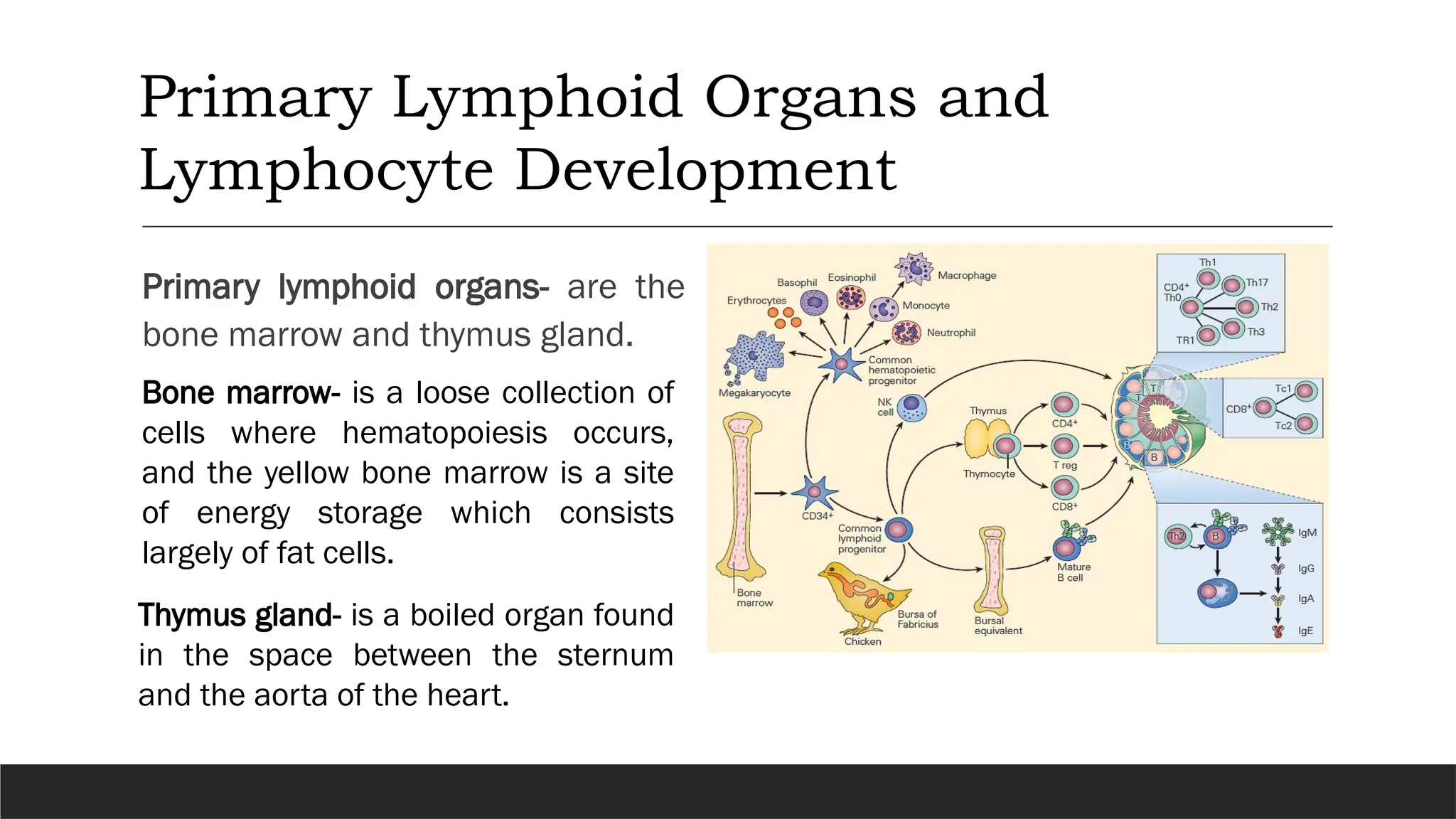
Primary lymphoid organs-are the
bone marrow and thymus gland.
Primary Lymphoid Organs and
Lymphocyte Development
Bone marrow- is a loose collection of
cells where hematopoiesis occurs,
and the yellow bone marrow is a site
of energy storage which consists
largely of fat cells.
Thymus gland- is a boiled organ found
in the space between the sternum
and the aorta of the heart.
12.
TONSILS
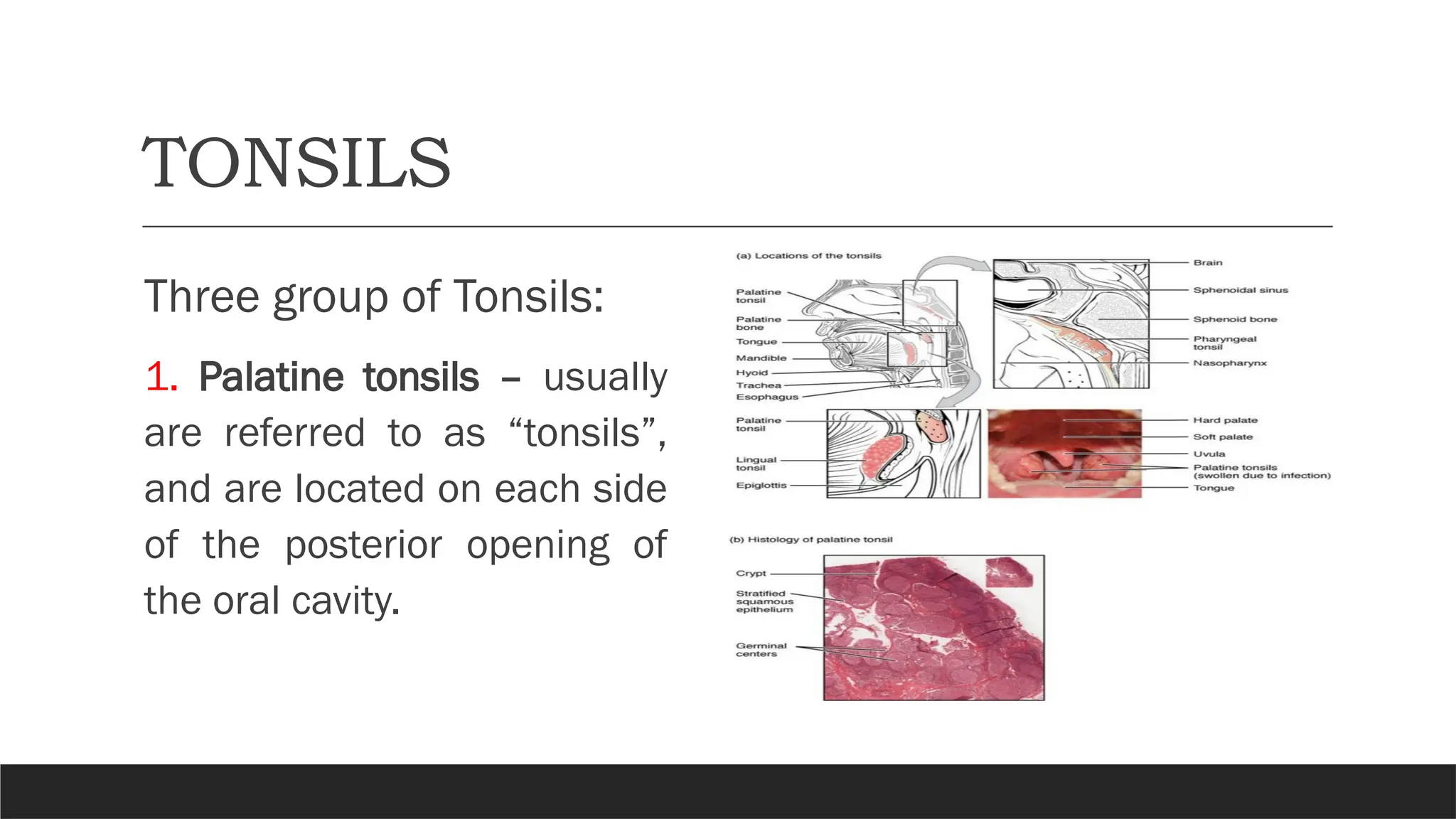
Three group ofTonsils:
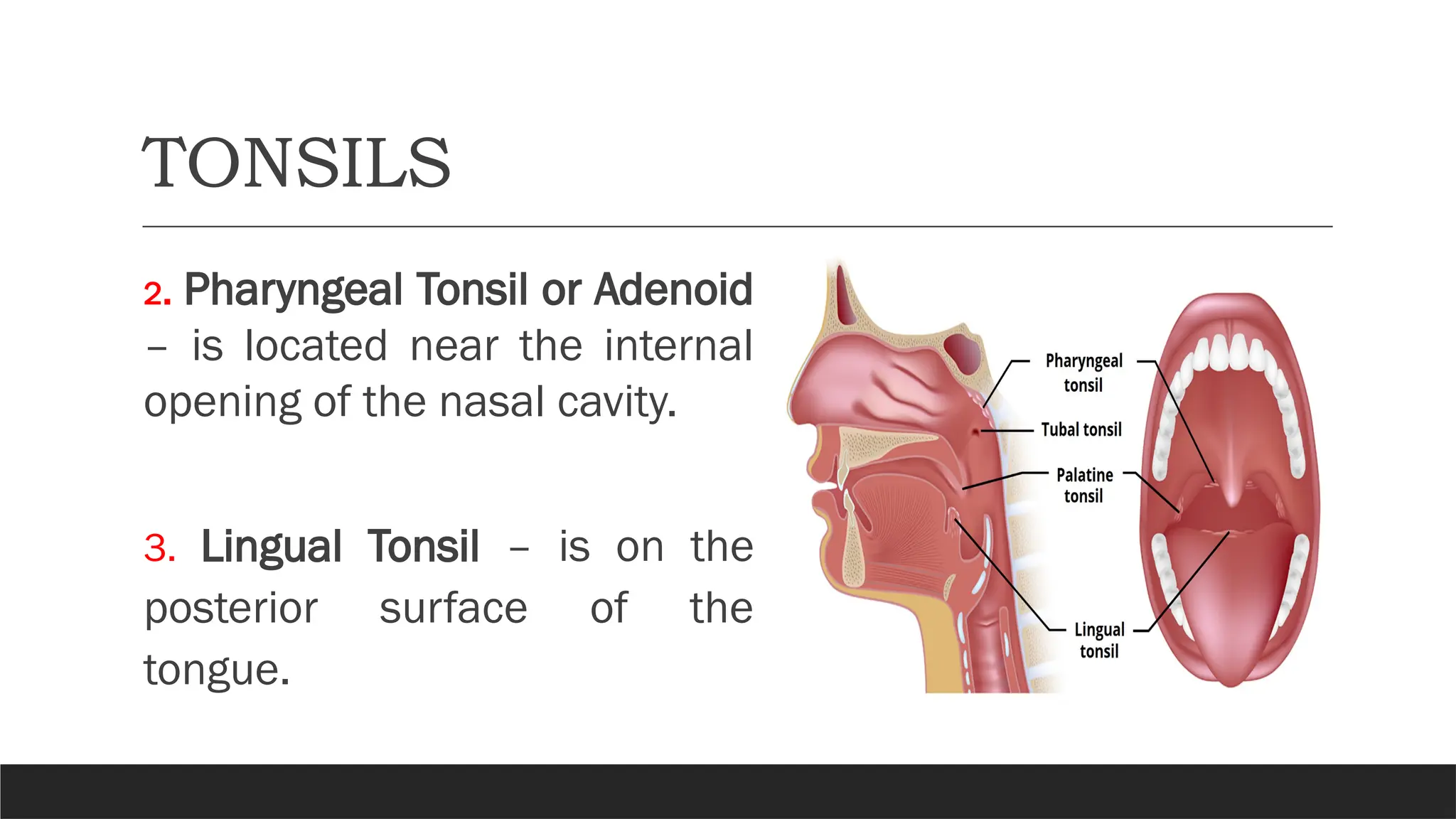
1. Palatine tonsils – usually
are referred to as “tonsils”,
and are located on each side
of the posterior opening of
the oral cavity.
13.
TONSILS
2. Pharyngeal Tonsilor Adenoid
– is located near the internal
opening of the nasal cavity.
3. Lingual Tonsil – is on the
posterior surface of the
tongue.
14.
Lymph Nodes
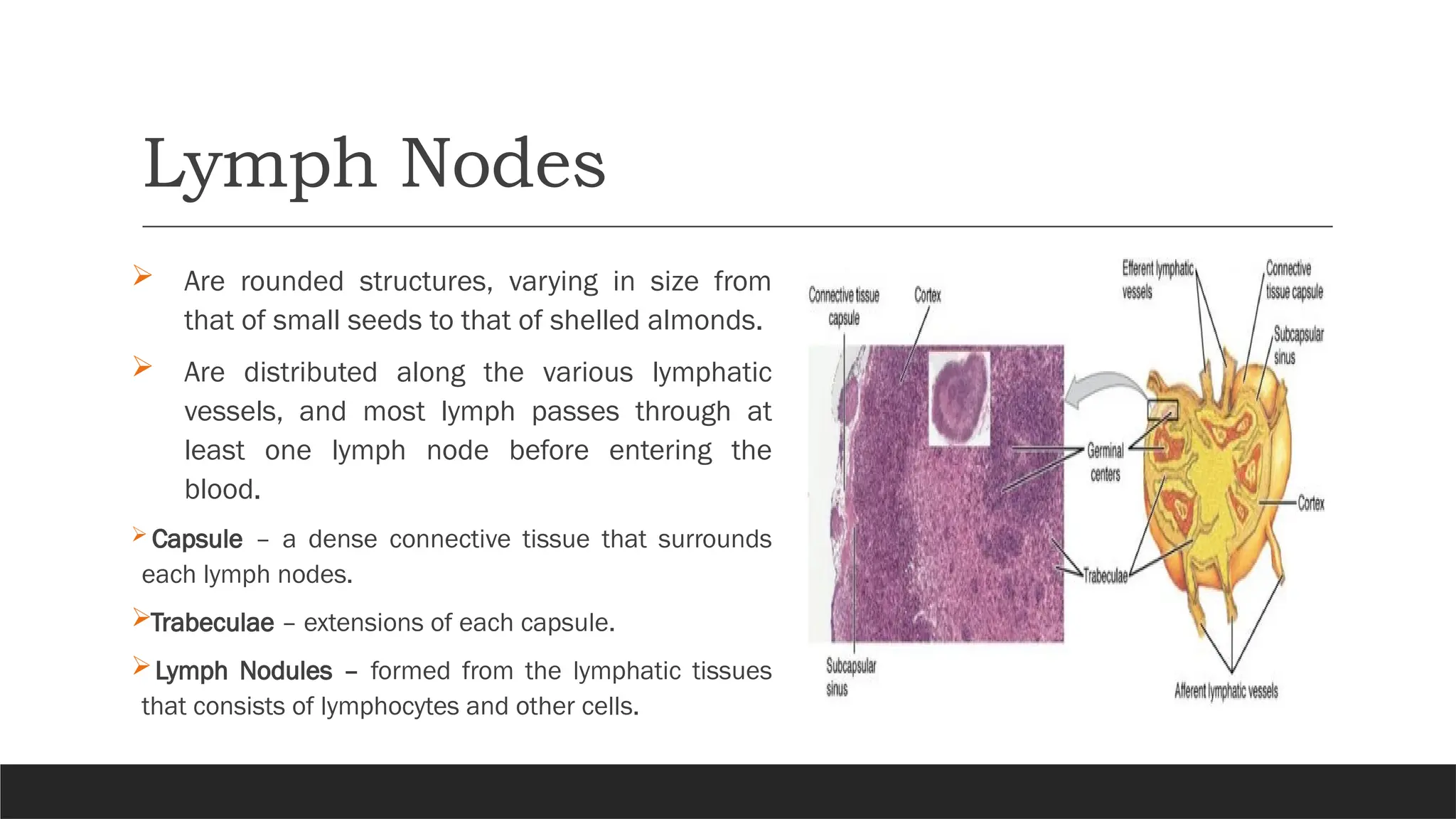
Arerounded structures, varying in size from
that of small seeds to that of shelled almonds.
Are distributed along the various lymphatic
vessels, and most lymph passes through at
least one lymph node before entering the
blood.
Capsule – a dense connective tissue that surrounds
each lymph nodes.
Trabeculae – extensions of each capsule.
Lymph Nodules – formed from the lymphatic tissues
that consists of lymphocytes and other cells.
15.
Lymph Nodes
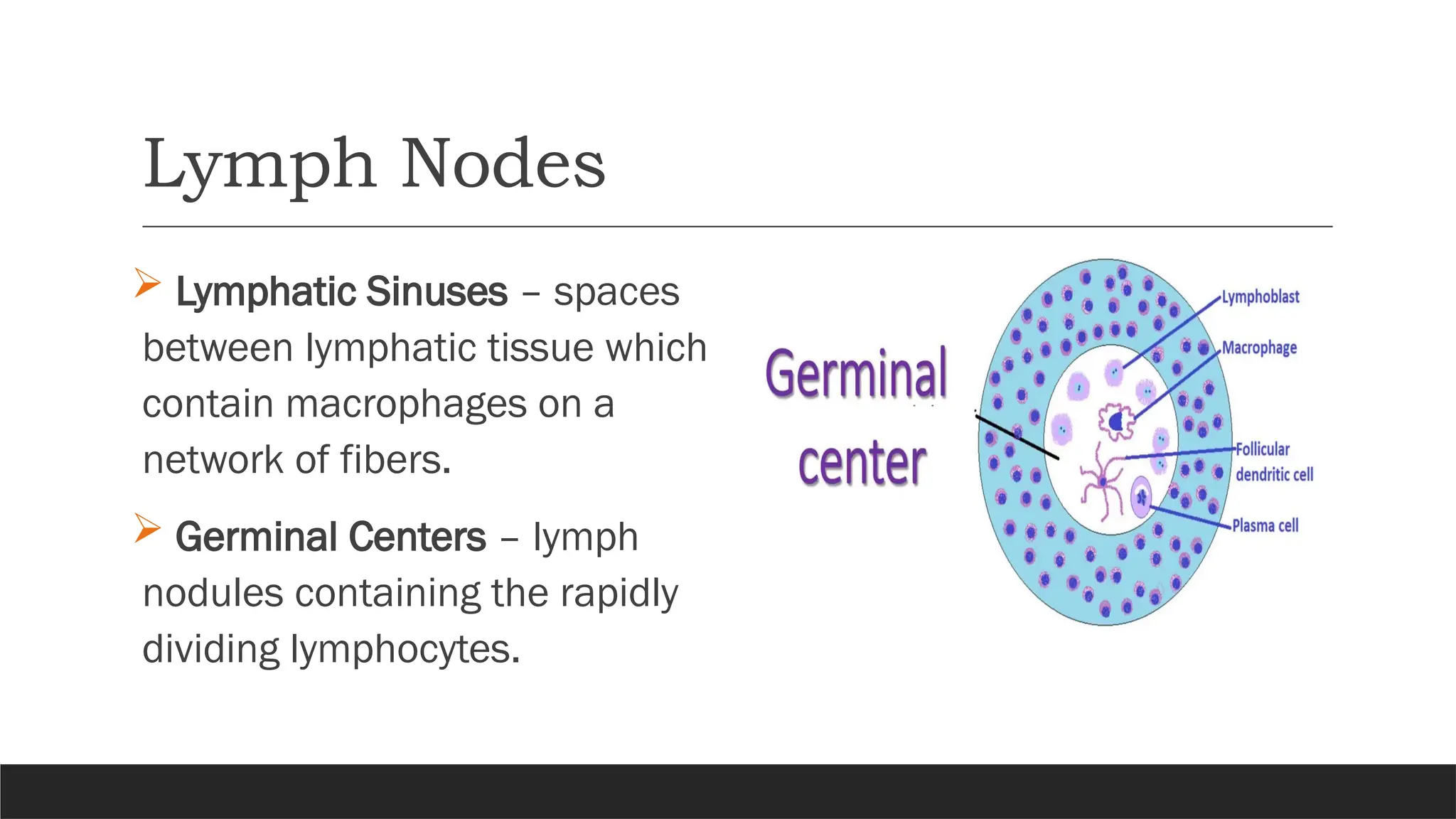
LymphaticSinuses – spaces
between lymphatic tissue which
contain macrophages on a
network of fibers.
Germinal Centers – lymph
nodules containing the rapidly
dividing lymphocytes.
16.
Lymph Nodes
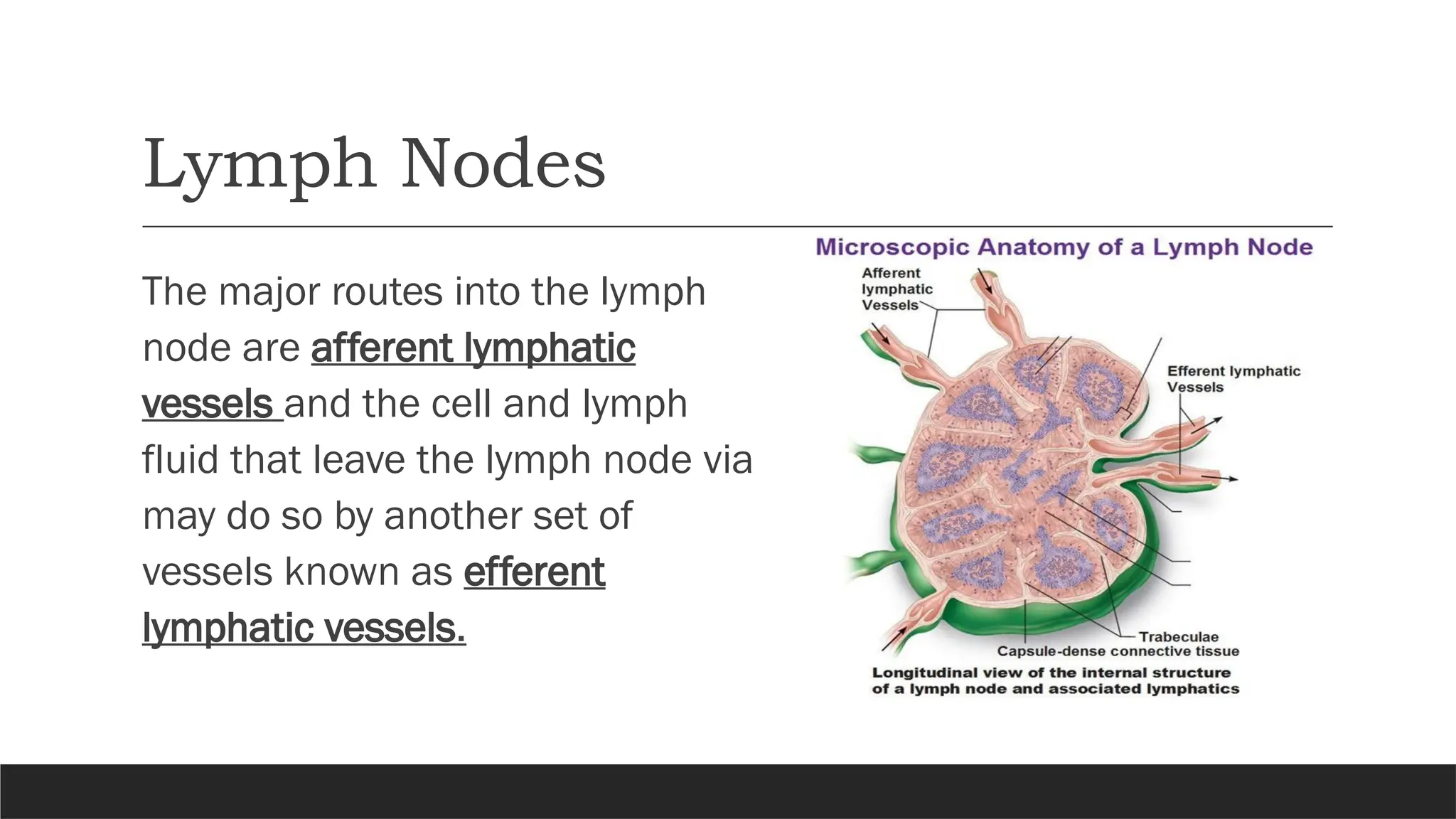
The majorroutes into the lymph
node are afferent lymphatic
vessels and the cell and lymph
fluid that leave the lymph node via
may do so by another set of
vessels known as efferent
lymphatic vessels.
17.
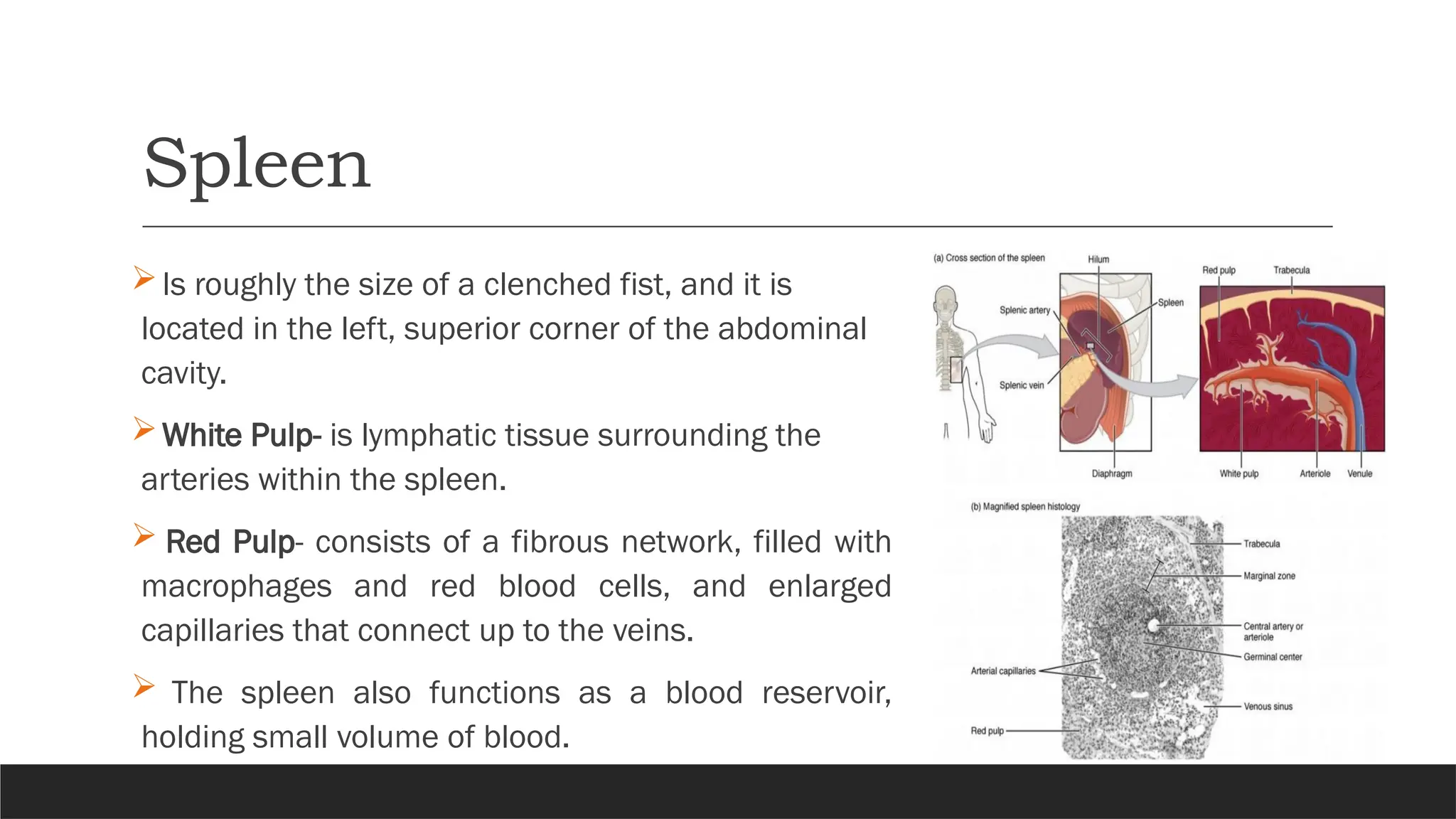
Spleen
Is roughly thesize of a clenched fist, and it is
located in the left, superior corner of the abdominal
cavity.
White Pulp- is lymphatic tissue surrounding the
arteries within the spleen.
Red Pulp- consists of a fibrous network, filled with
macrophages and red blood cells, and enlarged
capillaries that connect up to the veins.
The spleen also functions as a blood reservoir,
holding small volume of blood.
18.
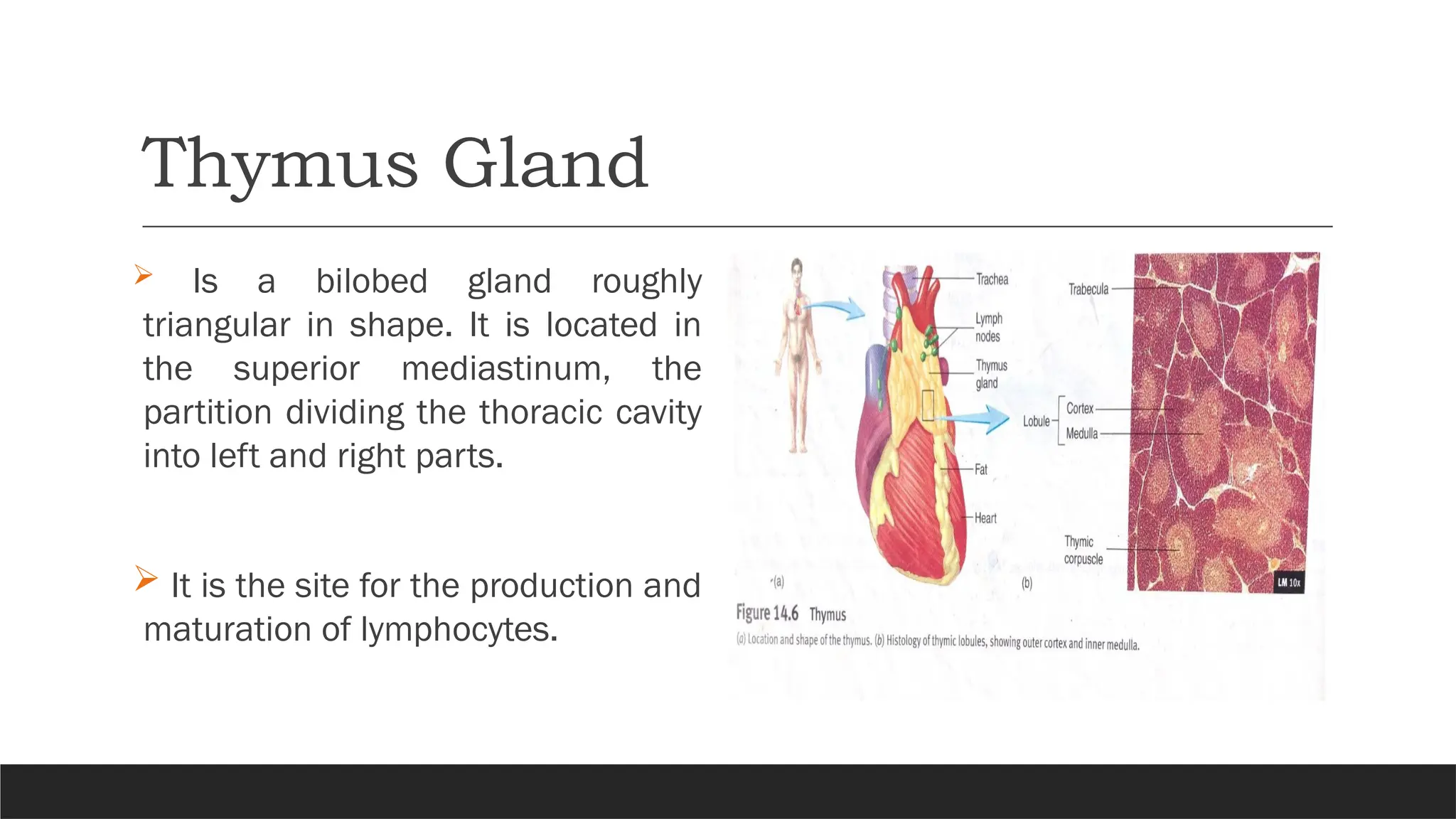
Thymus Gland
Isa bilobed gland roughly
triangular in shape. It is located in
the superior mediastinum, the
partition dividing the thoracic cavity
into left and right parts.
It is the site for the production and
maturation of lymphocytes.
19.
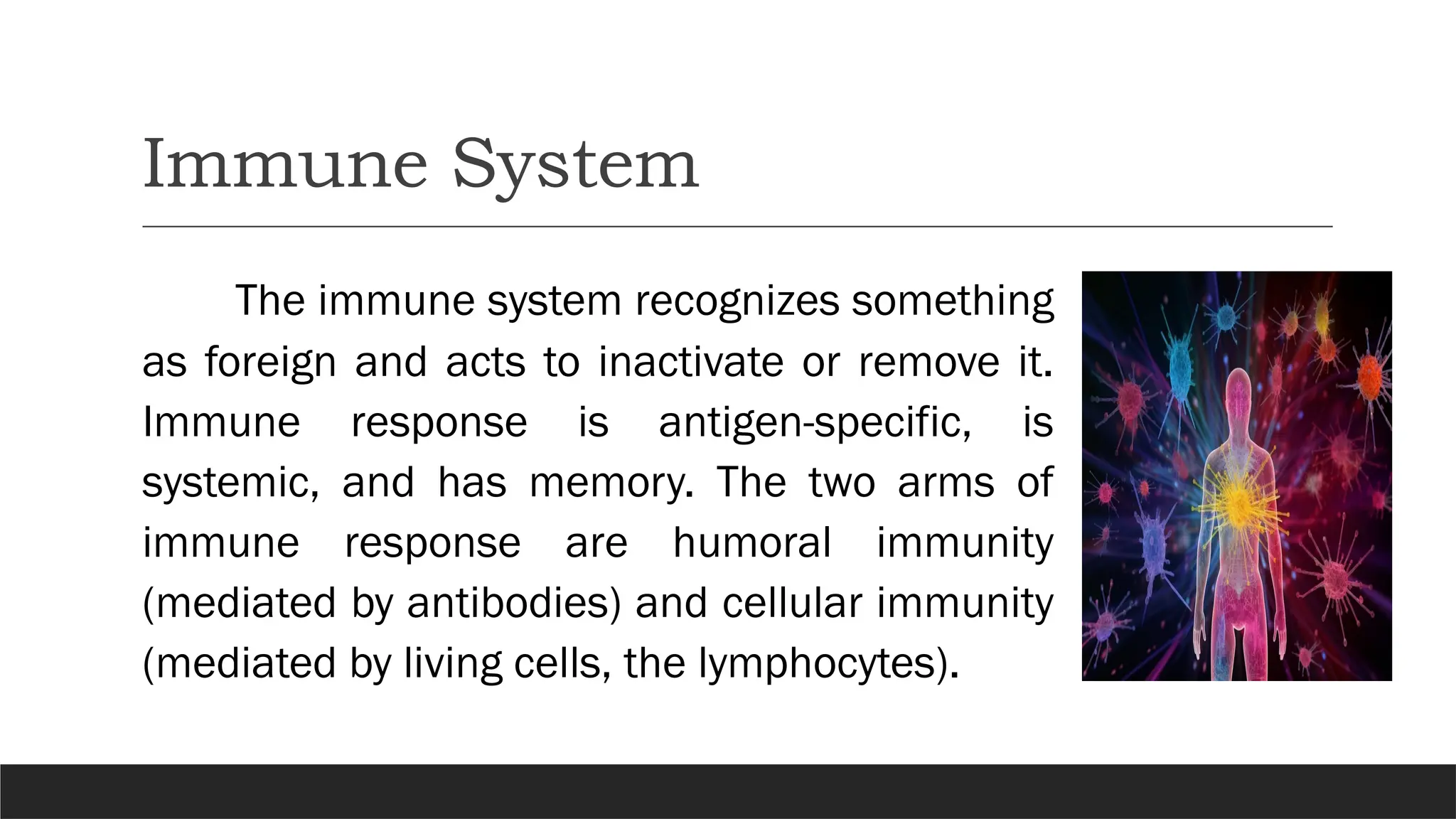
Immune System
The immunesystem recognizes something
as foreign and acts to inactivate or remove it.
Immune response is antigen-specific, is
systemic, and has memory. The two arms of
immune response are humoral immunity
(mediated by antibodies) and cellular immunity
(mediated by living cells, the lymphocytes).
20.
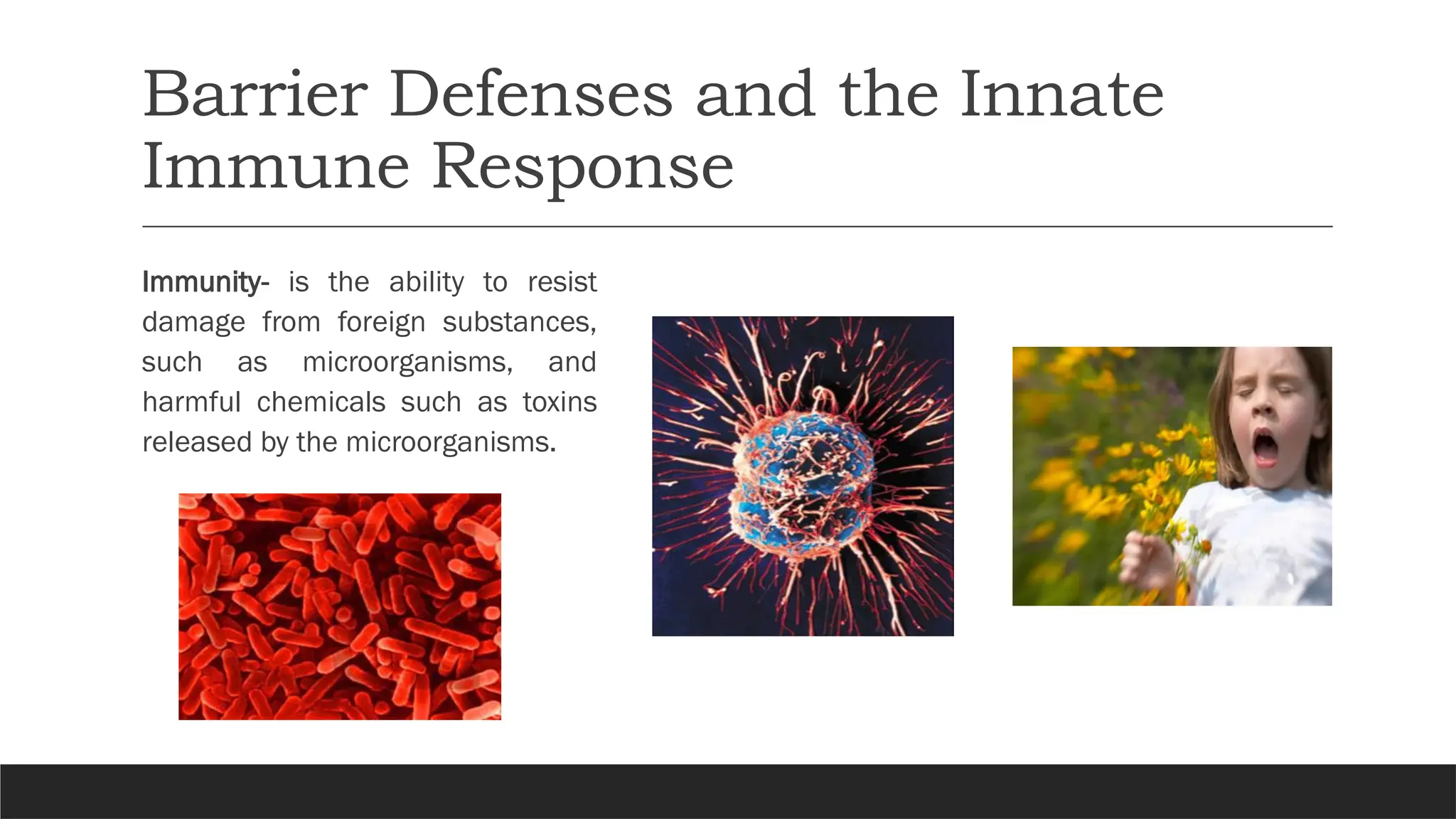
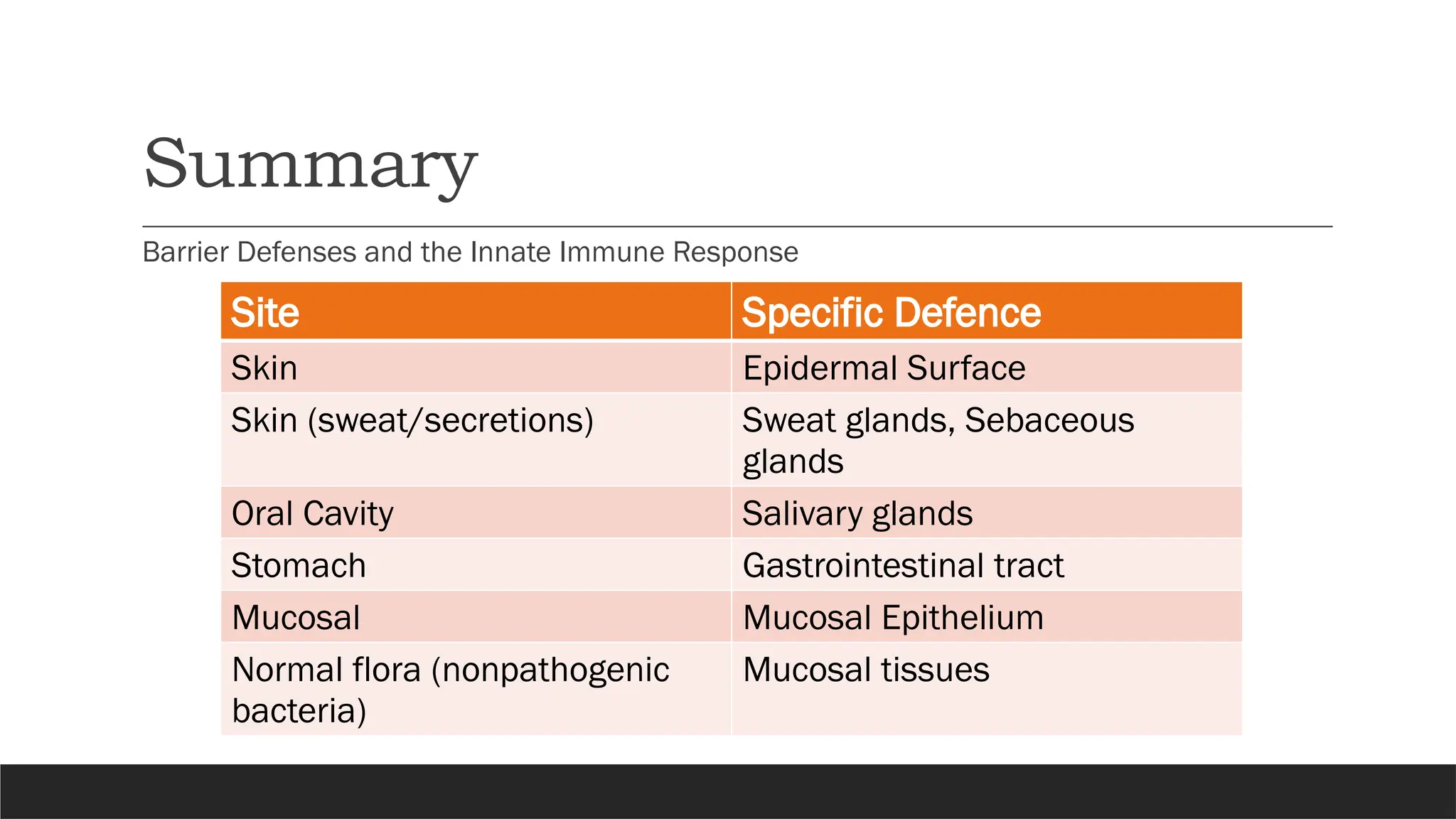
Barrier Defenses andthe Innate
Immune Response
Immunity- is the ability to resist
damage from foreign substances,
such as microorganisms, and
harmful chemicals such as toxins
released by the microorganisms.
21.
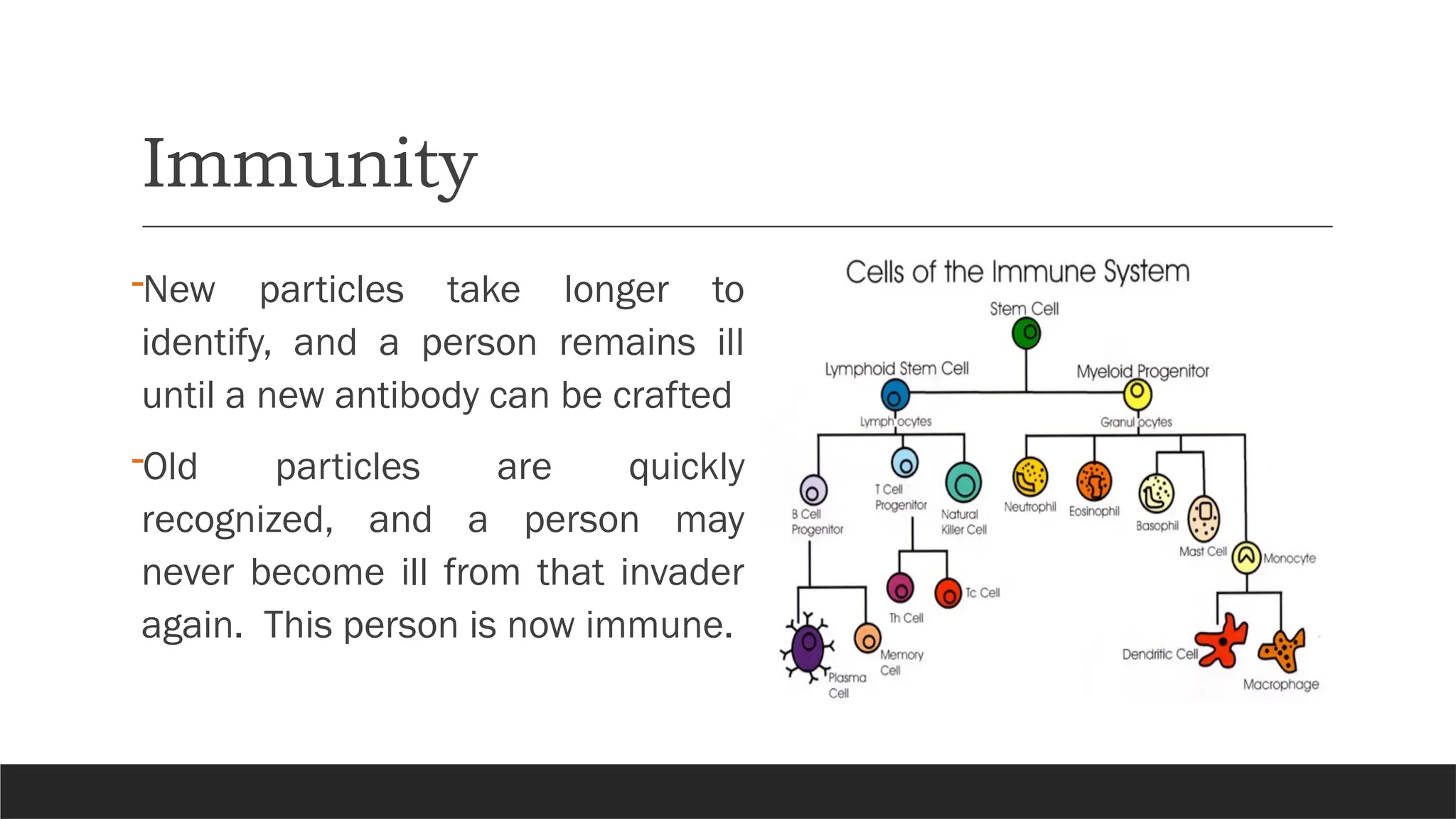
Immunity
-New particles takelonger to
identify, and a person remains ill
until a new antibody can be crafted
-Old particles are quickly
recognized, and a person may
never become ill from that invader
again. This person is now immune.
22.
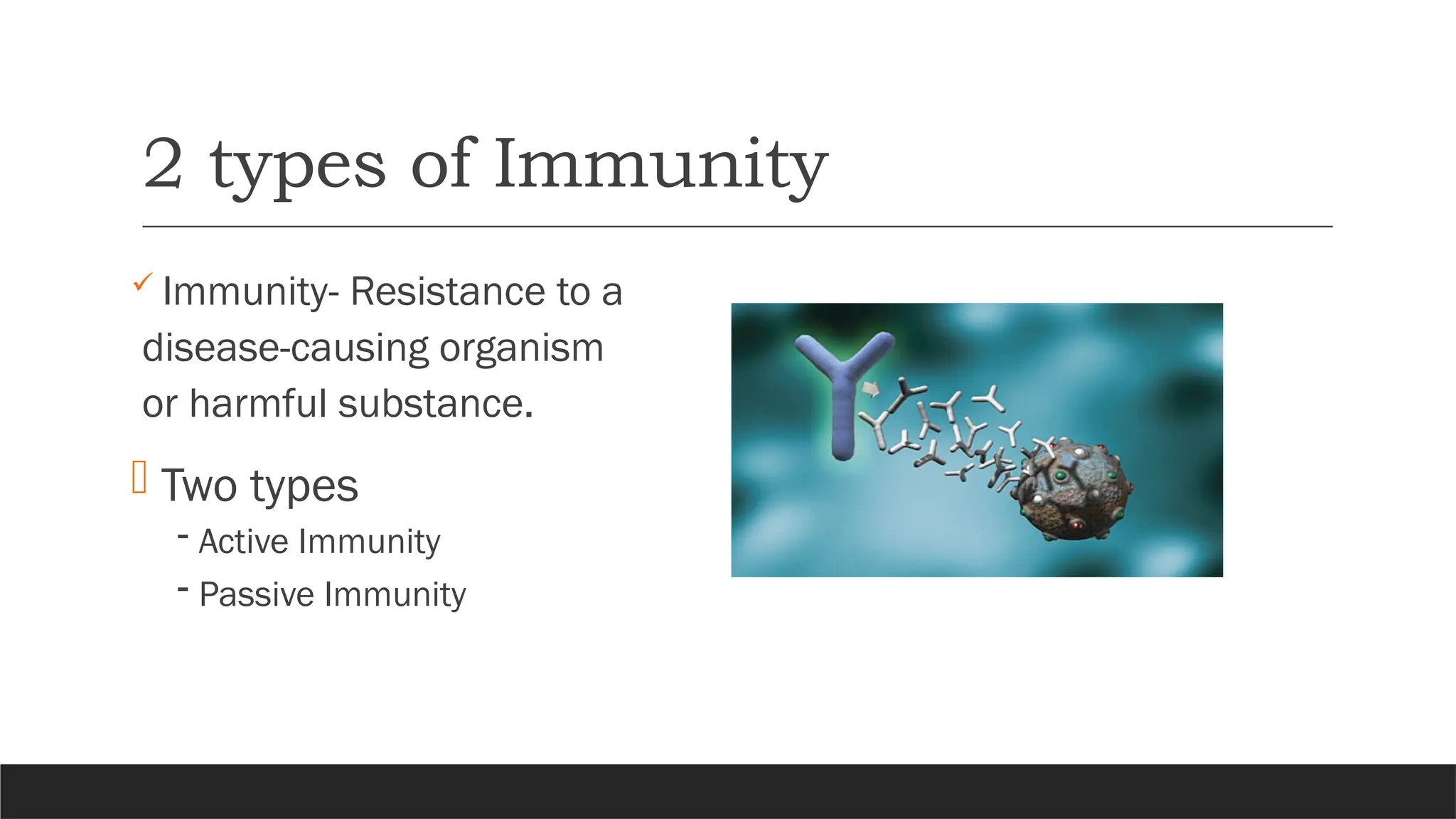
2 types ofImmunity
Immunity- Resistance to a
disease-causing organism
or harmful substance.
- Two types
- Active Immunity
- Passive Immunity
23.
Active Immunity
Your bodyhas been exposed to the antigen in the past either
through:
- Exposure to the actual disease causing antigen – You fought it,
you won, you remember it
- Planned exposure to a form of the antigen that has been killed
or weakened – You detected it, eliminated it, and remember it
24.
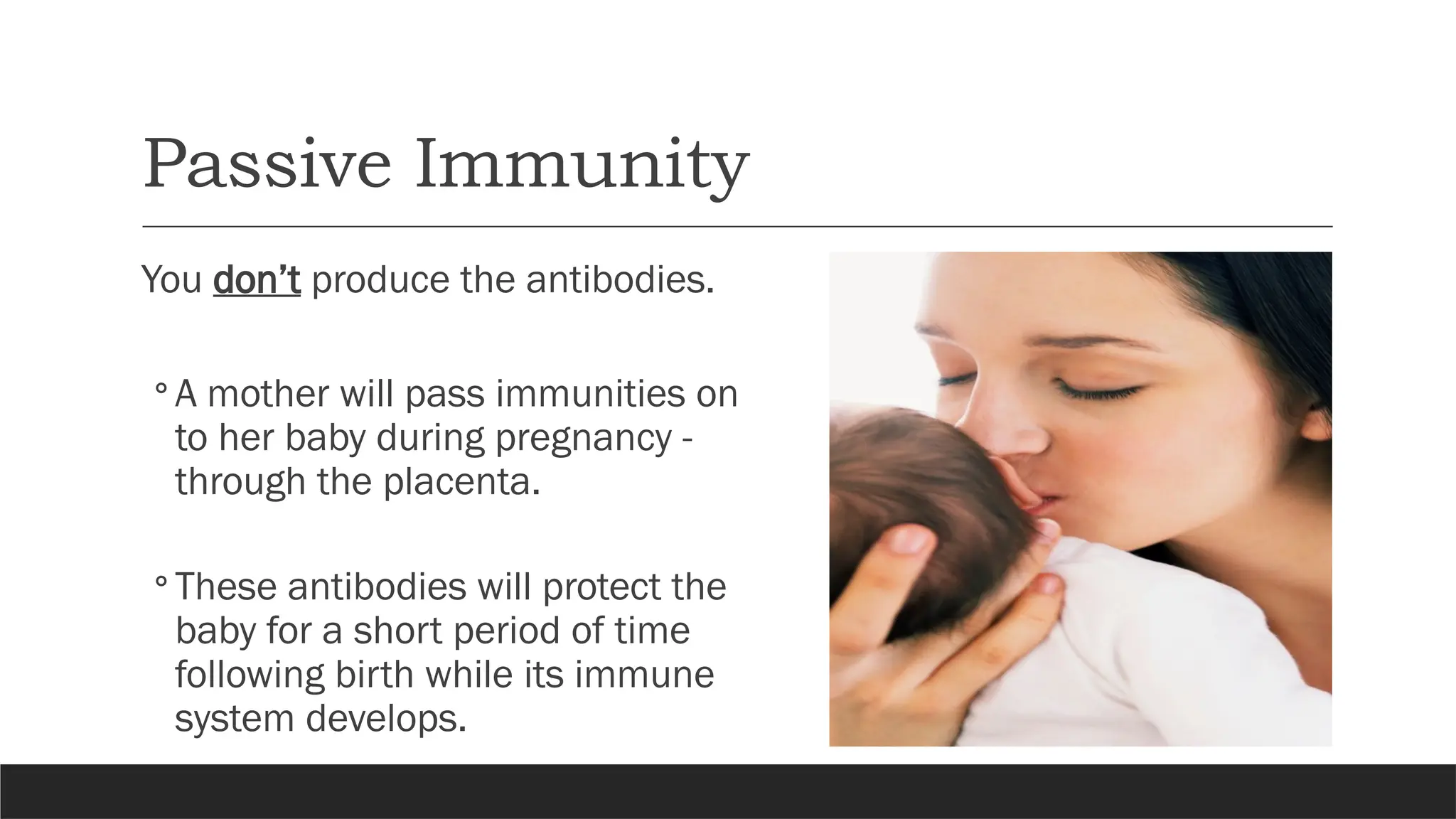
Passive Immunity
You don’tproduce the antibodies.
◦ A mother will pass immunities on
to her baby during pregnancy -
through the placenta.
◦ These antibodies will protect the
baby for a short period of time
following birth while its immune
system develops.
25.
Categories of Immunity
1.Innate Immunity – the body recognizes and destroys
foreign substances, but the response to them is same
each time the body is exposed to them.
2. Adaptive Immunity – the body recognizes and destroys
foreign substances, but the response to them
improves each time the foreign substances is
encountered.
26.
Innate Immunity
1. MechanicalMechanisms: prevents the entry of
microorganisms and chemicals into the body in:
a. The skin and mucous membranes form barriers that
prevent their entry.
b. Tears, saliva, and urine act to wash them from the
surfaces of the body.
27.
Innate Immunity
2. ChemicalMediators – are molecules responsible for
many aspects of innate immunity. Examples:
a. Lysozyme in tears and saliva kills certain bacteria.
b. Histamine, Complement, Prostaglandins, Leukotrienes –
stimulates phagocytosis.
c. Interferons – protect cells against viral infections.
28.
Innate Immunity
3. Cells
•Are the most important cellular components of immunity. They are produced
in the bone marrow and lymphatic tissue and then released into the blood.
• If invaders actually get within the body, then your white blood cells (WBCs)
begin their attack
• WBCs normally circulate throughout the blood, but will enter the body’s
tissues if invaders are detected
29.
Innate Immunity
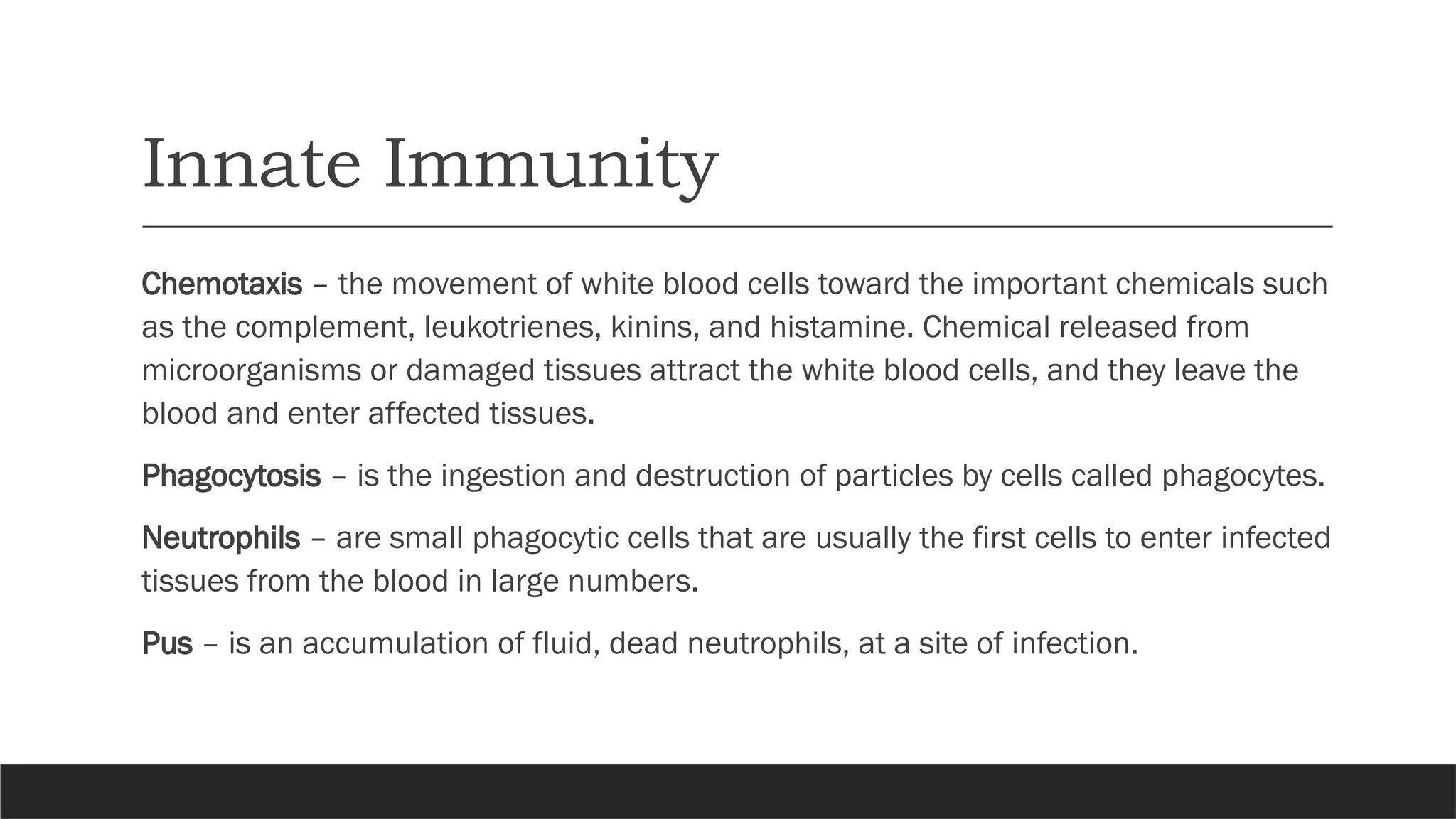
Chemotaxis –the movement of white blood cells toward the important chemicals such
as the complement, leukotrienes, kinins, and histamine. Chemical released from
microorganisms or damaged tissues attract the white blood cells, and they leave the
blood and enter affected tissues.
Phagocytosis – is the ingestion and destruction of particles by cells called phagocytes.
Neutrophils – are small phagocytic cells that are usually the first cells to enter infected
tissues from the blood in large numbers.
Pus – is an accumulation of fluid, dead neutrophils, at a site of infection.
30.
Innate Immunity
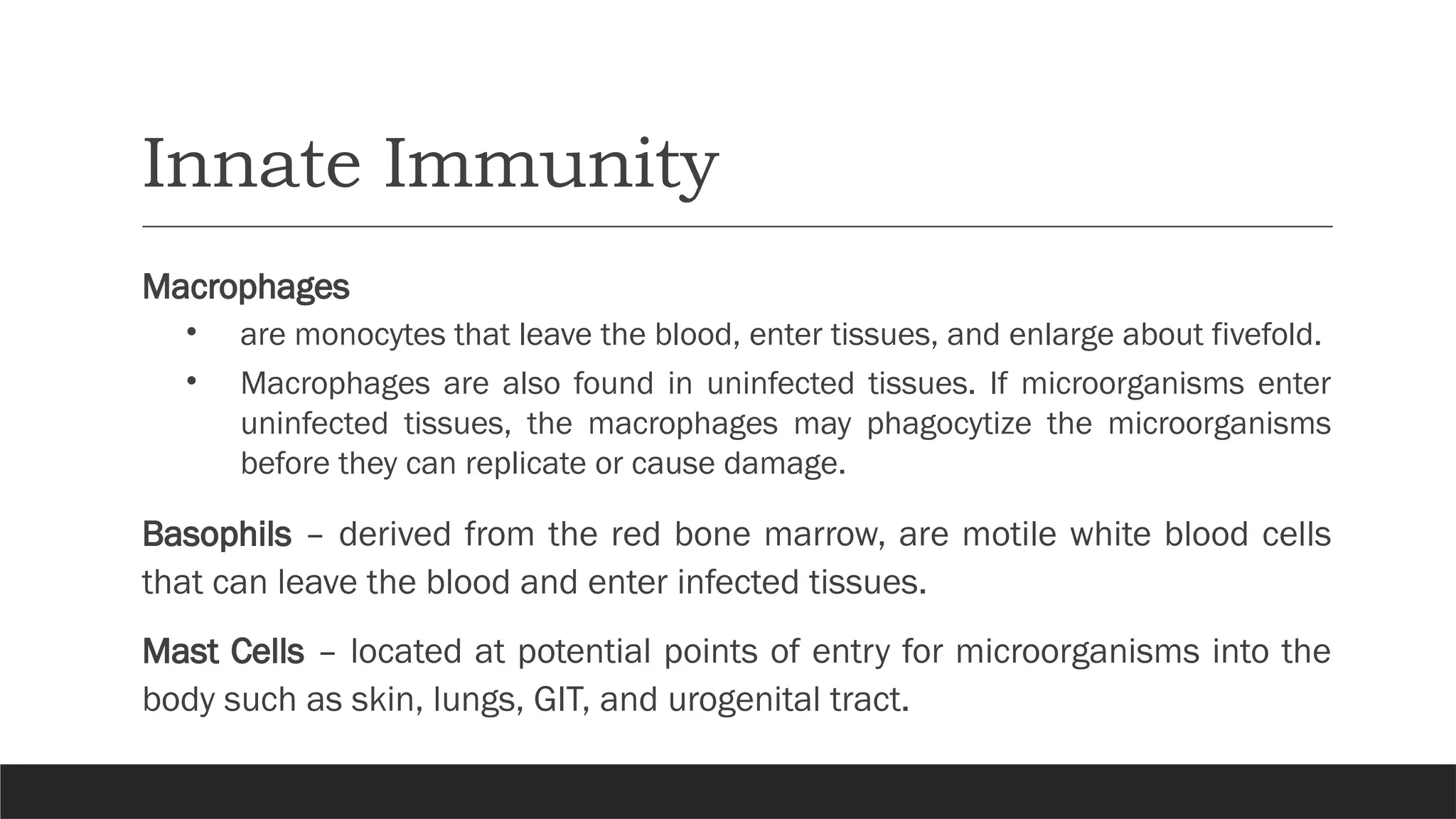
Macrophages
• aremonocytes that leave the blood, enter tissues, and enlarge about fivefold.
• Macrophages are also found in uninfected tissues. If microorganisms enter
uninfected tissues, the macrophages may phagocytize the microorganisms
before they can replicate or cause damage.
Basophils – derived from the red bone marrow, are motile white blood cells
that can leave the blood and enter infected tissues.
Mast Cells – located at potential points of entry for microorganisms into the
body such as skin, lungs, GIT, and urogenital tract.
31.
Innate Immunity
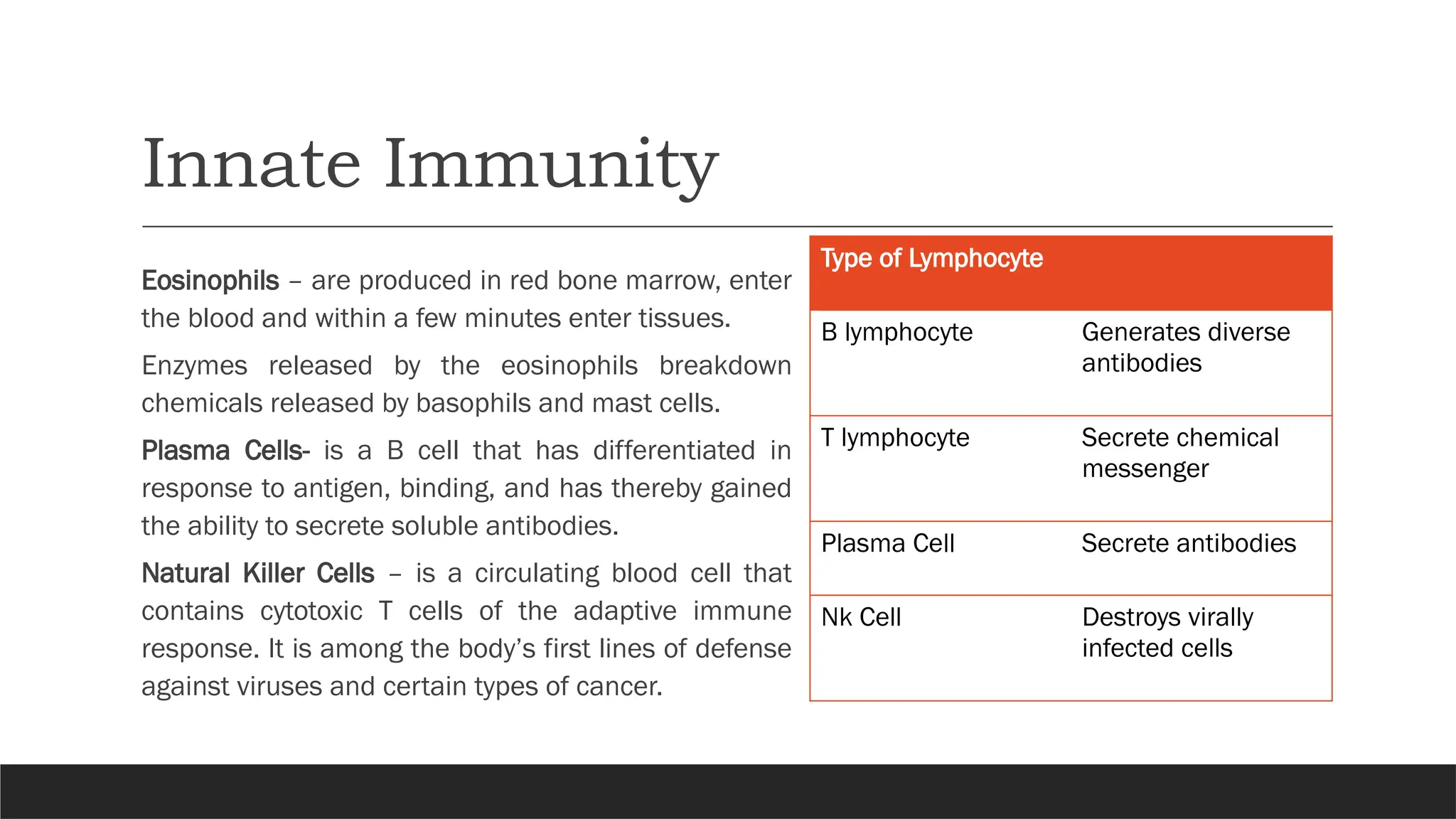
Eosinophils –are produced in red bone marrow, enter
the blood and within a few minutes enter tissues.
Enzymes released by the eosinophils breakdown
chemicals released by basophils and mast cells.
Plasma Cells- is a B cell that has differentiated in
response to antigen, binding, and has thereby gained
the ability to secrete soluble antibodies.
Natural Killer Cells – is a circulating blood cell that
contains cytotoxic T cells of the adaptive immune
response. It is among the body’s first lines of defense
against viruses and certain types of cancer.
Type of Lymphocyte
B lymphocyte Generates diverse
antibodies
T lymphocyte Secrete chemical
messenger
Plasma Cell Secrete antibodies
Nk Cell Destroys virally
infected cells
32.
Innate Immunity
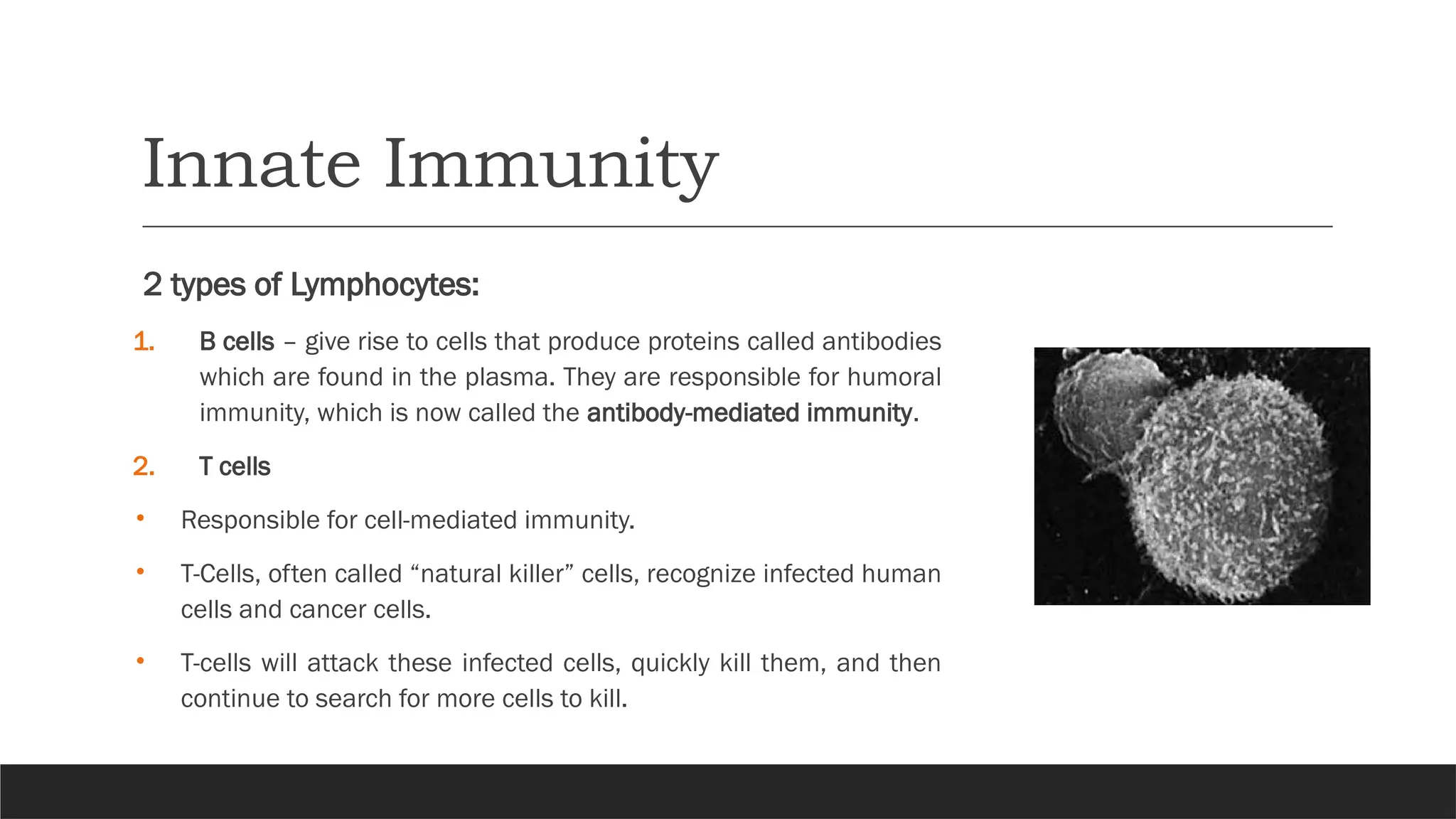
2 typesof Lymphocytes:
1. B cells – give rise to cells that produce proteins called antibodies
which are found in the plasma. They are responsible for humoral
immunity, which is now called the antibody-mediated immunity.
2. T cells
• Responsible for cell-mediated immunity.
• T-Cells, often called “natural killer” cells, recognize infected human
cells and cancer cells.
• T-cells will attack these infected cells, quickly kill them, and then
continue to search for more cells to kill.
33.
Innate Immunity
Cytotoxic Tcells - produces the effects of cell-mediated
immunity and helper T cells can promote or inhibit the activities
of both antibody-mediated immunity and cell-mediated
immunity.
Major histocompatibility complex (MHC) molecules – are
glycoproteins and they have binding sites for antigens. Different
MHC molecules have different binding sites, that is, they are
specific for certain antigens.
34.
Adaptive Immunity
Antigens –substances that stimulate adaptive immune
responses. Two groups are:
1. Foreign Antigens – are produced outside of the body
(bacteria and viruses).
2. Self Antigens- are produced by the person’s body that
stimulate an immune system response.
Adaptive immune system response to antigens was
historically divided into:
1. Humoral Immunity
2. Cell-mediated Immunity
Humoral Immunity – when
plasma from an immune animal
was injected into the blood of
nonimmune animal, the
nonimmune animal became
immune. This process involves
human fluids (humors).
Cell Mediated Immunity – the
blood cells alone could be
responsible for immunity.
35.
Antibodies
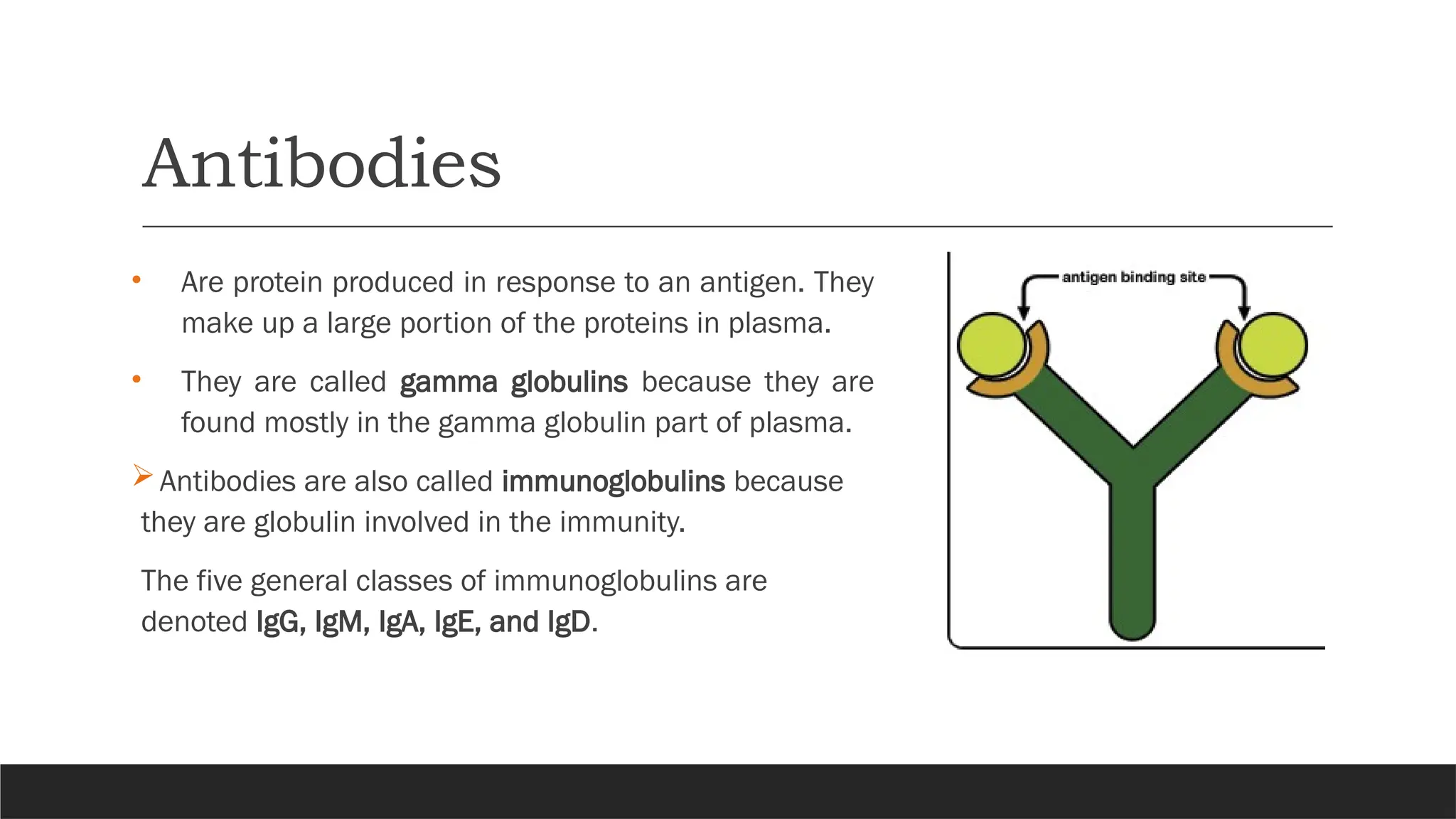
• Are proteinproduced in response to an antigen. They
make up a large portion of the proteins in plasma.
• They are called gamma globulins because they are
found mostly in the gamma globulin part of plasma.
Antibodies are also called immunoglobulins because
they are globulin involved in the immunity.
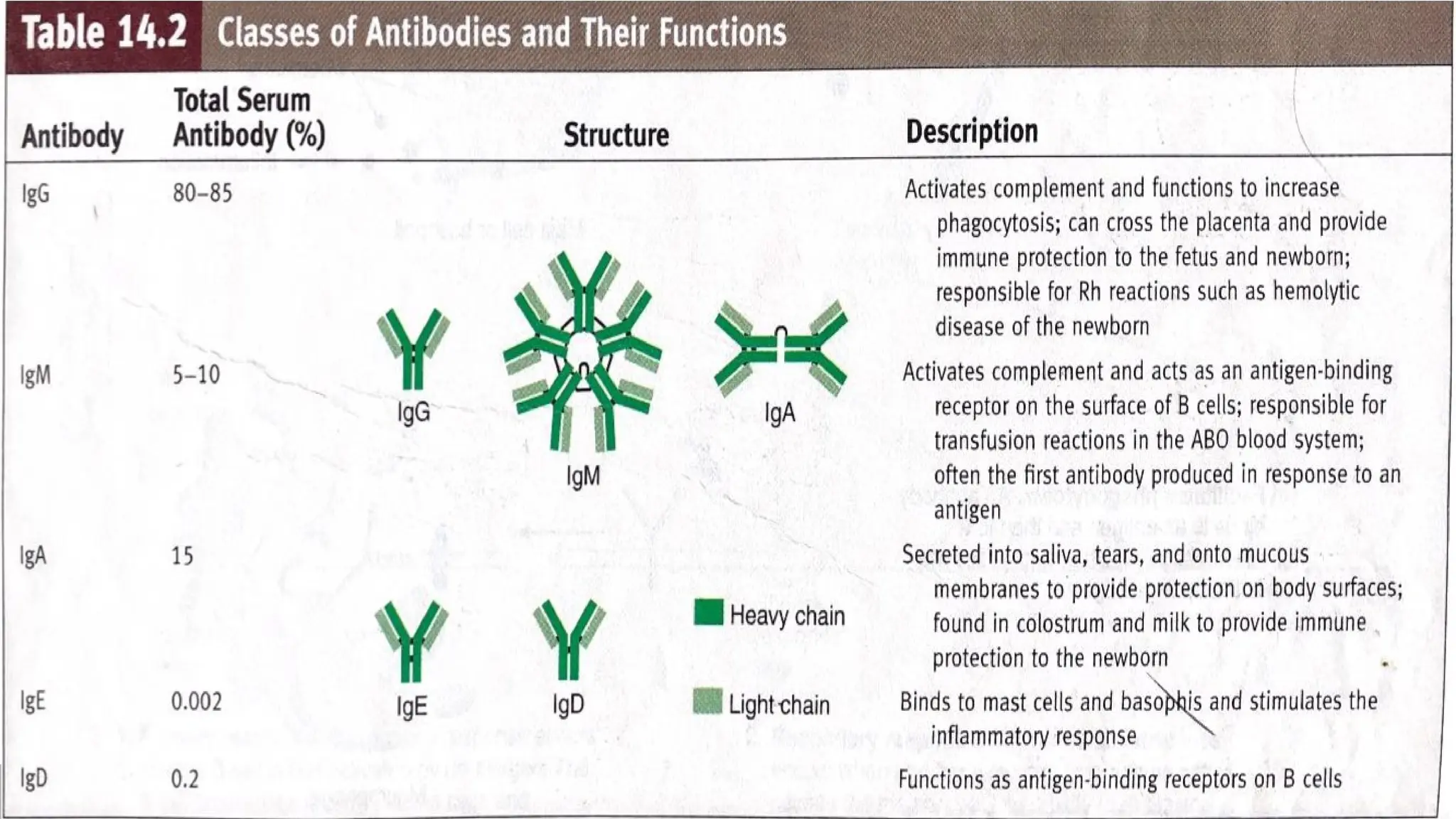
The five general classes of immunoglobulins are
denoted IgG, IgM, IgA, IgE, and IgD.
37.
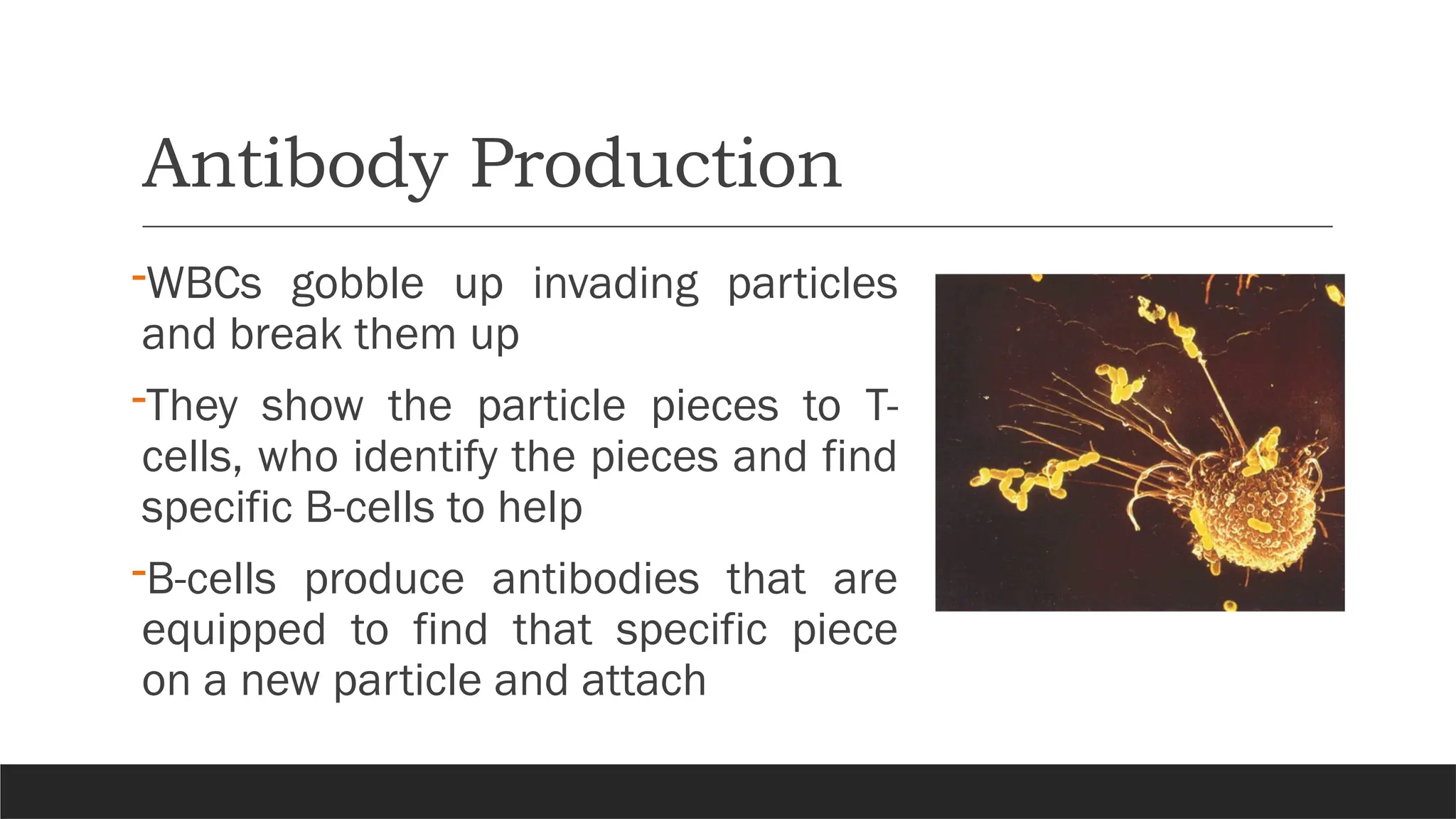
Antibody Production
-WBCs gobbleup invading particles
and break them up
-They show the particle pieces to T-
cells, who identify the pieces and find
specific B-cells to help
-B-cells produce antibodies that are
equipped to find that specific piece
on a new particle and attach
38.
Diseases Associated withDepressed
or Overactive Immune System
1. Allergy/Hypersensitive Reaction – is a harmful
response to an antigen that does not stimulate an
adaptive immune response in most people.
Allergen – the antigen. The processes that eliminate
the allergen produces undesirable effects such as
strong inflammatory reactions.
39.
Diseases Associated withDepressed
or Overactive Immune System
2. Autoimmune Disease – the immune system
incorrectly treats self-antigens as foreign
substances. Examples are: Thrombocytopenia,
lupus erythematous, rheumatoid arthritis,
rheumatic fever, diabetes mellitus type 1, and
myasthenia gravis.
40.
Diseases Associated withDepressed
or Overactive Immune System
3. Immunodeficiency – is a failure of some part of the
immune system to function properly. It can be
congenital (present at birth) or acquired.
Examples:
Congenital – Severe combined immunodeficiency (SCID)
Acquired – AIDS, HIV
41.
Diseases Associated withDepressed
or Overactive Immune System
4. Opportunistic Infections – involves organisms that
normally do not cause disease but can do so when
adaptive resistance is suppressed. Examples:
pneumonia, tuberculosis, syphilis, candidiasis.
5. Protease Inhibitors – are drugs that interfere with
viral proteases. Examples are: ritonavir and indinaver.
42.
Cancer Immunology
The immunesystem detects tumor cells
and destroys them before a tumor can form.
T cells, NK cells, and macrophages are
involved in the destruction of tumor cells.
43.
Vaccine
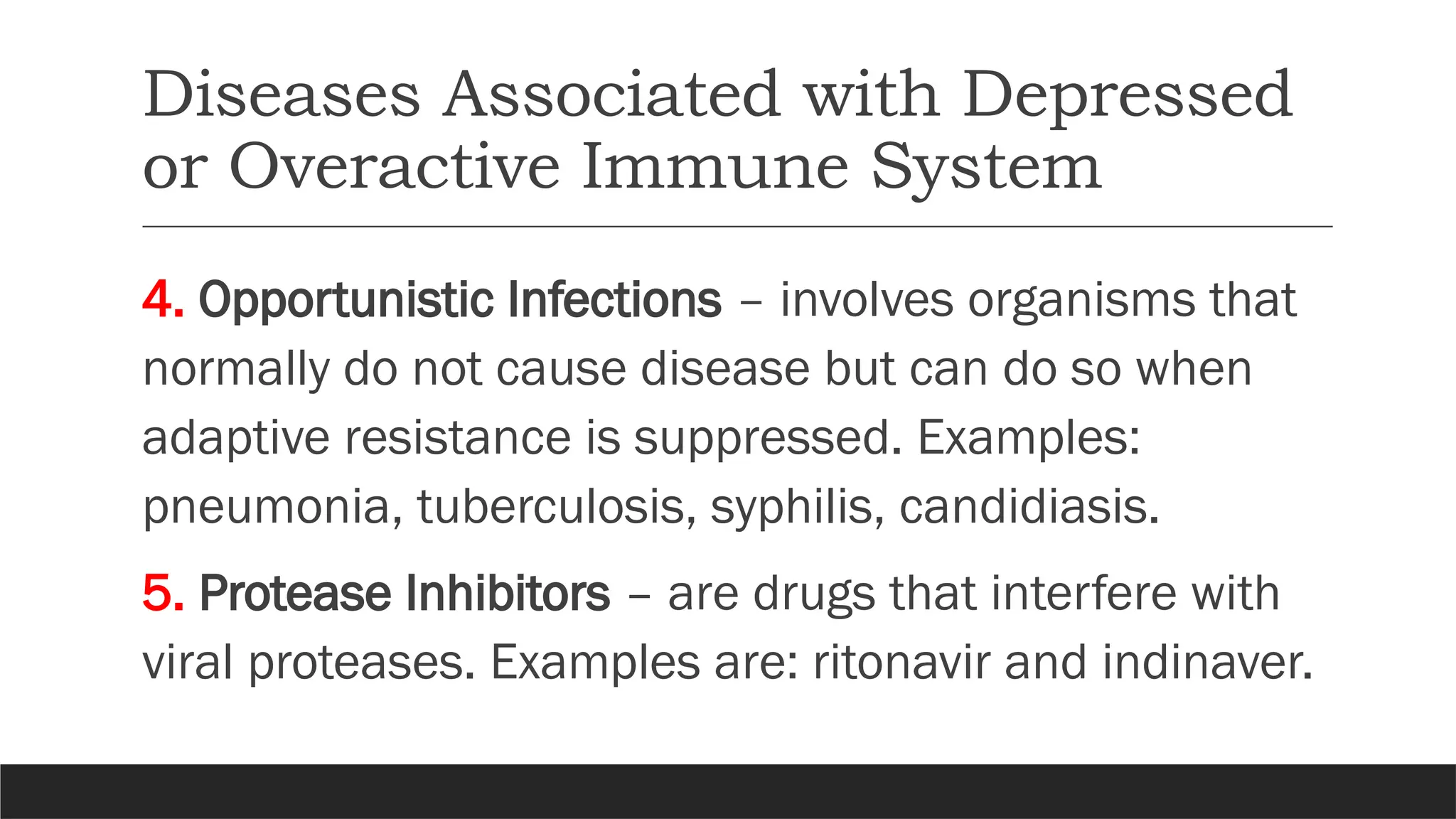
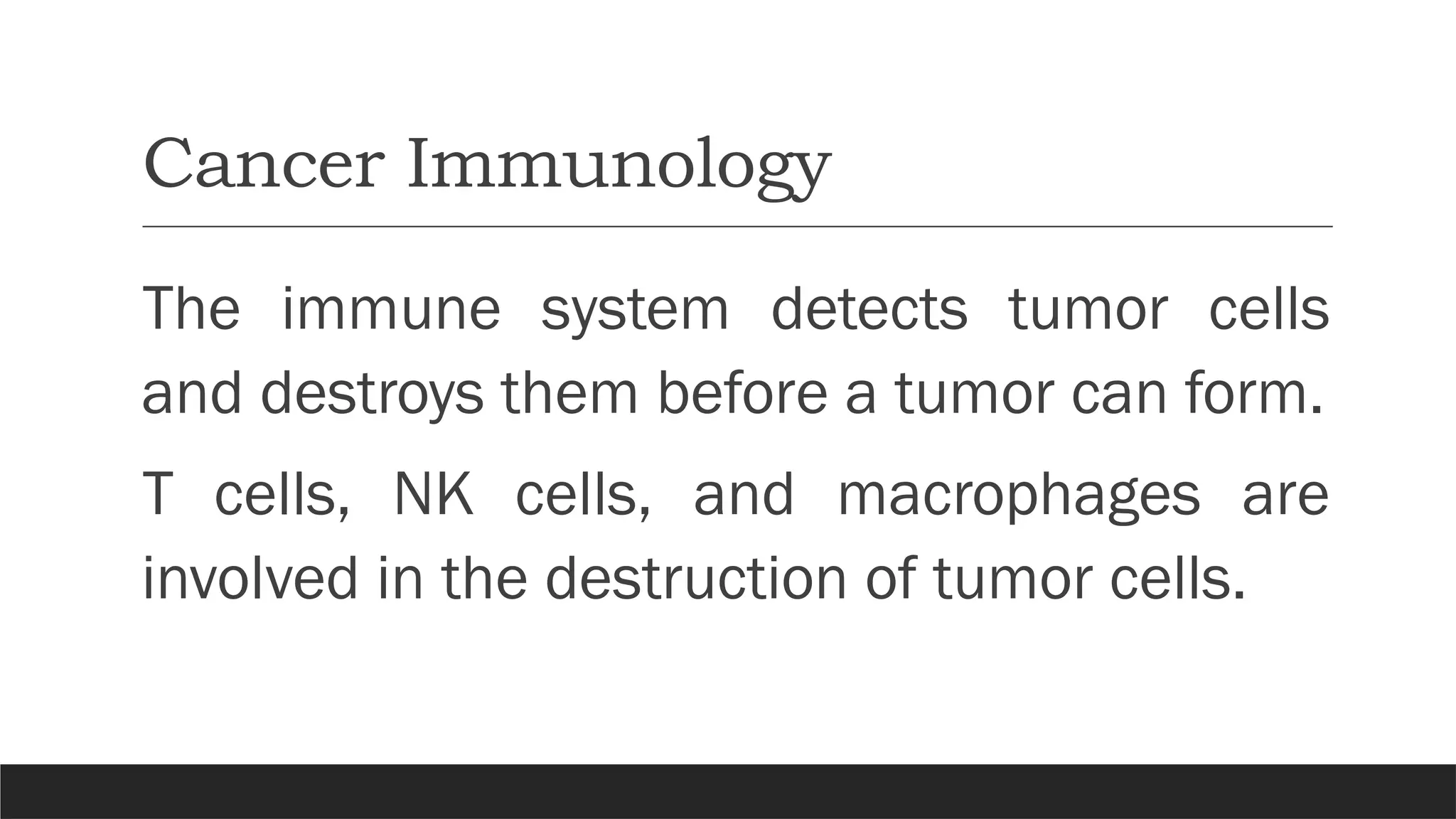
Antigens aredeliberately
introduced into the immune system
to produce immunity.
Because the bacteria has been
killed or weakened, minimal
symptoms occur.
Have eradicated or severely
limited several diseases from the
face of the Earth, such as polio and
smallpox.
44.
How long doesactive immunity
last?
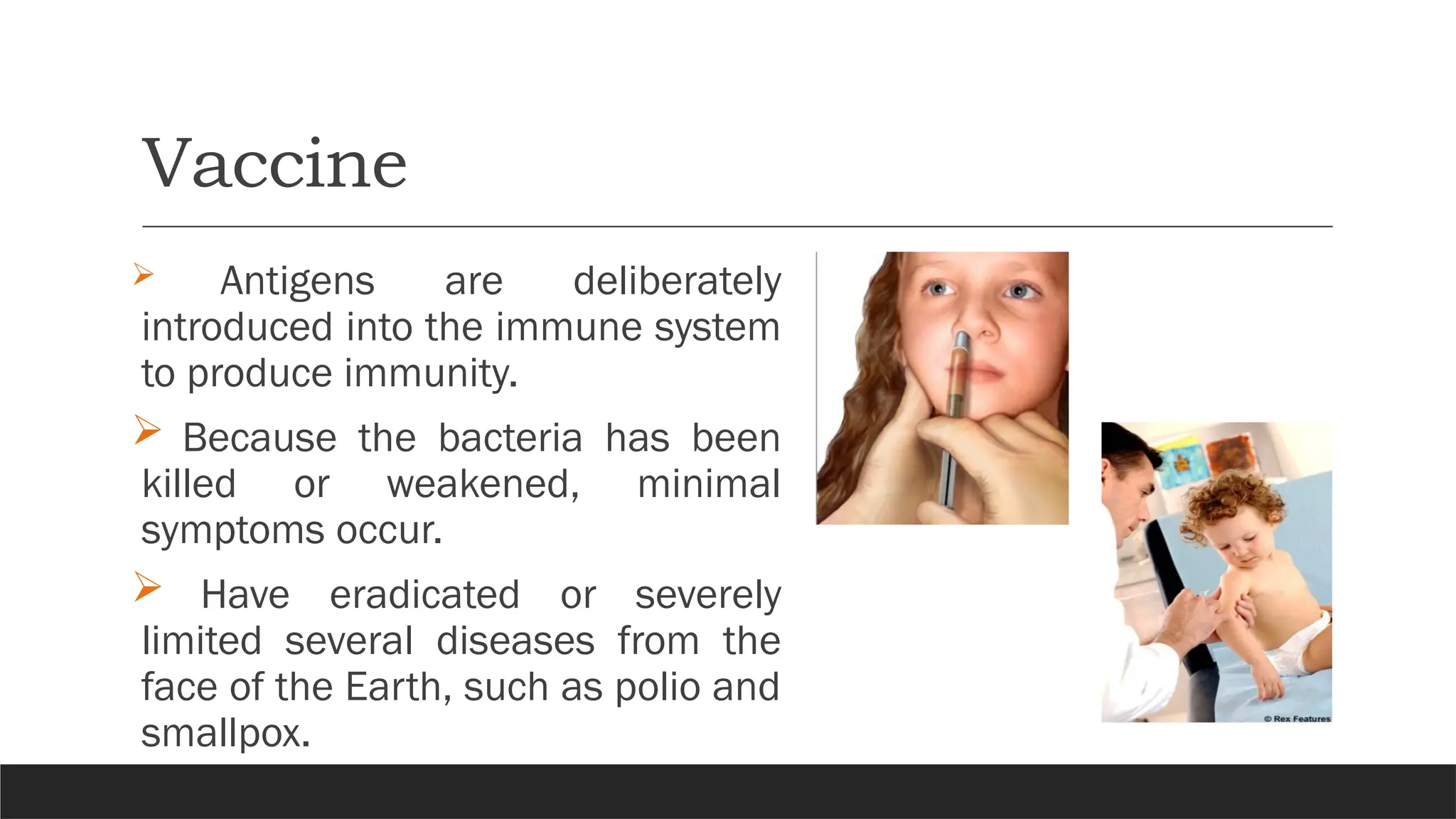
It depends on the antigen
Some disease-causing bacteria
multiply into new forms that our body
doesn’t recognize, requiring annual
vaccinations, like the flu shot
Booster shot - reminds the immune
system of the antigen
Others last for a lifetime, such as
chicken pox
45.
The Role ofNutrition
Micronutrients are believed to work collectively to support an optimum immune system. Based on
a variety of systematic and clinical data, vitamins A, B6, B12, C, D, E, folate, zinc, iron, copper,
and selenium are particularly important to boosting immune response.
1. Citrus Fruits: Oranges, lemons, grapefruits, and limes are high in
vitamin C, which can boost the production of white blood cells.
2. Berries: Blueberries, strawberries, and blackberries contain
antioxidants and vitamins that support immune function.
3. Leafy Greens: Spinach, kale, and other dark leafy greens are packed
with vitamins A, C, and K, as well as minerals that enhance immune
health.
46.
Foods that aregood for the
immune system
4. Nuts and Seeds: Almonds, walnuts, sunflower seeds, and pumpkin seeds provide healthy fats,
vitamin E, and zinc, which are important for immune function.
5. Garlic: Known for its antimicrobial properties, garlic can enhance immune response and reduce
the severity of illnesses.
6. Ginger: This root has anti-inflammatory properties and can help support the immune system.
7. Yogurt: Probiotic-rich yogurts promote gut health, which is closely linked to a strong immune
response.
8. Turmeric: Curcumin, the active ingredient in turmeric, has anti-inflammatory and antioxidant
properties that may enhance immune function.
9. Green Tea: Rich in antioxidants called catechins, green tea can help boost the immune system.
10. Fish: Fatty fish like salmon and mackerel are high in omega-3 fatty acids, which can help
regulate the immune system.
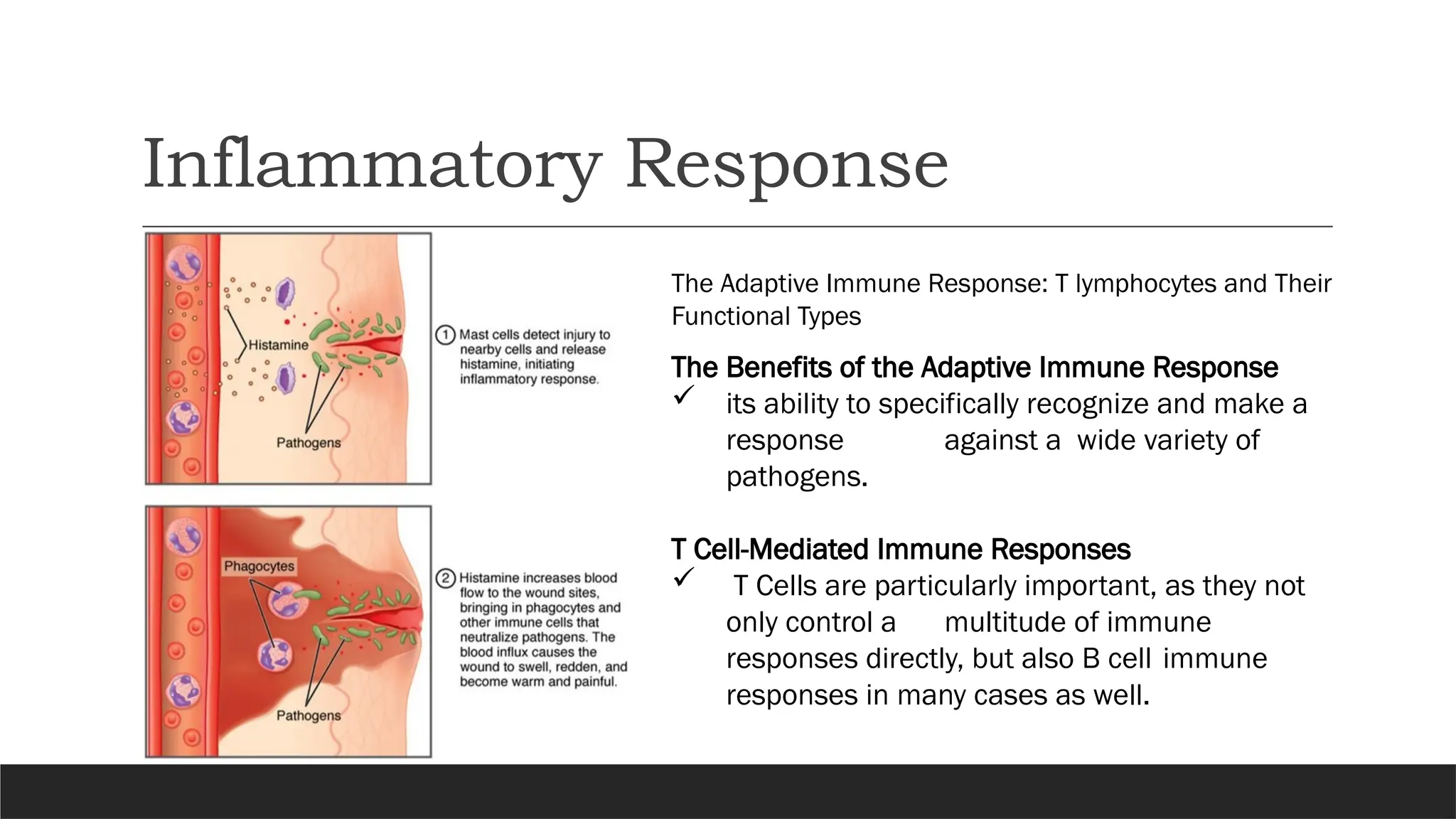
Inflammatory Response
The AdaptiveImmune Response: T lymphocytes and Their
Functional Types
The Benefits of the Adaptive Immune Response
its ability to specifically recognize and make a
response against a wide variety of
pathogens.
T Cell-Mediated Immune Responses
T Cells are particularly important, as they not
only control a multitude of immune
responses directly, but also B cell immune
responses in many cases as well.
49.
T cell dependentversus T cell-
independent Antigens
T Cell Dependent Antigens
Usually, it is not repeated to the same degree on the pathogen and
thus not crosslink surface antibody with the same efficiency.
T Cell- Independent Antigens
Usually, it is in the form of repeated carbohydrate moieties found on
the cell walls of bacteria
50.
The Immune ResponseAgainst
Pathogens
Early childhood is a time when the body develops much of its immunological
memory that protects it from diseases in adulthood.
The components of the immune response that have the maximum
effectiveness against a pathogen are often associated with the class of
pathogen involved. Bacteria and fungi are especially susceptible to damage
by complement proteins, whereas viruses are taken care of by interferon and
cytotoxic T cells.
Worms are attack by eosinophil. Pathogens have shown the ability, however,
to evade the body’s immune responses. The immune system and pathogens
are in slow, evolutionary race to see who stays on top.
51.
References
Cohen S, DanzakiK, MacIver NJ. Nutritional effects on T-cell immunometabolism. Eur J Immunol.
2017;47(2):225–235. doi:10.1002/eji.201646423
Gombart AF; Pierre A and Maggini S (2020). A Review of Micronutrients and the Immune System-
Working in Harmony to Reduce the Risk of Infection. Nutrients, Vol 12 (1) [Online] Available
at: https://www.ncbi.nlm.nih.gov/pubmed/31963293. (Accessed on 29th
March 2020)
Lobo V, Patil A, Phatak A, Chandra N. Free radicals, antioxidants and functional foods: Impact on
human health. Pharmacogn Rev. 2010;4(8):118–126. doi:10.4103/0973-7847.70902
Essentials of Anatomy and Physiology 5th
Edition by Seeley, Stephens and Tate
SightandLife.Org “The Role of the Nutrition in the Immune System”
![References
Cohen S, Danzaki K, MacIver NJ. Nutritional effects on T-cell immunometabolism. Eur J Immunol.
2017;47(2):225–235. doi:10.1002/eji.201646423
Gombart AF; Pierre A and Maggini S (2020). A Review of Micronutrients and the Immune System-
Working in Harmony to Reduce the Risk of Infection. Nutrients, Vol 12 (1) [Online] Available
at: https://www.ncbi.nlm.nih.gov/pubmed/31963293. (Accessed on 29th
March 2020)
Lobo V, Patil A, Phatak A, Chandra N. Free radicals, antioxidants and functional foods: Impact on
human health. Pharmacogn Rev. 2010;4(8):118–126. doi:10.4103/0973-7847.70902
Essentials of Anatomy and Physiology 5th
Edition by Seeley, Stephens and Tate
SightandLife.Org “The Role of the Nutrition in the Immune System”](https://image.slidesharecdn.com/anaphyreport-250405152319-c8f8060d/75/Lymphatic-and-Immune-System-Biochemistry-51-2048.jpg)