FREE THING FOR
HUMAN
RESOURCES
EXCLUSIVE TIPS FOR MY LINKEDIN CONNECTIONS
BURNOUT: BALANCING PERSONAL AND ORGANIZATIONAL ACCOUNTABILITY
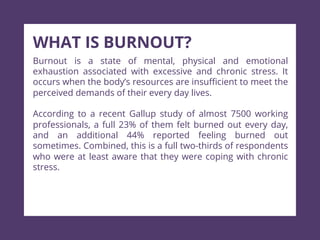
WHAT IS BURNOUT?
Burnout is a state of mental, physical and emotional
exhaustion associated with excessive and chronic stress. It
occurs when the body’s resources are insufficient to meet the
perceived demands of their every day lives.
According to a recent Gallup study of almost 7500 working
professionals, a full 23% of them felt burned out every day,
and an additional 44% reported feeling burned out
sometimes. Combined, this is a full two-thirds of respondents
who were at least aware that they were coping with chronic
stress.
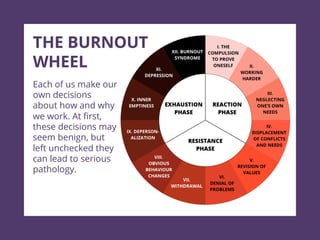
THE BURNOUT
WHEEL
Each of us make our
own decisions
about how and why
we work. At first,
these decisions may
seem benign, but
left unchecked they
can lead to serious
pathology.
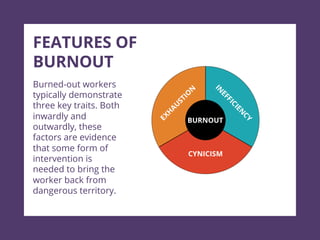
FEATURES OF
BURNOUT
Burned-out workers
typically demonstrate
three key traits. Both
inwardly and
outwardly, these
factors are evidence
that some form of
intervention is
needed to bring the
worker back from
dangerous territory.
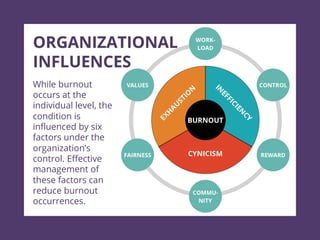
ORGANIZATIONAL
INFLUENCES
While burnout
occurs at the
individual level, the
condition is
influenced by six
factors under the
organization’s
control. Effective
management of
these factors can
reduce burnout
occurrences.
Are you concerned about burnout on your workforce?
Would you like to learn more about implementing wellness
programs in your organization?
Would you like to be able to measure and keep track of
burnout rates among your employees?
Message me on LinkedIn
and then visit my website for more free resources!
adaptimist.com
HEY!

LI Shorts 2

  • 1.
    FREE THING FOR HUMAN RESOURCES EXCLUSIVETIPS FOR MY LINKEDIN CONNECTIONS BURNOUT: BALANCING PERSONAL AND ORGANIZATIONAL ACCOUNTABILITY
  • 2.
    WHAT IS BURNOUT? Burnoutis a state of mental, physical and emotional exhaustion associated with excessive and chronic stress. It occurs when the body’s resources are insufficient to meet the perceived demands of their every day lives. According to a recent Gallup study of almost 7500 working professionals, a full 23% of them felt burned out every day, and an additional 44% reported feeling burned out sometimes. Combined, this is a full two-thirds of respondents who were at least aware that they were coping with chronic stress.
  • 3.
    THE BURNOUT WHEEL Each ofus make our own decisions about how and why we work. At first, these decisions may seem benign, but left unchecked they can lead to serious pathology.
  • 4.
    FEATURES OF BURNOUT Burned-out workers typicallydemonstrate three key traits. Both inwardly and outwardly, these factors are evidence that some form of intervention is needed to bring the worker back from dangerous territory.
  • 5.
    ORGANIZATIONAL INFLUENCES While burnout occurs atthe individual level, the condition is influenced by six factors under the organization’s control. Effective management of these factors can reduce burnout occurrences.
  • 6.
    Are you concernedabout burnout on your workforce? Would you like to learn more about implementing wellness programs in your organization? Would you like to be able to measure and keep track of burnout rates among your employees? Message me on LinkedIn and then visit my website for more free resources! adaptimist.com HEY!