Advanced 

Scrum master 

Workshop
Ilan Kirschenbaum
Agile coach
co-founder @ practical-agile
twitter: @kirschi_
email: ilan@practical-agile.com
blog: http://www.practical-agile.com/our-blog
Connection before content
Physical examination
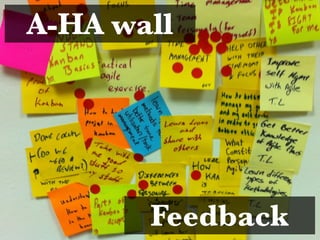
A-HA wall
Feedback
Scrum master
video
https://www.youtube.com/watch?v=oheekef7oJk
What is a scrum
master?
Scrum master

[dictionary definition]
• Scrum - A framework for managing the
development lifecycle of software products.
• Master - A skilled practitioner of a particular art
or activity.
• A Scrum master the leader of the Scrum process
& team.
Scrum master Responsibilities
1. Help the team with Scrum
2. Facilitate effective ceremonies
3. Help remove impediments
4. Push the team forward
5. Do all this within X amount of time
Scrum Master a-la Scrum
Guide
• The Scrum Master is responsible for ensuring Scrum
is understood and enacted. Scrum Masters do this
by ensuring that the Scrum Team adheres to Scrum
theory, practices, and rules. The Scrum Master is a
servant-leader for the Scrum Team.
• The Scrum Master helps those outside the Scrum
Team understand which of their interactions with the
Scrum Team are helpful and which aren’t. The Scrum
Master helps everyone change these interactions to
maximize the value created by the Scrum Team.
Scrum Master a-la Scrum
Guide
• Scrum Master Service to the Product Owner

The Scrum Master serves the Product Owner in several ways, including:
• Finding techniques for effective Product Backlog management;
• Clearly communicating vision, goals, and Product Backlog items to the
Development Team;
• Teaching the Scrum Team to create clear and concise Product Backlog
items;
• Understanding long-term product planning in an empirical environment;
• Understanding and practicing agility; and,
• Facilitating Scrum events as requested or needed.
Scrum Master a-la Scrum
Guide
• Scrum Master Service to the Development Team

The Scrum Master serves the Development Team in several ways,
including:
• Coaching the Development Team in self-organization and cross-
functionality;
• Teaching and leading the Development Team to create high-value
products;
• Removing impediments to the Development Team’s progress;
• Facilitating Scrum events as requested or needed; and,
• Coaching the Development Team in organizational environments in
which Scrum is not yet fully adopted and understood.
Scrum Master a-la Scrum
Guide
• Scrum Master Service to the Organization 

The Scrum Master serves the organization in several ways, including:
• Leading and coaching the organization in its Scrum adoption;
• Planning Scrum implementations within the organization;
• Helping employees and stakeholders understand and enact
Scrum and empirical product development;
• Causing change that increases the productivity of the Scrum
Team; and,
• Working with other Scrum Masters to increase the effectiveness of
the application of Scrum in the organization.
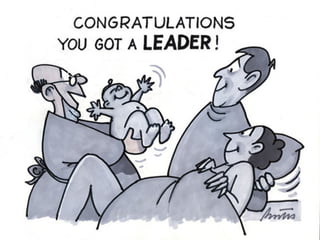
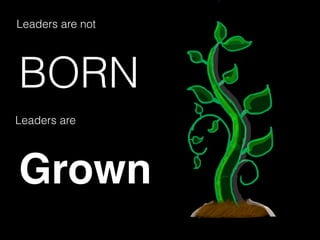
THE biggest problem
BORN
Leaders are not
Leaders are
Grown
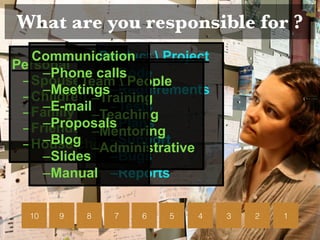
What are you responsible for ?
10 9 8 7 6 5 4 3 2 1
Personal
–Spouse
–Children
–Family
–Friends
–House chores
Product  Project
–Code
–Requirements
–Tests
–Plans
–Support
–Bugs
–Reports
Team  People
–Training
–Teaching
–Mentoring
–Administrative
Communication
–Phone calls
–Meetings
–E-mail
–Proposals
–Blog
–Slides
–Manual
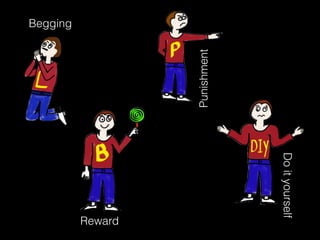
Begging
Reward
Punishment
Doityourself
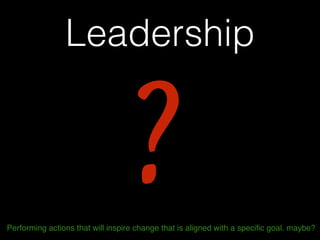
Leadership
?Performing actions that will inspire change that is aligned with a specific goal. maybe?
Does Leadership
require authority ?
Lessons in
leadership from
a dancing guy
video
https://www.youtube.com/watch?v=hO8MwBZl-Vc
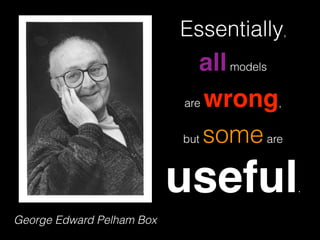
George Edward Pelham Box
Essentially, 

allmodels 

are wrong,
but someare 

useful.
Share with your team a
problem you are currently
facing 


(Describe the problem, what did you do)
10 9 8 7 6 5 4 3 2 1


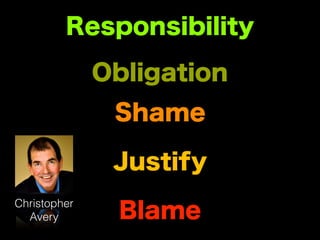
Blame
Shame
Justify
Obligation
Responsibility
Christopher 

Avery
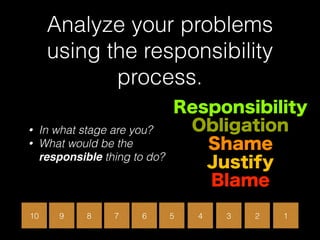
Analyze your problems

using the responsibility
process.
10 9 8 7 6 5 4 3 2 1
• In what stage are you?
• What would be the 

responsible thing to do?
Blame
Shame
Justify
Obligation
Responsibility
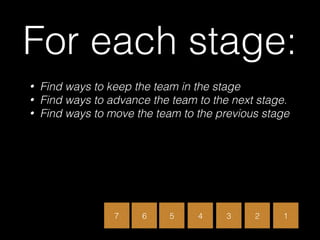
For each stage:
• Find ways to keep the team in the stage
• Find ways to advance the team to the next stage.
• Find ways to move the team to the previous stage
7 6 5 4 3 2 1
FEEDBACK - THE SECRET SOUCE…
Feedback
by
Gordon Ramsay
Video
https://www.youtube.com/watch?v=lYylXXGY6tA
Give feedback to your
partner.
4 3 2 15
Switch roles
4 3 2 15
Give feedback to your
partner.
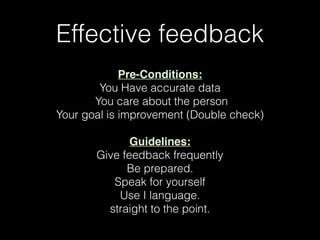
Effective feedback
Pre-Conditions:
You Have accurate data
You care about the person
Your goal is improvement (Double check)
Guidelines:
Give feedback frequently
Be prepared.
Speak for yourself
Use I language.
straight to the point.
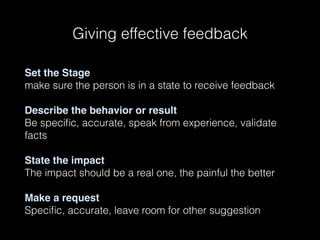
Giving effective feedback
Set the Stage
make sure the person is in a state to receive feedback
Describe the behavior or result
Be specific, accurate, speak from experience, validate
facts
State the impact
The impact should be a real one, the painful the better
Make a request
Specific, accurate, leave room for other suggestion
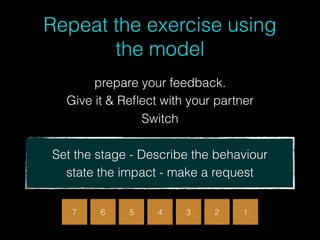
Repeat the exercise using
the model
prepare your feedback.
Give it & Reflect with your partner
Switch
6 5 2 1347
Set the stage - Describe the behaviour

state the impact - make a request
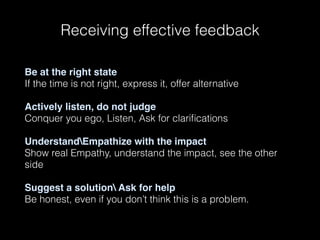
Be at the right state
If the time is not right, express it, offer alternative

Actively listen, do not judge
Conquer you ego, Listen, Ask for clarifications

UnderstandEmpathize with the impact
Show real Empathy, understand the impact, see the other
side

Suggest a solution Ask for help
Be honest, even if you don’t think this is a problem.
Receiving effective feedback
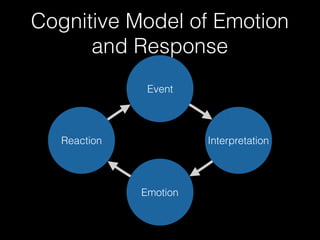
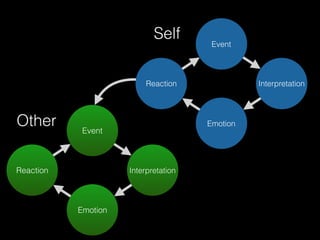
Cognitive Model of Emotion
and Response
Event
Interpretation
Emotion
Reaction
Event
Interpretation
Emotion
Reaction
Event
Interpretation
Emotion
Reaction
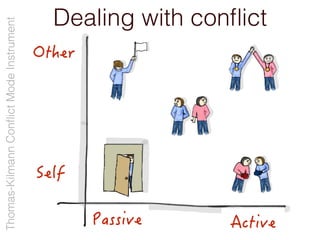
Self
Other
NAVIGATING 

CONFLICT
Conflict video
https://www.youtube.com/watch?v=mQQ3BdjCc4I
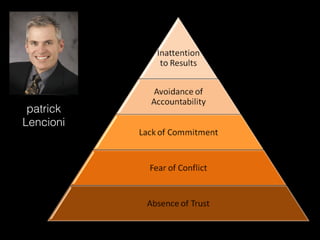
patrick

Lencioni
Dealing with conflictThomas-KilmannConflictModeInstrument
3 2 1
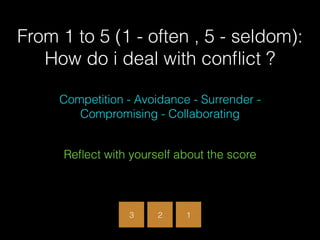
From 1 to 5 (1 - often , 5 - seldom): 

How do i deal with conflict ?
Competition - Avoidance - Surrender -
Compromising - Collaborating
Reflect with yourself about the score
3 2 1
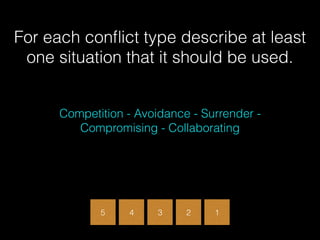
For each conflict type describe at least
one situation that it should be used.
Competition - Avoidance - Surrender -
Compromising - Collaborating
5 4
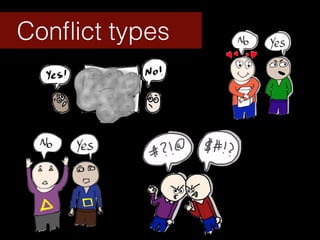
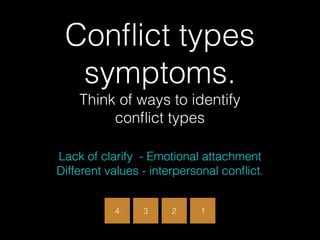
Conflict types
Conflict types
symptoms.

Think of ways to identify 

conflict types
4 3 2 1
Lack of clarify - Emotional attachment 

Different values - interpersonal conflict.
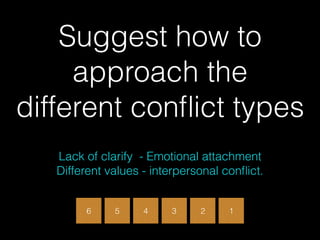
Suggest how to
approach the
different conflict types
4 3 2 1
Lack of clarify - Emotional attachment 

Different values - interpersonal conflict.
6 5
Navigating
conflict using
The Perfection game
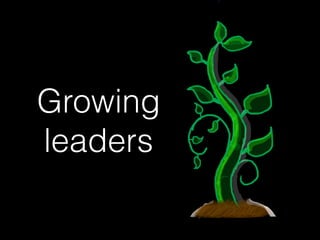
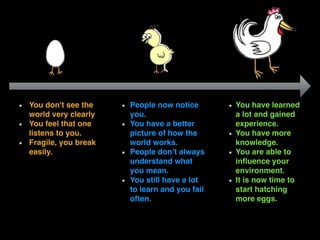
Growing 

leaders
You don't see the
world very clearly
You feel that one
listens to you.
Fragile, you break
easily.
People now notice
you.
You have a better
picture of how the
world works.
People don’t always
understand what
you mean.
You still have a lot
to learn and you fail
often.
You have learned
a lot and gained
experience.
You have more
knowledge.
You are able to
influence your
environment.
It is now time to
start hatching
more eggs.
Facilitating daily meetings
Daily scrum from hell…
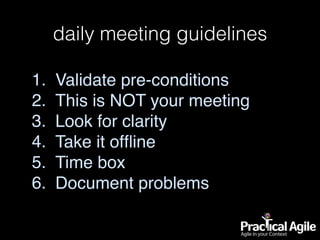
daily meeting guidelines
1. Validate pre-conditions
2. This is NOT your meeting
3. Look for clarity
4. Take it offline
5. Time box
6. Document problems
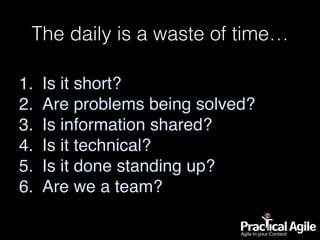
The daily is a waste of time…
1. Is it short?
2. Are problems being solved?
3. Is information shared?
4. Is it technical?
5. Is it done standing up?
6. Are we a team?
The wrong way
of doing
retrospectives
video
https://www.youtube.com/watch?v=FJezcyKno5k
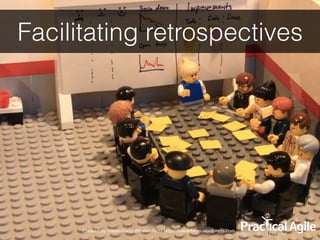
Facilitating retrospectives
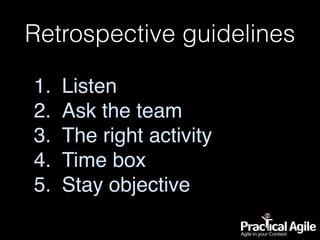
Retrospective guidelines
1. Listen
2. Ask the team
3. The right activity
4. Time box
5. Stay objective
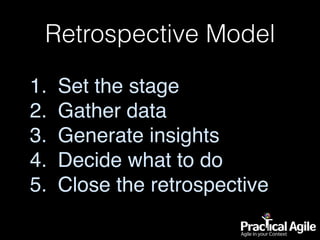
Retrospective Model
1. Set the stage
2. Gather data
3. Generate insights
4. Decide what to do
5. Close the retrospective
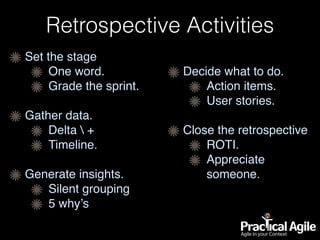
Retrospective Activities
Set the stage
One word.
Grade the sprint.
Gather data.
Delta  +
Timeline.
Generate insights.
Silent grouping
5 why’s
Decide what to do.
Action items.
User stories.
Close the retrospective
ROTI.
Appreciate
someone.
10 9 8 7 6 5 4 3 2 1
Celebration of learning
Share your learnings
feedback please.
- Please make it effective.
- Can we quote you?
Thank you!
.‫תודה‬

Leading agile teams - Advanced Scrum Master

  • 1.
    Advanced 
 Scrum master
 Workshop Ilan Kirschenbaum Agile coach co-founder @ practical-agile twitter: @kirschi_ email: ilan@practical-agile.com blog: http://www.practical-agile.com/our-blog
  • 2.
  • 4.
  • 5.
  • 8.
  • 9.
    What is ascrum master?
  • 10.
    Scrum master
 [dictionary definition] •Scrum - A framework for managing the development lifecycle of software products. • Master - A skilled practitioner of a particular art or activity. • A Scrum master the leader of the Scrum process & team.
  • 11.
    Scrum master Responsibilities 1.Help the team with Scrum 2. Facilitate effective ceremonies 3. Help remove impediments 4. Push the team forward 5. Do all this within X amount of time
  • 12.
    Scrum Master a-laScrum Guide • The Scrum Master is responsible for ensuring Scrum is understood and enacted. Scrum Masters do this by ensuring that the Scrum Team adheres to Scrum theory, practices, and rules. The Scrum Master is a servant-leader for the Scrum Team. • The Scrum Master helps those outside the Scrum Team understand which of their interactions with the Scrum Team are helpful and which aren’t. The Scrum Master helps everyone change these interactions to maximize the value created by the Scrum Team.
  • 13.
    Scrum Master a-laScrum Guide • Scrum Master Service to the Product Owner
 The Scrum Master serves the Product Owner in several ways, including: • Finding techniques for effective Product Backlog management; • Clearly communicating vision, goals, and Product Backlog items to the Development Team; • Teaching the Scrum Team to create clear and concise Product Backlog items; • Understanding long-term product planning in an empirical environment; • Understanding and practicing agility; and, • Facilitating Scrum events as requested or needed.
  • 14.
    Scrum Master a-laScrum Guide • Scrum Master Service to the Development Team
 The Scrum Master serves the Development Team in several ways, including: • Coaching the Development Team in self-organization and cross- functionality; • Teaching and leading the Development Team to create high-value products; • Removing impediments to the Development Team’s progress; • Facilitating Scrum events as requested or needed; and, • Coaching the Development Team in organizational environments in which Scrum is not yet fully adopted and understood.
  • 15.
    Scrum Master a-laScrum Guide • Scrum Master Service to the Organization 
 The Scrum Master serves the organization in several ways, including: • Leading and coaching the organization in its Scrum adoption; • Planning Scrum implementations within the organization; • Helping employees and stakeholders understand and enact Scrum and empirical product development; • Causing change that increases the productivity of the Scrum Team; and, • Working with other Scrum Masters to increase the effectiveness of the application of Scrum in the organization.
  • 16.
  • 19.
  • 20.
    What are youresponsible for ? 10 9 8 7 6 5 4 3 2 1 Personal –Spouse –Children –Family –Friends –House chores Product Project –Code –Requirements –Tests –Plans –Support –Bugs –Reports Team People –Training –Teaching –Mentoring –Administrative Communication –Phone calls –Meetings –E-mail –Proposals –Blog –Slides –Manual
  • 24.
  • 25.
    Leadership ?Performing actions thatwill inspire change that is aligned with a specific goal. maybe?
  • 26.
  • 27.
    Lessons in leadership from adancing guy video https://www.youtube.com/watch?v=hO8MwBZl-Vc
  • 28.
    George Edward PelhamBox Essentially, 
 allmodels 
 are wrong, but someare 
 useful.
  • 29.
    Share with yourteam a problem you are currently facing 
 
 (Describe the problem, what did you do) 10 9 8 7 6 5 4 3 2 1
  • 30.
  • 31.
  • 32.
    Analyze your problems
 usingthe responsibility process. 10 9 8 7 6 5 4 3 2 1 • In what stage are you? • What would be the 
 responsible thing to do? Blame Shame Justify Obligation Responsibility
  • 34.
    For each stage: •Find ways to keep the team in the stage • Find ways to advance the team to the next stage. • Find ways to move the team to the previous stage 7 6 5 4 3 2 1
  • 35.
    FEEDBACK - THESECRET SOUCE…
  • 36.
  • 37.
    Give feedback toyour partner. 4 3 2 15
  • 38.
    Switch roles 4 32 15 Give feedback to your partner.
  • 39.
    Effective feedback Pre-Conditions: You Haveaccurate data You care about the person Your goal is improvement (Double check) Guidelines: Give feedback frequently Be prepared. Speak for yourself Use I language. straight to the point.
  • 40.
    Giving effective feedback Setthe Stage make sure the person is in a state to receive feedback Describe the behavior or result Be specific, accurate, speak from experience, validate facts State the impact The impact should be a real one, the painful the better Make a request Specific, accurate, leave room for other suggestion
  • 41.
    Repeat the exerciseusing the model prepare your feedback. Give it & Reflect with your partner Switch 6 5 2 1347 Set the stage - Describe the behaviour
 state the impact - make a request
  • 42.
    Be at theright state If the time is not right, express it, offer alternative
 Actively listen, do not judge Conquer you ego, Listen, Ask for clarifications
 UnderstandEmpathize with the impact Show real Empathy, understand the impact, see the other side
 Suggest a solution Ask for help Be honest, even if you don’t think this is a problem. Receiving effective feedback
  • 43.
    Cognitive Model ofEmotion and Response Event Interpretation Emotion Reaction
  • 44.
  • 45.
  • 46.
  • 48.
  • 49.
  • 50.
    3 2 1 From1 to 5 (1 - often , 5 - seldom): 
 How do i deal with conflict ? Competition - Avoidance - Surrender - Compromising - Collaborating Reflect with yourself about the score
  • 51.
    3 2 1 Foreach conflict type describe at least one situation that it should be used. Competition - Avoidance - Surrender - Compromising - Collaborating 5 4
  • 52.
  • 53.
    Conflict types symptoms.
 Think ofways to identify 
 conflict types 4 3 2 1 Lack of clarify - Emotional attachment 
 Different values - interpersonal conflict.
  • 54.
    Suggest how to approachthe different conflict types 4 3 2 1 Lack of clarify - Emotional attachment 
 Different values - interpersonal conflict. 6 5
  • 55.
  • 56.
  • 57.
    You don't seethe world very clearly You feel that one listens to you. Fragile, you break easily. People now notice you. You have a better picture of how the world works. People don’t always understand what you mean. You still have a lot to learn and you fail often. You have learned a lot and gained experience. You have more knowledge. You are able to influence your environment. It is now time to start hatching more eggs.
  • 58.
  • 59.
  • 60.
    daily meeting guidelines 1.Validate pre-conditions 2. This is NOT your meeting 3. Look for clarity 4. Take it offline 5. Time box 6. Document problems
  • 61.
    The daily isa waste of time… 1. Is it short? 2. Are problems being solved? 3. Is information shared? 4. Is it technical? 5. Is it done standing up? 6. Are we a team?
  • 62.
    The wrong way ofdoing retrospectives video https://www.youtube.com/watch?v=FJezcyKno5k
  • 63.
  • 64.
    Retrospective guidelines 1. Listen 2.Ask the team 3. The right activity 4. Time box 5. Stay objective
  • 65.
    Retrospective Model 1. Setthe stage 2. Gather data 3. Generate insights 4. Decide what to do 5. Close the retrospective
  • 66.
    Retrospective Activities Set thestage One word. Grade the sprint. Gather data. Delta + Timeline. Generate insights. Silent grouping 5 why’s Decide what to do. Action items. User stories. Close the retrospective ROTI. Appreciate someone.
  • 67.
    10 9 87 6 5 4 3 2 1
  • 68.
  • 69.
  • 70.
    feedback please. - Pleasemake it effective. - Can we quote you?
  • 71.