Language Economy: Building Communities through Language Learning The 36 th  Annual TESL Ontario Conference Celebrating the International Year of Languages November 13-15, 2008 Toronto Khaled A. Islaih Muslim Community Services Brampton / Mississauga Globish Presentation
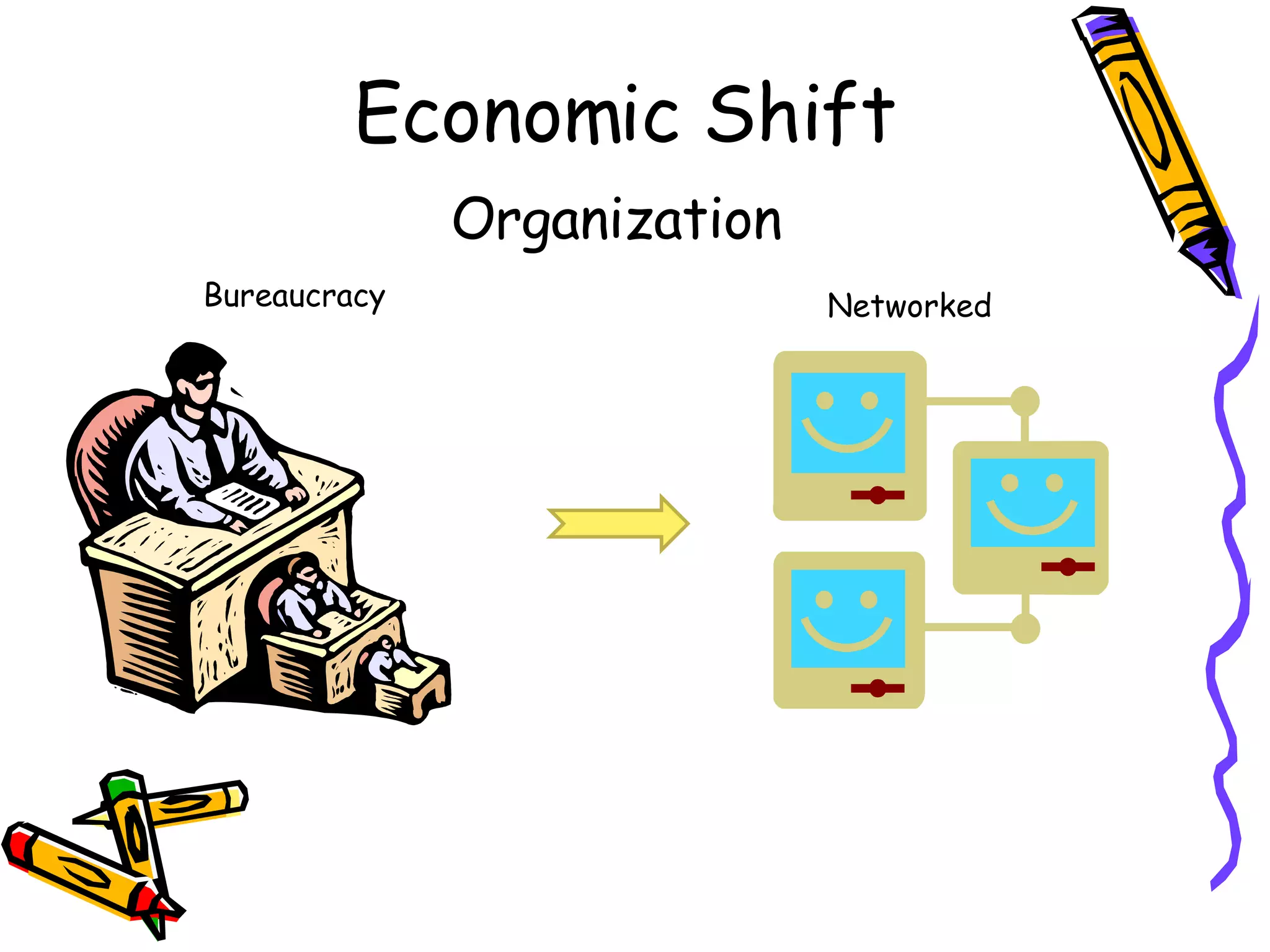
Economic Shift Organization  Bureaucracy Networked
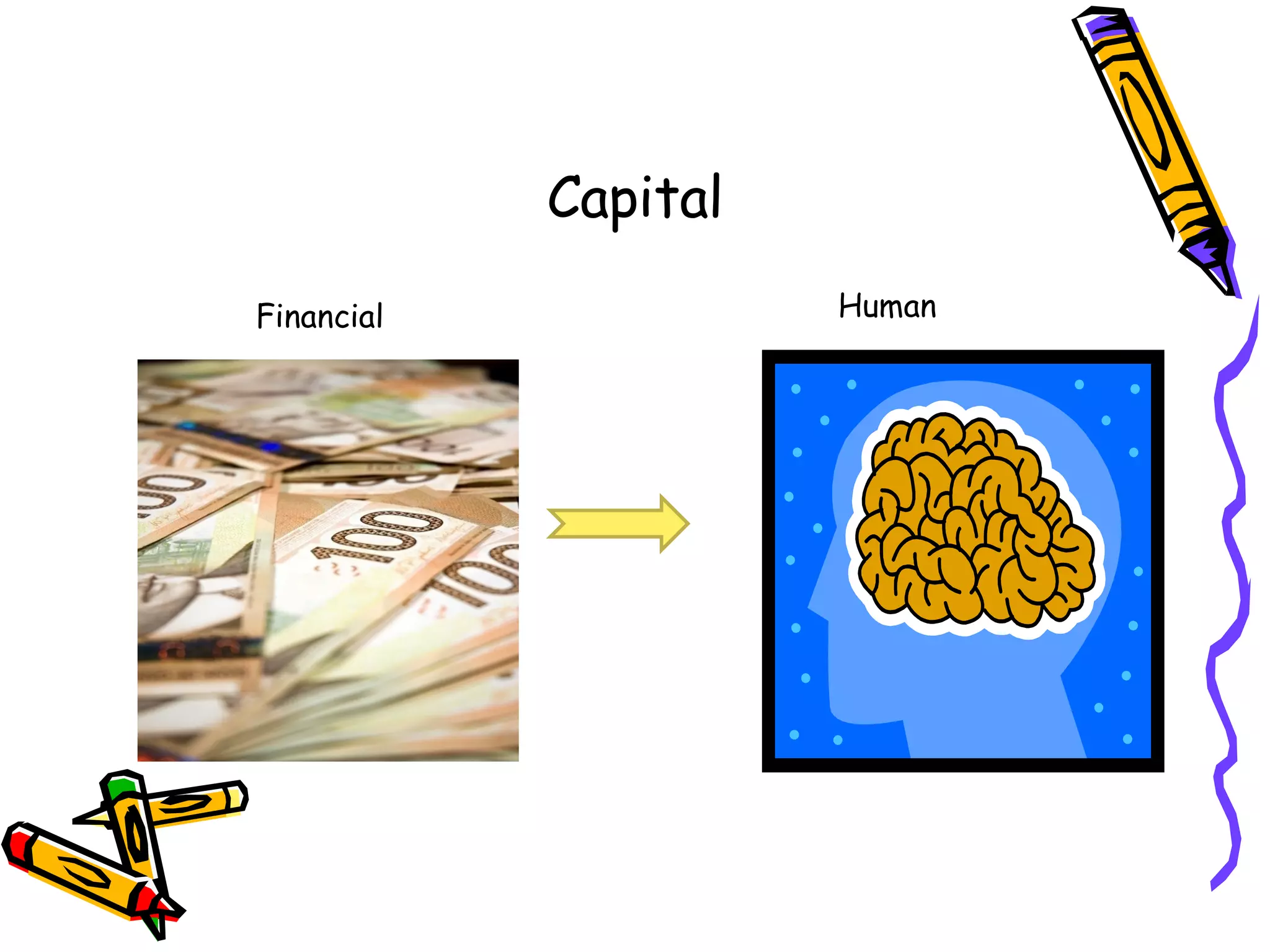
Capital Financial  Human
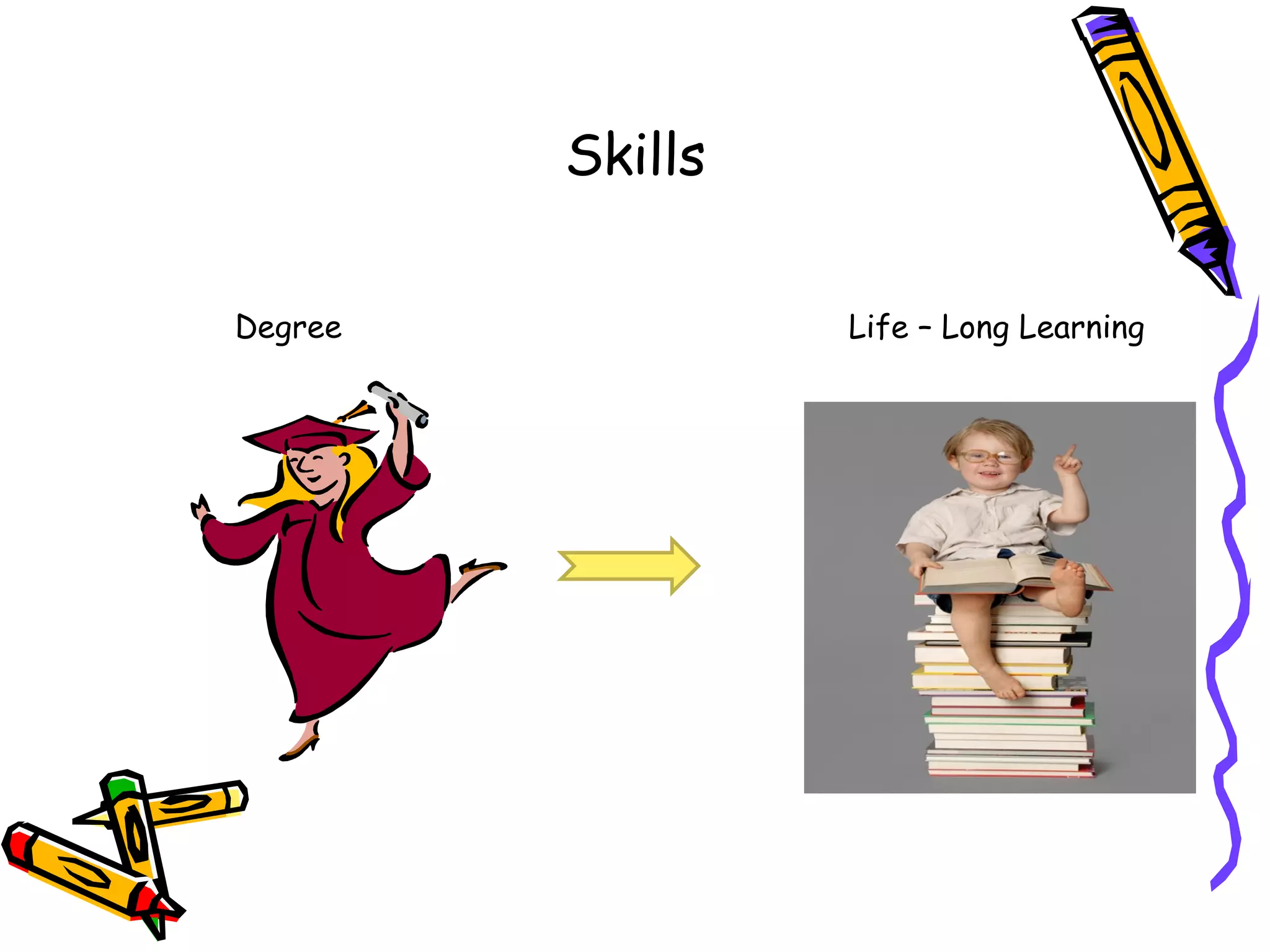
Skills Degree Life – Long Learning
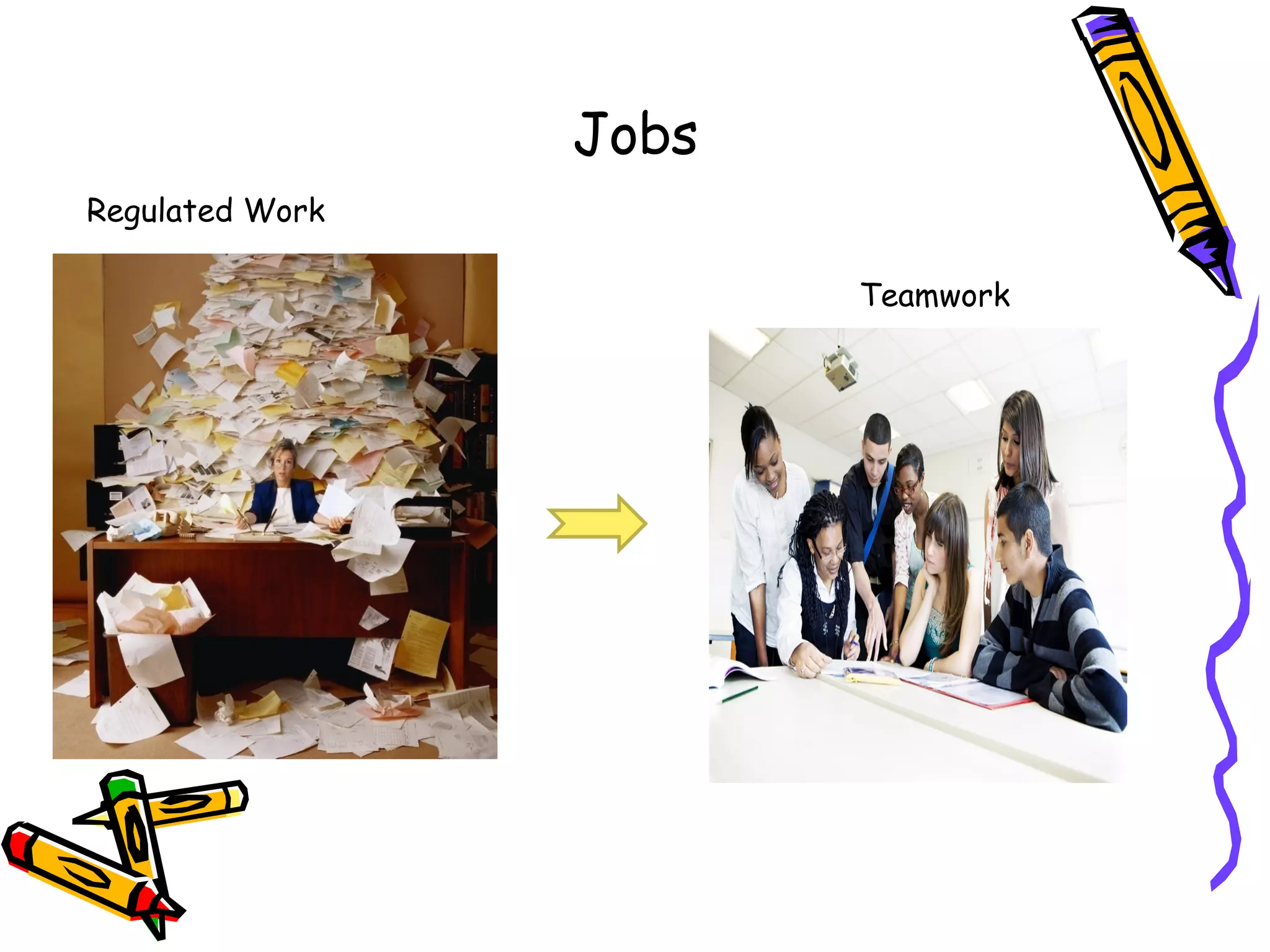
Jobs Teamwork Regulated Work
Wealth Creation  Factory Community
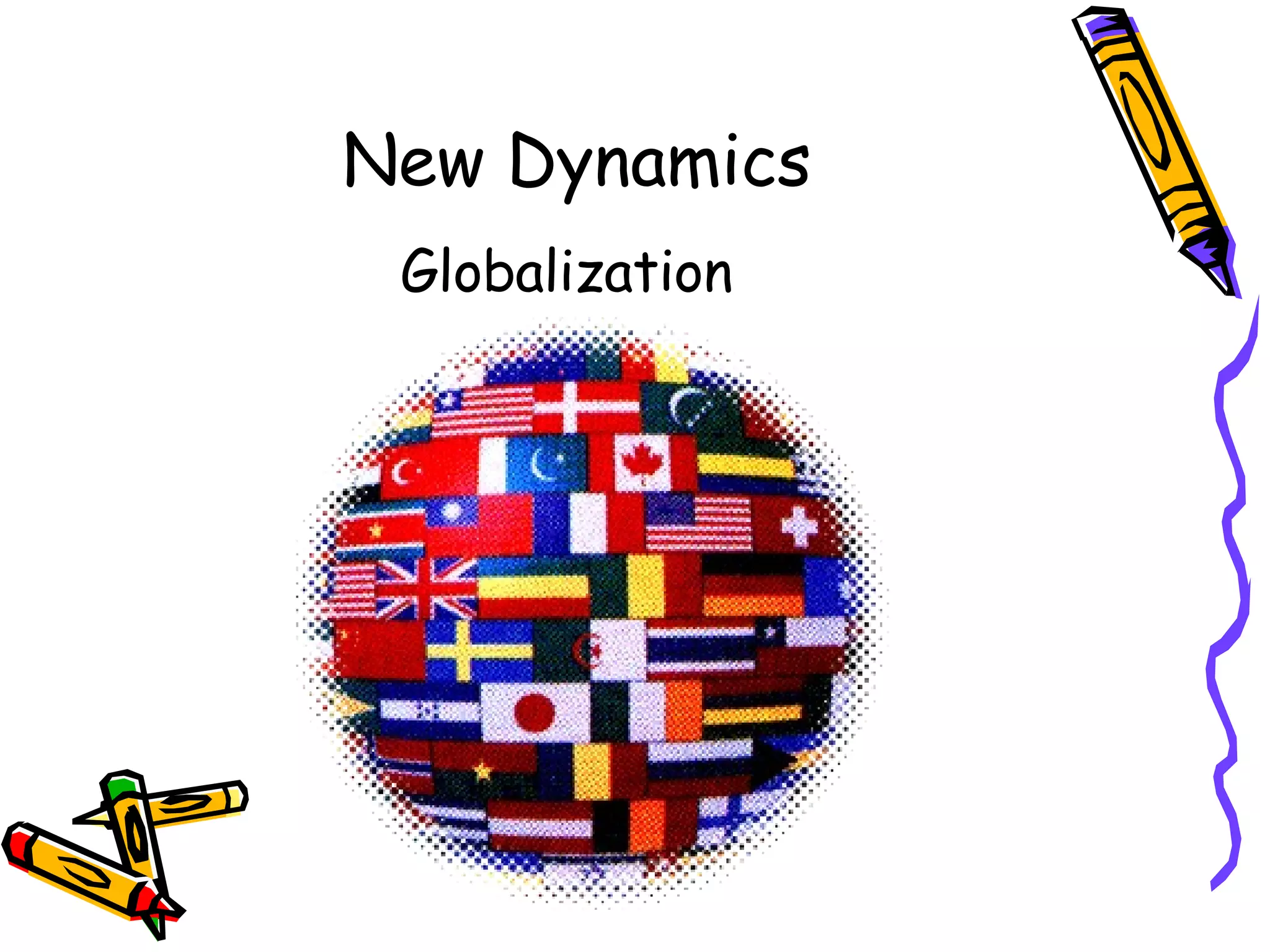
  New Dynamics Globalization
Information Technology
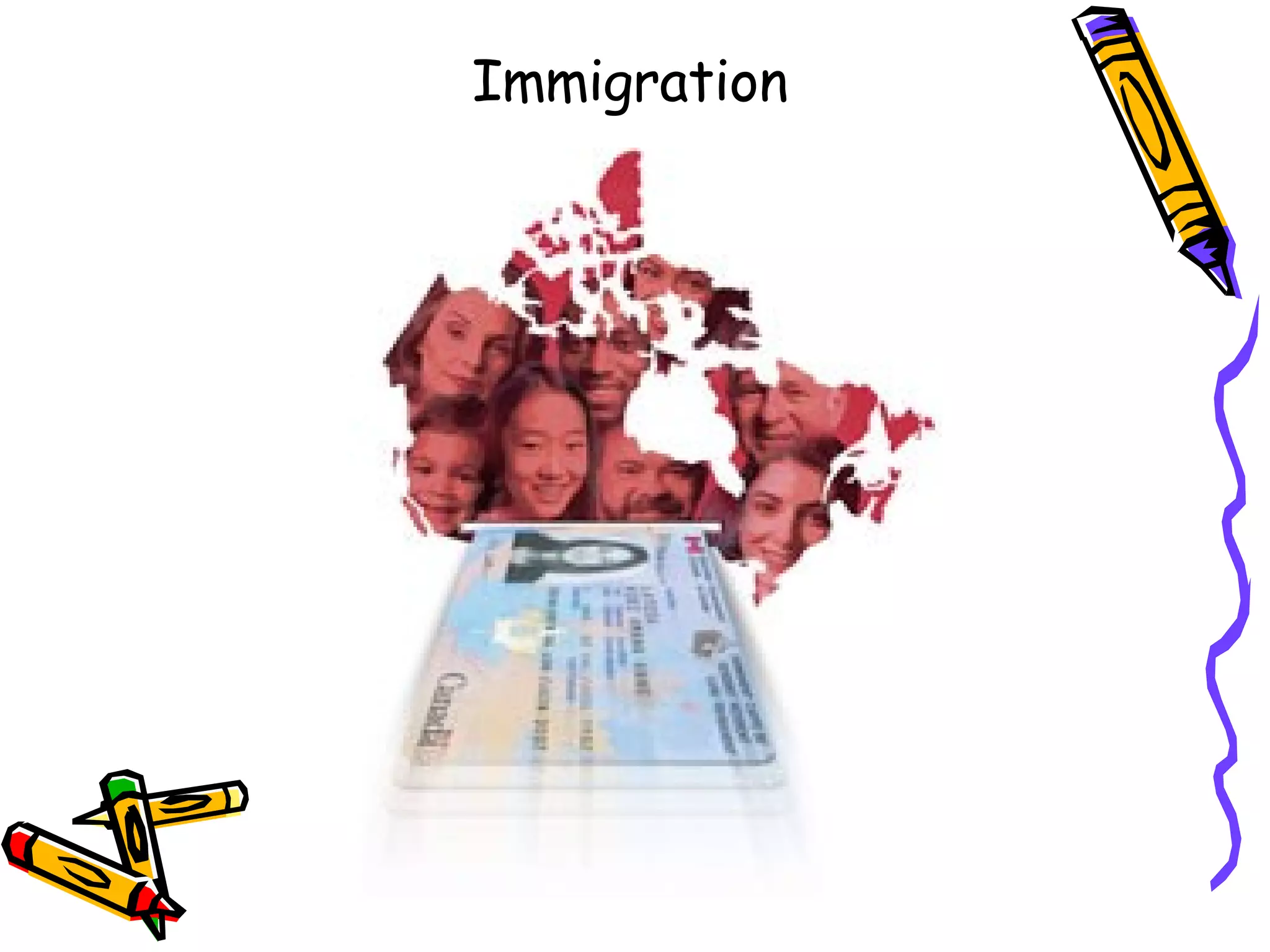
Immigration
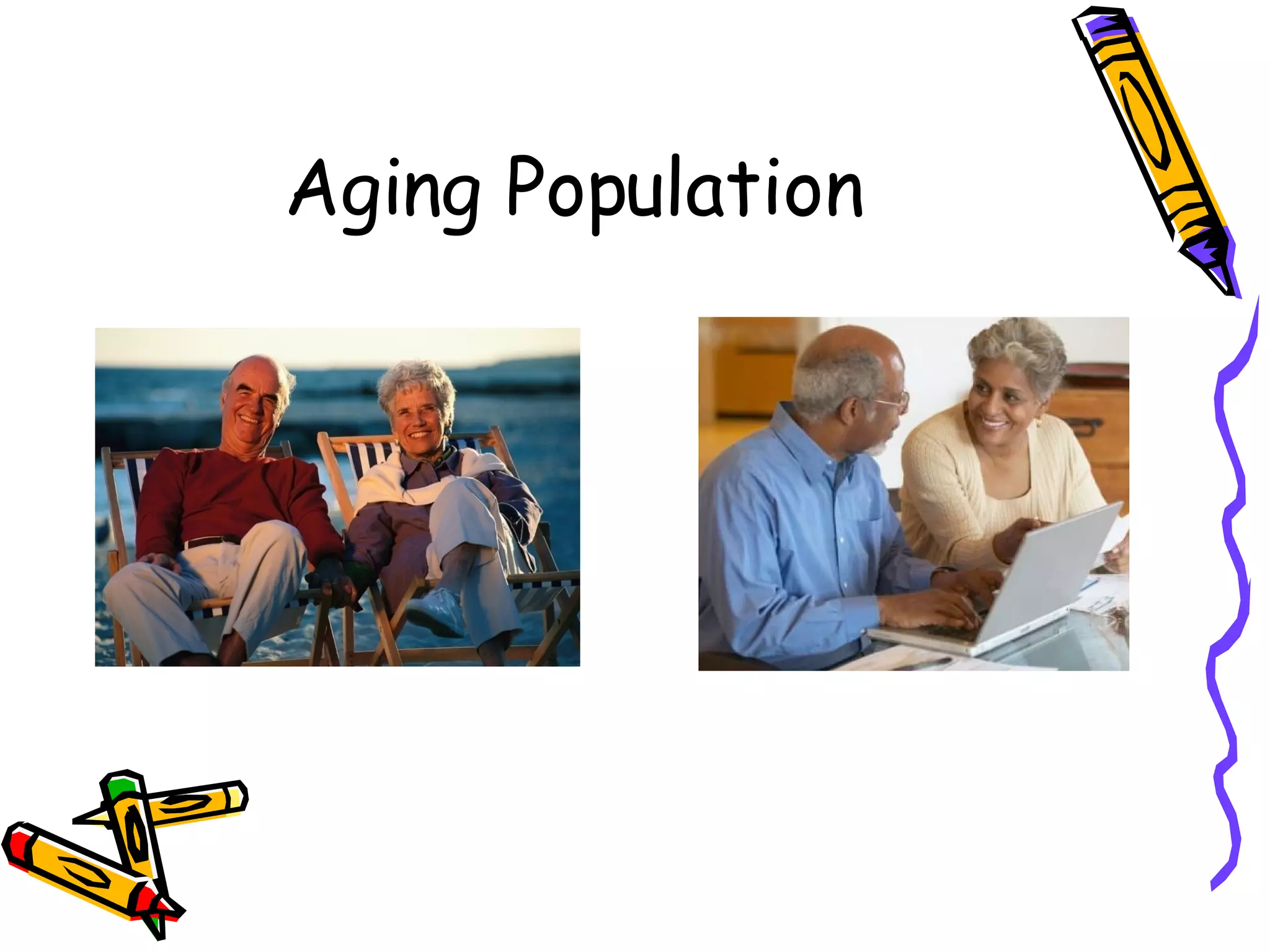
Aging Population
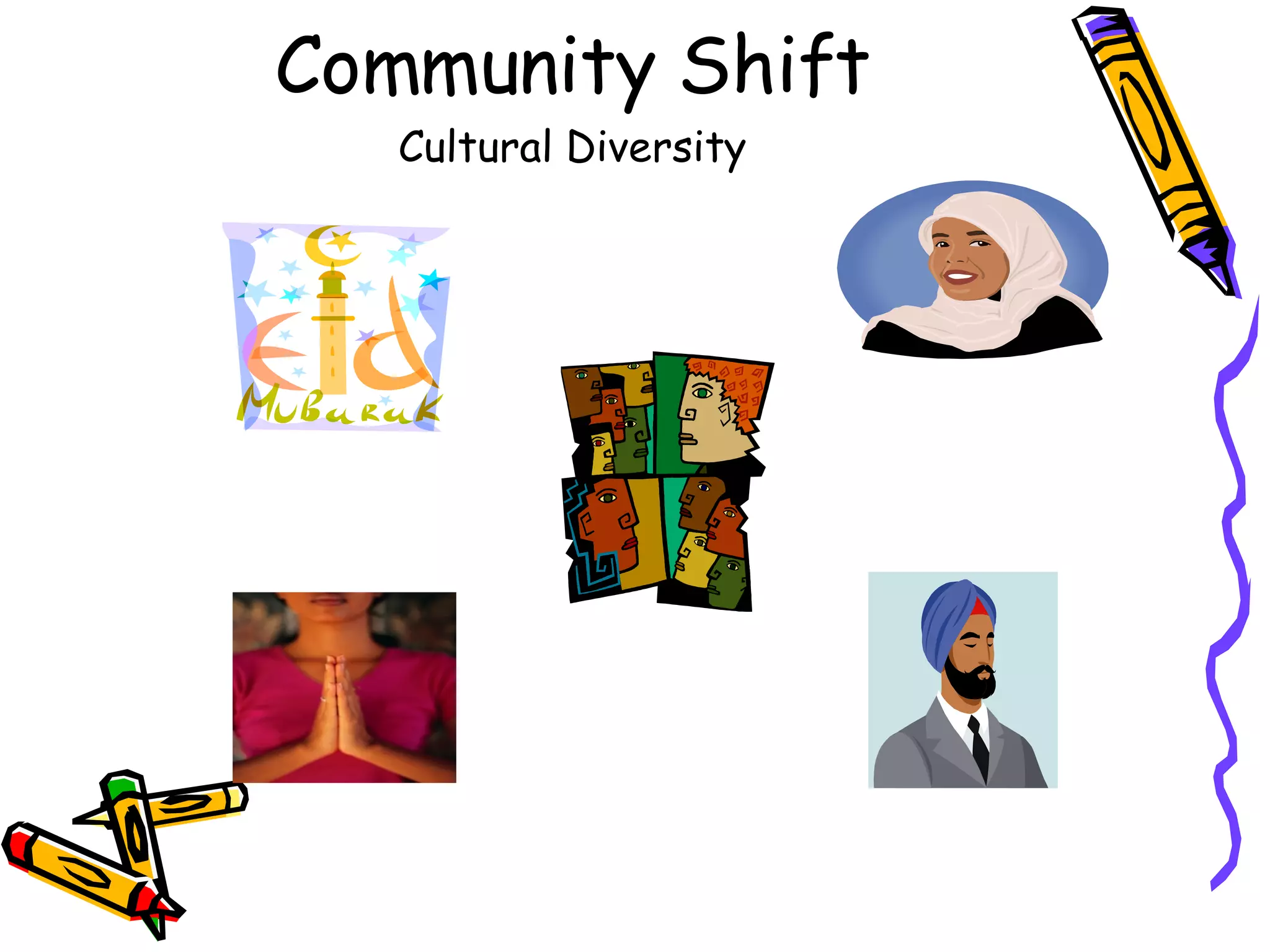
Community Shift Cultural Diversity
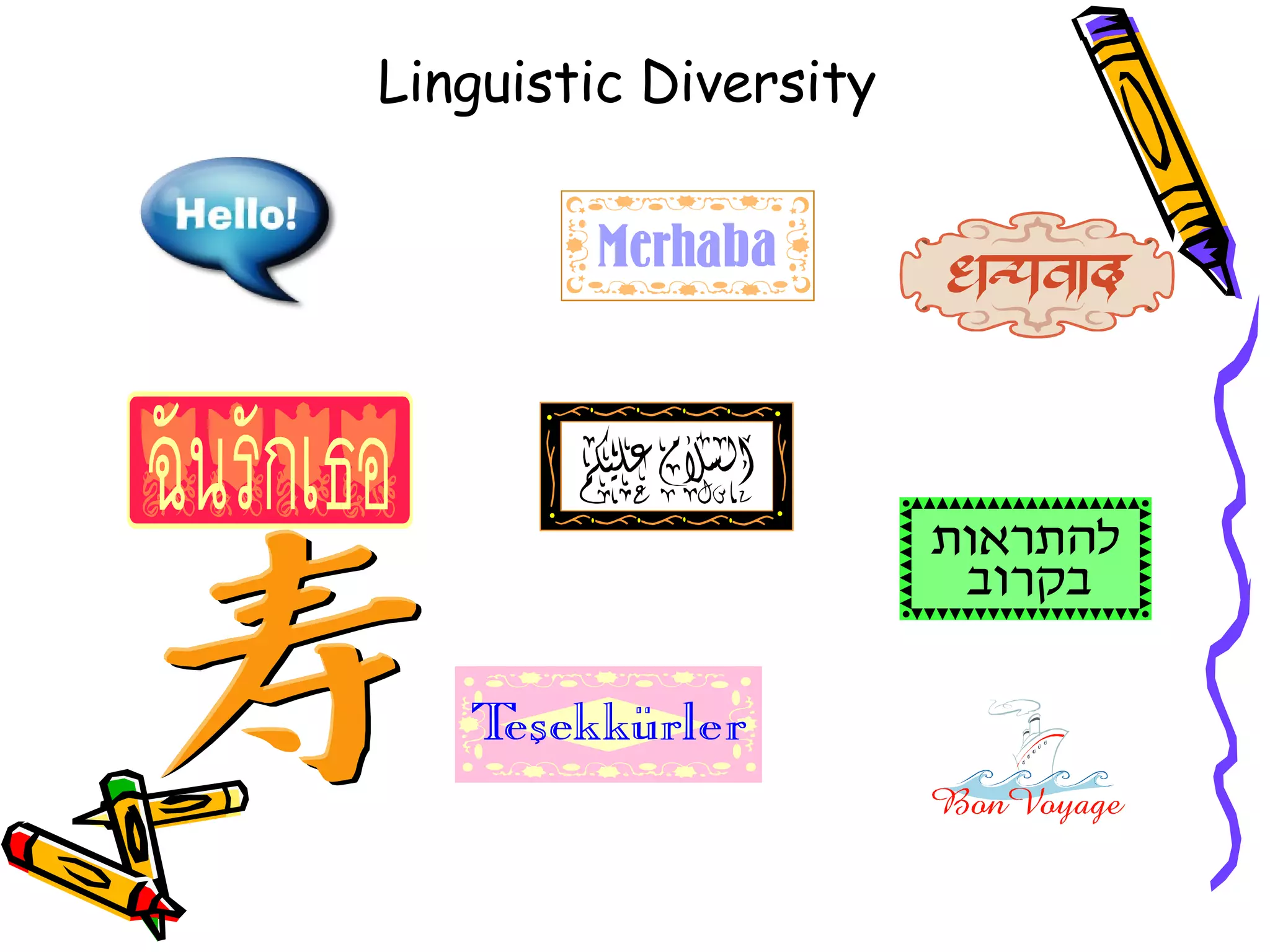
Linguistic Diversity
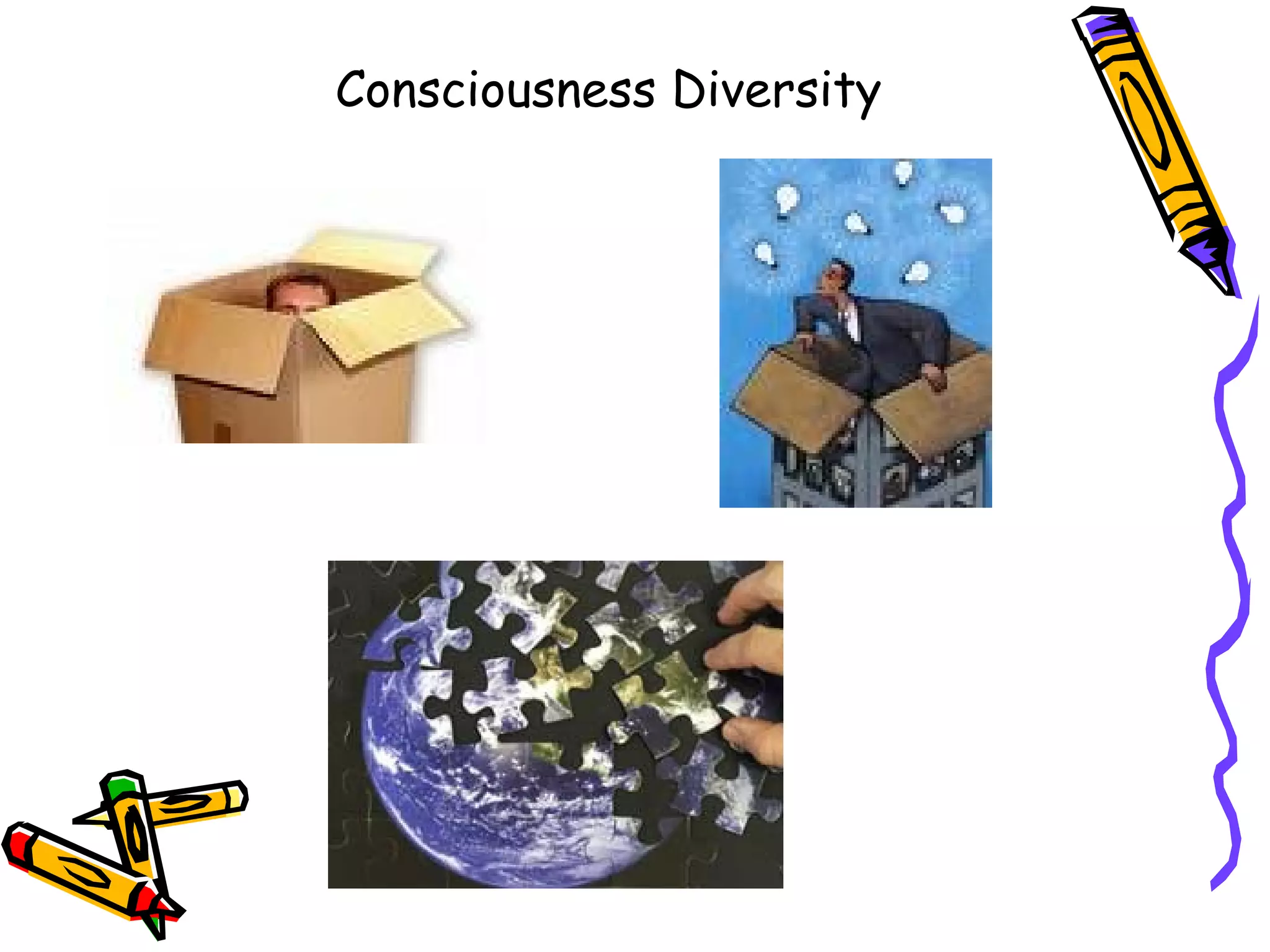
Consciousness Diversity
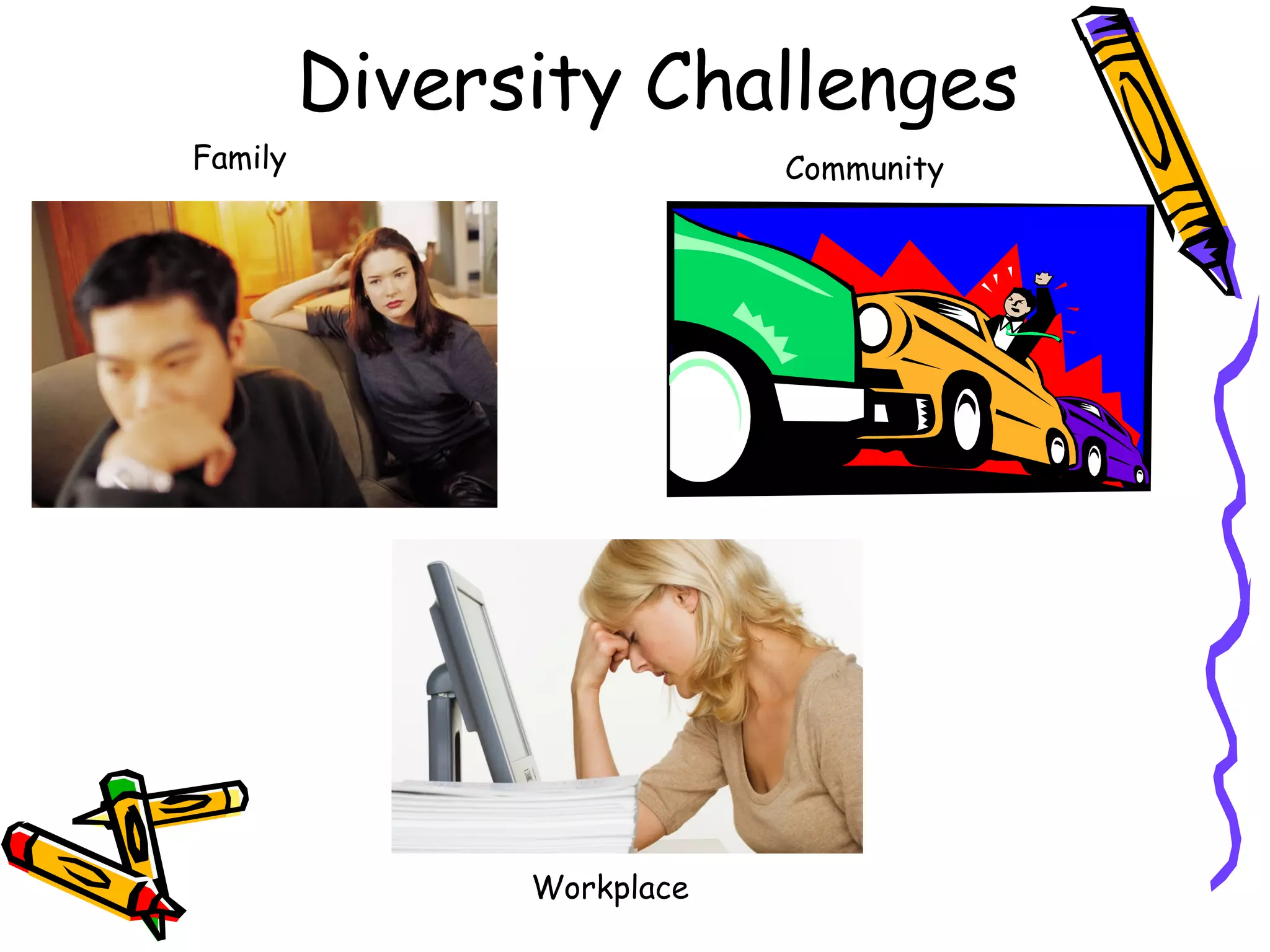
Diversity Challenges Family Community Workplace
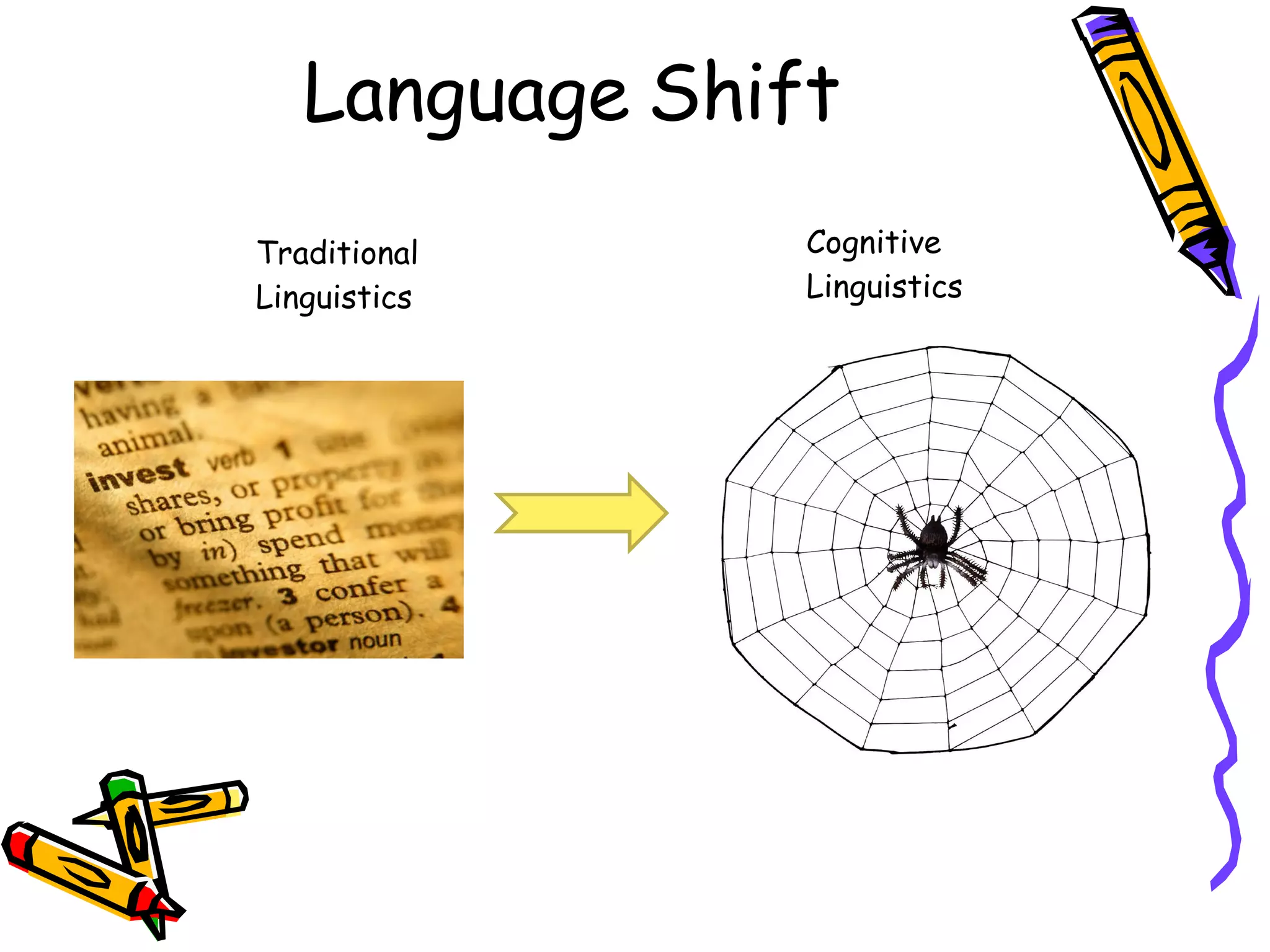
Language Shift Traditional Linguistics  Cognitive Linguistics
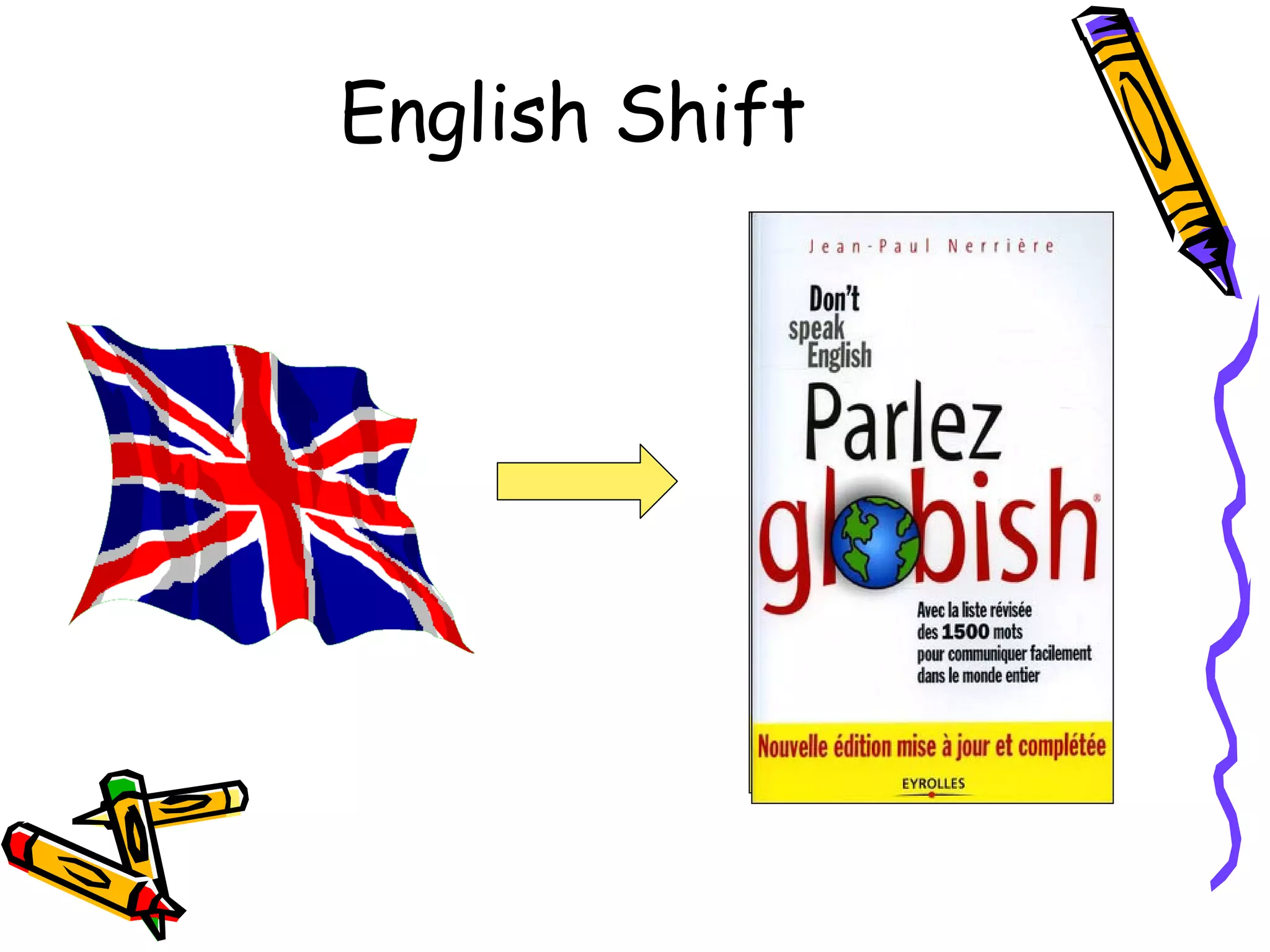
English Shift
Learn More
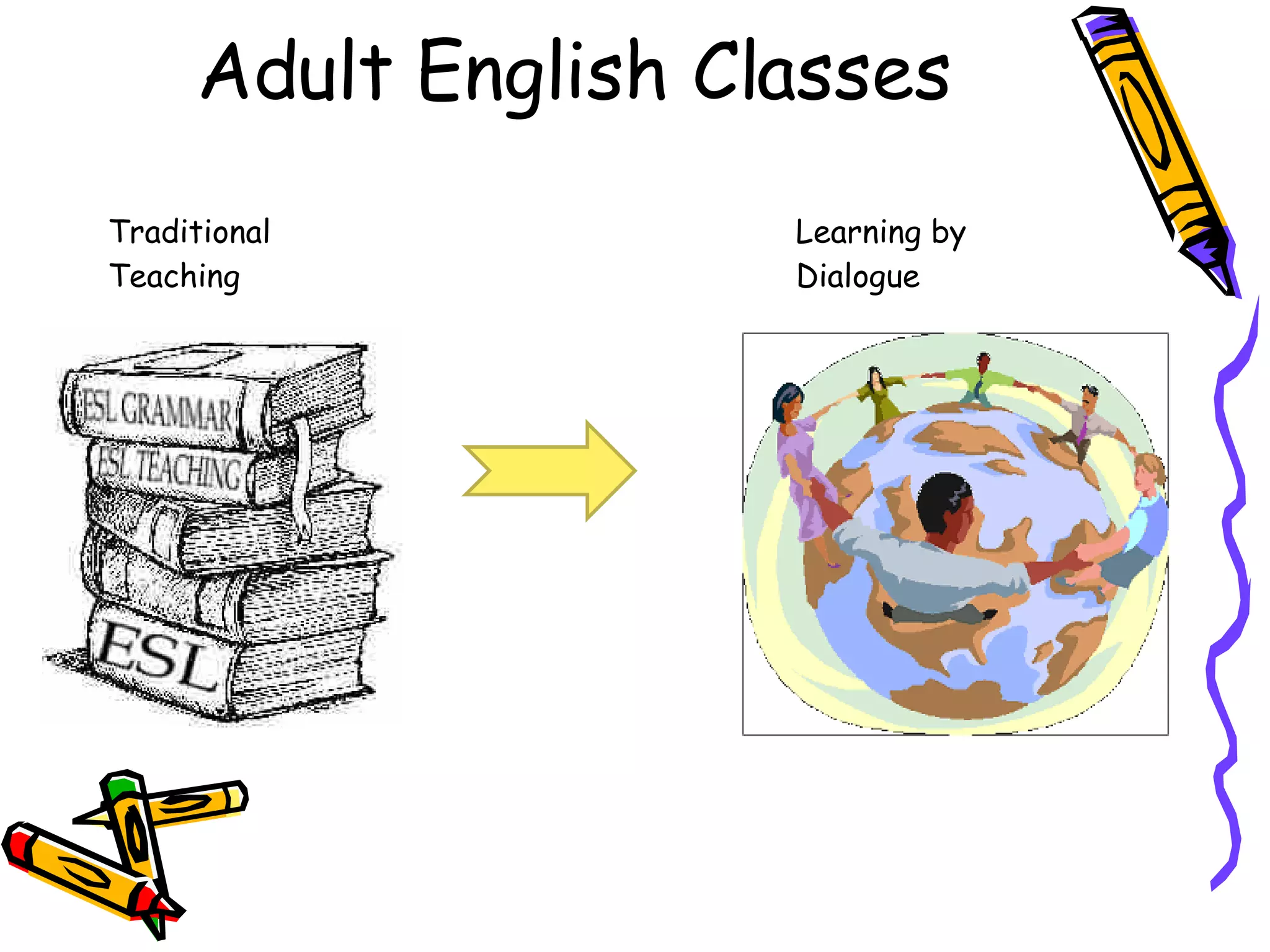
Adult English Classes Traditional Teaching Learning by Dialogue
HOW?
Conclusion  Engaged citizens Stronger families Inclusive communities Sustainable workplaces Vibrant economies
 

Language Economy: Building Communities through Language Learning

Editor's Notes

  • #2 Good morning everyone and thank you for coming to this workshop. I am very excited to do this presentation. In this presentation I tried to mix language with economics. The purpose of this presentation is to initiate dialogue and discussions on how we can enhance the role of language training in building inclusive and stronger communities. The presentation will be posted at TESL Ontario website in case you need to have a copy. My name is Khaled Islaih, I am part of LINC team at Muslim Community Services (MCS). In our community agency, we offer LINC classes for Canadian newcomers in Brampton and Mississauga. Our students and staff are very diverse. They are multicultural and multilingual. Before, joining MCS I worked with Brampton Multicultural Council in settlement sector. I also had the opportunity to work with Google from home as Web Rater for Arabic and English sites. Before coming to Canada, I worked for eight years with a UN mission in Ramallah (Palestine) as an economic researcher. The presentation is divided into three sections. In the first section, I highlighted the dynamics of knowledge economy. In the second section, I explained the impact of these new dynamics on our communities and language systems. In the last section, we will develop ideas and suggestions to enhance our role as language professionals in community development and empowerment.