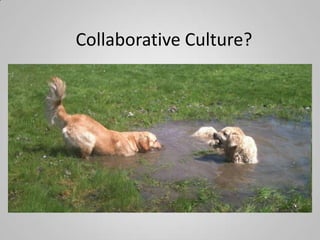
Collaborative Culture?
Knowledge Management in Canadian Health:
Improving knowledge translation
   by embracing complexity.


            Thom Kearney
             MGMT5001
"Knowledge is of two kinds.
We know a subject ourselves, or we know
where we can find information upon it. “
    Samuel Johnson (Boswell's Life of Johnson)
Agenda
• Health information in Canada
• Key concepts:
  – Knowledge creations funnel
  – Complex adaptive systems
• Opportunities for solutions (problems)
• Embracing the complexity
• A personal example
Canadian Health system overview
Jurisdictions
                                                                          Yukon         NWT
                                                             Nunavut
                                                                         Less than 1% pop         PEI
                       British
                      Columbia      Alberta                                                       Canadian
                                                          Infoway                       Health     Forces CIC
                           10-15 % pop                                                  Canada             RCMP
                                                     HC
                                                                                         VAC              PHAC
                                              CIHI
                                                                                    Corrections
                                              PHAC                                             Federal
                                          CIHR                                          Healthcare Partnership
      Quebec                                         Federal Influence                    Less than 1% pop


    23-40% pop   Ontario                                                                              New
                                                                                    Manitoba       Brunswick
                                 Saskatchewan        Newfoundland Nova Scotia
                                                     and Labrador     1-5 % pop
Knowledge Action Cycle
Knowledge Creation Funnel


  Bottle Neck
Complex adaptive system
Individuals using simple rules,          Components
acting for their own reasons      •   Self organization
create an adaptive system.        •   Emergence
                                  •   Relationships
                                  •   Feedback
                                  •   Adaptability
                                  •   Non-Linearity

Interactions, relationships within the context of the
network result in dynamic knowledge sharing.
(Robeson, 2009)
Opportunities for solutions
• Knowledge translation takes too long.
  Especially creating knowledge tools
• Resources are limited and jurisdictions tend to
  do the same sorts of things (duplication is
  bad)
• Knowledge is leaving for the golf course
Embrace the complexity
Employ social technologies:
• Connect all health professionals in Canada
• No personal health data
• Open and closed groups of all types
• Multiple layers of security and veracity
• Make it easy to join, easy to share

 Design for the six components of a complex adaptive system:
   Self organization Emergence Relationships
      Feedback Adaptability Non-Linearity
Example
Conclusion
• Social technologies can help with knowledge
  translation in health.
• Culture will take time to change, social
  technologies encourage sharing and trust
• Critical mass matters, go big or go home.
Shared platform
                                                            Shared Benefits
                                                            Efficiency and focus
                                                            Interoperability
                 ST&E                                       Connectedness
                                                            Shared knowledge
                                                            Access
                                                            Agility


                                                          Shared Technology
  Policy?                   Health                        Common profile
                                                          Standard xml
                                                          Open development


Governance – basic enablement and standards. National scope with connections

Knowledge Translation and Social Technologies

  • 1.
  • 2.
    Knowledge Management inCanadian Health: Improving knowledge translation by embracing complexity. Thom Kearney MGMT5001
  • 3.
    "Knowledge is oftwo kinds. We know a subject ourselves, or we know where we can find information upon it. “ Samuel Johnson (Boswell's Life of Johnson)
  • 4.
    Agenda • Health informationin Canada • Key concepts: – Knowledge creations funnel – Complex adaptive systems • Opportunities for solutions (problems) • Embracing the complexity • A personal example
  • 5.
    Canadian Health systemoverview Jurisdictions Yukon NWT Nunavut Less than 1% pop PEI British Columbia Alberta Canadian Infoway Health Forces CIC 10-15 % pop Canada RCMP HC VAC PHAC CIHI Corrections PHAC Federal CIHR Healthcare Partnership Quebec Federal Influence Less than 1% pop 23-40% pop Ontario New Manitoba Brunswick Saskatchewan Newfoundland Nova Scotia and Labrador 1-5 % pop
  • 6.
  • 7.
  • 8.
    Complex adaptive system Individualsusing simple rules, Components acting for their own reasons • Self organization create an adaptive system. • Emergence • Relationships • Feedback • Adaptability • Non-Linearity Interactions, relationships within the context of the network result in dynamic knowledge sharing. (Robeson, 2009)
  • 9.
    Opportunities for solutions •Knowledge translation takes too long. Especially creating knowledge tools • Resources are limited and jurisdictions tend to do the same sorts of things (duplication is bad) • Knowledge is leaving for the golf course
  • 10.
    Embrace the complexity Employsocial technologies: • Connect all health professionals in Canada • No personal health data • Open and closed groups of all types • Multiple layers of security and veracity • Make it easy to join, easy to share Design for the six components of a complex adaptive system: Self organization Emergence Relationships Feedback Adaptability Non-Linearity
  • 11.
  • 12.
    Conclusion • Social technologiescan help with knowledge translation in health. • Culture will take time to change, social technologies encourage sharing and trust • Critical mass matters, go big or go home.
  • 14.
    Shared platform Shared Benefits Efficiency and focus Interoperability ST&E Connectedness Shared knowledge Access Agility Shared Technology Policy? Health Common profile Standard xml Open development Governance – basic enablement and standards. National scope with connections