CN Lab Presentation
SUBMITTED TO:
Ms. Pooja Varshney
(Assistant professor)
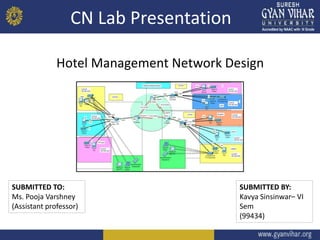
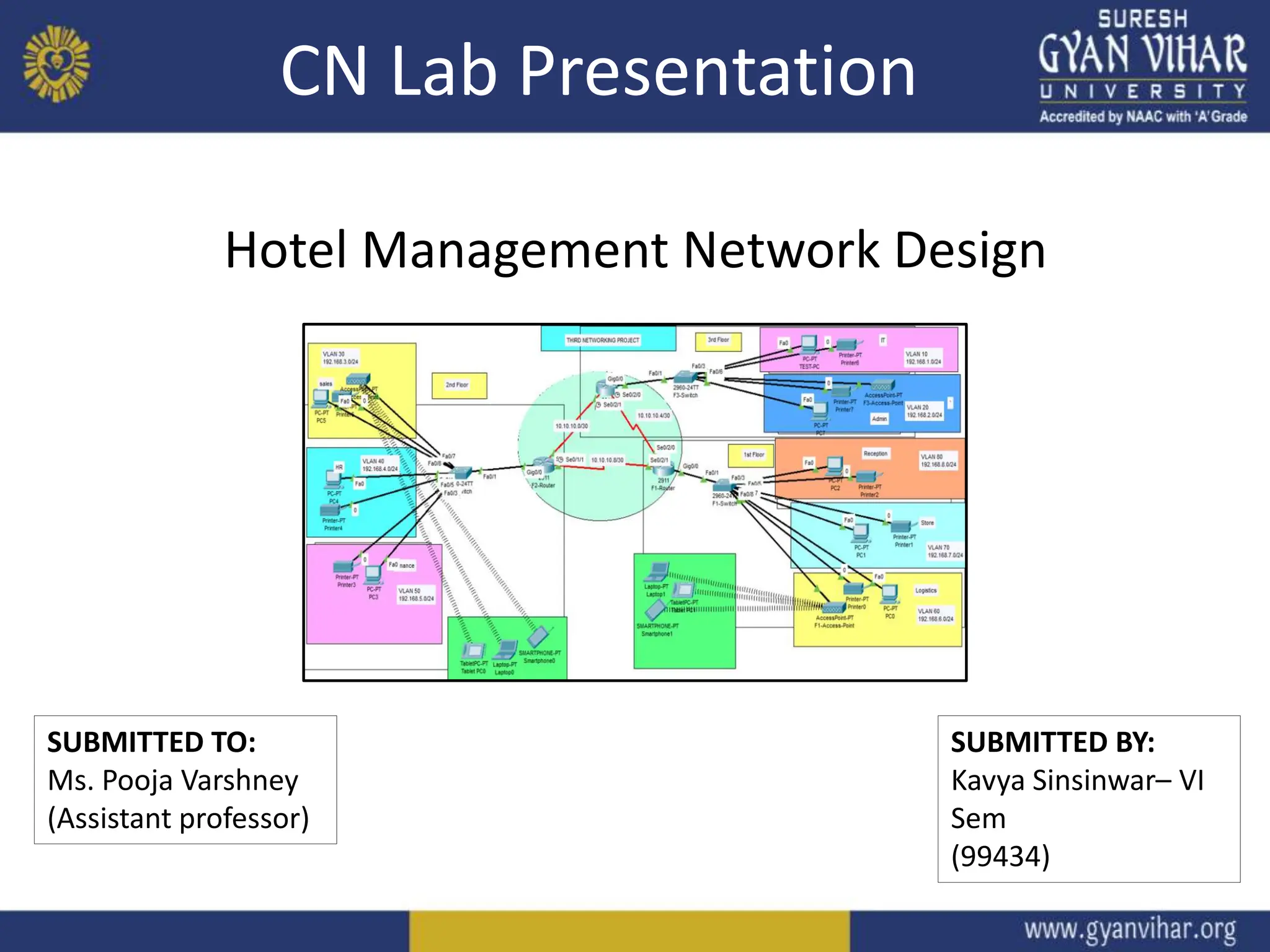
Hotel Management Network Design
SUBMITTED BY:
Kavya Sinsinwar– VI
Sem
(99434)
Introduction
Introduction:
In the digital age, effective network design is essential for the seamless
operation of businesses across various industries. The hospitality sector,
including hotels, resorts, and accommodations, relies heavily on technology to
streamline operations, enhance guest experiences, and ensure efficient
management
Basic Architecture
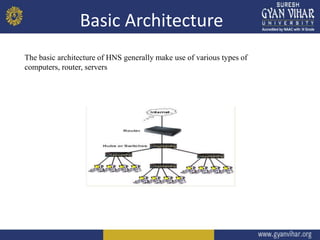
The basic architecture of HNS generally make use of various types of
computers, router, servers
Objectives
Objectives
• Providing seamless connectivity and access to services such as Wi-Fi,
online booking systems, and digital entertainment enhances the overall
guest experience and satisfaction.
• capabilities and increase the flexibility of the network which will eventually
provide good
Key points:
• Update Existing Infrastructure
• Enhance Performance
• Increase Flexibility
Software used
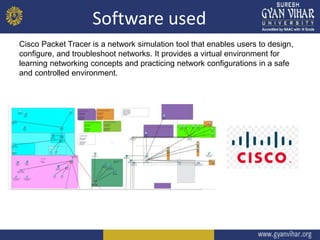
Cisco Packet Tracer is a network simulation tool that enables users to design,
configure, and troubleshoot networks. It provides a virtual environment for
learning networking concepts and practicing network configurations in a safe
and controlled environment.
Network Requirements
Requirements:
• Reduce Internet Downtime:
Maintain download and upload speeds above 5 Mbps.
• Scalability:
Ensure the network can scale as needed.
• Support Remote Access:
Enable remote access to network resources.
• Data Center Support:
Implement data centers with necessary security features.
Features
PRODUCT FEATURES:
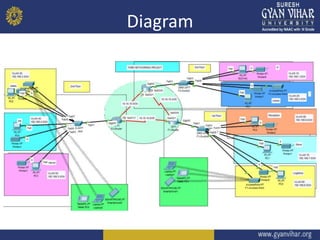
1. This network is based on client-server architecture.
2. Tree topology is used here.
3. 4 client routers are present for the four levels of Hotel and they are
associated to a server.
4. Likewise, various departments limited into LANs and share router
corresponding to their levels.
5. A request is made by any system of any department and it is forwarded to
client switch, which
furthermore transmits it to the router and then to server.
Existing Infrastructure
Understanding the existing infrastructure is crucial for designing an effective
network upgrade or implementation plan. Here's how you might approach
assessing the current setup:
• Physical Infrastructure Assessment
• Network Configuration and Topology
• Security Infrastructure.
Challenges:
• Outdated Switches
• Lack of Dynamic IP Allocation
• No Remote Access
Configuration
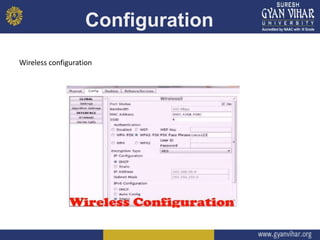
Wireless configuration
Challenges
• Security and Compliance: Hotels handle sensitive guest data, including
personal information and payment details, making them prime targets for
cyberattacks. Ensuring network security and compliance with regulations
like PCI DSS.
• Scalability: Hotels often experience fluctuations in demand based on
seasons, events, and other factors. Designing a network that can scale up
or down to accommodate these fluctuations without sacrificing performance
or security is a challenge..
• Budget Constraints: Balancing cost-effectiveness with the need for high-
performance, secure infrastructure requires careful planning and
prioritization..
Scope
SCOPE OF HNS:
(Hotel Network design)This project is give us an efficient methodology
connected among all computers that are used in a respective Hotel. Apart from
interconnection, the project economical is made the topology by keeping in
mind about the cost. The most important points is authentication and security to
prevent the unauthorized access.
Proposed solution
• Upgrade Infrastructure: Replace outdated switches with modern IP-based
switches.
• Dynamic IP Allocation: Implement dynamic IP allocation for scalability and
efficiency.
• Remote Access: Enable remote access for efficient network management.
• VLAN Configurations: Introduce VLANs to logically segment the network,
improving security by isolating traffic and enhancing efficiency by optimizing
data flow within each VLAN.
Implementation Details:
• Installation of Network Devices: The installation process will involve
strategically placing IP-based switches and wireless access points
throughout the campus. Each device will be configured to ensure optimal
performance and coverage.
• Configuration of IP Addressing: An IP addressing plan will be developed
and implemented to assign IP addresses to various network devices and
departments. This plan will facilitate efficient data routing and management
within the network.
• Routing Protocol Plan: A routing protocol plan will be established to
ensure efficient data routing and communication between network
segments. Routers will be deployed and configured according to this plan to
optimize network traffic flow and ensure seamless connectivity.
Diagram
Conclusion
In conclusion, designing a network for hotel management is
a multifaceted endeavor that requires careful consideration
of numerous factors, including guest expectations, security,
scalability, and operational efficiency
kavya cn ppt.pdf.pptx Hotel Management system using computer network

kavya cn ppt.pdf.pptx Hotel Management system using computer network

  • 1.
    CN Lab Presentation SUBMITTEDTO: Ms. Pooja Varshney (Assistant professor) Hotel Management Network Design SUBMITTED BY: Kavya Sinsinwar– VI Sem (99434)
  • 2.
    Introduction Introduction: In the digitalage, effective network design is essential for the seamless operation of businesses across various industries. The hospitality sector, including hotels, resorts, and accommodations, relies heavily on technology to streamline operations, enhance guest experiences, and ensure efficient management
  • 3.
    Basic Architecture The basicarchitecture of HNS generally make use of various types of computers, router, servers
  • 4.
    Objectives Objectives • Providing seamlessconnectivity and access to services such as Wi-Fi, online booking systems, and digital entertainment enhances the overall guest experience and satisfaction. • capabilities and increase the flexibility of the network which will eventually provide good Key points: • Update Existing Infrastructure • Enhance Performance • Increase Flexibility
  • 5.
    Software used Cisco PacketTracer is a network simulation tool that enables users to design, configure, and troubleshoot networks. It provides a virtual environment for learning networking concepts and practicing network configurations in a safe and controlled environment.
  • 6.
    Network Requirements Requirements: • ReduceInternet Downtime: Maintain download and upload speeds above 5 Mbps. • Scalability: Ensure the network can scale as needed. • Support Remote Access: Enable remote access to network resources. • Data Center Support: Implement data centers with necessary security features.
  • 7.
    Features PRODUCT FEATURES: 1. Thisnetwork is based on client-server architecture. 2. Tree topology is used here. 3. 4 client routers are present for the four levels of Hotel and they are associated to a server. 4. Likewise, various departments limited into LANs and share router corresponding to their levels. 5. A request is made by any system of any department and it is forwarded to client switch, which furthermore transmits it to the router and then to server.
  • 8.
    Existing Infrastructure Understanding theexisting infrastructure is crucial for designing an effective network upgrade or implementation plan. Here's how you might approach assessing the current setup: • Physical Infrastructure Assessment • Network Configuration and Topology • Security Infrastructure. Challenges: • Outdated Switches • Lack of Dynamic IP Allocation • No Remote Access
  • 9.
  • 10.
    Challenges • Security andCompliance: Hotels handle sensitive guest data, including personal information and payment details, making them prime targets for cyberattacks. Ensuring network security and compliance with regulations like PCI DSS. • Scalability: Hotels often experience fluctuations in demand based on seasons, events, and other factors. Designing a network that can scale up or down to accommodate these fluctuations without sacrificing performance or security is a challenge.. • Budget Constraints: Balancing cost-effectiveness with the need for high- performance, secure infrastructure requires careful planning and prioritization..
  • 11.
    Scope SCOPE OF HNS: (HotelNetwork design)This project is give us an efficient methodology connected among all computers that are used in a respective Hotel. Apart from interconnection, the project economical is made the topology by keeping in mind about the cost. The most important points is authentication and security to prevent the unauthorized access.
  • 12.
    Proposed solution • UpgradeInfrastructure: Replace outdated switches with modern IP-based switches. • Dynamic IP Allocation: Implement dynamic IP allocation for scalability and efficiency. • Remote Access: Enable remote access for efficient network management. • VLAN Configurations: Introduce VLANs to logically segment the network, improving security by isolating traffic and enhancing efficiency by optimizing data flow within each VLAN.
  • 13.
    Implementation Details: • Installationof Network Devices: The installation process will involve strategically placing IP-based switches and wireless access points throughout the campus. Each device will be configured to ensure optimal performance and coverage. • Configuration of IP Addressing: An IP addressing plan will be developed and implemented to assign IP addresses to various network devices and departments. This plan will facilitate efficient data routing and management within the network. • Routing Protocol Plan: A routing protocol plan will be established to ensure efficient data routing and communication between network segments. Routers will be deployed and configured according to this plan to optimize network traffic flow and ensure seamless connectivity.
  • 14.
  • 15.
    Conclusion In conclusion, designinga network for hotel management is a multifaceted endeavor that requires careful consideration of numerous factors, including guest expectations, security, scalability, and operational efficiency