BIG DATA, OPEN DATA:
RETOS YOPORTUNIDADES
Alberto Labarga, @alabarga
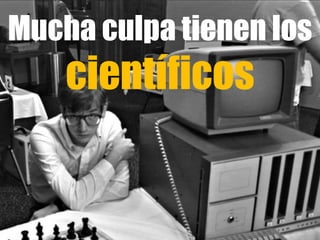
Mucha culpa tienen los
científicos
Y su curiosidad
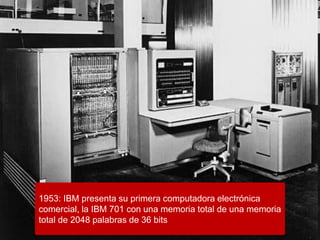
1953: IBM presenta su primera computadora electrónica
comercial, la IBM 701 con una memoria total de una memoria
total de 2048 palabras de 36 bits
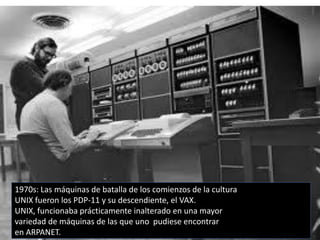
1970s: Las máquinas de batalla de los comienzos de la cultura
UNIX fueron los PDP-11 y su descendiente, el VAX.
UNIX, funcionaba prácticamente inalterado en una mayor
variedad de máquinas de las que uno pudiese encontrar
en ARPANET.
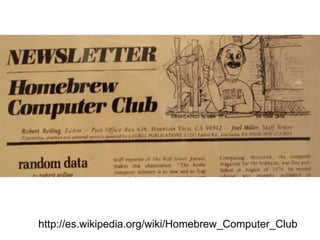
http://es.wikipedia.org/wiki/Homebrew_Computer_Club
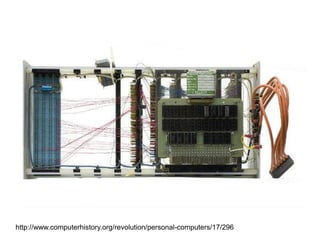
http://www.computerhistory.org/revolution/personal-computers/17/296
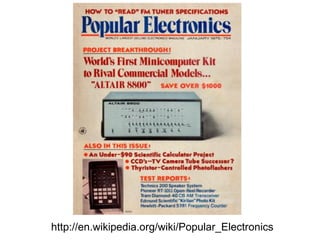
http://en.wikipedia.org/wiki/Popular_Electronics
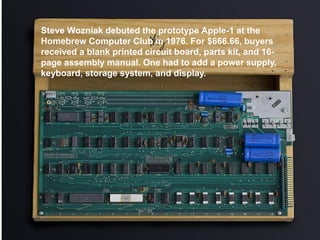
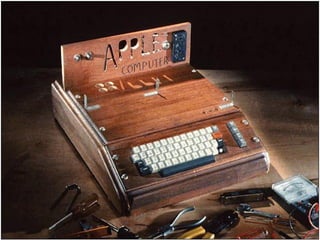
Steve Wozniak debuted the prototype Apple-1 at the
Homebrew Computer Club in 1976. For $666.66, buyers
received a blank printed circuit board, parts kit, and 16-
page assembly manual. One had to add a power supply,
keyboard, storage system, and display.
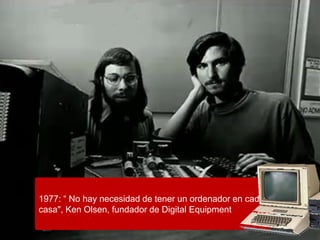
1977: “ No hay necesidad de tener un ordenador en cada
casa", Ken Olsen, fundador de Digital Equipment
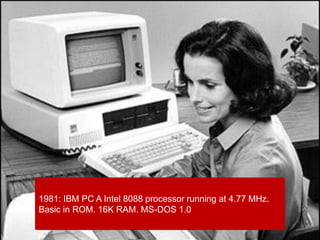
1981: IBM PC A Intel 8088 processor running at 4.77 MHz.
Basic in ROM. 16K RAM. MS-DOS 1.0
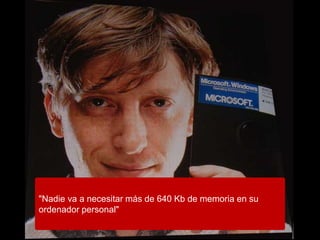
"Nadie va a necesitar más de 640 Kb de memoria en su
ordenador personal"
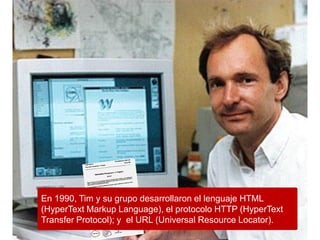
En 1990, Tim y su grupo desarrollaron el lenguaje HTML
(HyperText Markup Language), el protocolo HTTP (HyperText
Transfer Protocol); y el URL (Universal Resource Locator).
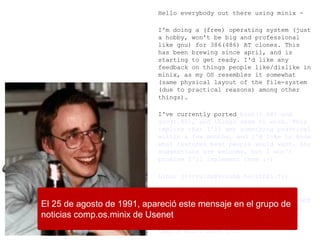
Hello everybody out there using minix -
I'm doing a (free) operating system (just
a hobby, won't be big and professional
like gnu) for 386(486) AT clones. This
has been brewing since april, and is
starting to get ready. I'd like any
feedback on things people like/dislike in
minix, as my OS resembles it somewhat
(same physical layout of the file-system
(due to practical reasons) among other
things).
I've currently ported bash(1.08) and
gcc(1.40), and things seem to work. This
implies that I'll get something practical
within a few months, and I'd like to know
what features most people would want. Any
suggestions are welcome, but I won't
promise I'll implement them :-)
Linus (torvalds@kruuna.helsinki.fi)
PS. Yes – it's free of any minix code,
and it has a multi-threaded fs. It is NOT
portable (uses 386 task switching etc),
and it probably never will support
anything other than AT-harddisks, as
that's all I have :-(.
El 25 de agosto de 1991, apareció este mensaje en el grupo de
noticias comp.os.minix de Usenet
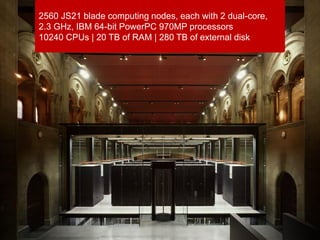
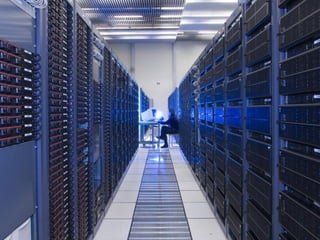
2560 JS21 blade computing nodes, each with 2 dual-core,
2.3 GHz, IBM 64-bit PowerPC 970MP processors
10240 CPUs | 20 TB of RAM | 280 TB of external disk
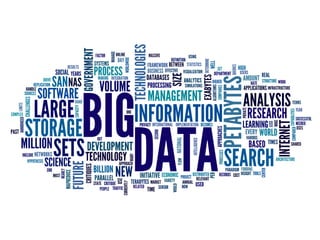
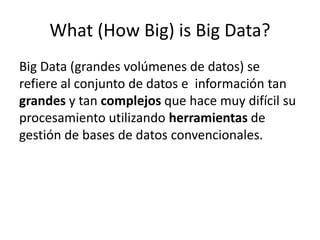
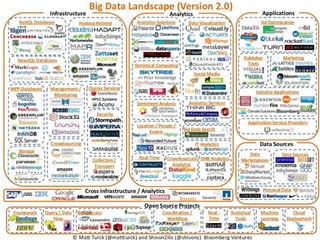
What (How Big) is Big Data?
Big Data (grandes volúmenes de datos) se
refiere al conjunto de datos e información tan
grandes y tan complejos que hace muy difícil su
procesamiento utilizando herramientas de
gestión de bases de datos convencionales.
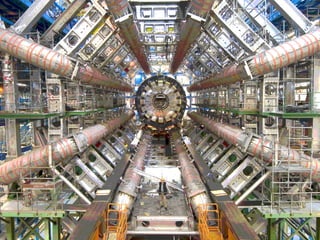
Maximilien Brice, © CERN
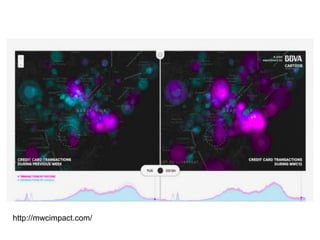
http://mwcimpact.com/
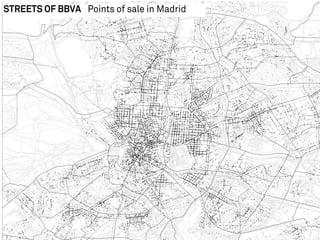
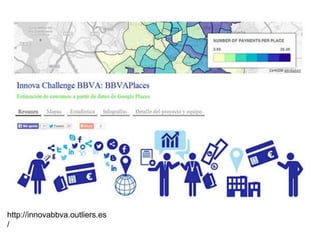
http://innovabbva.outliers.es
/
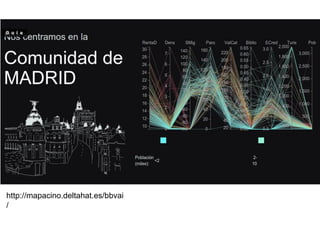
http://mapacino.deltahat.es/bbvai
/
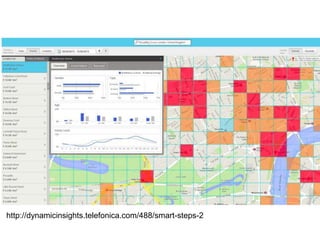
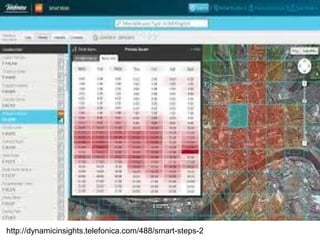
http://dynamicinsights.telefonica.com/488/smart-steps-2
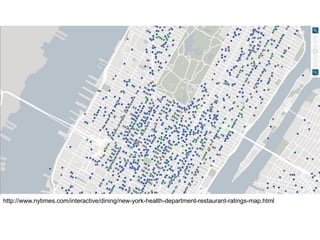
http://www.nytimes.com/interactive/dining/new-york-health-department-restaurant-ratings-map.html
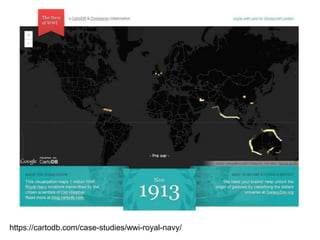
https://cartodb.com/case-studies/wwi-royal-navy/
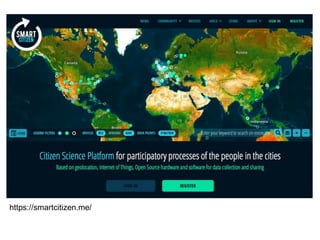
https://smartcitizen.me/
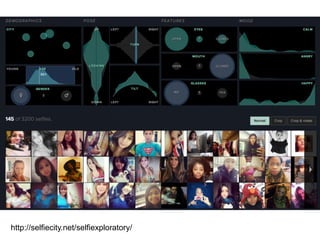
http://selfiecity.net/selfiexploratory/
http://illustreets.co.uk/
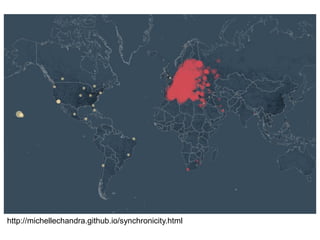
http://michellechandra.github.io/synchronicity.html
jpd5 big data
jpd5 big data

jpd5 big data