OPEN FOR BUSINESS
JOSEPH FELLER
PROFESSOR OF INFORMATION SYSTEMS
CORK UNIVERSITY BUSINESS SCHOOL
UNIVERSITY COLLEGE CORK
Open Software
& Hardware
Open Content
& Design
Open Science
& Scholarship
Open
Innovation &
Co-Creation
Crowdsourcin
g &
Crowdfunding
The Sharing
Economy
Technological
Econom
ic
Organizational
Legal
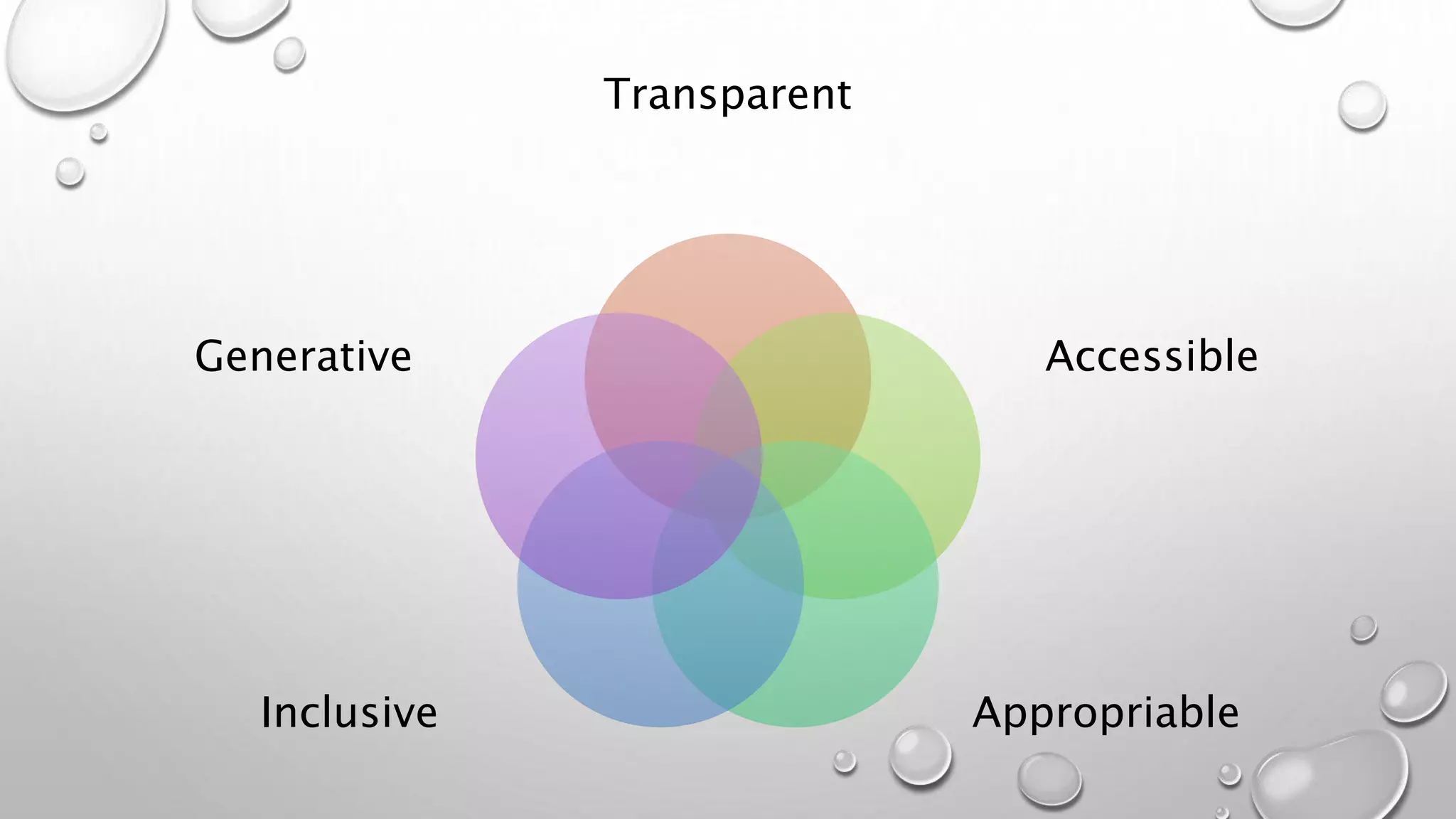
Transparent
Accessible
AppropriableInclusive
Generative
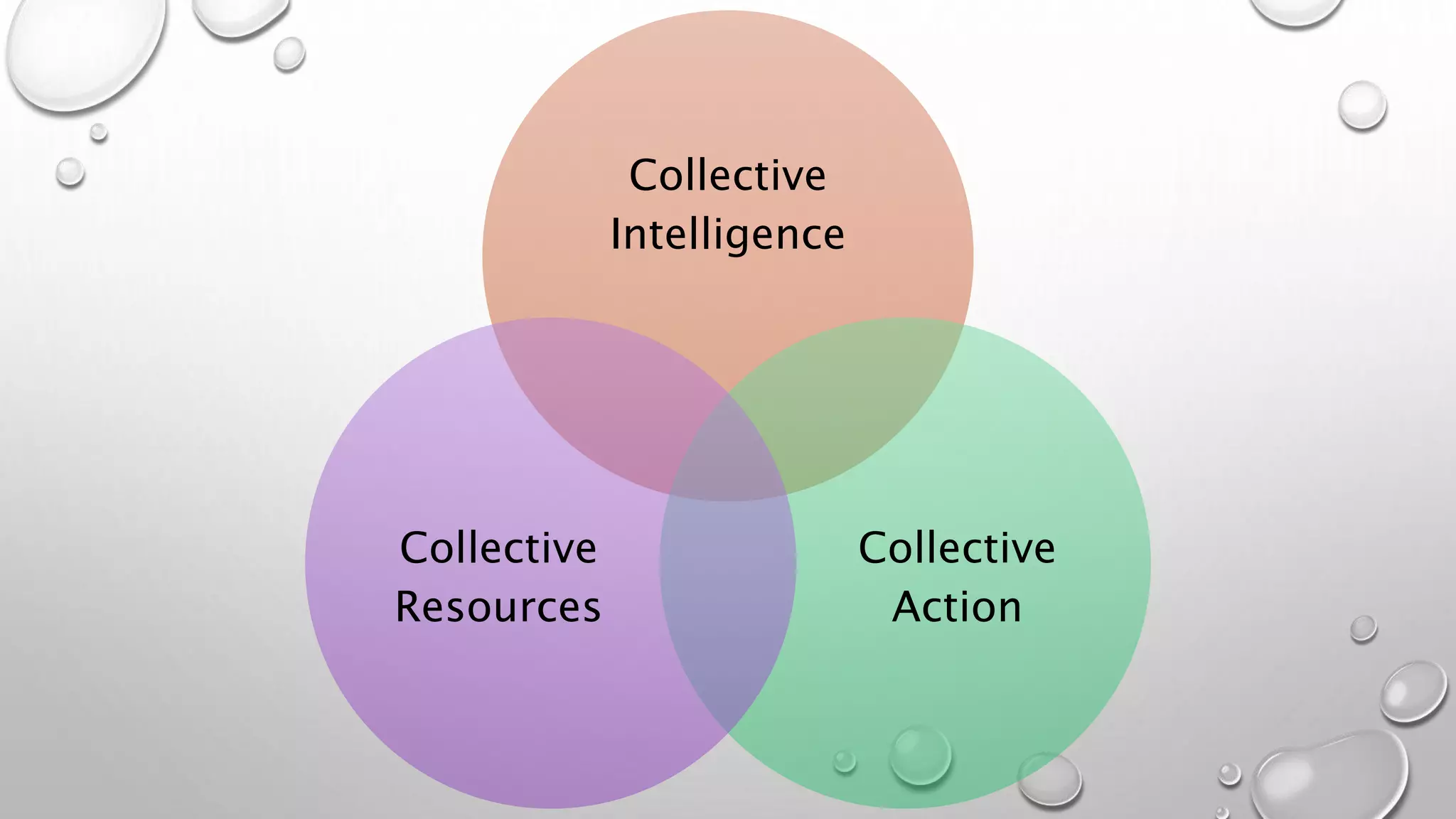
Collective
Intelligence
Collective
Action
Collective
Resources
Solve Problems
Create &
Capture Value
Affect Positive
Change
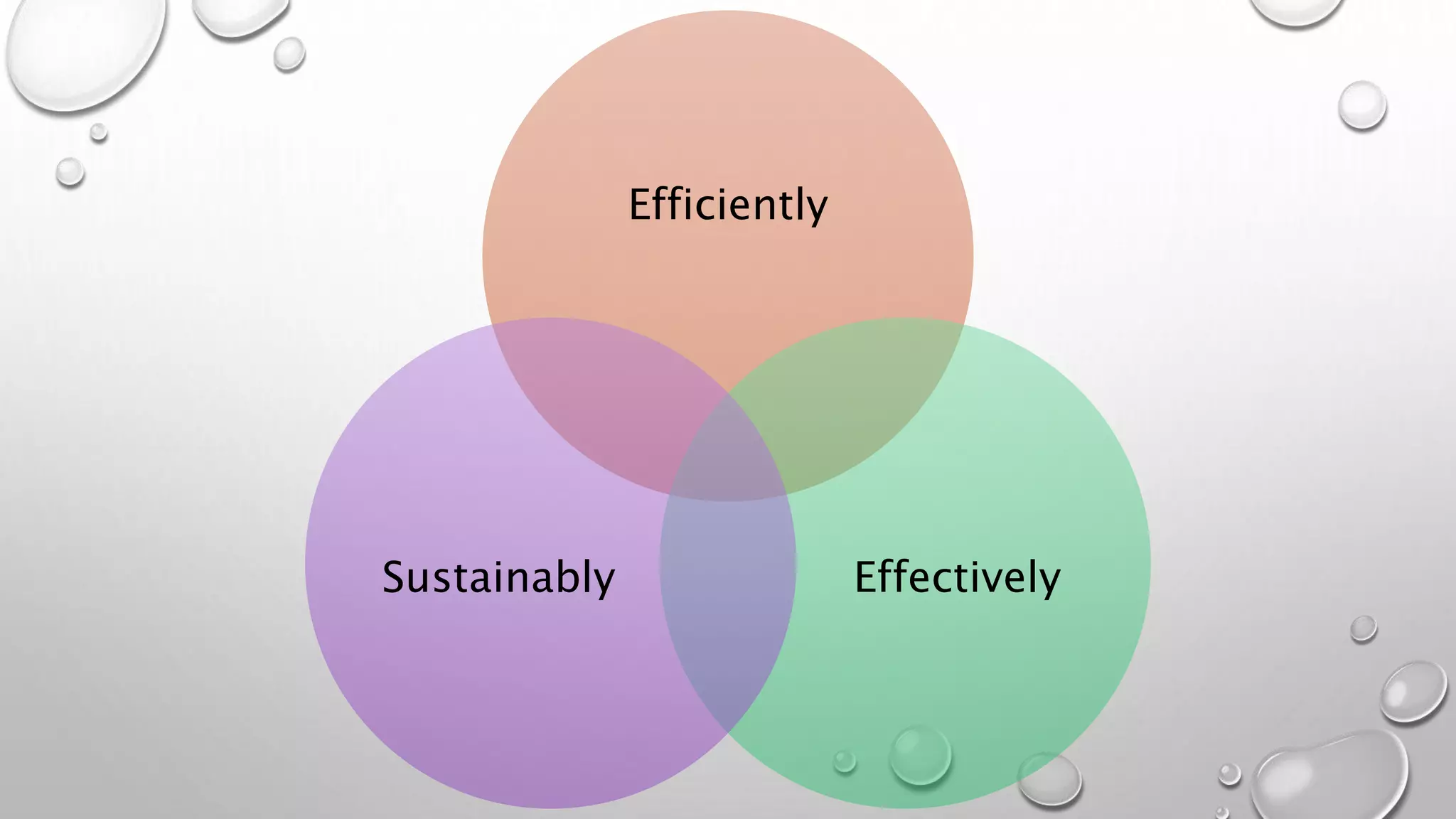
Efficiently
EffectivelySustainably
HOW CAN ORGANIZATIONS BUILD
POWERFUL AND SUSTAINABLE BUSINESS
MODELS
AROUND OPEN KNOWLEDGE GOODS?
WHAT CAN WE LEARN
FROM OPEN SOURCE SOFTWARE?
• COLLABORATIVE COMMUNITY-BASED SOFTWARE DEVELOPMENT
• ENABLED BY:
• THE INTERNET AS A COLLABORATION PLATFORM
• LEGAL INNOVATION THAT CHANGES THE NATURE OF SOFTWARE IPR
• IMPLICATIONS:
• A NEW FORM OF SOFTWARE DEVELOPMENT
• CREATION OF A SOFTWARE COMMONS
• COMPELLING NEW BUSINESS MODELS
“COLLABORATE OVER WHAT DOES NOT
DIFFERENTIATE. COMPETE BY INNOVATING ON
THE COMMODITY BASE. AND CONTRIBUTE,
CONTRIBUTE, CONTRIBUTE!”
— SIMON PHIPPS, CHIEF OPEN SOURCE OFFICER, SUN MICROSYSTEMS (2005-
2010)
“The Zen of Open Source.” Sun Microsystems, 25 July 2006 (www.sun.com/2006-0725/ feature/index.jsp).
OPEN SOURCE CHALLENGED
CONVENTIONAL WISDOM
• ABOUT THE SOURCE OF VALUE IN THE SOFTWARE INDUSTRY
• ABOUT THE LOCUS OF PRODUCTION AND THE ROLE OF THE FIRM
• ABOUT THE RELATIONSHIPS BETWEEN IPR AND INNOVATION
THE PROBLEM WITH LEGACY IPR
• FOCUSES EXCLUSIVELY ON VALUE CAPTURE NOT CREATION
• ASSUMES THAT INNOVATION AND PRODUCTION ARE ALWAYS FIRM OR MARKET
BASED
THE PROMISE OF NEXT GEN IPR
• LIKE OPEN SOURCE AND CREATIVE COMMONS
• SUPPORTS VALUE CREATION AS WELL AS CAPTURE
• ALIGNS WITH INTERNETWORKED COMMUNITY AND ECOSYSTEM BASED
INDUSTRIES
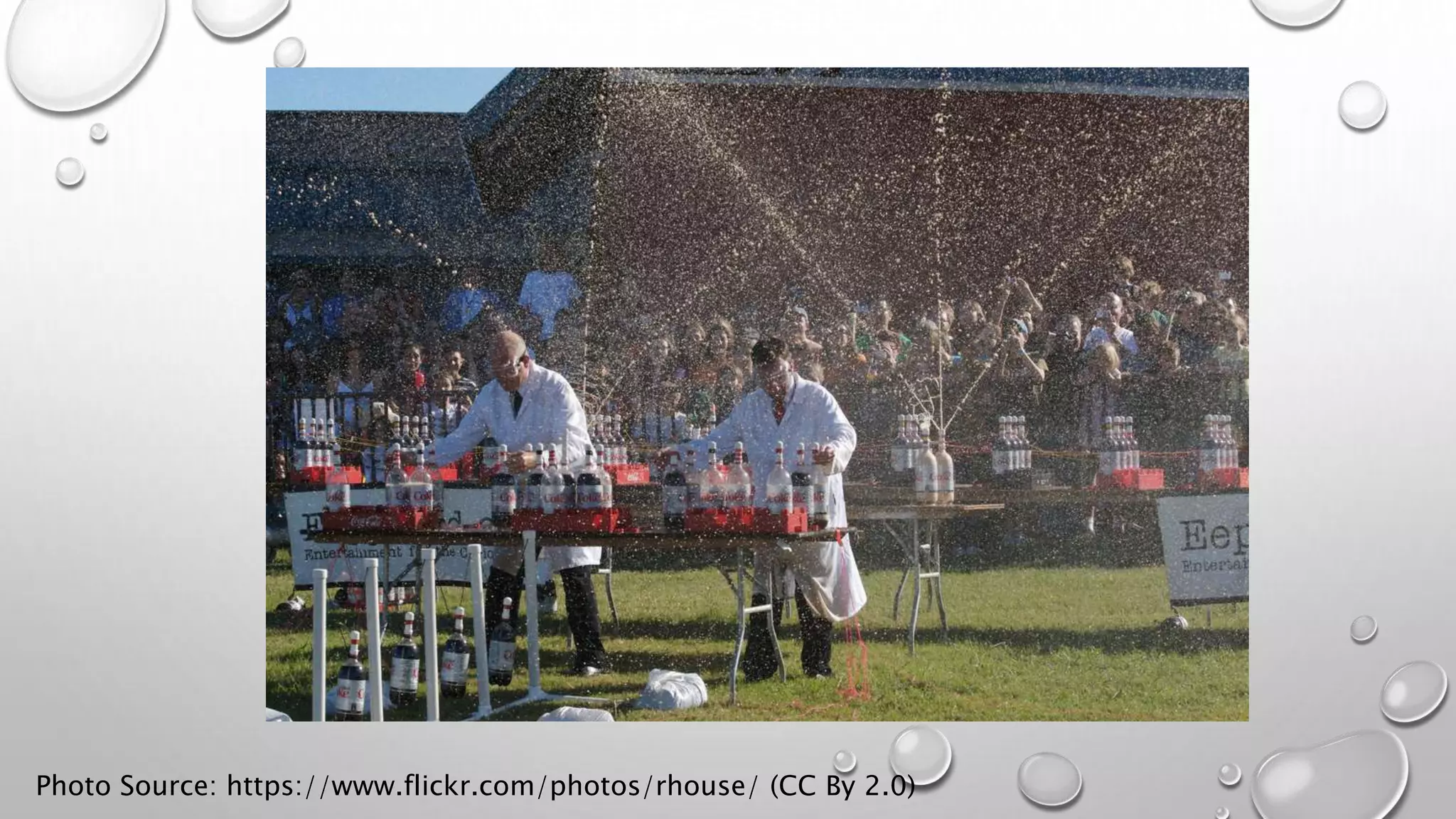
Photo Source: https://www.flickr.com/photos/rhouse/ (CC By 2.0)
• MAXIMIZE SURFACE AREA
• MINIMIZE SURFACE TENSION
• PROMOTE CHAIN REACTIONS
• CONTROL THE VECTOR OF ENERGY
Open Business Model Canvas Questions
Key Partners
Who areour Key Partners?
Who areour key suppliers?
Which Key Resourcesare weacquairing
from partners?
Which Key Activitiesdo partnersperform?
Motivations for Partnerships
Optimization and economy
Reduction of risk and uncertainty
Acquisition of particular resourcesand
activities
Key Activities
What Key Activitiesdo our ValuePropositions
require?
Our Distribution Channels?
Customer Relationships?
Revenue streams?
Categories
Production
Problem Solving
Platform/ Network
Value Proposition
What value do we deliver to thecustomer?
Which one of our customer’sproblemsare we
helping to solve?
What bundles of productsand services are we
offering to each Customer Segment?
Which customer needsarewe satisfying?
Characteristics
Newness
Performance
Customization
“Getting the Job Done”
Design
Brand/ Status
Price
Cost Reduction
Risk Reduction
Accessibility
Convenience/ Usability
Customer Relationships
What typeof relationship doeseach of our
Customer Segments expect usto establish
and maintain with them?
Which ones have we established?
How arethey integrated with the rest of our
businessmodel?
How costly are they?
Examples
Personal assistance
Dedicated Personal Assistance
Self-Service
Automated Services
Communities
Co-creation
Customer Segments
Who areour most important customers?
Mass Market
Niche Market
Segmented
Diversified
Multi-sided Platform
Cost Structure
What are the most important costs inherent
in our businessmodel?
Which Key Resourcesare most expensive?
Which Key Activitiesare most expensive?
Is your business more
Cost Driven (leanest cost structure,low price
value proposition,maximum automation,
outsourcing)
Value Driven (focused on value creation,
premium value proposition)
Key Resources
What Key Resourcesdo our Value
Propositions require?
Our Distribution Channels?Customer
Relationships?
RevenueStreams?
Types of resources
Physical
Intellectual (brand patents,copyrights,data)
Human
Financial
CC License
Which Creative Commons licensewill I use?
How doeslicense choice affect the business?
Categories
Public Domain Mark
CC0
CCBY
CCBY-SA
CCBY-ND
CCBY-NC
CCBY-NC-SA
CCBY-NC-ND
Revenue Streams
For what value are our customers really willing to pay?
For what do they currently pay?
How arethey currently paying?
How would they prefer to pay?
How much doeseach Revenue Stream contribute to overall revenues?
Types Fixed Pricing Dynamic Pricing
Asset sale List price Negotiation (bargaining)
Usagefee Product featuredependent Yield management
Subscription Fees Customer segment dependent Real-timemarket
Lending/ Renting/ Leasing Volumedependent
Licensing
Brokeragefees
Advertising
Channels
Through which Channelsdo our Customer
Segmentswant to be reached?
How arewe reaching them now?
How areour Channelsintegrated?
Which ones work best?
Which ones are most cost-efficient?
How do we integratewith customer routine?
Open Business Model Canvas by Paul Stacey, Creative Commons based on Business Model Canvas Poster designed by: Business Model Foundry AG CC BY-SA 3.0
Vers: 3
Social Good
Beyond revenue and profits what social good
isgenerated by this business?
Overall Open Environment Business Fits In?
What isthe bigger open context your businesssits within?What open movementsexist already that your open business will build on and participate in?What is the shared outcome sought and how isit mutually beneficial?
THANK YOU!

Joseph Feller - Open for Business

  • 1.
    OPEN FOR BUSINESS JOSEPHFELLER PROFESSOR OF INFORMATION SYSTEMS CORK UNIVERSITY BUSINESS SCHOOL UNIVERSITY COLLEGE CORK
  • 2.
    Open Software & Hardware OpenContent & Design Open Science & Scholarship Open Innovation & Co-Creation Crowdsourcin g & Crowdfunding The Sharing Economy
  • 3.
  • 4.
  • 5.
  • 6.
    Solve Problems Create & CaptureValue Affect Positive Change
  • 7.
  • 8.
    HOW CAN ORGANIZATIONSBUILD POWERFUL AND SUSTAINABLE BUSINESS MODELS AROUND OPEN KNOWLEDGE GOODS?
  • 9.
    WHAT CAN WELEARN FROM OPEN SOURCE SOFTWARE? • COLLABORATIVE COMMUNITY-BASED SOFTWARE DEVELOPMENT • ENABLED BY: • THE INTERNET AS A COLLABORATION PLATFORM • LEGAL INNOVATION THAT CHANGES THE NATURE OF SOFTWARE IPR • IMPLICATIONS: • A NEW FORM OF SOFTWARE DEVELOPMENT • CREATION OF A SOFTWARE COMMONS • COMPELLING NEW BUSINESS MODELS
  • 11.
    “COLLABORATE OVER WHATDOES NOT DIFFERENTIATE. COMPETE BY INNOVATING ON THE COMMODITY BASE. AND CONTRIBUTE, CONTRIBUTE, CONTRIBUTE!” — SIMON PHIPPS, CHIEF OPEN SOURCE OFFICER, SUN MICROSYSTEMS (2005- 2010) “The Zen of Open Source.” Sun Microsystems, 25 July 2006 (www.sun.com/2006-0725/ feature/index.jsp).
  • 12.
    OPEN SOURCE CHALLENGED CONVENTIONALWISDOM • ABOUT THE SOURCE OF VALUE IN THE SOFTWARE INDUSTRY • ABOUT THE LOCUS OF PRODUCTION AND THE ROLE OF THE FIRM • ABOUT THE RELATIONSHIPS BETWEEN IPR AND INNOVATION
  • 13.
    THE PROBLEM WITHLEGACY IPR • FOCUSES EXCLUSIVELY ON VALUE CAPTURE NOT CREATION • ASSUMES THAT INNOVATION AND PRODUCTION ARE ALWAYS FIRM OR MARKET BASED
  • 14.
    THE PROMISE OFNEXT GEN IPR • LIKE OPEN SOURCE AND CREATIVE COMMONS • SUPPORTS VALUE CREATION AS WELL AS CAPTURE • ALIGNS WITH INTERNETWORKED COMMUNITY AND ECOSYSTEM BASED INDUSTRIES
  • 15.
  • 16.
    • MAXIMIZE SURFACEAREA • MINIMIZE SURFACE TENSION • PROMOTE CHAIN REACTIONS • CONTROL THE VECTOR OF ENERGY
  • 17.
    Open Business ModelCanvas Questions Key Partners Who areour Key Partners? Who areour key suppliers? Which Key Resourcesare weacquairing from partners? Which Key Activitiesdo partnersperform? Motivations for Partnerships Optimization and economy Reduction of risk and uncertainty Acquisition of particular resourcesand activities Key Activities What Key Activitiesdo our ValuePropositions require? Our Distribution Channels? Customer Relationships? Revenue streams? Categories Production Problem Solving Platform/ Network Value Proposition What value do we deliver to thecustomer? Which one of our customer’sproblemsare we helping to solve? What bundles of productsand services are we offering to each Customer Segment? Which customer needsarewe satisfying? Characteristics Newness Performance Customization “Getting the Job Done” Design Brand/ Status Price Cost Reduction Risk Reduction Accessibility Convenience/ Usability Customer Relationships What typeof relationship doeseach of our Customer Segments expect usto establish and maintain with them? Which ones have we established? How arethey integrated with the rest of our businessmodel? How costly are they? Examples Personal assistance Dedicated Personal Assistance Self-Service Automated Services Communities Co-creation Customer Segments Who areour most important customers? Mass Market Niche Market Segmented Diversified Multi-sided Platform Cost Structure What are the most important costs inherent in our businessmodel? Which Key Resourcesare most expensive? Which Key Activitiesare most expensive? Is your business more Cost Driven (leanest cost structure,low price value proposition,maximum automation, outsourcing) Value Driven (focused on value creation, premium value proposition) Key Resources What Key Resourcesdo our Value Propositions require? Our Distribution Channels?Customer Relationships? RevenueStreams? Types of resources Physical Intellectual (brand patents,copyrights,data) Human Financial CC License Which Creative Commons licensewill I use? How doeslicense choice affect the business? Categories Public Domain Mark CC0 CCBY CCBY-SA CCBY-ND CCBY-NC CCBY-NC-SA CCBY-NC-ND Revenue Streams For what value are our customers really willing to pay? For what do they currently pay? How arethey currently paying? How would they prefer to pay? How much doeseach Revenue Stream contribute to overall revenues? Types Fixed Pricing Dynamic Pricing Asset sale List price Negotiation (bargaining) Usagefee Product featuredependent Yield management Subscription Fees Customer segment dependent Real-timemarket Lending/ Renting/ Leasing Volumedependent Licensing Brokeragefees Advertising Channels Through which Channelsdo our Customer Segmentswant to be reached? How arewe reaching them now? How areour Channelsintegrated? Which ones work best? Which ones are most cost-efficient? How do we integratewith customer routine? Open Business Model Canvas by Paul Stacey, Creative Commons based on Business Model Canvas Poster designed by: Business Model Foundry AG CC BY-SA 3.0 Vers: 3 Social Good Beyond revenue and profits what social good isgenerated by this business? Overall Open Environment Business Fits In? What isthe bigger open context your businesssits within?What open movementsexist already that your open business will build on and participate in?What is the shared outcome sought and how isit mutually beneficial?
  • 18.