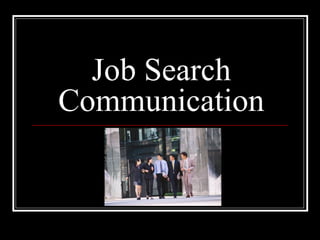
Job Search
Communication
Why Are Communication Skills
Important in a Job Search?
Types of Professional Communication
 Interpersonal
 Interview
 Meeting
 Networking
 Verbal
 Phone
 Written
 Email
 Letters
 Proposals
 Social Networking
 Presentations
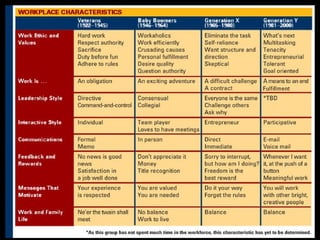
Mixing and Managing Generations of
Employees
 4 generations currently in the workplace
 Veterans (1922-1945)
 Baby Boomers (1946-1964)
 Generation X (1965-1980)
 Generation Y (1981-2000)
 Each has distinct attitudes, behaviors,
expectations, habits and motivations
Interpersonal Communication
 1st
Impressions
 Handshake
 Eye Contact
 Dress & Grooming
 Elevator Pitch
 Body Language
Phone Communication Don’ts
 Answering your phone during a meeting
 Turn Ringer OFF! (including vibrate mode)
 Announce Emergencies
 Leaving poor voicemail messages
 talking too fast
 Forgetting to leave name/number/reason for call
 Text messages
Written Communication
 Cover Letters
 Thank You Notes
 Acceptance Letters/Letters of Declination
 Email
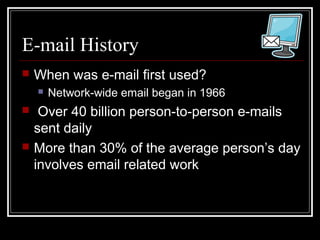
E-mail History
 When was e-mail first used?
 Network-wide email began in 1966
 Over 40 billion person-to-person e-mails
sent daily
 More than 30% of the average person’s day
involves email related work
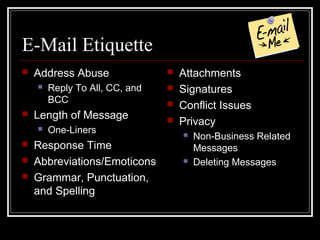
E-Mail Etiquette
 Address Abuse
 Reply To All, CC, and
BCC
 Length of Message
 One-Liners
 Response Time
 Abbreviations/Emoticons
 Grammar, Punctuation,
and Spelling
 Attachments
 Signatures
 Conflict Issues
 Privacy
 Non-Business Related
Messages
 Deleting Messages
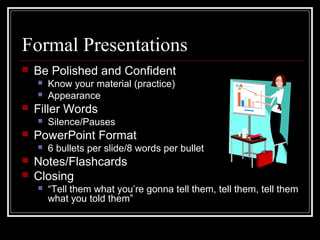
Formal Presentations
 Be Polished and Confident
 Know your material (practice)
 Appearance
 Filler Words
 Silence/Pauses
 PowerPoint Format
 6 bullets per slide/8 words per bullet
 Notes/Flashcards
 Closing
 “Tell them what you’re gonna tell them, tell them, tell them
what you told them”
Social Networking
 Facebook/MySpace
 Linked-In

Job Search Communication

  • 1.
  • 2.
    Why Are CommunicationSkills Important in a Job Search?
  • 3.
    Types of ProfessionalCommunication  Interpersonal  Interview  Meeting  Networking  Verbal  Phone  Written  Email  Letters  Proposals  Social Networking  Presentations
  • 4.
    Mixing and ManagingGenerations of Employees  4 generations currently in the workplace  Veterans (1922-1945)  Baby Boomers (1946-1964)  Generation X (1965-1980)  Generation Y (1981-2000)  Each has distinct attitudes, behaviors, expectations, habits and motivations
  • 6.
    Interpersonal Communication  1st Impressions Handshake  Eye Contact  Dress & Grooming  Elevator Pitch  Body Language
  • 7.
    Phone Communication Don’ts Answering your phone during a meeting  Turn Ringer OFF! (including vibrate mode)  Announce Emergencies  Leaving poor voicemail messages  talking too fast  Forgetting to leave name/number/reason for call  Text messages
  • 8.
    Written Communication  CoverLetters  Thank You Notes  Acceptance Letters/Letters of Declination  Email
  • 9.
    E-mail History  Whenwas e-mail first used?  Network-wide email began in 1966  Over 40 billion person-to-person e-mails sent daily  More than 30% of the average person’s day involves email related work
  • 10.
    E-Mail Etiquette  AddressAbuse  Reply To All, CC, and BCC  Length of Message  One-Liners  Response Time  Abbreviations/Emoticons  Grammar, Punctuation, and Spelling  Attachments  Signatures  Conflict Issues  Privacy  Non-Business Related Messages  Deleting Messages
  • 11.
    Formal Presentations  BePolished and Confident  Know your material (practice)  Appearance  Filler Words  Silence/Pauses  PowerPoint Format  6 bullets per slide/8 words per bullet  Notes/Flashcards  Closing  “Tell them what you’re gonna tell them, tell them, tell them what you told them”
  • 12.