Yeast Two-Hybrid Screening 135
Automation of Yeast Two-Hybrid Screening
Received March 15, 1999; revised April 6, 1999; accepted April 6, 1999.
*For correspondence. Email mw32319@glaxowellcome.com.
J. Molec. Microbiol. Biotechnol. (1999) 1(1): 135-140.
© 1999 Horizon Scientific Press
Richard G. Buckholz1, Catherine A. Simmons2,
Joan M. Stuart3, and Michael P. Weiner4*
Departments of 1Molecular Endocrinology, 2Molecular
Sciences, 3Functional Genetics, and 4Genomic Sciences,
Glaxo Wellcome Research Institute, 5 Moore Drive,
Research Triangle Park, North Carolina 27709, USA
Abstract
We have developed an automated format for screening
yeast two-hybrid libraries for protein-protein
interactions. The format consists of a liquid array in
which pooled library subsets of yeast, expressing up
to 1000 different cDNAs, are mated to a yeast strain of
the opposite mating type, expressing a protein of
interest. Interactors are detected by a liquid assay for
ß-galacsidase following prototrophic selection. The
method is demonstrated by the detection of
interactions between two encoded yeast RNA
polymerase subunits in simulated libraries of varied
complexity. To demonstrate its utility for large scale
screening of complex cDNA libraries, two nuclear
receptor ligand-binding domains were screened
through two cDNA libraries arrayed in pooled subsets.
Screening these libraries yielded clones which had
previously been identified in traditional yeast two
hybrid screens, as well as several new putative
interacting proteins. The formatting of the cDNA library
into pooled subsets lends itself to functional
subtraction of the promiscuous positive class of
interactor from the library. Also, the liquid arrayed
format enables electronic handling of the data derived
from interaction screening, which, together with the
automated handling of samples, should promote large-
scale proteome analysis.
A clear understanding of the function of the protein
encoded by a particular mRNA requires the identification
of other cellular proteins with which it makes contact.
Through studies of inter-protein contacts, one can define
the cellular interactions that are involved in such basic
biological processes as the assembly of macromolecular
complexes, signal transduction and primary/secondary
metabolism, identifying in the process potentially novel drug
targets or biopharmaceutical agents. Of the technologies
that have been utilized to ascertain these contacts, the
yeast two-hybrid system (Y2H) has been utilized
extensively due to its ease of screening large numbers of
potential interactors (Fields and Song, 1989).
In the interaction trap version of the yeast two-hybrid
system (Gyuris et al., 1993), a known protein, usually
referred to as the bait, is fused to the carboxyl-terminus of
the bacterial LexA protein containing the LexA operator-
DNA binding domain (DBD). The lexA operator’s cognate
DNA binding element is incorporated upstream of both a
selectable LEU2 reporter gene integrated into the yeast
genome, and the lacZ gene on an autonomously replicating
plasmid. Target genes, usually referred to as prey, are
cloned as either random sequences or cDNAs fused to
the carboxyl-terminus of an acid blob transcription
activation domain (AD), B42. Association of an AD-prey
fusion with the DBD-bait results in reconstitution of a
functional transcription factor and expression of the LEU2
and lacZ reporter genes.
The Y2H has frequently been used to detect and define
the protein contacts for a particular protein of interest.
However, because it is necessary to retransform and select
for an entire cDNA library for each protein studied, this
approach has not been suitable for large-scale interaction
mapping. Subsequently, interaction mating was developed
as a means to reuse libraries (Bendixen et al., 1994) and
to assess interactions for larger, related collections of
proteins (Finley and Brent, 1994), small genomes (Bartel
et al, 1996) or members of individual biophysical
complexes (Fromont-Racine et al., 1997).
In the current work, we have a developed a technology
for automated Y2H screening that uses interaction mating
of pooled cDNA library subsets in a liquid format. In this
strategy, a bait-expressing strain is mated with arrayed
subsets of a cDNA-prey library in 96-well microtiter plates
interactions are selected for prototrophically, and screened
for reporter activation in the same array, thus allowing us
to process many baits in parallel in a short period of time.
By tracking positive hits in the library, this method further
permits the creation of a functionally-subtracted cDNA
library; i.e., one that can be made devoid of a particular
phenotype. For example, this method enables
determination of individual subsets of the prey library that
express proteins reacting with many targets, e.g., heat
shock proteins, and eliminates those subsets from any
future considerations. We have shown that this approach
enables the rapid identification of specific interactions and
anticipate this strategy could be applied to constructing
protein linkage maps of entire proteomes.
Development of Mating Protocol and Test of Pooling
Sensitivity
To determine the feasibility of using pooled subsets of a
complex cDNAlibrary for Y2H screening, yeast mating was
used to introduce bait and prey plasmids into the same
yeast strain. A bait plasmid, pRPB7, expressing a fusion
of LexA with the yeast polII subunit RPB7 (McKune et al.,
1993), was transformed into RFY206 containing the lacZ
reporter plasmid pSH1834T. The resultant transformant
was grown to an A600 = 1.0. Simulated activation domain
libraries of decreasing complexity were constructed by
mixing strain EGY48, which had been transformed with
pRPB4, expressing a fusion of the acid activation domain
B42 with the yeast polII subunit RPB4 (Woychik and Young,
1989), with EGY48 which had been transformed with
pRS424, a plasmid that encoded no fusion protein, at ratios
from 0.001 to 1.0. These simulations thus represented
library subsets of complexities ranging from 1000 to 1,
JMMB Communication
136 Buckholz et al.
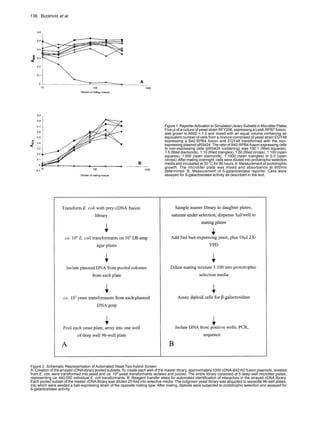
Figure 2. Schematic Representation of Automated Yeast Two-hybrid Screen
A. Creation of the arrayed cDNAlibrary pooled subsets. To create each well of the master library, approximately 1000 cDNA-B42AD fusion plasmids, isolated
from E. coli, were transformed into yeast and ca. 105
yeast transformants isolated and pooled. The entire library consisted of 5 deep-well microtiter plates,
representing ca. 440,000 individual E. coli transformants. B. Reagent transfer steps for automated identification of interactors in the arrayed cDNA library.
Each pooled subset of the master cDNA library was diluted 20-fold into selective media. The outgrown yeast library was aliquoted to separate 96-well plates,
into which were seeded a bait-expressing strain of the opposite mating type. After mating, diploids were subjected to prototrophic selection and assayed for
ß-galactosidase activity.
Figure 1. ReporterActivation in Simulated Library Subsets in Microtiter Plates
Five µl of a culture of yeast strain RFY206, expressing a LexA:RPB7 fusion,
was grown to A600 = 1.0 and mixed with an equal volume containing an
equivalent number of cells from a mixture comprised of yeast strain EGY48
expressing a B42:RPB4 fusion and EGY48 transformed with the non-
expressing plasmid pRS424. The ratio of B42:RPB4-fusion expressing cells
to non-expressing cells (pRS424 containing) was 100:1 (filled squares),
1:5 (filled diamonds), 1:10 (filled triangles), 1:50 (filled circles), 1:100 (open
squares), 1:500 (open diamonds), 1:1000 (open triangles) or 0.0 (open
circles).After mating overnight, cells were diluted into prototrophic selection
media and incubated at 30 °C for 96 hours. A. Measurement of prototrophic
growth. The microtiter plate was mixed and absorbance at 600nm
determined. B. Measurement of ß-galactosidase reporter. Cells were
assayed for ß-galactosidase activity as described in the text.
Yeast Two-Hybrid Screening 137
containing a single species capable of interacting with
RPB7.
Equivalent cell numbers of bait and library yeast were
mated in a 20µl volume of YPD and aliquots of the mating
mixtures diluted into SGR-UHWL, a minimal medium
containing galactose to induce expression of the library
fusions; lacking uracil, histidine and tryptophan to select
for plasmid maintenance and diploids; and lacking leucine
to select for interactors. Dilution was to a final volume of
100 µl SGR-UHWL, after which cells were incubated for 4
days at 30 °C. Growth measurements (Figure 1A) showed
that dilution of the YPD-containing mating mixture of less
than 100-fold was insufficient to remove the YPD, as even
the cells in the mating mixture incapable of producing
diploids expressing interacting proteins, were capable of
growth in the absence of added leucine.At dilutions above
1:100, however, the non-interactor expressing diploids were
incapable of growth, while the diploids derived from pools
expressing interacting proteins all grew well.
When the diploids were assayed for ß-galactosidase
activity (Figure 1B), we determined that, as expected, no
reporter expression could be detected in matings using
the simulated library subsets lacking pRPB7, while
interacting clones could be detected even in the matings
containing only 0.1% interactor-expressing prey. This result
demonstrated that we were able to recover prey-containing
yeast for this interaction even when the interactor initially
represented only 0.1% of the prey library. At the 100-fold
dilution point, there was no significant difference in the
amount of ß-galactosidase activity measured between
mating experiments using the 0.1 and 100% recombinant
fusion-containing pooled subsets.
Y2h Screening of Pooled, Arrayed cDNA Libraries
A pooled cDNA library in EGY48 was created containing
arrayed subsets of B42-fused, human fetal liver and human
fetal brain-derived cDNAs, at a density of ca. 1 x 10³ library
plasmids per pooled subset (Figure 2A). The total number
of cDNAs in the array was ca. 6 x 10⁵. An automated
process (Figure 2B) consisting of a series of liquid transfers
was applied to mating, selection, and screening of clones
that encoded proteins interacting with the ligand binding
domains of the nuclear receptors RXRα and LXRα. The
bait-expressing strain was pipetted into the wells containing
the pooled subsets and mating was allowed to proceed in
a complex medium. The mated mixtures were diluted into
SGR-UHWL and selection of diploids expressing interacting
proteins allowed to occur over 5-7 days. ß-galactosidase
assays were then performed on each well of the microtiter
plates, and positive interactor-containing subsets were
detected by absorbance at 574nm. Representative
assayed plates are shown in Figure 3; positive and negative
interactors were incorporated into each plate to control for
Table 1. Blast Results for Y2H Screen using Automated Processing of Arrayed,
Pooled cDNA Library Subsets
Bait Master library well # Blast result
RXRα 1A10 TIF1a,b
RXRα 1G6 annexin III
RXRα 1D9 thymopoietin gamma
RXRα 2E7 nucleolin, exons 10 and 11c
RXRα 3B8 T-cell cyclophilin
LXRα 3G4 TRIP6b
LXRα 5A10 GCN5 homologue
LXRα 5C5 Spliceosome associated proteinc
LXRα 2G1 KIAA022920
LXRα 1H8 Interleukin-1 receptor-associated kinase
LXRα 2F8 Genbank EST
LXRα 4C2 Genbank EST
LXRα 2B10 Genbank EST
LXRα 1A8 HSP86c
LXRα 1D9 Genbank EST
LXRα 5E11 Non-muscle-type cofilinc
a Protein has been found to interact with nuclear receptors.
b
Protein was also isolated using traditional two-hybrid methodology.c
Promiscuous positive; common positive in other Y2H screens.
Figure 3. Y2H Analysis of the Human Nuclear Receptor RXRα Ligand
Binding Domain Screened Against ca. 2.6 x 10⁵ cDNA Clones
Each well of the three 96-well plates shown represents a β-galactosidase
assay performed on prototrophically-selected diploids arising from a
pEGRXRα bait plasmid-expressing yeast strain mated to ca. 1000 yeast
clones of a pJG4.5 AD library. The right-most column in each plate contains
positive and negative controls. From top to bottom of each plate: (A) non-
interacting pEG202 x pJGRXRα, (B) non-prototrophic pEG202 alone; (C)
weak interactors pEGKRev-1 x pJGRaf, (D) moderate interactors pEGKRev-
1 x pJGKrit1, (E) non-interactors pEGRas x pJGKrit1, (F) robust interactors
pEGRas x pJGRaf, (G) robust interactors pEGRXRα x pJGLXRα and (H)
robust interactors pEGLXRα x pJGRXRα.
138 Buckholz et al.
mating, interactor selection by leucine prototrophy, and
interactor detection by ß-galactosidase activity.
Individual diploid yeast were isolated from the wells
exhibiting the highest measured ß-galactosidase activity,
by streaking an aliquot of the prototrophically selected yeast
onto solid minimal medium lacking leucine.As the analysis
was limited to those diploids displaying the greatest
activation of the ß-galactosidase reporter, only a subset of
the total number of interactors was characterized. Plasmid
DNA was isolated from several colonies from each streak
and the DNA sequence determined.
Identification of LXRα and RXRα LBD Interacting
cDNAs
Blast analysis revealed that a subset of the cDNAs cloned
by automated Y2H screening for LXRα and RXRα LBD
interactors have previously been cloned, through traditional
Y2H analysis, as proteins that interact with nuclear receptor
ligand binding domains (Table 1). This result indicated that
the cloned cDNAs identified by the automated Y2H might
represent potential physiologically relevant protein:protein
interactions. As the analysis was limited to those diploids
displaying the greatest activation of the ß-galactosidase
reporter, only a subset of the total number of interactors
was characterized. These include TIF1, which has been
identified previously as a protein that interacts specifically
with the ligand binding domain of several nuclear receptors,
including RXRα, both in yeast and in vitro (Le Douarin et
al., 1996) and TRIP6, which has previously been found to
interact with the thyroid hormone receptor (Lee et al., 1995)
and the peroxisome proliferator-activated receptor gamma
(Watson and Buckholz, unpublished). Interestingly, TRIP6
had been cloned as a ligand-dependent interactor with both
of these receptors. In the present analysis, however, the
interaction with LXRα was detected in the absence of
exogenous ligand. It is possible that this result derives from
the presence of endogenous ergosterol, the most abundant
sterol in yeast (Paltauf et al., 1992), which has been
identified previously as a ligand capable of activating LXRα
(Janowski et al., 1996). This correlation with interactions
previously determined via traditional Y2H methods
indicated that mating with the pooled library subsets and
selection in a liquid format could reveal genuine
interactions. An additional, potentially authentic LXRα−
interactor was also isolated from pooled subset 5A10. This
clone encoded a protein with homology to the yeast
transcriptional activator GCN5. GCN5 encodes a protein
with histone acetylase activity (Wang et al., 1997), an
activity possessed by several other proteins that have been
implicated in nuclear receptor signaling (Spencer et al.,
1997). Another intriguing LXRα−interactor was interleukin-
1 receptor-associated kinase, in pooled subset 1H8. We
do not yet know if these clones represent physiologically
relevant interactions with nuclear receptors.
One-fourth of the interacting clones that we isolated
for sequencing were found to have identity only with
sequences in the Genbank EST database. The
correspondence of these clones with cDNAs contained in
this database indicates that they likely represent sequences
that encode proteins.
None of the clones identified as interactors in the
automated Y2H assay encoded a true false positive; that
is, a clone in which the fusion to the B42 activation domain
is an extremely short ORF, frame-shift, or sequence that
fails to encode protein. However, several clones were
identified as interactors that appear to be promiscuous
positives, in that they have been identified in other yeast
two-hybrid experiments as interacting with non-related bait
proteins; namely, spliceosome associated protein, cofilin
and heat shock protein (Hengen, 1997). Such cDNAs are
frequently identified in protein:protein interaction screens
because they have a tendency to bind to many different
proteins, and derive largely from charge interactions or
binding to unfolded proteins (Golemis et al., 1997).
Promiscuous positive interactors, detected in a specific
pooled subset of the library, did not arise in every screen.
HSP86 was isolated as an LXRα-interactor in pooled
subset 1A8; however, no RXRα-interactor was identified
in that pool. It is possible, though, to isolate two different
clones from the same well. When LXRα was used as bait
we identified an interaction with the protein fusion encoded
by an EST in pooled subset 1D9. Yet, when queried with
RXRα, we cloned a different interactor, thymopoietin
gamma, from the same pooled subset. It is significant that
we did not identify mixtures of interacting clones from any
of the ß-galactosidase-positive pools, suggesting that a
complexity of 1000 may decrease the likelihood that more
than one interactor will be present in a single library subset.
By tracking positive hits in the library, the use of arrayed
subsets further permits the creation of a functionally-
subtracted cDNA library; i.e., one that can be made devoid
of a particular phenotype. For example, this method will
enable determination of individual subsets of the prey
library which express proteins, such as heat shock proteins,
that react promiscuously with many targets. Knowledge of
the pooled subsets containing such interactors enables us
to either remove the entire subset from future analyses or
to re-array the components of the subset and eliminate
the clone encoding the promiscuous positive protein (data
not shown).
The capacity to perform multiple yeast two hybrid
analyses in parallel using automated processes, enabled
by the protocol described herein, will greatly hasten and
facilitate the study of protein-protein interactions. Recently,
the yeast spliceosome was characterized using interaction
mating, where interacting hits from a cDNA library were
reformulated as baits in an iterative fashion, to reveal a
complex protein network (Fromont-Racine et al., 1997).
We expect the automation of these steps will further
facilitate the performance of iterative Y2H analyses with
baits encoding proteins related by sequence homology,
functional similarity or co-localization to a protein complex
or signaling pathway, allowing us to generate protein fate
maps of current and future therapeutic targets and gain
insight into their relevant biochemical and biophysical
pathways.
An emerging area in genomic analysis is the
identification of polymorphisms and other variants in the
human genome and the analysis of their functions. We
anticipate this technology will promote a detailed analysis
of the biochemical consequences of polymorphisms or
other genetic variations associated with disease states,
and to facilitate an assessment of the functional
consequences of the domain shuffling that has occurred
during evolution.
Finally, a number of technologies are being developed
or adapted for the large scale analysis of the interactions
between gene products. Coupled liquid chromotography-
Yeast Two-Hybrid Screening 139
tandem mass spectroscopy (McCormack et al., 1997) is
facilitating the characterization and identification of
individual components of multisubunit complexes at the
biophysical level. In addition, DNA chip technology is
enabling the rapid identification of gene sequences
encoding interacting clones isolated in Y2H screens (Cho
et al., 1998). We anticipate that the coordinated use of
these techniques, with automated yeast two-hybrid
screening and differential gene expression, will make it
possible to build a database of genes that are both co-
regulated and in the same biochemical and biophysical
pathways.
Experimental Procedures
Restriction and DNA modification enzymes were purchased from various
manufacturers and used according to their recommendations.
Creation of Arrayed cDNA Libraries
A human fetal brain yeast two-hybrid cDNA library (Invitrogen) was
transformed into E. coli and plated at a density of approximately 1000 clones
per plate onto 440 LB + Amp plates and incubated 1-2 days at 37 °C. Next,
3-4 ml of LB (containing 15% glycerol) was added to each plate and the
plates rocked on a platform shaker at low speed until suspension of the
colonies in the LB was apparent. A 200 µl portion of the suspended cells
was removed for plasmid DNA isolation.
Plasmid DNA was prepared by adding 250 µl of P2 solution (Qiagen)
to the 200 µl cell suspension in a 2 ml Eppendorf centrifuge tube. The two
solutions were mixed gently and then 250 µl P3 solution (Qiagen) was
added and the tubes shaken. The mixture was then centrifuged at 14K rpm
for 5 minutes in an Eppendorf centrifuge. The clarified supernatant (500 µl)
was pipetted to a fresh Eppendorf centrifuge tube and 1 ml of ethanol added
to precipitate the DNA. The precipitated DNA was centrifuged at 14K rpm
for 15 minutes, the ethanol solution decanted and the pellet dried in vacuo.
The pellet was dissolved in 50 µl sterile distilled water and used directly to
transform yeast.
Yeast were transformed using the EZ Yeast Transformation kit (Zymo
Research) according to the manufacturer’s recommendation, using 2.5 µl
DNA. The transformed yeast were incubated for 1 hr at 30 °C and plated
onto SC-W agar plates. The plates were incubated for an additional 3-4
days at 30 °C, and the cells harvested as for E. coli using 3-4 ml SC-W
containing 15% glycerol. The harvested yeast from each plate were
separately aliquoted into different wells of deep-well 96-well plates and
frozen in 15% glycerol at -80 °C, to create a master library.
Yeast Liquid-mating
Five µl from each yeast master library well were inoculated into 100 µl of
SC-W in individual wells of a 96-well plate and grown overnight at 30 °C.
Five µl of these overnight cultures were each transferred to a fresh
96-well V-bottom plate. A 5 µl aliquot of bait yeast culture (OD600 = 1) was
added to each well along with 10 µl 2XYPD medium. The mating plates
were placed into a resealable plastic bag and incubated for 12-36 hr at 30
°C. Each well was then twice serially-diluted using SGR-UHWL (minimal
selective dropout media minus uracil, histidine, tryptophan and leucine, +
2% galactose, + 1% raffinose) to a final volume of 110 µl. The diluted matings
were incubated for an additional 4-10 days at 30 °C. Ten µl of the mating
mixture were then transferred to a second set of microtiter plates prior to
performing the ß-galactosidase analysis. These mated and out-grown 10
µl stocks were later used to allow recovery of DNA from interacting clones.
Growth of yeast in 96-well plates was measured by absorbance at 600nm
on a Spectramax plate reader using Softmax Pro software.
ß-Galactosidase Assay
Cells were lysed by the addition of 100 µl of a solution of Z buffer [Na2HPO4,
(16.1 g/l), NaH2PO4, (5.5 g/l), KCl (0.75 g/l), and MgSO4, (0.25 g/l), adjusted
to pH 7.0] containing oxalyticase (Enzogenetics) (100 U/ml), 0.1% sodium
dodecyl sulfate (SDS, Sigma), and 2 mg/ml chlorophenyl red-ß-D-
galactopyranoside (CPRG, Boehringer Mannheim). The plates were
incubated at room temperature until sufficient conversion of the CPRG into
its 574nm-absorbing hydrolysis product had occurred (usually 10 min to 2
hr). To quantify the extent of the reaction, the cell debris was removed by
filtration through multiscreen plates (Millipore) and the chlorophenyl red
measured at an absorbance of 574 nm on a Spectramax plate reader using
Softmax Pro software (Molecular Devices Corp.).
Yeast Strains, Plasmids and Media
Yeast strains EGY48 (Matα, ura3, his3, trp1, leu2::6lexAop:LEU2) and
RFY206 (Mata his3∆200 leu2-3 lys2∆201 ura3-52 trp1::hisG) were from R.
Brent. pSH1834T, pRPB7, pRPB4, pEGKRev1, pEGRas, pJGKrit1 and
pJGRaf (Serebriiskii et al., 1997) were gifts of E. Golemis. pEG202 and
pJG45 were from R. Brent. pRS424 was from ATCC. pEG-LXRα, pEG-
RXRα, pJG-LXRα, and pJG-RXRα were constructed by cloning the ligand
binding domains of the nuclear hormone receptors LXRα and RXRα into
pEG202 and pJG45. Complete yeast media (YPD) consists of 1% yeast
extract, 2% peptone, 2% dextrose. Selective yeast media are as described
in Gyuris et al., 1993.
Acknowledgements
The authors wish to thank Mike Watson for pEGLXRα and for technical
assistance throughout this work, the Core Sequencing Group for sequencing
baits and preys, and the members of the Y2H team for their valuable input.
References
Bartel, P.L., Roecklein, J.A., SenGupta, D., and Fields, S. 1996. A protein
linkage map of Escherichia coli bacteriophage T7. Nat. Genet. 12: 72-
77.
Bendixen, C., Gangloff, S., and Rothstein, R. 1994.Ayeast mating-selection
scheme for detection of protein-protein interactions. Nucleic Acids Res
22: 1778-1779.
Cho, R.J., Fromont-Racine, M., Wodicka, L., Feierbach, B., Stearns, T.,
Legrain, P., Lockhart, D.J., and Davis R.W. 1998. Parallel analysis of
genetic selections using whole genome oligonucleotide arrays. Proc. Natl.
Acad. Sci. USA. 95: 3752-3757.
Fields, S., and Song, O.K. 1989. A novel genetic system to detect protein-
protein interactions. Nature. 340: 245-246.
Finley, R.L. Jr., and Brent, R. 1994. Interaction mating reveals binary and
ternary connections between Drosophila cell cycle regulators. Proc. Natl.
Acad. Sci. USA. 91: 12980-12984.
Fromont-Racine, M., Rain, J.-C., and Legrain, P. 1997. Toward a functional
analysis of the yeast genome through exhaustive two-hybrid screens.
Nat. Genet. 16: 277-282.
Golemis, E.A., Serebriiskii, I., and Law, S.F. 1997.Adjustment of parameters
in the yeast two-hybrid system: criteria for detecting physiologically
significant protein-protein interactions. Curr. Innovations Mol. Biol. 4: 11-
28.
Gyuris, J., Golemis, E., Chertkov, H., and Brent, R. 1993. Cdi1, a human
G1 and S phase protein phosphatase that associated with Cdk2. Cell.
75: 791-803.
Hengen, P.N. 1997. False positives from the yeast two-hybrid system. Trends
Biochem. Sci. 22: 33-34.
Janowski, B.A., Willy, P.J., Devi, T.R., Falck, J.R., and Mangelsdorf, D.J.
1996. An oxysterol signalling pathway mediated by the nuclear receptor
LXR alpha. Nature. 383: 728-731.
Le Douarin, B., Nielsen, A.L., Garnier, J.M., Ichinose, H., Jeanmougin, F.,
Losson, R., and Chambon, P.A. 1996. Possible involvement of TIF1alpha
and TIF1beta in the epigenetic control of transcription by nuclear receptors.
EMBO J. 15: 6701-6715.
Lee, J.W., Choi, H.S., Gyuris, J., Brent, R., and Moore, D.D. 1995. Two
classes of proteins dependent on either the presence or absence of thyroid
hormone for interaction with the thyroid hormone receptor. Mol. Endocrinol.
9: 243-254.
McCormack, A.L., Schieltz, D.M., Goode, B., Yang, S., Barnes, G., Drubin,
D., and Yates, J.R., III. 1997. Direct analysis and identification of proteins
in mixtures by LC/MS/MS and database searching at the low-femtomole
level. Anal. Chem. 69: 767-776.
McKune, K., Richards, K.L., Edwards, A.M., Young, R.A., and Woychik,
N.A. 1993. RPB7, one of two dissociable subunits of yeast RNA
polymerase II, is essential for cell viability. Yeast. 9: 295-299.
Nagase, T, Seki, N., Ishikawa, K., Ohira, M., Kawarabayasi, Y., Ohara, O.,
Tanaka, A., Kotani, H., Miyajima, N., and Nomura, N. 1996. Prediction of
the coding sequences of unidentified human genes. VI. The coding
sequences of 80 new genes (KIAA0201-KIAA0280) deduced by analysis
of cDNA clones from cell line KG-1 and brain. DNA Res. 3: 321-329.
Paltauf, F., Kohlwein, S.D., and Henry, S.A. 1992. Regulation and
Compartmentalization of Lipid Synthesis in Yeast. In: The Molecular and
Cellular Biology of the Yeast Saccharomyces: Gene Expression, Cold
Spring Harbor Laboratory Press, Plainview, N.Y. p. 415-500.
Serebriiskii, I., Estojak, J., Sonoda, G., Testa, J.R., and Golemis, E.A. 1997.
Association of Krev-1/rap1A with Krit1, a novel ankyrin repeat-containing
protein encoded by a gene mapping to 7q21-22. Oncogene. 15: 1043-
1049.
140 Buckholz et al.
Spencer, T.E., Jenster, G., Burcin, M.M., Allis, C.D., Zhou, J., Mizzen, C.A.,
McKenna, N.J., Onate, S.A., Tsai, S.Y., Tsai, M.J., and O’Malley, B.W.
1997. Steroid receptor coactivator-1 is a histone acetyltransferase. Nature.
389: 194-198.
Wang, L., Mizzen, C., Ying, C., Candau, R., Barlev, N., Brownell, J., Allis,
C.D., and Berger, S.L. 1997. Histone acetyltransferase activity is
conserved between yeast and human GCN5 and is required for
complementation of growth and transcriptional activation. Mol. Cell. Biol.
17: 519-527.
Woychik, N.A. and Young, R.A. 1989. RNA polymerase II subunit RPB4 is
essential for high- and low-temperature yeast cell growth. Mol. Cell. Biol.
9: 2854-2859.

JMMB1_1

  • 1.
    Yeast Two-Hybrid Screening135 Automation of Yeast Two-Hybrid Screening Received March 15, 1999; revised April 6, 1999; accepted April 6, 1999. *For correspondence. Email mw32319@glaxowellcome.com. J. Molec. Microbiol. Biotechnol. (1999) 1(1): 135-140. © 1999 Horizon Scientific Press Richard G. Buckholz1, Catherine A. Simmons2, Joan M. Stuart3, and Michael P. Weiner4* Departments of 1Molecular Endocrinology, 2Molecular Sciences, 3Functional Genetics, and 4Genomic Sciences, Glaxo Wellcome Research Institute, 5 Moore Drive, Research Triangle Park, North Carolina 27709, USA Abstract We have developed an automated format for screening yeast two-hybrid libraries for protein-protein interactions. The format consists of a liquid array in which pooled library subsets of yeast, expressing up to 1000 different cDNAs, are mated to a yeast strain of the opposite mating type, expressing a protein of interest. Interactors are detected by a liquid assay for ß-galacsidase following prototrophic selection. The method is demonstrated by the detection of interactions between two encoded yeast RNA polymerase subunits in simulated libraries of varied complexity. To demonstrate its utility for large scale screening of complex cDNA libraries, two nuclear receptor ligand-binding domains were screened through two cDNA libraries arrayed in pooled subsets. Screening these libraries yielded clones which had previously been identified in traditional yeast two hybrid screens, as well as several new putative interacting proteins. The formatting of the cDNA library into pooled subsets lends itself to functional subtraction of the promiscuous positive class of interactor from the library. Also, the liquid arrayed format enables electronic handling of the data derived from interaction screening, which, together with the automated handling of samples, should promote large- scale proteome analysis. A clear understanding of the function of the protein encoded by a particular mRNA requires the identification of other cellular proteins with which it makes contact. Through studies of inter-protein contacts, one can define the cellular interactions that are involved in such basic biological processes as the assembly of macromolecular complexes, signal transduction and primary/secondary metabolism, identifying in the process potentially novel drug targets or biopharmaceutical agents. Of the technologies that have been utilized to ascertain these contacts, the yeast two-hybrid system (Y2H) has been utilized extensively due to its ease of screening large numbers of potential interactors (Fields and Song, 1989). In the interaction trap version of the yeast two-hybrid system (Gyuris et al., 1993), a known protein, usually referred to as the bait, is fused to the carboxyl-terminus of the bacterial LexA protein containing the LexA operator- DNA binding domain (DBD). The lexA operator’s cognate DNA binding element is incorporated upstream of both a selectable LEU2 reporter gene integrated into the yeast genome, and the lacZ gene on an autonomously replicating plasmid. Target genes, usually referred to as prey, are cloned as either random sequences or cDNAs fused to the carboxyl-terminus of an acid blob transcription activation domain (AD), B42. Association of an AD-prey fusion with the DBD-bait results in reconstitution of a functional transcription factor and expression of the LEU2 and lacZ reporter genes. The Y2H has frequently been used to detect and define the protein contacts for a particular protein of interest. However, because it is necessary to retransform and select for an entire cDNA library for each protein studied, this approach has not been suitable for large-scale interaction mapping. Subsequently, interaction mating was developed as a means to reuse libraries (Bendixen et al., 1994) and to assess interactions for larger, related collections of proteins (Finley and Brent, 1994), small genomes (Bartel et al, 1996) or members of individual biophysical complexes (Fromont-Racine et al., 1997). In the current work, we have a developed a technology for automated Y2H screening that uses interaction mating of pooled cDNA library subsets in a liquid format. In this strategy, a bait-expressing strain is mated with arrayed subsets of a cDNA-prey library in 96-well microtiter plates interactions are selected for prototrophically, and screened for reporter activation in the same array, thus allowing us to process many baits in parallel in a short period of time. By tracking positive hits in the library, this method further permits the creation of a functionally-subtracted cDNA library; i.e., one that can be made devoid of a particular phenotype. For example, this method enables determination of individual subsets of the prey library that express proteins reacting with many targets, e.g., heat shock proteins, and eliminates those subsets from any future considerations. We have shown that this approach enables the rapid identification of specific interactions and anticipate this strategy could be applied to constructing protein linkage maps of entire proteomes. Development of Mating Protocol and Test of Pooling Sensitivity To determine the feasibility of using pooled subsets of a complex cDNAlibrary for Y2H screening, yeast mating was used to introduce bait and prey plasmids into the same yeast strain. A bait plasmid, pRPB7, expressing a fusion of LexA with the yeast polII subunit RPB7 (McKune et al., 1993), was transformed into RFY206 containing the lacZ reporter plasmid pSH1834T. The resultant transformant was grown to an A600 = 1.0. Simulated activation domain libraries of decreasing complexity were constructed by mixing strain EGY48, which had been transformed with pRPB4, expressing a fusion of the acid activation domain B42 with the yeast polII subunit RPB4 (Woychik and Young, 1989), with EGY48 which had been transformed with pRS424, a plasmid that encoded no fusion protein, at ratios from 0.001 to 1.0. These simulations thus represented library subsets of complexities ranging from 1000 to 1, JMMB Communication
  • 2.
    136 Buckholz etal. Figure 2. Schematic Representation of Automated Yeast Two-hybrid Screen A. Creation of the arrayed cDNAlibrary pooled subsets. To create each well of the master library, approximately 1000 cDNA-B42AD fusion plasmids, isolated from E. coli, were transformed into yeast and ca. 105 yeast transformants isolated and pooled. The entire library consisted of 5 deep-well microtiter plates, representing ca. 440,000 individual E. coli transformants. B. Reagent transfer steps for automated identification of interactors in the arrayed cDNA library. Each pooled subset of the master cDNA library was diluted 20-fold into selective media. The outgrown yeast library was aliquoted to separate 96-well plates, into which were seeded a bait-expressing strain of the opposite mating type. After mating, diploids were subjected to prototrophic selection and assayed for ß-galactosidase activity. Figure 1. ReporterActivation in Simulated Library Subsets in Microtiter Plates Five µl of a culture of yeast strain RFY206, expressing a LexA:RPB7 fusion, was grown to A600 = 1.0 and mixed with an equal volume containing an equivalent number of cells from a mixture comprised of yeast strain EGY48 expressing a B42:RPB4 fusion and EGY48 transformed with the non- expressing plasmid pRS424. The ratio of B42:RPB4-fusion expressing cells to non-expressing cells (pRS424 containing) was 100:1 (filled squares), 1:5 (filled diamonds), 1:10 (filled triangles), 1:50 (filled circles), 1:100 (open squares), 1:500 (open diamonds), 1:1000 (open triangles) or 0.0 (open circles).After mating overnight, cells were diluted into prototrophic selection media and incubated at 30 °C for 96 hours. A. Measurement of prototrophic growth. The microtiter plate was mixed and absorbance at 600nm determined. B. Measurement of ß-galactosidase reporter. Cells were assayed for ß-galactosidase activity as described in the text.
  • 3.
    Yeast Two-Hybrid Screening137 containing a single species capable of interacting with RPB7. Equivalent cell numbers of bait and library yeast were mated in a 20µl volume of YPD and aliquots of the mating mixtures diluted into SGR-UHWL, a minimal medium containing galactose to induce expression of the library fusions; lacking uracil, histidine and tryptophan to select for plasmid maintenance and diploids; and lacking leucine to select for interactors. Dilution was to a final volume of 100 µl SGR-UHWL, after which cells were incubated for 4 days at 30 °C. Growth measurements (Figure 1A) showed that dilution of the YPD-containing mating mixture of less than 100-fold was insufficient to remove the YPD, as even the cells in the mating mixture incapable of producing diploids expressing interacting proteins, were capable of growth in the absence of added leucine.At dilutions above 1:100, however, the non-interactor expressing diploids were incapable of growth, while the diploids derived from pools expressing interacting proteins all grew well. When the diploids were assayed for ß-galactosidase activity (Figure 1B), we determined that, as expected, no reporter expression could be detected in matings using the simulated library subsets lacking pRPB7, while interacting clones could be detected even in the matings containing only 0.1% interactor-expressing prey. This result demonstrated that we were able to recover prey-containing yeast for this interaction even when the interactor initially represented only 0.1% of the prey library. At the 100-fold dilution point, there was no significant difference in the amount of ß-galactosidase activity measured between mating experiments using the 0.1 and 100% recombinant fusion-containing pooled subsets. Y2h Screening of Pooled, Arrayed cDNA Libraries A pooled cDNA library in EGY48 was created containing arrayed subsets of B42-fused, human fetal liver and human fetal brain-derived cDNAs, at a density of ca. 1 x 10³ library plasmids per pooled subset (Figure 2A). The total number of cDNAs in the array was ca. 6 x 10⁵. An automated process (Figure 2B) consisting of a series of liquid transfers was applied to mating, selection, and screening of clones that encoded proteins interacting with the ligand binding domains of the nuclear receptors RXRα and LXRα. The bait-expressing strain was pipetted into the wells containing the pooled subsets and mating was allowed to proceed in a complex medium. The mated mixtures were diluted into SGR-UHWL and selection of diploids expressing interacting proteins allowed to occur over 5-7 days. ß-galactosidase assays were then performed on each well of the microtiter plates, and positive interactor-containing subsets were detected by absorbance at 574nm. Representative assayed plates are shown in Figure 3; positive and negative interactors were incorporated into each plate to control for Table 1. Blast Results for Y2H Screen using Automated Processing of Arrayed, Pooled cDNA Library Subsets Bait Master library well # Blast result RXRα 1A10 TIF1a,b RXRα 1G6 annexin III RXRα 1D9 thymopoietin gamma RXRα 2E7 nucleolin, exons 10 and 11c RXRα 3B8 T-cell cyclophilin LXRα 3G4 TRIP6b LXRα 5A10 GCN5 homologue LXRα 5C5 Spliceosome associated proteinc LXRα 2G1 KIAA022920 LXRα 1H8 Interleukin-1 receptor-associated kinase LXRα 2F8 Genbank EST LXRα 4C2 Genbank EST LXRα 2B10 Genbank EST LXRα 1A8 HSP86c LXRα 1D9 Genbank EST LXRα 5E11 Non-muscle-type cofilinc a Protein has been found to interact with nuclear receptors. b Protein was also isolated using traditional two-hybrid methodology.c Promiscuous positive; common positive in other Y2H screens. Figure 3. Y2H Analysis of the Human Nuclear Receptor RXRα Ligand Binding Domain Screened Against ca. 2.6 x 10⁵ cDNA Clones Each well of the three 96-well plates shown represents a β-galactosidase assay performed on prototrophically-selected diploids arising from a pEGRXRα bait plasmid-expressing yeast strain mated to ca. 1000 yeast clones of a pJG4.5 AD library. The right-most column in each plate contains positive and negative controls. From top to bottom of each plate: (A) non- interacting pEG202 x pJGRXRα, (B) non-prototrophic pEG202 alone; (C) weak interactors pEGKRev-1 x pJGRaf, (D) moderate interactors pEGKRev- 1 x pJGKrit1, (E) non-interactors pEGRas x pJGKrit1, (F) robust interactors pEGRas x pJGRaf, (G) robust interactors pEGRXRα x pJGLXRα and (H) robust interactors pEGLXRα x pJGRXRα.
  • 4.
    138 Buckholz etal. mating, interactor selection by leucine prototrophy, and interactor detection by ß-galactosidase activity. Individual diploid yeast were isolated from the wells exhibiting the highest measured ß-galactosidase activity, by streaking an aliquot of the prototrophically selected yeast onto solid minimal medium lacking leucine.As the analysis was limited to those diploids displaying the greatest activation of the ß-galactosidase reporter, only a subset of the total number of interactors was characterized. Plasmid DNA was isolated from several colonies from each streak and the DNA sequence determined. Identification of LXRα and RXRα LBD Interacting cDNAs Blast analysis revealed that a subset of the cDNAs cloned by automated Y2H screening for LXRα and RXRα LBD interactors have previously been cloned, through traditional Y2H analysis, as proteins that interact with nuclear receptor ligand binding domains (Table 1). This result indicated that the cloned cDNAs identified by the automated Y2H might represent potential physiologically relevant protein:protein interactions. As the analysis was limited to those diploids displaying the greatest activation of the ß-galactosidase reporter, only a subset of the total number of interactors was characterized. These include TIF1, which has been identified previously as a protein that interacts specifically with the ligand binding domain of several nuclear receptors, including RXRα, both in yeast and in vitro (Le Douarin et al., 1996) and TRIP6, which has previously been found to interact with the thyroid hormone receptor (Lee et al., 1995) and the peroxisome proliferator-activated receptor gamma (Watson and Buckholz, unpublished). Interestingly, TRIP6 had been cloned as a ligand-dependent interactor with both of these receptors. In the present analysis, however, the interaction with LXRα was detected in the absence of exogenous ligand. It is possible that this result derives from the presence of endogenous ergosterol, the most abundant sterol in yeast (Paltauf et al., 1992), which has been identified previously as a ligand capable of activating LXRα (Janowski et al., 1996). This correlation with interactions previously determined via traditional Y2H methods indicated that mating with the pooled library subsets and selection in a liquid format could reveal genuine interactions. An additional, potentially authentic LXRα− interactor was also isolated from pooled subset 5A10. This clone encoded a protein with homology to the yeast transcriptional activator GCN5. GCN5 encodes a protein with histone acetylase activity (Wang et al., 1997), an activity possessed by several other proteins that have been implicated in nuclear receptor signaling (Spencer et al., 1997). Another intriguing LXRα−interactor was interleukin- 1 receptor-associated kinase, in pooled subset 1H8. We do not yet know if these clones represent physiologically relevant interactions with nuclear receptors. One-fourth of the interacting clones that we isolated for sequencing were found to have identity only with sequences in the Genbank EST database. The correspondence of these clones with cDNAs contained in this database indicates that they likely represent sequences that encode proteins. None of the clones identified as interactors in the automated Y2H assay encoded a true false positive; that is, a clone in which the fusion to the B42 activation domain is an extremely short ORF, frame-shift, or sequence that fails to encode protein. However, several clones were identified as interactors that appear to be promiscuous positives, in that they have been identified in other yeast two-hybrid experiments as interacting with non-related bait proteins; namely, spliceosome associated protein, cofilin and heat shock protein (Hengen, 1997). Such cDNAs are frequently identified in protein:protein interaction screens because they have a tendency to bind to many different proteins, and derive largely from charge interactions or binding to unfolded proteins (Golemis et al., 1997). Promiscuous positive interactors, detected in a specific pooled subset of the library, did not arise in every screen. HSP86 was isolated as an LXRα-interactor in pooled subset 1A8; however, no RXRα-interactor was identified in that pool. It is possible, though, to isolate two different clones from the same well. When LXRα was used as bait we identified an interaction with the protein fusion encoded by an EST in pooled subset 1D9. Yet, when queried with RXRα, we cloned a different interactor, thymopoietin gamma, from the same pooled subset. It is significant that we did not identify mixtures of interacting clones from any of the ß-galactosidase-positive pools, suggesting that a complexity of 1000 may decrease the likelihood that more than one interactor will be present in a single library subset. By tracking positive hits in the library, the use of arrayed subsets further permits the creation of a functionally- subtracted cDNA library; i.e., one that can be made devoid of a particular phenotype. For example, this method will enable determination of individual subsets of the prey library which express proteins, such as heat shock proteins, that react promiscuously with many targets. Knowledge of the pooled subsets containing such interactors enables us to either remove the entire subset from future analyses or to re-array the components of the subset and eliminate the clone encoding the promiscuous positive protein (data not shown). The capacity to perform multiple yeast two hybrid analyses in parallel using automated processes, enabled by the protocol described herein, will greatly hasten and facilitate the study of protein-protein interactions. Recently, the yeast spliceosome was characterized using interaction mating, where interacting hits from a cDNA library were reformulated as baits in an iterative fashion, to reveal a complex protein network (Fromont-Racine et al., 1997). We expect the automation of these steps will further facilitate the performance of iterative Y2H analyses with baits encoding proteins related by sequence homology, functional similarity or co-localization to a protein complex or signaling pathway, allowing us to generate protein fate maps of current and future therapeutic targets and gain insight into their relevant biochemical and biophysical pathways. An emerging area in genomic analysis is the identification of polymorphisms and other variants in the human genome and the analysis of their functions. We anticipate this technology will promote a detailed analysis of the biochemical consequences of polymorphisms or other genetic variations associated with disease states, and to facilitate an assessment of the functional consequences of the domain shuffling that has occurred during evolution. Finally, a number of technologies are being developed or adapted for the large scale analysis of the interactions between gene products. Coupled liquid chromotography-
  • 5.
    Yeast Two-Hybrid Screening139 tandem mass spectroscopy (McCormack et al., 1997) is facilitating the characterization and identification of individual components of multisubunit complexes at the biophysical level. In addition, DNA chip technology is enabling the rapid identification of gene sequences encoding interacting clones isolated in Y2H screens (Cho et al., 1998). We anticipate that the coordinated use of these techniques, with automated yeast two-hybrid screening and differential gene expression, will make it possible to build a database of genes that are both co- regulated and in the same biochemical and biophysical pathways. Experimental Procedures Restriction and DNA modification enzymes were purchased from various manufacturers and used according to their recommendations. Creation of Arrayed cDNA Libraries A human fetal brain yeast two-hybrid cDNA library (Invitrogen) was transformed into E. coli and plated at a density of approximately 1000 clones per plate onto 440 LB + Amp plates and incubated 1-2 days at 37 °C. Next, 3-4 ml of LB (containing 15% glycerol) was added to each plate and the plates rocked on a platform shaker at low speed until suspension of the colonies in the LB was apparent. A 200 µl portion of the suspended cells was removed for plasmid DNA isolation. Plasmid DNA was prepared by adding 250 µl of P2 solution (Qiagen) to the 200 µl cell suspension in a 2 ml Eppendorf centrifuge tube. The two solutions were mixed gently and then 250 µl P3 solution (Qiagen) was added and the tubes shaken. The mixture was then centrifuged at 14K rpm for 5 minutes in an Eppendorf centrifuge. The clarified supernatant (500 µl) was pipetted to a fresh Eppendorf centrifuge tube and 1 ml of ethanol added to precipitate the DNA. The precipitated DNA was centrifuged at 14K rpm for 15 minutes, the ethanol solution decanted and the pellet dried in vacuo. The pellet was dissolved in 50 µl sterile distilled water and used directly to transform yeast. Yeast were transformed using the EZ Yeast Transformation kit (Zymo Research) according to the manufacturer’s recommendation, using 2.5 µl DNA. The transformed yeast were incubated for 1 hr at 30 °C and plated onto SC-W agar plates. The plates were incubated for an additional 3-4 days at 30 °C, and the cells harvested as for E. coli using 3-4 ml SC-W containing 15% glycerol. The harvested yeast from each plate were separately aliquoted into different wells of deep-well 96-well plates and frozen in 15% glycerol at -80 °C, to create a master library. Yeast Liquid-mating Five µl from each yeast master library well were inoculated into 100 µl of SC-W in individual wells of a 96-well plate and grown overnight at 30 °C. Five µl of these overnight cultures were each transferred to a fresh 96-well V-bottom plate. A 5 µl aliquot of bait yeast culture (OD600 = 1) was added to each well along with 10 µl 2XYPD medium. The mating plates were placed into a resealable plastic bag and incubated for 12-36 hr at 30 °C. Each well was then twice serially-diluted using SGR-UHWL (minimal selective dropout media minus uracil, histidine, tryptophan and leucine, + 2% galactose, + 1% raffinose) to a final volume of 110 µl. The diluted matings were incubated for an additional 4-10 days at 30 °C. Ten µl of the mating mixture were then transferred to a second set of microtiter plates prior to performing the ß-galactosidase analysis. These mated and out-grown 10 µl stocks were later used to allow recovery of DNA from interacting clones. Growth of yeast in 96-well plates was measured by absorbance at 600nm on a Spectramax plate reader using Softmax Pro software. ß-Galactosidase Assay Cells were lysed by the addition of 100 µl of a solution of Z buffer [Na2HPO4, (16.1 g/l), NaH2PO4, (5.5 g/l), KCl (0.75 g/l), and MgSO4, (0.25 g/l), adjusted to pH 7.0] containing oxalyticase (Enzogenetics) (100 U/ml), 0.1% sodium dodecyl sulfate (SDS, Sigma), and 2 mg/ml chlorophenyl red-ß-D- galactopyranoside (CPRG, Boehringer Mannheim). The plates were incubated at room temperature until sufficient conversion of the CPRG into its 574nm-absorbing hydrolysis product had occurred (usually 10 min to 2 hr). To quantify the extent of the reaction, the cell debris was removed by filtration through multiscreen plates (Millipore) and the chlorophenyl red measured at an absorbance of 574 nm on a Spectramax plate reader using Softmax Pro software (Molecular Devices Corp.). Yeast Strains, Plasmids and Media Yeast strains EGY48 (Matα, ura3, his3, trp1, leu2::6lexAop:LEU2) and RFY206 (Mata his3∆200 leu2-3 lys2∆201 ura3-52 trp1::hisG) were from R. Brent. pSH1834T, pRPB7, pRPB4, pEGKRev1, pEGRas, pJGKrit1 and pJGRaf (Serebriiskii et al., 1997) were gifts of E. Golemis. pEG202 and pJG45 were from R. Brent. pRS424 was from ATCC. pEG-LXRα, pEG- RXRα, pJG-LXRα, and pJG-RXRα were constructed by cloning the ligand binding domains of the nuclear hormone receptors LXRα and RXRα into pEG202 and pJG45. Complete yeast media (YPD) consists of 1% yeast extract, 2% peptone, 2% dextrose. Selective yeast media are as described in Gyuris et al., 1993. Acknowledgements The authors wish to thank Mike Watson for pEGLXRα and for technical assistance throughout this work, the Core Sequencing Group for sequencing baits and preys, and the members of the Y2H team for their valuable input. References Bartel, P.L., Roecklein, J.A., SenGupta, D., and Fields, S. 1996. A protein linkage map of Escherichia coli bacteriophage T7. Nat. Genet. 12: 72- 77. Bendixen, C., Gangloff, S., and Rothstein, R. 1994.Ayeast mating-selection scheme for detection of protein-protein interactions. Nucleic Acids Res 22: 1778-1779. Cho, R.J., Fromont-Racine, M., Wodicka, L., Feierbach, B., Stearns, T., Legrain, P., Lockhart, D.J., and Davis R.W. 1998. Parallel analysis of genetic selections using whole genome oligonucleotide arrays. Proc. Natl. Acad. Sci. USA. 95: 3752-3757. Fields, S., and Song, O.K. 1989. A novel genetic system to detect protein- protein interactions. Nature. 340: 245-246. Finley, R.L. Jr., and Brent, R. 1994. Interaction mating reveals binary and ternary connections between Drosophila cell cycle regulators. Proc. Natl. Acad. Sci. USA. 91: 12980-12984. Fromont-Racine, M., Rain, J.-C., and Legrain, P. 1997. Toward a functional analysis of the yeast genome through exhaustive two-hybrid screens. Nat. Genet. 16: 277-282. Golemis, E.A., Serebriiskii, I., and Law, S.F. 1997.Adjustment of parameters in the yeast two-hybrid system: criteria for detecting physiologically significant protein-protein interactions. Curr. Innovations Mol. Biol. 4: 11- 28. Gyuris, J., Golemis, E., Chertkov, H., and Brent, R. 1993. Cdi1, a human G1 and S phase protein phosphatase that associated with Cdk2. Cell. 75: 791-803. Hengen, P.N. 1997. False positives from the yeast two-hybrid system. Trends Biochem. Sci. 22: 33-34. Janowski, B.A., Willy, P.J., Devi, T.R., Falck, J.R., and Mangelsdorf, D.J. 1996. An oxysterol signalling pathway mediated by the nuclear receptor LXR alpha. Nature. 383: 728-731. Le Douarin, B., Nielsen, A.L., Garnier, J.M., Ichinose, H., Jeanmougin, F., Losson, R., and Chambon, P.A. 1996. Possible involvement of TIF1alpha and TIF1beta in the epigenetic control of transcription by nuclear receptors. EMBO J. 15: 6701-6715. Lee, J.W., Choi, H.S., Gyuris, J., Brent, R., and Moore, D.D. 1995. Two classes of proteins dependent on either the presence or absence of thyroid hormone for interaction with the thyroid hormone receptor. Mol. Endocrinol. 9: 243-254. McCormack, A.L., Schieltz, D.M., Goode, B., Yang, S., Barnes, G., Drubin, D., and Yates, J.R., III. 1997. Direct analysis and identification of proteins in mixtures by LC/MS/MS and database searching at the low-femtomole level. Anal. Chem. 69: 767-776. McKune, K., Richards, K.L., Edwards, A.M., Young, R.A., and Woychik, N.A. 1993. RPB7, one of two dissociable subunits of yeast RNA polymerase II, is essential for cell viability. Yeast. 9: 295-299. Nagase, T, Seki, N., Ishikawa, K., Ohira, M., Kawarabayasi, Y., Ohara, O., Tanaka, A., Kotani, H., Miyajima, N., and Nomura, N. 1996. Prediction of the coding sequences of unidentified human genes. VI. The coding sequences of 80 new genes (KIAA0201-KIAA0280) deduced by analysis of cDNA clones from cell line KG-1 and brain. DNA Res. 3: 321-329. Paltauf, F., Kohlwein, S.D., and Henry, S.A. 1992. Regulation and Compartmentalization of Lipid Synthesis in Yeast. In: The Molecular and Cellular Biology of the Yeast Saccharomyces: Gene Expression, Cold Spring Harbor Laboratory Press, Plainview, N.Y. p. 415-500. Serebriiskii, I., Estojak, J., Sonoda, G., Testa, J.R., and Golemis, E.A. 1997. Association of Krev-1/rap1A with Krit1, a novel ankyrin repeat-containing protein encoded by a gene mapping to 7q21-22. Oncogene. 15: 1043- 1049.
  • 6.
    140 Buckholz etal. Spencer, T.E., Jenster, G., Burcin, M.M., Allis, C.D., Zhou, J., Mizzen, C.A., McKenna, N.J., Onate, S.A., Tsai, S.Y., Tsai, M.J., and O’Malley, B.W. 1997. Steroid receptor coactivator-1 is a histone acetyltransferase. Nature. 389: 194-198. Wang, L., Mizzen, C., Ying, C., Candau, R., Barlev, N., Brownell, J., Allis, C.D., and Berger, S.L. 1997. Histone acetyltransferase activity is conserved between yeast and human GCN5 and is required for complementation of growth and transcriptional activation. Mol. Cell. Biol. 17: 519-527. Woychik, N.A. and Young, R.A. 1989. RNA polymerase II subunit RPB4 is essential for high- and low-temperature yeast cell growth. Mol. Cell. Biol. 9: 2854-2859.