A Beginners Guide to Climbing
the right mountain…
Strategic Commissioning and
key challenges
Des McCart, Julie Haslett
Joint Improvement Team
4
1. People are able to look after and improve their own health and wellbeing and live in good health for longer.
2. People, including those with disabilities or long term conditions or who are frail are able to live, as far as
reasonably practicable, independently and at home or in a homely setting in their community.
3. People who use health and social care services have positive experiences of those services, and have their
dignity respected.
4. Health and social care services are centred on helping to maintain or improve the quality of life of people
who use those services.
5. Health and social care services contribute to reducing health inequalities.
6. People who provide unpaid care are supported to look after their own health and wellbeing, including to
reduce any negative impact of their caring role on their own health and wellbeing.
7. People using health and social care services are safe from harm.
8. People who work in health and social care services feel engaged with the work they do and are supported to
continuously improve the information, support, care and treatment they provide.
9. Resources are used effectively and efficiently in the provision of health and social care services.
National Outcomes
Key National Drivers
 Public Bodies (Joint Working) (Scotland) Act
2014
 Children and Young People (Scotland)Act
2014
 Social Care (Self-directed Support) Act 2013
 Procurement Reform (Scotland) Act 2014
 Community Empowerment (Scotland) Bill
 Community Planning & SOAs
 NHS Quality Strategy & 20:20 Vision
 Care Group Strategies
 Human Rights – Scotland's National Action
Plan
 Impending legislation, including for Carers
and Criminal Justice
3 Key pieces of legislation
• Integration - Public Bodies (Joint Working)
(Scotland ) Act 2014
• Choice and Control- Social Care (Self-directed
Support) Act 2013 & wider framework
•Securing Service and Support – Procurement
Reform (Scotland) Act 2014
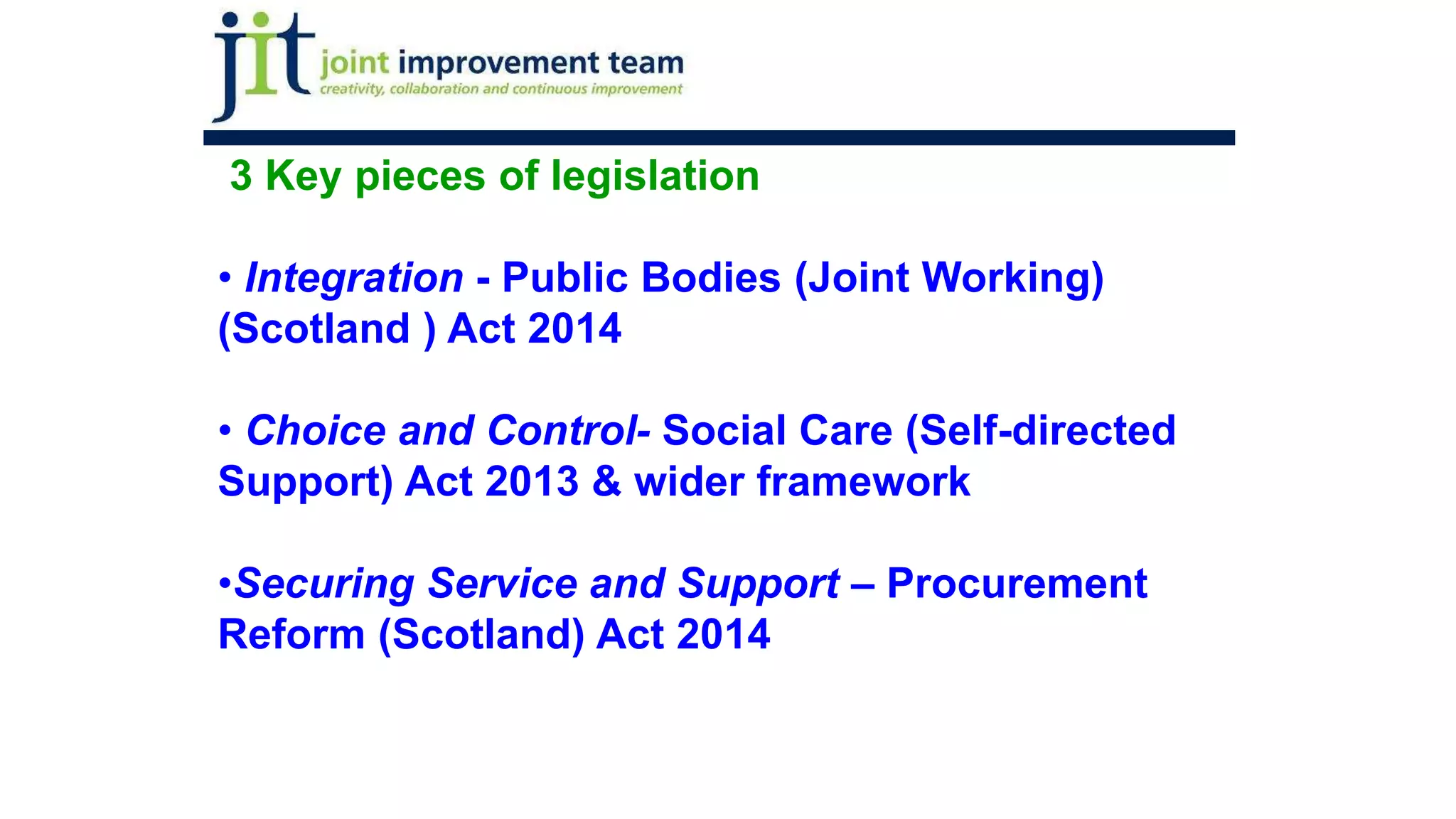
The Commissioning Cycle
7
Model originally developed by Institute of Public Care, Oxford Brookes University, 2003.
Adopted by SWIA 2009, and Scottish Government 2012
Analyse
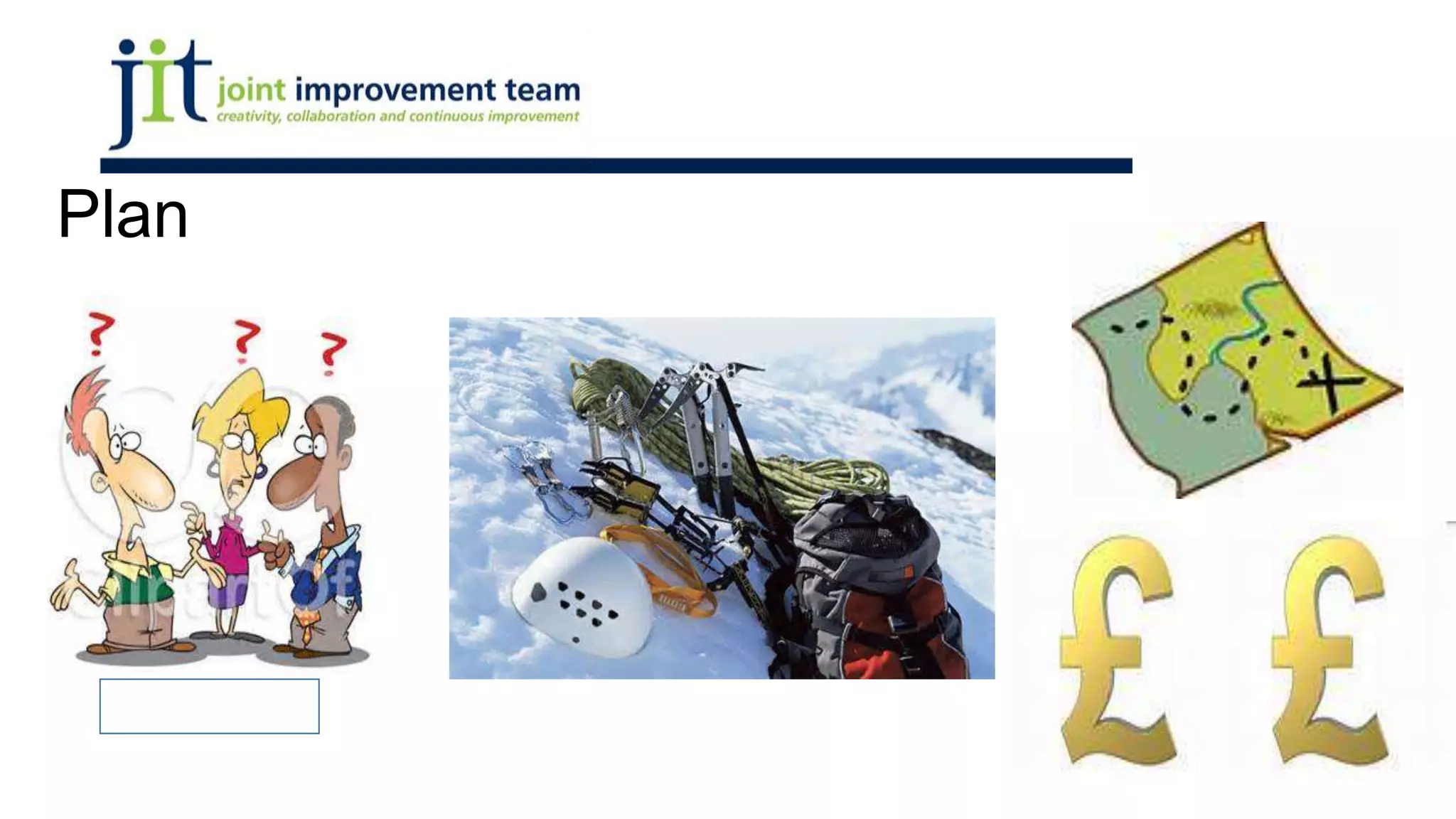
Plan
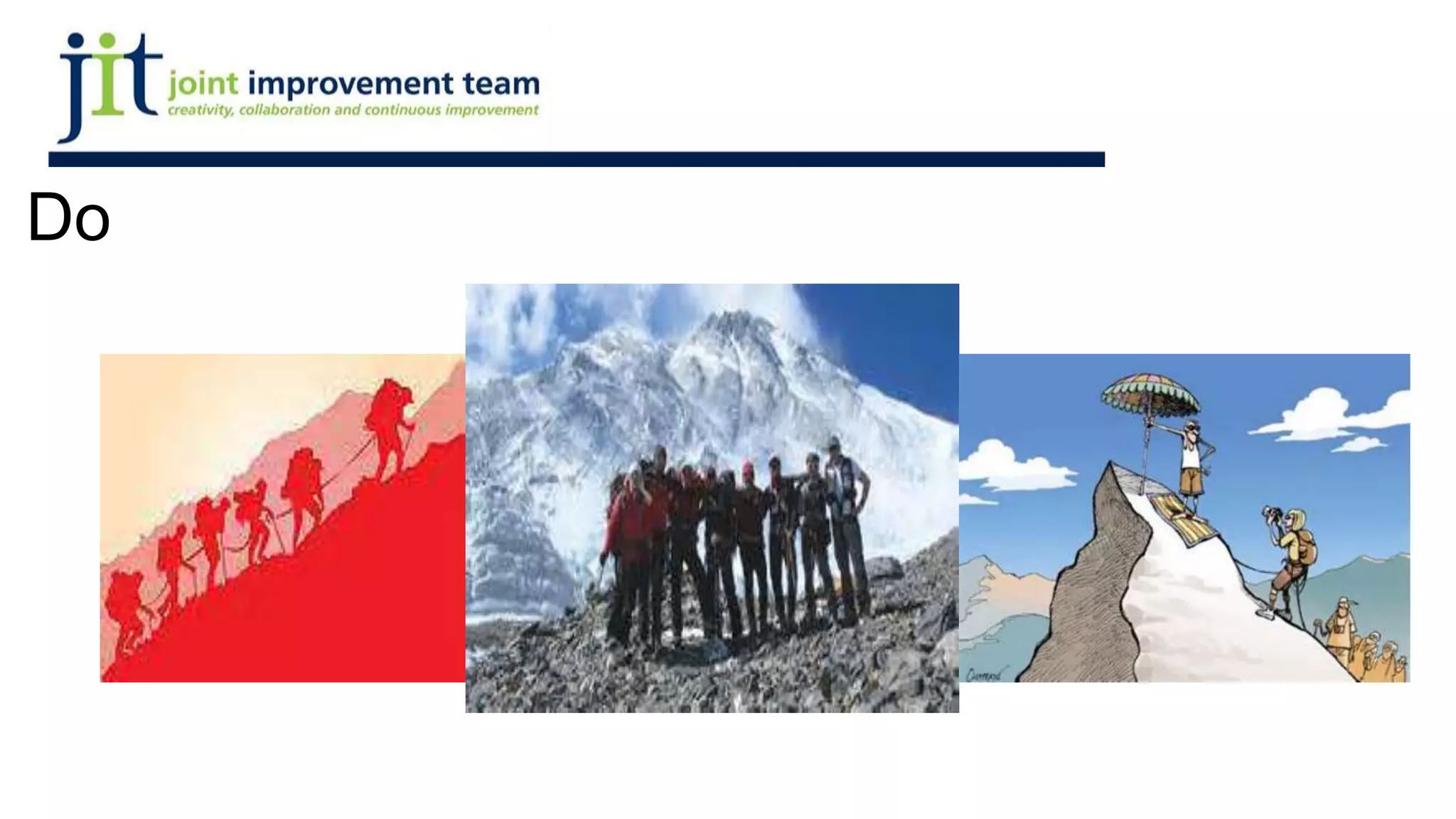
Do
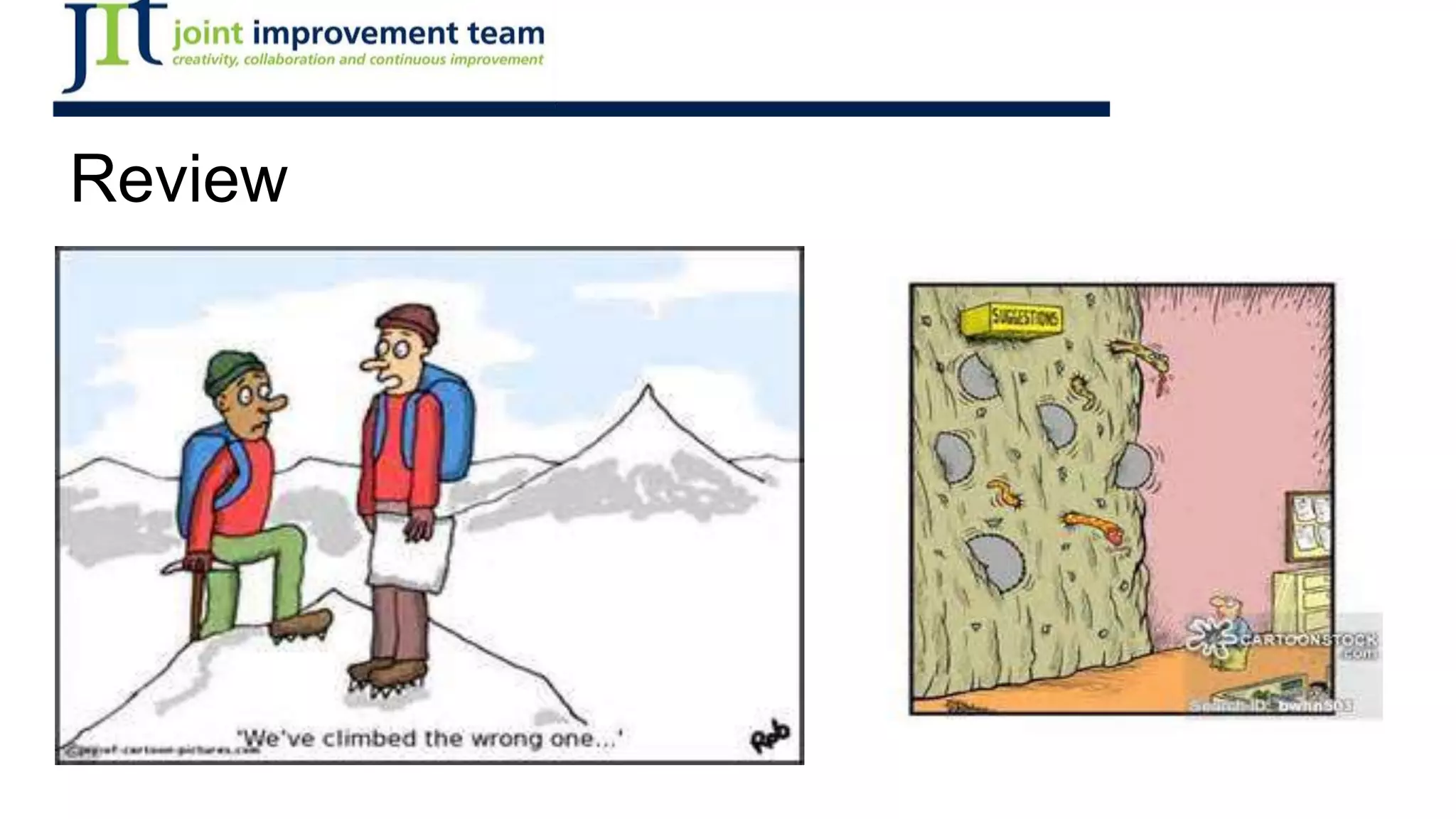
Review
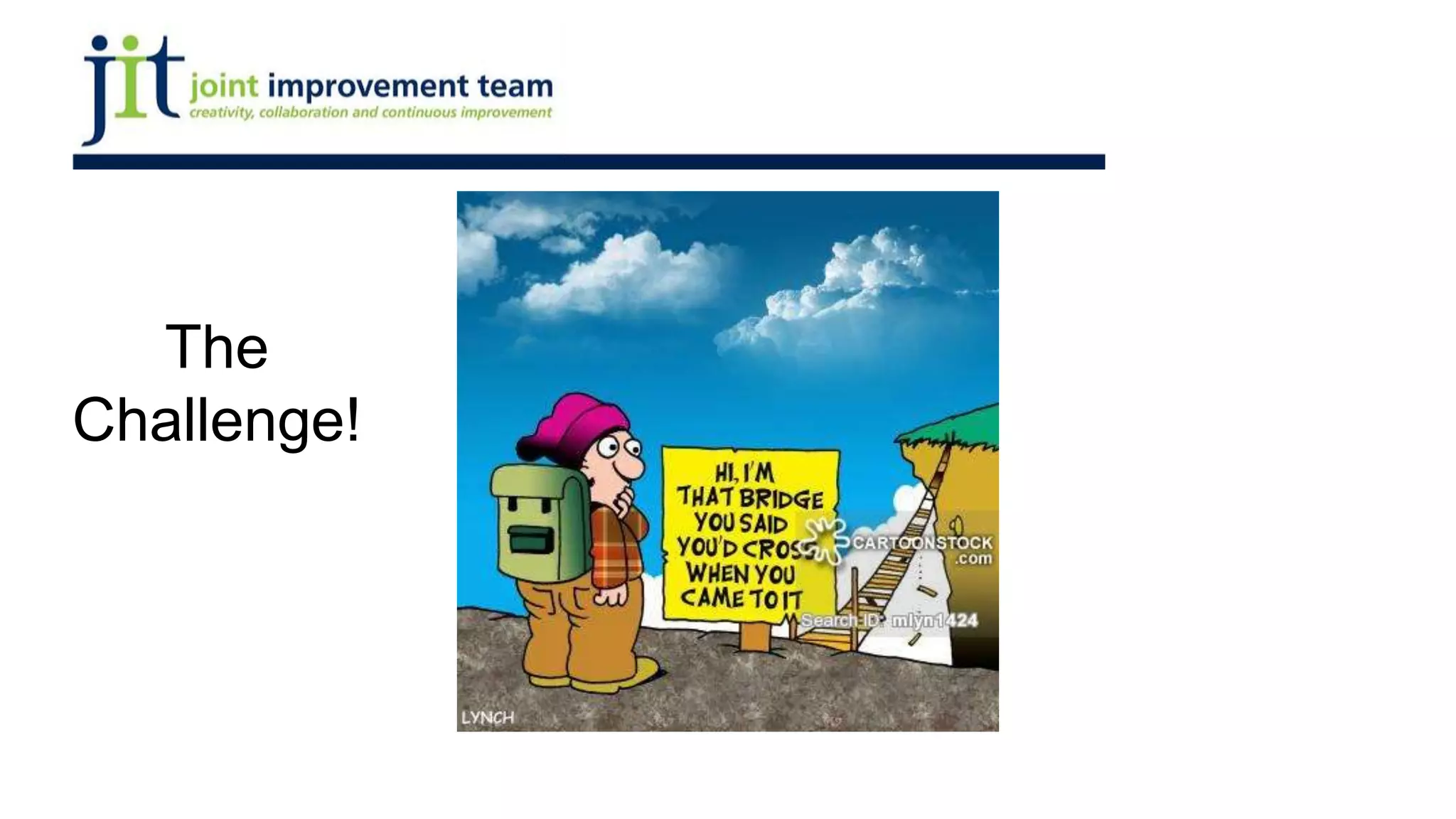
The
Challenge!
Changing Relationships - relationship between commissioners and
providers with individuals and communities.
Also a change in how commissioners and providers work together.
Experts -Individuals and communities are considered experts in their
own lives.
Control - Commissioners and providers are required to support
communities and people to make decisions and have more control
over their lives and services.
Facilitators not fixers- commissioners and providers are not fixers of
problems but facilitators who work with people to find solutions.
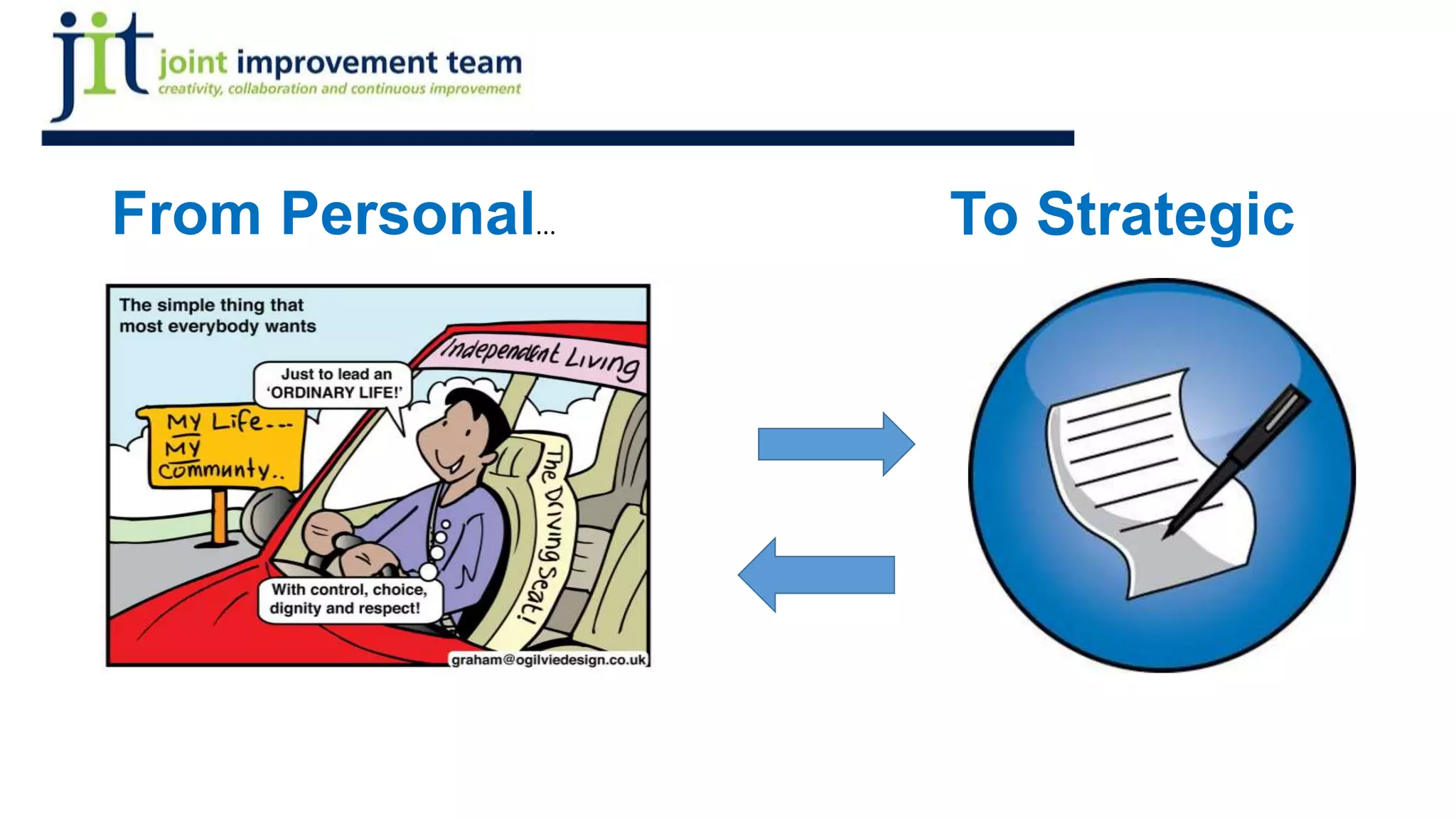
From Personal... To Strategic
Jit presentation We chose to climb -Des McCart & Julie Haslett

Jit presentation We chose to climb -Des McCart & Julie Haslett

  • 1.
    A Beginners Guideto Climbing the right mountain… Strategic Commissioning and key challenges Des McCart, Julie Haslett Joint Improvement Team
  • 4.
    4 1. People areable to look after and improve their own health and wellbeing and live in good health for longer. 2. People, including those with disabilities or long term conditions or who are frail are able to live, as far as reasonably practicable, independently and at home or in a homely setting in their community. 3. People who use health and social care services have positive experiences of those services, and have their dignity respected. 4. Health and social care services are centred on helping to maintain or improve the quality of life of people who use those services. 5. Health and social care services contribute to reducing health inequalities. 6. People who provide unpaid care are supported to look after their own health and wellbeing, including to reduce any negative impact of their caring role on their own health and wellbeing. 7. People using health and social care services are safe from harm. 8. People who work in health and social care services feel engaged with the work they do and are supported to continuously improve the information, support, care and treatment they provide. 9. Resources are used effectively and efficiently in the provision of health and social care services. National Outcomes
  • 5.
    Key National Drivers Public Bodies (Joint Working) (Scotland) Act 2014  Children and Young People (Scotland)Act 2014  Social Care (Self-directed Support) Act 2013  Procurement Reform (Scotland) Act 2014  Community Empowerment (Scotland) Bill  Community Planning & SOAs  NHS Quality Strategy & 20:20 Vision  Care Group Strategies  Human Rights – Scotland's National Action Plan  Impending legislation, including for Carers and Criminal Justice
  • 6.
    3 Key piecesof legislation • Integration - Public Bodies (Joint Working) (Scotland ) Act 2014 • Choice and Control- Social Care (Self-directed Support) Act 2013 & wider framework •Securing Service and Support – Procurement Reform (Scotland) Act 2014
  • 7.
    The Commissioning Cycle 7 Modeloriginally developed by Institute of Public Care, Oxford Brookes University, 2003. Adopted by SWIA 2009, and Scottish Government 2012
  • 8.
  • 9.
  • 10.
  • 11.
  • 12.
  • 13.
    Changing Relationships -relationship between commissioners and providers with individuals and communities. Also a change in how commissioners and providers work together. Experts -Individuals and communities are considered experts in their own lives. Control - Commissioners and providers are required to support communities and people to make decisions and have more control over their lives and services. Facilitators not fixers- commissioners and providers are not fixers of problems but facilitators who work with people to find solutions.
  • 14.