Assignment no # 01
submitted by : M. Awais khan
fst batch ;; 19-2023
Roll no # 013
introduction to food chemistry:
Food chemistry:
 is the study of chemical processes and interactions of all
biological and non biological components of foods,
The biological items as meat, poultry, lettuce, beer milk as
examples,
Its main components are carbohydrates, protein, lipids,etc.
Cont…
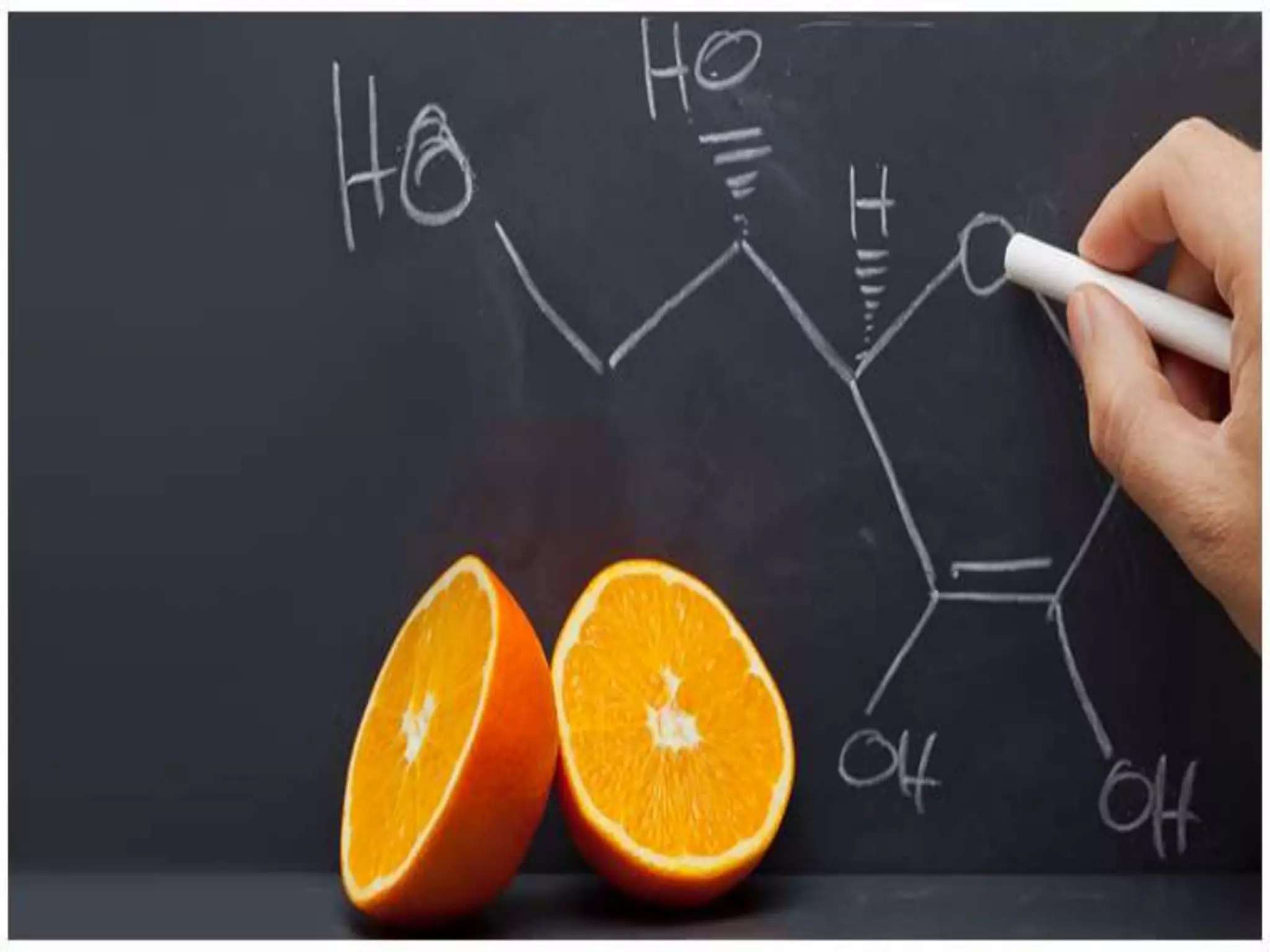
 But it also includes area such as water, vitamins, minerals,
enzymes, food flavors, colours .
 This discipline also encompasses how products changes under
certain food processing techniques and ways either to enhance
or to prevent them from happening .
 i.e a process would be stopping the browning on the surface
of freshly cut apples using lemon juice or other acidulated
water.
HISTORY OF FOOD CHEMISTRY:
the scientific approach to food and nutrition arose
with attention to agricultural chemistry in the work
J.G. Walleris, Humphry Davey.
The early work included that by Carl Whillhelm Scheele
who isolated malic acid from apple in 1785.
Some of the findings of Liebig on food chemistry were
translated and published by Eben Horford in lowell
Massachusetts in 1848.
WATER IN FOOD SYSTEM:
A major component of food is water which can encompass
anywhere from 50% in meat products to 95% in tomato
and lettuce product.
One way we can measure water in food by water activity
which is very important in the shelf life of many food
during processing.
CARBOHYDRATES:
Comprises of 75% of the biological world 80% of all food
intake for human consumption,
The simplest version of a carbohydrates is
monosaccahride which contain carbon, hydogen, oxygen
In a 1:2:1 under general formula CnH2nOn.
Sugar content is mostly measured in brix.
LIPIDS:
Lipids are molecules that contain hydrocarbon
and make up the building blocks of the structure
and function of living cells.
i.e fats, oils, waxes, certain vitamins(A,D,E&K)
Lipids are not soluble in water as they are non polar
but are thus soluble in non polar solvent such as
chloroform.
FOOD PROTIEN:
Protein compos over 50% of the dry cell of an
average
living cell and are very complex macromolecules.
In food protein are essential for growth and survival
and requirements vary dependind upon a person age
and physiology.
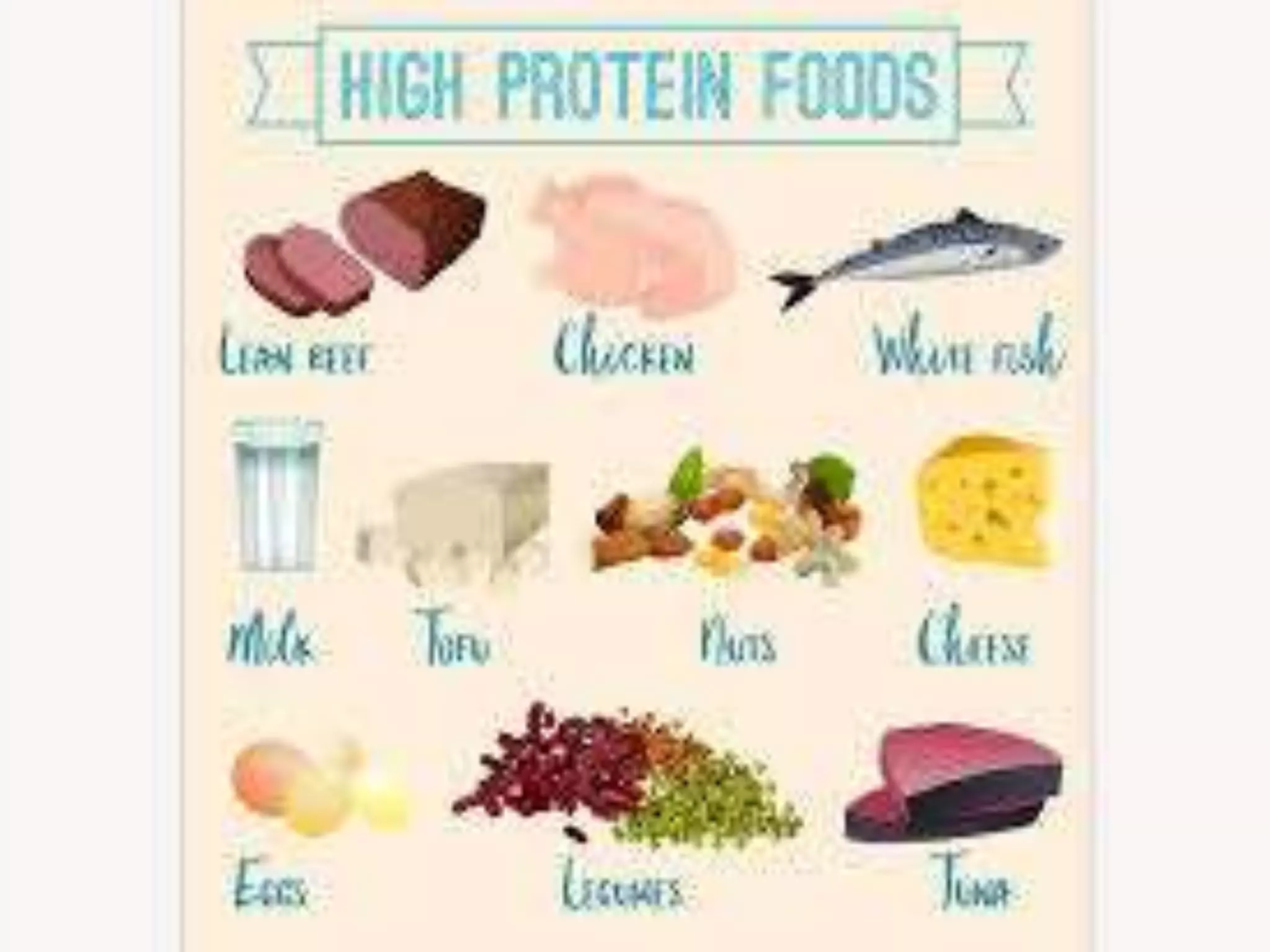
Protein mainly obtained from eggs, milk, meat, nuts
grain and legumes.
introduction to food chemistry

introduction to food chemistry

  • 2.
    Assignment no #01 submitted by : M. Awais khan fst batch ;; 19-2023 Roll no # 013
  • 3.
    introduction to foodchemistry: Food chemistry:  is the study of chemical processes and interactions of all biological and non biological components of foods, The biological items as meat, poultry, lettuce, beer milk as examples, Its main components are carbohydrates, protein, lipids,etc.
  • 4.
    Cont…  But italso includes area such as water, vitamins, minerals, enzymes, food flavors, colours .  This discipline also encompasses how products changes under certain food processing techniques and ways either to enhance or to prevent them from happening .  i.e a process would be stopping the browning on the surface of freshly cut apples using lemon juice or other acidulated water.
  • 6.
    HISTORY OF FOODCHEMISTRY: the scientific approach to food and nutrition arose with attention to agricultural chemistry in the work J.G. Walleris, Humphry Davey. The early work included that by Carl Whillhelm Scheele who isolated malic acid from apple in 1785. Some of the findings of Liebig on food chemistry were translated and published by Eben Horford in lowell Massachusetts in 1848.
  • 8.
    WATER IN FOODSYSTEM: A major component of food is water which can encompass anywhere from 50% in meat products to 95% in tomato and lettuce product. One way we can measure water in food by water activity which is very important in the shelf life of many food during processing.
  • 9.
    CARBOHYDRATES: Comprises of 75%of the biological world 80% of all food intake for human consumption, The simplest version of a carbohydrates is monosaccahride which contain carbon, hydogen, oxygen In a 1:2:1 under general formula CnH2nOn. Sugar content is mostly measured in brix.
  • 11.
    LIPIDS: Lipids are moleculesthat contain hydrocarbon and make up the building blocks of the structure and function of living cells. i.e fats, oils, waxes, certain vitamins(A,D,E&K) Lipids are not soluble in water as they are non polar but are thus soluble in non polar solvent such as chloroform.
  • 12.
    FOOD PROTIEN: Protein composover 50% of the dry cell of an average living cell and are very complex macromolecules. In food protein are essential for growth and survival and requirements vary dependind upon a person age and physiology. Protein mainly obtained from eggs, milk, meat, nuts grain and legumes.