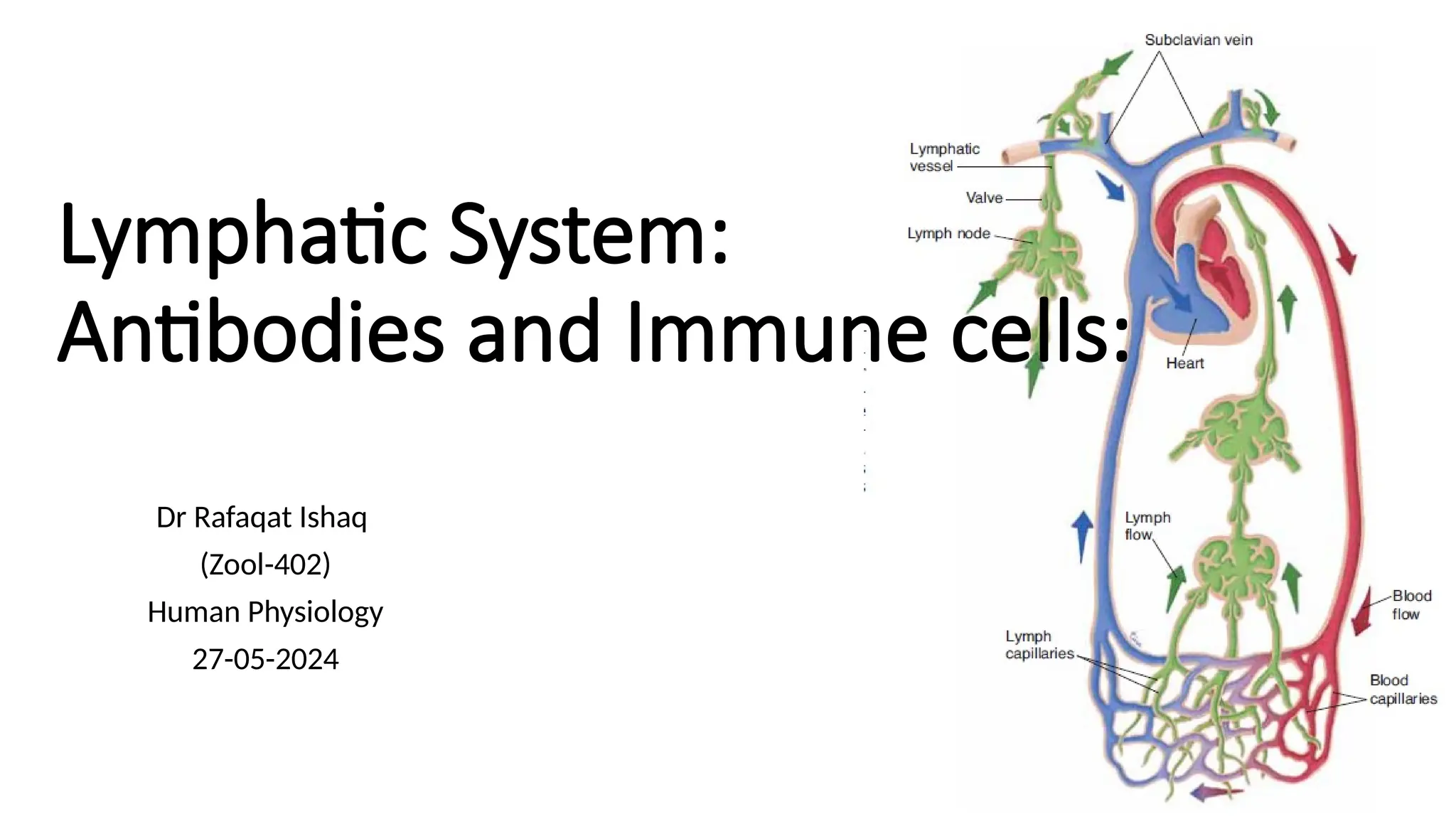
Lymphatic System:
Antibodies and Immune cells:
Dr Rafaqat Ishaq
(Zool-402)
Human Physiology
27-05-2024
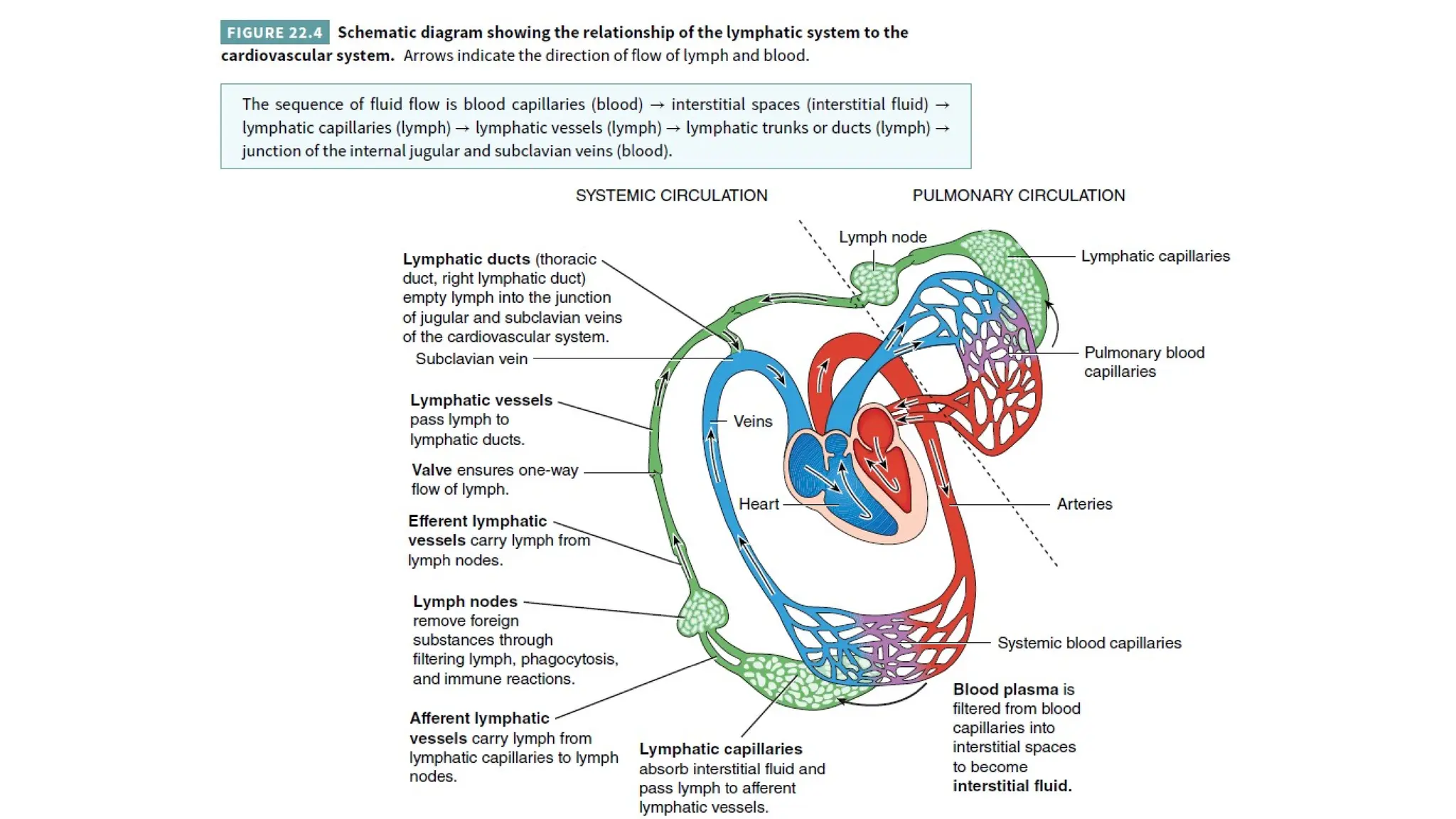
Parts of the Lymphatic System
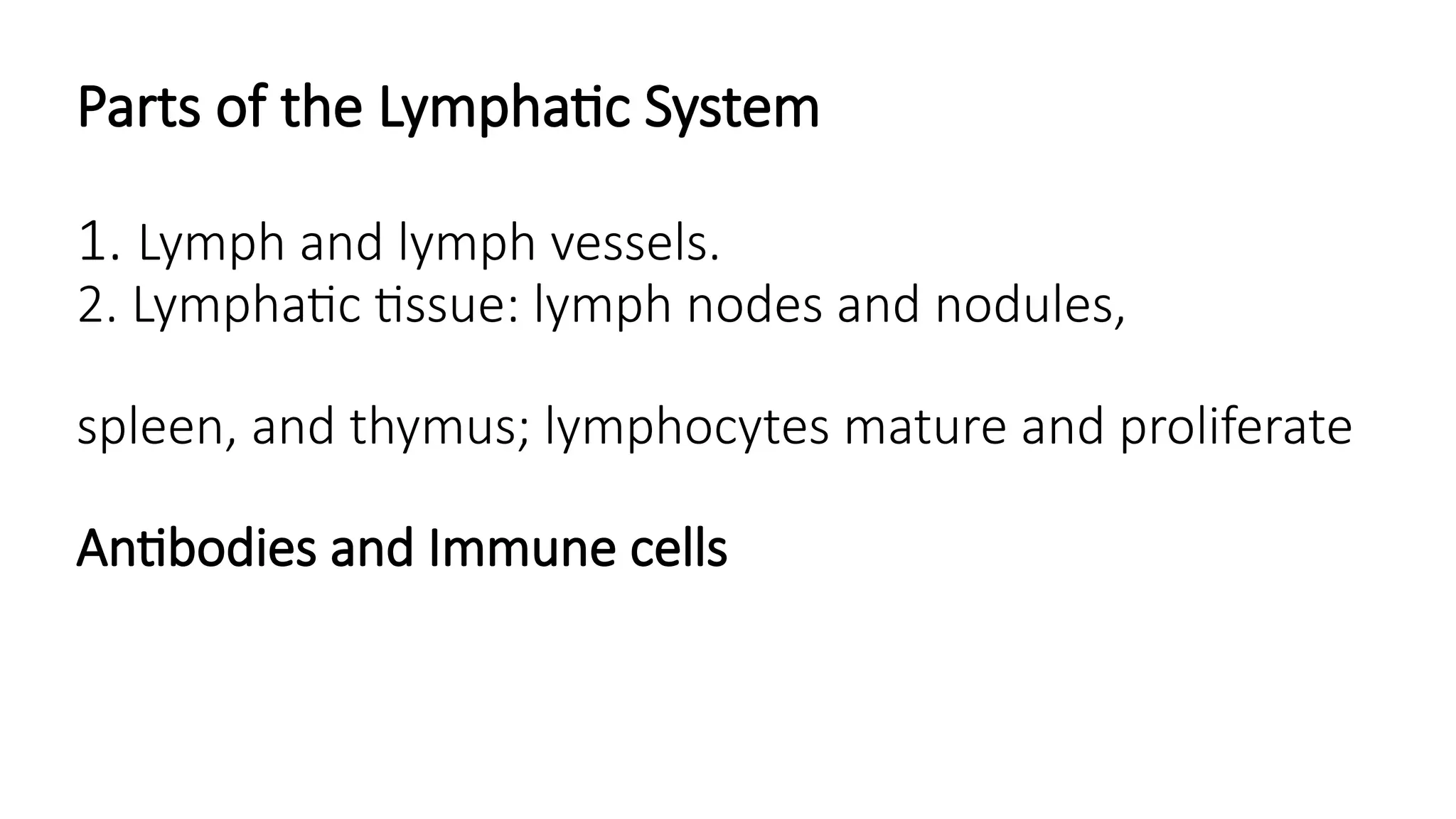
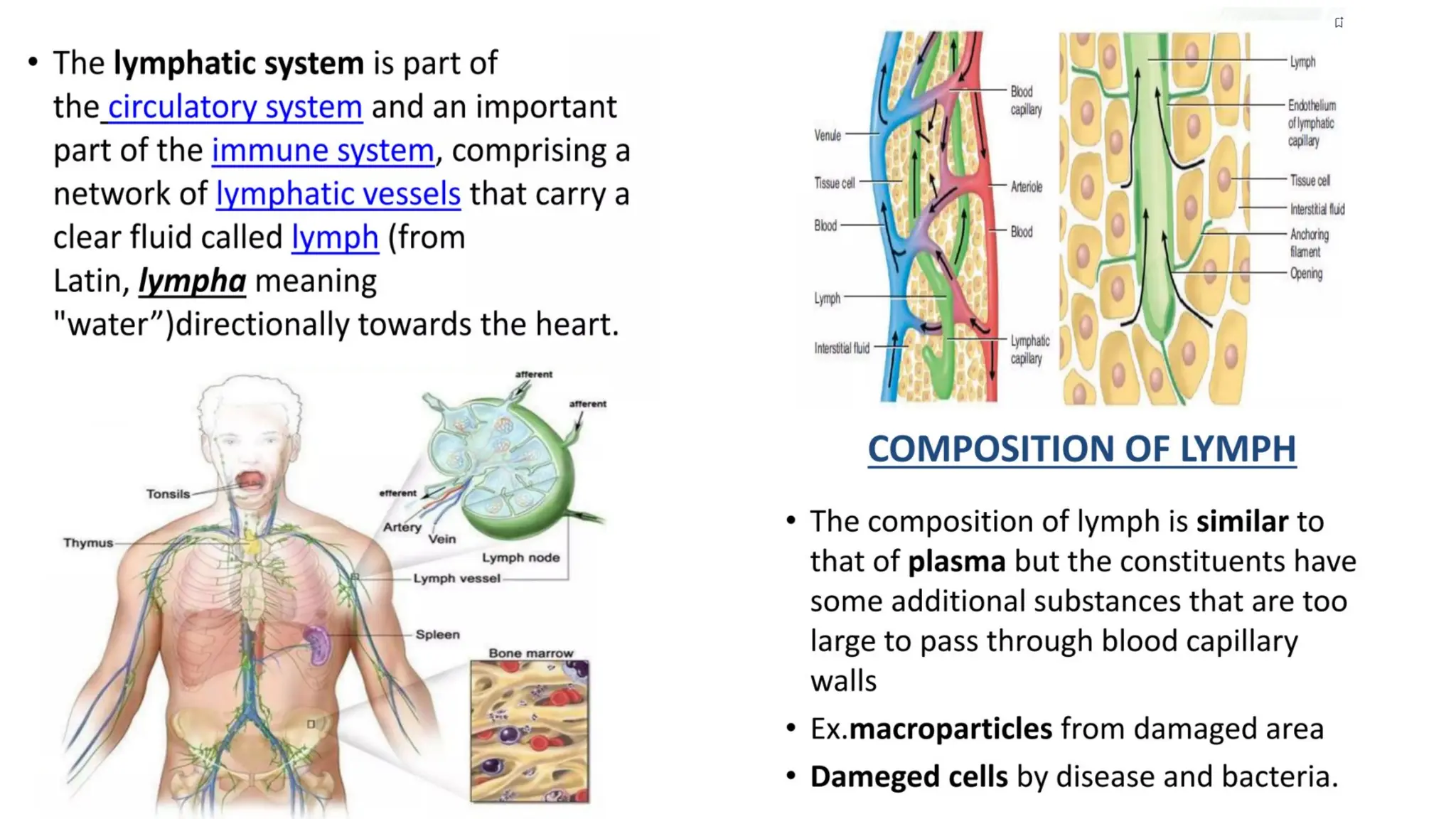
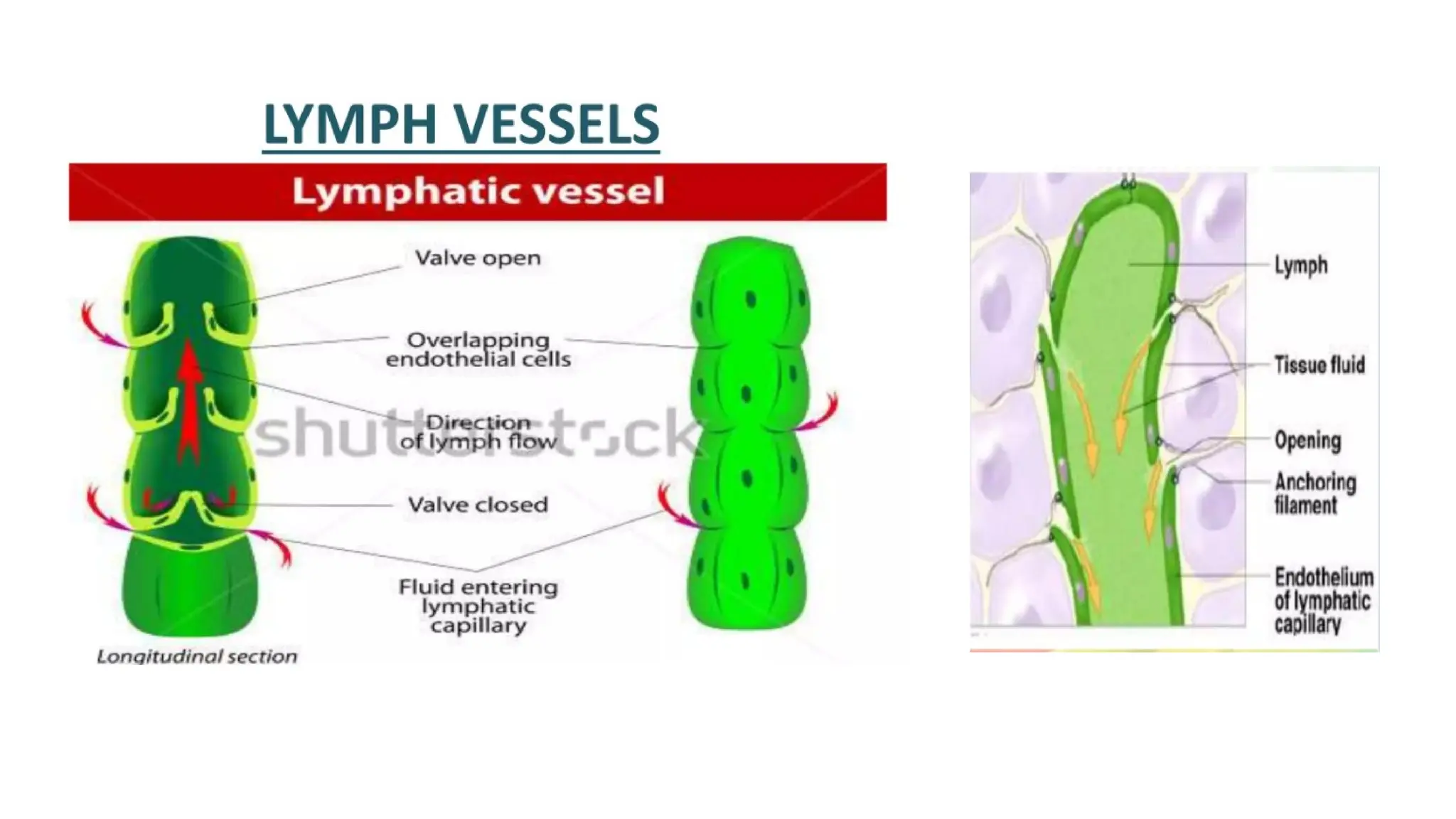
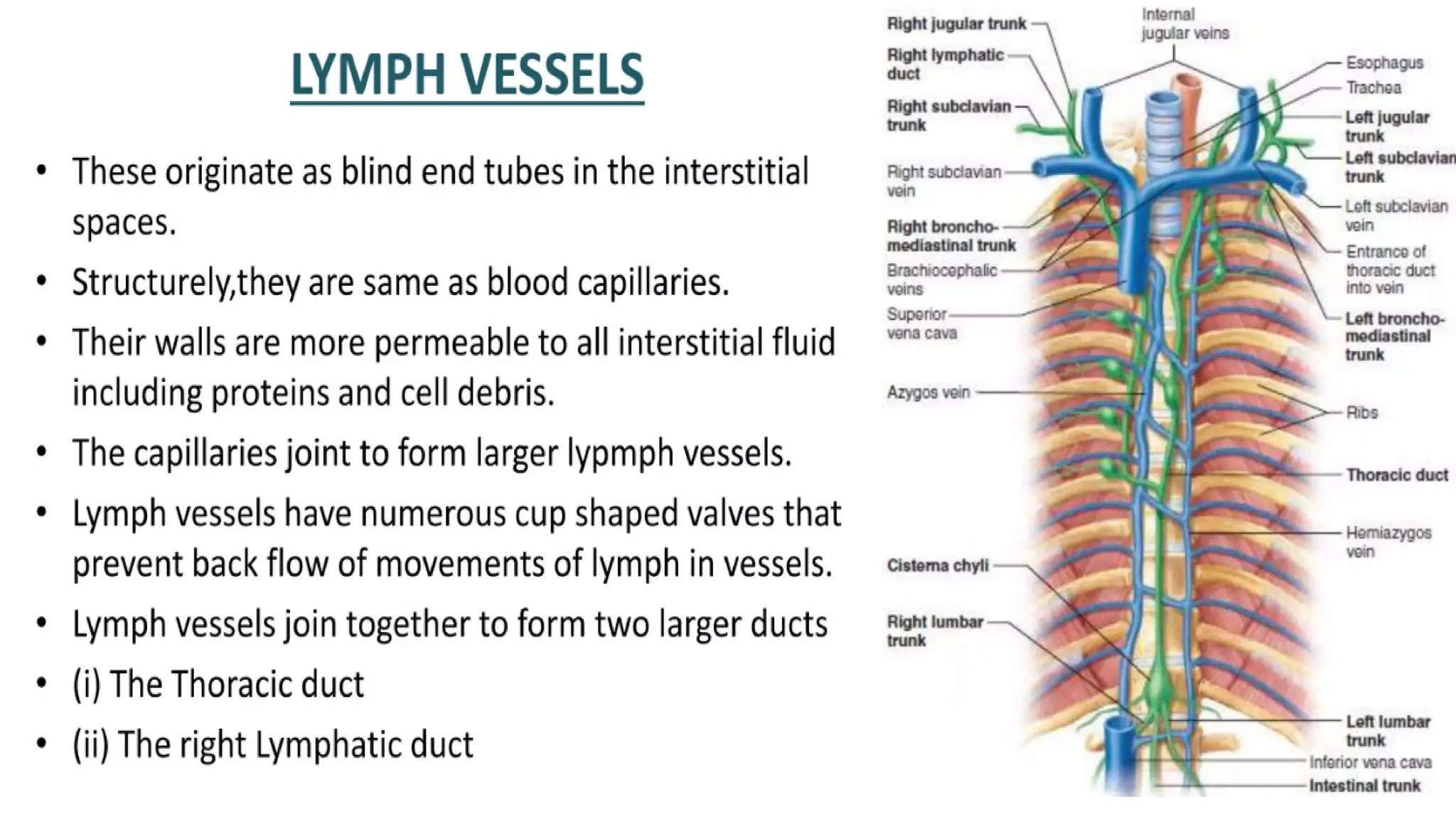
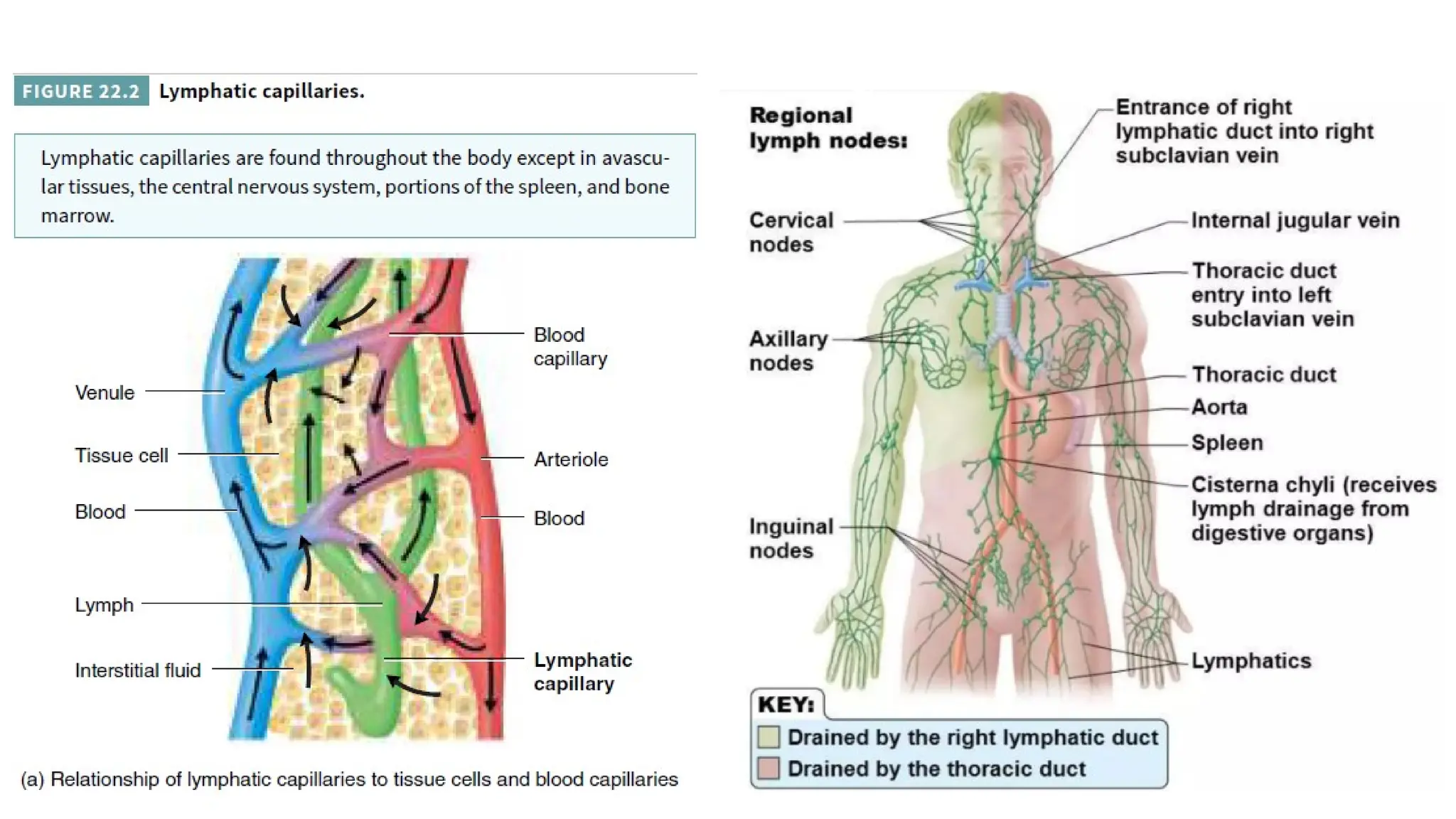
1. Lymph and lymph vessels.
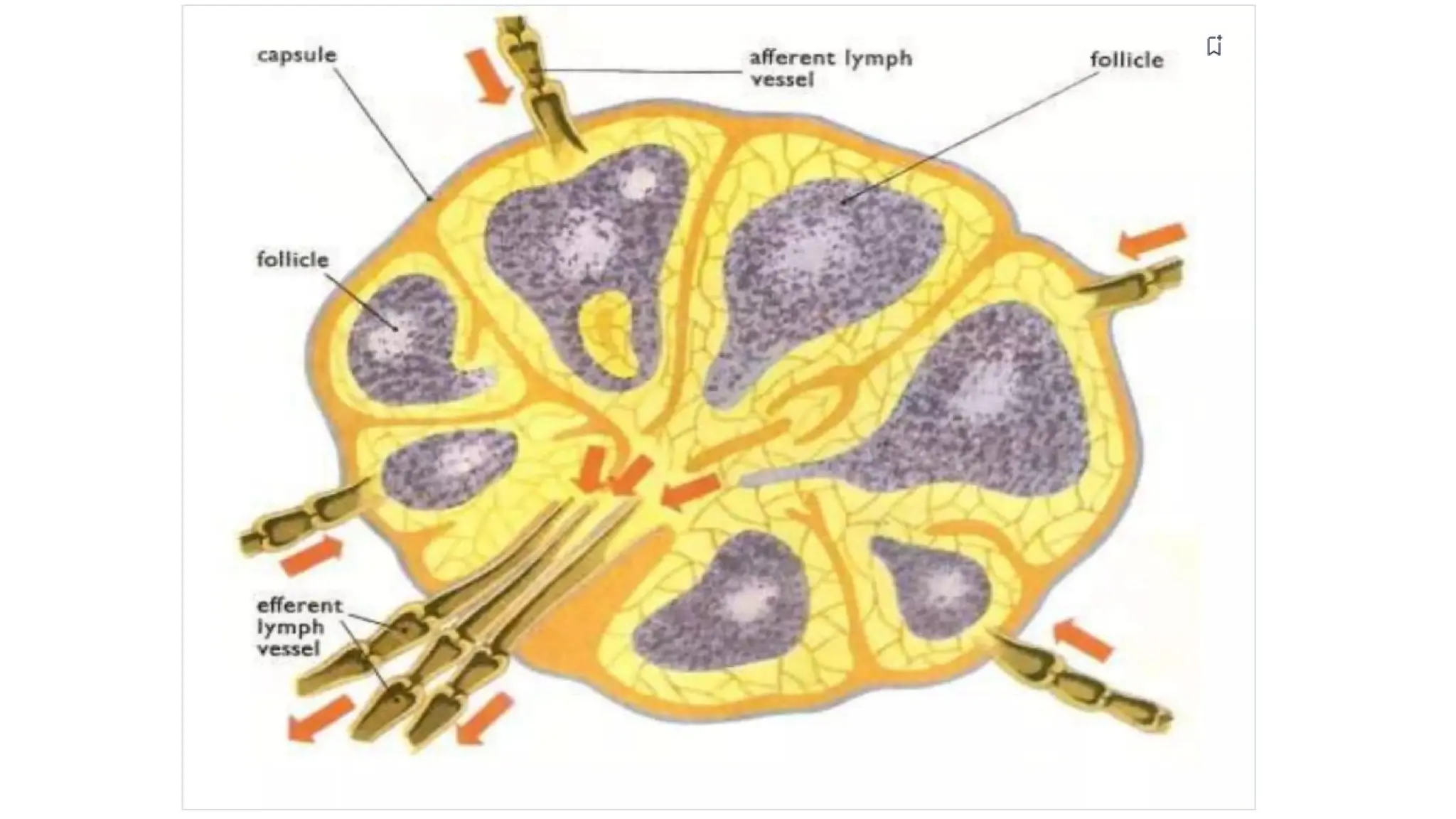
2. Lymphatic tissue: lymph nodes and nodules,
spleen, and thymus; lymphocytes mature and proliferate
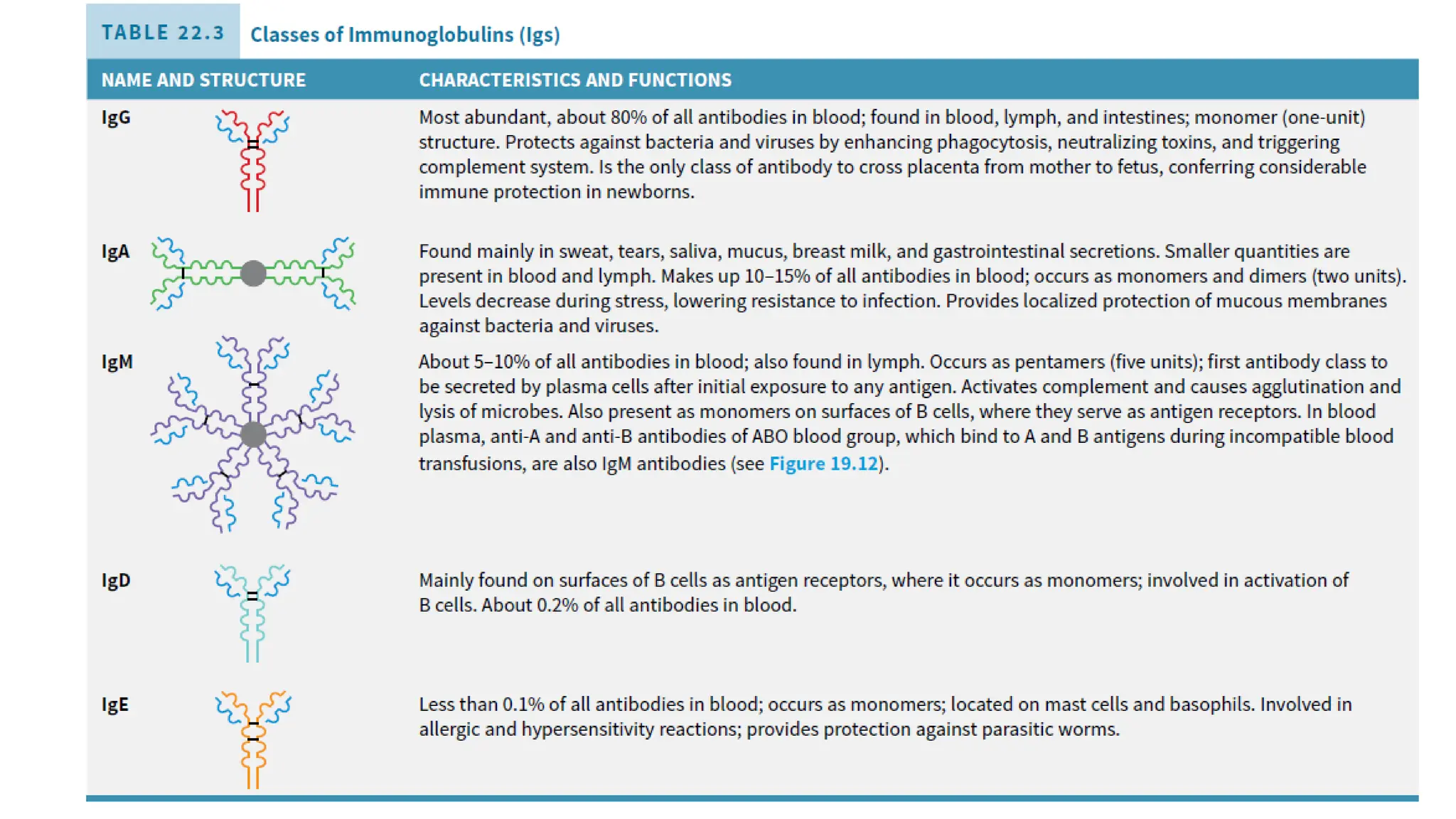
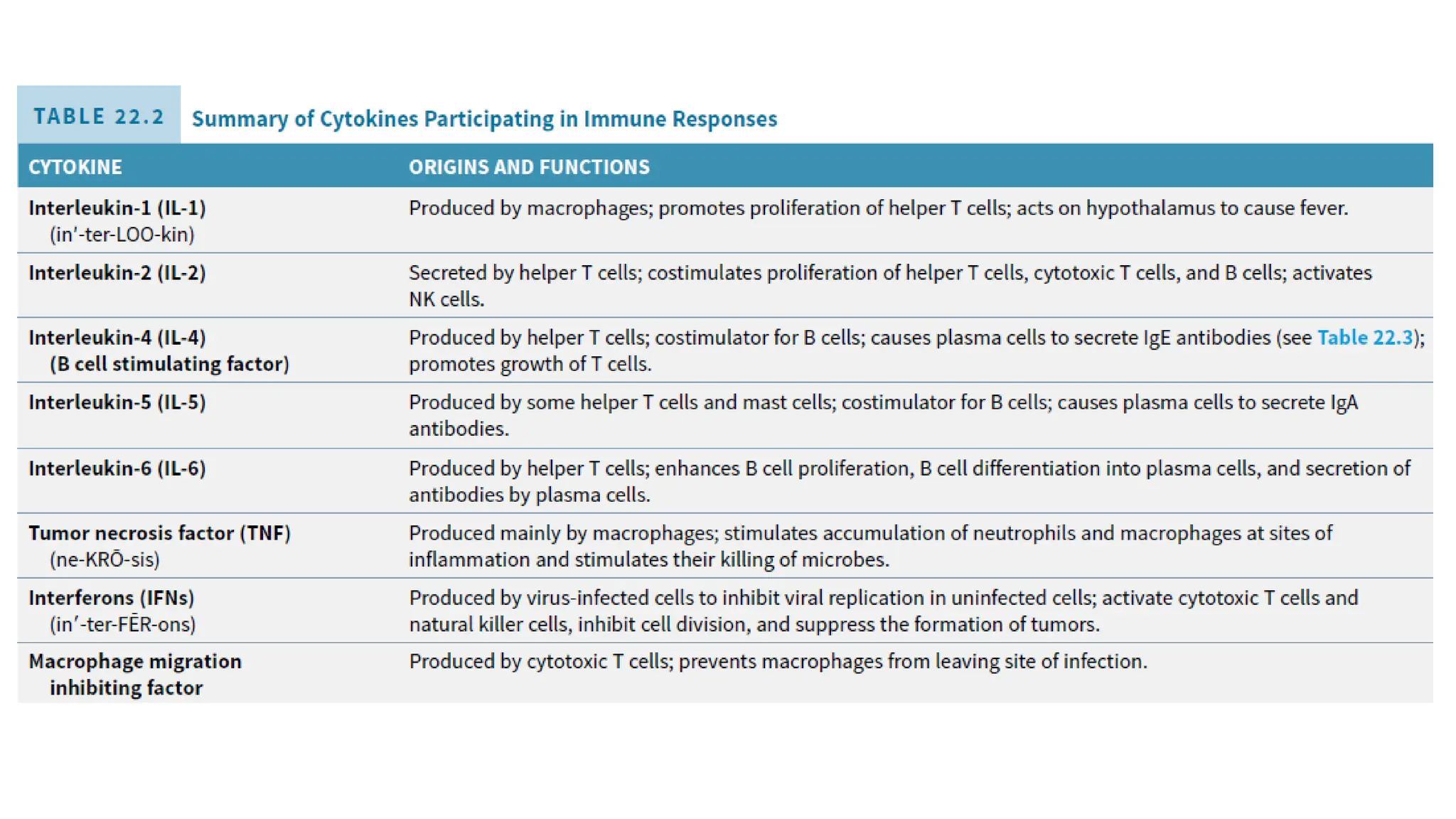
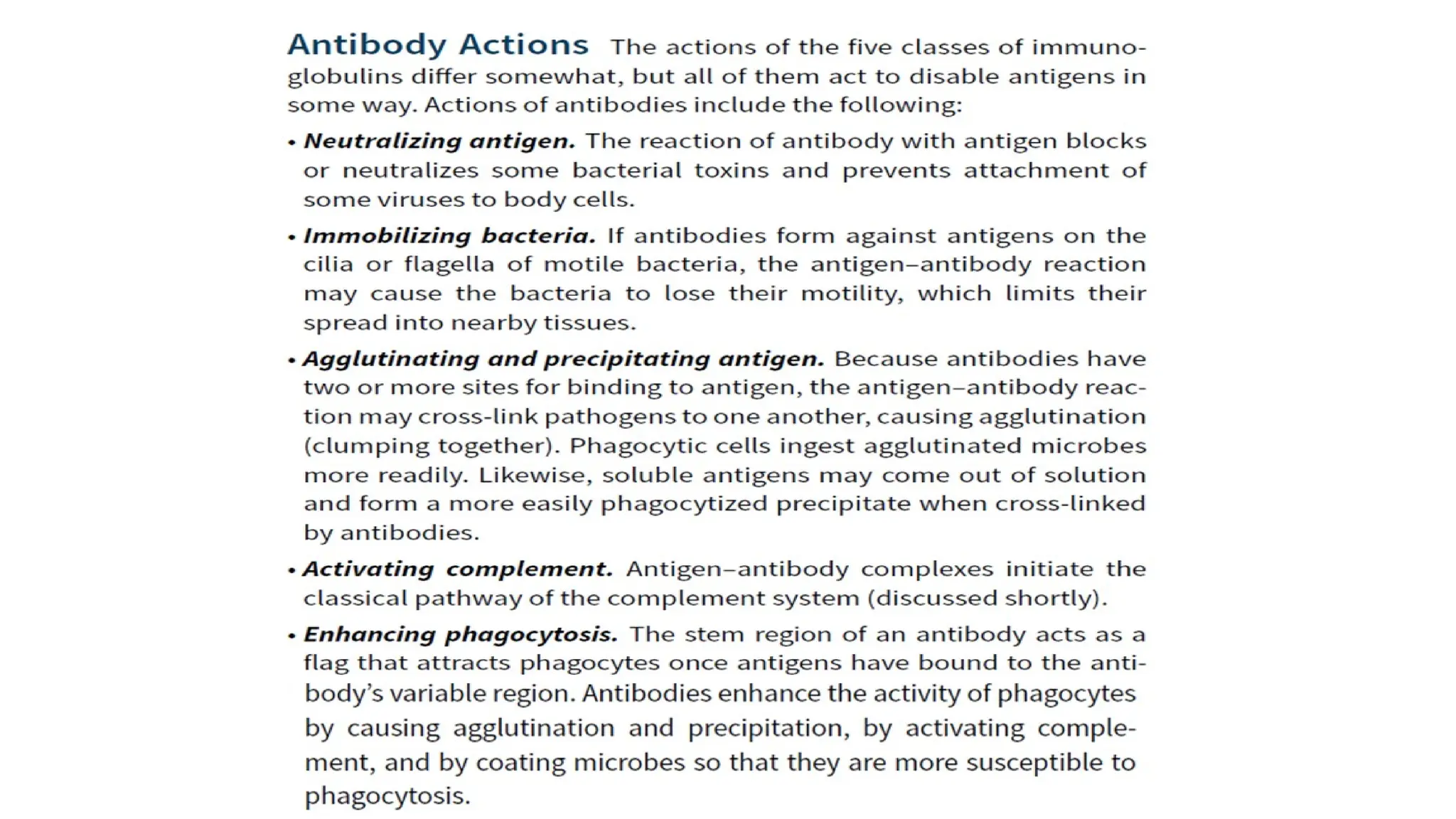
Antibodies and Immune cells
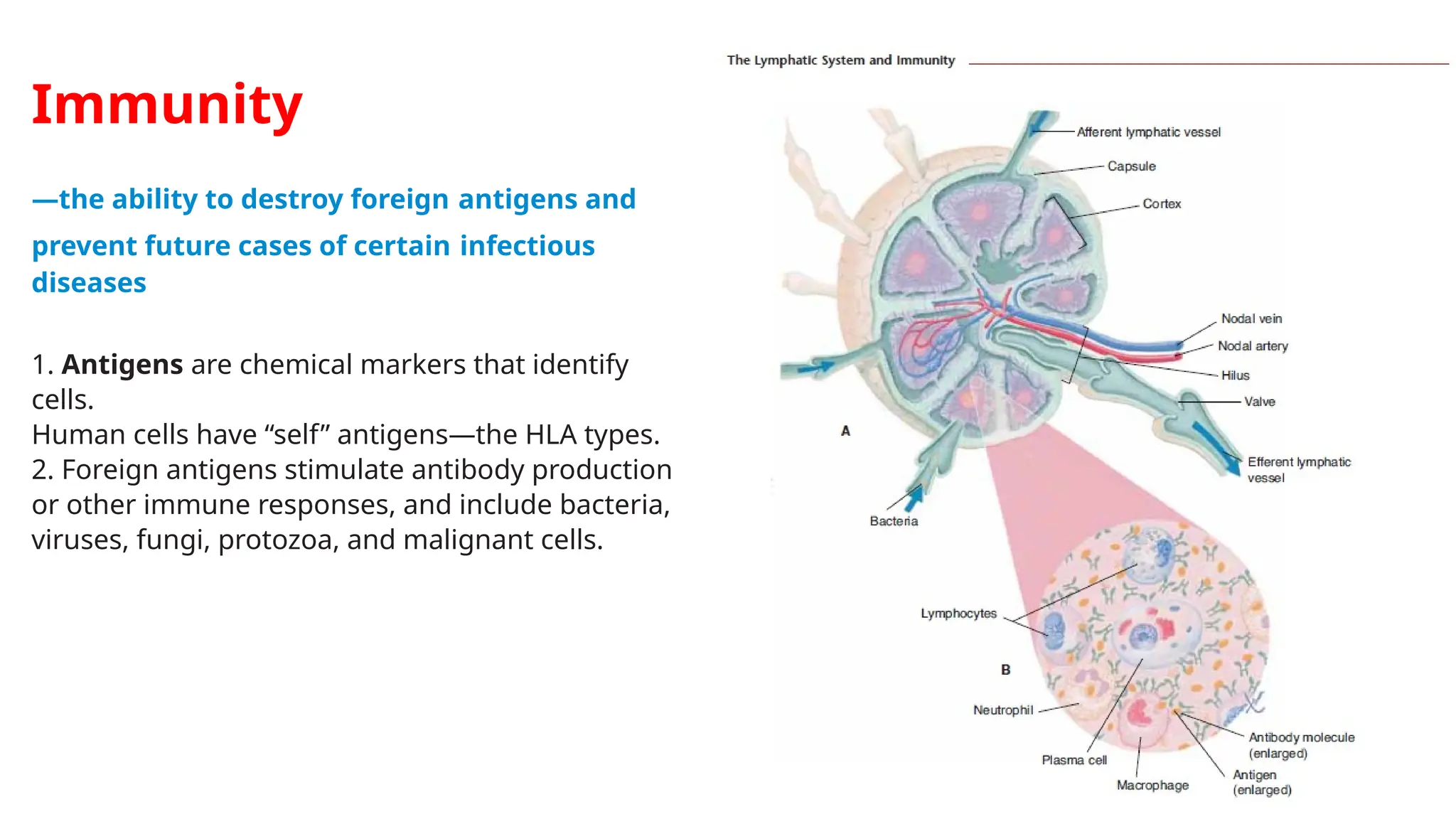
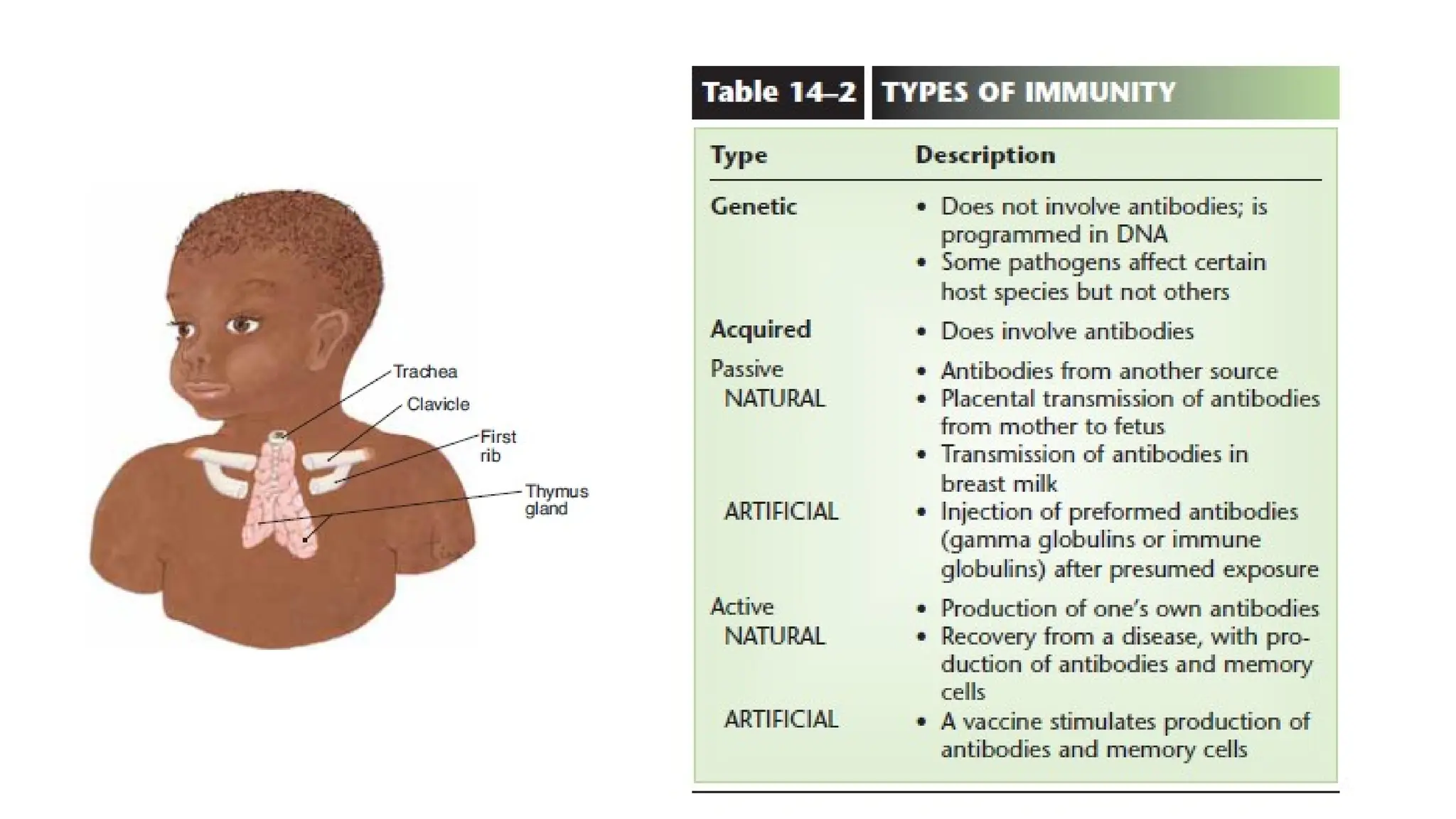
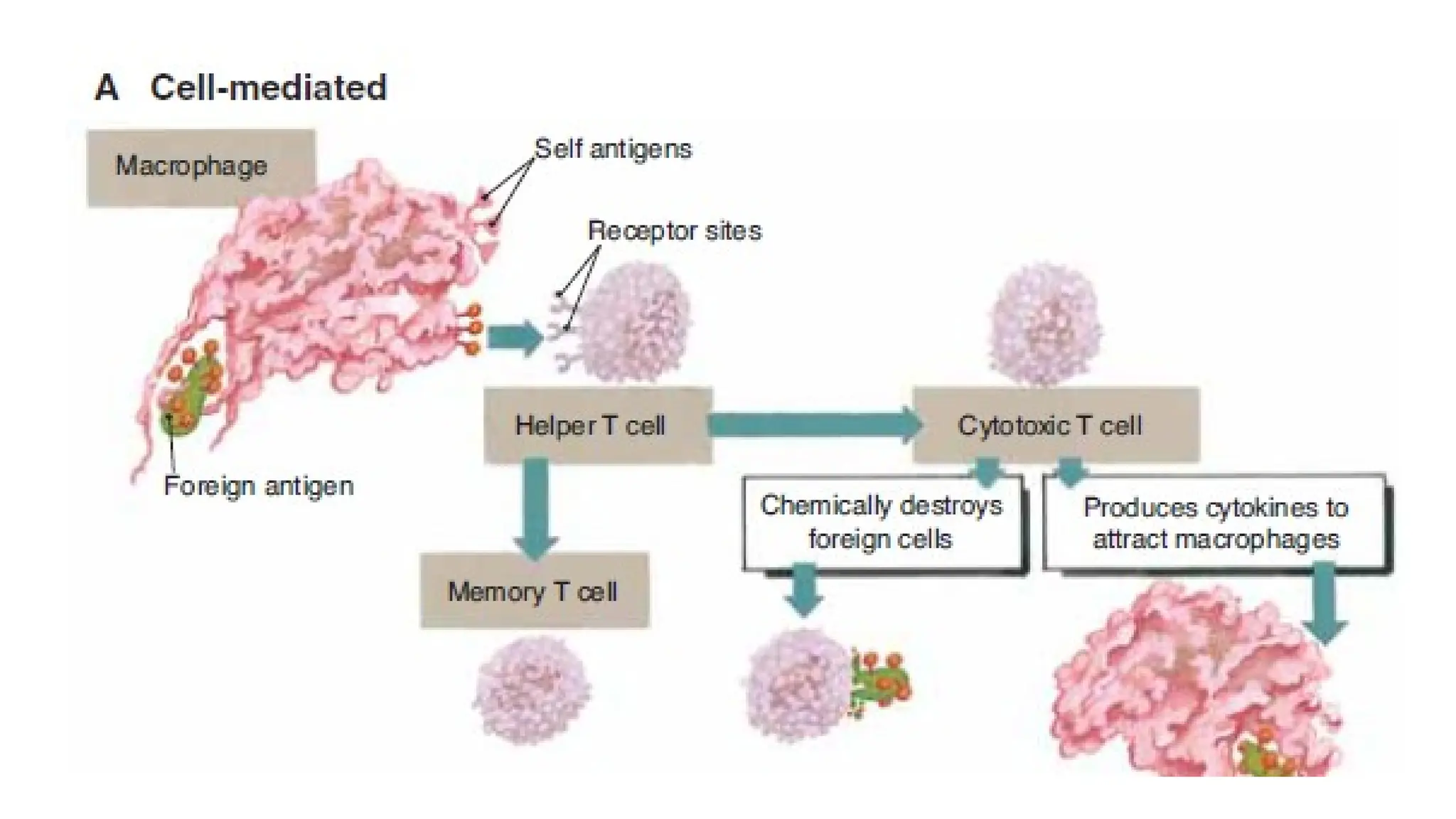
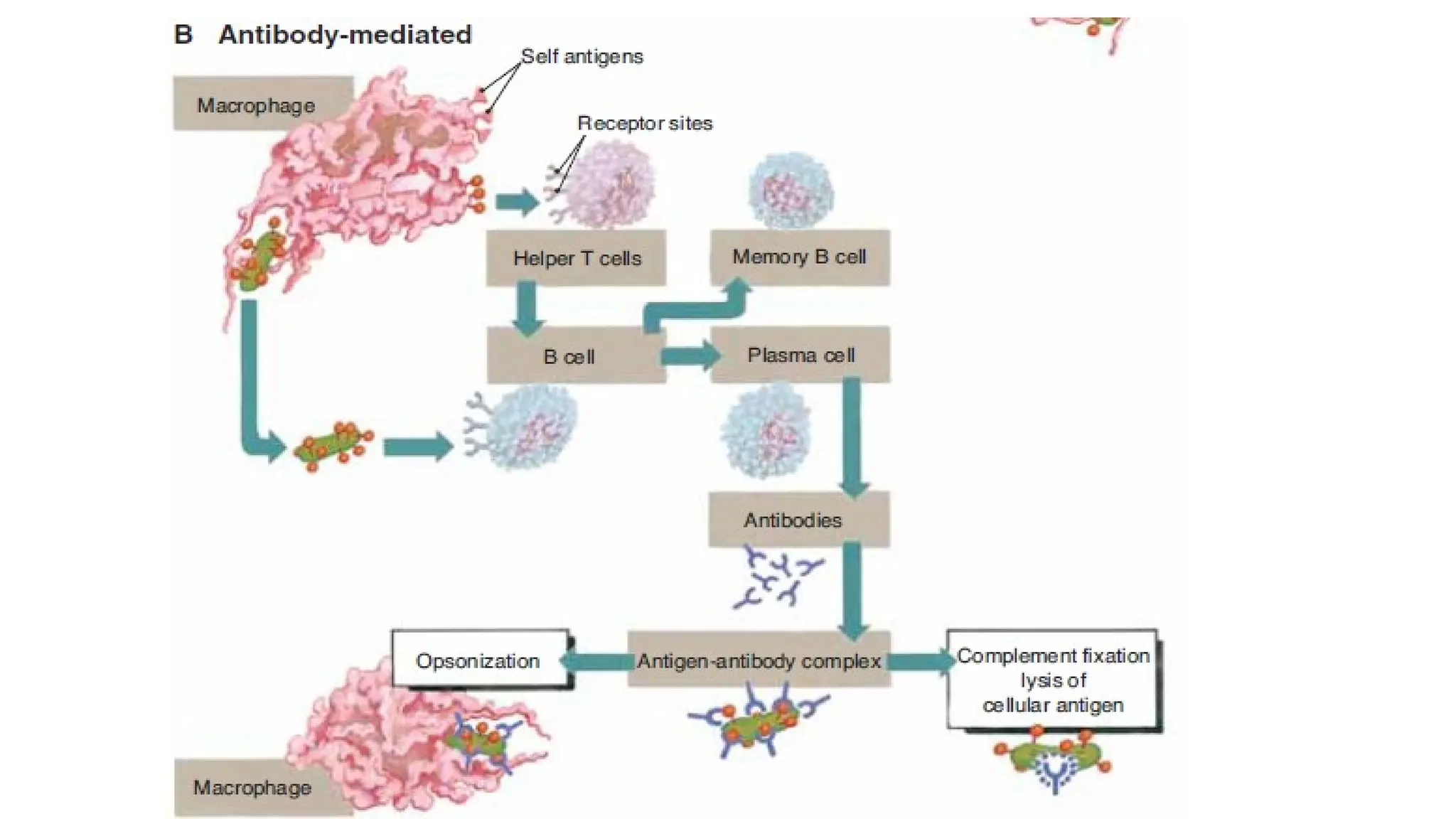
Immunity
—the ability to destroy foreign antigens and
prevent future cases of certain infectious
diseases
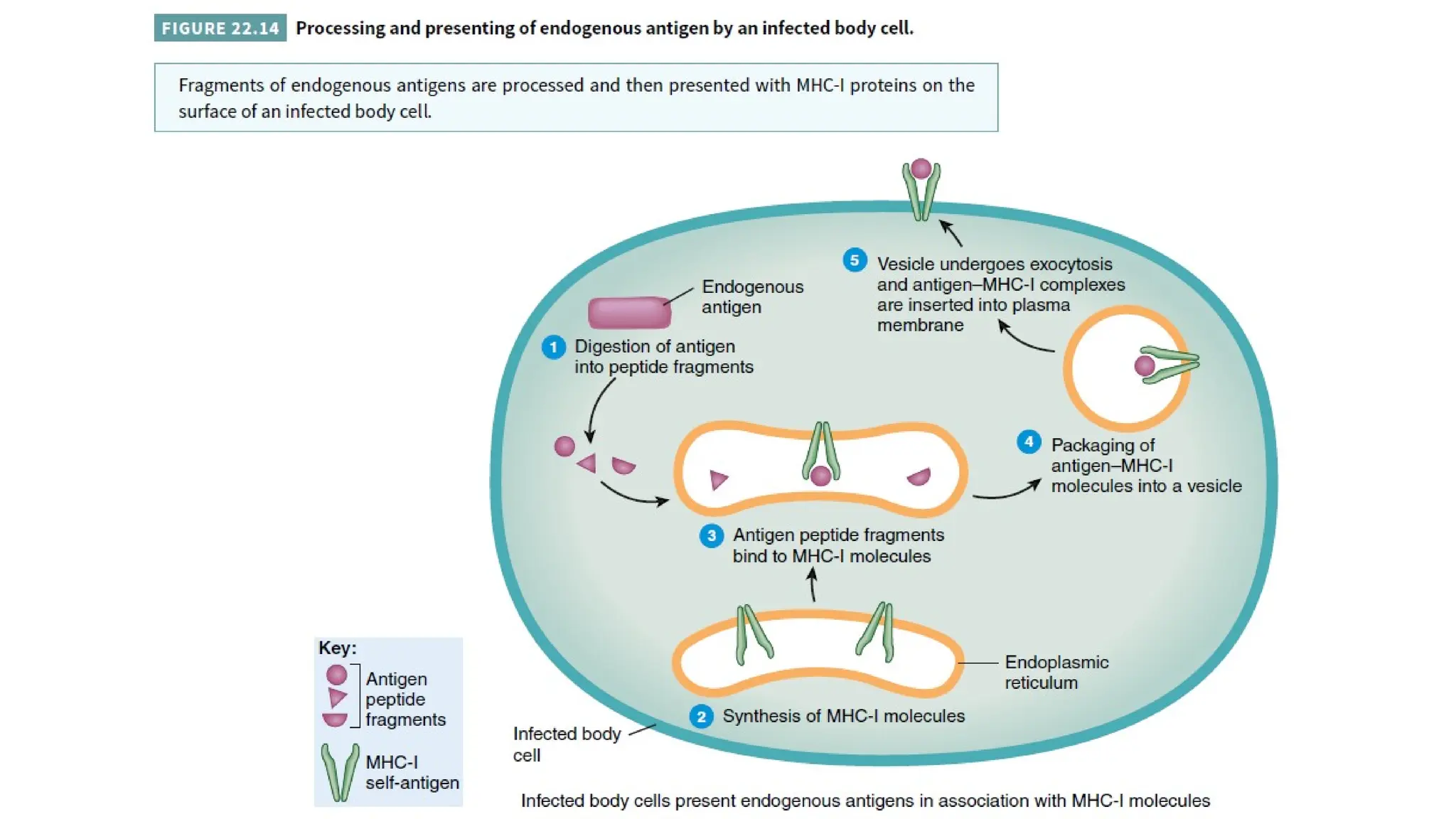
1. Antigens are chemical markers that identify
cells.
Human cells have “self” antigens—the HLA types.
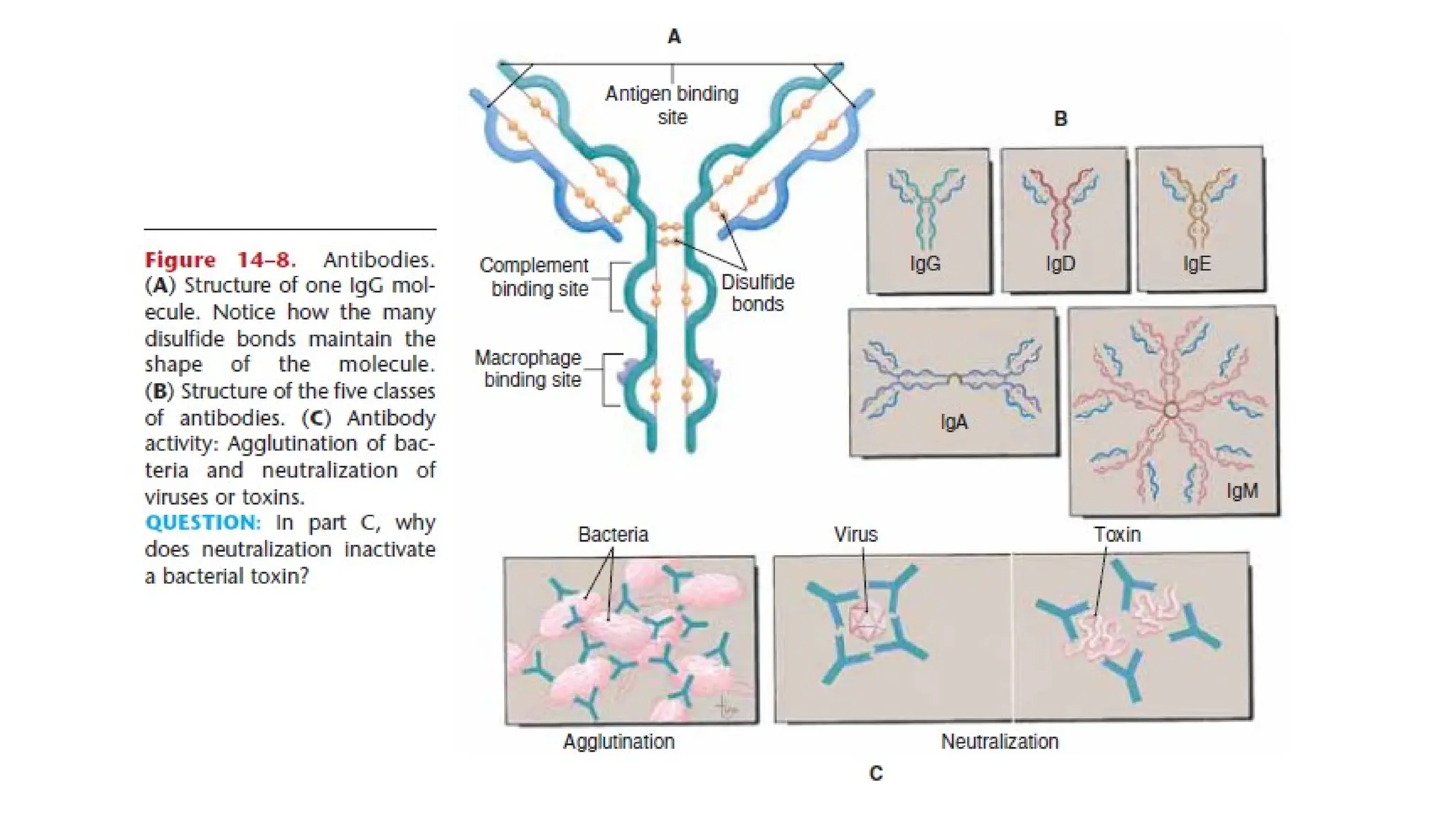
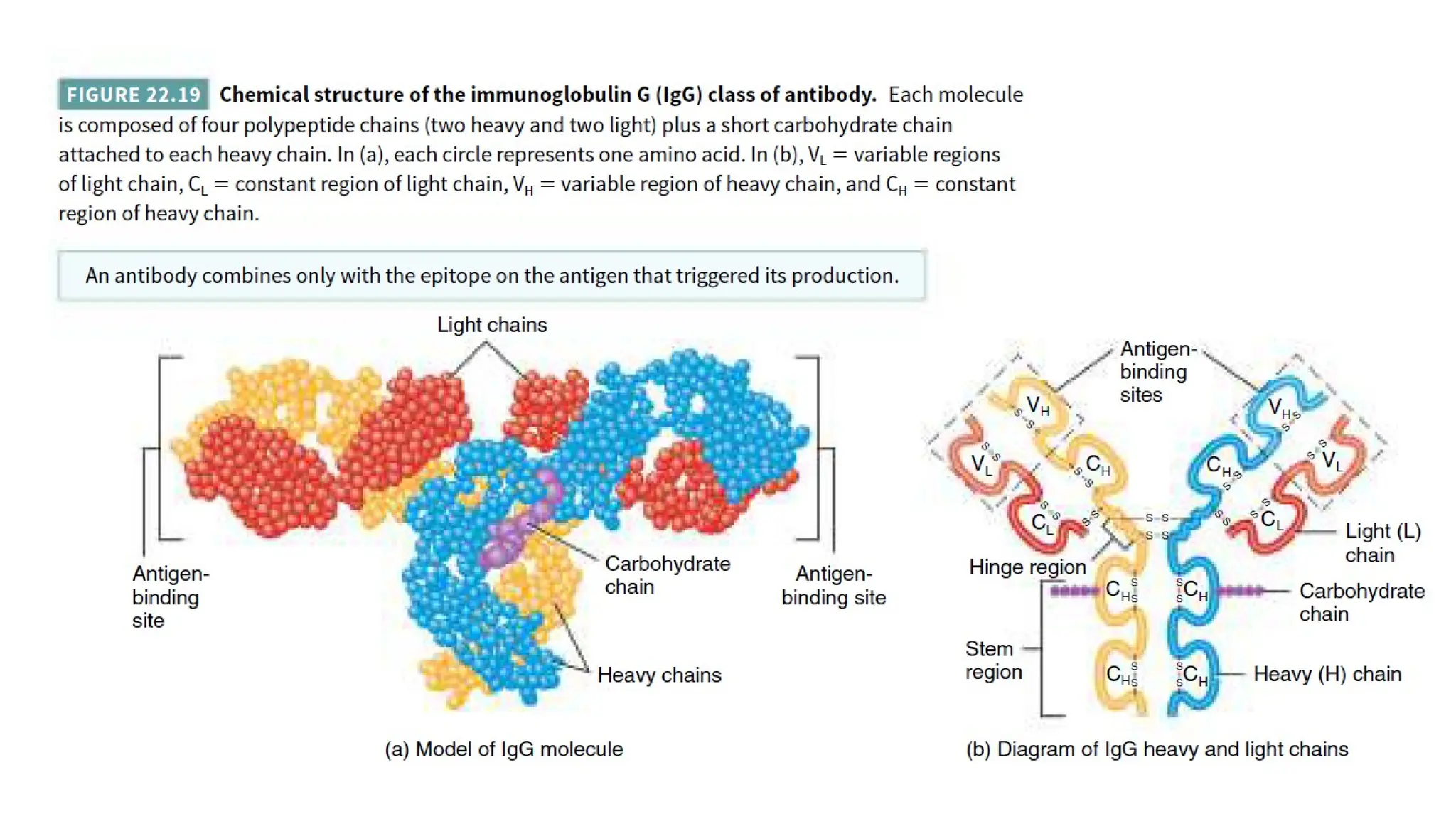
2. Foreign antigens stimulate antibody production
or other immune responses, and include bacteria,
viruses, fungi, protozoa, and malignant cells.
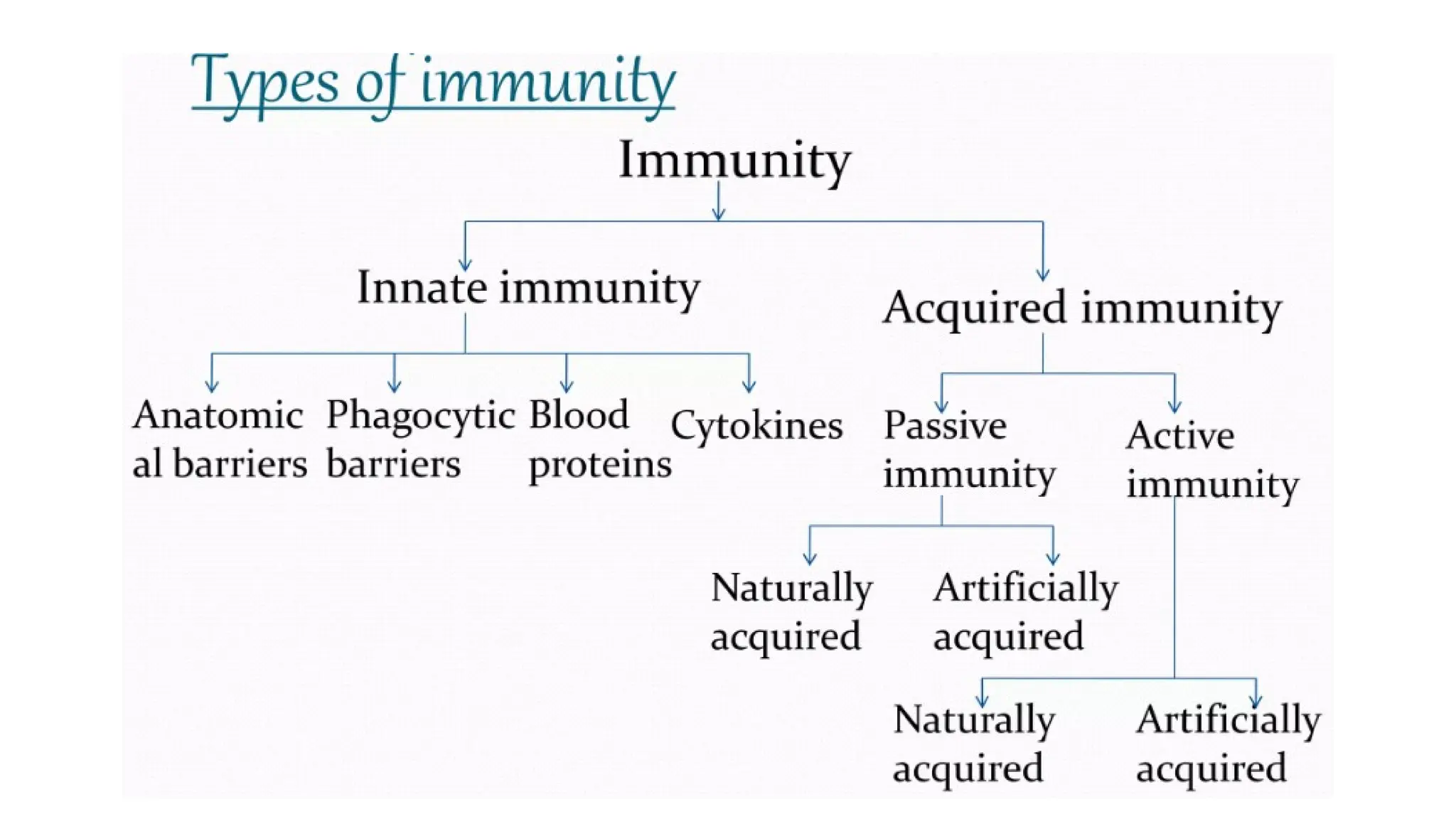
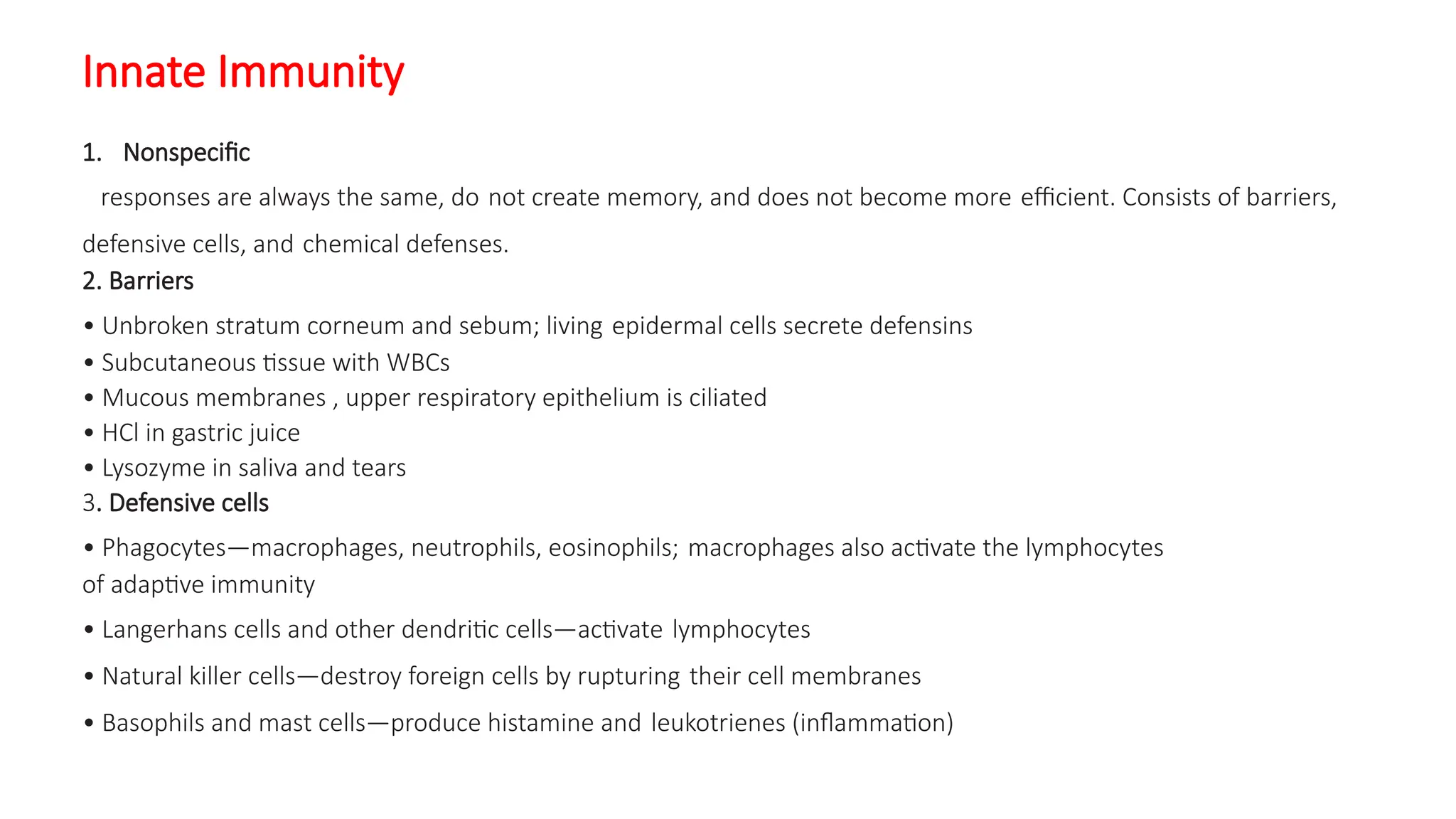
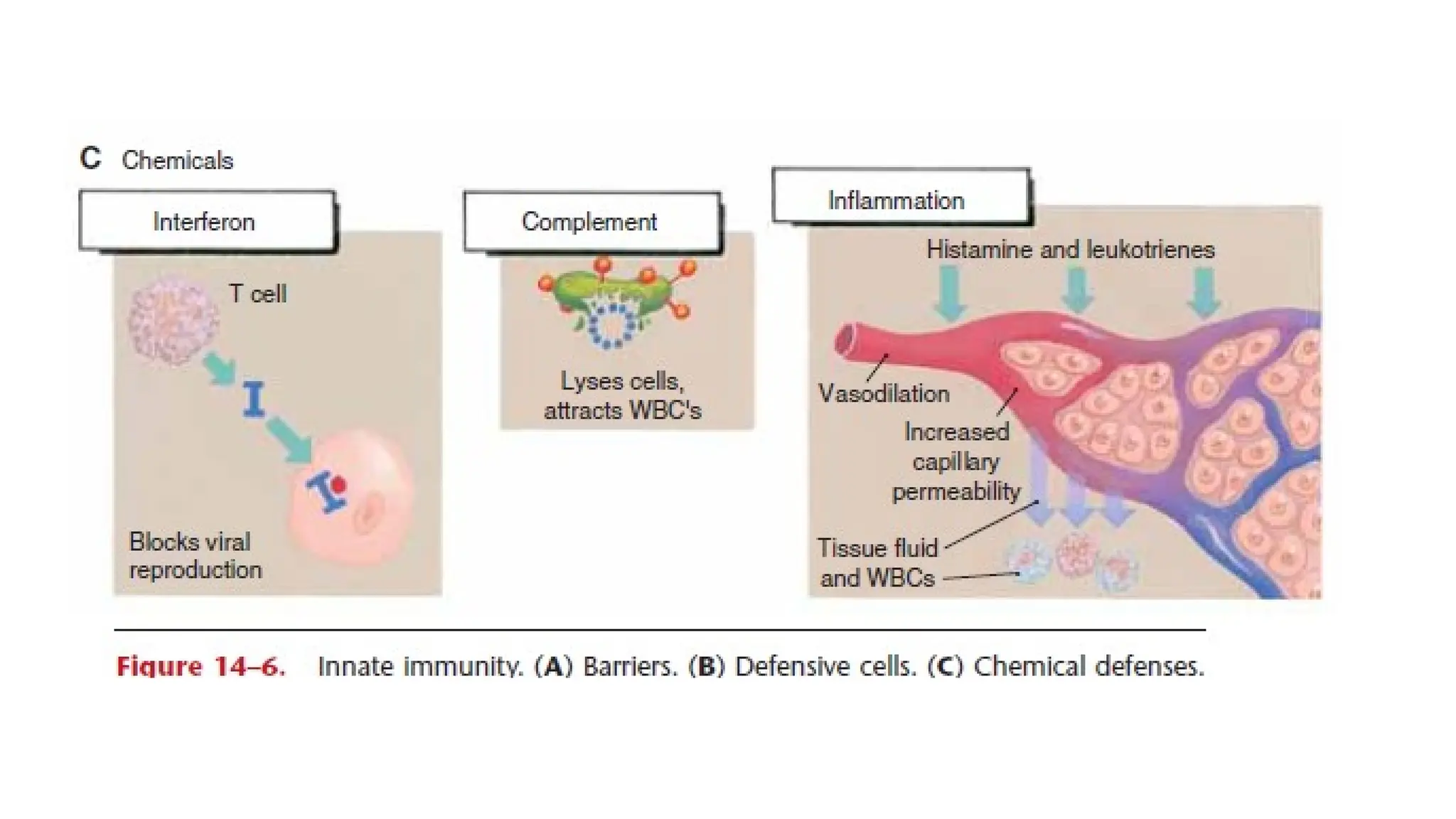
Innate Immunity
1. Nonspecific
responses are always the same, do not create memory, and does not become more efficient. Consists of barriers,
defensive cells, and chemical defenses.
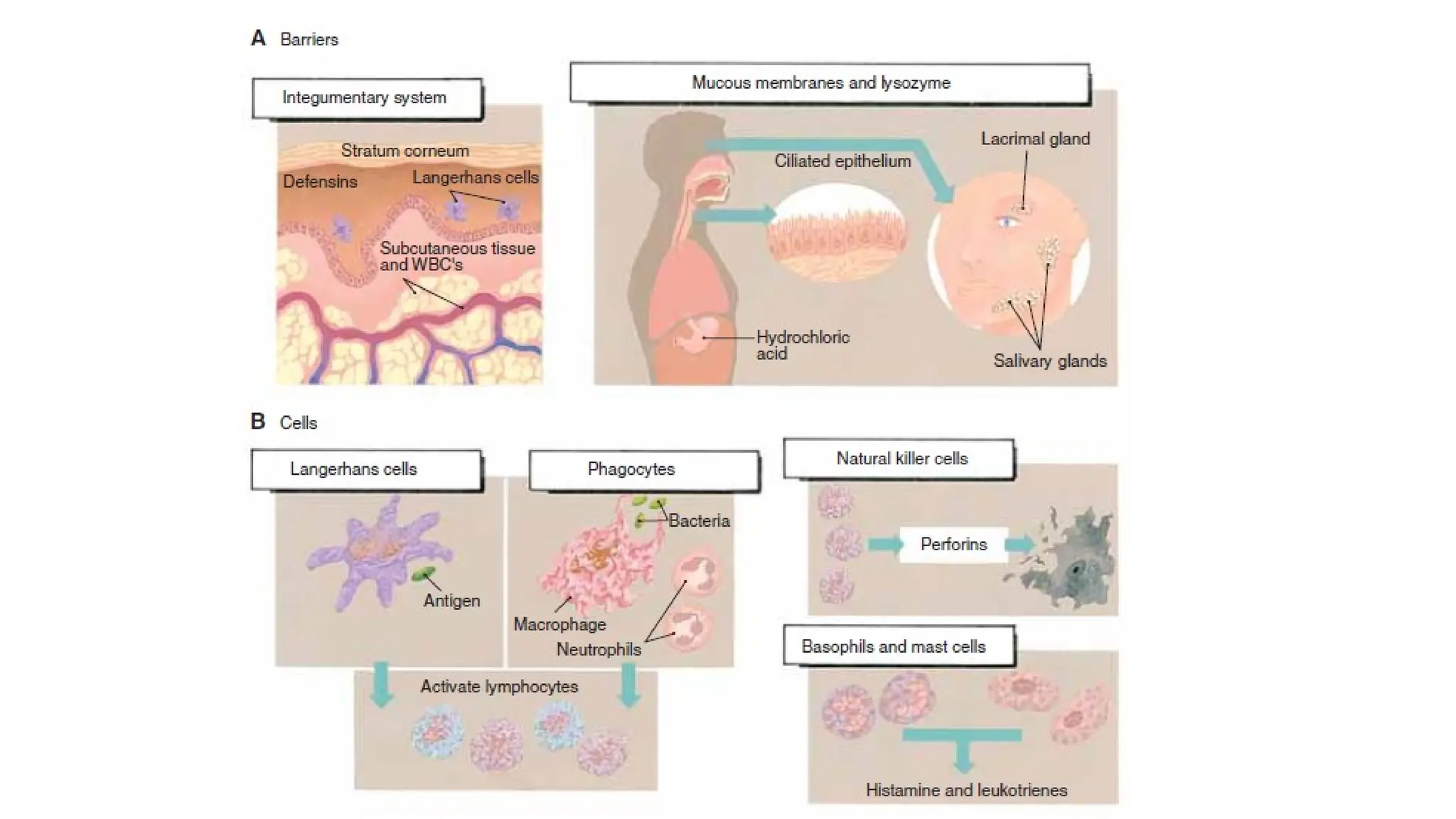
2. Barriers
• Unbroken stratum corneum and sebum; living epidermal cells secrete defensins
• Subcutaneous tissue with WBCs
• Mucous membranes , upper respiratory epithelium is ciliated
• HCl in gastric juice
• Lysozyme in saliva and tears
3. Defensive cells
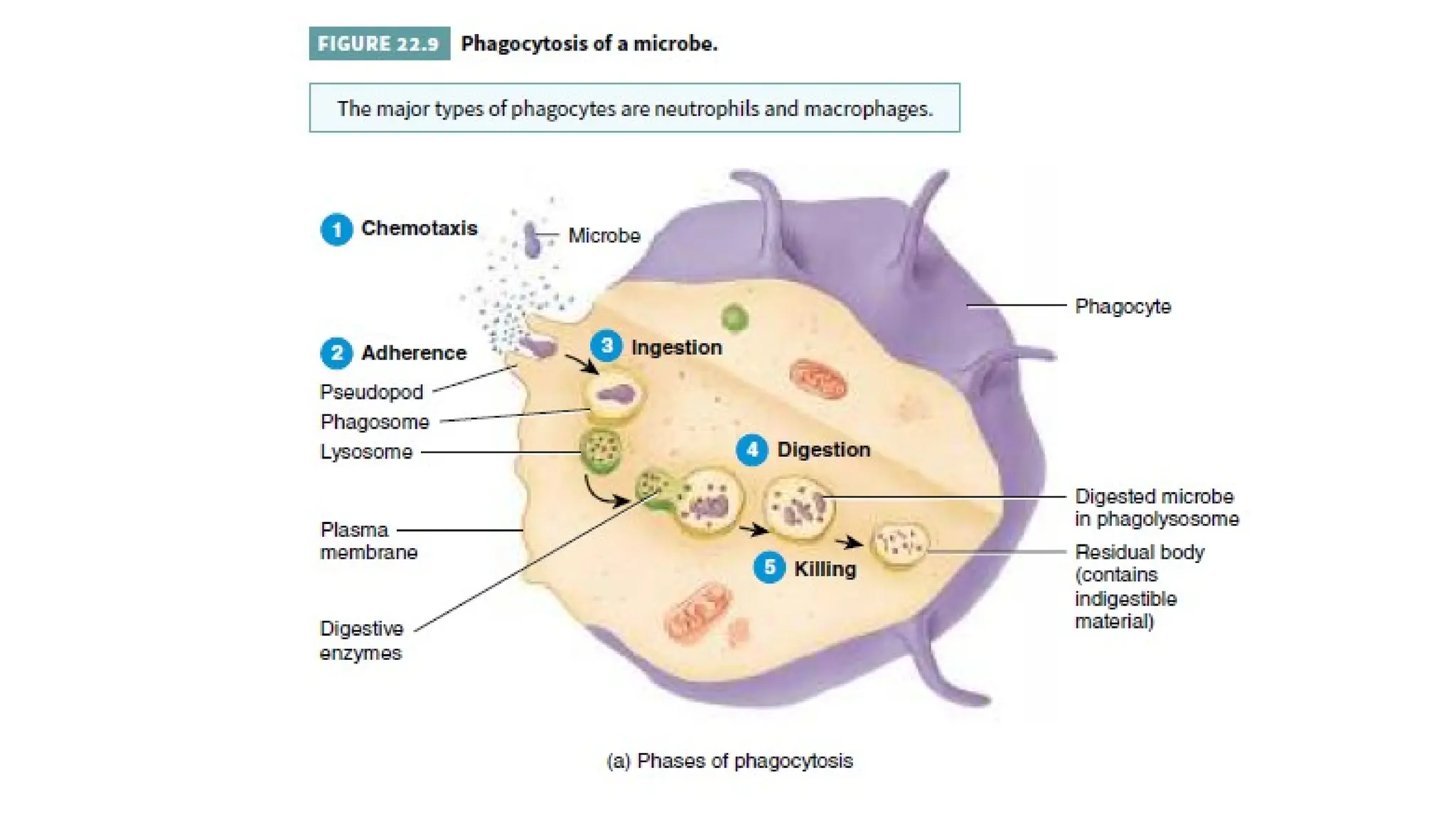
• Phagocytes—macrophages, neutrophils, eosinophils; macrophages also activate the lymphocytes
of adaptive immunity
• Langerhans cells and other dendritic cells—activate lymphocytes
• Natural killer cells—destroy foreign cells by rupturing their cell membranes
• Basophils and mast cells—produce histamine and leukotrienes (inflammation)
THE END

intoduction and basic of The Lymphatec system in Humans

  • 1.
    Lymphatic System: Antibodies andImmune cells: Dr Rafaqat Ishaq (Zool-402) Human Physiology 27-05-2024
  • 2.
    Parts of theLymphatic System 1. Lymph and lymph vessels. 2. Lymphatic tissue: lymph nodes and nodules, spleen, and thymus; lymphocytes mature and proliferate Antibodies and Immune cells
  • 23.
    Immunity —the ability todestroy foreign antigens and prevent future cases of certain infectious diseases 1. Antigens are chemical markers that identify cells. Human cells have “self” antigens—the HLA types. 2. Foreign antigens stimulate antibody production or other immune responses, and include bacteria, viruses, fungi, protozoa, and malignant cells.
  • 27.
    Innate Immunity 1. Nonspecific responsesare always the same, do not create memory, and does not become more efficient. Consists of barriers, defensive cells, and chemical defenses. 2. Barriers • Unbroken stratum corneum and sebum; living epidermal cells secrete defensins • Subcutaneous tissue with WBCs • Mucous membranes , upper respiratory epithelium is ciliated • HCl in gastric juice • Lysozyme in saliva and tears 3. Defensive cells • Phagocytes—macrophages, neutrophils, eosinophils; macrophages also activate the lymphocytes of adaptive immunity • Langerhans cells and other dendritic cells—activate lymphocytes • Natural killer cells—destroy foreign cells by rupturing their cell membranes • Basophils and mast cells—produce histamine and leukotrienes (inflammation)
  • 41.